Vaseline (Petroleum Jelly) – Versatile Solution for Personal Care and Industrial Applications
Vaseline, commonly known as petroleum jelly, is a semi-solid mixture of purified hydrocarbons widely used in personal care, cosmetics, pharmaceuticals, and various industrial applications. Recognized for its moisturizing, protective, and lubricating properties, petroleum jelly helps reduce moisture loss from the skin and provides a protective barrier against dryness. Its versatile characteristics make it a valuable ingredient in skincare formulations, ointments, and specialized industrial products.
Key Properties of Vaseline
Petroleum jelly is typically a smooth, semi-solid substance with a translucent or white appearance, depending on its grade and level of purification. It is water-insoluble, chemically stable under appropriate storage conditions, and effective at forming a protective barrier on surfaces. These properties make it suitable for formulations that require moisture retention, lubrication, and surface protection.
Different grades of petroleum jelly are available to meet specific requirements, including cosmetic, pharmaceutical, and industrial applications. Selecting the correct grade is essential for ensuring product quality and suitability.
Applications of Vaseline in Personal Care
In the personal care and cosmetics industry, petroleum jelly is widely used in moisturizers, lip balms, body creams, and skin-protection products. It helps reduce transepidermal water loss by creating a protective layer on the skin, supporting softness and hydration.
It is also incorporated into selected haircare and beauty formulations to improve texture and provide conditioning benefits. Cosmetic-grade petroleum jelly is valued for its smooth consistency and compatibility with a range of oil-based ingredients.
Pharmaceutical and Industrial Applications
Pharmaceutical-grade petroleum jelly is used as an ingredient in certain ointments and topical skin-protection products. Its protective and lubricating properties make it useful in formulations designed to help protect dry or irritated skin.
In industrial applications, suitable grades of petroleum jelly may be used as lubricants, moisture barriers, corrosion-protection agents, and protective coatings for selected materials and components. Its performance depends on the specific formulation, grade, and intended use.
Benefits of High-Quality Petroleum Jelly
Petroleum jelly offers several benefits, including effective moisture retention, skin protection, lubrication, and resistance to water. Its stable consistency and versatile properties make it suitable for a wide range of consumer and industrial formulations.
For manufacturers, choosing petroleum jelly with consistent specifications helps support reliable processing, uniform product texture, and dependable finished-product quality.
Quality Standards and Reliable Supply
Quality is an important consideration when selecting petroleum jelly for commercial applications. Key parameters may include purity, color, odor, consistency, melting characteristics, and compliance with the standards relevant to its intended use.
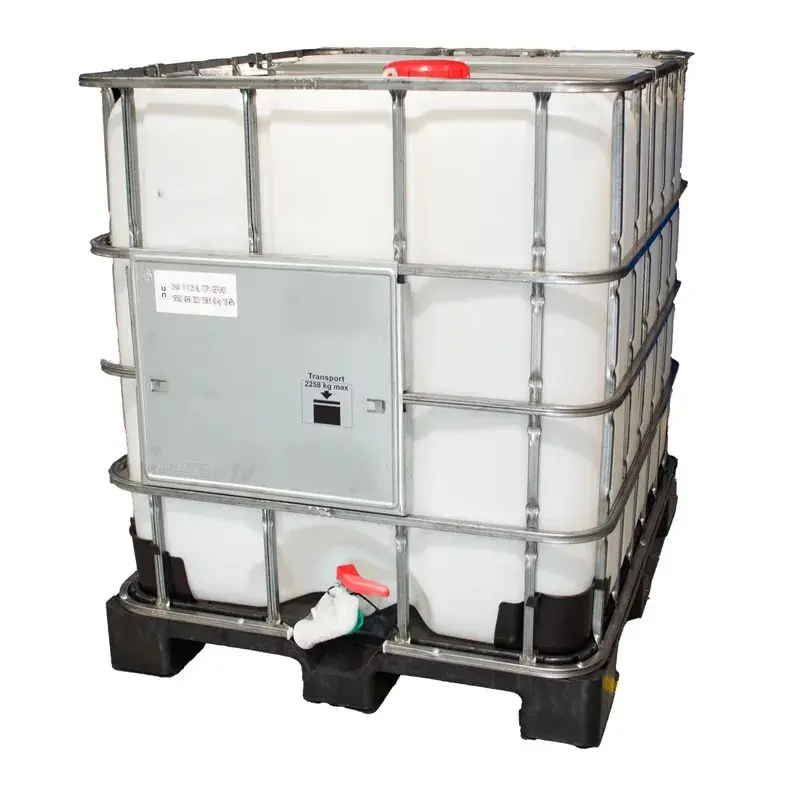
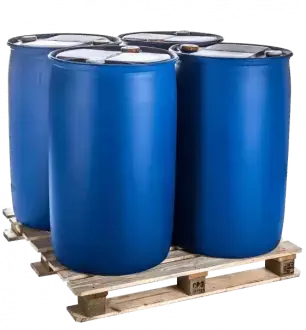
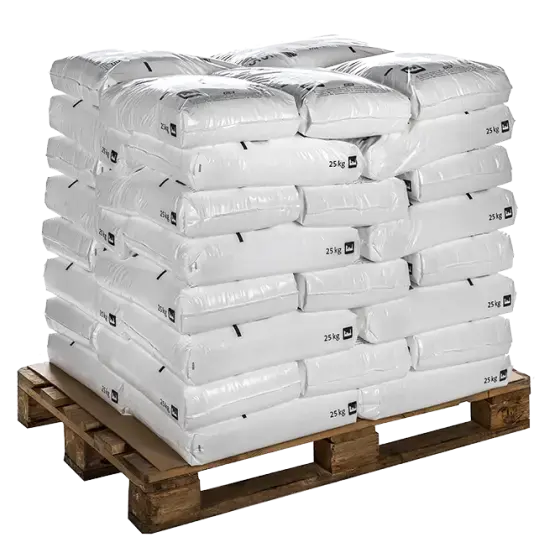
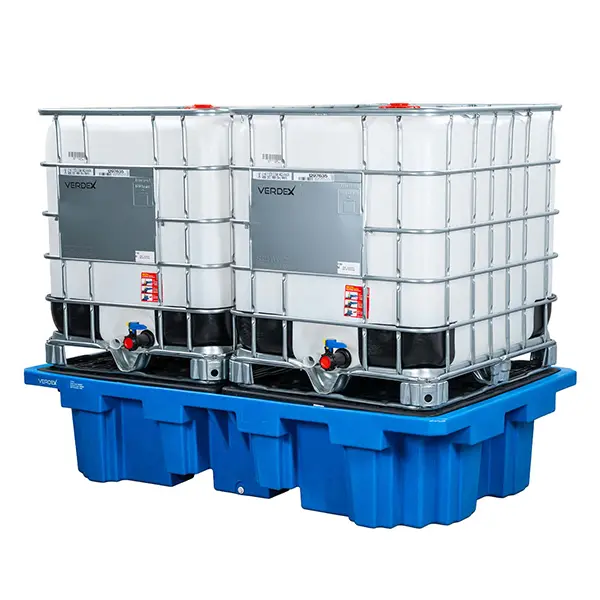
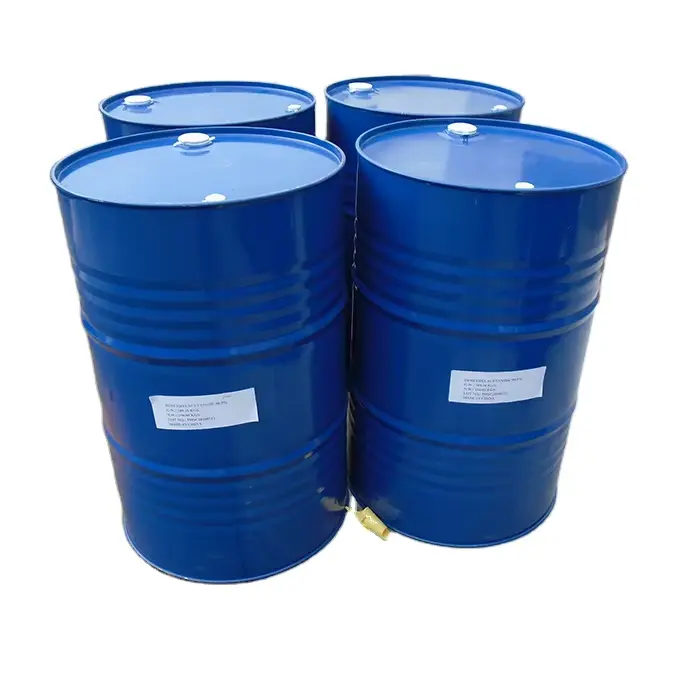
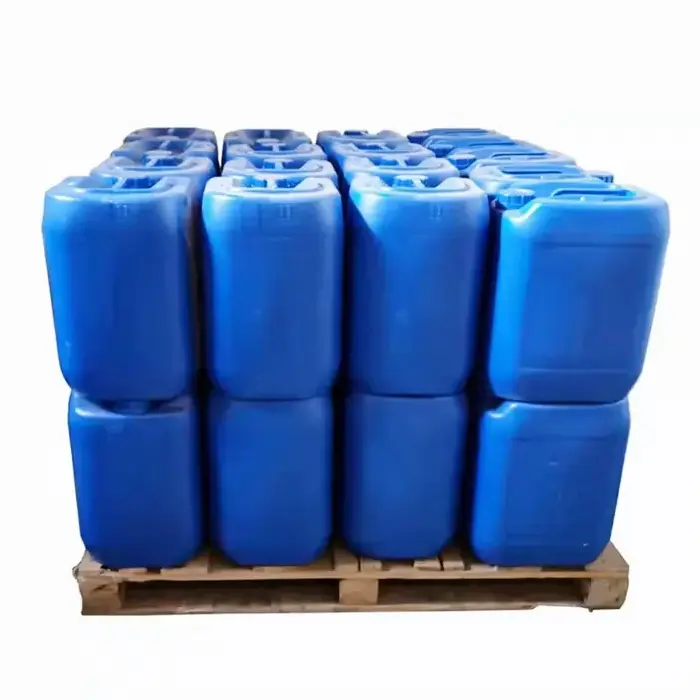
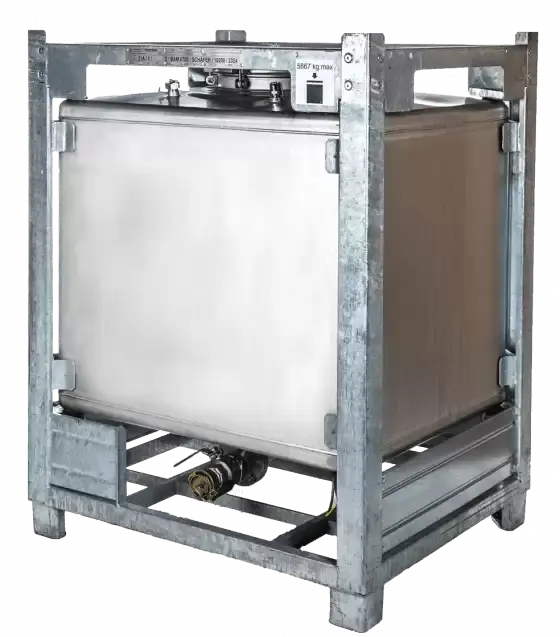
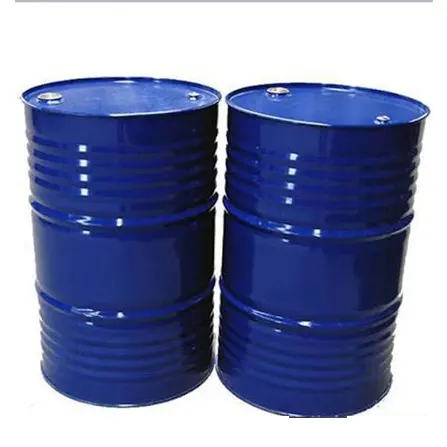
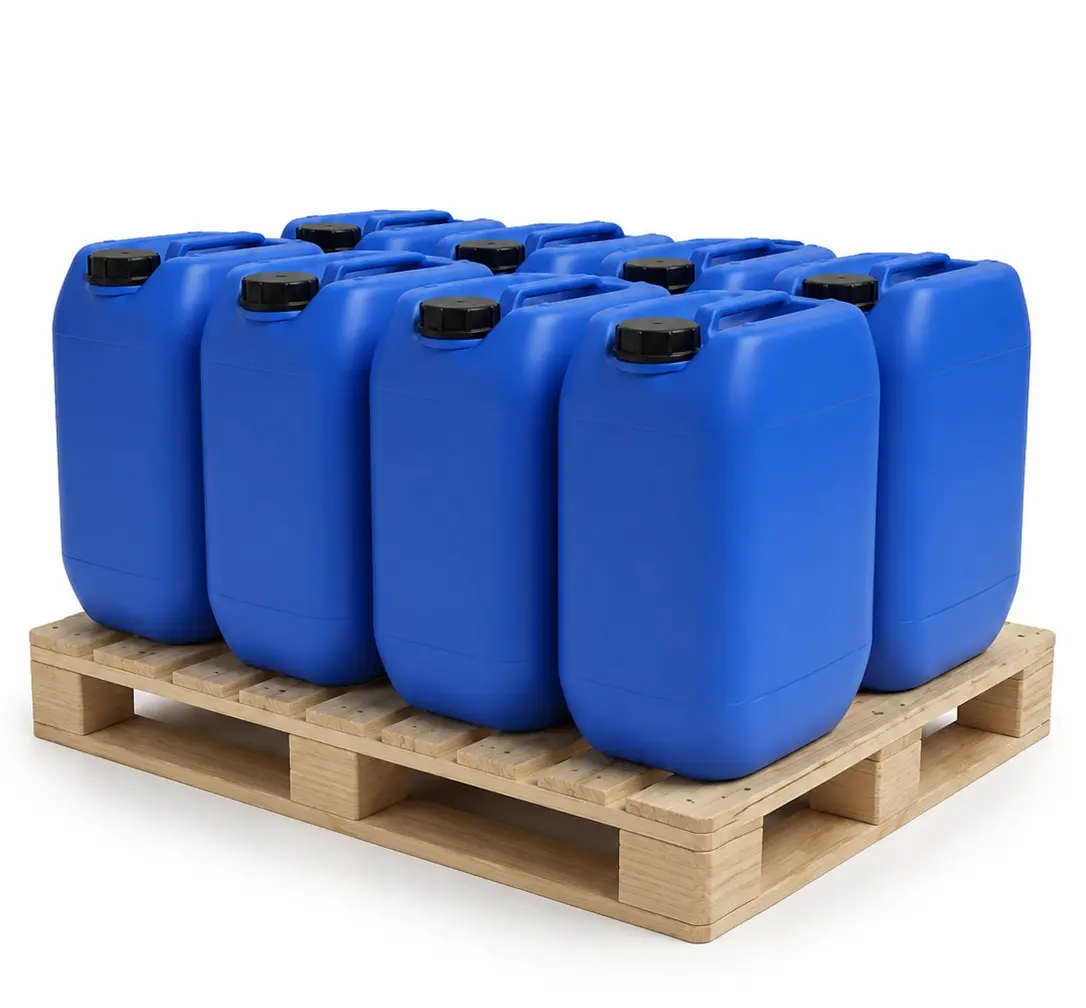
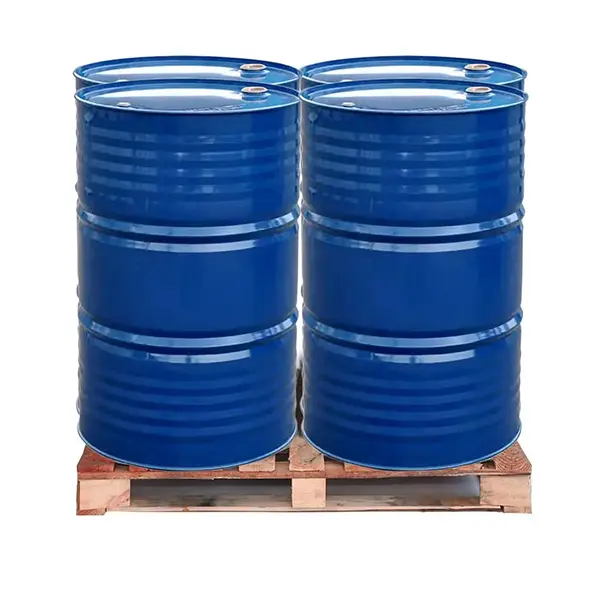
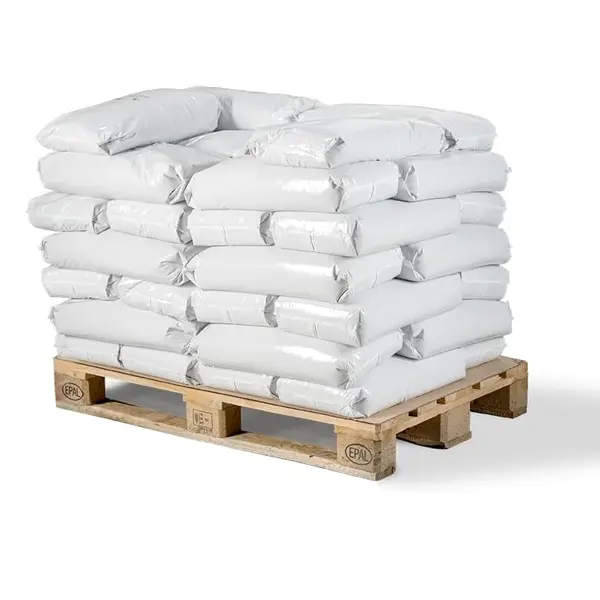
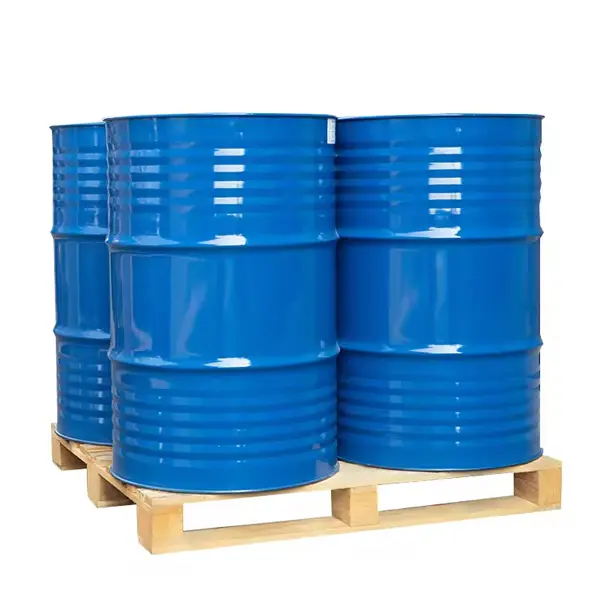
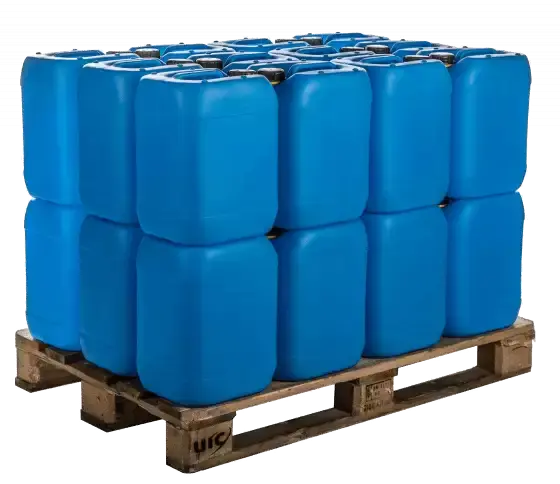
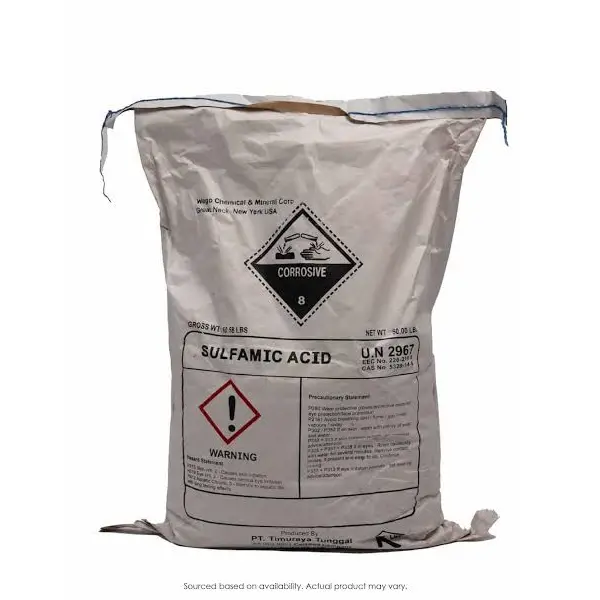
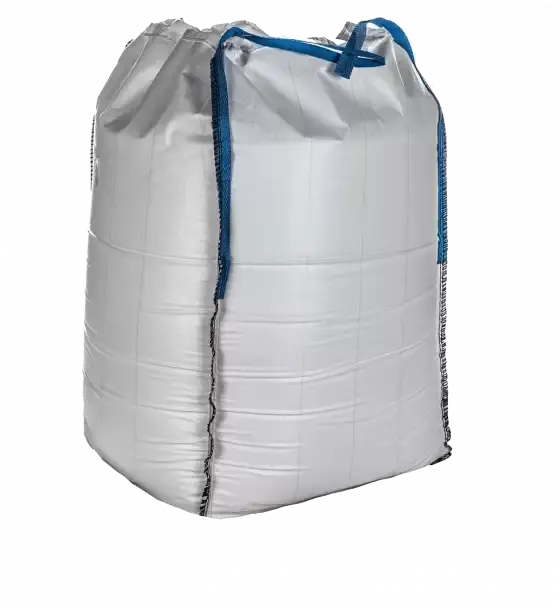
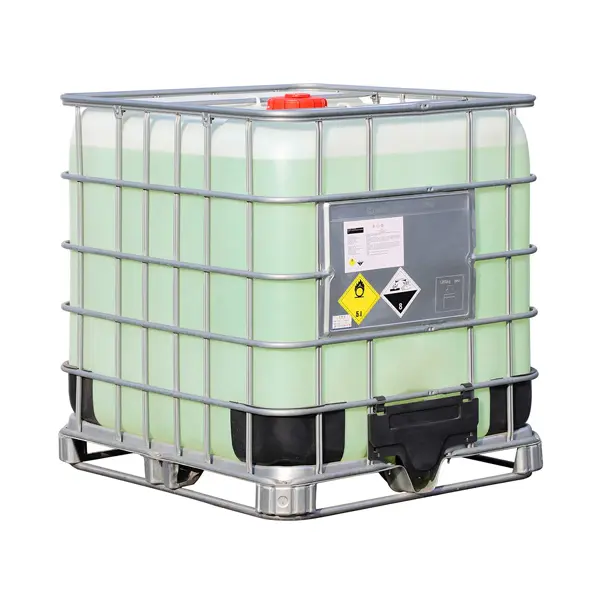
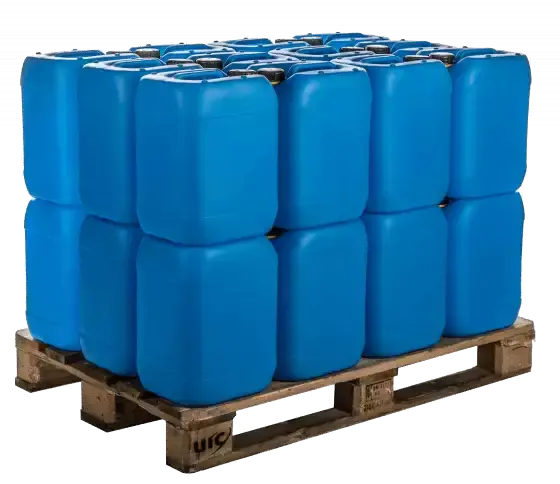
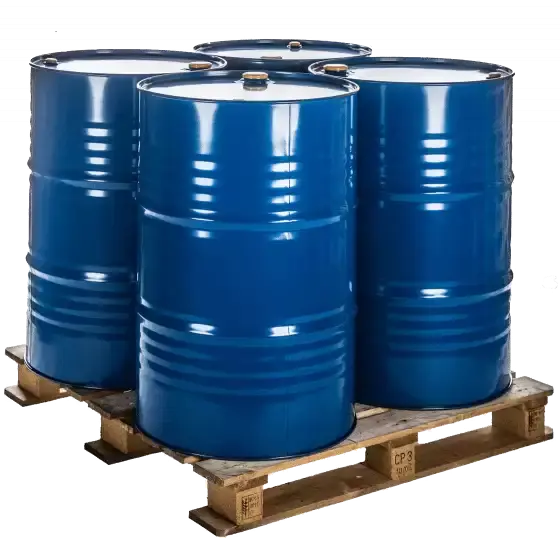
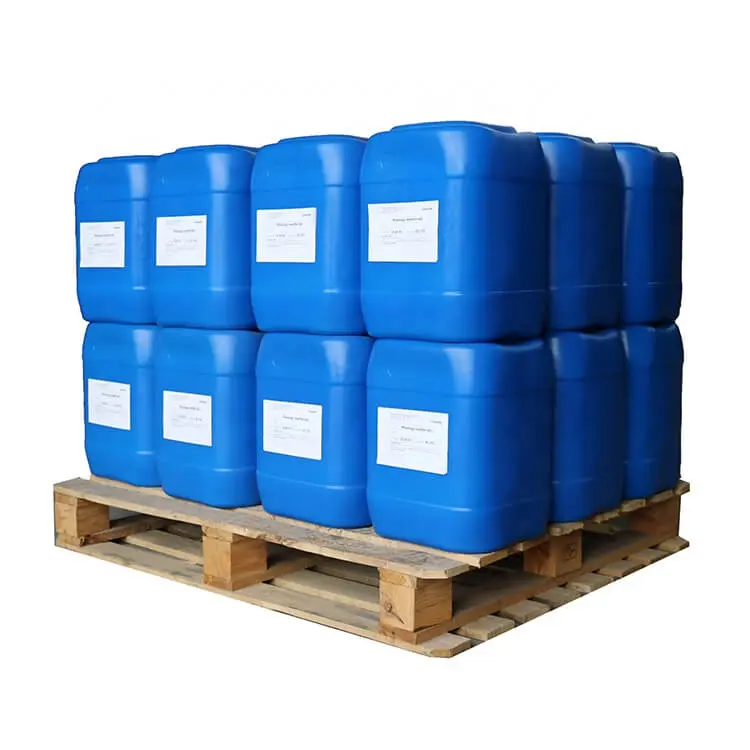
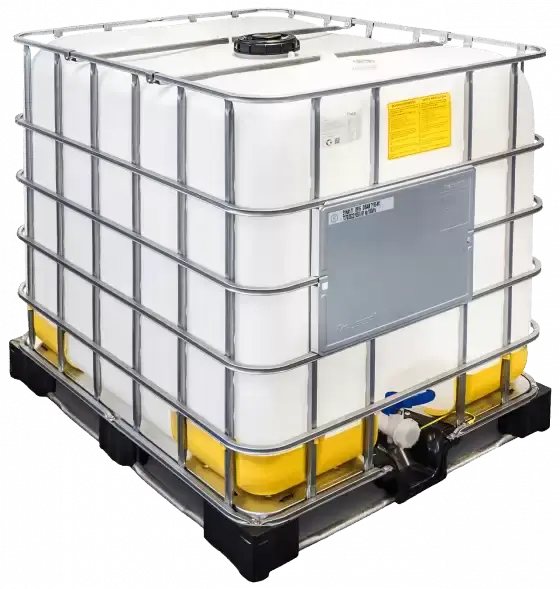
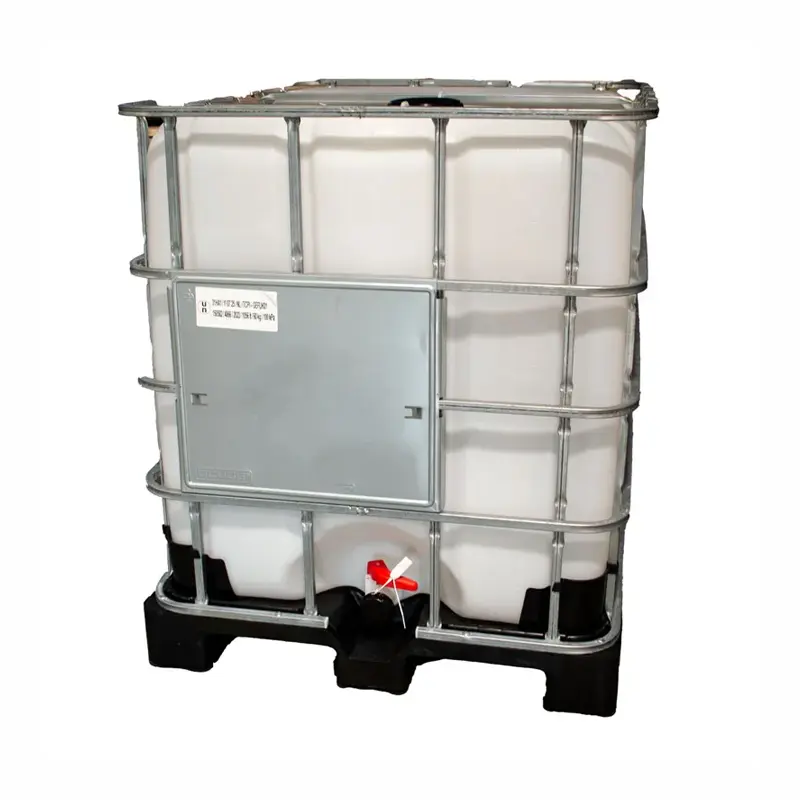
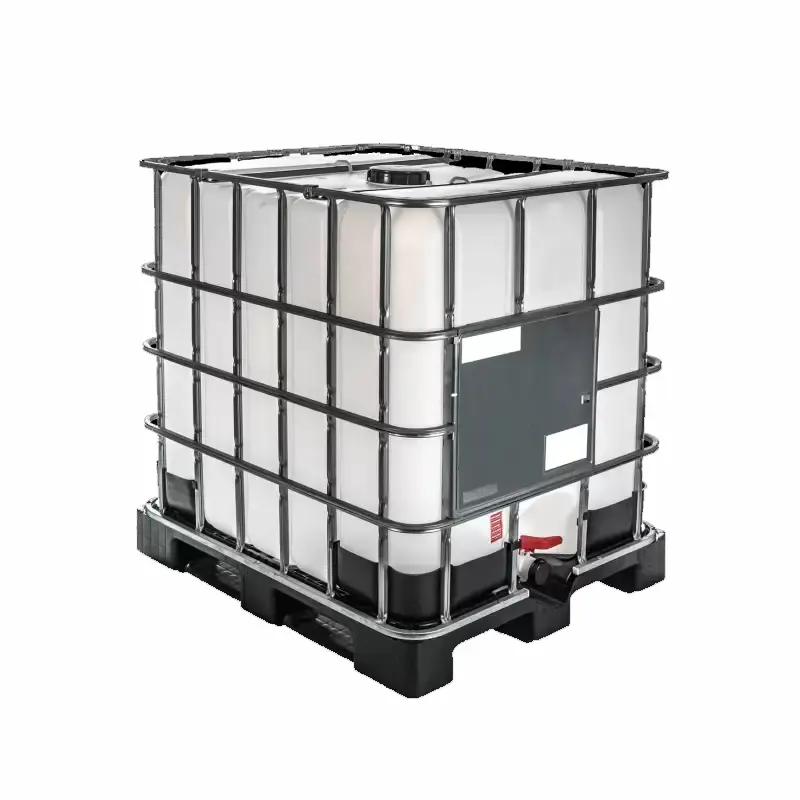
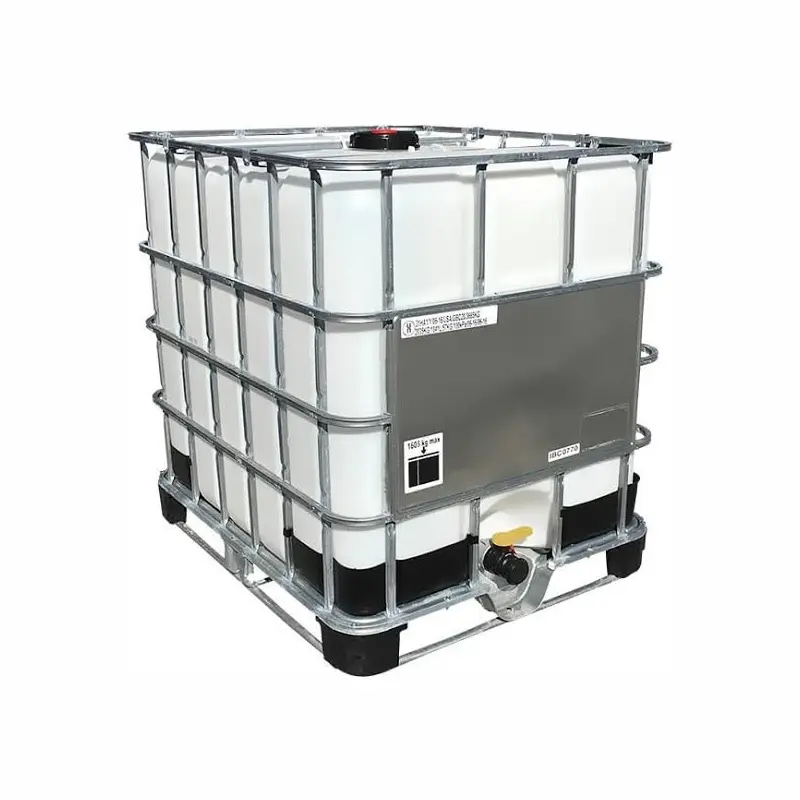
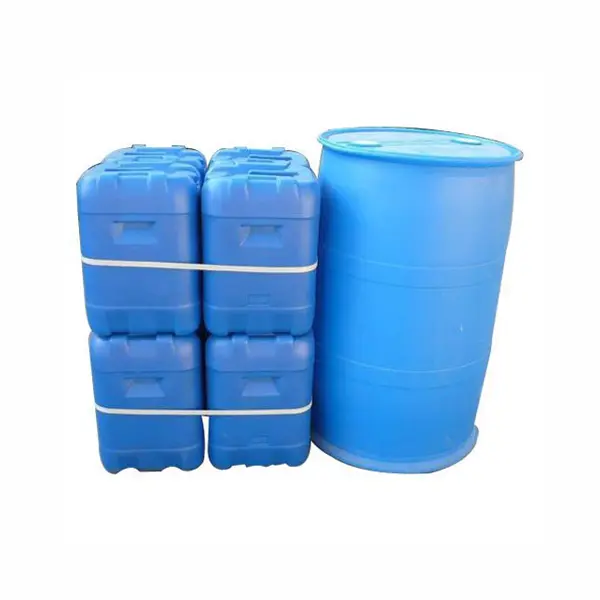
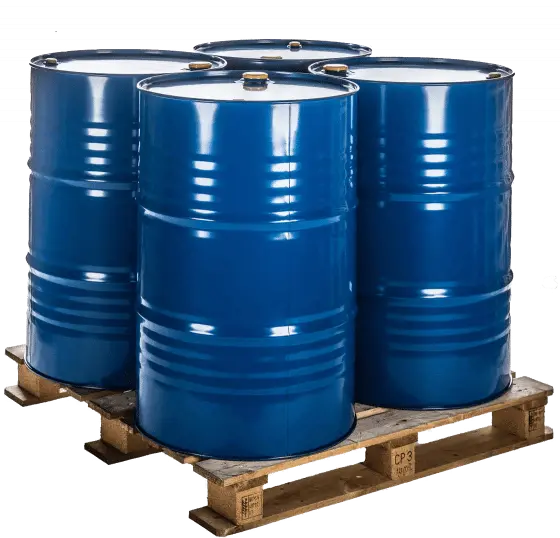
Cosmetic and pharmaceutical applications require appropriately refined grades that meet applicable safety and regulatory requirements. Proper packaging and storage also help preserve product quality throughout transportation and handling.
Reliable Vaseline Solutions for Diverse Industries
Petroleum jelly remains an important raw material across personal care, cosmetics, pharmaceuticals, and selected industrial sectors. Its moisturizing, protective, and lubricating characteristics make it a versatile choice for manufacturers developing products for everyday care and specialized applications.
By selecting the appropriate grade and maintaining consistent quality standards, businesses can benefit from the versatility and reliable performance of petroleum jelly in a variety of formulations.