Lactic Acid – Versatile Organic Acid for Food, Chemical, Pharmaceutical, and Industrial Applications
Introduction
Lactic Acid is an organic acid widely used in food processing, chemical manufacturing, pharmaceutical formulations, cosmetics, personal care products, and various industrial applications. Chemically known as 2-hydroxypropanoic acid, it belongs to the alpha-hydroxy acid (AHA) family and is valued for its acidity, water solubility, and versatility in different formulations.
Lactic Acid is typically supplied as a colorless to pale yellow liquid, commonly in aqueous solutions of varying concentrations. It can be produced through the fermentation of carbohydrates or by chemical synthesis, depending on the manufacturing process.
Its acidifying, pH-adjusting, and formulation properties make Lactic Acid an important ingredient in numerous commercial and industrial products. Different grades are available to meet the requirements of food, pharmaceutical, cosmetic, and technical applications.
Industrial Applications
Lactic Acid is used across a wide range of industries due to its chemical properties and formulation versatility.
- Food and Beverage Industry: Used as an acidity regulator, acidulant, and flavoring component in suitable food and beverage formulations.
- Pharmaceutical Manufacturing: Used in selected pharmaceutical formulations and as a chemical intermediate, subject to applicable quality standards.
- Cosmetics and Personal Care: Incorporated into skincare products, exfoliating formulations, and pH-adjustment systems.
- Chemical Manufacturing: Serves as a raw material in the production of lactate salts, esters, and specialty chemicals.
- Biodegradable Polymer Production: Used as a starting material in the manufacture of polylactic acid (PLA), a bio-based polymer used in packaging and other applications.
- Industrial Cleaning: Incorporated into selected descaling, cleaning, and surface-treatment formulations.
- Textile Processing: Used in certain textile dyeing, finishing, and pH-control applications.
- Agriculture and Animal Nutrition: Used in appropriately specified feed-related and agricultural formulations, subject to applicable regulations.
- Water Treatment: Applied in specialized processes requiring organic acid-based pH adjustment.
- Laboratory Applications: Used as a chemical reagent in research, analysis, and experimental procedures.
Key Benefits
- Effective pH Regulation: Helps adjust and maintain acidity in compatible industrial and commercial formulations.
- High Water Solubility: Mixes readily with water, supporting use in aqueous processing systems.
- Versatile Chemical Applications: Suitable for food processing, cosmetics, pharmaceuticals, and industrial manufacturing when the correct grade is selected.
- Organic Acid Functionality: Provides useful acidifying properties for a variety of formulations.
- Fermentation-Based Production Options: Can be manufactured from renewable carbohydrate feedstocks through microbial fermentation.
- Biopolymer Manufacturing Potential: Serves as an important raw material in the production of polylactic acid.
- Multiple Commercial Concentrations: Available in different solution strengths for application-specific requirements.
- Broad Formulation Compatibility: Can be incorporated into suitable liquid formulations after appropriate compatibility testing.
Product Specifications
| Parameter | Details |
|---|---|
| Product Name | Lactic Acid |
| Chemical Name | 2-Hydroxypropanoic Acid |
| Chemical Formula | C₃H₆O₃ |
| CAS Number | 50-21-5 |
| Molecular Weight | 90.08 g/mol |
| Appearance | Colorless to pale yellow liquid in common commercial aqueous grades |
| Odor | Mild characteristic odor |
| Chemical Classification | Alpha-hydroxy carboxylic acid |
| Water Solubility | Miscible with water |
| Density | Approximately 1.20 g/cm³ at 20°C for some concentrated commercial solutions; grade-dependent |
| Common Commercial Concentrations | 80%, 85%, 88%, and 90%, depending on supplier |
| Acidity | Weak organic acid |
| Primary Functions | Acidulant, pH regulator, chemical intermediate, formulation ingredient |
| Main Applications | Food processing, pharmaceuticals, cosmetics, chemical manufacturing, industrial cleaning |
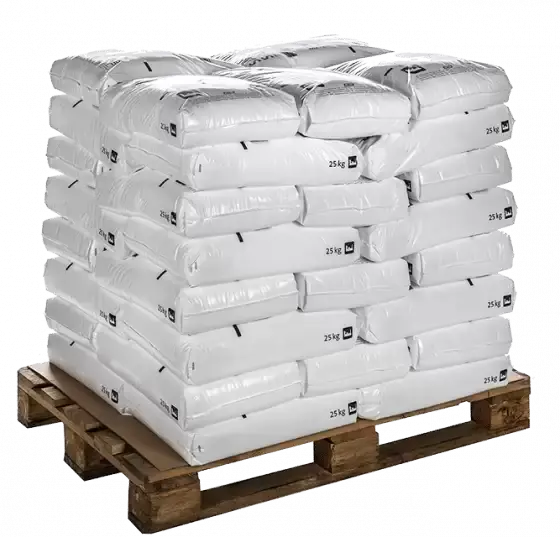
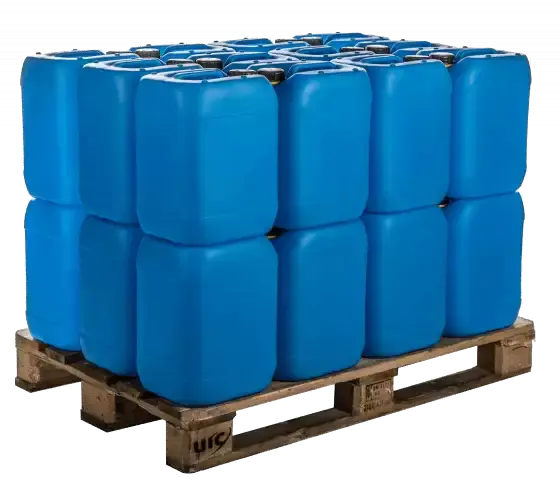
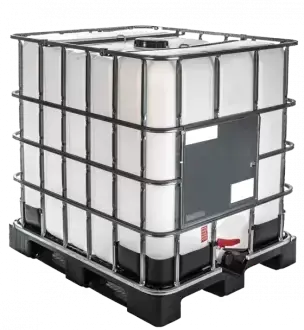
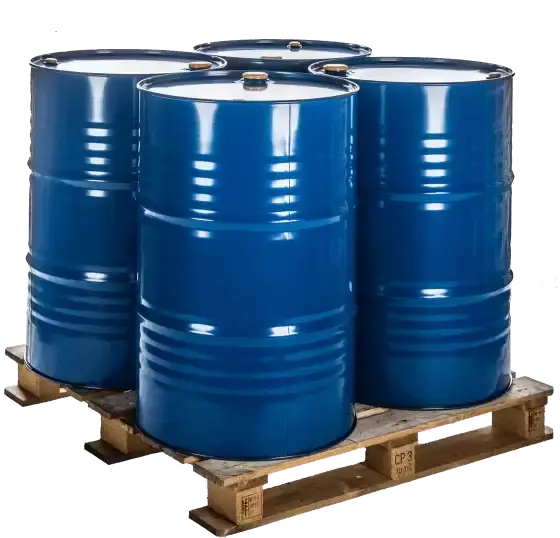
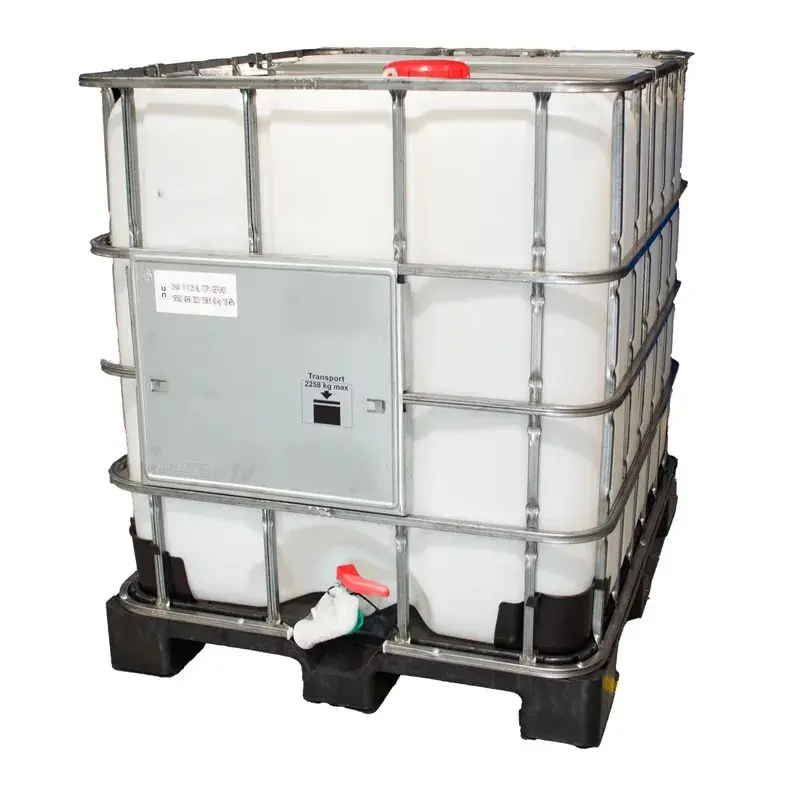
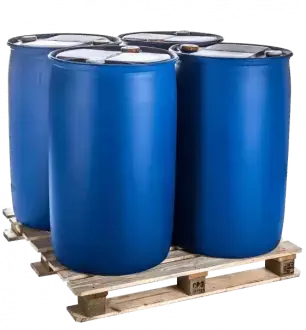
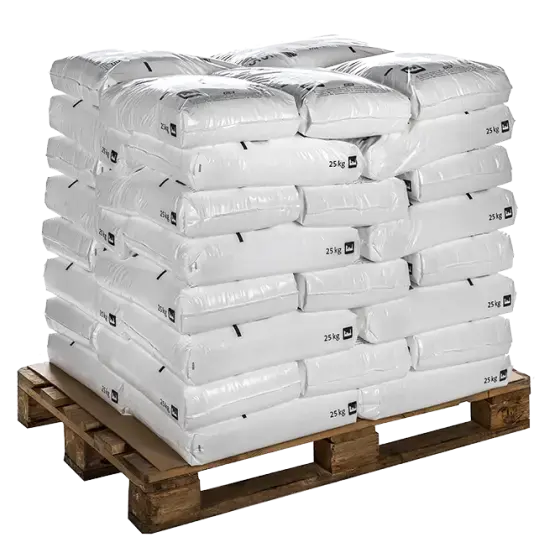
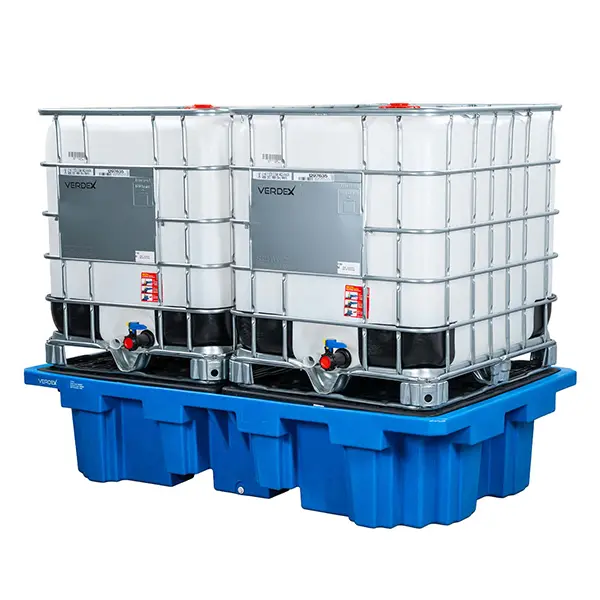
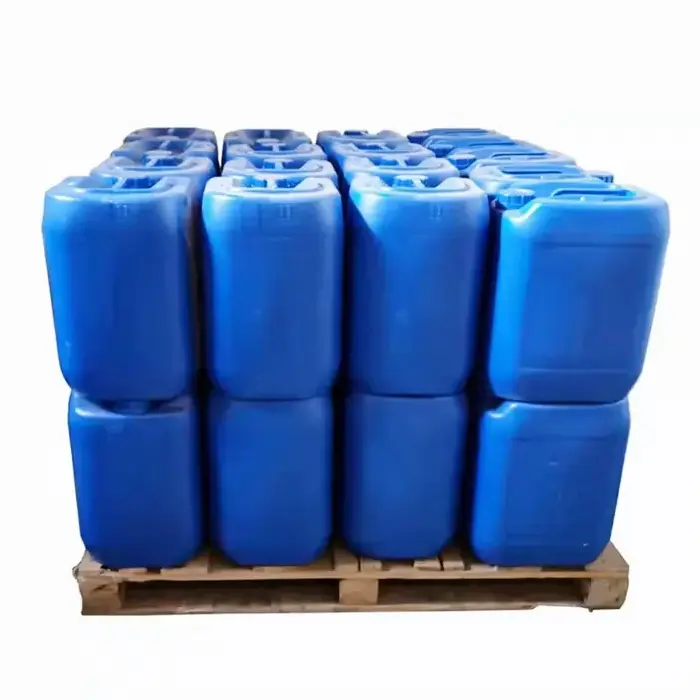
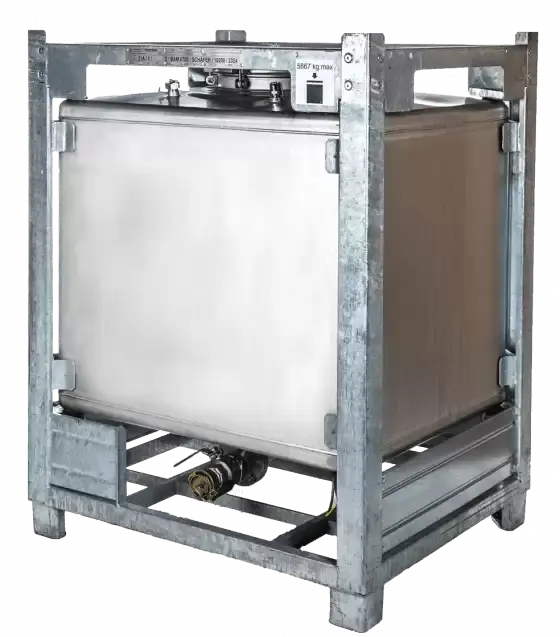
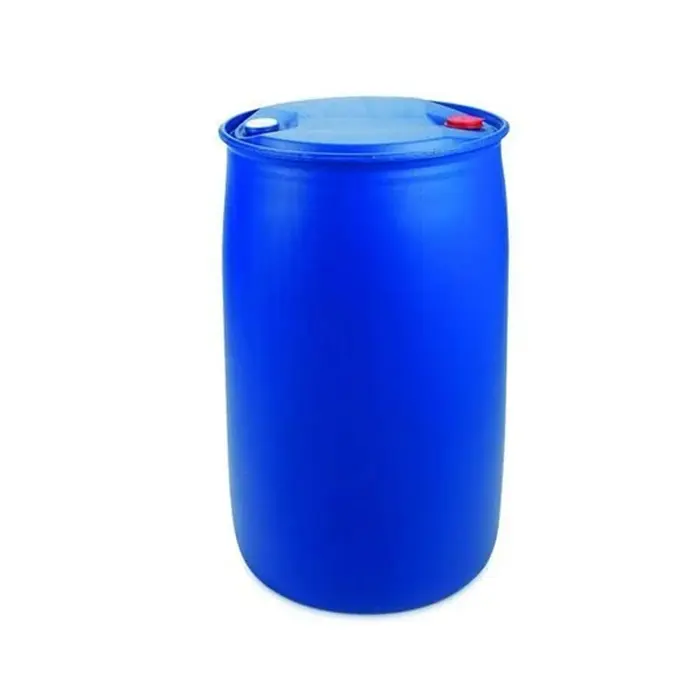
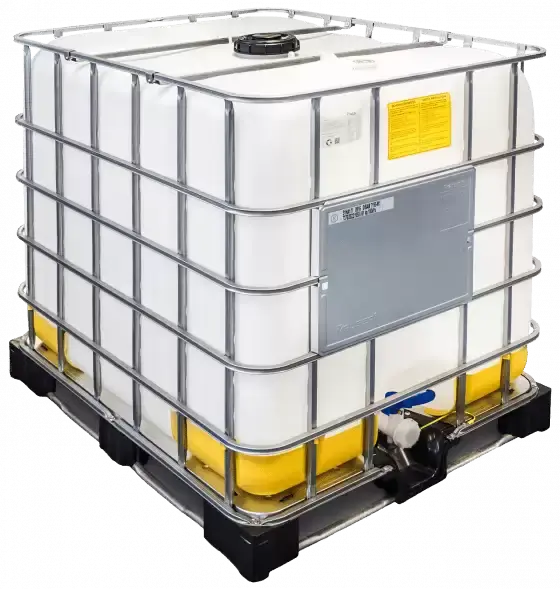
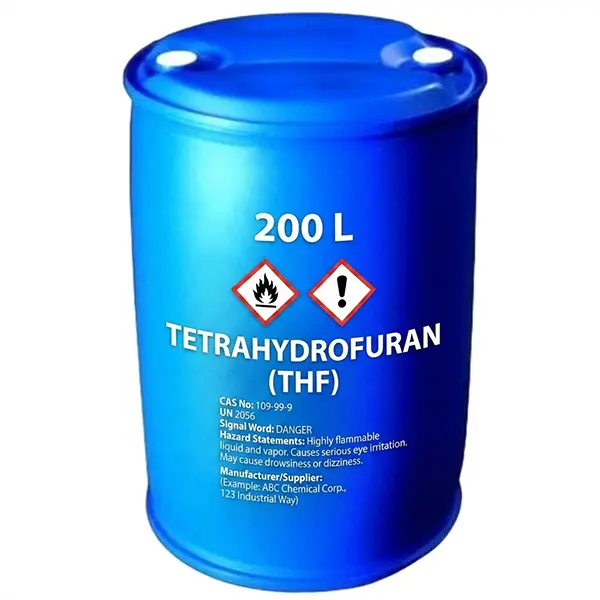
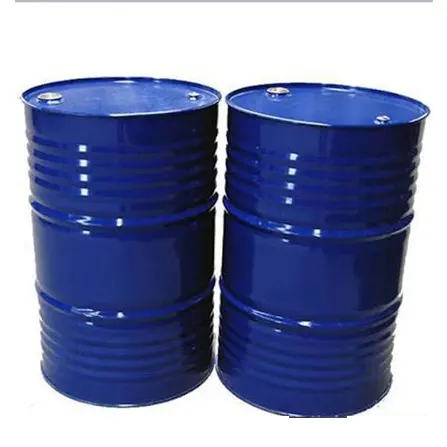
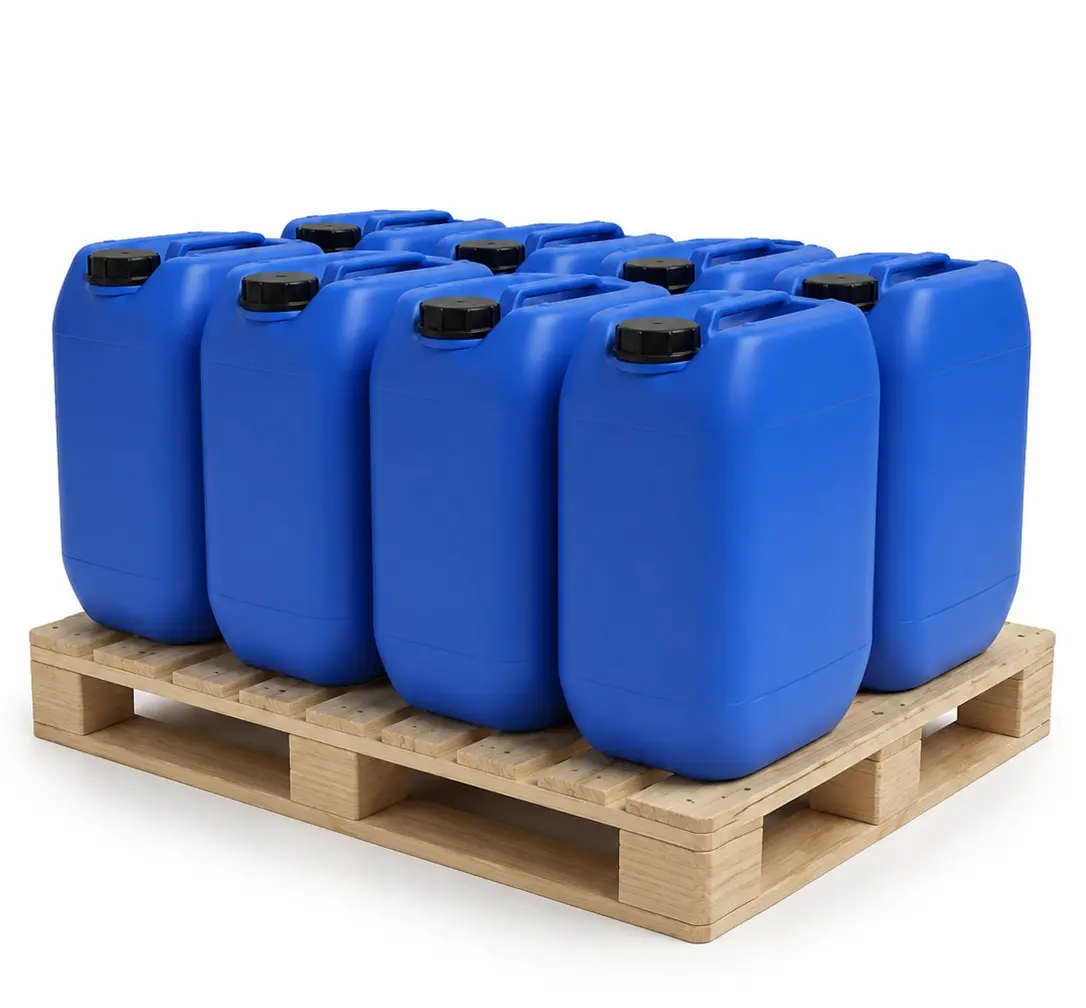
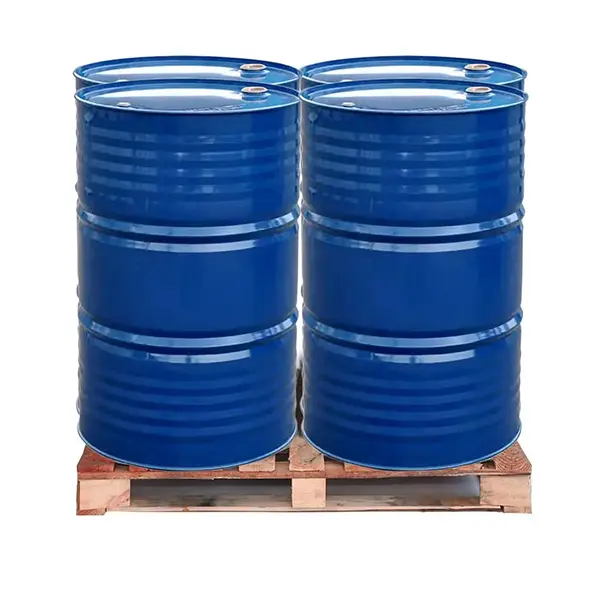
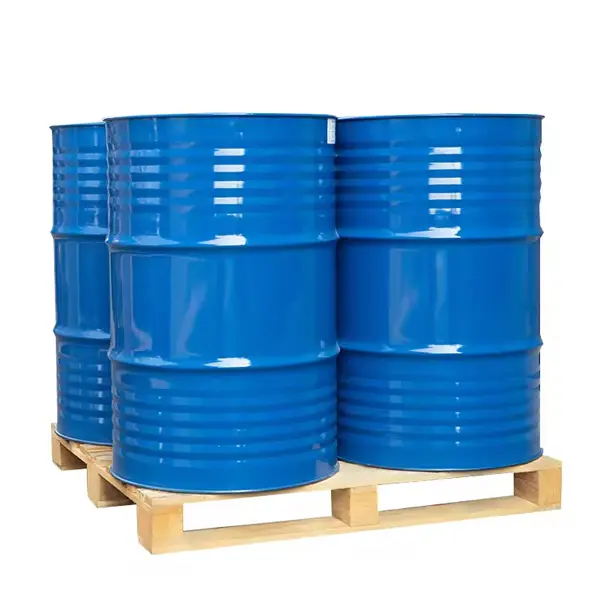
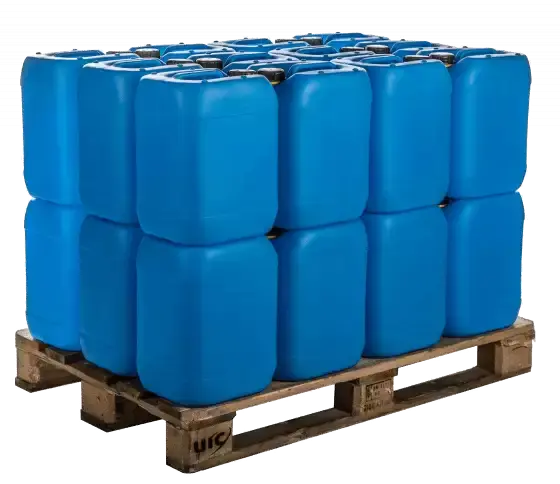
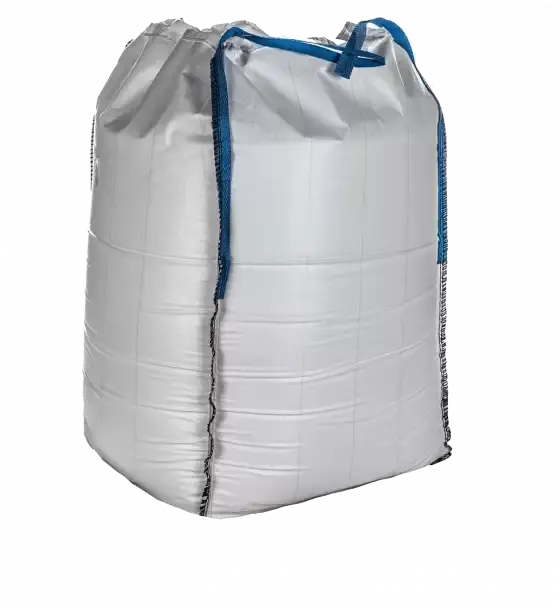
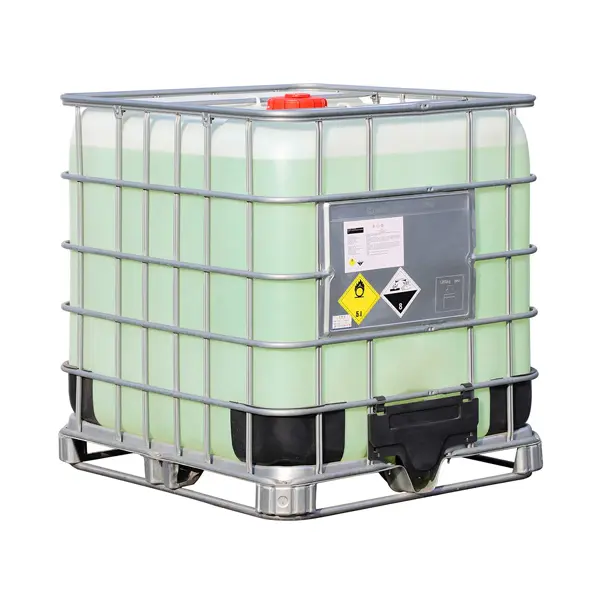
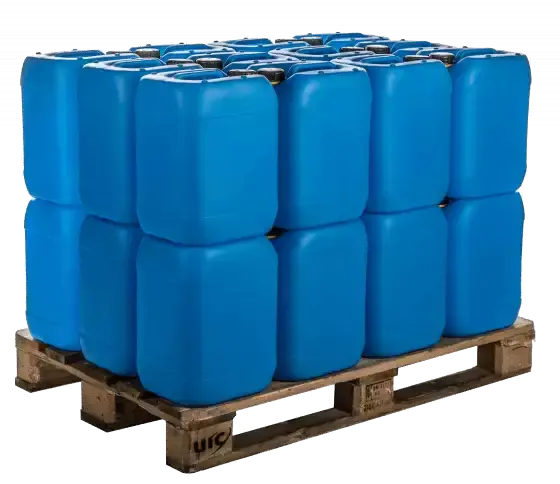
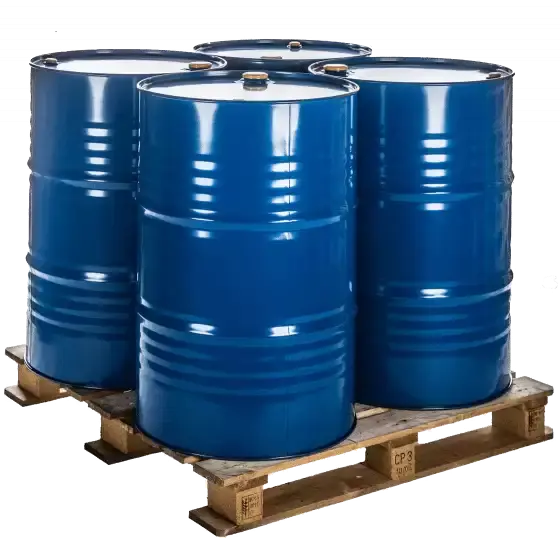
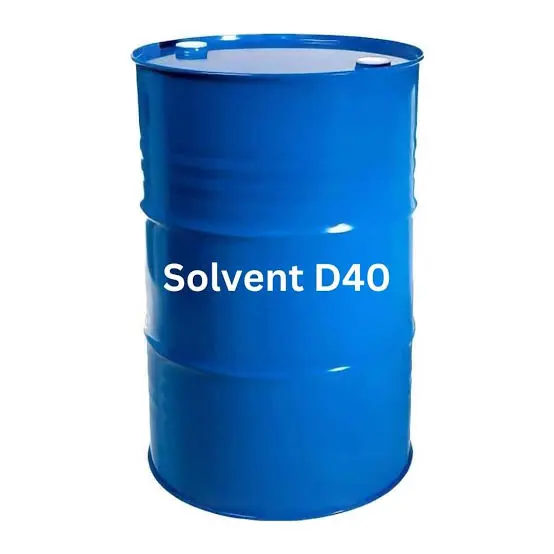
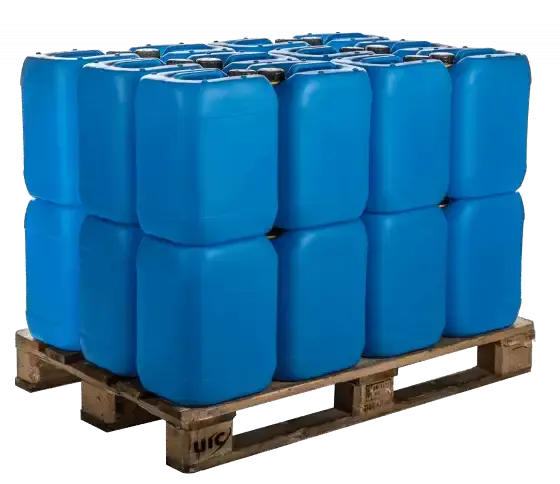
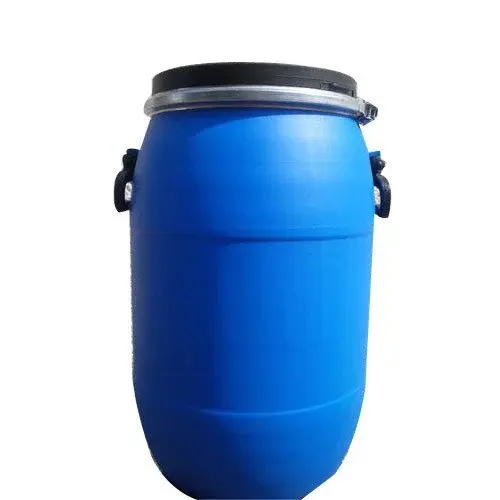
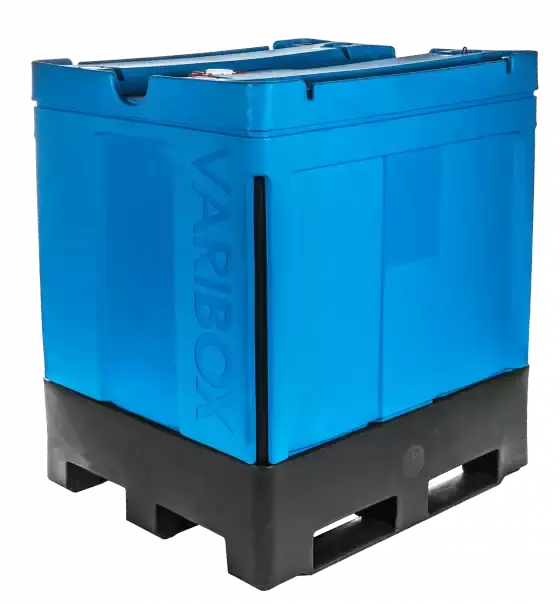
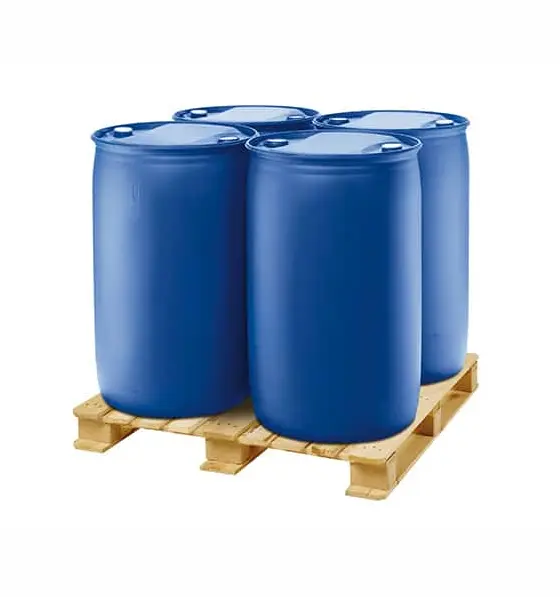
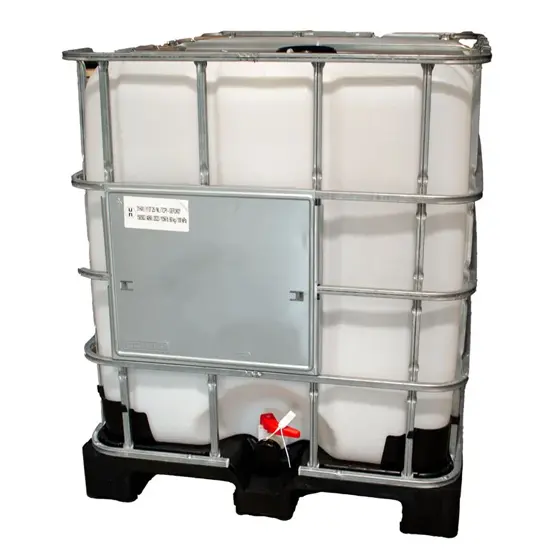
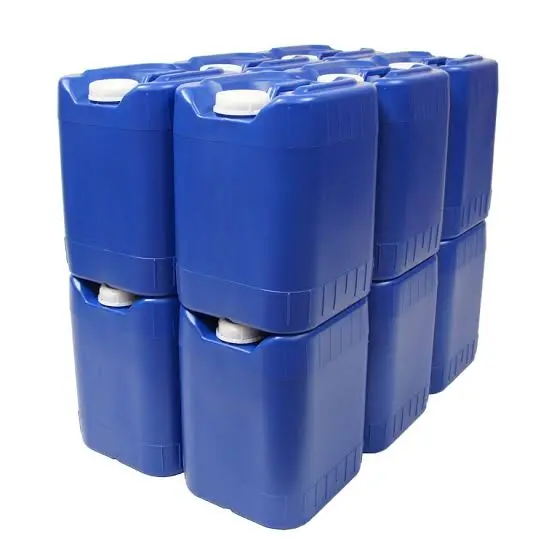
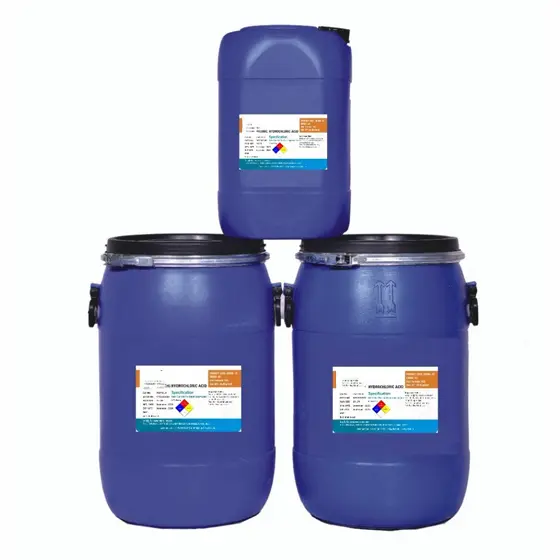
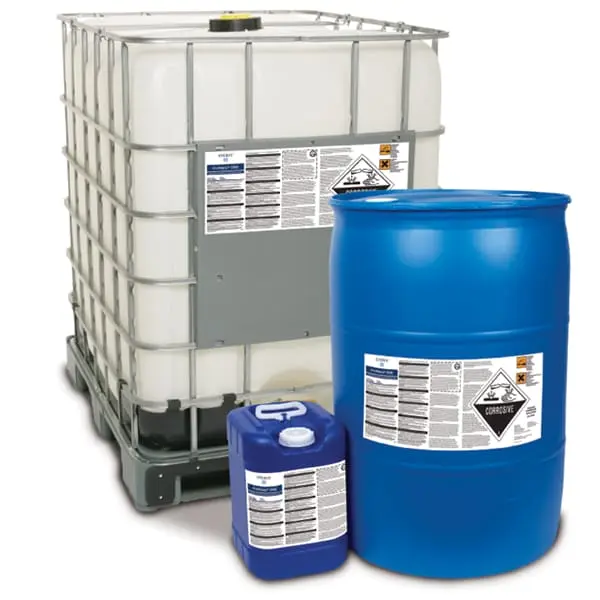
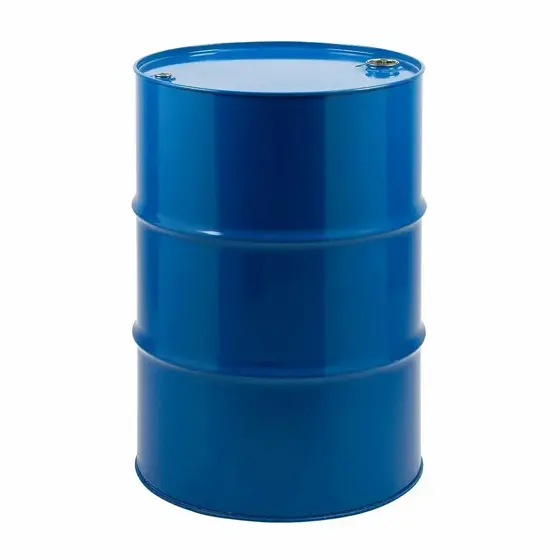
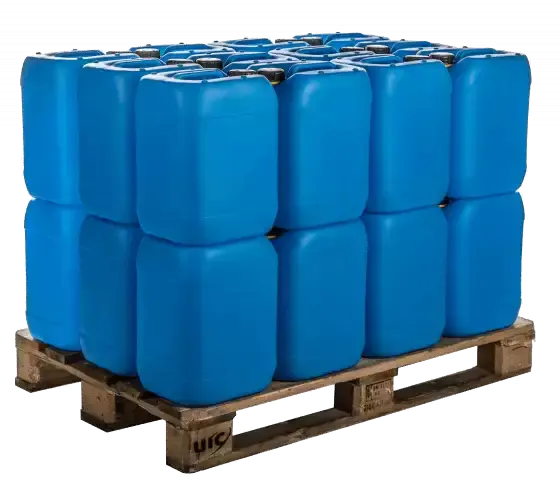
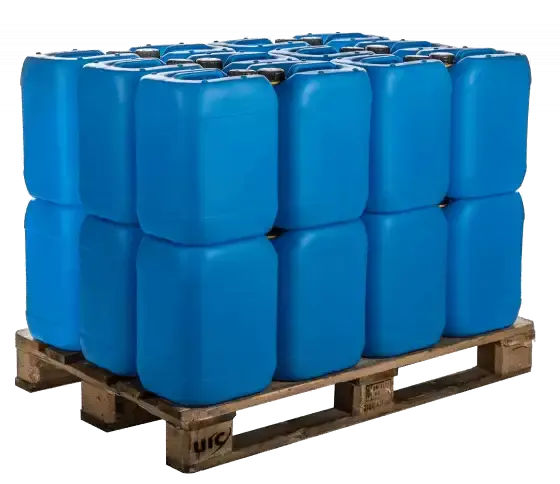
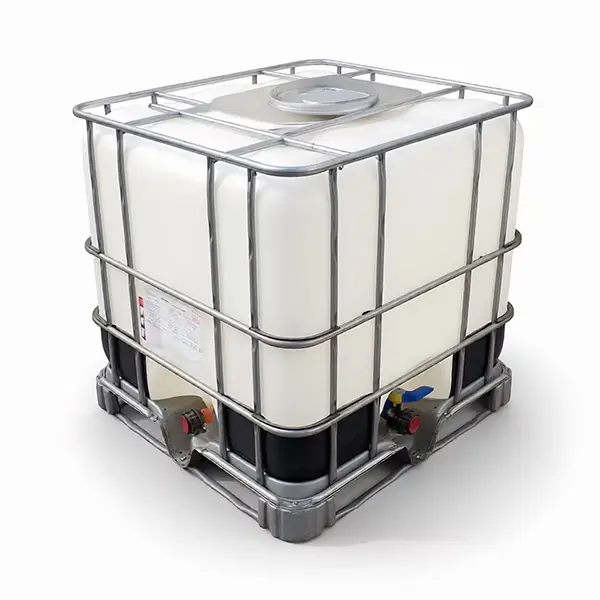
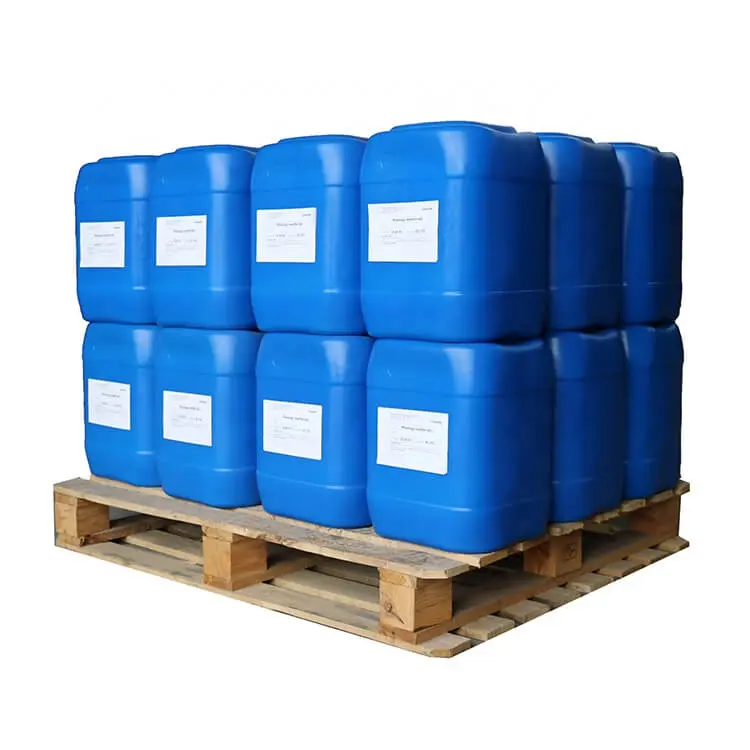
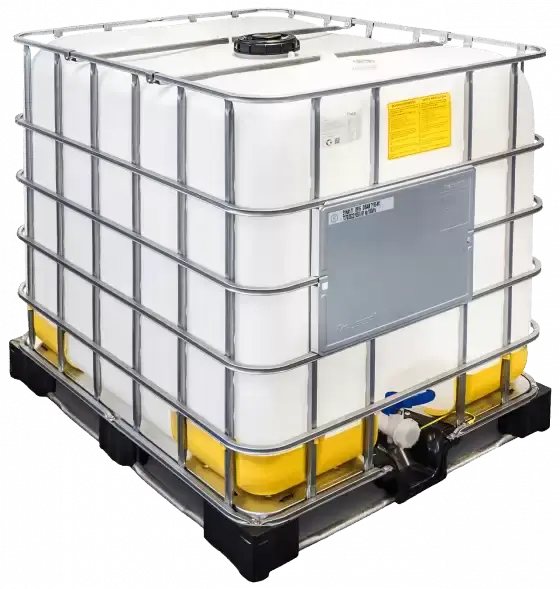
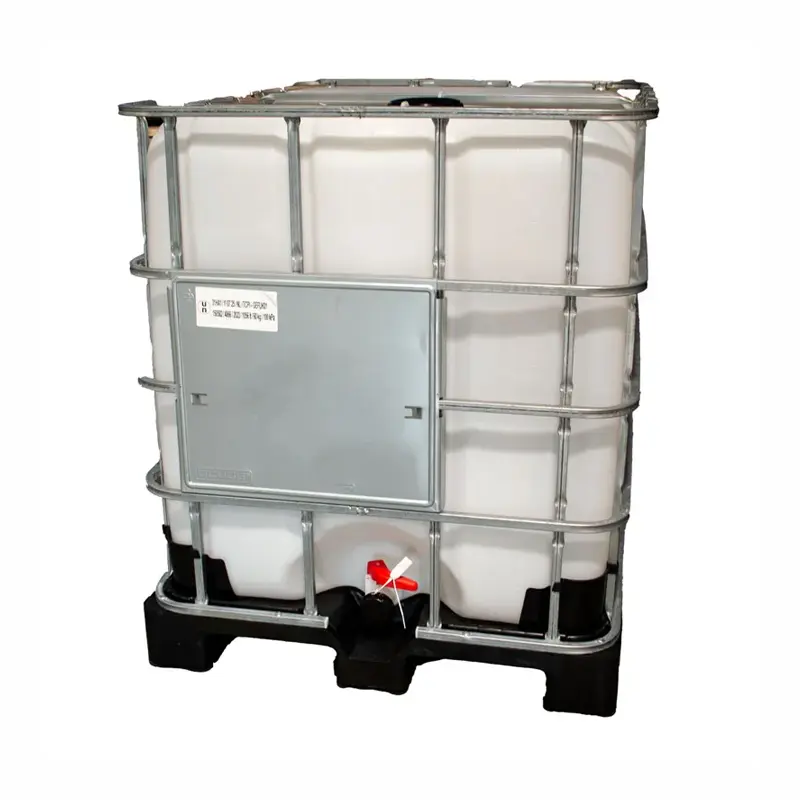
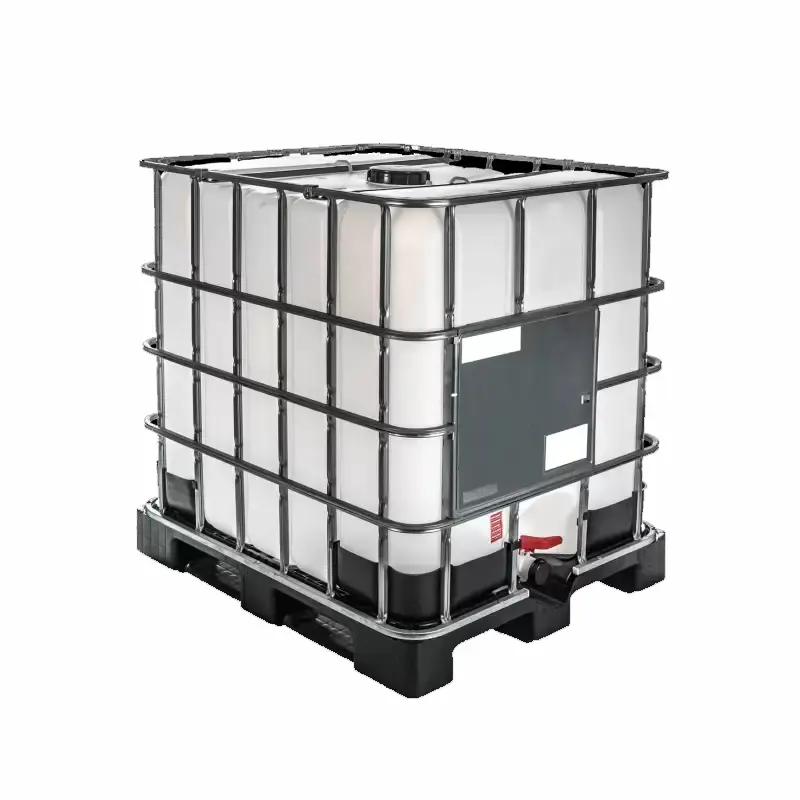
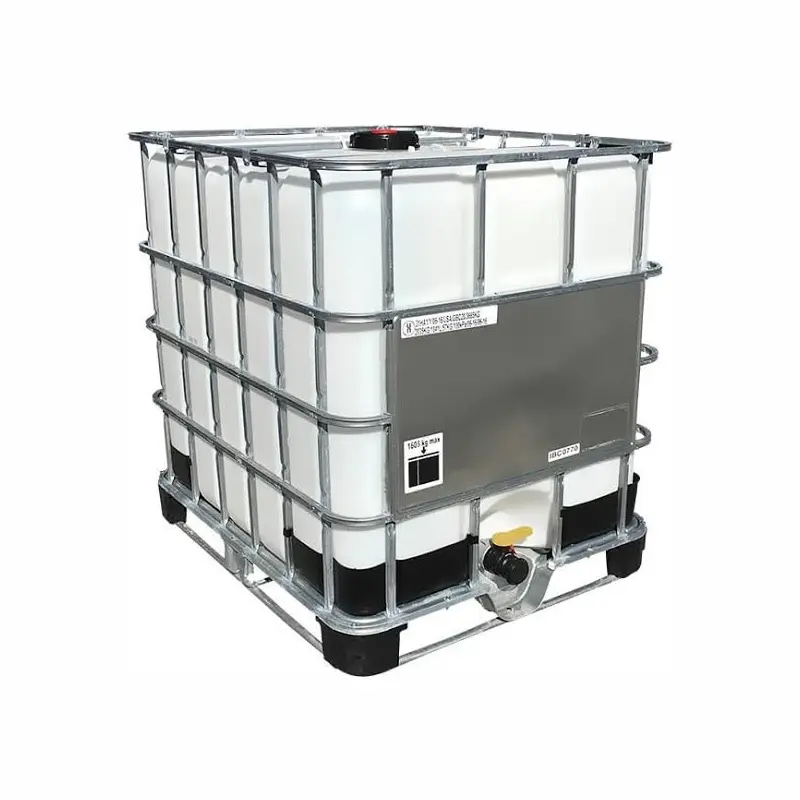
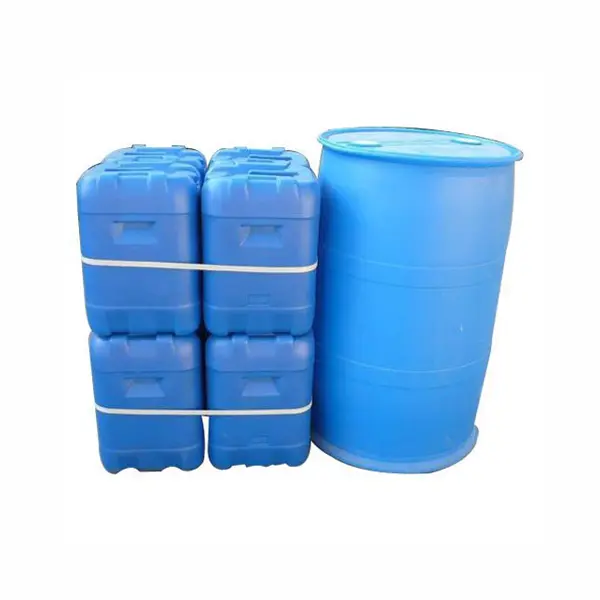
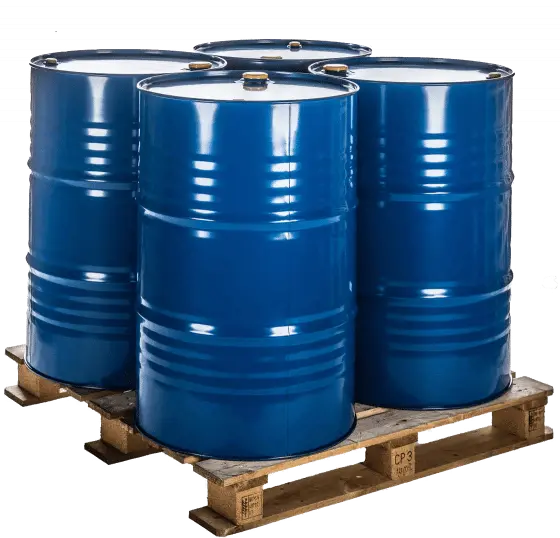
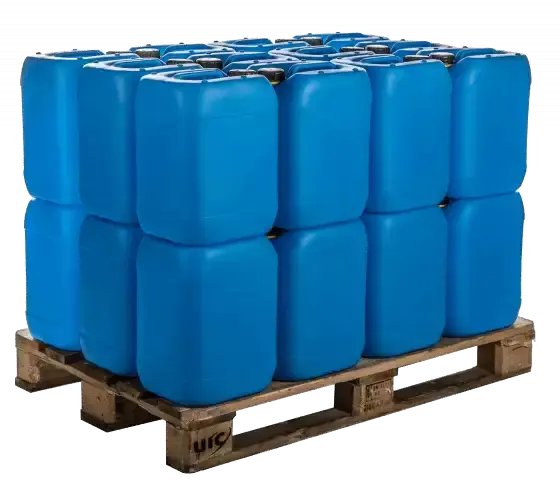
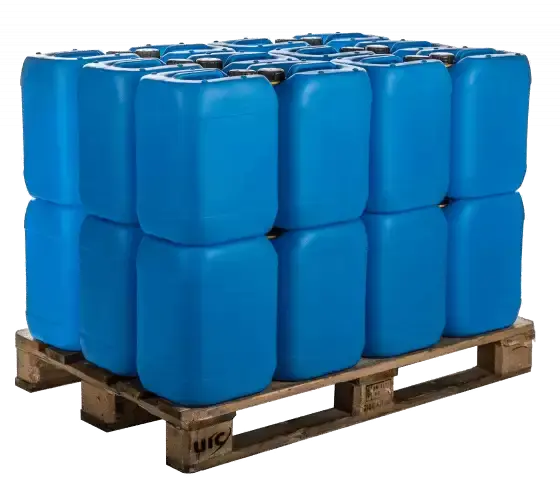
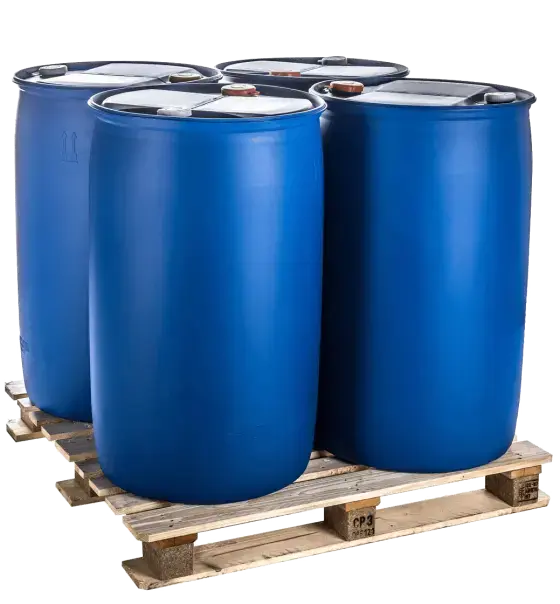
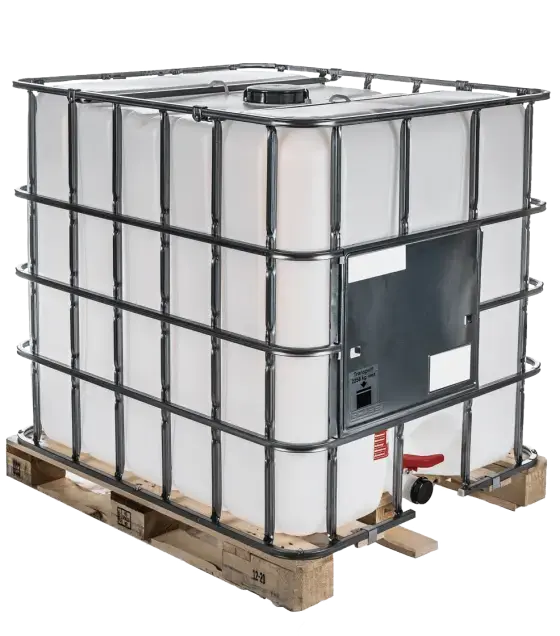
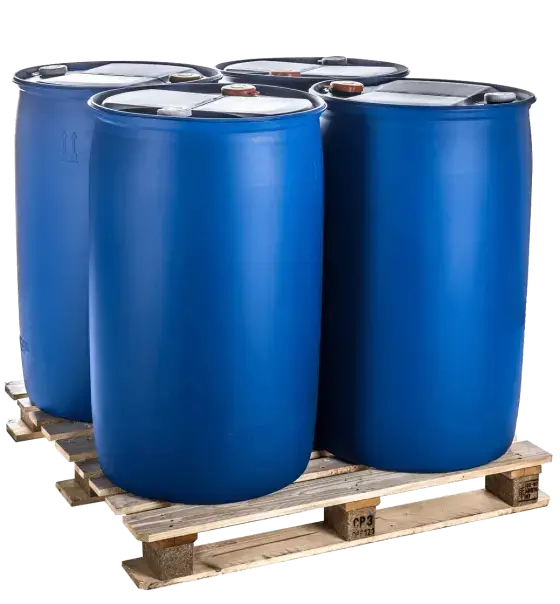
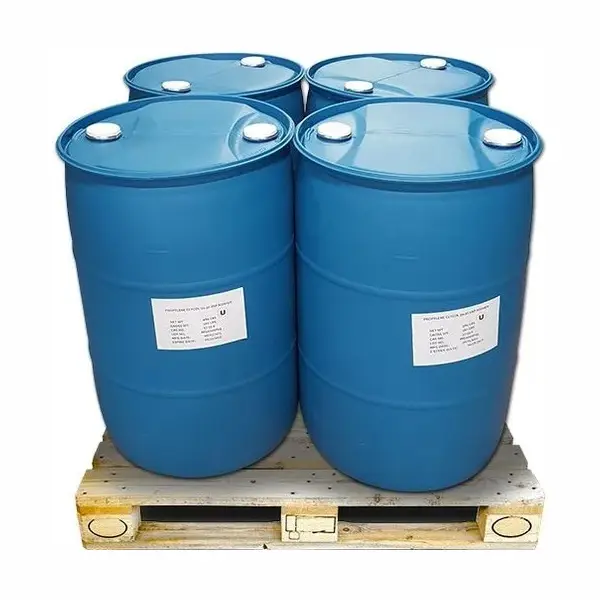
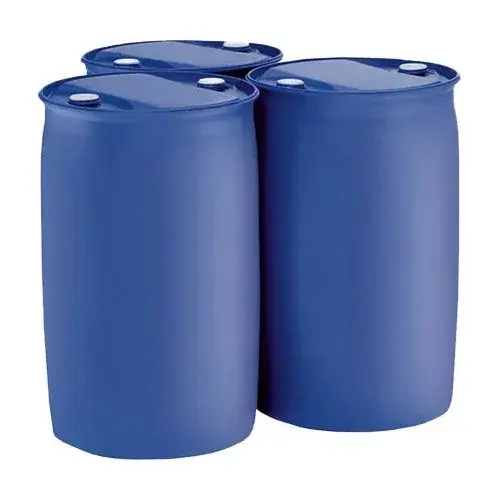
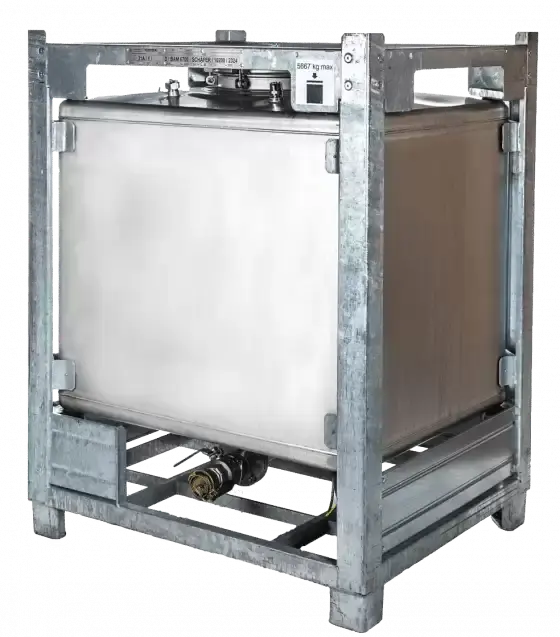
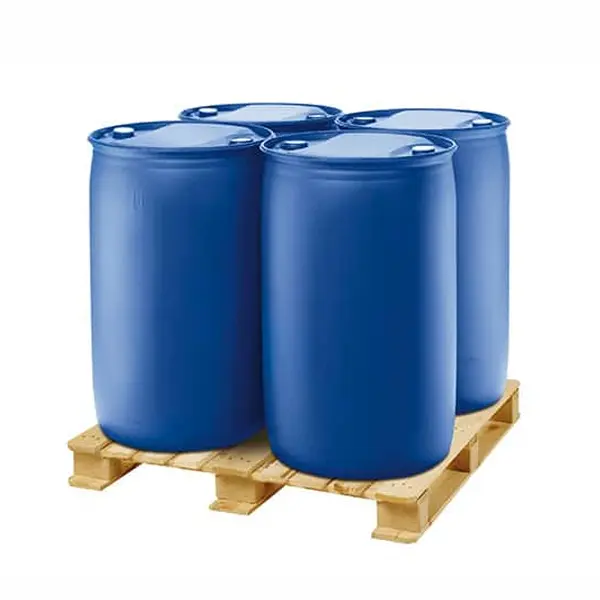
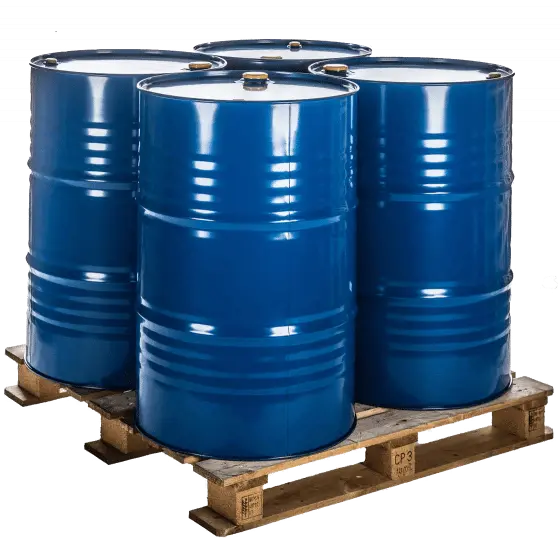
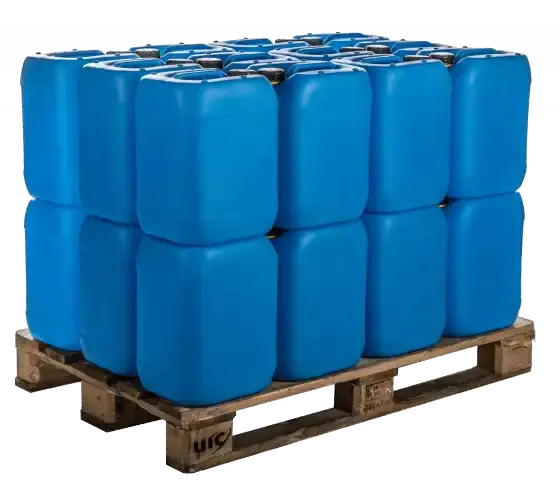
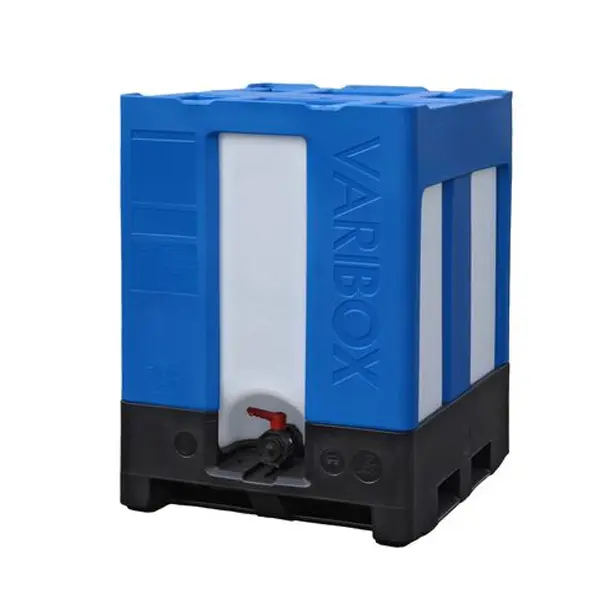
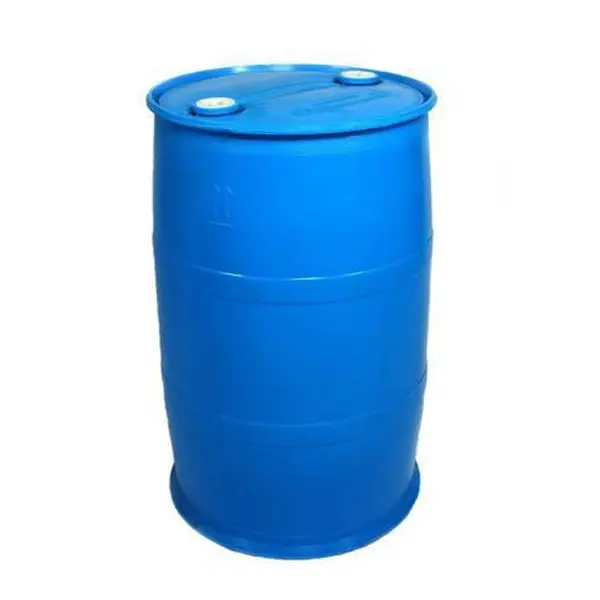
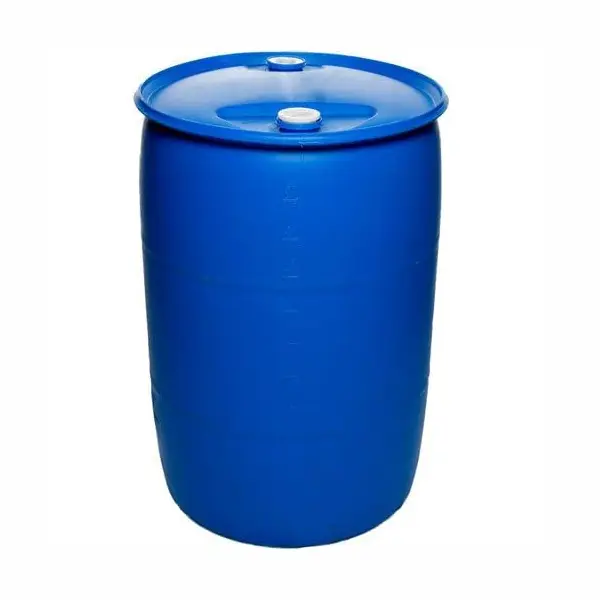
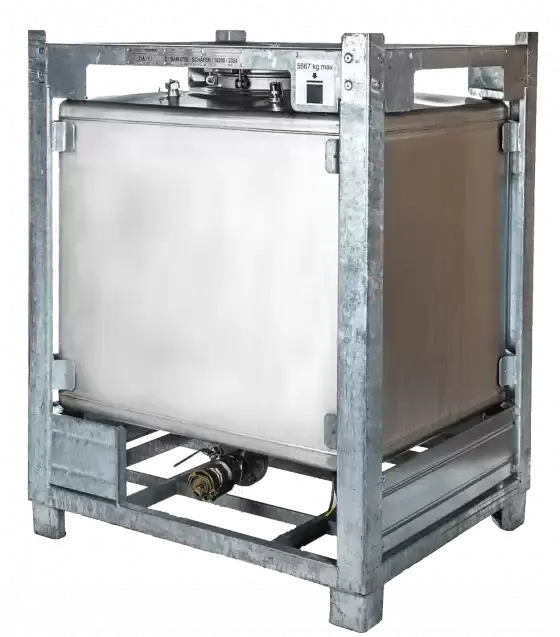
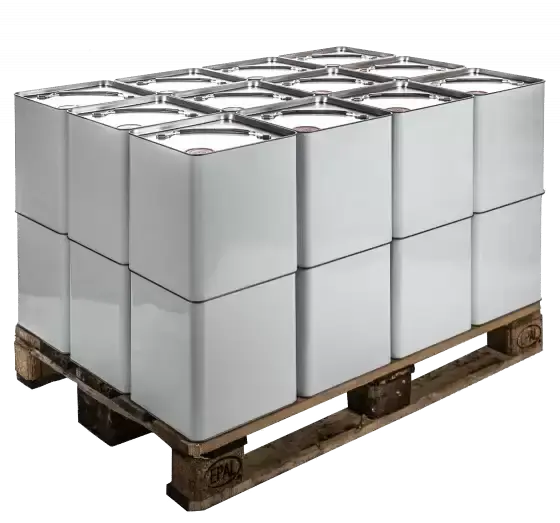
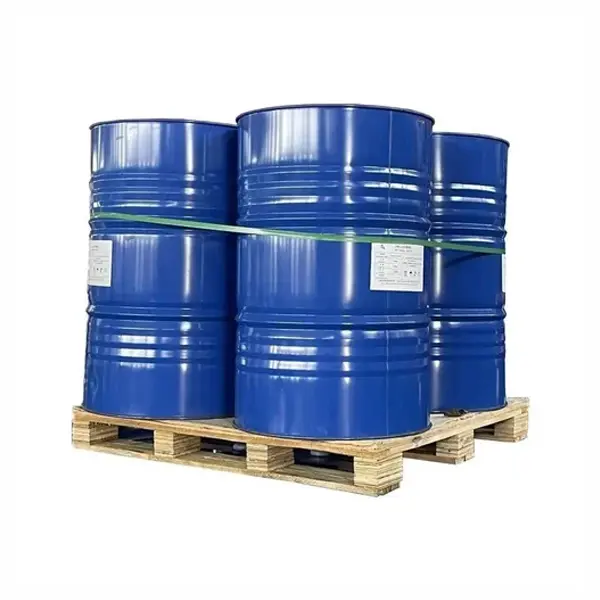
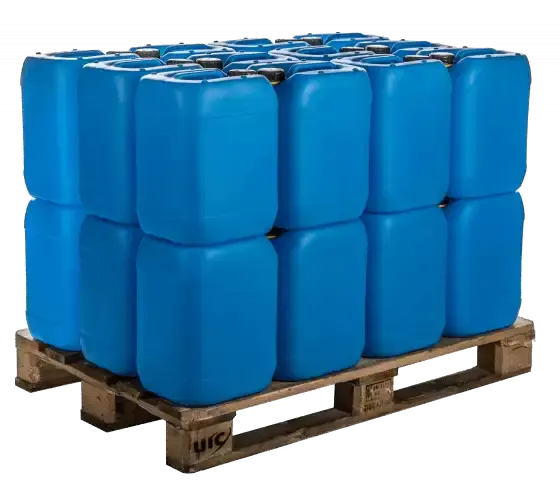
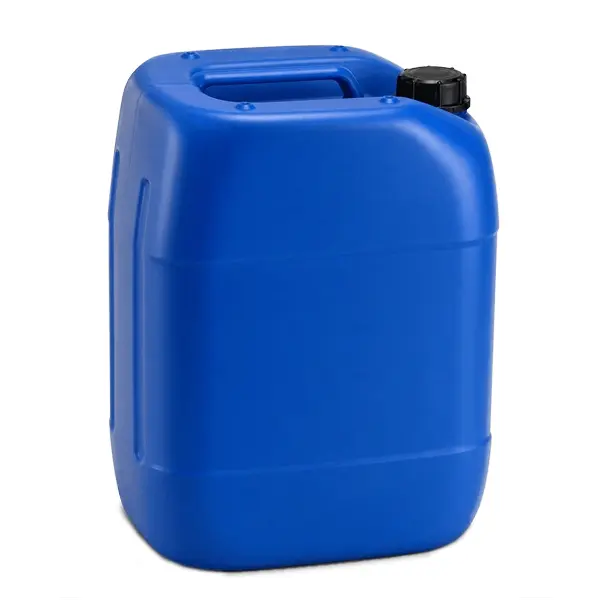
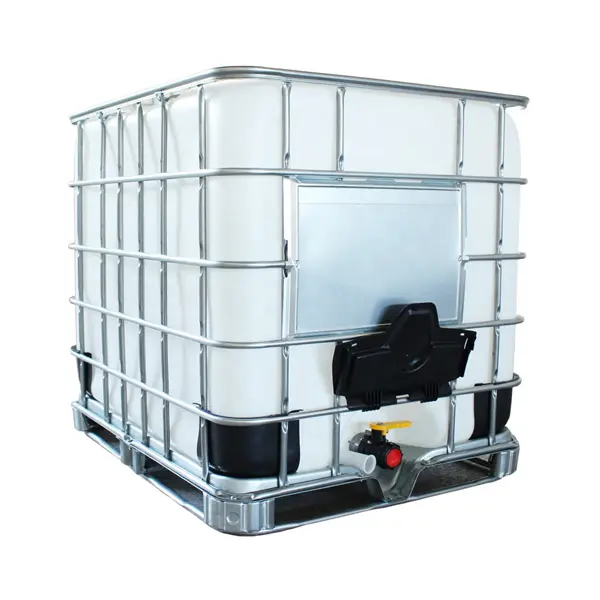
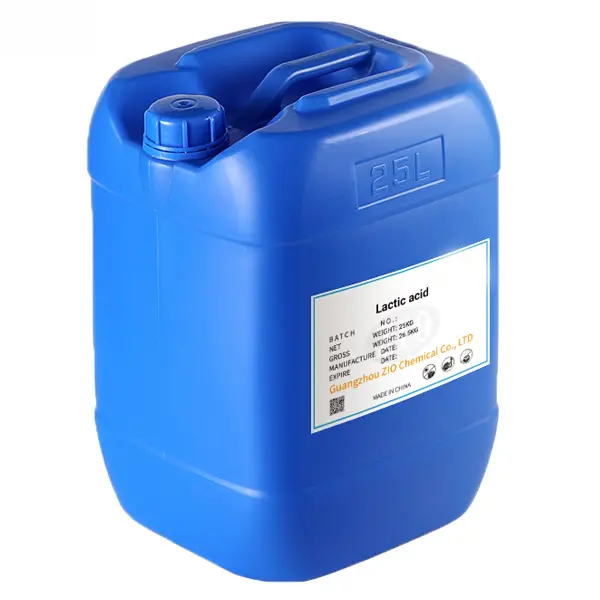
| Packaging | Bottles, drums, IBC tanks, or bulk containers |
| Grade and Purity | According to supplier specifications and Certificate of Analysis (COA) |
Note: Lactic Acid specifications vary according to concentration, optical isomer composition, manufacturing method, and commercial grade. Physical properties should be verified using the supplier's Technical Data Sheet (TDS).
Storage and Handling
Lactic Acid should be stored and handled carefully to maintain product quality and reduce the risk of chemical exposure. Concentrated solutions can cause skin irritation, serious eye damage, or other hazards depending on concentration and formulation.
- Store in tightly closed, chemically compatible containers in a cool, dry, and well-ventilated area.
- Protect the product from excessive heat, direct sunlight, and contamination.
- Wear suitable chemical-resistant gloves, safety goggles, and protective clothing during handling.
- Avoid direct contact with the skin and eyes, especially when working with concentrated solutions.
- Use appropriate ventilation during bulk transfer, mixing, and industrial processing.
- Keep away from strong oxidizing agents and other incompatible substances identified in the Safety Data Sheet (SDS).
- Use corrosion-resistant equipment and containers compatible with the supplied concentration.
- Follow applicable safety procedures when diluting concentrated solutions.
- Dispose of waste materials according to local environmental and chemical safety regulations.
Always consult the manufacturer's SDS for detailed handling precautions, first-aid measures, and storage requirements.
Quality and Supply
Lactic Acid is available in different grades and concentrations to meet the requirements of food manufacturers, pharmaceutical companies, cosmetic producers, and industrial chemical processors.
Important quality parameters may include:
- Lactic Acid concentration
- Color and appearance
- Specific gravity
- Optical purity and isomer composition
- Heavy metal limits
- Residual impurities
- Sulfate and chloride content
- Microbiological quality, where applicable
- Compliance with relevant application-specific standards
Food-grade, pharmaceutical-grade, cosmetic-grade, and industrial-grade Lactic Acid may have different purity requirements and regulatory specifications.
Before purchasing, review the supplier's TDS, SDS, and batch-specific COA to verify the product's concentration, purity, and suitability for the intended application.
Packaging options may include small containers, industrial drums, intermediate bulk containers (IBCs), and bulk deliveries, depending on the supplier and product grade.
Conclusion
Lactic Acid is an important organic acid used in food processing, pharmaceutical manufacturing, cosmetics, biodegradable polymer production, industrial cleaning, and chemical synthesis. Its water solubility, acidifying properties, and versatility make it a valuable ingredient in numerous industrial and commercial formulations.
Selecting the correct concentration and grade is essential for achieving the desired product quality and application performance. Proper storage, safe handling, and verification of supplier specifications help ensure consistent results across different manufacturing processes.