Thioglycolic Acid – High-Quality Chemical for Cosmetics and Industrial Applications
Thioglycolic Acid (TGA), also known as mercaptoacetic acid, is a versatile sulfur-containing organic compound widely used in cosmetics, personal care products, chemical manufacturing, polymer processing, and specialized industrial applications. Known for its strong reducing properties and chemical reactivity, thioglycolic acid serves as an important raw material in various chemical formulations. Its ability to interact with disulfide bonds and participate in chemical synthesis makes it valuable for manufacturers seeking effective solutions for specialized production processes.
Key Properties and Characteristics of Thioglycolic Acid
Thioglycolic acid has the chemical formula C₂H₄O₂S and is typically a colorless to pale-yellow liquid with a strong, characteristic sulfur-like odor. It contains both a thiol group and a carboxylic acid group, which contribute to its chemical reactivity and functional properties.
Thioglycolic acid is miscible with water and is widely recognized for its reducing characteristics. These properties make it suitable for selected personal care formulations, chemical intermediates, and industrial processing applications.
Applications of Thioglycolic Acid in Cosmetics and Personal Care
Thioglycolic acid and its salts are used in certain cosmetic and personal care formulations, particularly hair treatment products. Thioglycolate-based ingredients are commonly incorporated into hair waving, straightening, and depilatory formulations.
In hair treatment applications, thioglycolate compounds help modify disulfide bonds within keratin, allowing changes in hair structure under controlled formulation conditions. In depilatory products, suitable thioglycolate salts help weaken hair structure to facilitate hair removal.
These applications require carefully controlled concentrations, appropriate pH conditions, and compliance with relevant cosmetic safety regulations.
Industrial Applications of Thioglycolic Acid
Thioglycolic acid is used in chemical manufacturing as an intermediate for producing various sulfur-containing compounds and specialty chemicals. Its reactive functional groups make it useful in selected synthesis processes and industrial formulations.
In polymer manufacturing, thioglycolic acid can function as a chain-transfer agent in certain polymerization processes, helping control molecular weight and other material characteristics.
It is also used in specialized metal treatment, chemical processing, and analytical applications where its reducing or metal-binding properties are beneficial.
Benefits of Thioglycolic Acid in Manufacturing
Thioglycolic acid offers several functional advantages, including effective reducing activity, versatile chemical reactivity, and usefulness as a chemical intermediate.
Its ability to participate in polymerization reactions and interact with sulfur-sensitive chemical structures makes it valuable in selected manufacturing processes. In personal care applications, appropriately formulated thioglycolate compounds support specific hair treatment functions.
The performance of thioglycolic acid depends on product purity, concentration, formulation compatibility, and process conditions.
Quality Standards and Product Specifications
Selecting the appropriate grade of thioglycolic acid is essential for achieving reliable industrial and commercial results. Important quality parameters include purity, appearance, concentration, color, and impurity levels.
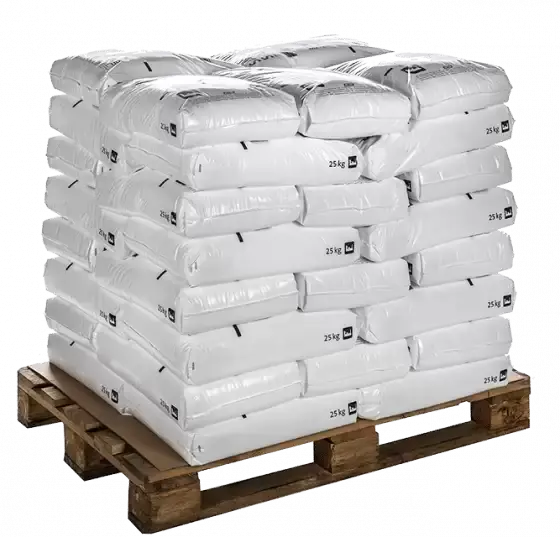
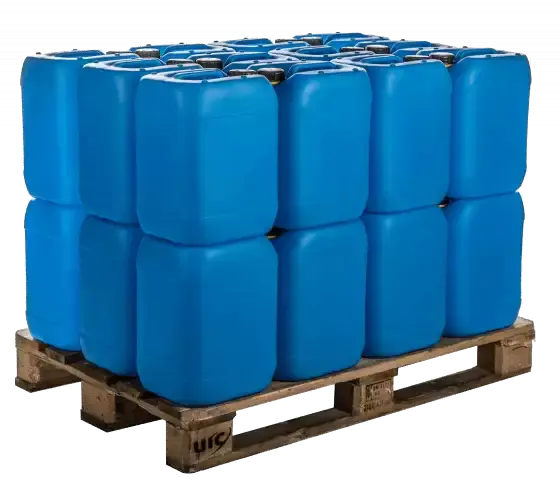
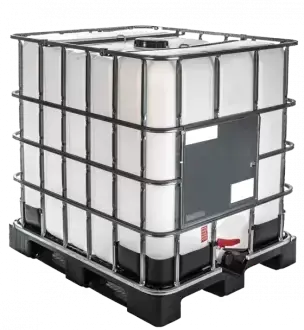
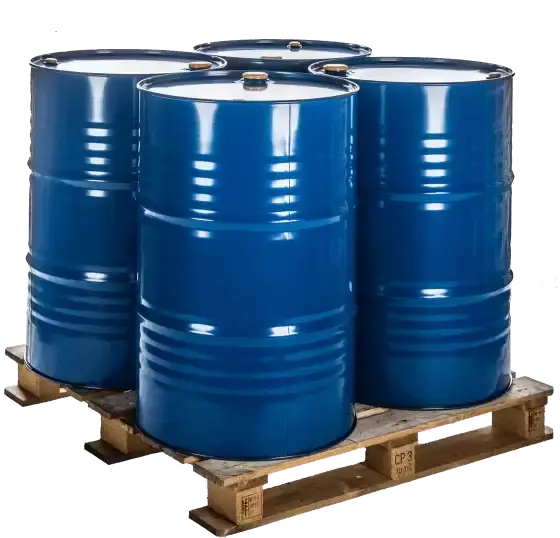
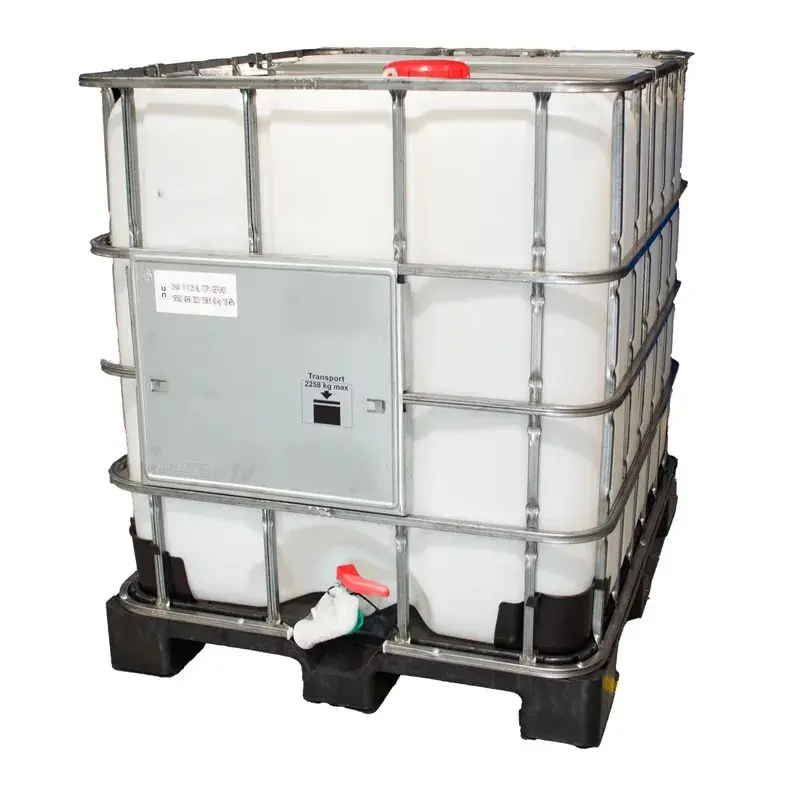
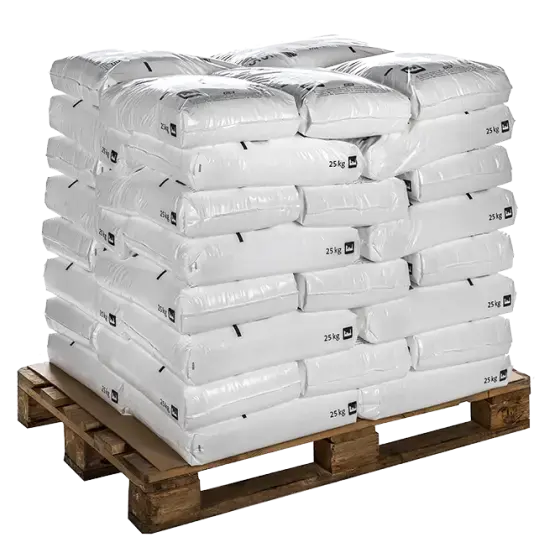
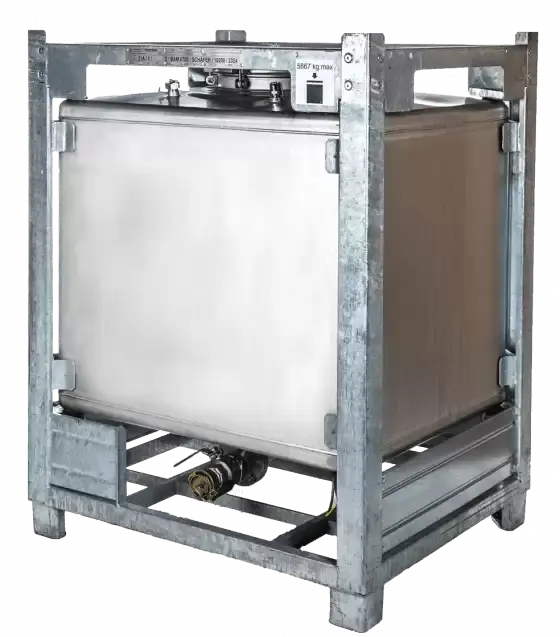
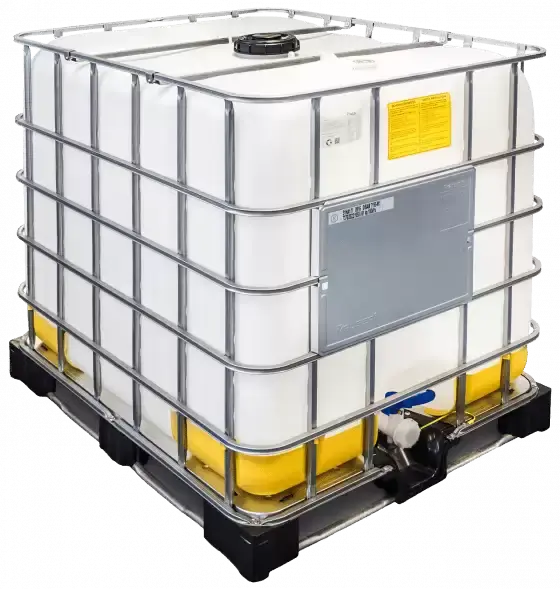
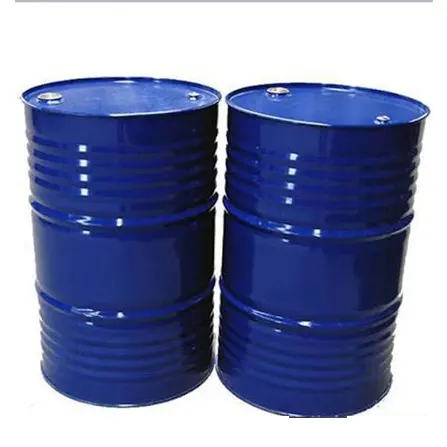
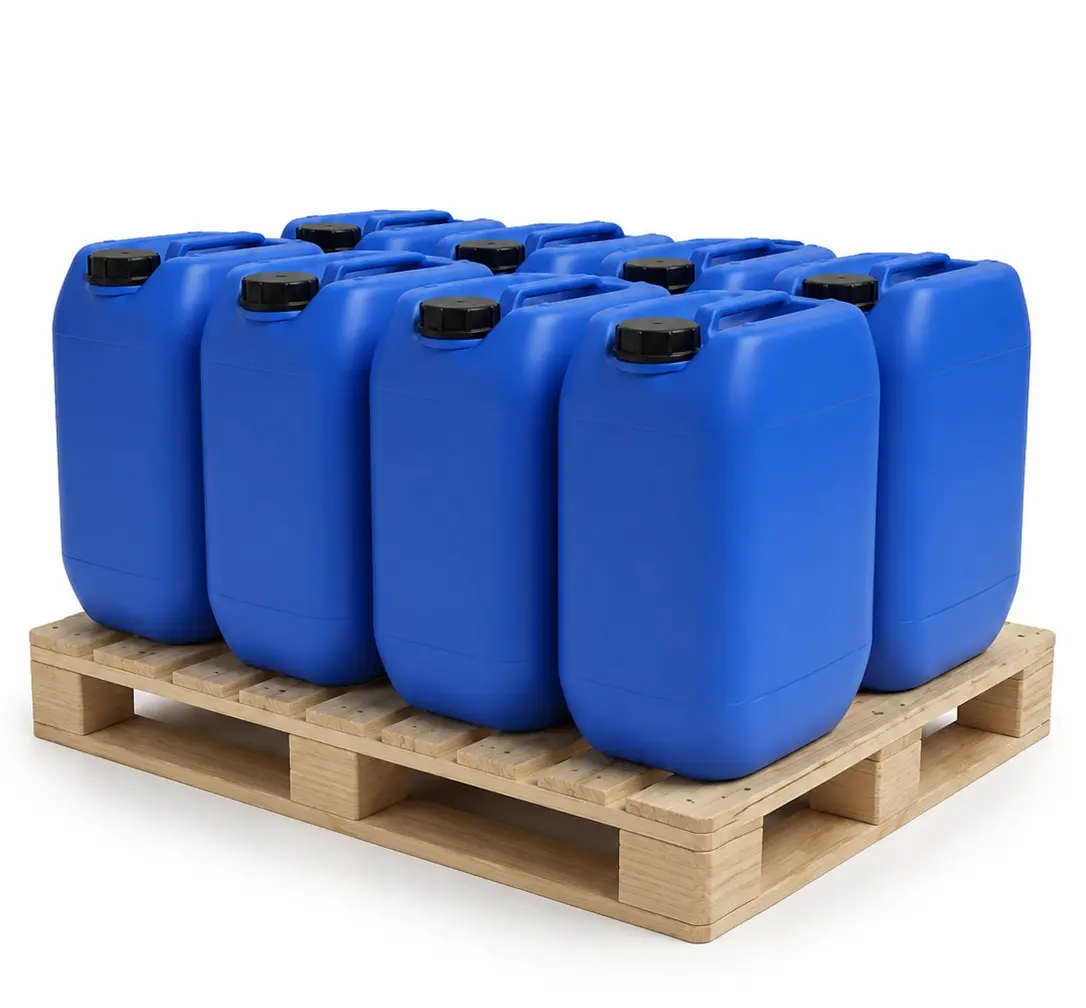
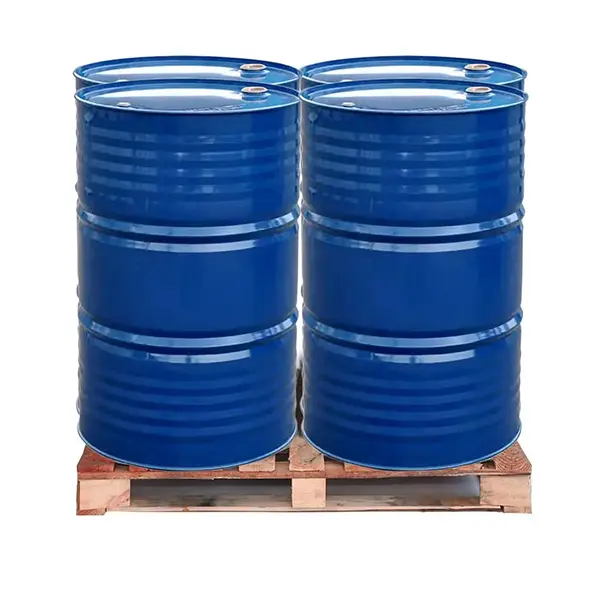
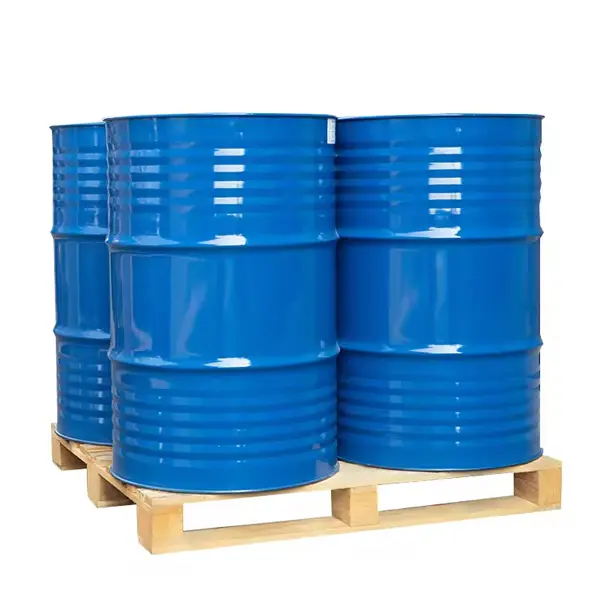
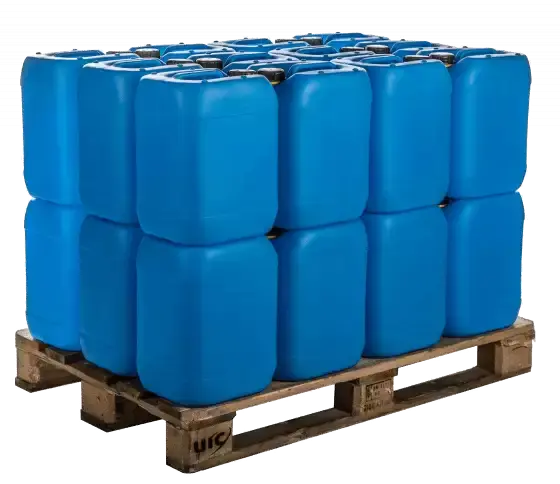
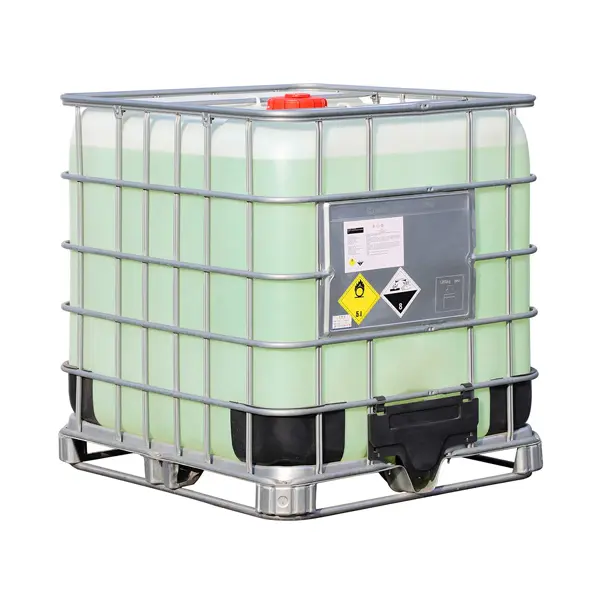
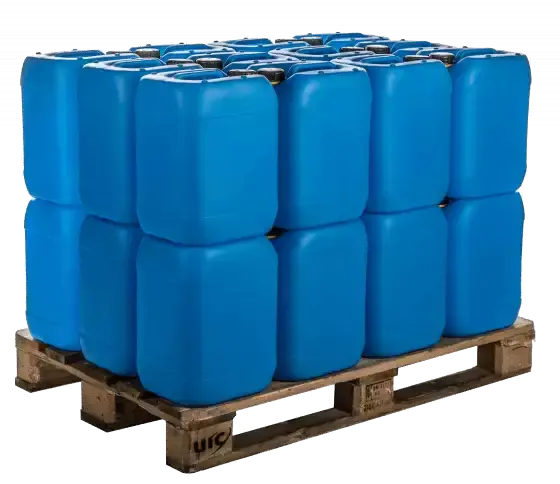
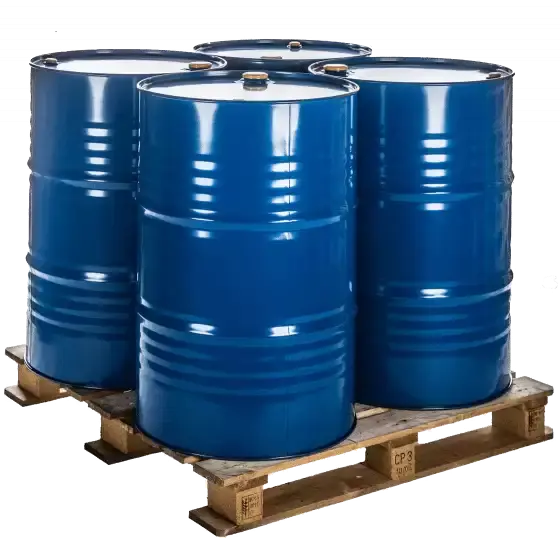
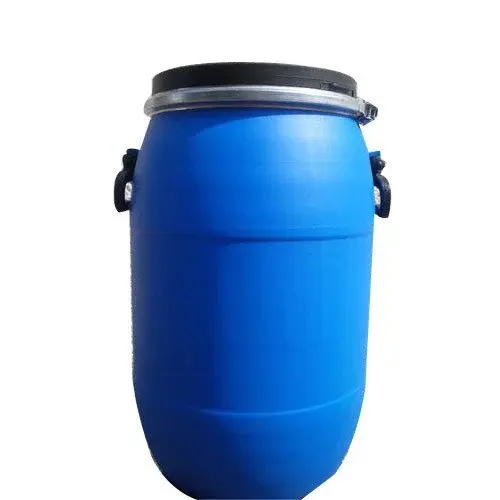
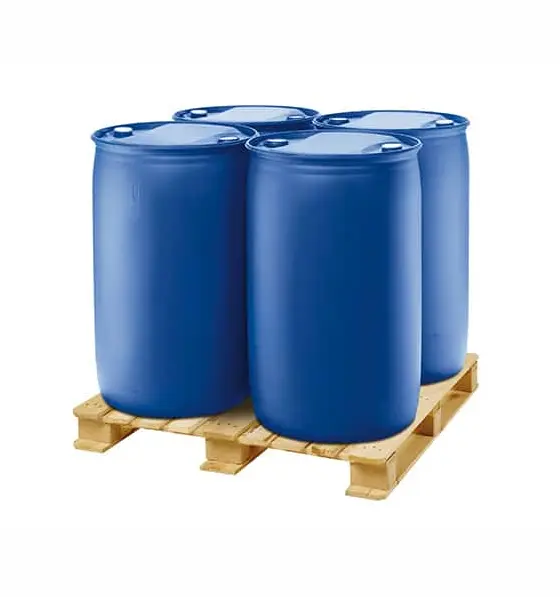
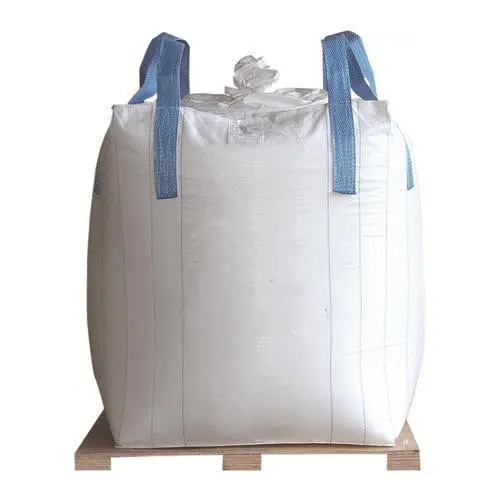
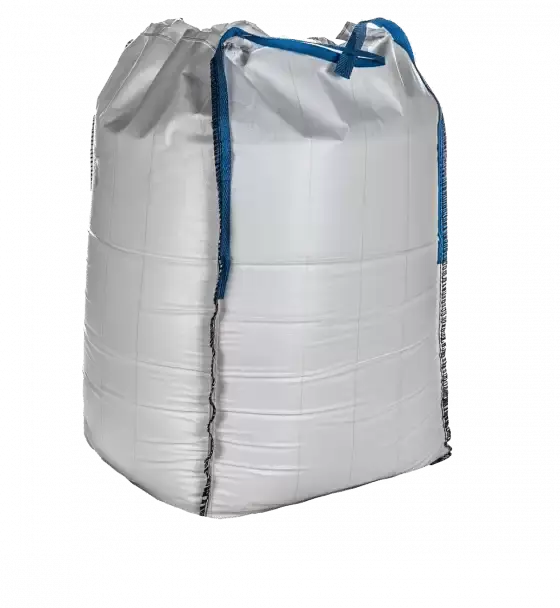
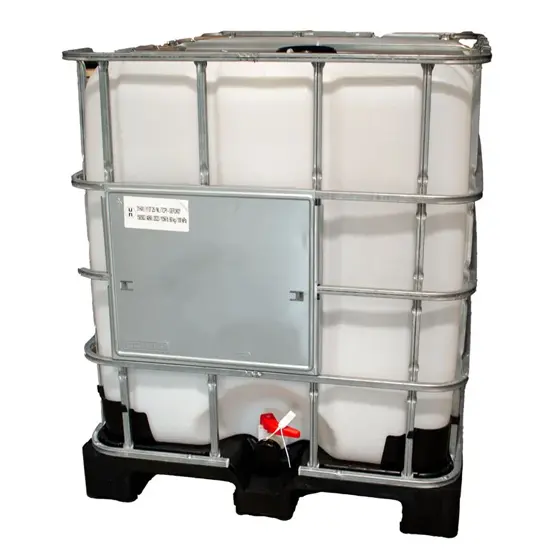
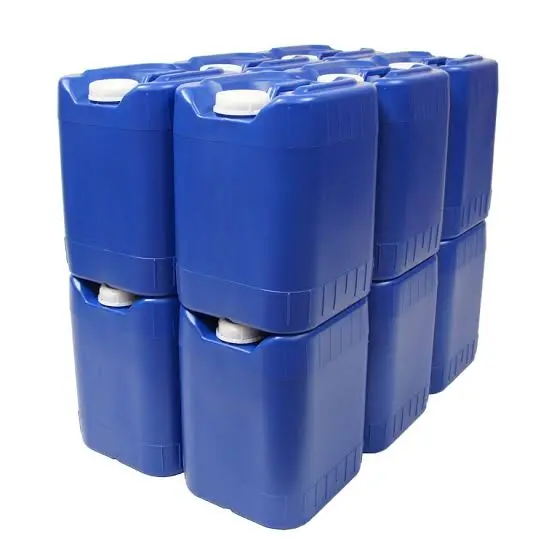
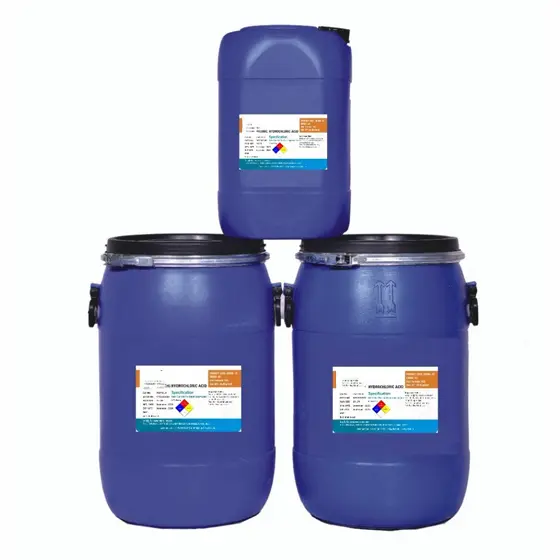
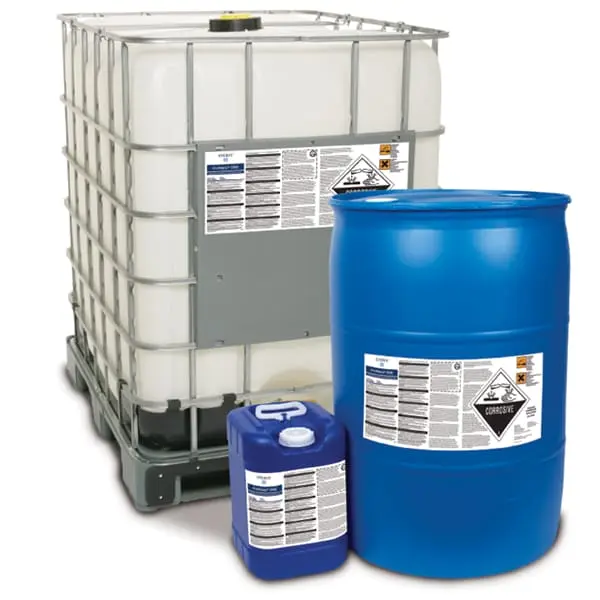
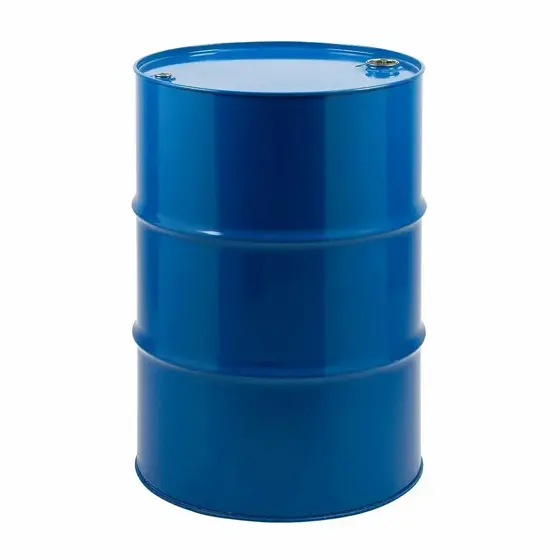
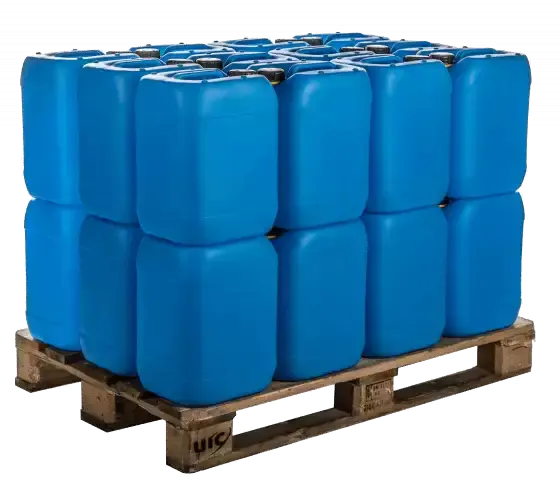
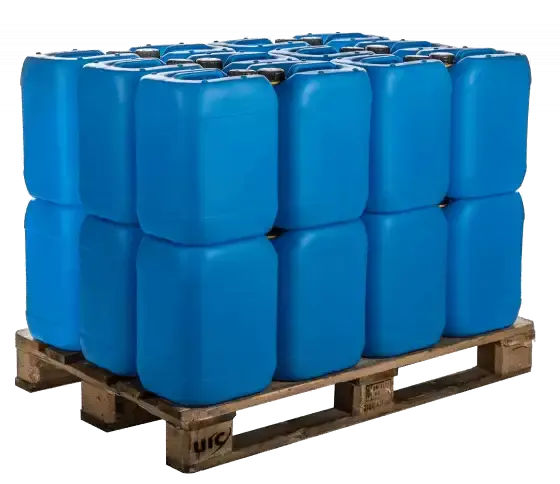
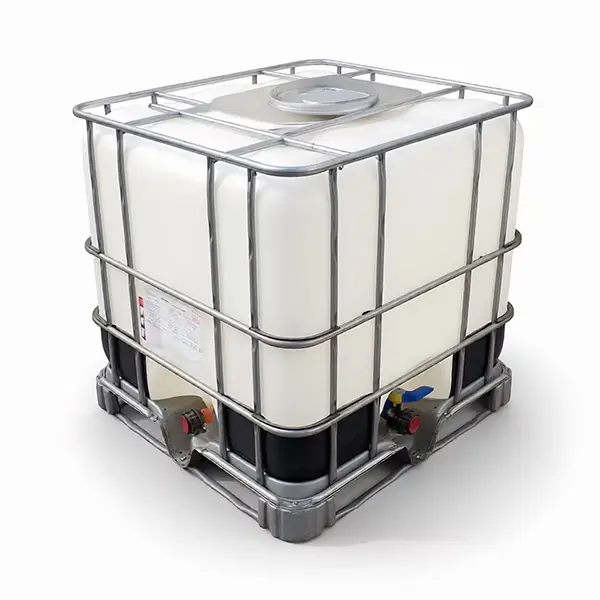
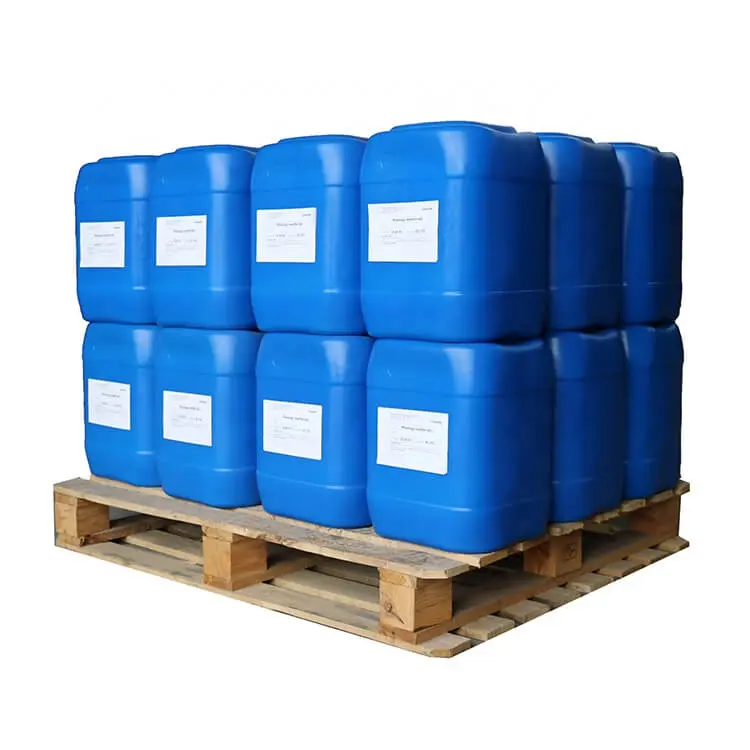
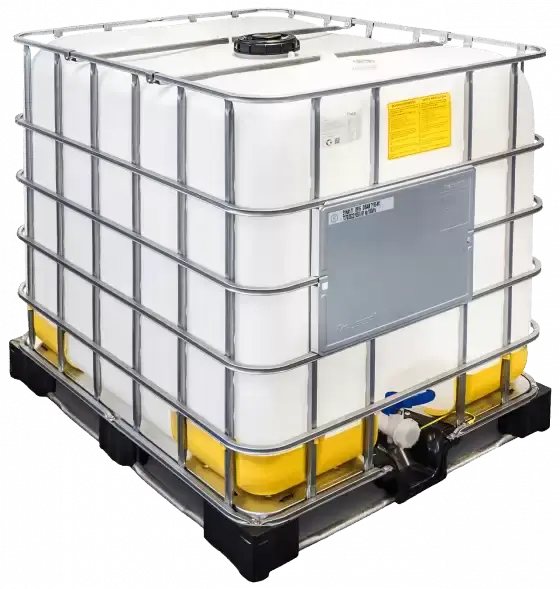
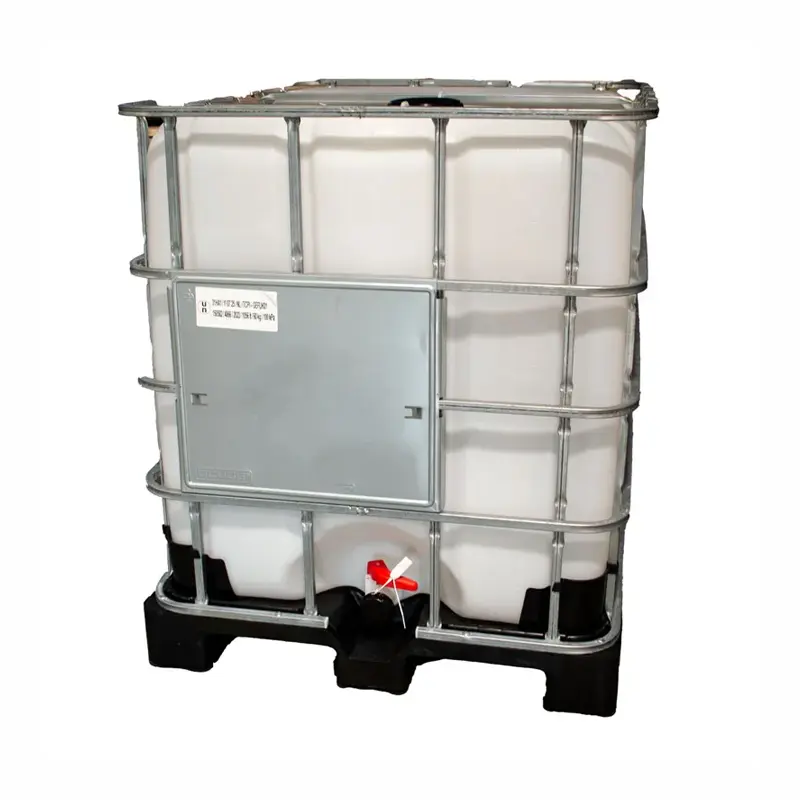
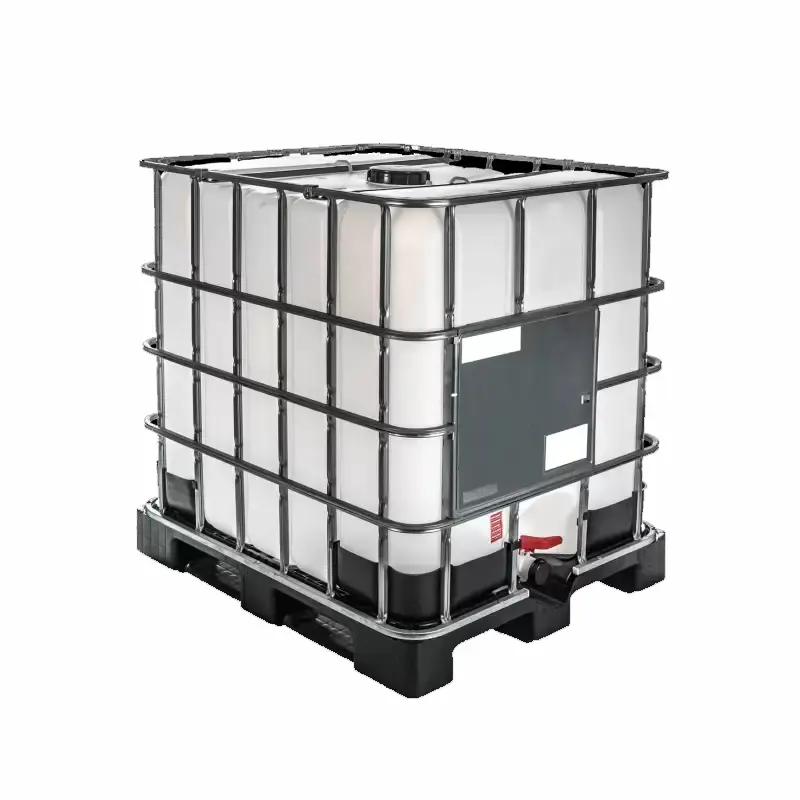
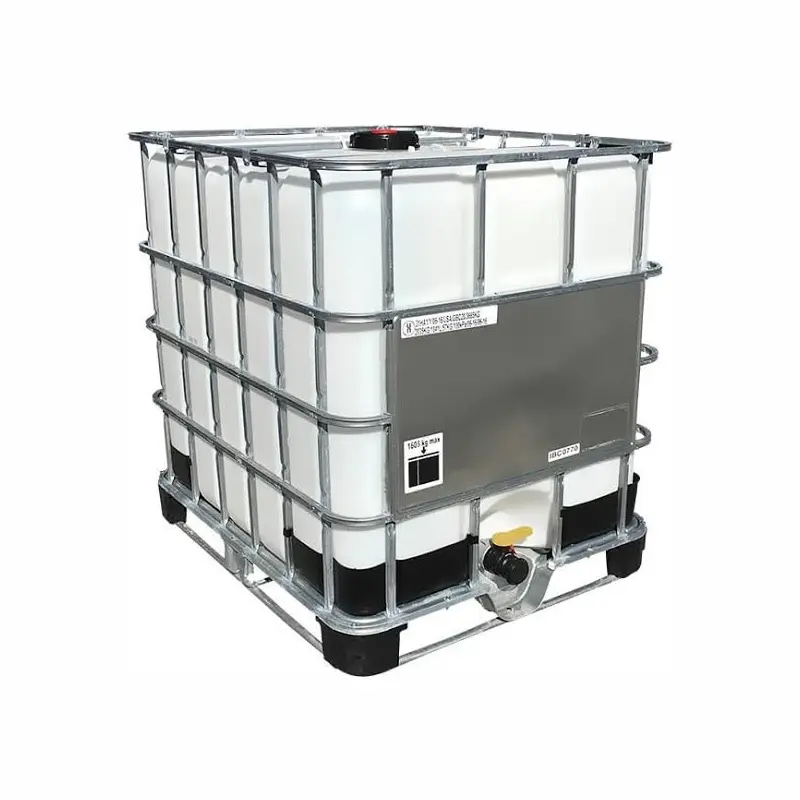
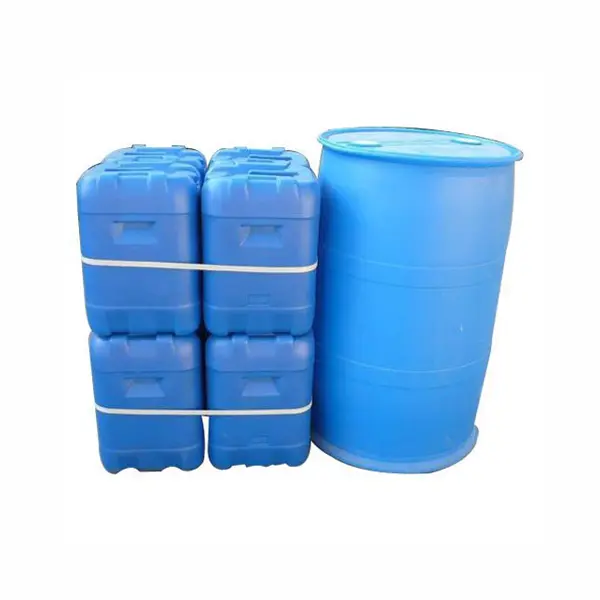
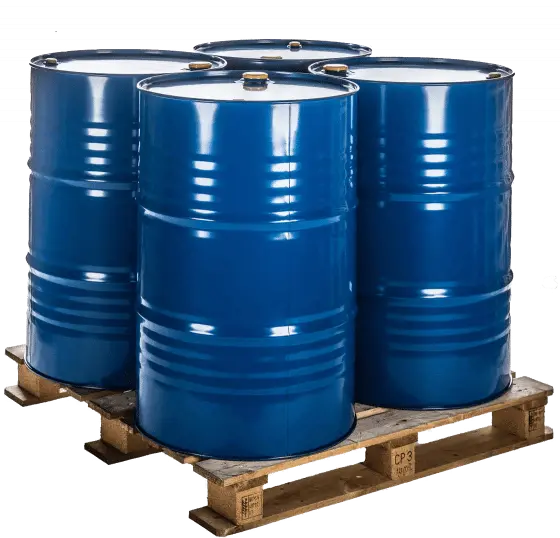
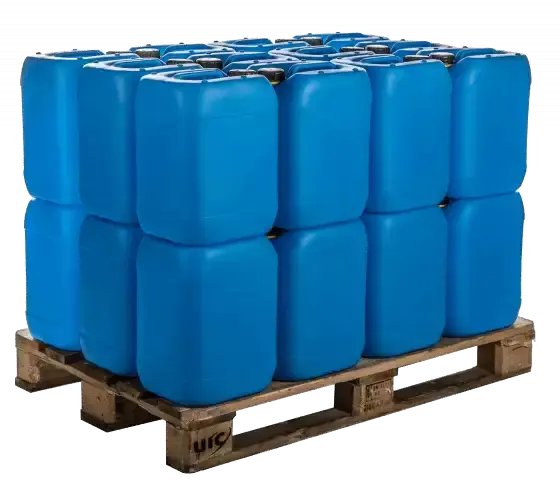
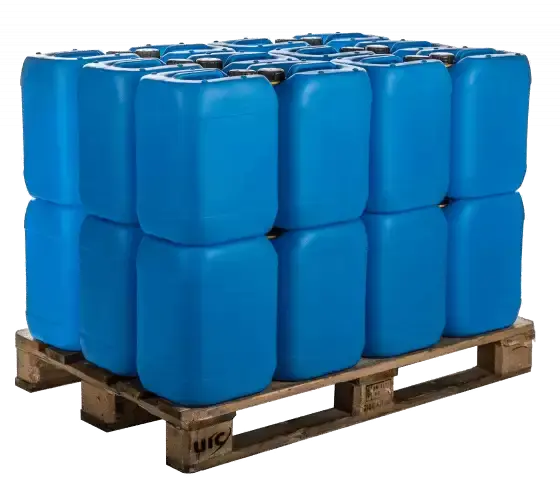
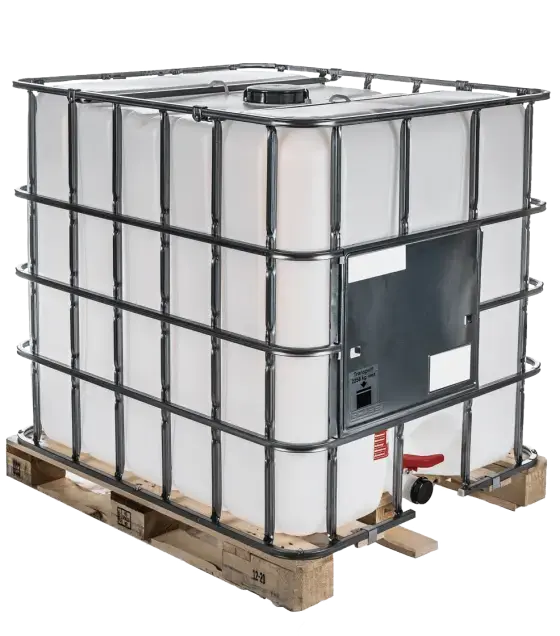
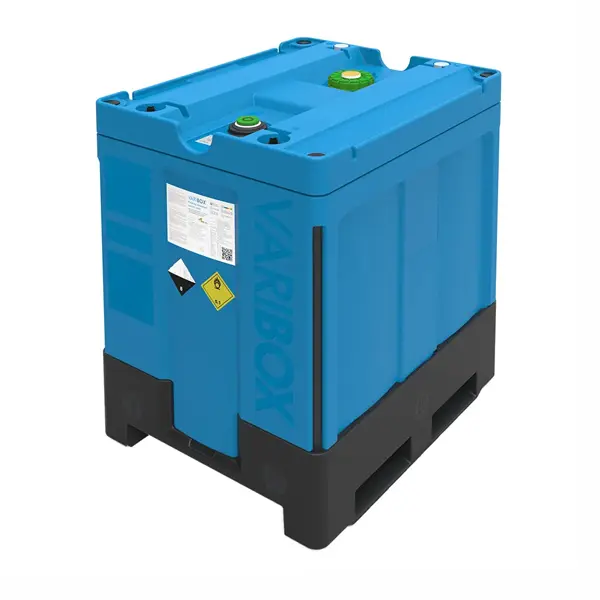
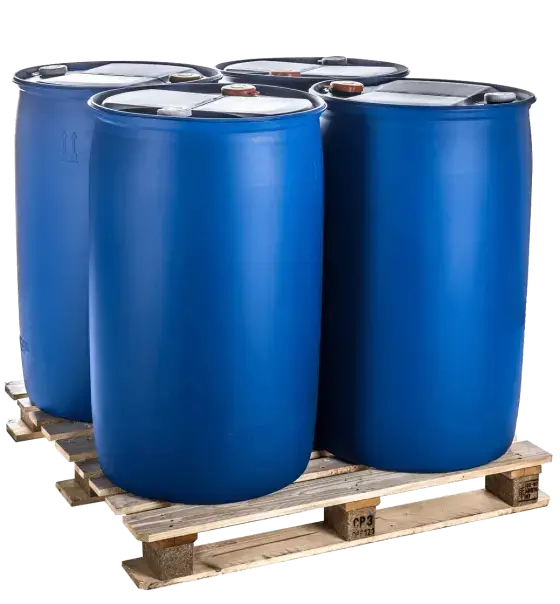
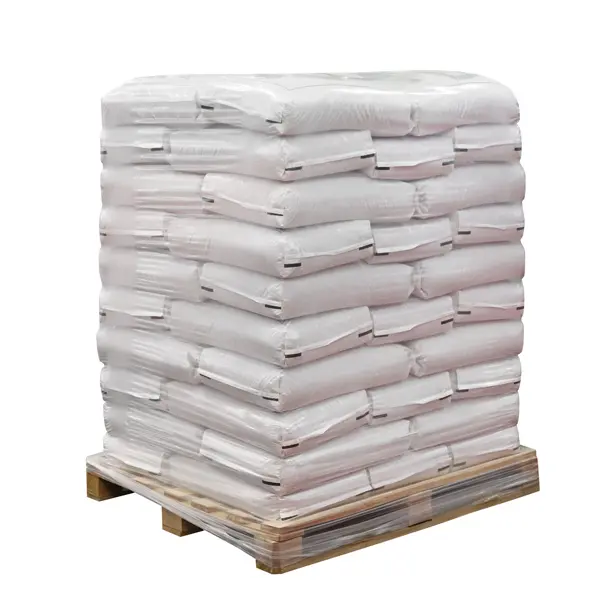
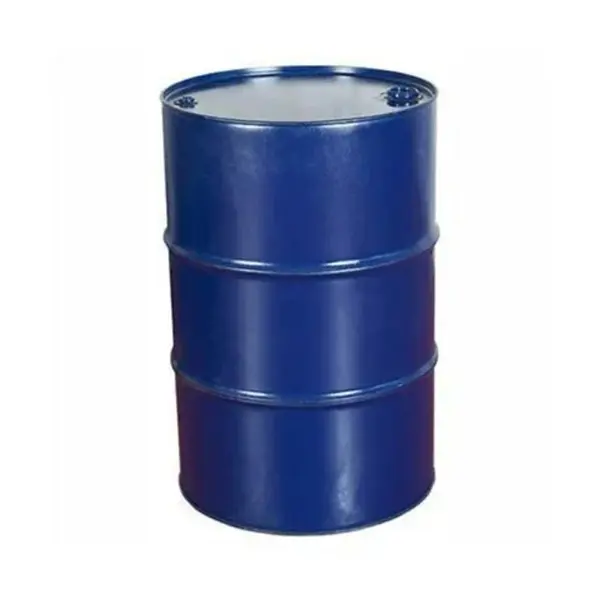
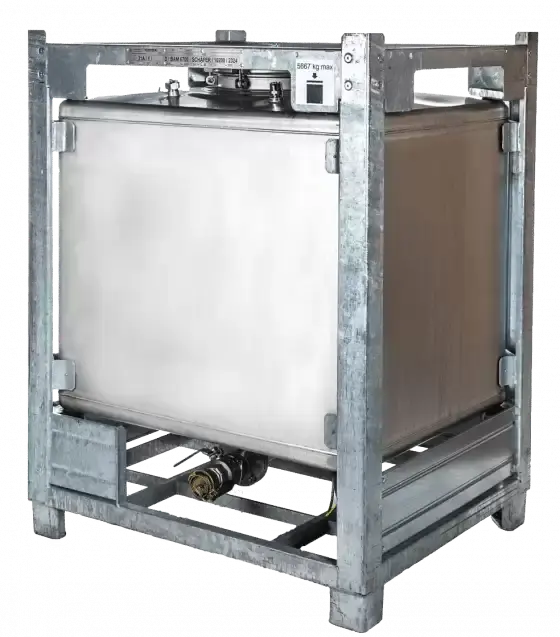
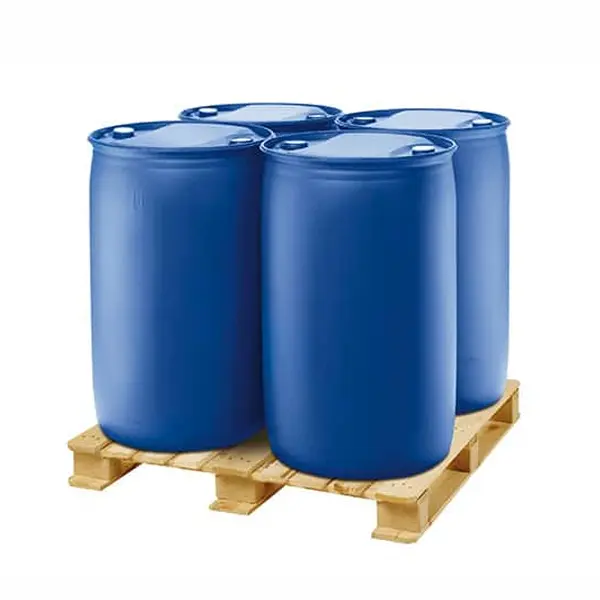
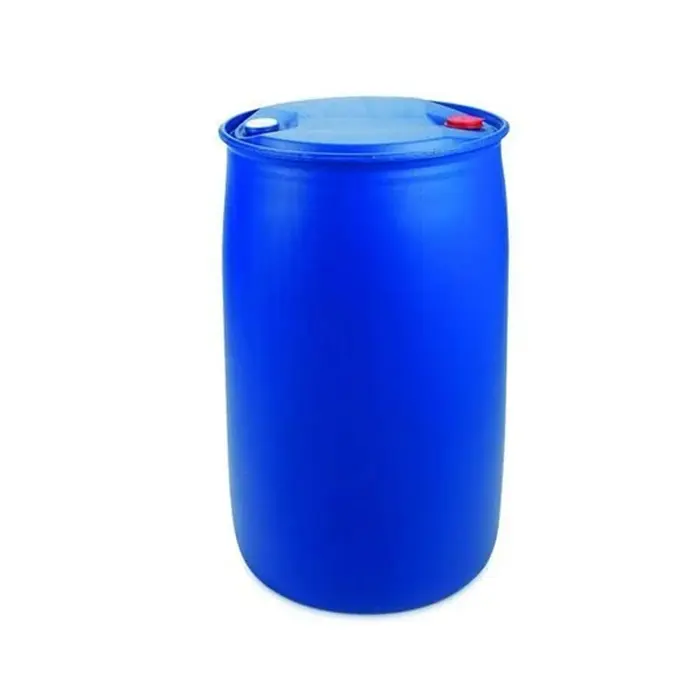
Different applications may require specific technical specifications and regulatory compliance. Proper storage in compatible, tightly closed containers helps maintain product quality and minimize contamination.
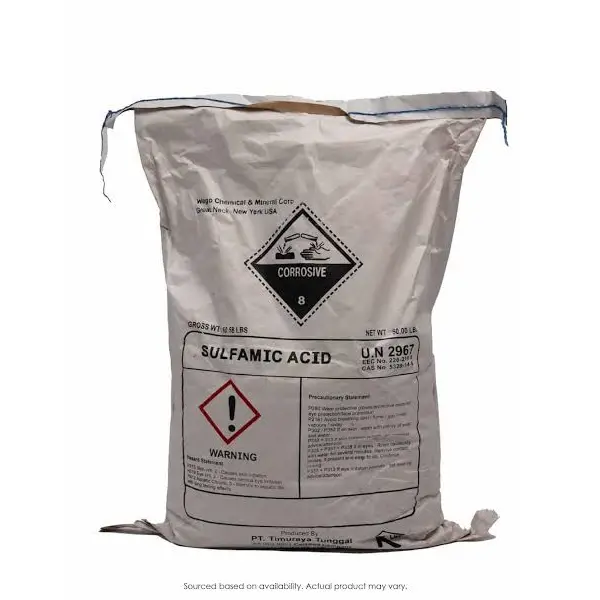
Thioglycolic acid is corrosive and toxic through certain exposure routes. It can cause serious skin and eye damage and requires suitable protective equipment, ventilation, and safe handling procedures. Manufacturers should follow the product's safety data sheet and applicable occupational and environmental regulations.
Reliable Thioglycolic Acid Solutions for Industrial Needs
Thioglycolic acid continues to be an important chemical ingredient across cosmetics, personal care, polymer manufacturing, and specialty chemical production. Its reducing properties and versatile chemical structure support a variety of industrial applications.
By choosing the appropriate grade and maintaining consistent quality and safety standards, manufacturers and chemical distributors can achieve dependable performance in specialized chemical processes.