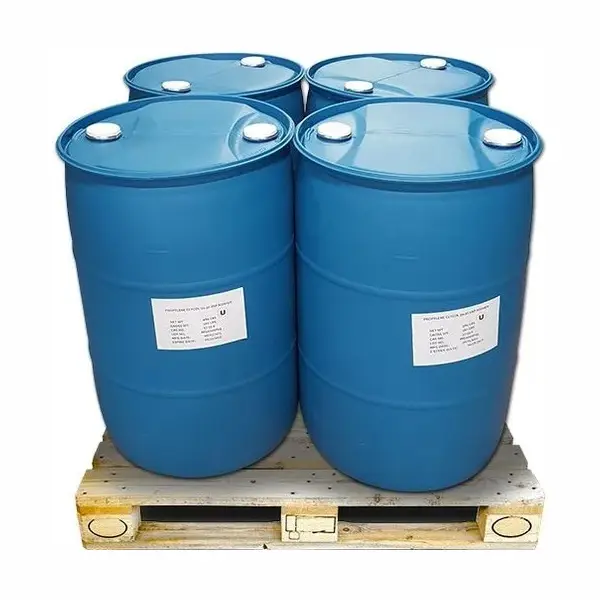
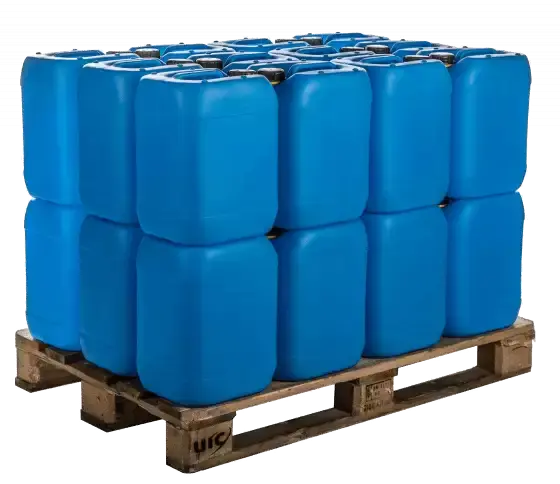
Sulphuric Acid – High-Purity Industrial Chemical for Manufacturing and Processing Applications
Sulphuric Acid is a widely used industrial chemical that plays an essential role in chemical manufacturing, fertilizer production, metal processing, petroleum refining, and numerous other industrial operations. Also spelled sulfuric acid, it is a strong mineral acid valued for its chemical reactivity, dehydrating properties, and ability to participate in a wide range of industrial processes.
Available in different concentrations and grades, Sulphuric Acid is used as a key raw material in many manufacturing processes. Its selection depends on the intended application, required concentration, purity specifications, and applicable industry standards. Due to its highly corrosive nature, appropriate storage, handling, and safety procedures are essential.
Key Properties of Sulphuric Acid
Sulphuric Acid has several important chemical properties that make it valuable for industrial applications.
-
Strong Mineral Acid: Used in chemical processes requiring strong acidic conditions.
-
High Reactivity: Participates in numerous chemical reactions and manufacturing processes.
-
Dehydrating Properties: Concentrated sulphuric acid can remove water from certain substances.
-
Water Miscibility: Mixes with water while releasing substantial heat.
-
Multiple Concentrations: Commercial grades are available in different concentrations to meet application requirements.
-
Industrial Versatility: Used across fertilizer production, chemical synthesis, metal treatment, and other industrial sectors.
Applications of Sulphuric Acid
1. Fertilizer Manufacturing
One of the major uses of Sulphuric Acid is in fertilizer production. It is used in the manufacture of phosphate fertilizers and in processing phosphate rock to produce intermediates for agricultural products. It also plays a role in producing other industrial chemicals used in fertilizer manufacturing.
2. Chemical Manufacturing
Sulphuric Acid is an important raw material in the production of numerous chemicals, including sulphates, acids, and other industrial compounds. It is used in selected synthesis, processing, and purification operations where strong acidic conditions are required.
3. Metal Processing and Surface Treatment
In metal processing, Sulphuric Acid is used in certain pickling and surface-treatment processes to remove scale and oxide layers from metal surfaces. Its use depends on the metal type, process conditions, concentration, and required surface finish.
4. Petroleum Refining
Sulphuric Acid is used in selected petroleum refining and chemical processing operations. Depending on the refinery process, it may be involved in specific treatment steps or the manufacture of chemical intermediates.
5. Battery Manufacturing
Sulphuric Acid is used as the electrolyte in conventional lead-acid batteries. Battery-grade acid must meet the appropriate purity and concentration requirements to support reliable battery performance.
6. Water and Wastewater Treatment
In selected water and wastewater treatment processes, Sulphuric Acid is used to adjust pH and establish suitable conditions for downstream treatment. Application rates depend on water chemistry, system design, and regulatory requirements.
7. Textile, Paper, and Other Industries
Sulphuric Acid may be used in specialized chemical processing operations within textile, paper, and other manufacturing sectors. The precise role varies by process and requires careful compatibility assessment.
Benefits of Using Sulphuric Acid
-
Supports large-scale chemical and fertilizer manufacturing.
-
Provides strong acidic conditions for suitable industrial processes.
-
Serves as an essential raw material for numerous chemical products.
-
Supports metal pickling and selected surface-treatment operations.
-
Is suitable for specific battery and industrial processing applications when the correct grade is selected.
-
Is commercially available in different concentrations to meet technical requirements.
Quality and Product Selection
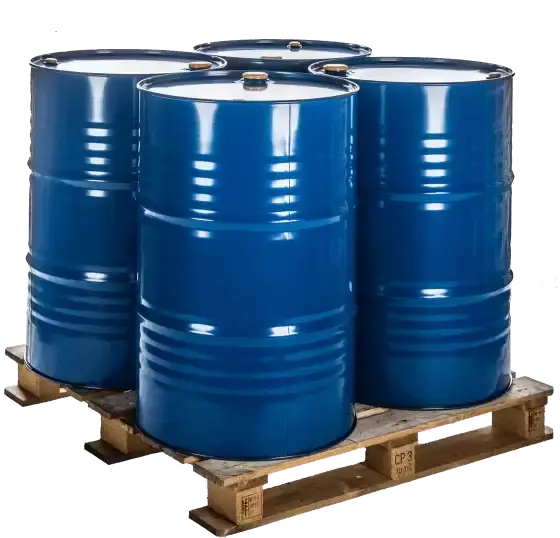
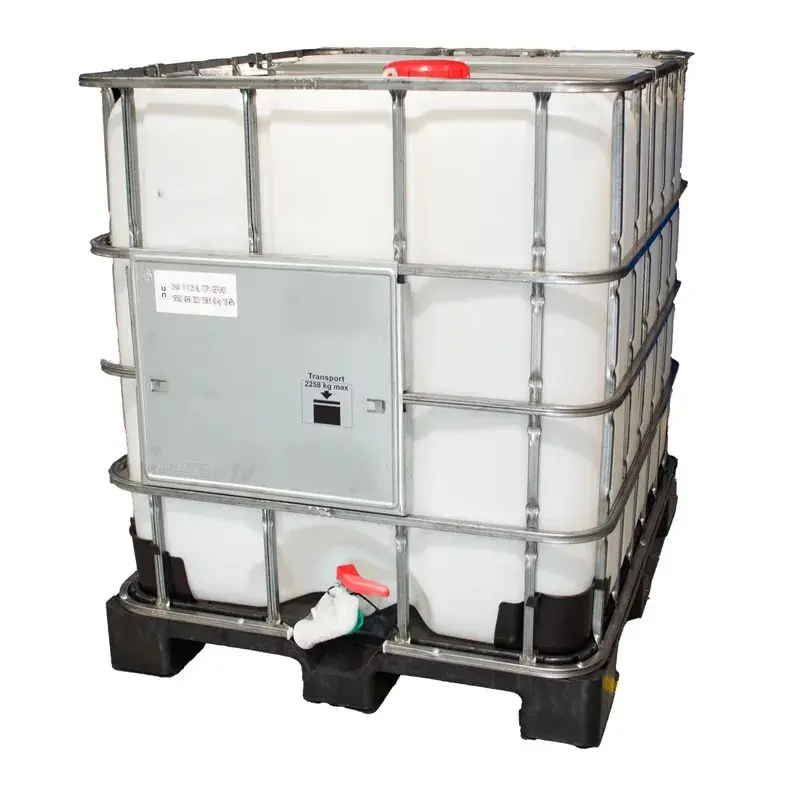
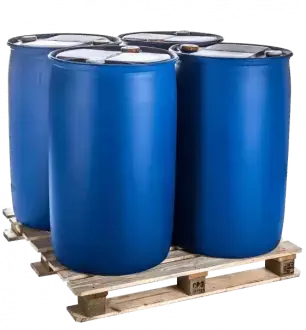
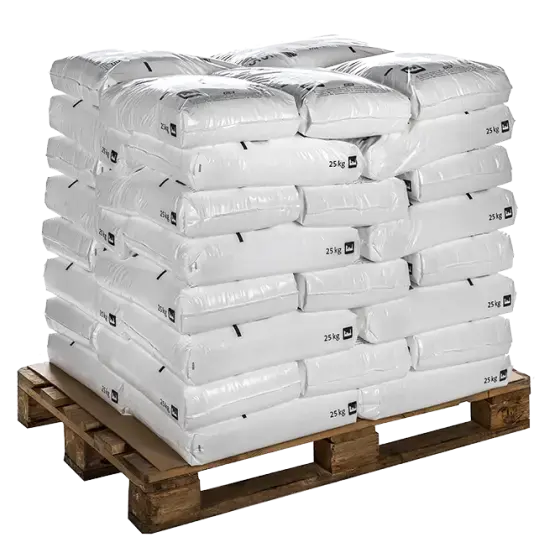
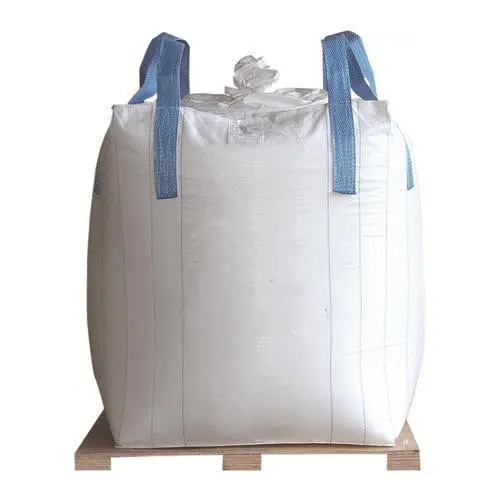
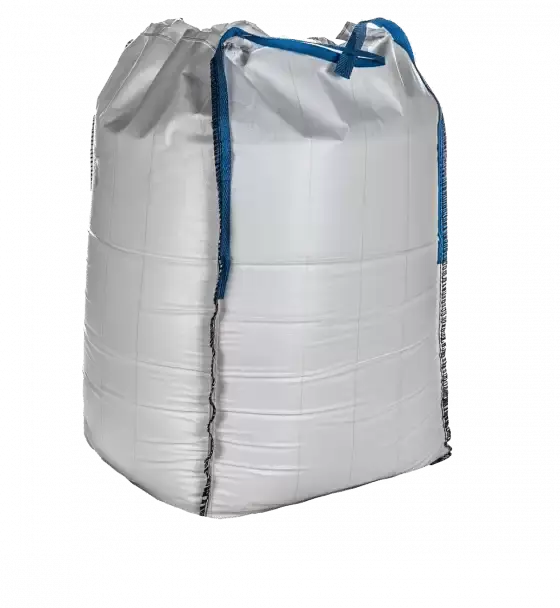
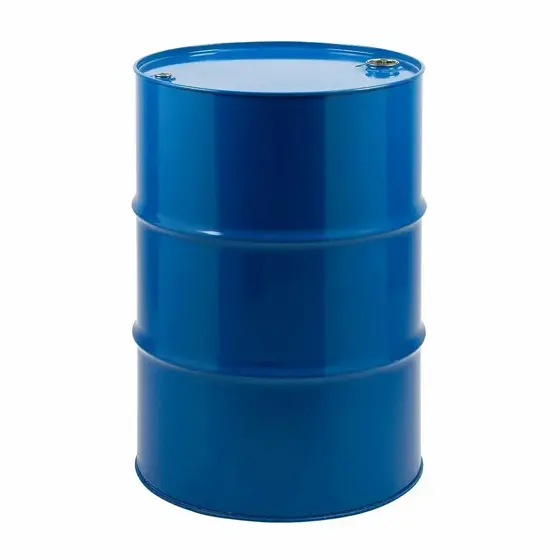
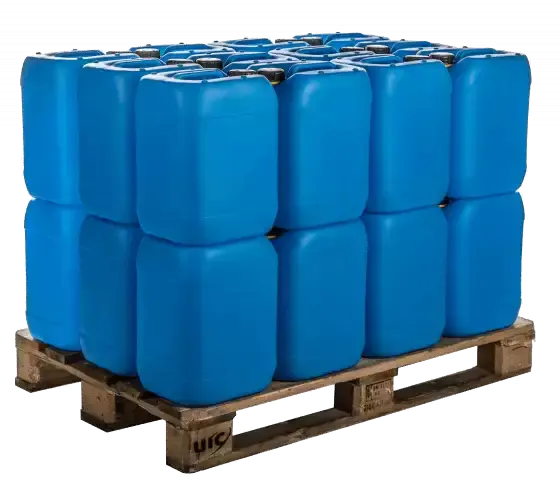
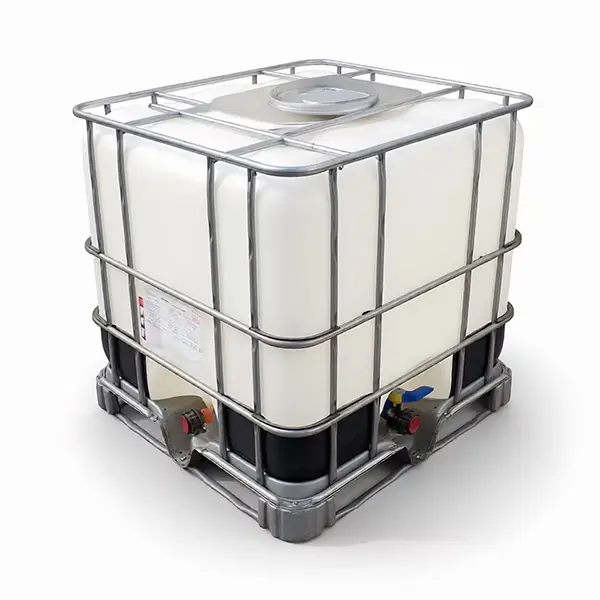
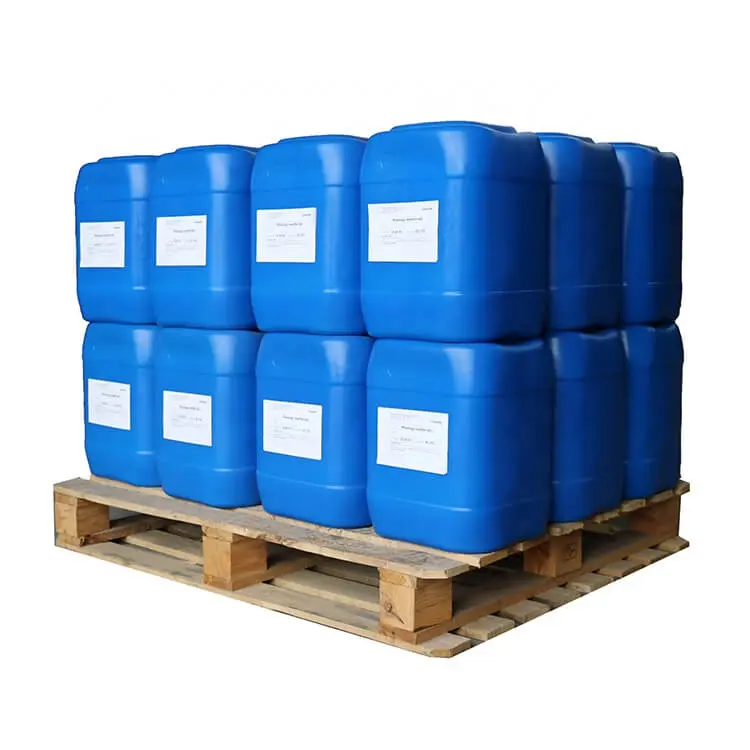
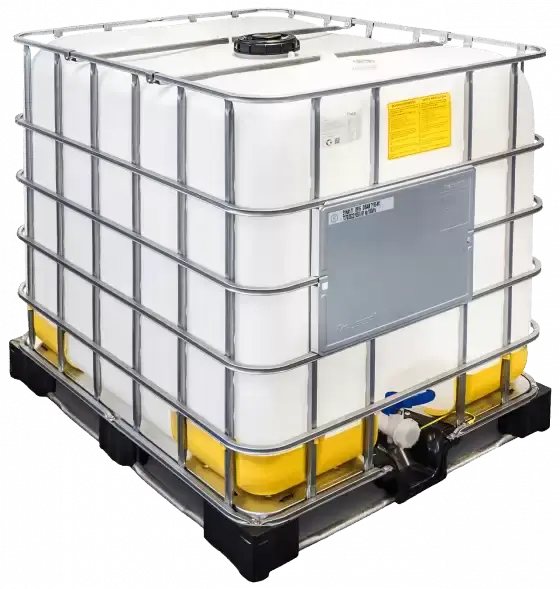
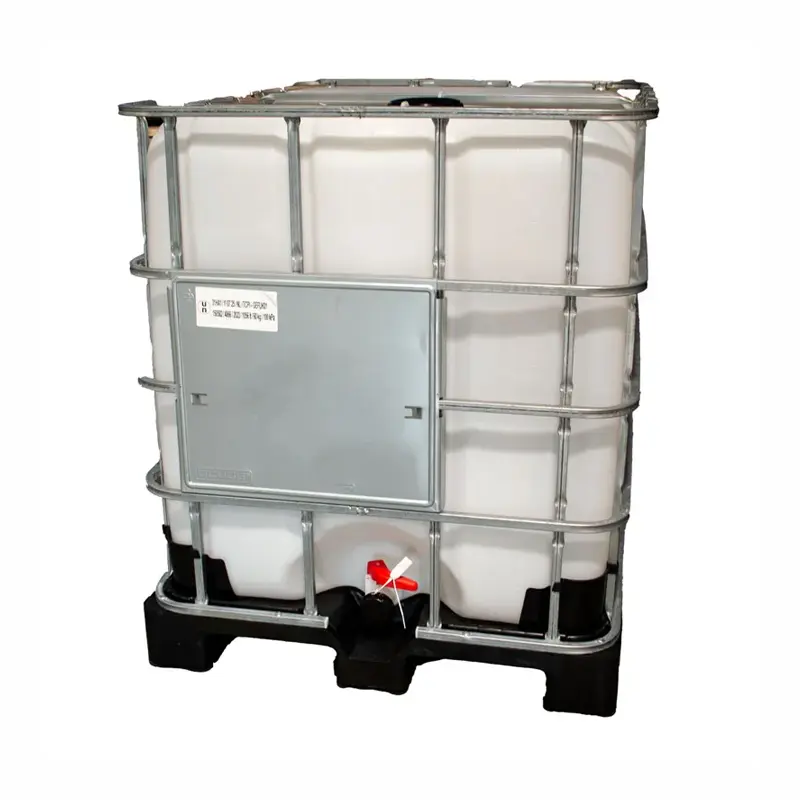
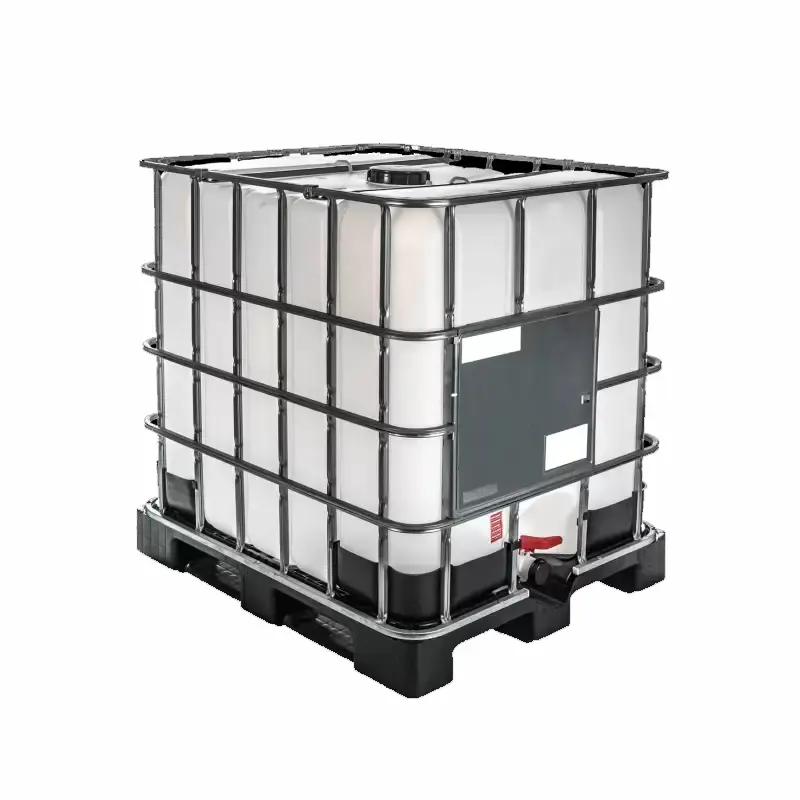
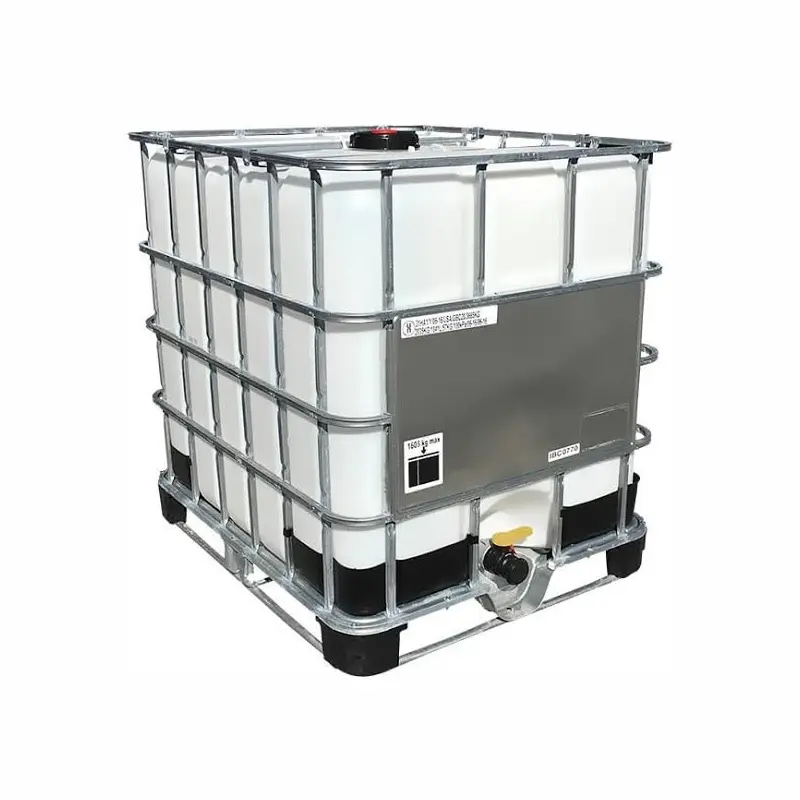
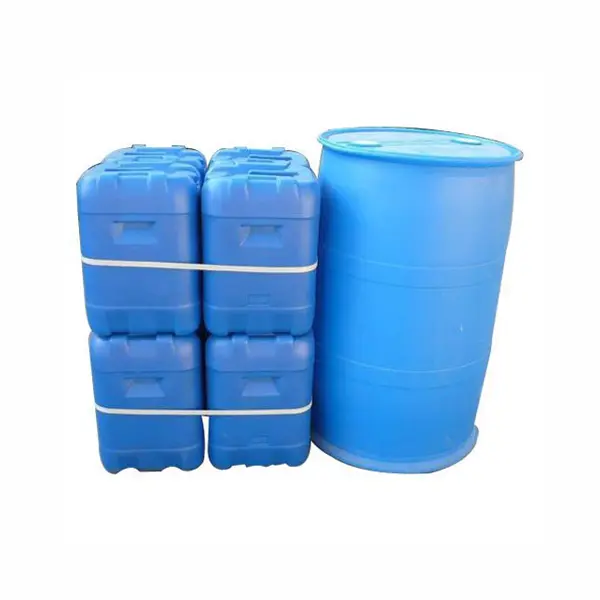
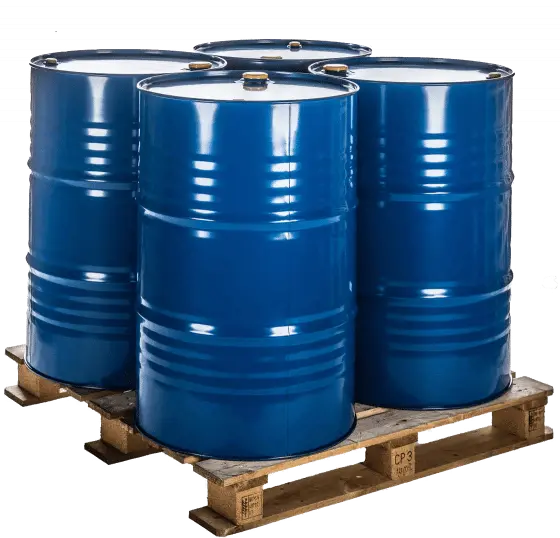
Selecting the correct Sulphuric Acid grade is essential for process efficiency, equipment compatibility, and product quality. Buyers should review the supplier's technical data sheet and safety data sheet to confirm concentration, purity, impurity limits, packaging, and storage requirements.
The concentration and grade should match the intended industrial application. Equipment, tanks, pipelines, seals, and transfer systems must be compatible with the specific acid concentration and operating conditions.
Safety, Storage, and Handling
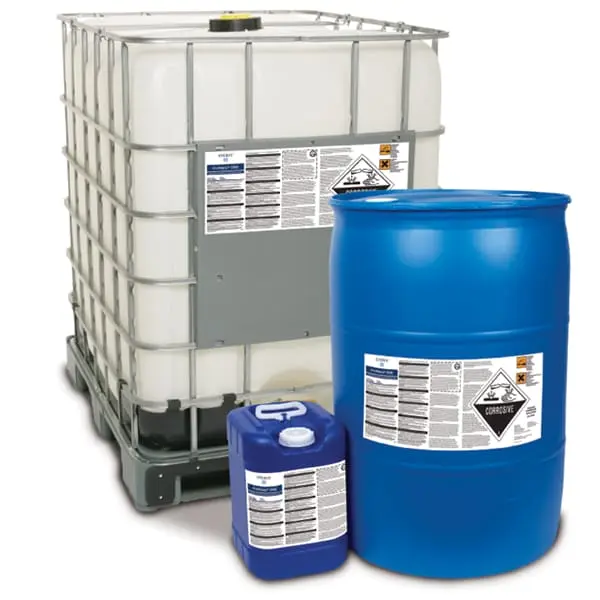
Sulphuric Acid is highly corrosive and can cause severe skin burns and serious eye damage. Handling must be carried out by trained personnel using suitable chemical-resistant protective equipment and appropriate engineering controls.
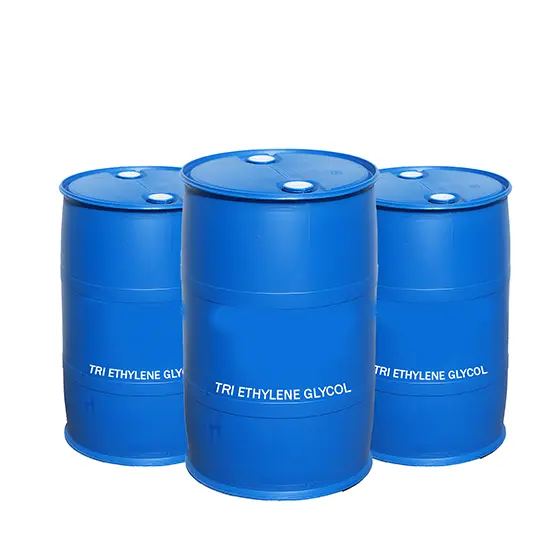
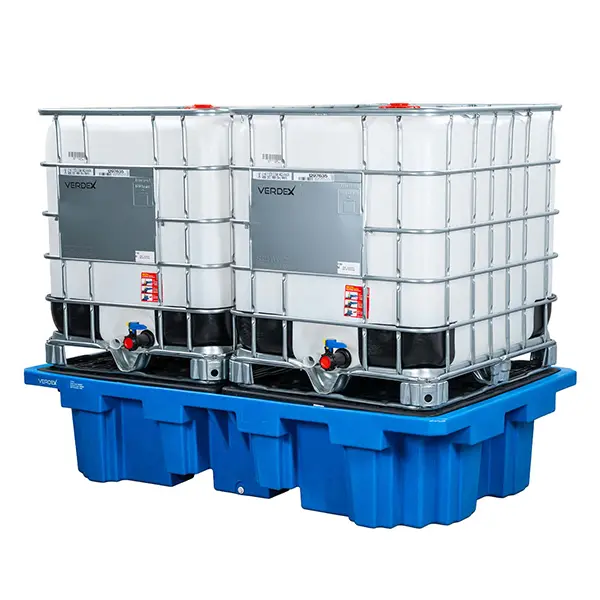
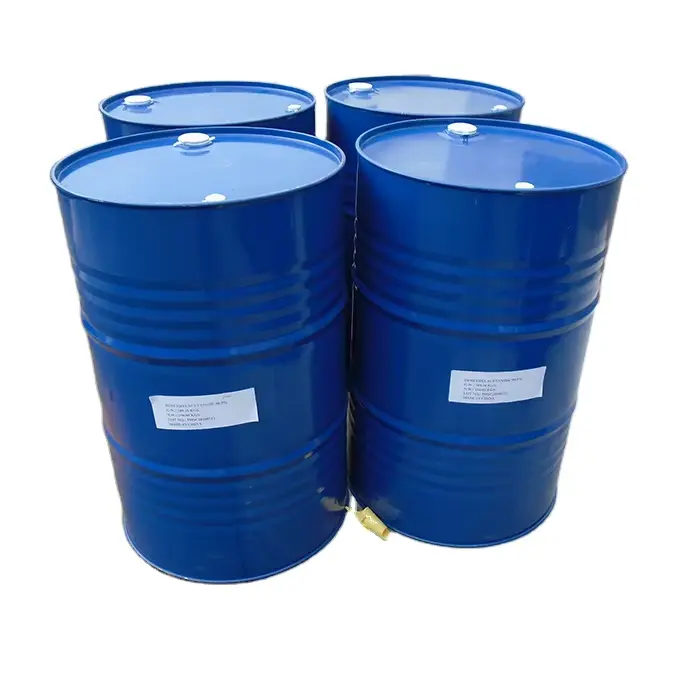
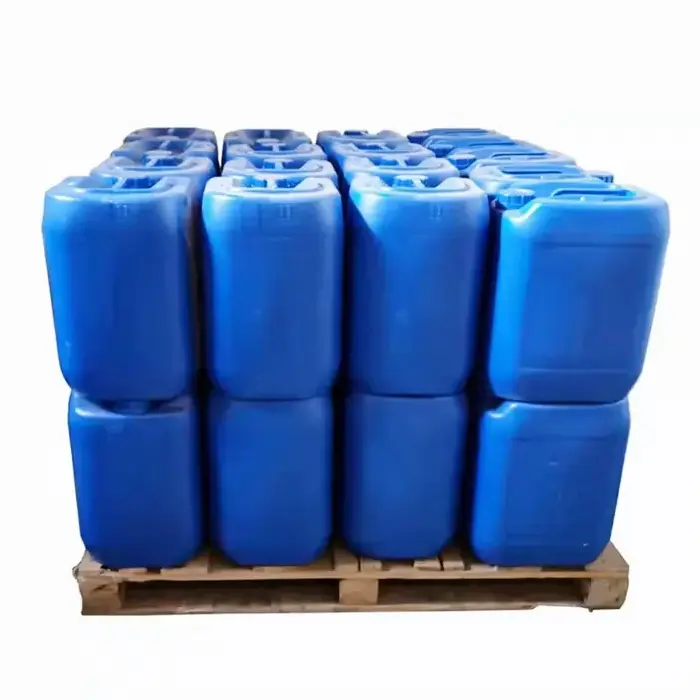
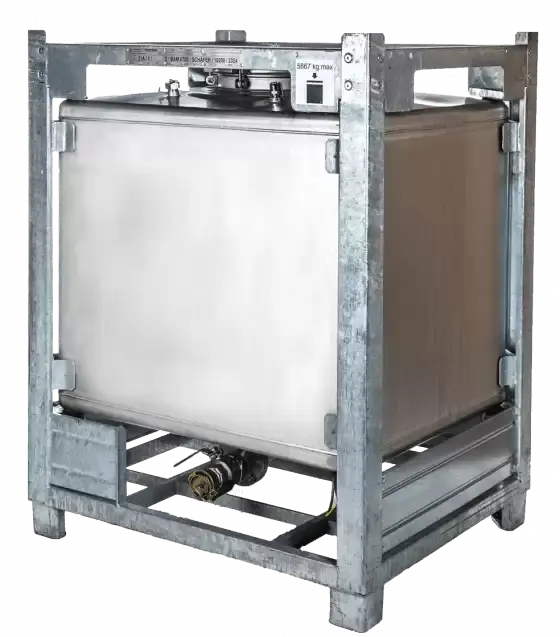
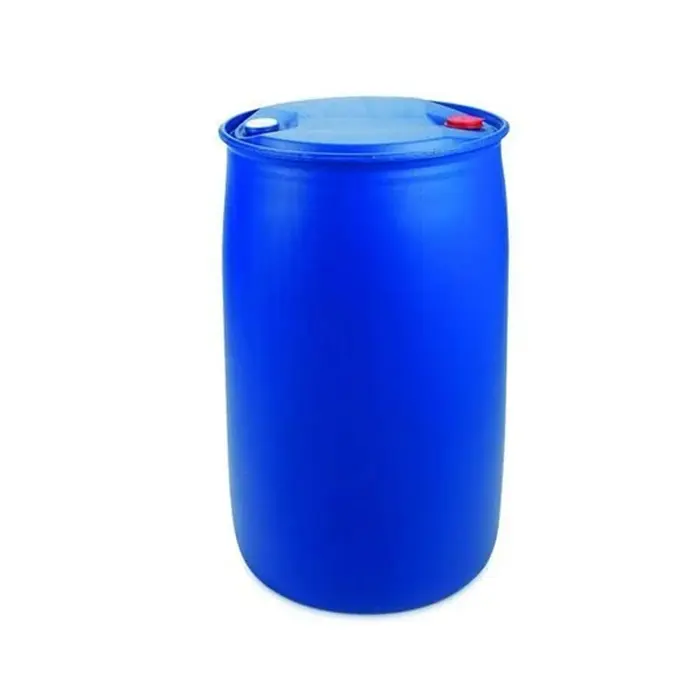
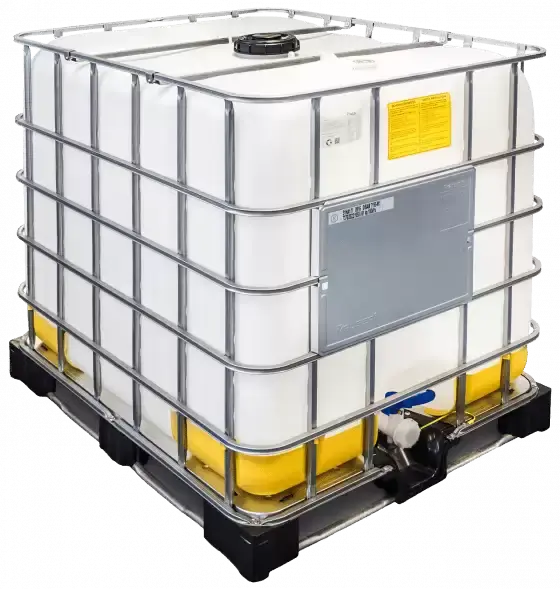
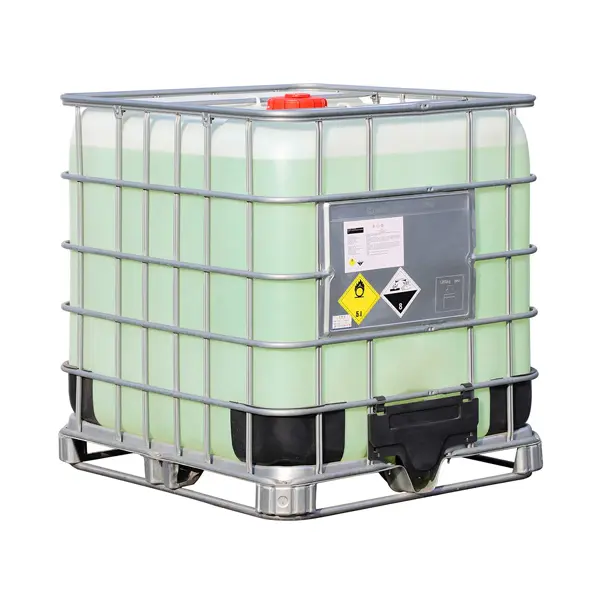
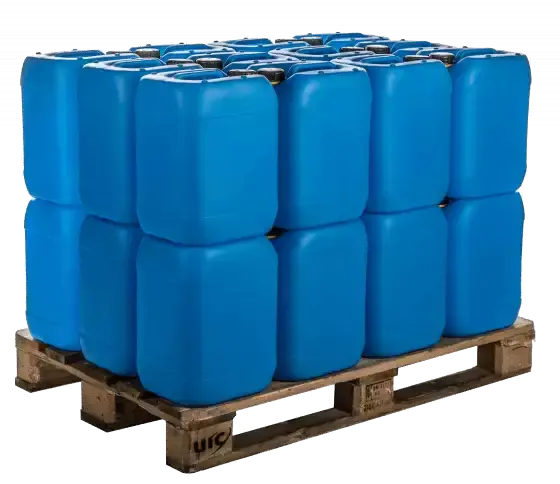
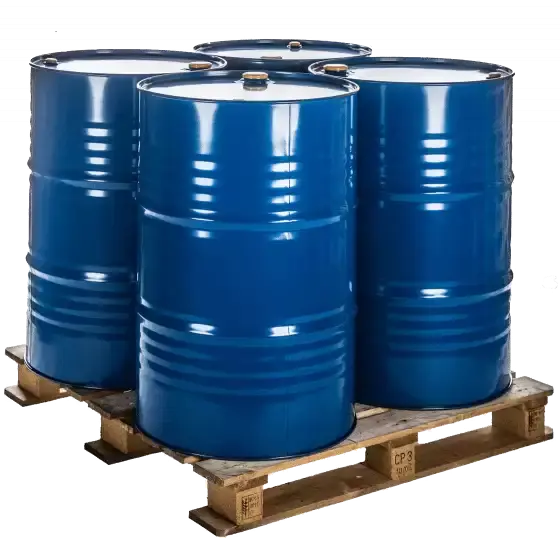
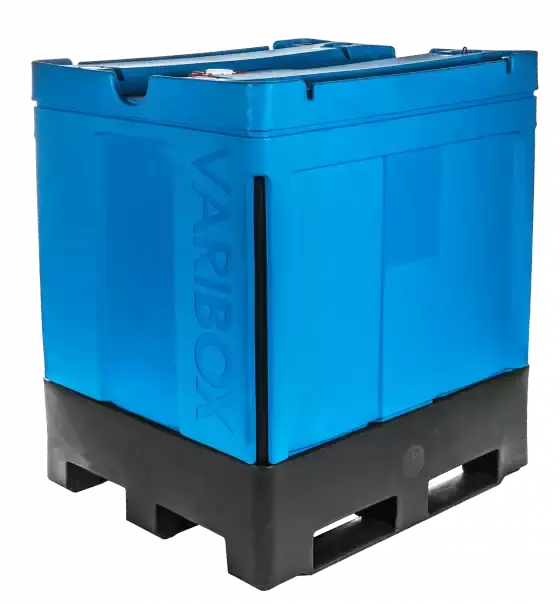
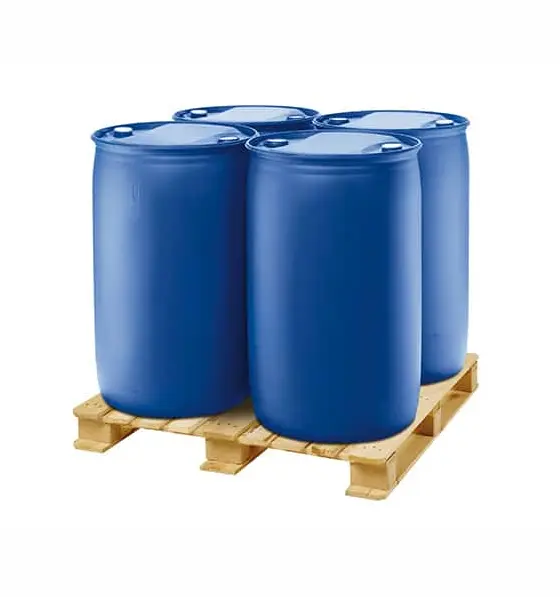
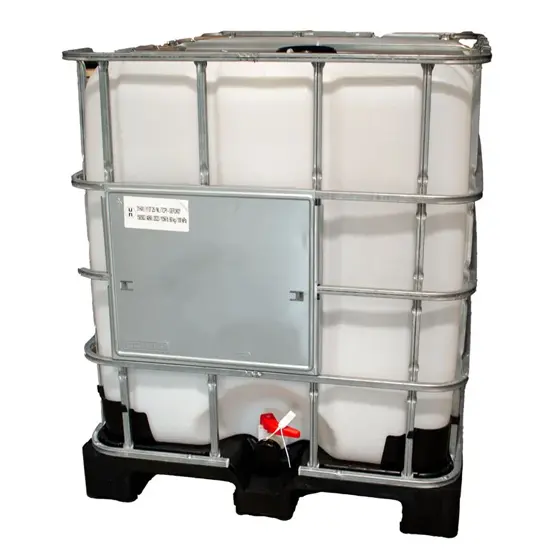
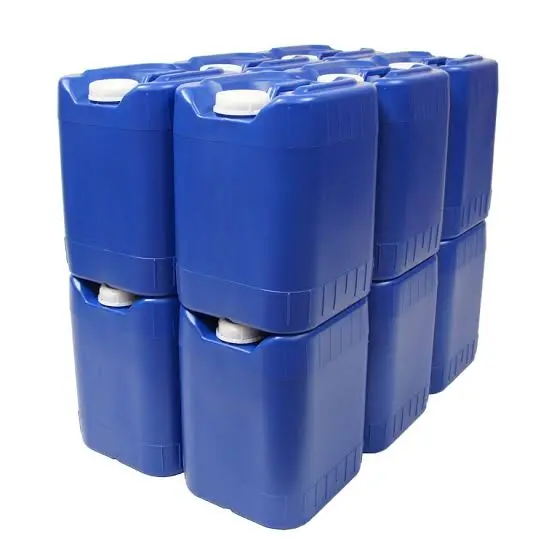
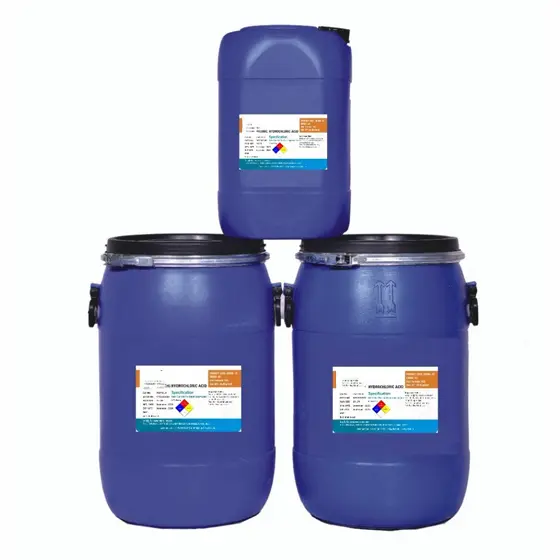
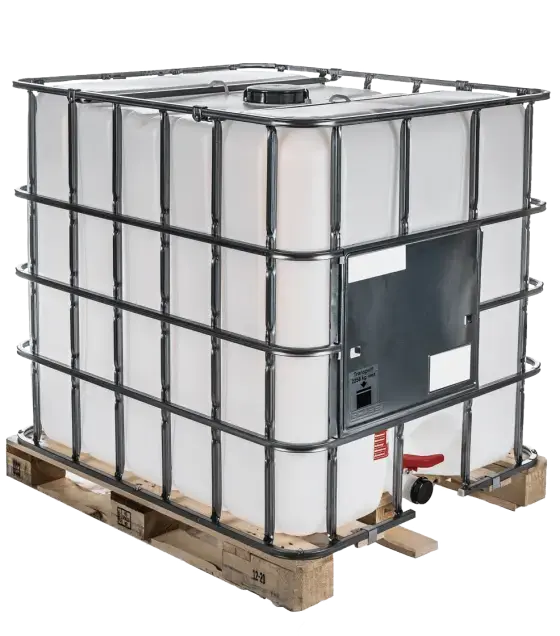
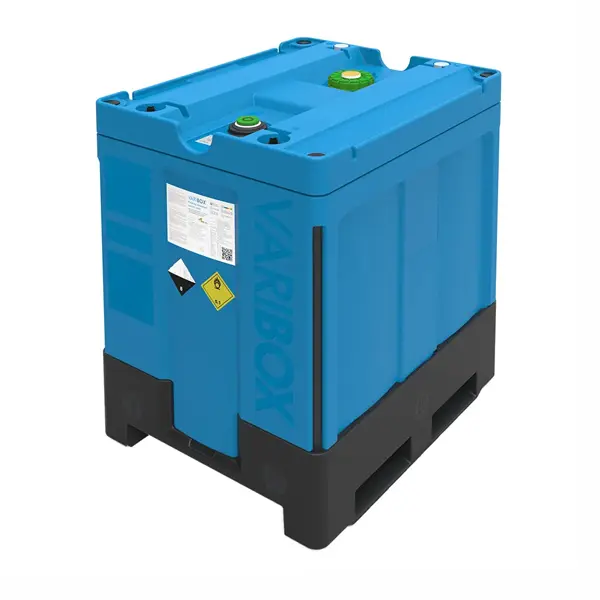
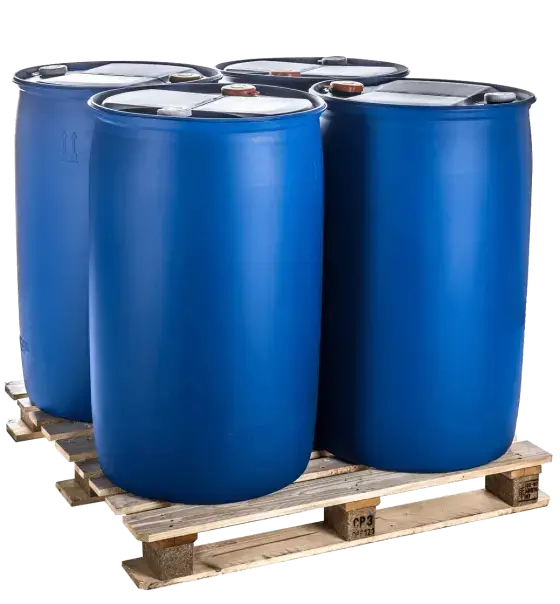
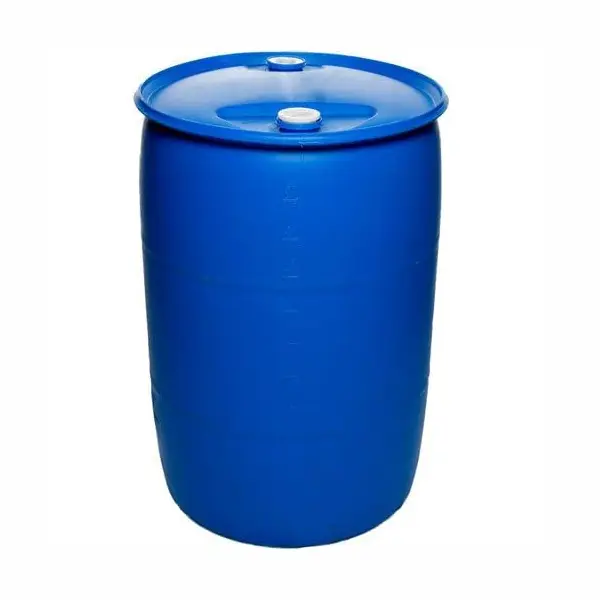
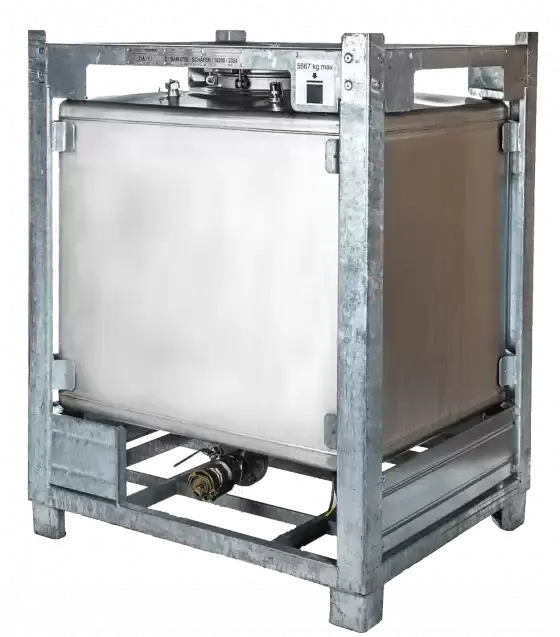
Store the product in compatible, clearly labelled containers within a designated chemical storage area. Keep it separated from incompatible materials, including bases and substances that may react dangerously with acids. Ensure adequate ventilation, suitable spill-control arrangements, and access to appropriate emergency equipment.
Important: Diluting concentrated sulphuric acid releases significant heat. Always follow the approved site procedure and the manufacturer's safety instructions. Never add water to concentrated acid; when dilution is required, trained personnel should add acid slowly to water under controlled conditions.
Why Choose Sulphuric Acid?
Sulphuric Acid remains an essential chemical raw material for industries that depend on efficient chemical reactions, mineral processing, fertilizer production, and metal treatment. Selecting the correct concentration and quality grade helps manufacturers meet process requirements while supporting consistent operational performance.
Conclusion
Sulphuric Acid is a versatile industrial mineral acid used in fertilizer production, chemical manufacturing, metal processing, petroleum refining, battery applications, and selected water-treatment operations. Its effectiveness and industrial importance make it a critical raw material across numerous sectors. For reliable results, select a grade appropriate to the intended application and follow all relevant technical, storage, and safety requirements.