
Potassium Carbonate – Versatile Alkaline Chemical for Glass, Soap and Industrial Manufacturing
Introduction
Potassium Carbonate is an inorganic potassium salt with the chemical formula K₂CO₃. Also known as dipotassium carbonate or carbonate of potash, it is typically supplied as a white, hygroscopic powder or colorless crystals. It dissolves readily in water to form an alkaline solution and is widely used in glass manufacturing, specialty chemical production, soap and detergent formulations, food processing, and selected agricultural applications. Its alkaline properties make it valuable for pH adjustment, chemical processing, and the manufacture of potassium-based compounds.
Industrial Applications
In glass manufacturing, Potassium Carbonate is used as a source of potassium oxide in selected glass formulations. It can help modify glass properties and is particularly relevant to specialty glass and optical glass production, depending on the formulation.
In chemical manufacturing, Potassium Carbonate serves as a raw material for producing potassium-based compounds and as an alkaline agent in selected chemical reactions. It is also used in soap and detergent formulations, where it supports alkalinity and can contribute to the processing of compatible ingredients.
In food processing, appropriate food-grade Potassium Carbonate may be used as an acidity regulator, buffering agent, or processing aid where permitted by applicable regulations. Other applications include selected fertilizer formulations, laboratory procedures, and industrial processing operations.
Key Benefits
- Alkaline properties: Supports pH adjustment and neutralization in compatible formulations.
- High water solubility: Allows preparation of aqueous solutions for industrial processing.
- Glass manufacturing utility: Provides a potassium source for selected glass formulations.
- Chemical versatility: Serves as a raw material for producing potassium-based compounds.
- Formulation support: Can be used in approved food-processing and cleaning applications.
- Multiple grades: Available in technical, laboratory, and food grades, depending on supplier specifications.
Product Specifications
| Parameter | Details |
|---|---|
| Product Name | Potassium Carbonate |
| Alternative Names | Dipotassium Carbonate, Carbonate of Potash |
| Chemical Formula | K₂CO₃ |
| CAS Number | 584-08-7 |
| Molecular Weight | 138.21 g/mol |
| Appearance | White hygroscopic powder or colorless crystals |
| Odor | Odorless |
| Solubility | Highly soluble in water |
| Melting Point | Approximately 891°C for anhydrous material |
| Chemical Nature | Alkaline inorganic salt |
| Primary Functions | pH adjustment, buffering, chemical processing |
| Common Applications | Glass, soaps and detergents, chemical manufacturing, food processing |
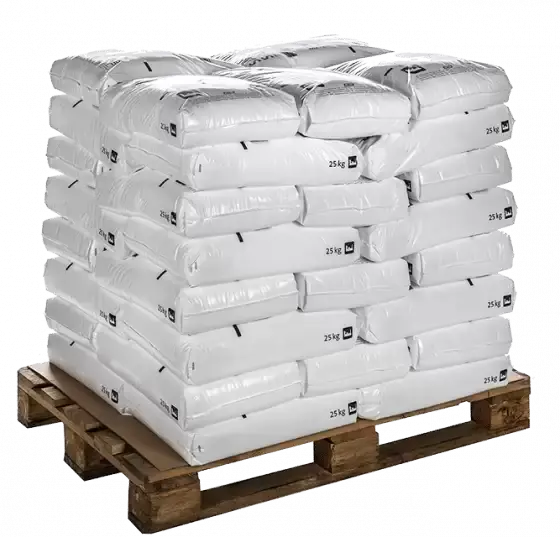
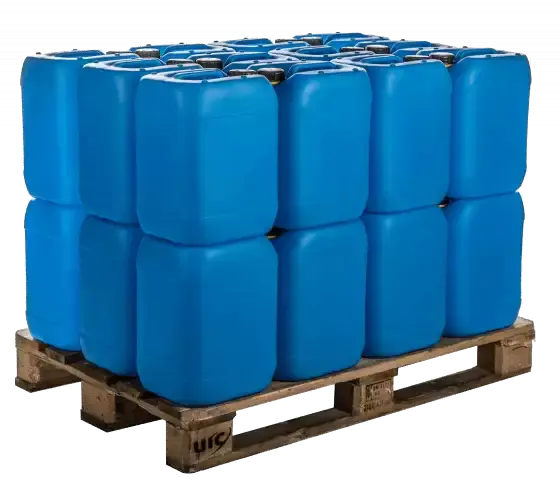
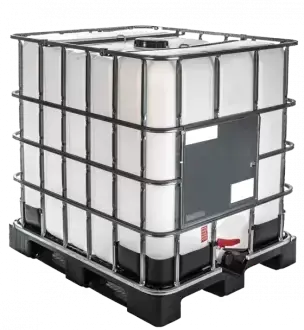
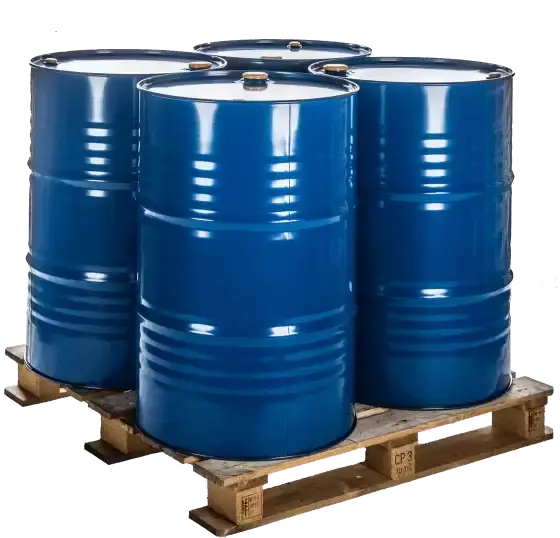
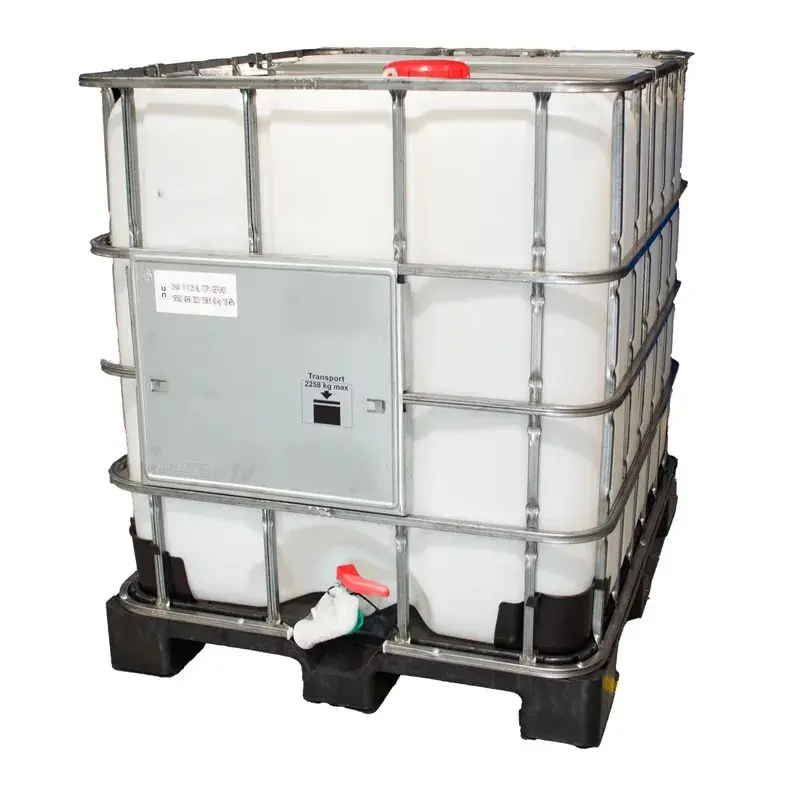
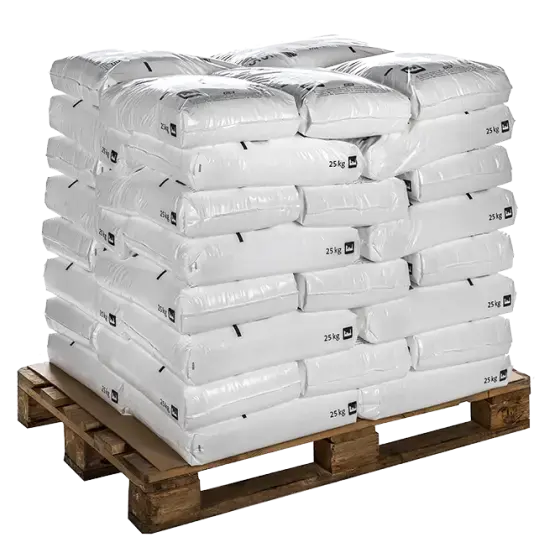
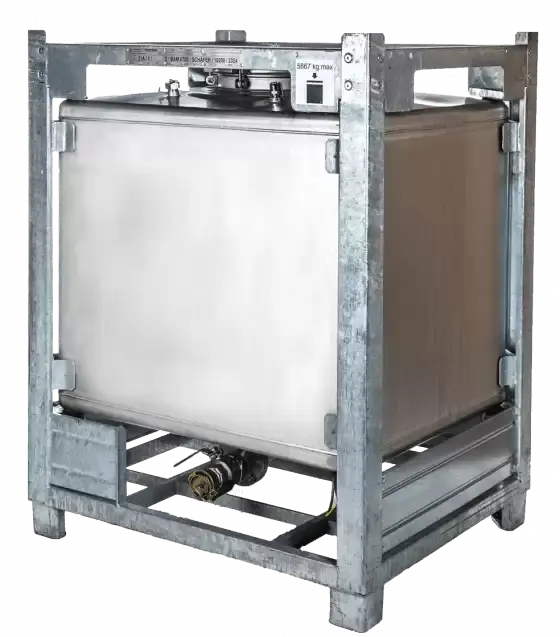
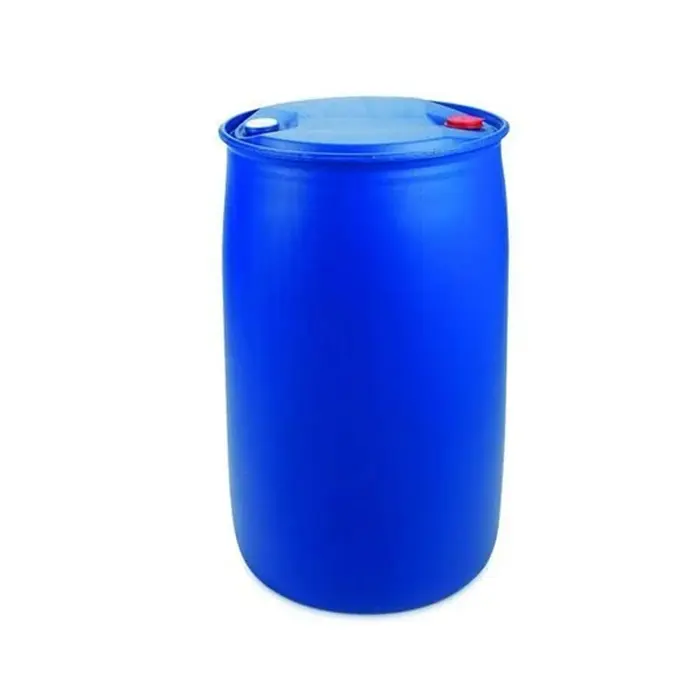
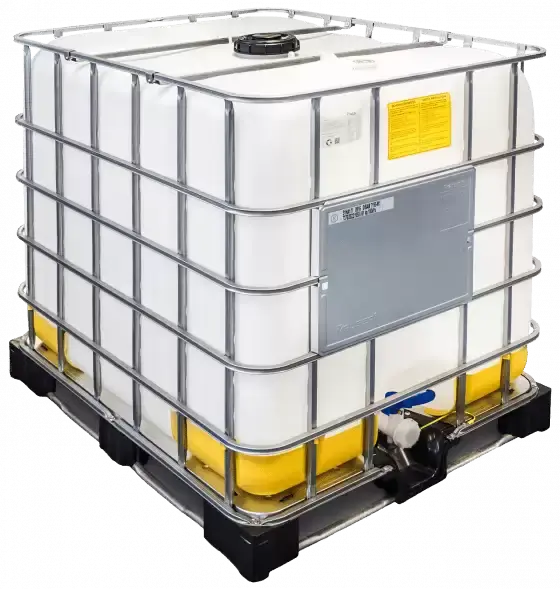
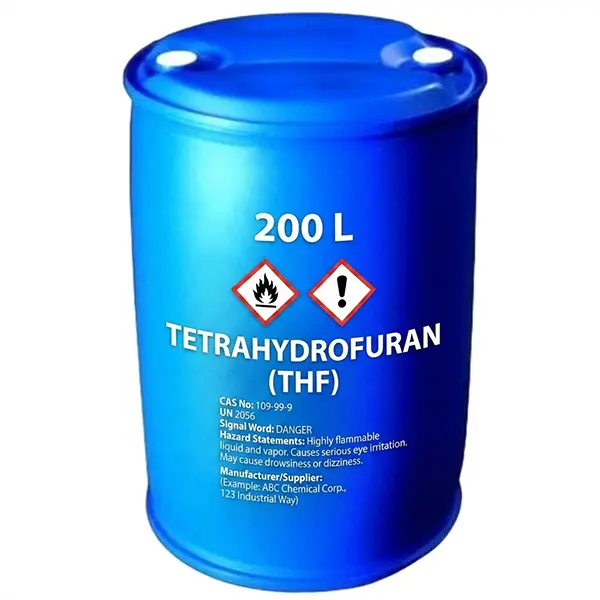
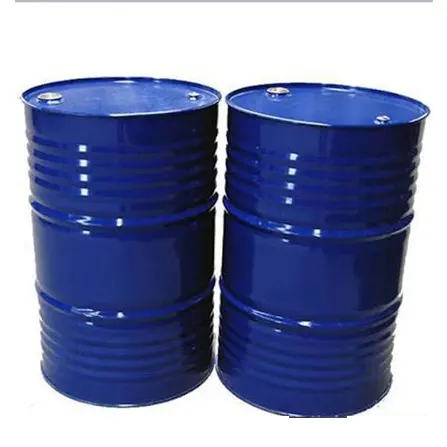
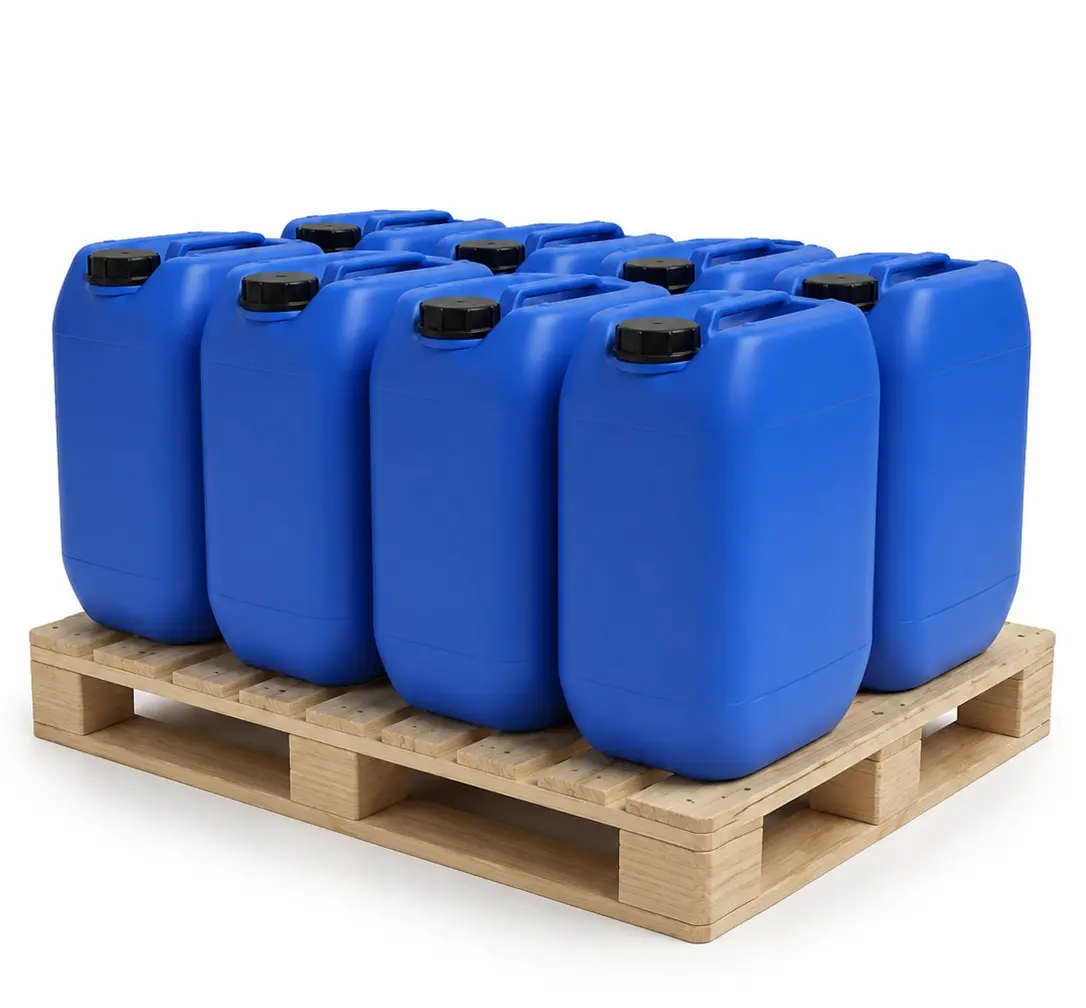
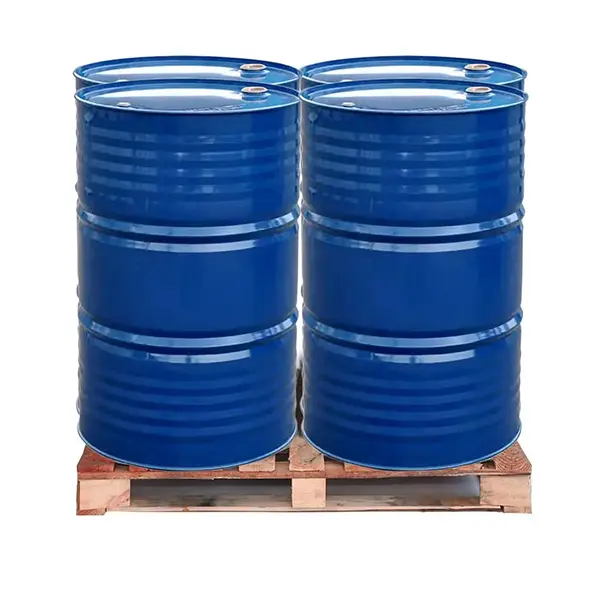
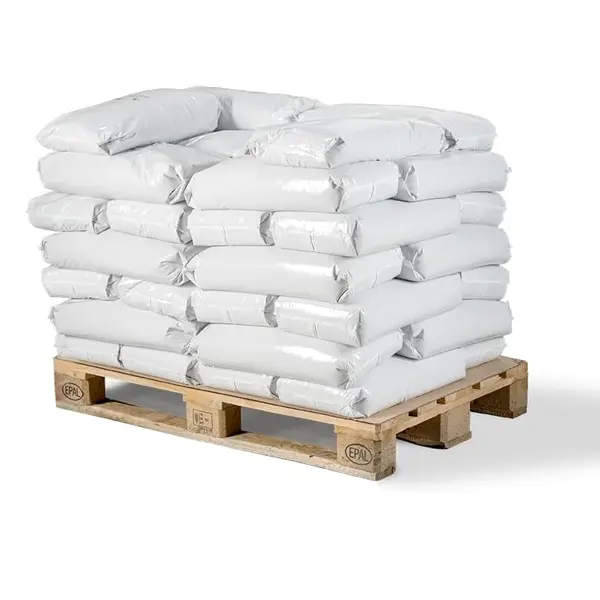
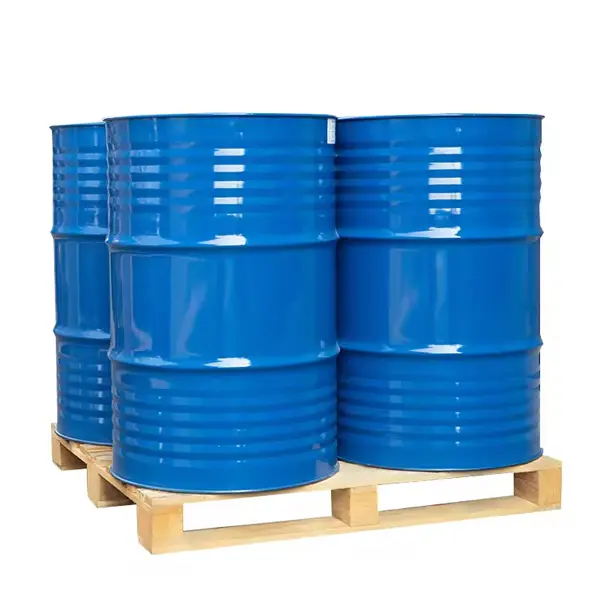
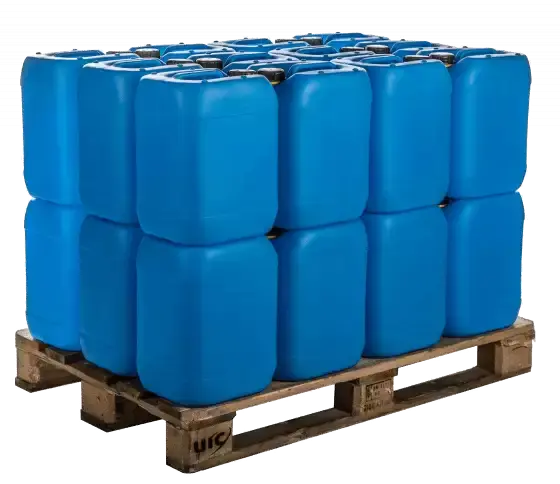
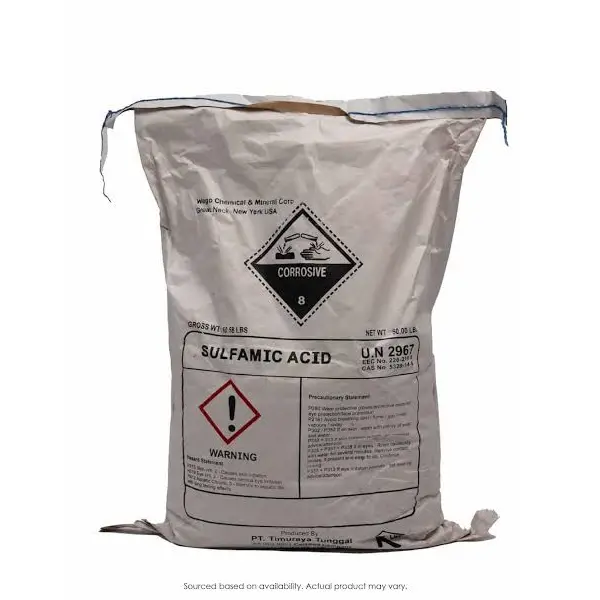
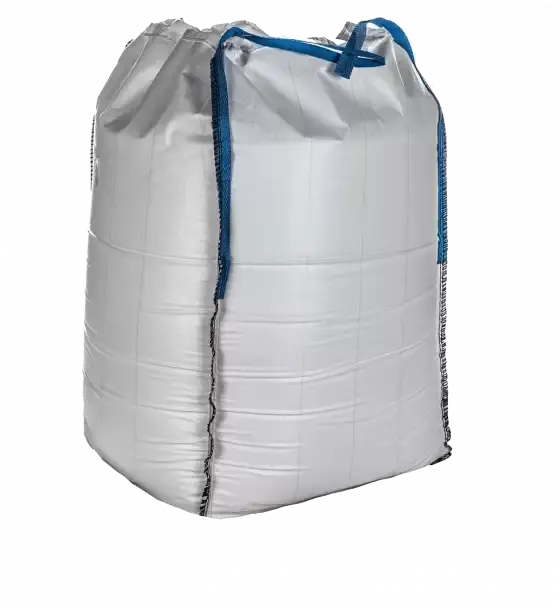
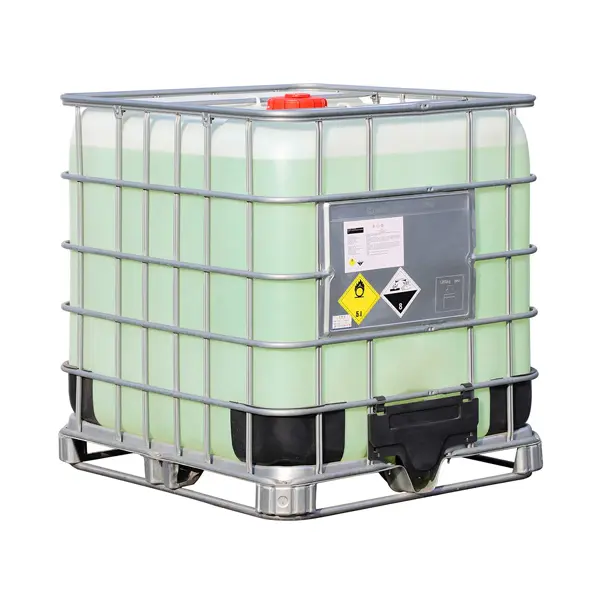
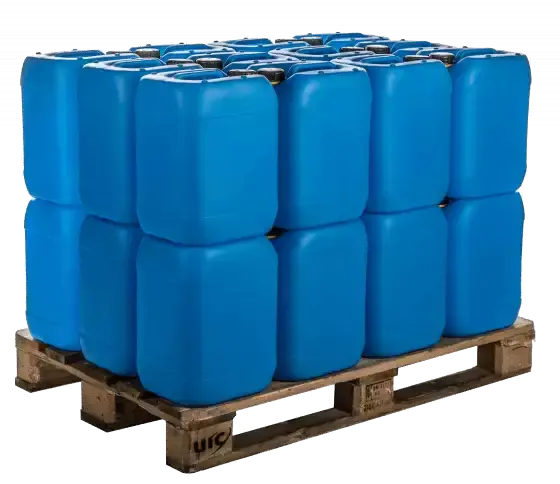
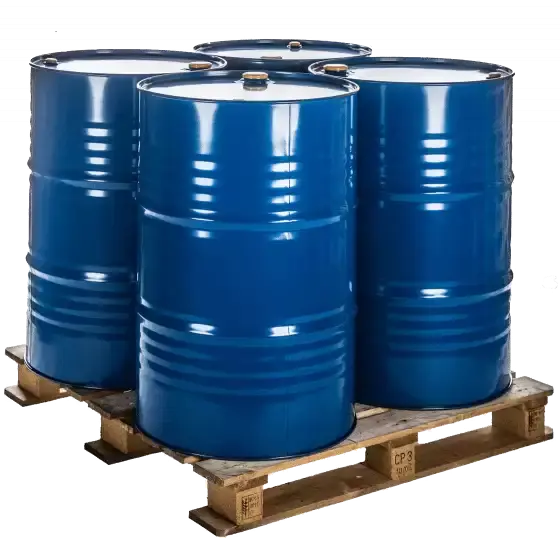
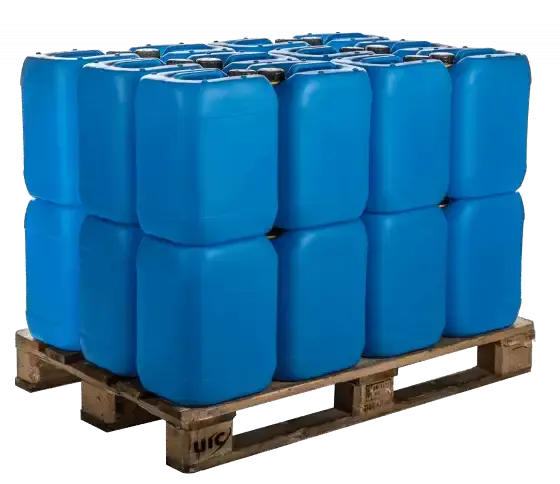
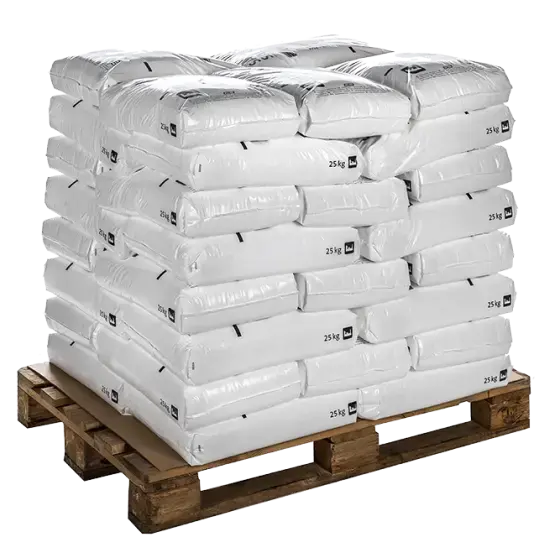
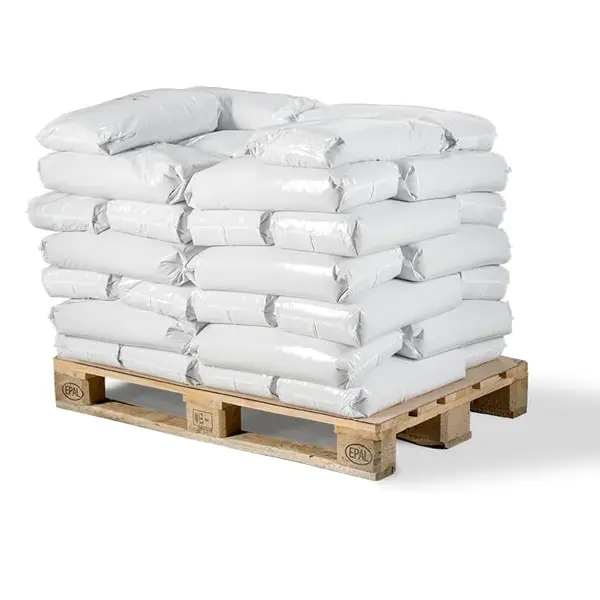
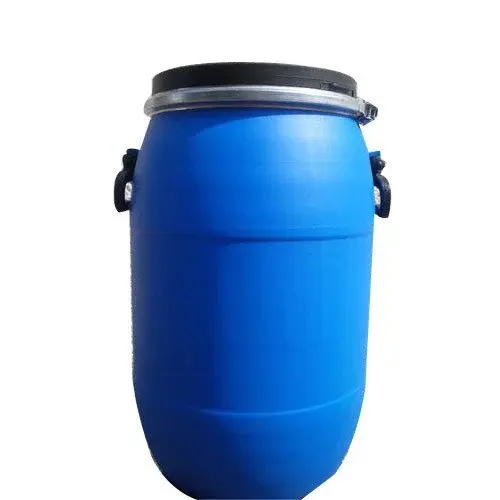
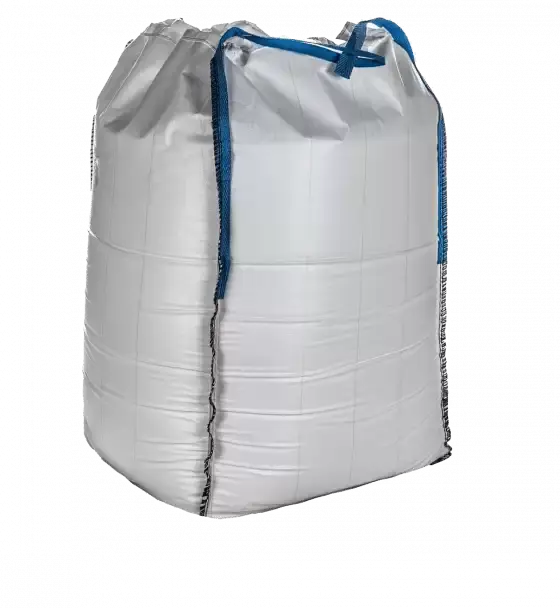
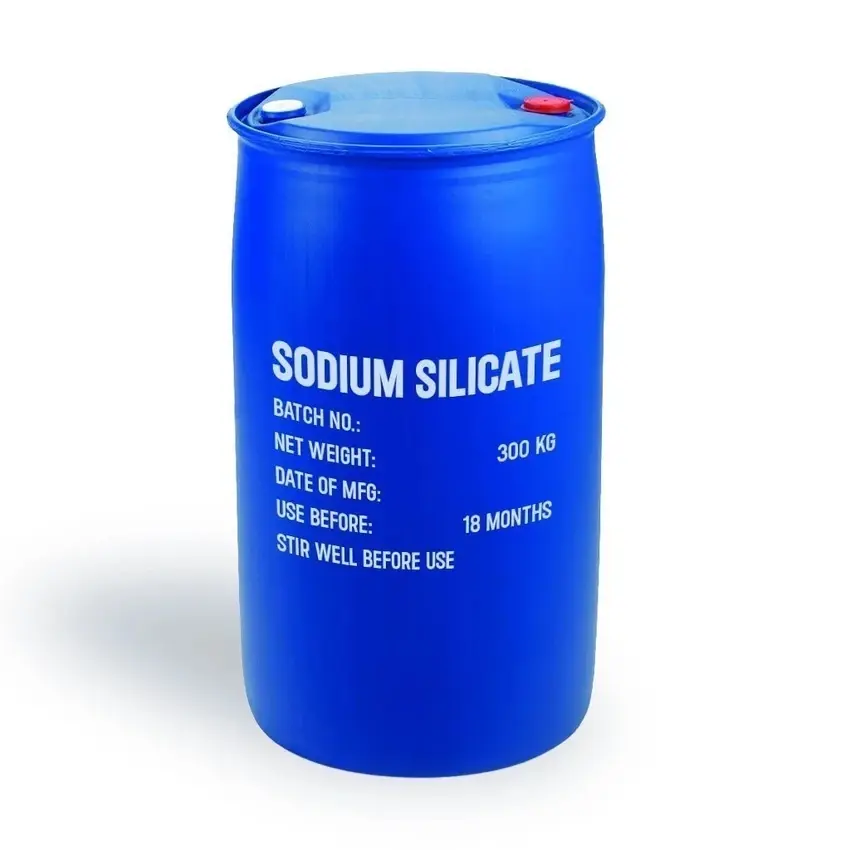
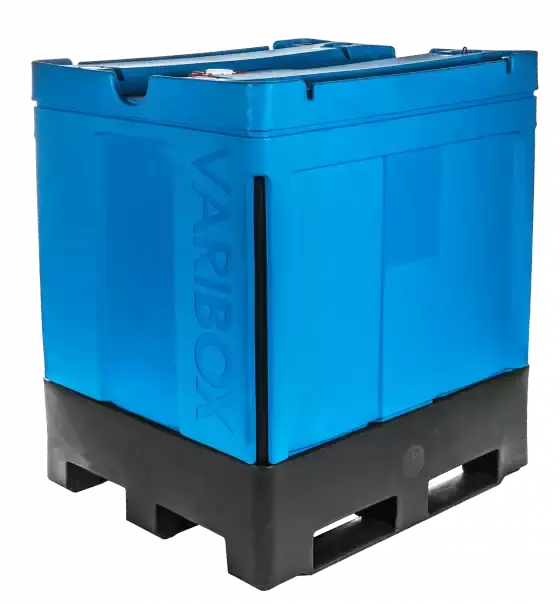
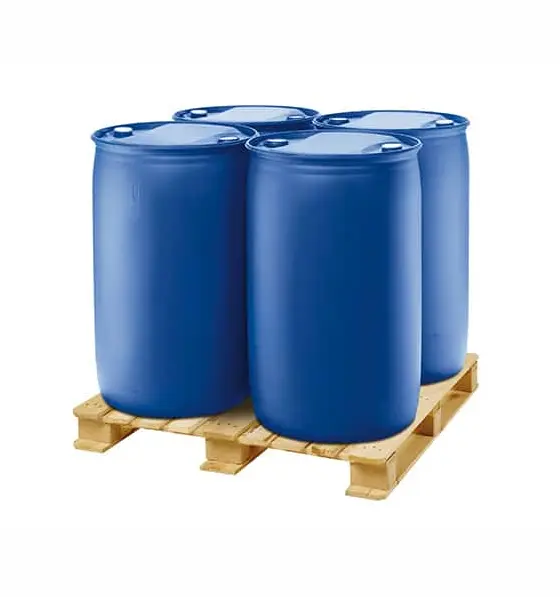
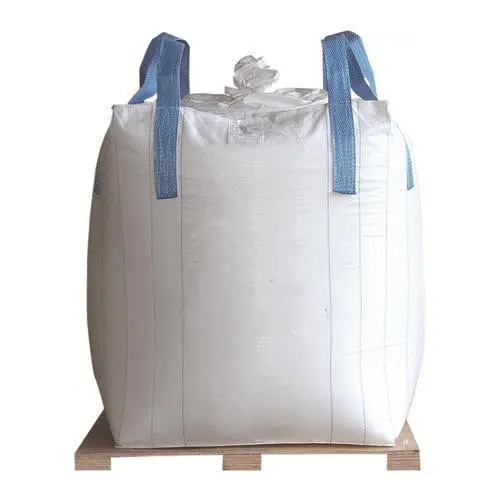
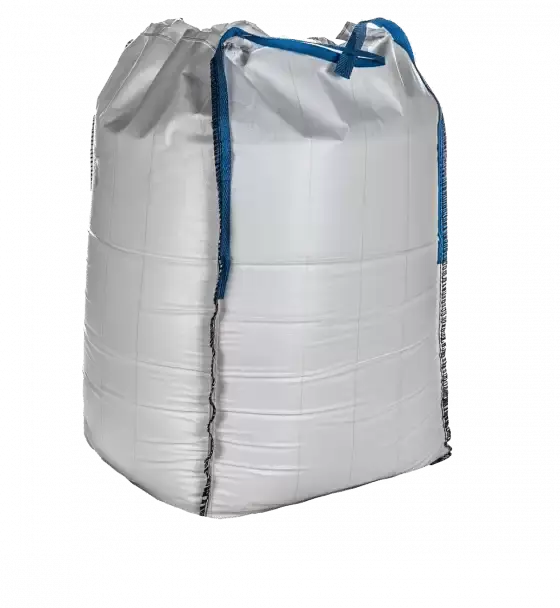
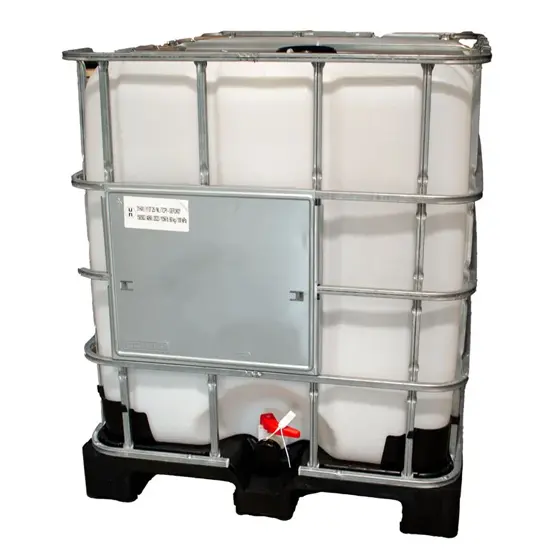
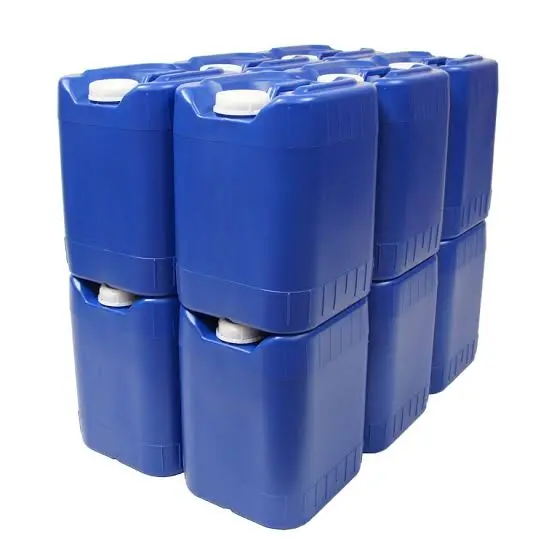
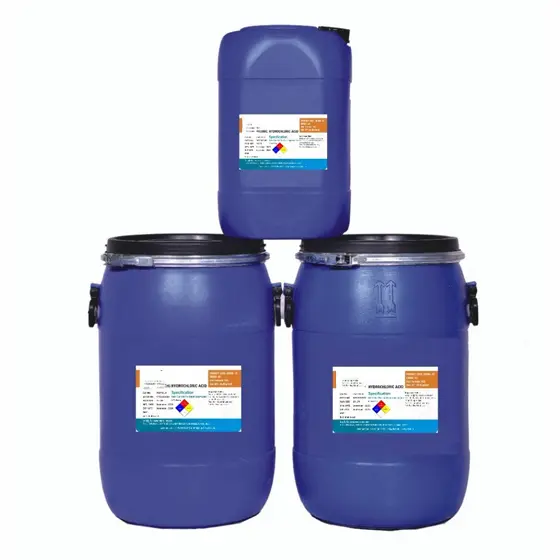
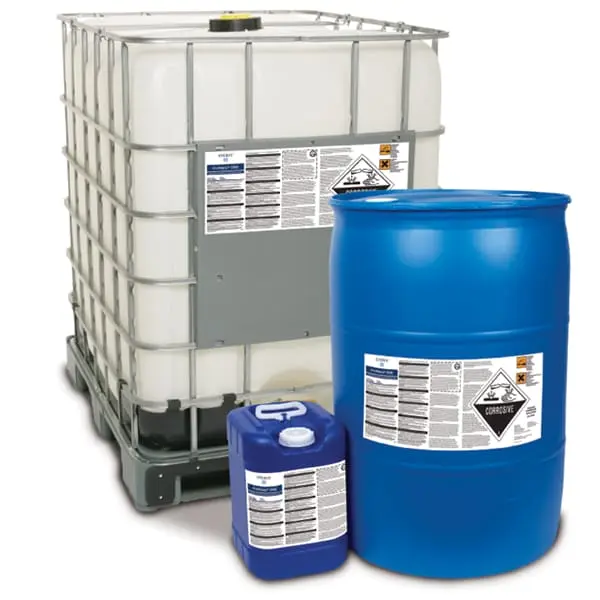
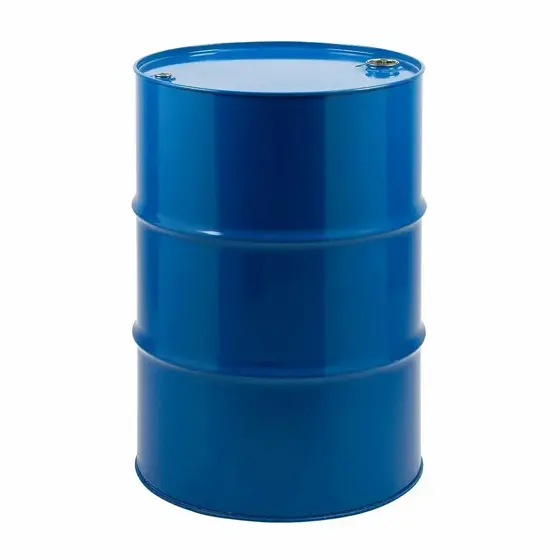
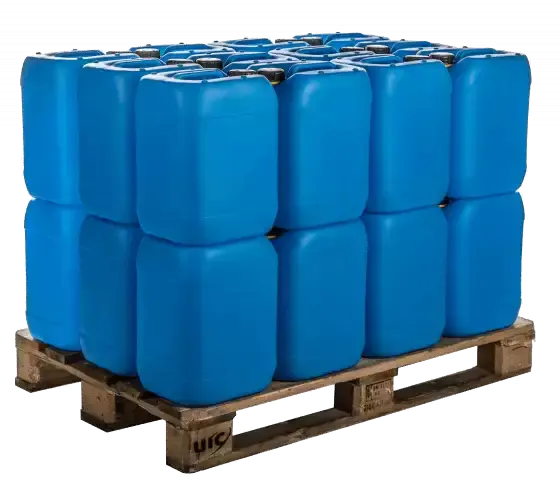
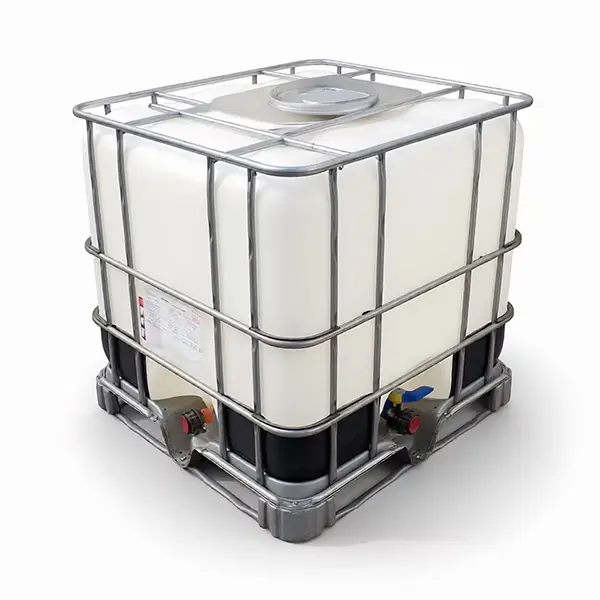
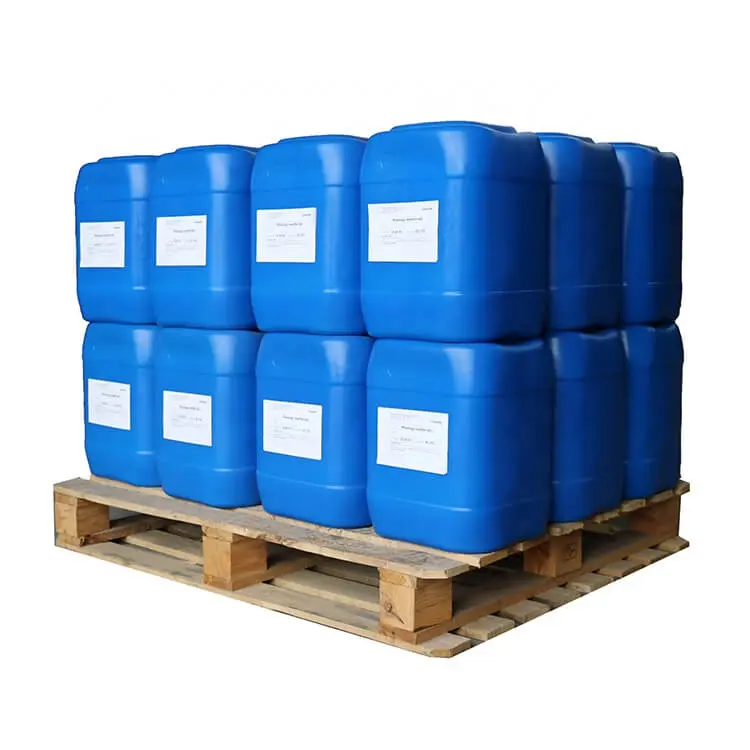
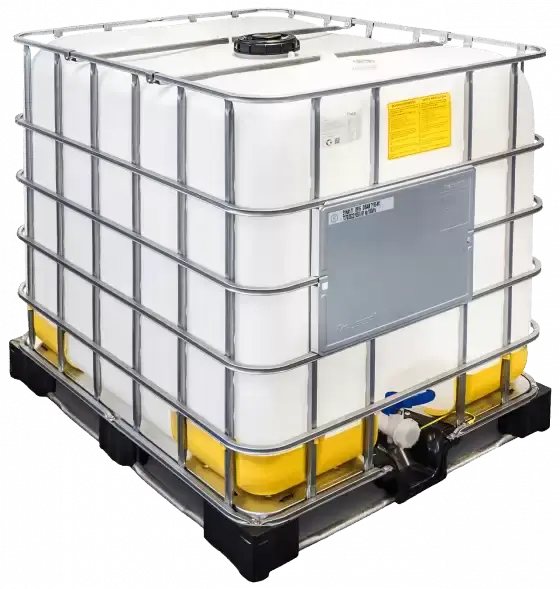
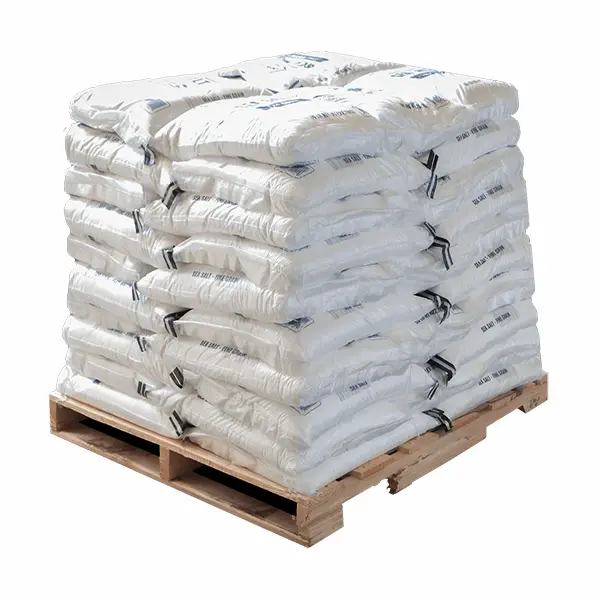
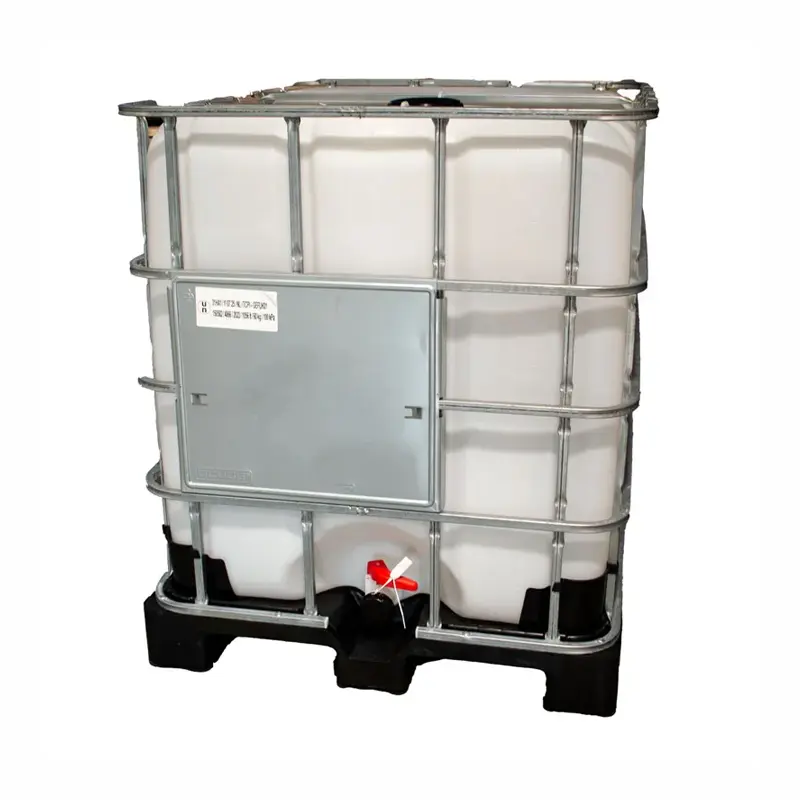
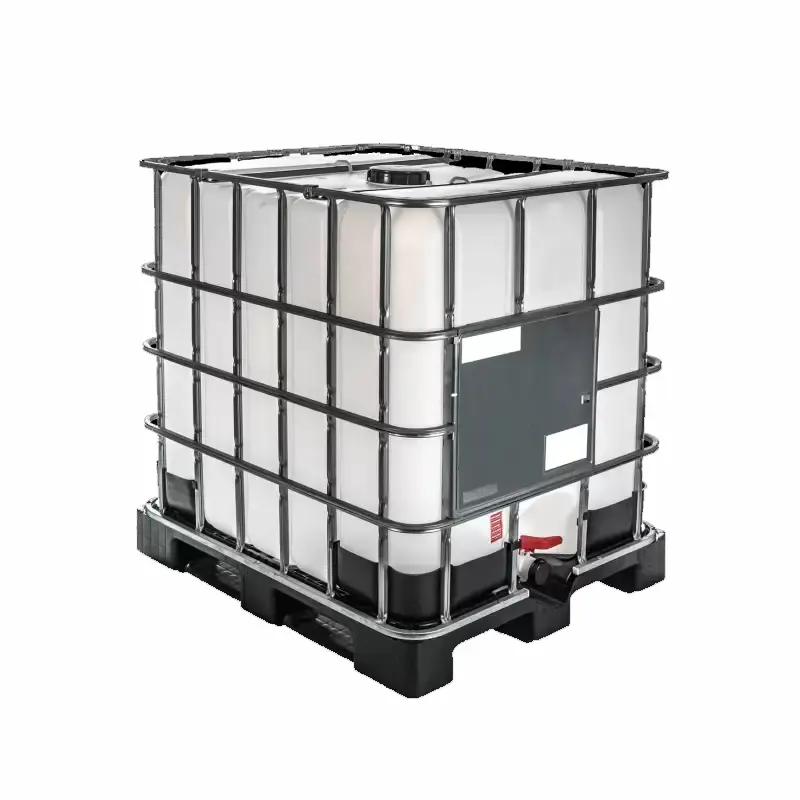
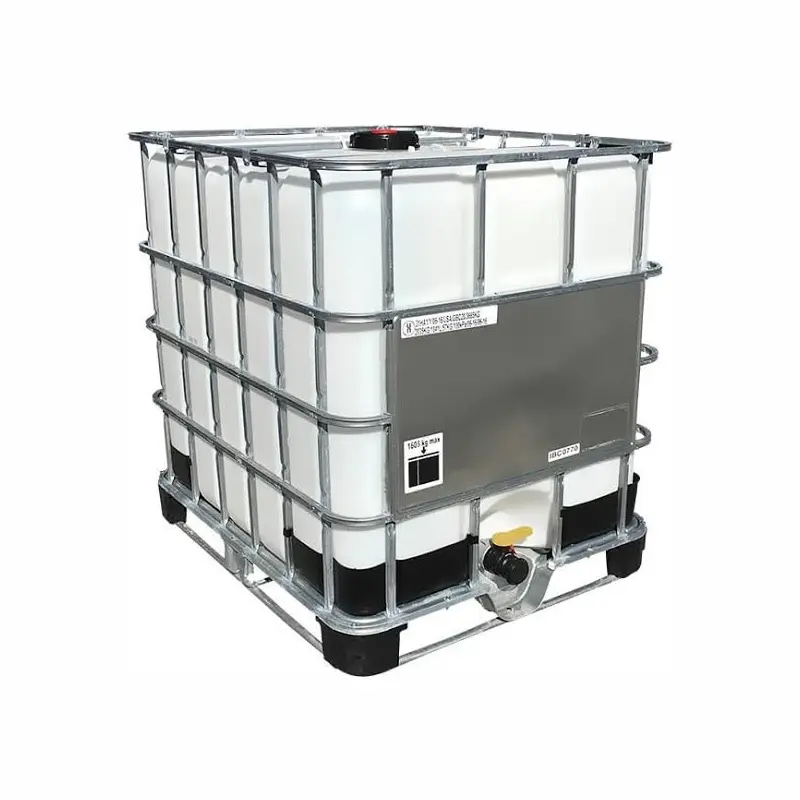
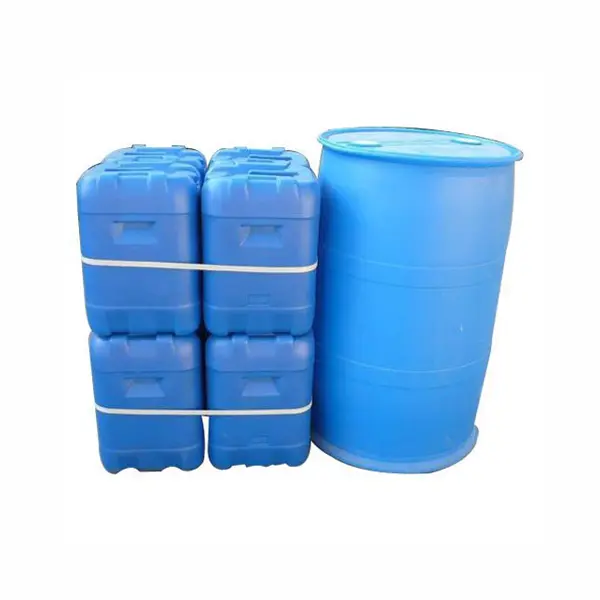
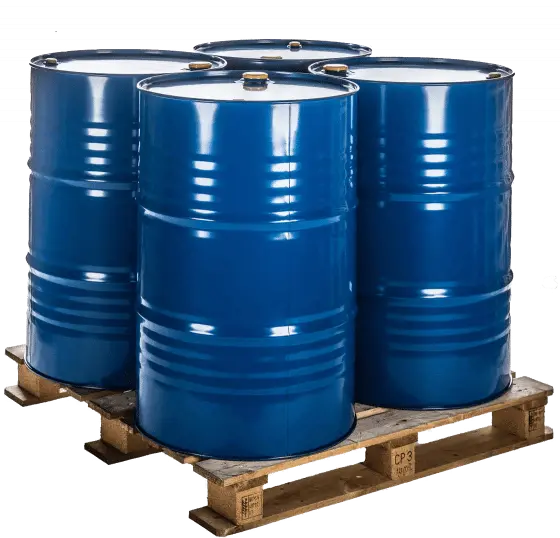
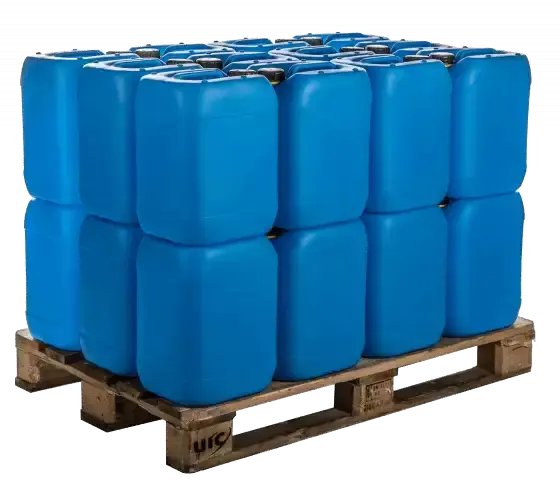
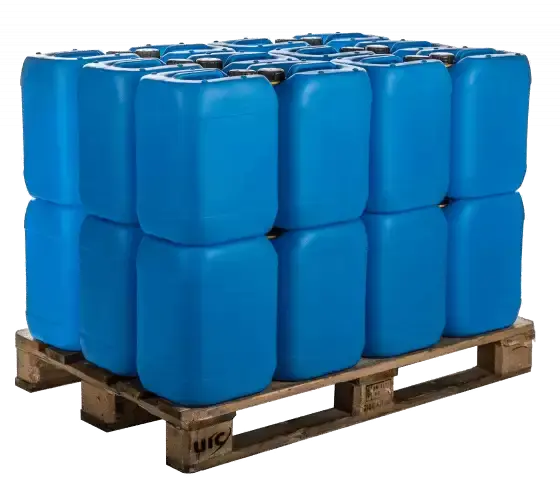
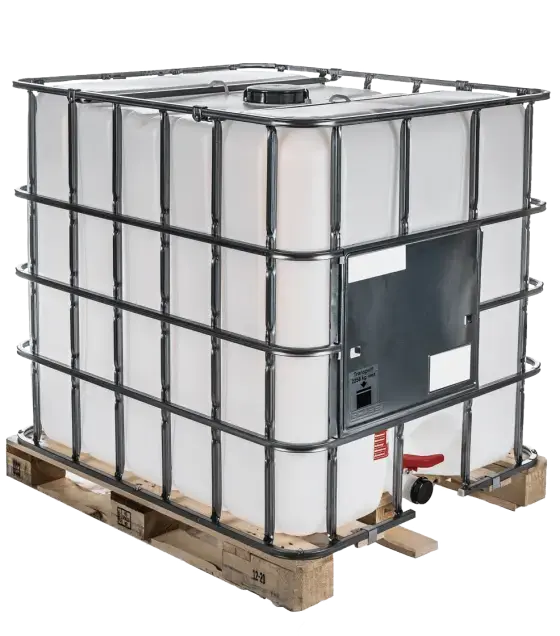
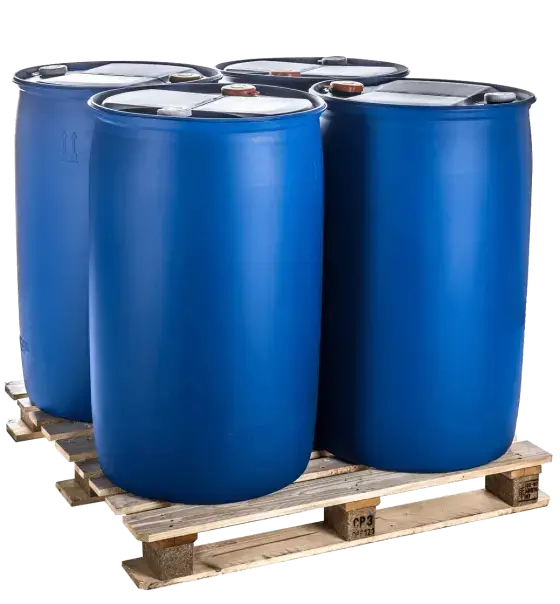
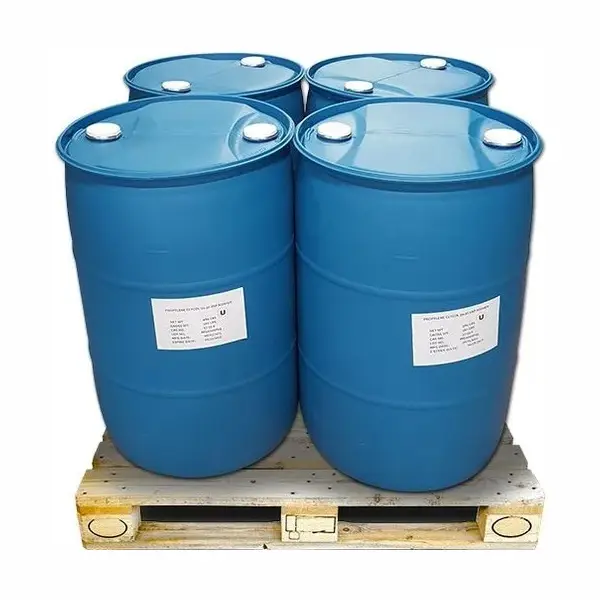
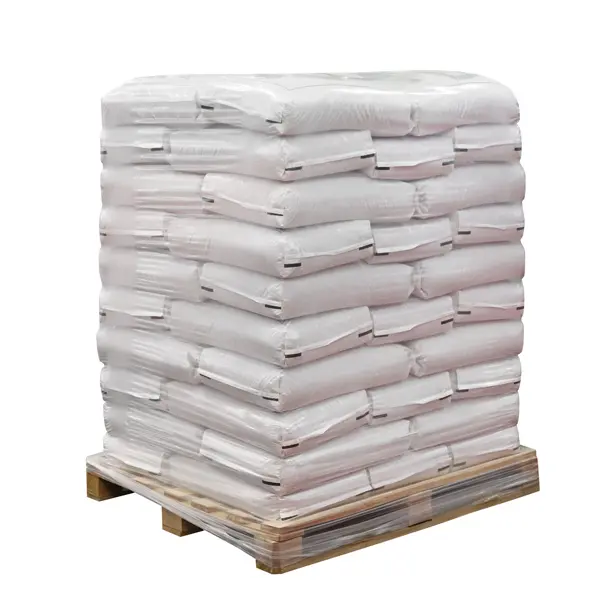
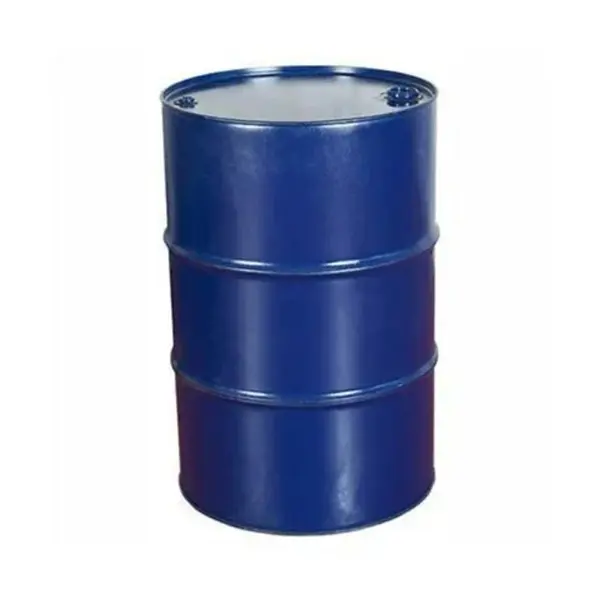
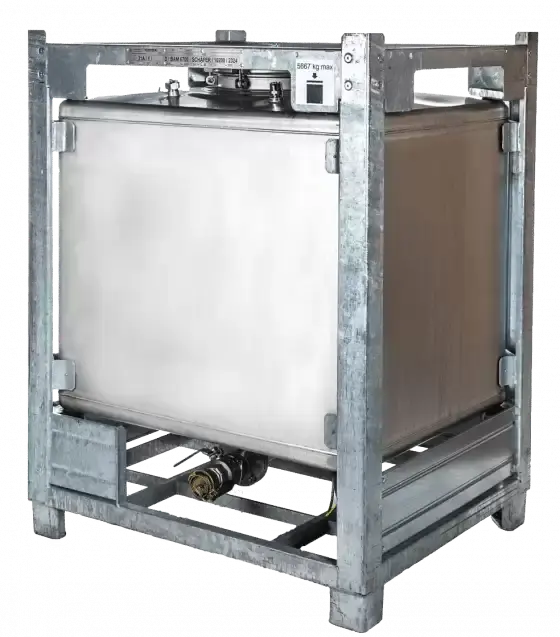
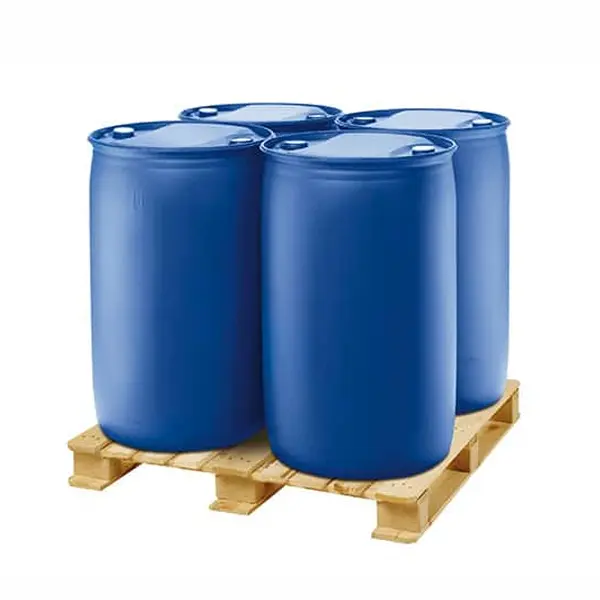
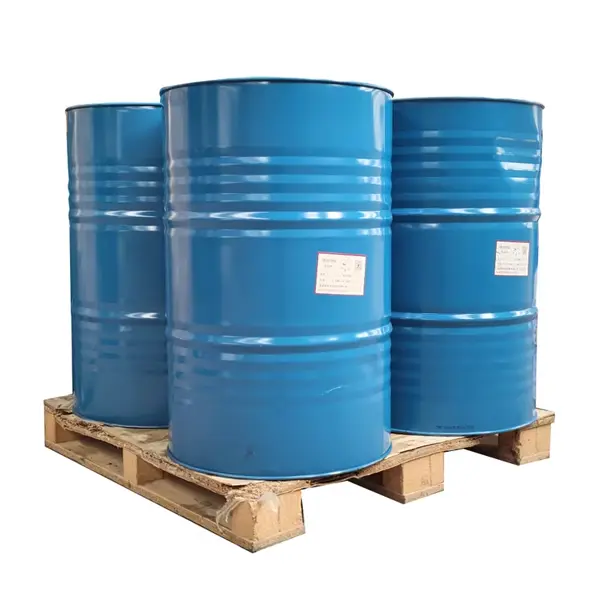
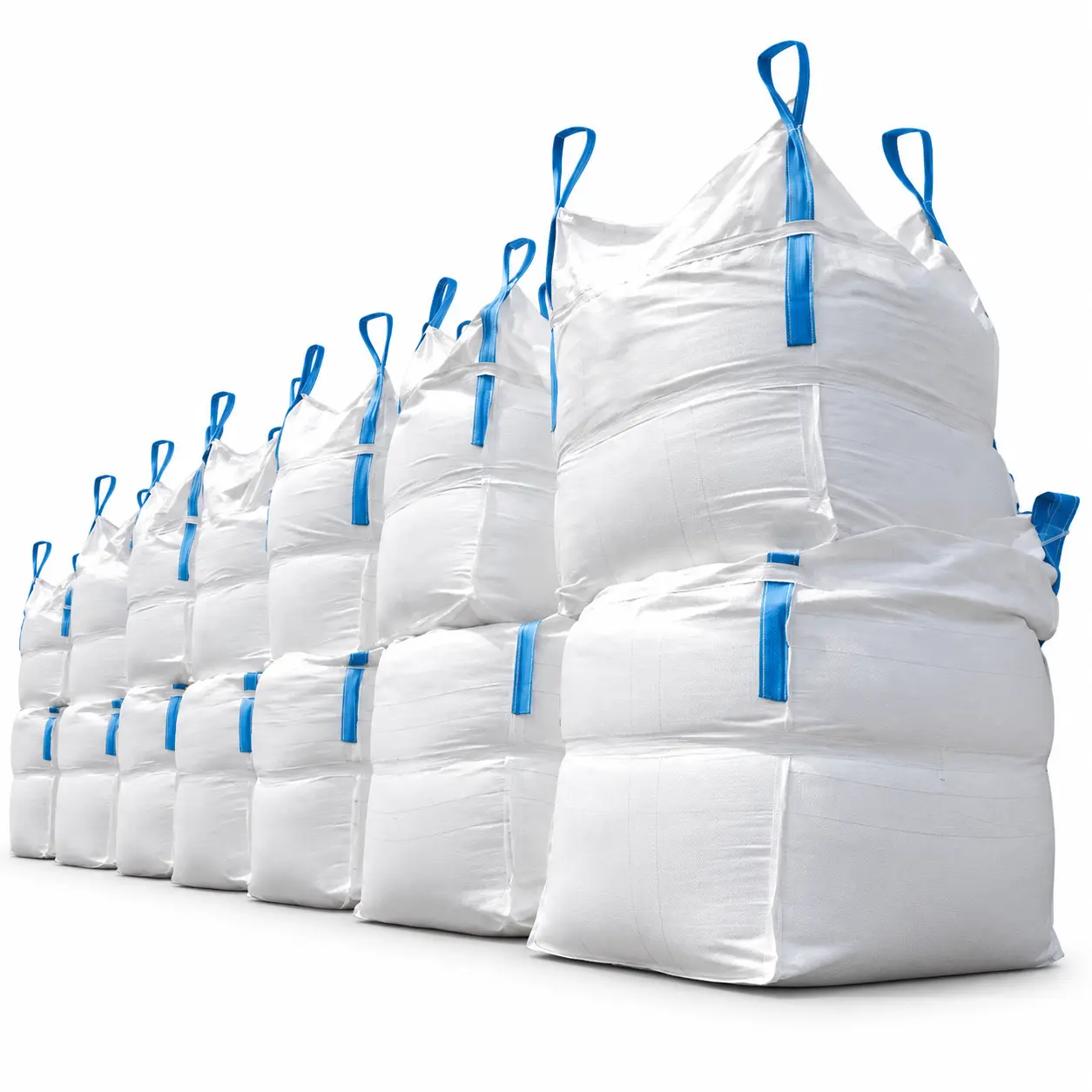
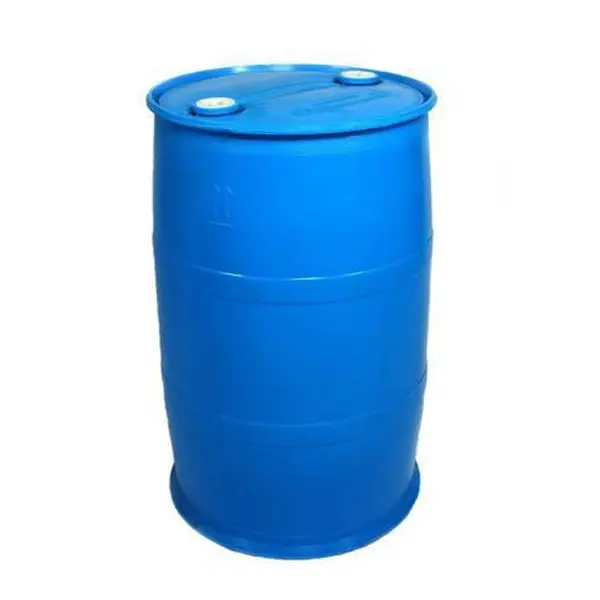
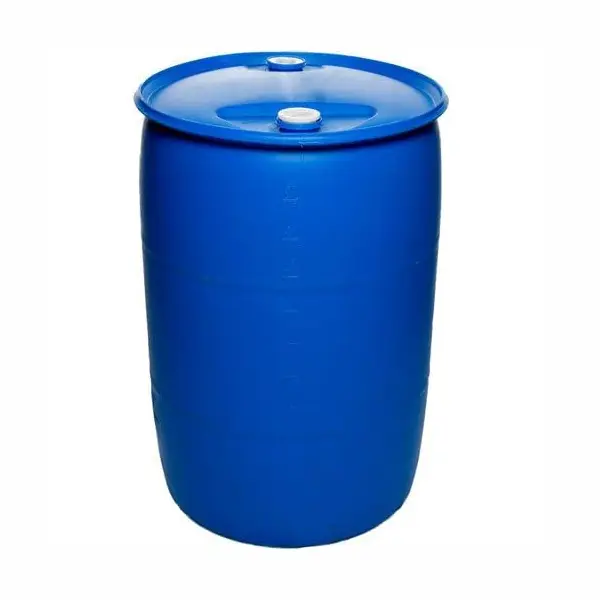
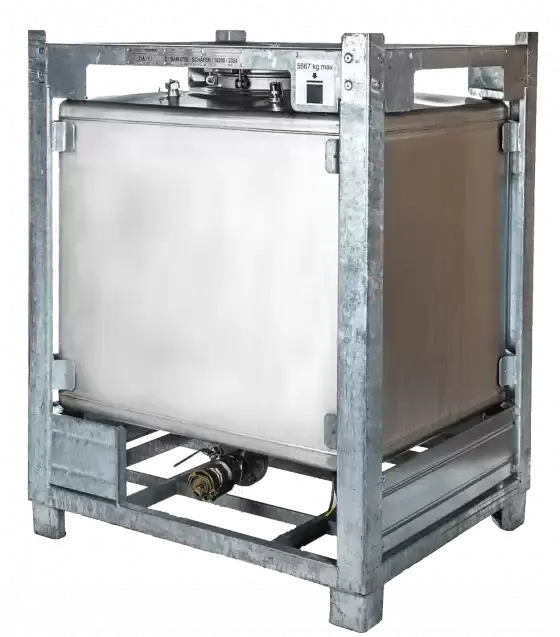
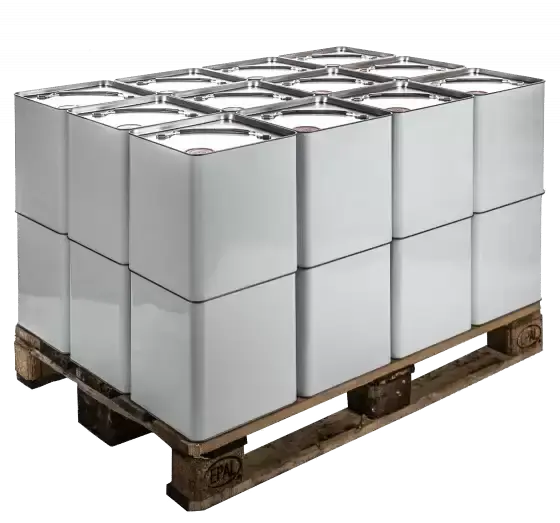
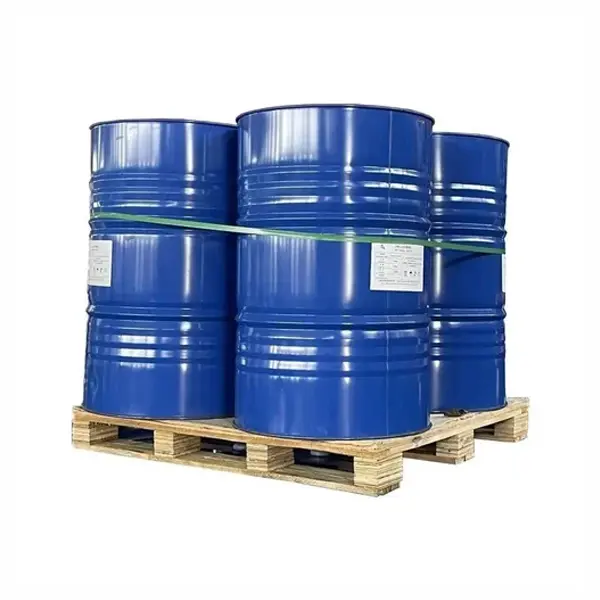
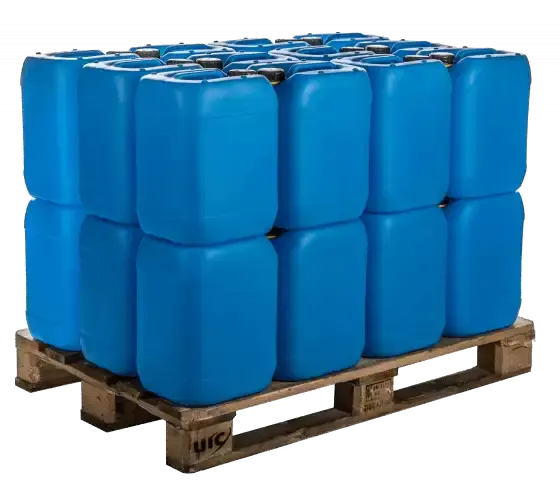
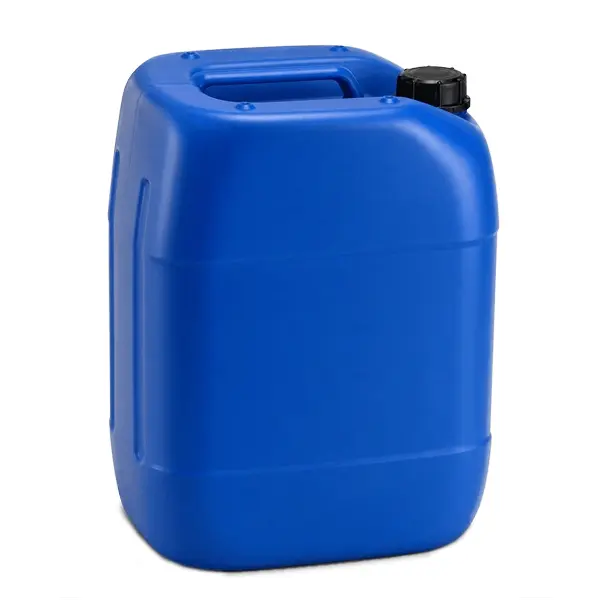
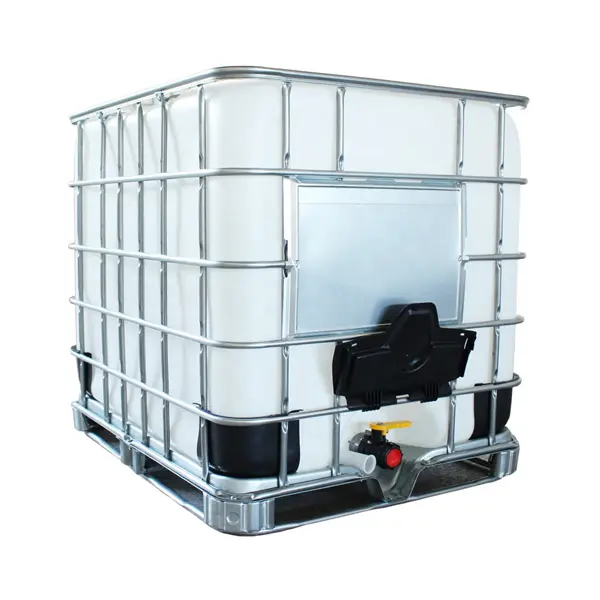
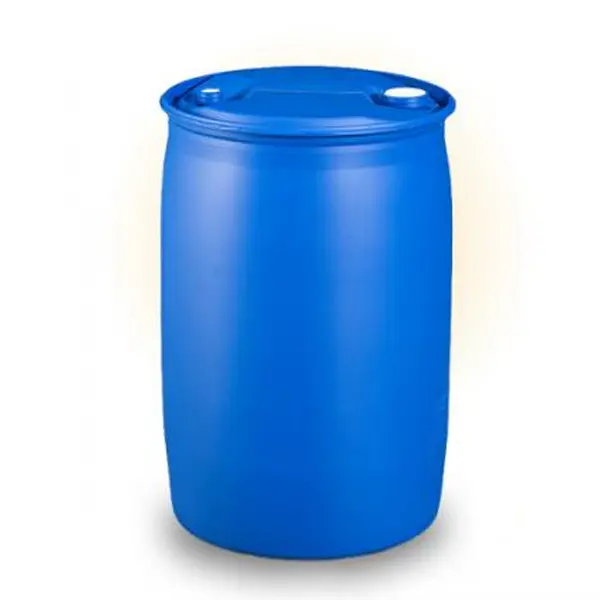
| Packaging | As specified by the supplier |
Specifications may vary by manufacturer, grade, and hydration state. Confirm the current technical data sheet (TDS), certificate of analysis (COA), purity, moisture content, and packaging details before purchase or use.
Storage and Handling
Potassium Carbonate is hygroscopic and absorbs moisture from the atmosphere. Store it in tightly sealed, moisture-resistant packaging in a cool, dry, well-ventilated area. Protect it from contamination and keep it separated from strong acids and other incompatible substances.
Avoid generating or inhaling dust, and use suitable protective gloves, safety goggles, and appropriate respiratory protection when dust exposure may occur. Potassium Carbonate can irritate the skin, eyes, and respiratory tract. Follow the supplier's safety data sheet (SDS) for handling, spill response, and first-aid procedures.
Quality and Supply
Consistent Potassium Carbonate quality is important for applications that require controlled alkalinity, purity, and moisture content. Buyers should verify the assay, impurity limits, physical form, and suitability of the selected grade for the intended process.
A reliable supplier should provide current technical documentation and batch-specific quality records. For food-related applications, ensure that the product meets the relevant food-grade requirements and applicable regulations. Packaging should be suitable for protecting the material from moisture during transport and storage.
Conclusion
Potassium Carbonate is a versatile inorganic chemical used in glass manufacturing, chemical processing, soap and detergent production, and selected food applications. Its alkaline properties, high water solubility, and role as a potassium source make it an important raw material across multiple industries. Selecting the appropriate grade and maintaining proper storage conditions help ensure consistent product quality and reliable performance.