Nitrilotriacetic Acid – Chelating Agent for Industrial Cleaning and Chemical Processing
Introduction
Nitrilotriacetic Acid (NTA) is an organic aminopolycarboxylic acid widely used as a chelating agent in industrial cleaning, detergent manufacturing, water treatment, and chemical processing. It has the chemical formula C₆H₉NO₆ and is valued for its ability to bind metal ions, including calcium, magnesium, iron, and other metals. By forming stable complexes with these ions, Nitrilotriacetic Acid can help control mineral deposits and improve the performance of compatible industrial formulations. It is also used as a raw material for producing nitrilotriacetate salts, including trisodium nitrilotriacetate.
Industrial Applications
In detergent manufacturing, Nitrilotriacetic Acid and its salts are used in formulations designed to control metal ions associated with hard water. This chelating action can help reduce interference from calcium and magnesium and support cleaning performance. In water treatment and chemical processing, NTA may be used to complex selected dissolved metal ions where controlled metal-ion management is required. Its effectiveness depends on solution pH, metal concentration, and the conditions of the process.
Nitrilotriacetic Acid is also used as a chemical intermediate in the manufacture of nitrilotriacetate salts and in selected laboratory and specialty chemical applications. Buyers should select the appropriate grade according to the required purity, formulation, and regulatory requirements.
Key Benefits
-
Metal-ion chelation: Binds selected metal ions, including calcium, magnesium, and iron.
-
Hard-water management: Supports formulations designed to reduce the effects of mineral ions.
-
Chemical processing utility: Serves as a raw material for producing nitrilotriacetate salts.
-
Formulation support: Helps manage metal-ion interactions in compatible industrial systems.
-
Versatile applications: Used in selected detergent, water-treatment, and chemical manufacturing processes.
-
Grade flexibility: Available in forms and purities suited to different technical requirements.
Product Specifications
| Parameter | Details |
|---|---|
| Product Name | Nitrilotriacetic Acid |
| Abbreviation | NTA |
| Alternative Name | Triglycine, Nitrilotriacetic Acid |
| Chemical Formula | C₆H₉NO₆ |
| CAS Number | 139-13-9 |
| Molecular Weight | 191.14 g/mol |
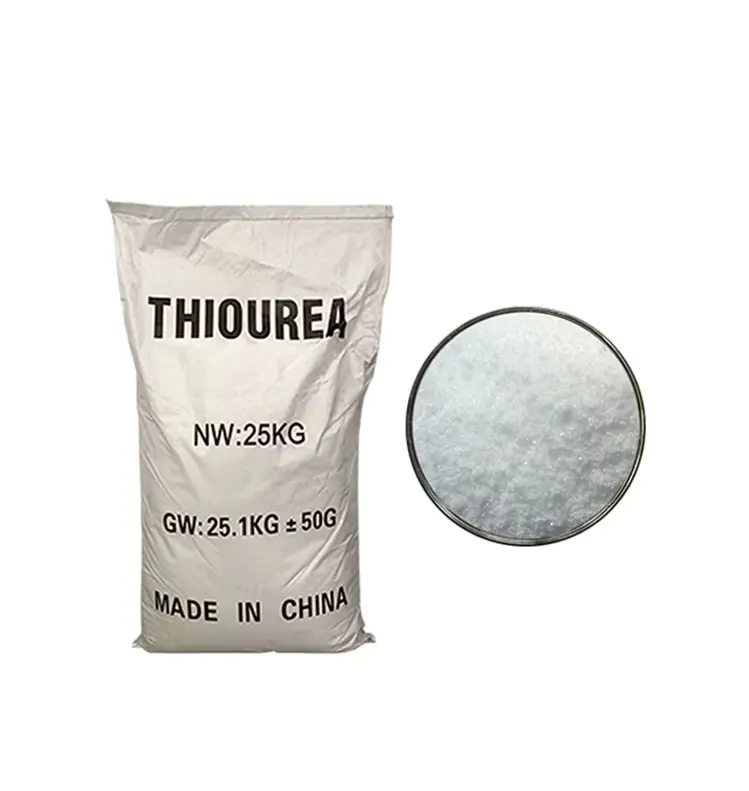
| Appearance | Typically white crystalline solid or powder |
| Chemical Type | Aminopolycarboxylic acid |
| Primary Function | Chelating and complexing agent |
| Common Applications | Detergents, water treatment, chemical processing, production of NTA salts |
| Solubility | Limited in water under acidic conditions; solubility increases in alkaline conditions and with salt formation |
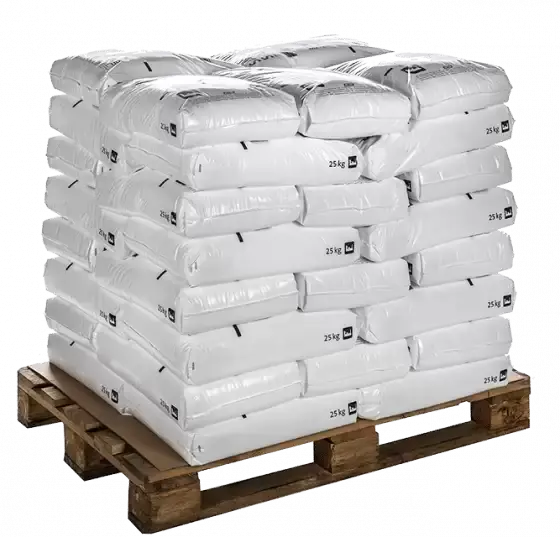
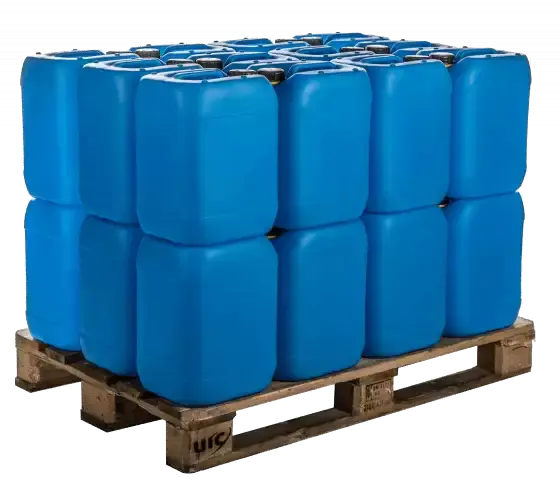
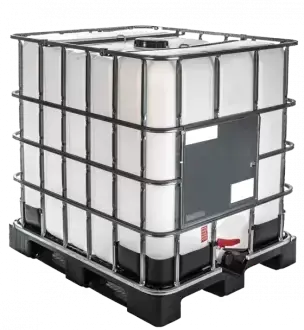
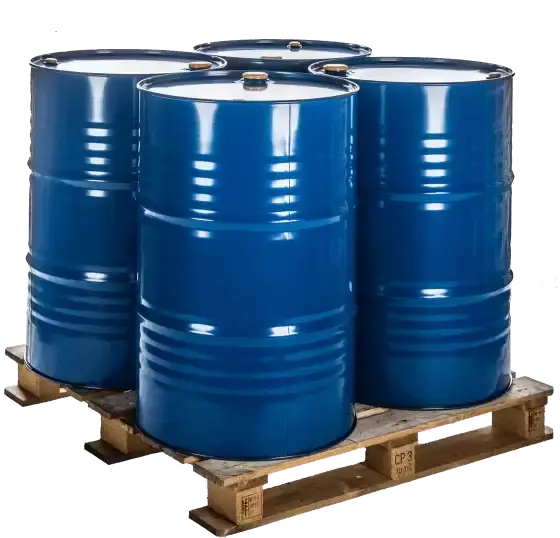
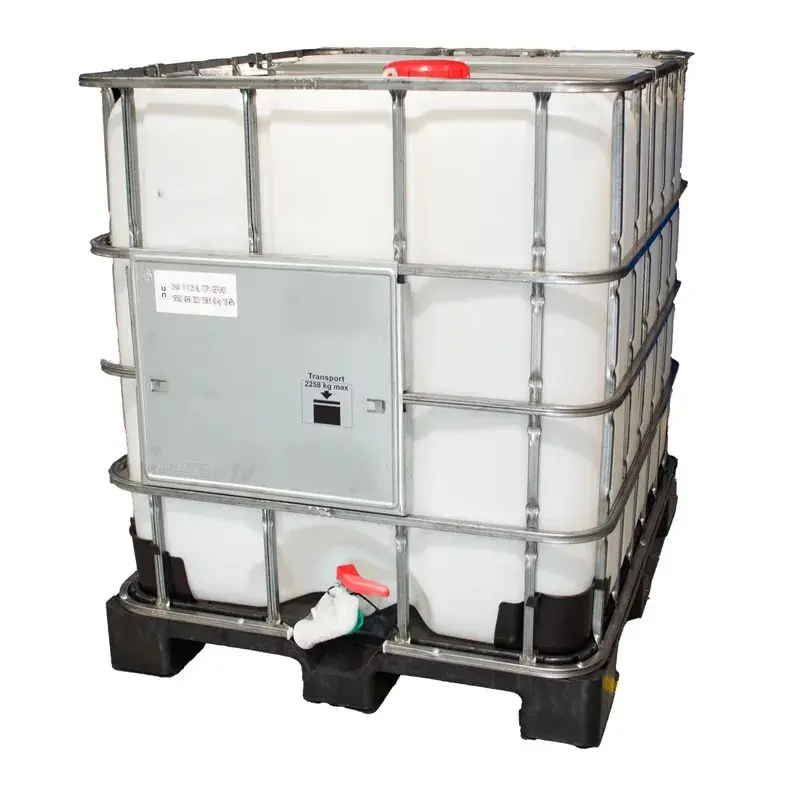
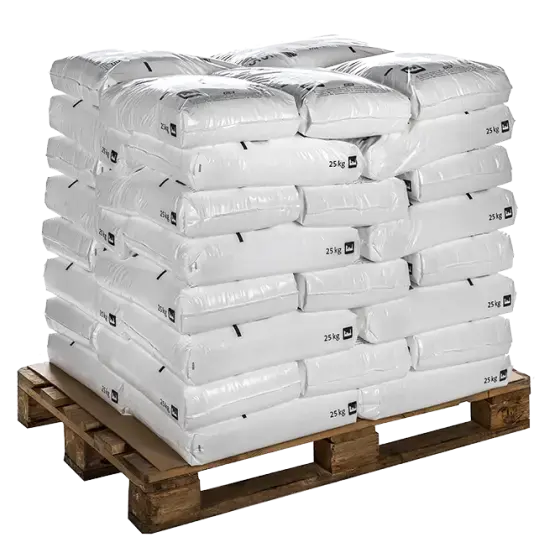
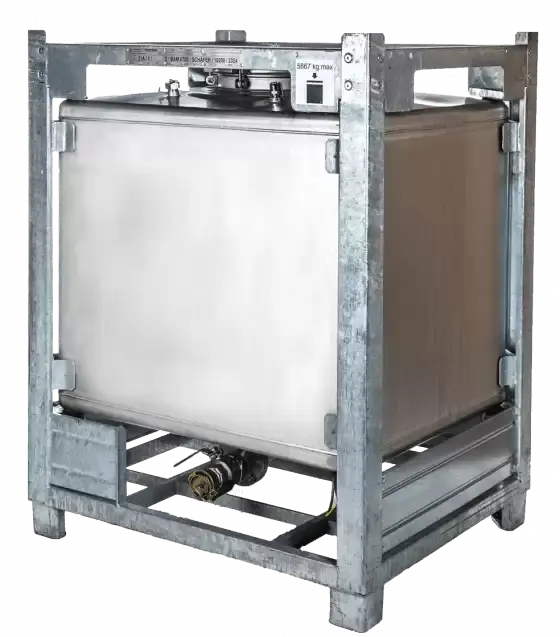
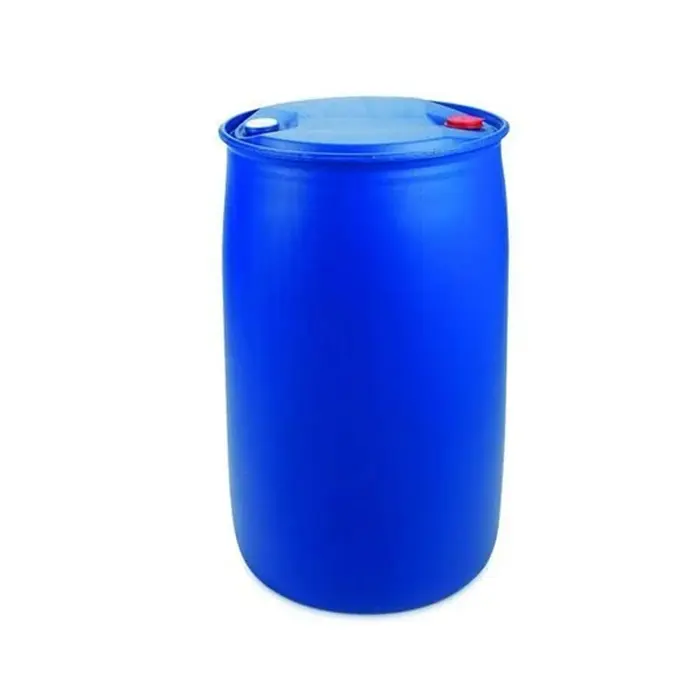
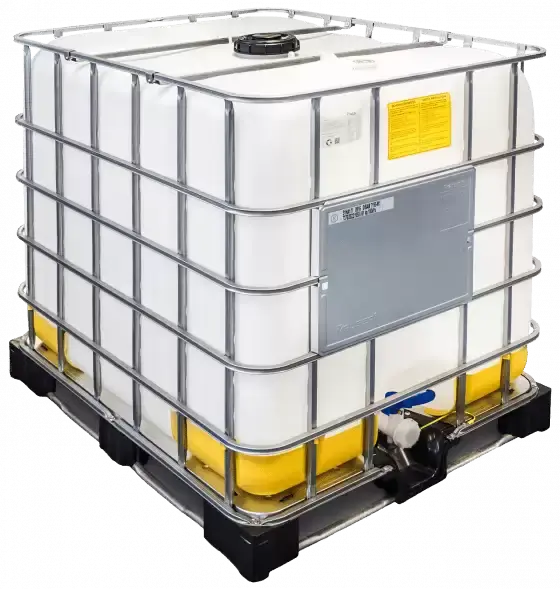
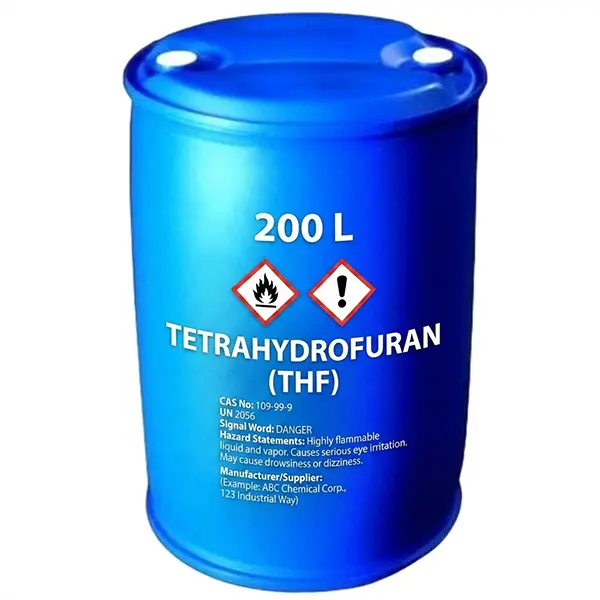
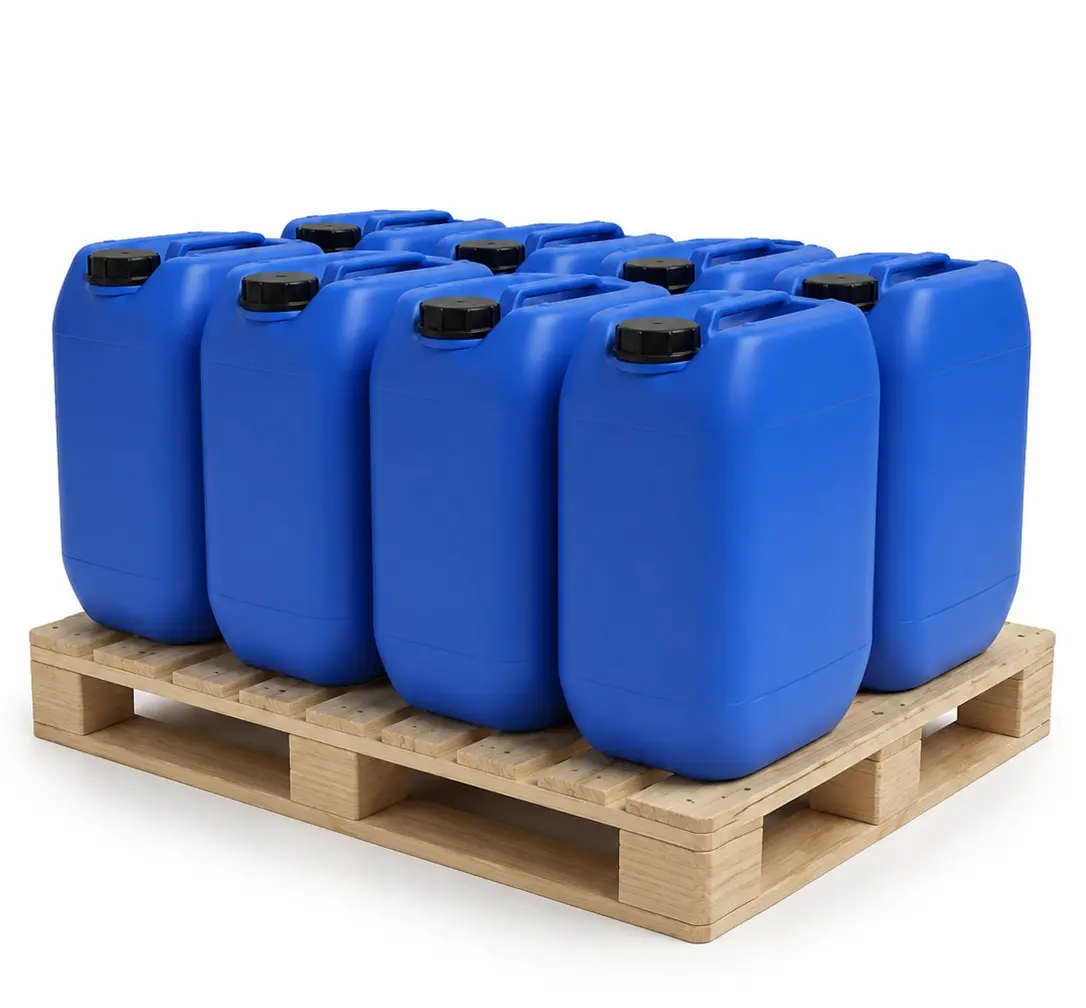
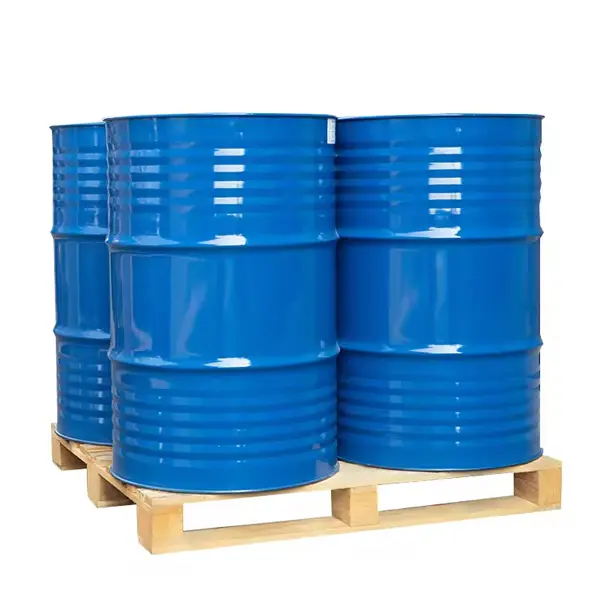
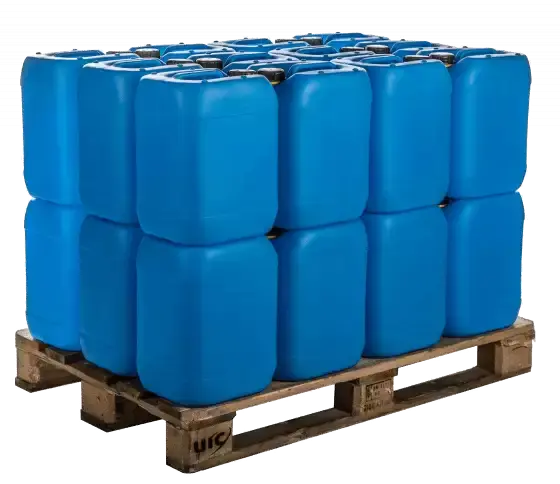
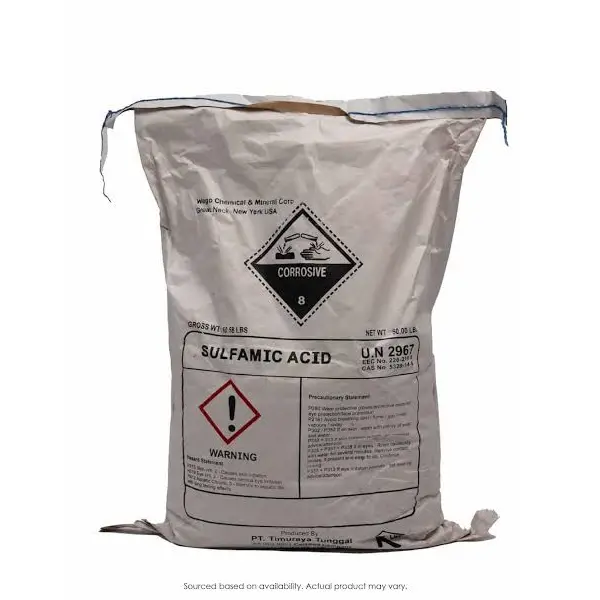
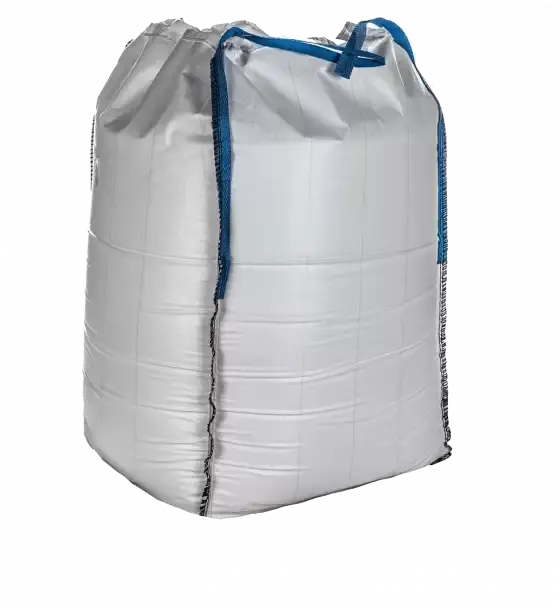
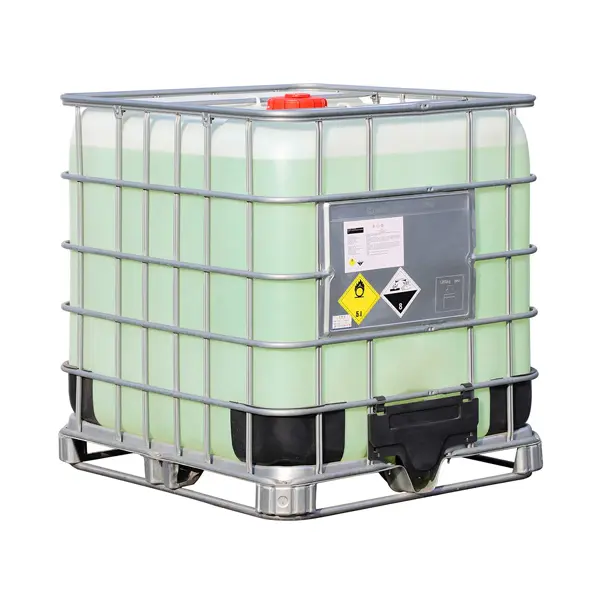
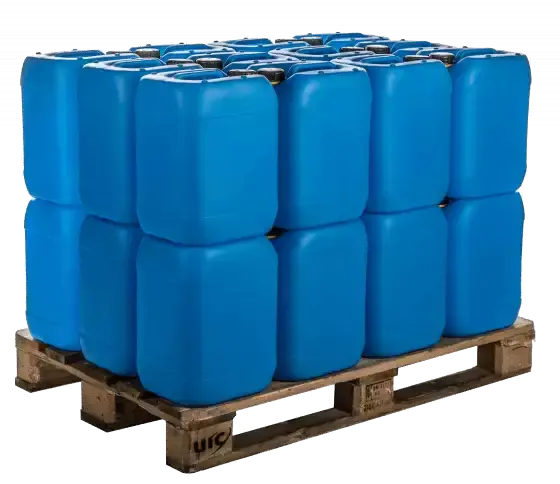
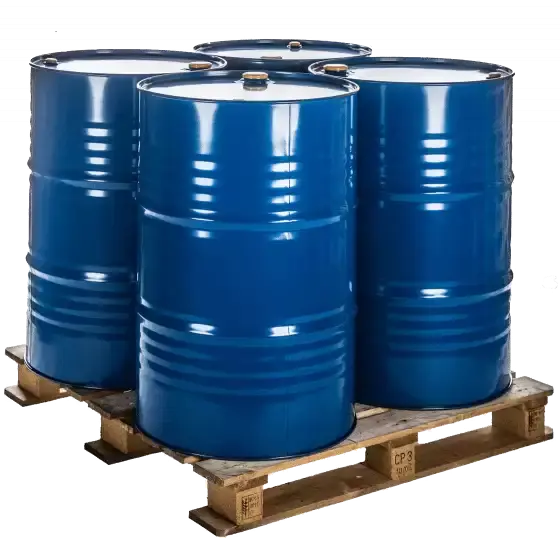
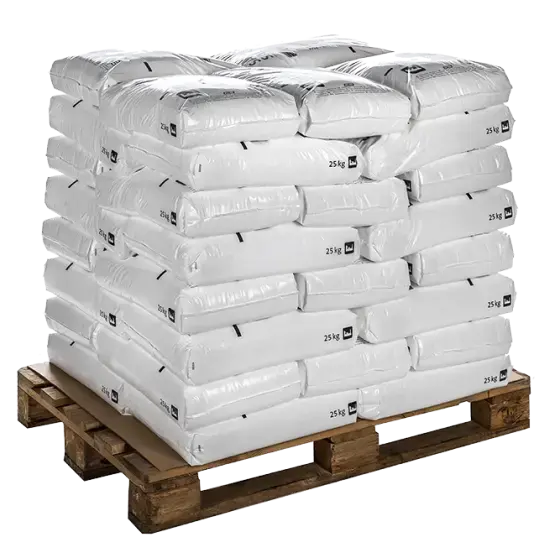
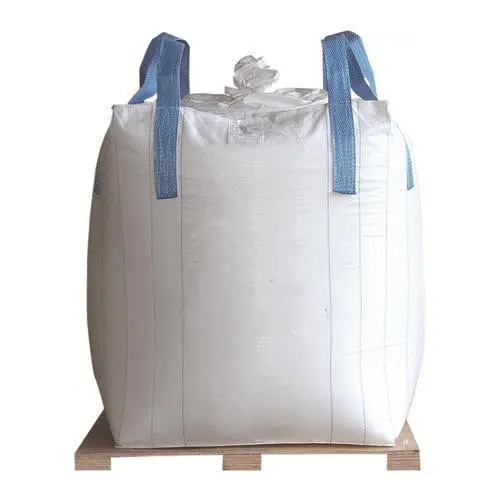
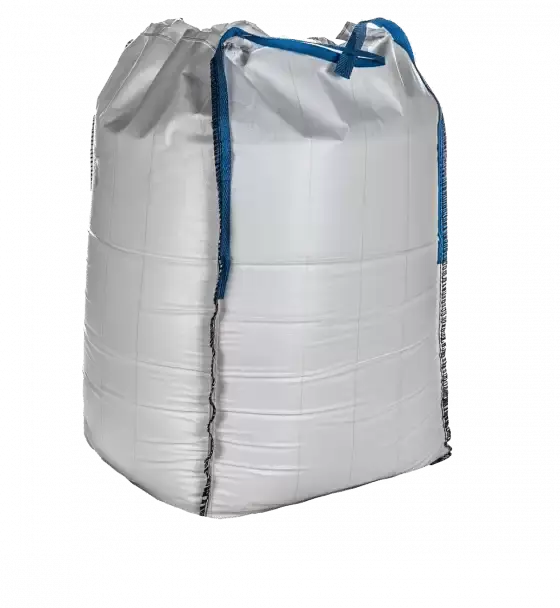
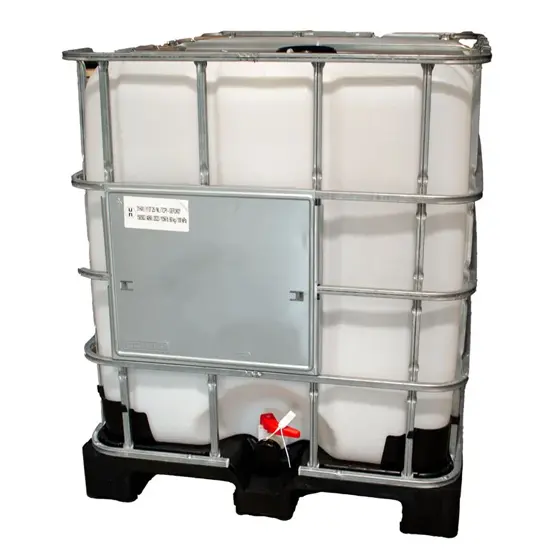
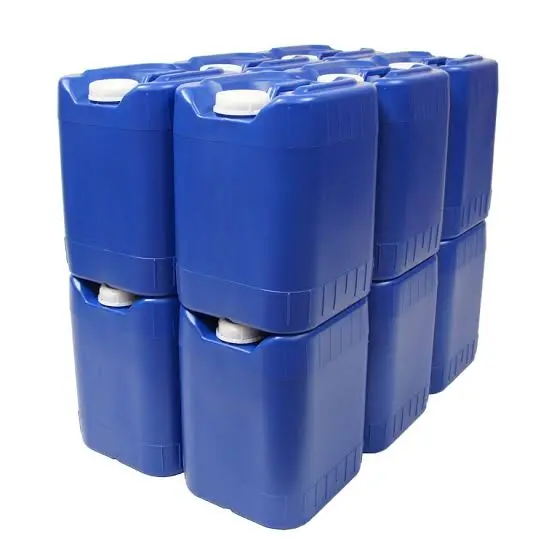
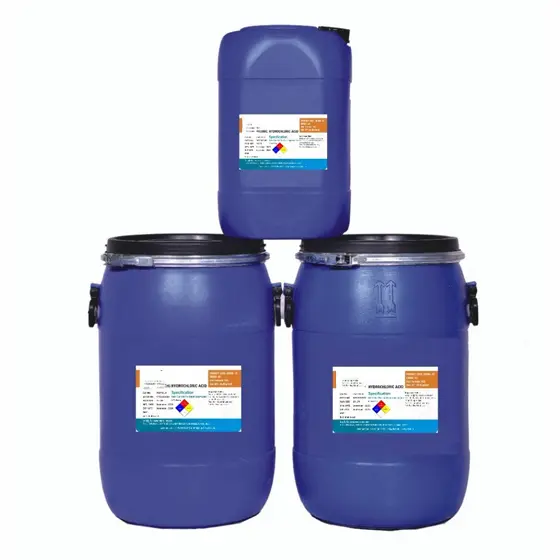
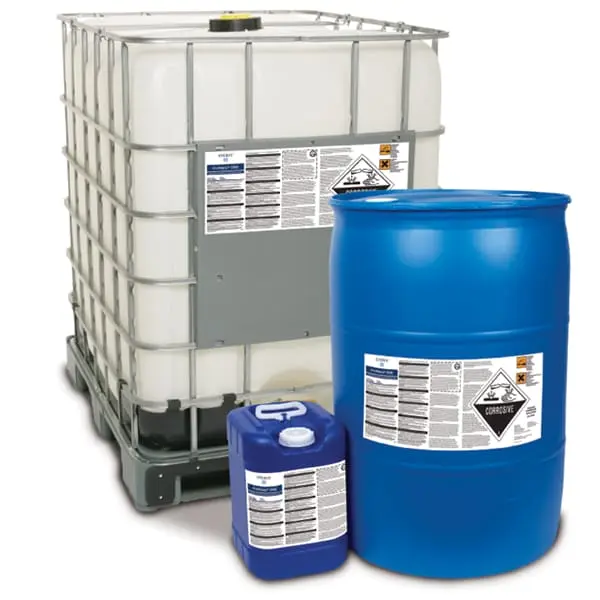
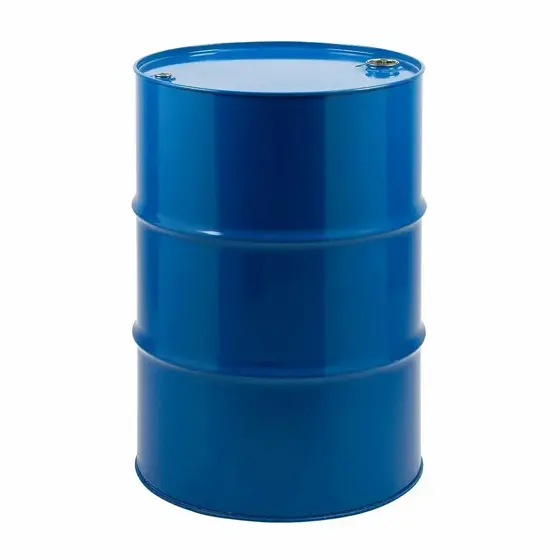
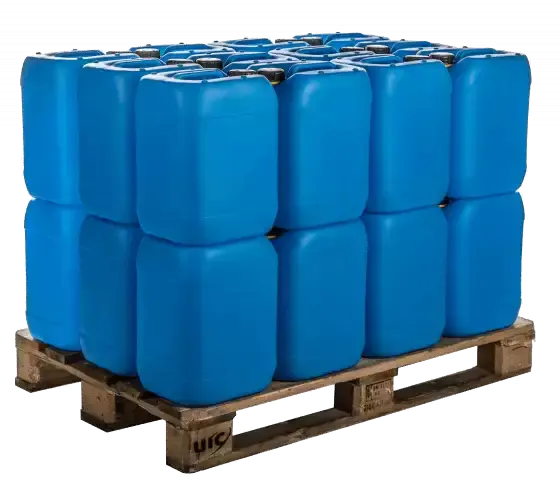
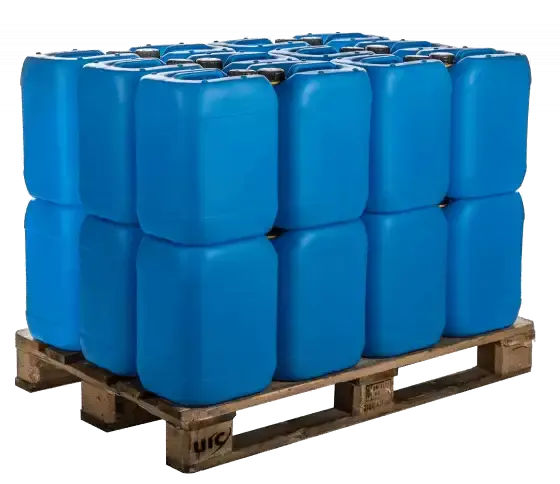
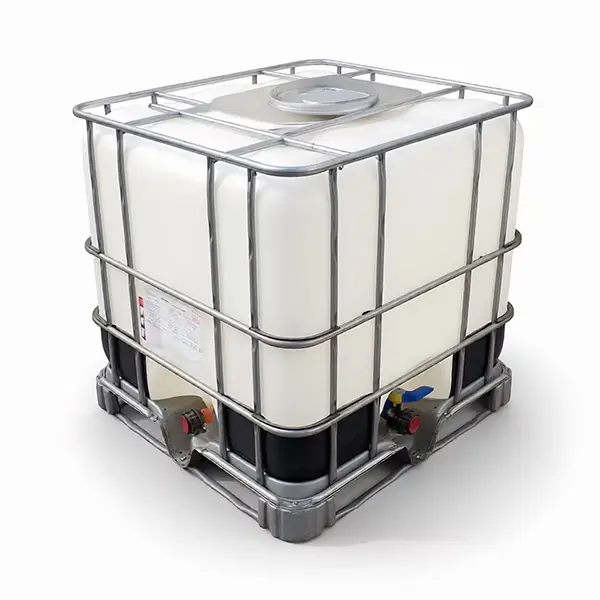
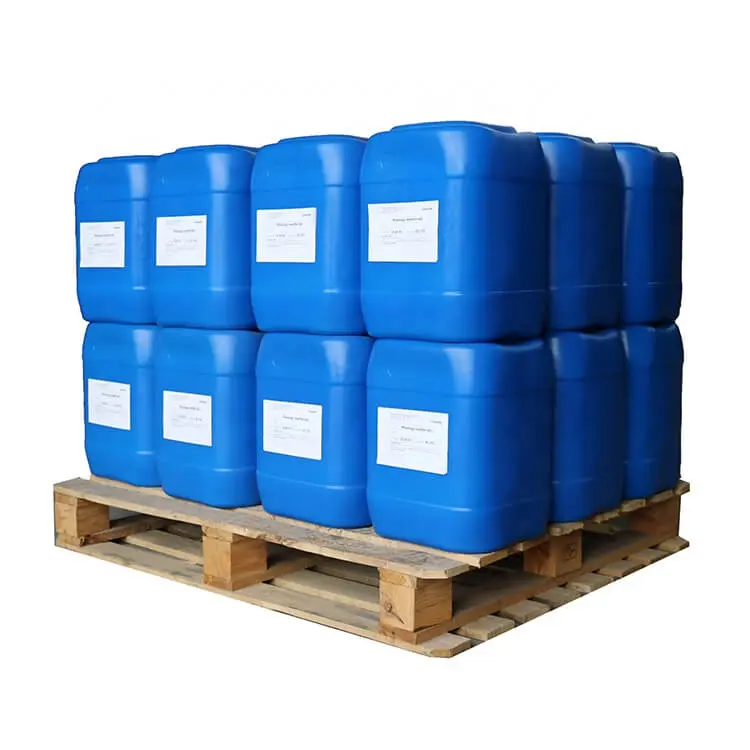
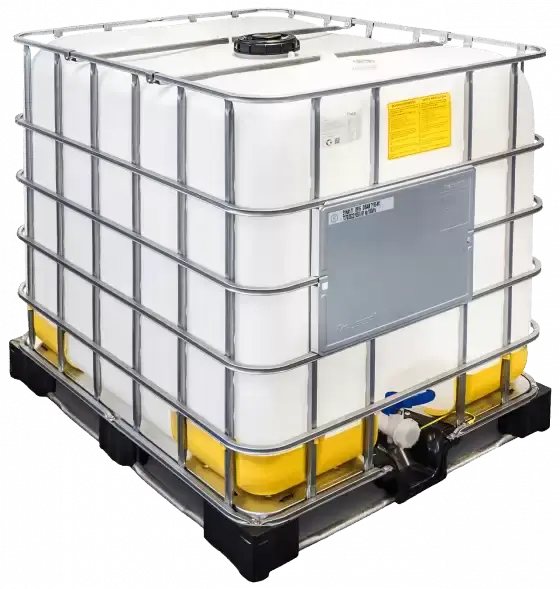
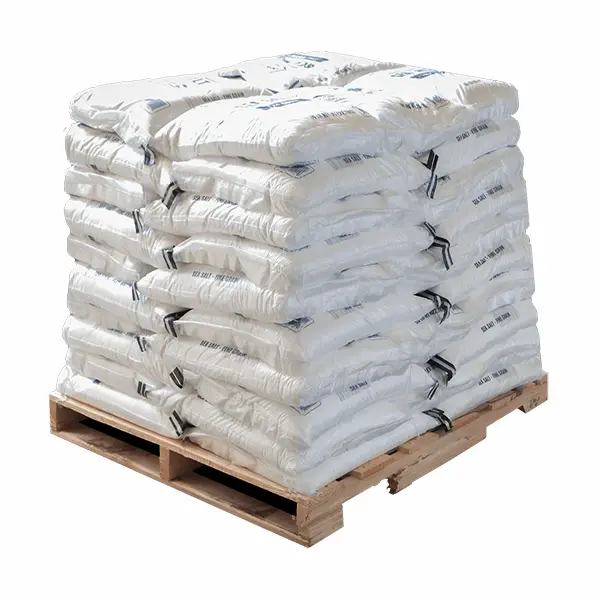
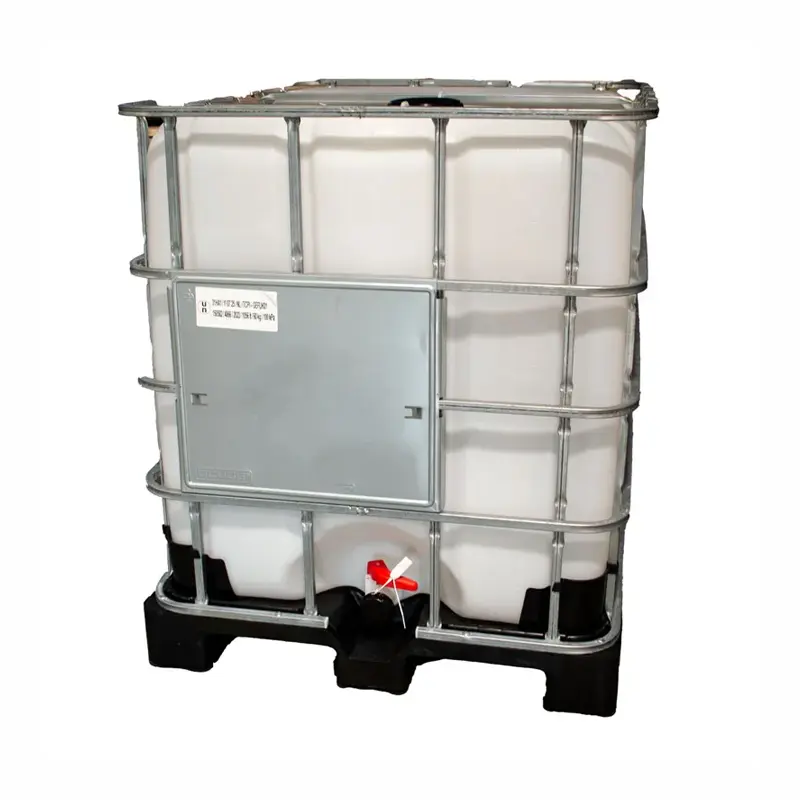
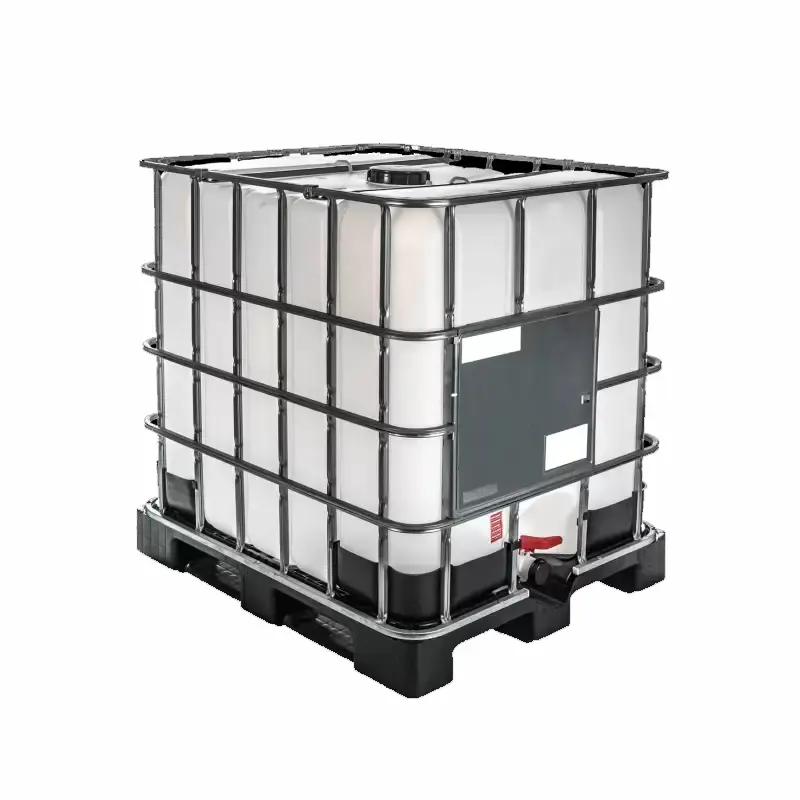
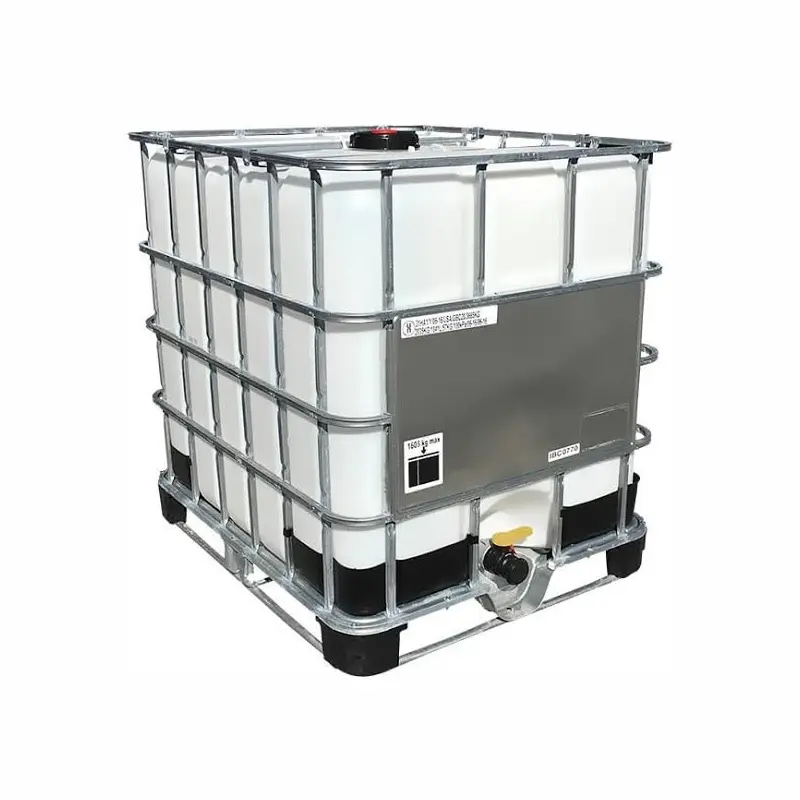
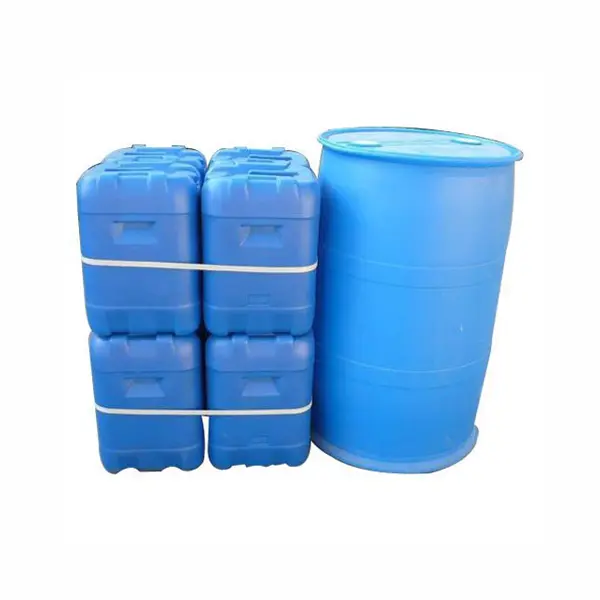
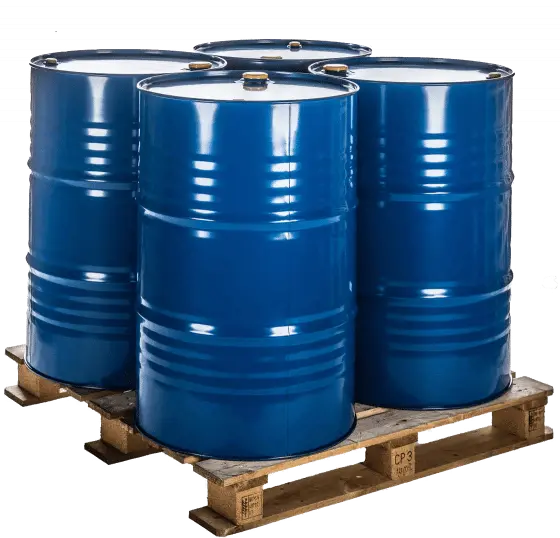
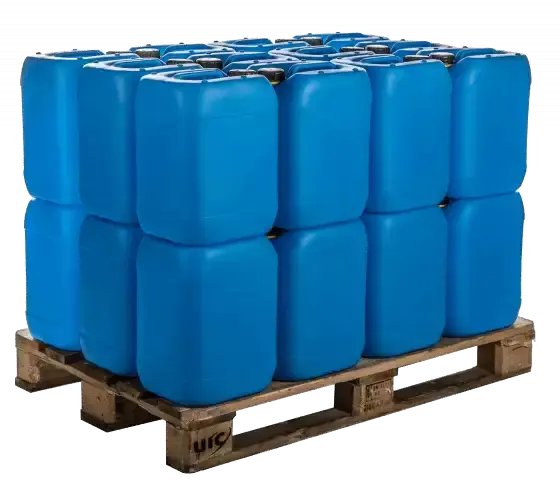
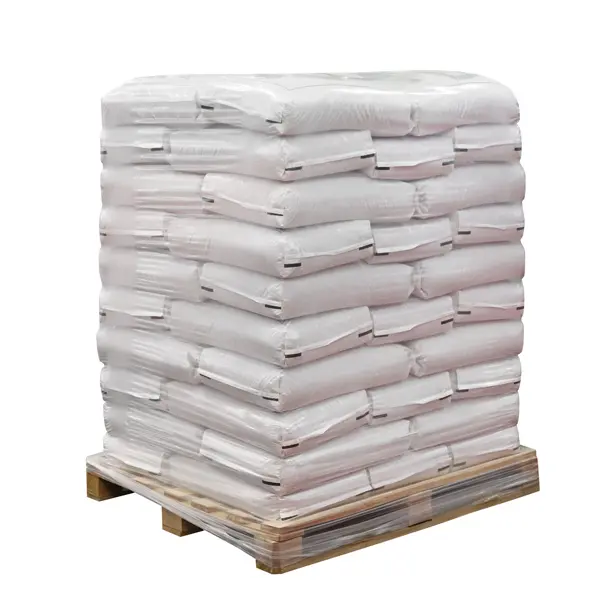
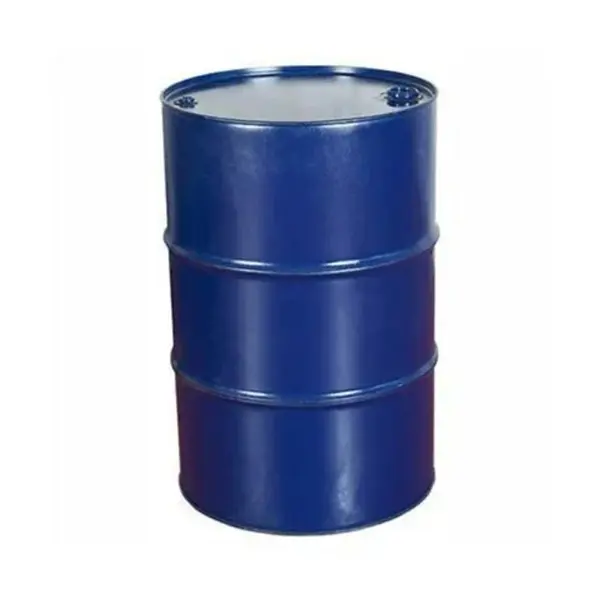
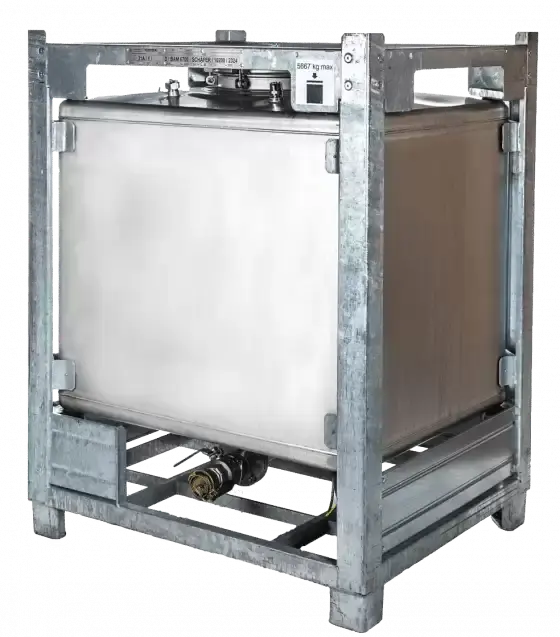
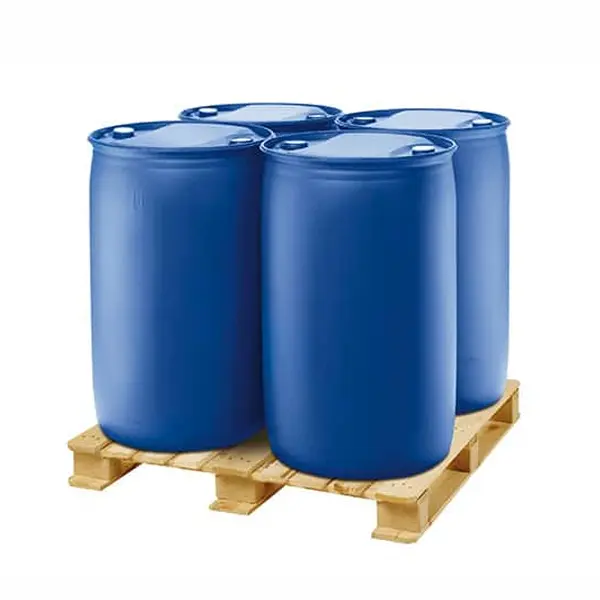
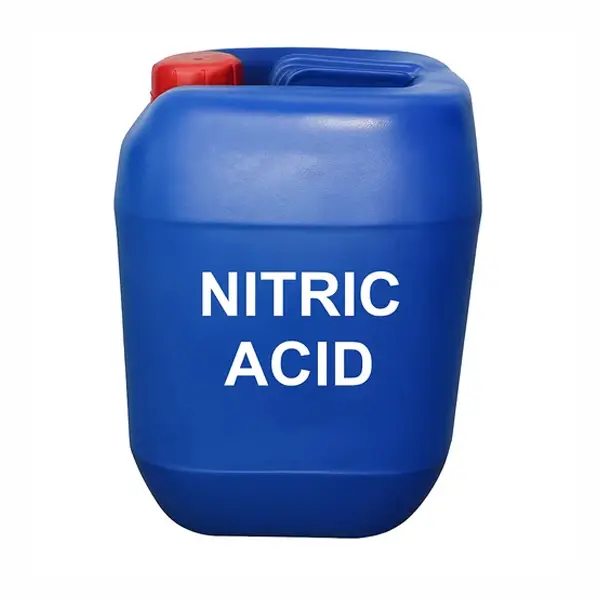
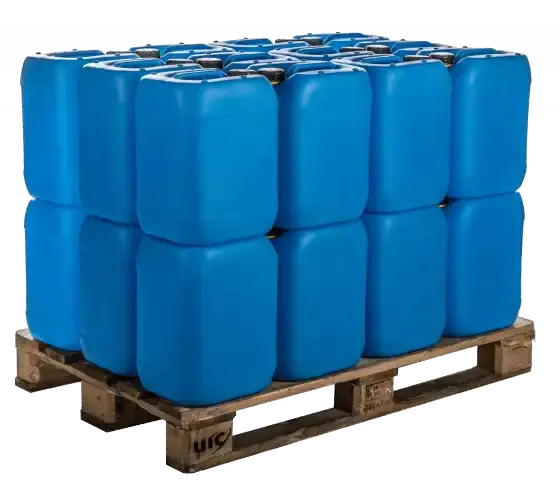
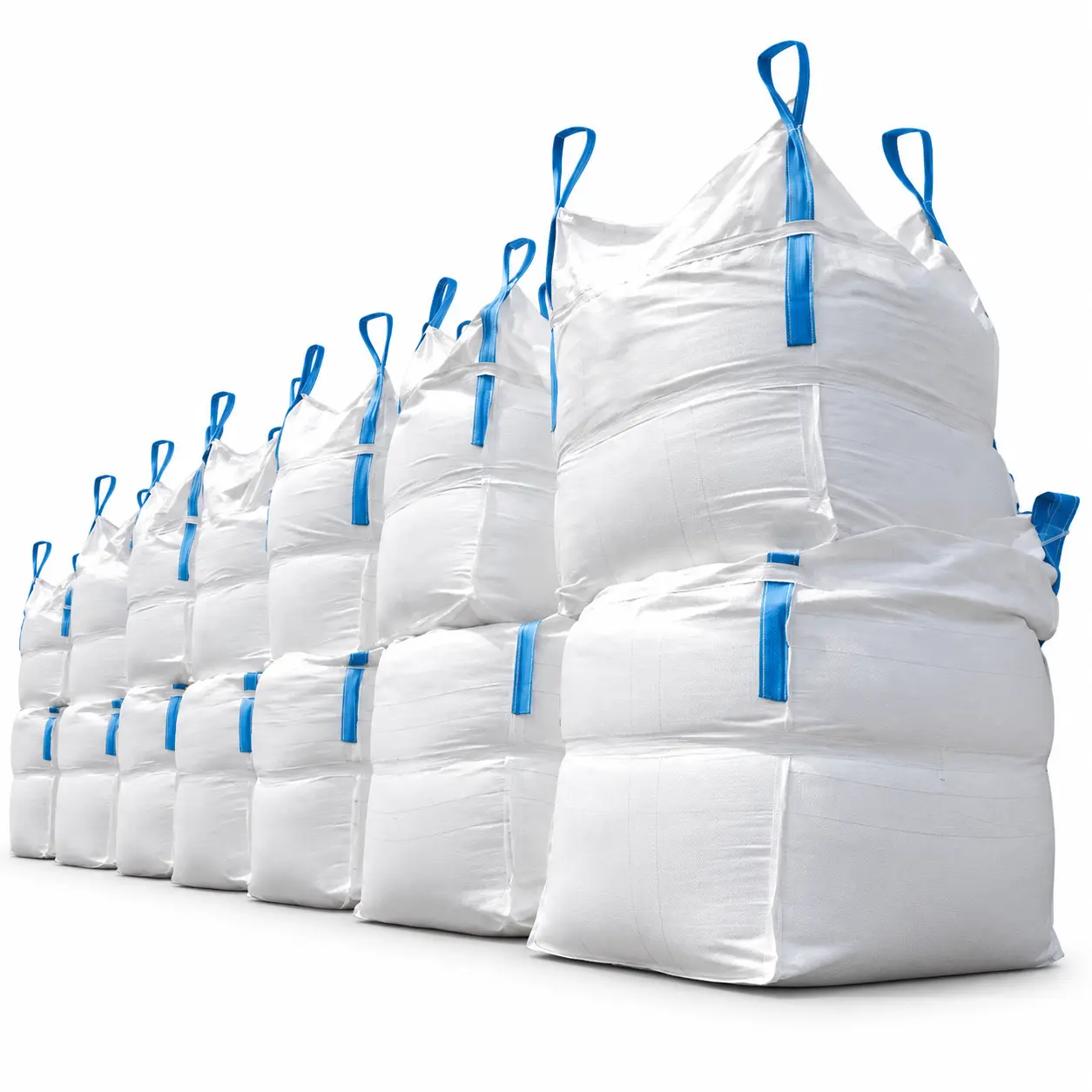
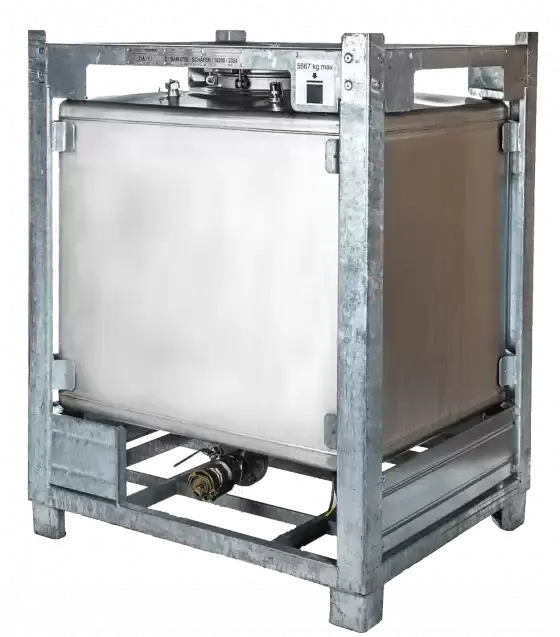
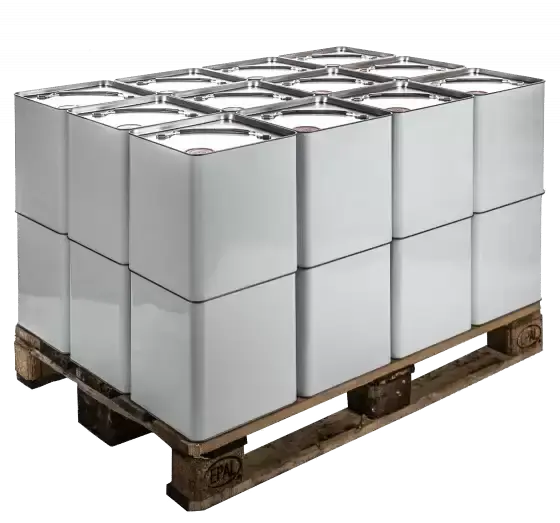
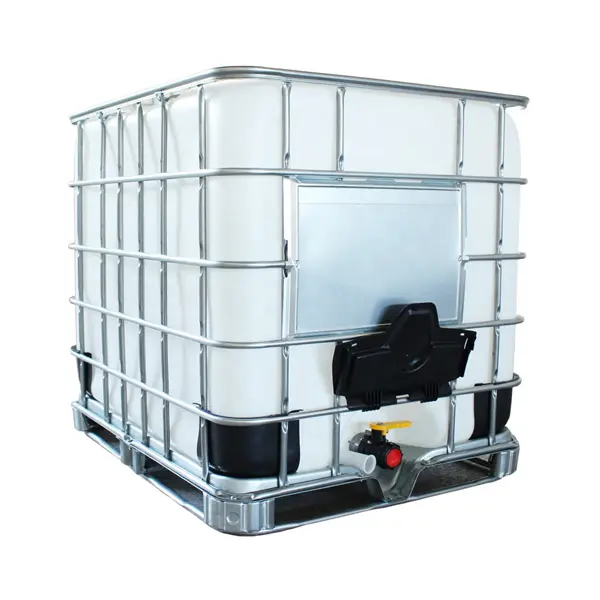
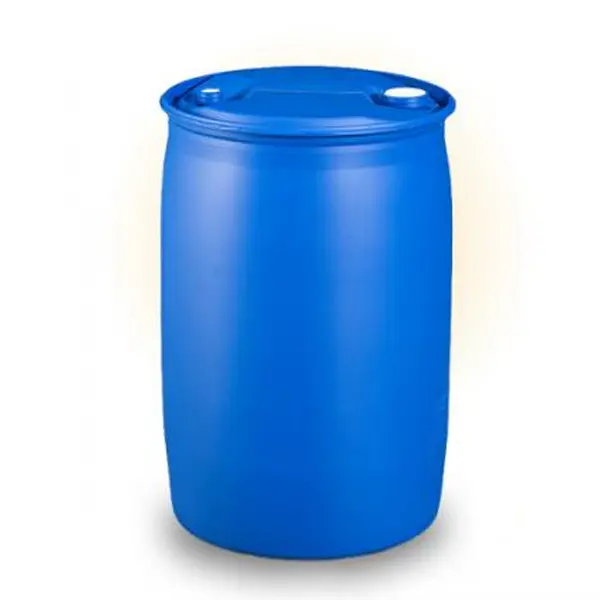
| Packaging | As specified by the supplier |
Specifications may vary by manufacturer and grade. Confirm the current technical data sheet (TDS), certificate of analysis (COA), assay, solubility, and impurity limits before purchase or use.
Storage and Handling
Store Nitrilotriacetic Acid in tightly closed, clearly labelled packaging in a cool, dry, well-ventilated area. Protect it from moisture and contamination, and follow the supplier's storage recommendations.
Avoid generating or inhaling dust and prevent unnecessary skin and eye contact. Use appropriate gloves, safety goggles, and suitable ventilation when handling the material. Consult the product-specific safety data sheet (SDS) for handling precautions, first-aid measures, spill response, and disposal requirements.
Nitrilotriacetic Acid has significant health-hazard considerations and has been classified as a possible human carcinogen by the International Agency for Research on Cancer (IARC). Follow applicable workplace exposure controls and environmental regulations, and prevent uncontrolled release into drains or waterways.
Quality and Supply
Consistent Nitrilotriacetic Acid quality is important for industrial formulations and chemical manufacturing processes. Buyers should verify purity, moisture content, appearance, solubility, and relevant impurity limits before ordering.
A reliable supplier should provide current technical documentation, including the TDS, certificate of analysis, and SDS. Confirm the grade, packaging, quantity, and regulatory suitability for the intended application before purchase.
Conclusion
Nitrilotriacetic Acid is a useful chelating agent and chemical intermediate for detergent manufacturing, water treatment, and industrial chemical processing. Its ability to bind selected metal ions makes it valuable in applications that require controlled metal-ion interactions. Selecting the correct grade and following appropriate handling and environmental procedures help ensure consistent performance and responsible use.