Tetrafluoroboric Acid – High-Quality Chemical for Electroplating and Industrial Applications
Tetrafluoroboric Acid (HBF₄), also known as fluoroboric acid, is a strong inorganic acid widely used in electroplating, metal surface treatment, chemical synthesis, and specialized industrial manufacturing processes. Known for its strong acidic properties and ability to form tetrafluoroborate salts, tetrafluoroboric acid plays an important role in various chemical and metal-finishing applications. Its versatility makes it a valuable chemical raw material for manufacturers seeking consistent performance in specialized industrial processes.
Tetrafluoroboric acid is commonly supplied as an aqueous solution in different concentrations to meet specific industrial requirements. Its chemical characteristics make it useful in the production of metal fluoroborates, electroplating formulations, and specialty chemical intermediates.
Key Properties and Characteristics of Tetrafluoroboric Acid
Tetrafluoroboric acid has the chemical formula HBF₄ and a molecular weight of approximately 87.81 g/mol. It is generally available as a clear, colorless to slightly yellow aqueous solution with strongly acidic and corrosive properties.
The acid is soluble in water and is used in chemical processes that require a strong acid or a source of tetrafluoroborate ions. Its chemical behavior and stability depend on concentration, temperature, and storage conditions.
Because tetrafluoroboric acid is highly corrosive, proper material compatibility, protective equipment, and safe handling procedures are essential.
Applications of Tetrafluoroboric Acid in Electroplating
Tetrafluoroboric acid is used in the electroplating industry, particularly in certain tin, lead, and tin-lead plating processes. It is an important component in selected fluoroborate-based electroplating baths, where it helps maintain suitable electrolyte conditions.
Fluoroborate plating systems can offer high metal-ion solubility and support efficient metal deposition under controlled operating conditions.
The effectiveness of tetrafluoroboric acid in electroplating depends on bath composition, acid concentration, temperature, current density, and other processing parameters.
Metal Surface Treatment and Industrial Applications
In metal finishing, tetrafluoroboric acid is used in specialized chemical formulations and surface-treatment processes. Its strong acidity makes it suitable for certain metal-processing applications where controlled chemical reactions are required.
It is also used in the production of metal tetrafluoroborate compounds, which serve as components in selected electrochemical and industrial formulations.
Manufacturers must carefully evaluate compatibility with metals, equipment, and other chemicals to ensure safe and effective processing.
Applications in Chemical Synthesis
Tetrafluoroboric acid is used in organic and inorganic chemical synthesis as a strong acid and a source of tetrafluoroborate anions. It can be employed in selected acid-catalyzed reactions and in the preparation of specialized chemical salts and intermediates.
Tetrafluoroborate salts are used in various chemical and electrochemical applications, depending on their composition and properties.
Its role in chemical synthesis makes tetrafluoroboric acid an important reagent for specialty chemical manufacturers and research-based industrial processes.
Benefits of Tetrafluoroboric Acid in Manufacturing
Tetrafluoroboric acid offers several functional advantages in specialized industrial applications.
-
Strong Acidic Properties: Suitable for selected acid-catalyzed reactions and chemical processing applications.
-
Electroplating Performance: Supports certain fluoroborate-based metal deposition processes.
-
Chemical Versatility: Used in the production of metal tetrafluorobates and specialty chemical intermediates.
-
Industrial Processing: Provides useful chemical functionality in specialized metal-finishing formulations.
-
Aqueous Formulations: Available in solution form for controlled industrial use.
Its performance depends on the selected concentration, product purity, process conditions, and compatibility with other materials.
Quality Standards and Product Specifications
Selecting high-quality tetrafluoroboric acid is essential for maintaining reliable industrial performance. Important product specifications include acid concentration, appearance, impurity levels, and other application-specific quality parameters.
Different electroplating and chemical manufacturing processes may require particular concentrations and purity standards. Reliable sourcing and consistent technical specifications help manufacturers maintain stable operating conditions.
Tetrafluoroboric acid can cause severe chemical burns and serious eye damage. Under certain conditions, fluoride-containing decomposition or reaction products may present additional hazards. It should be handled only with suitable engineering controls, compatible equipment, appropriate protective equipment, and procedures specified in its safety data sheet.
Storage, Handling and Safety Considerations
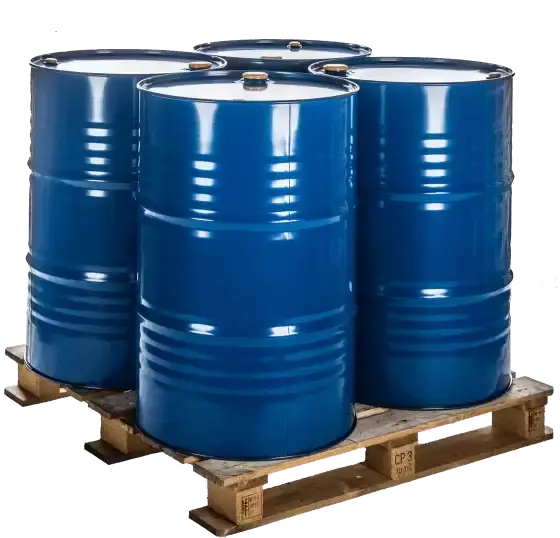
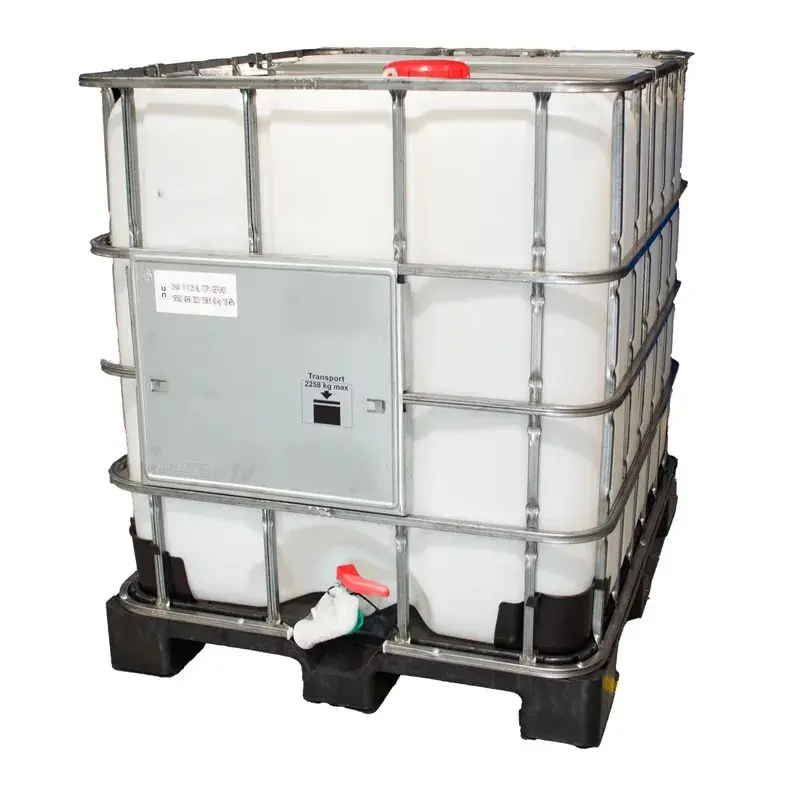
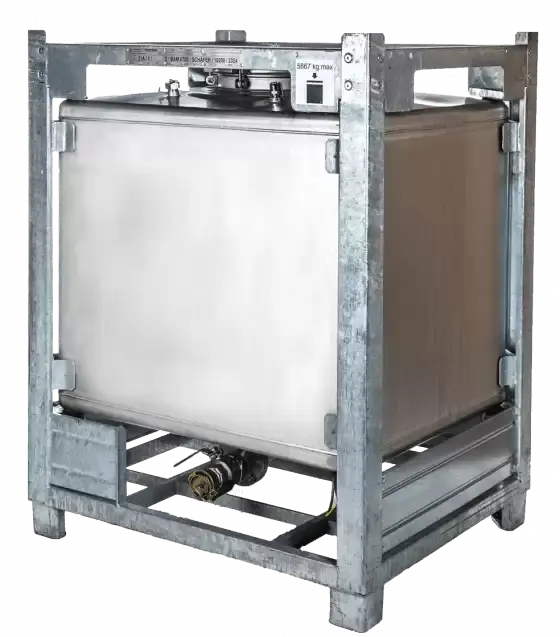
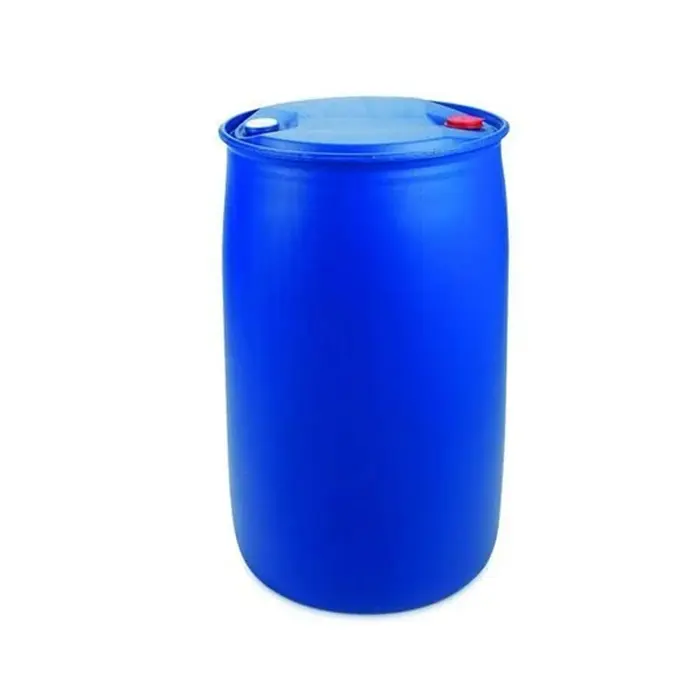
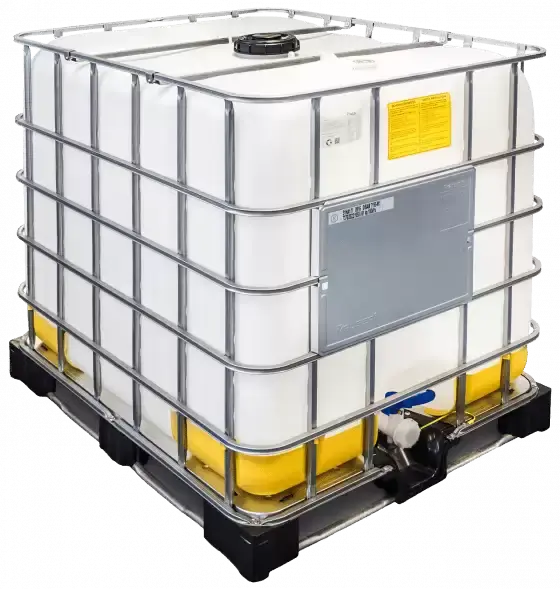
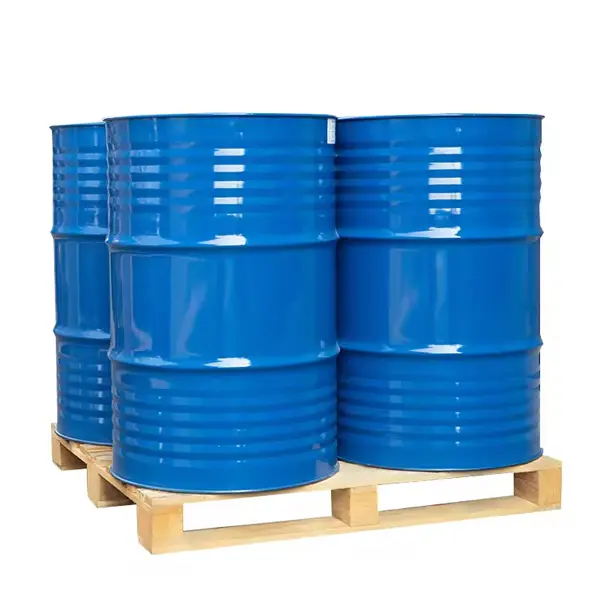
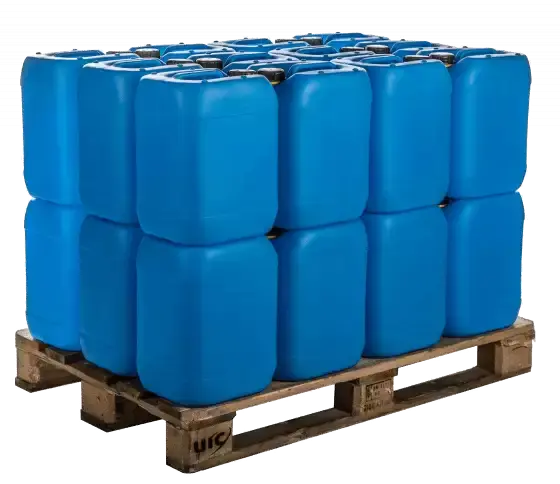
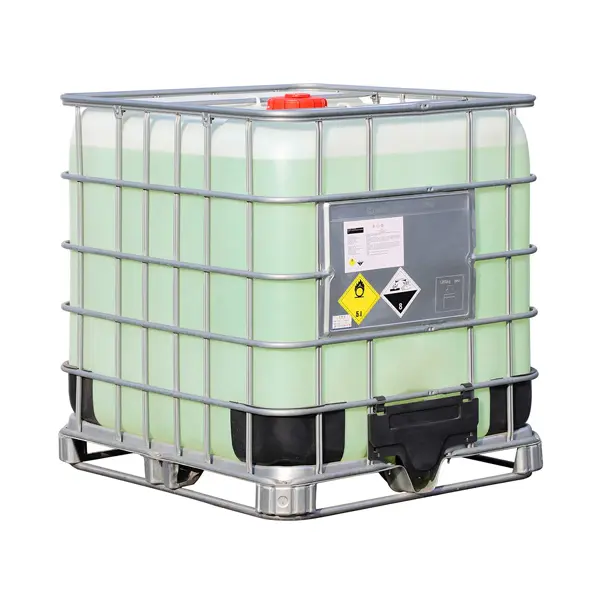
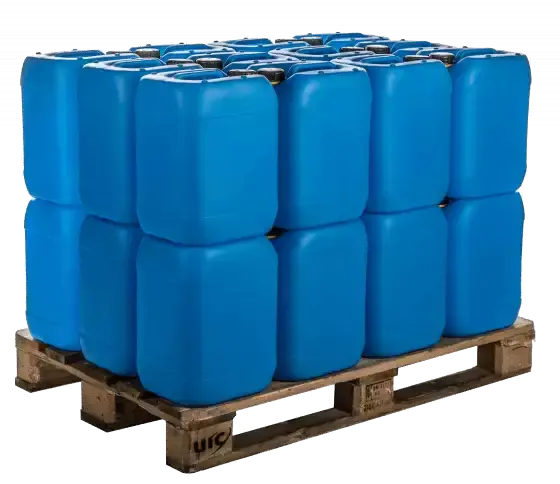
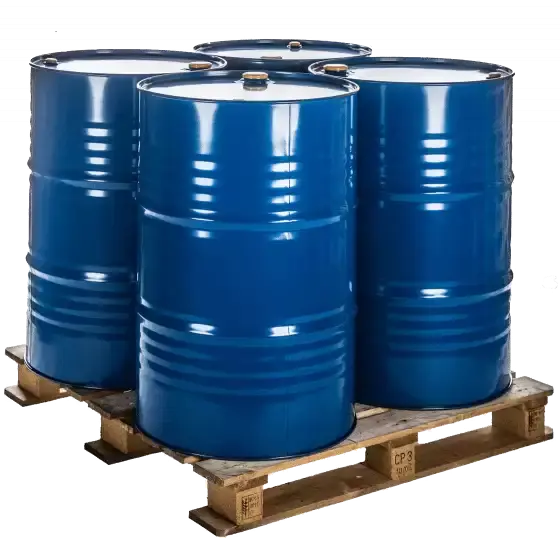
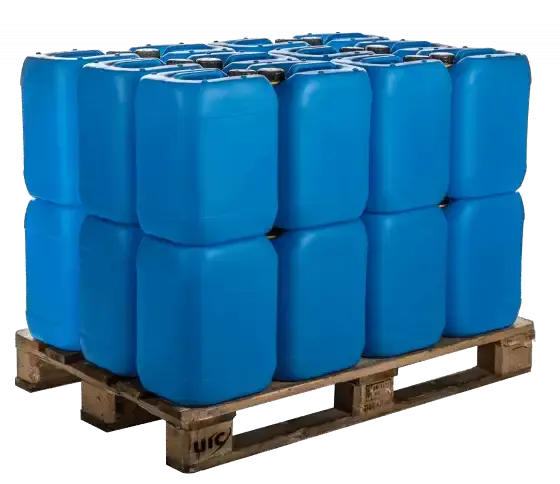
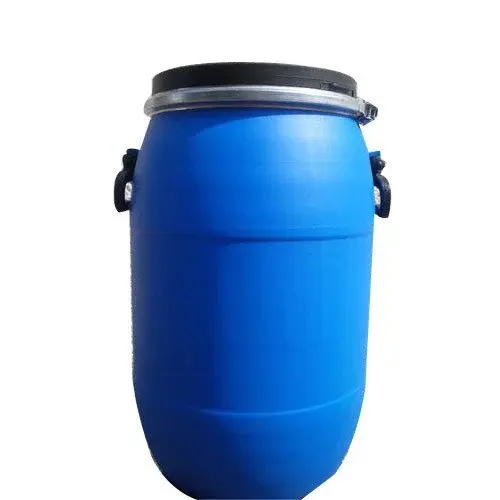
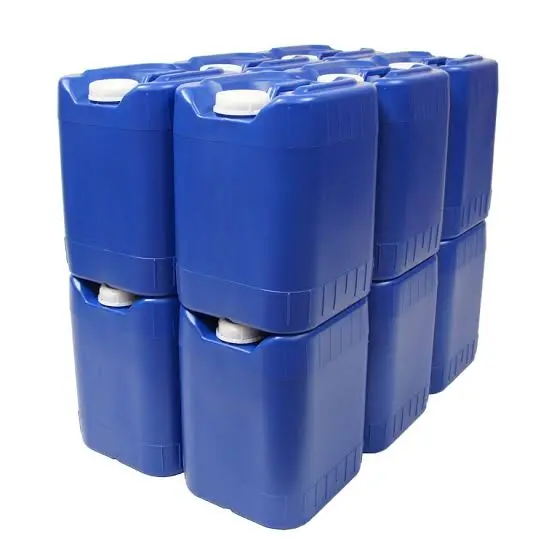
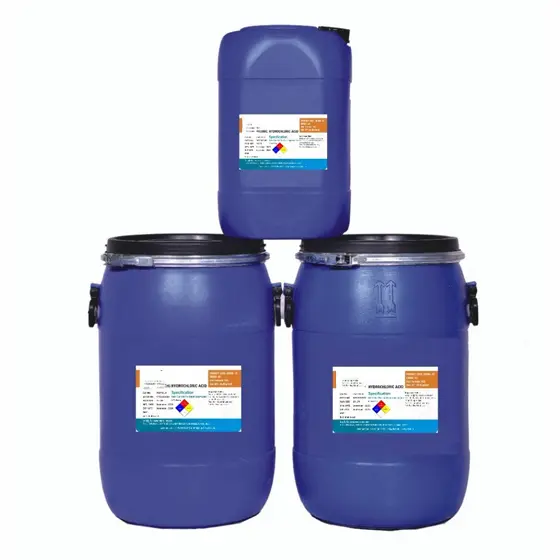
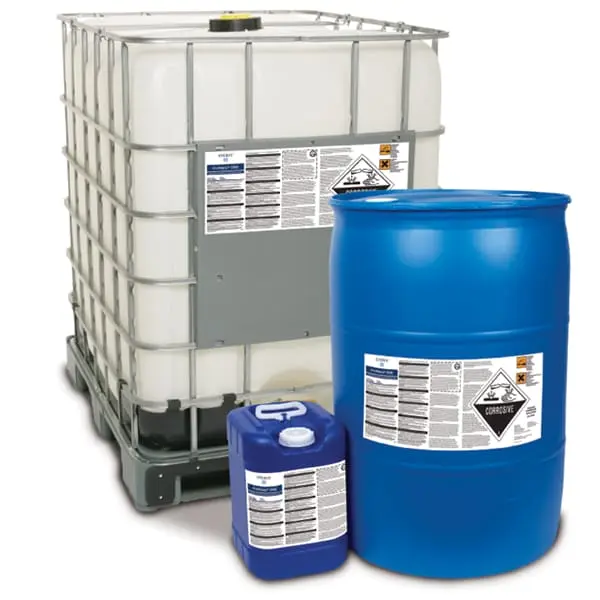
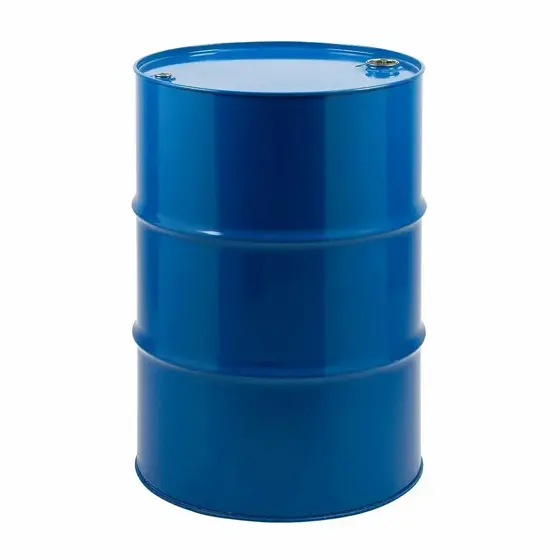
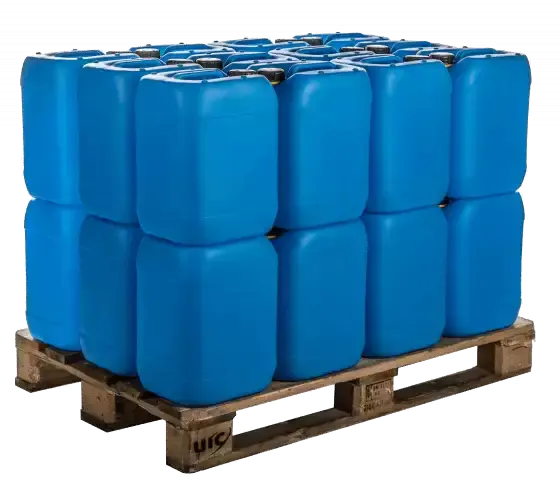
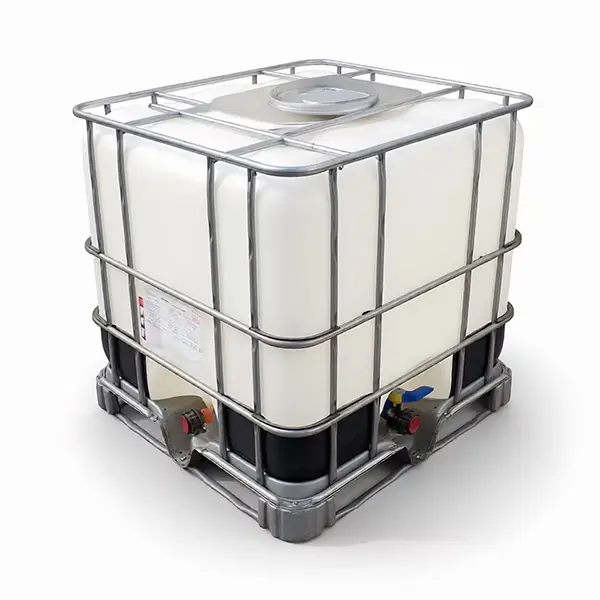
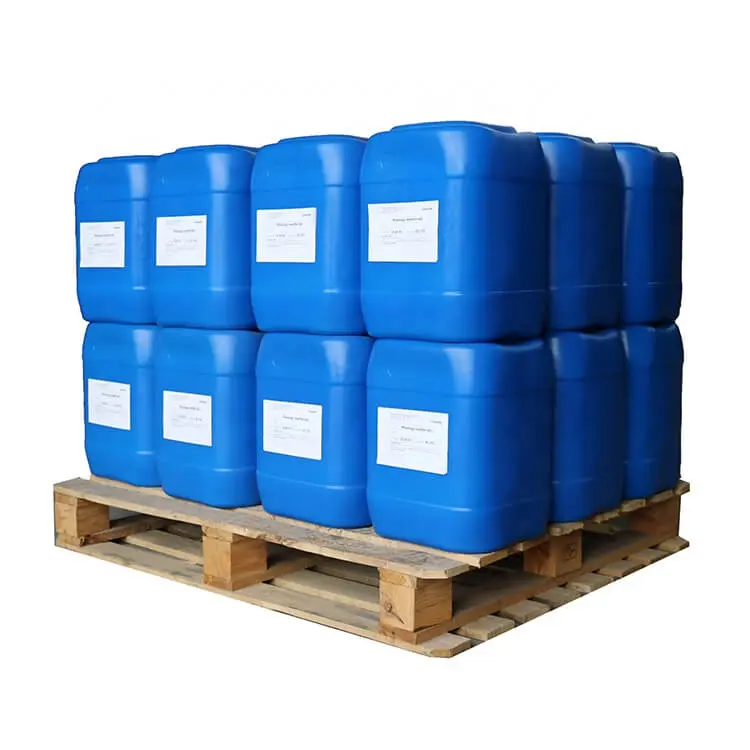
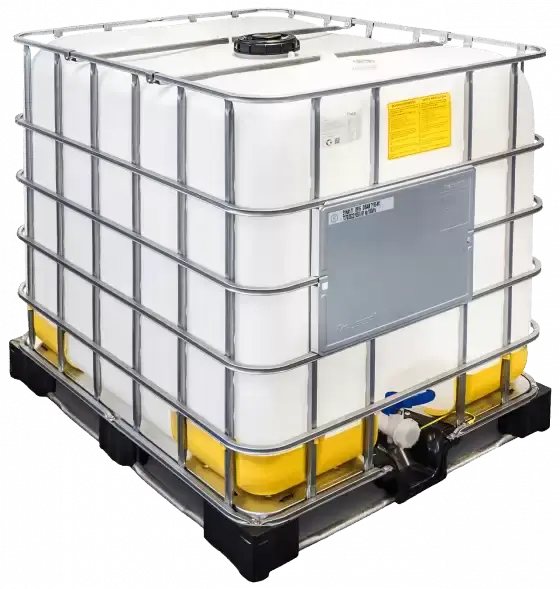
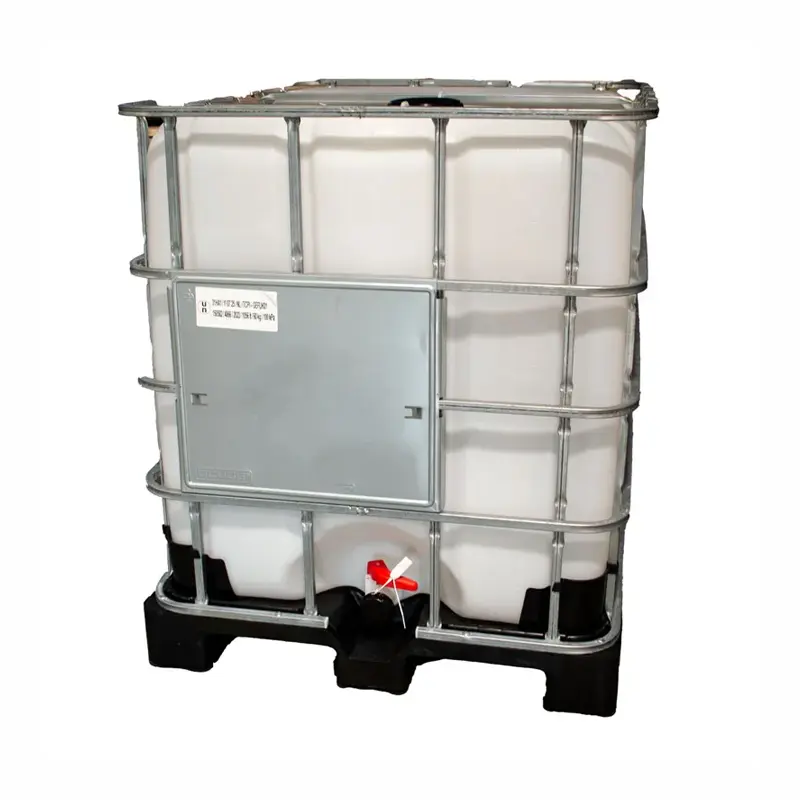
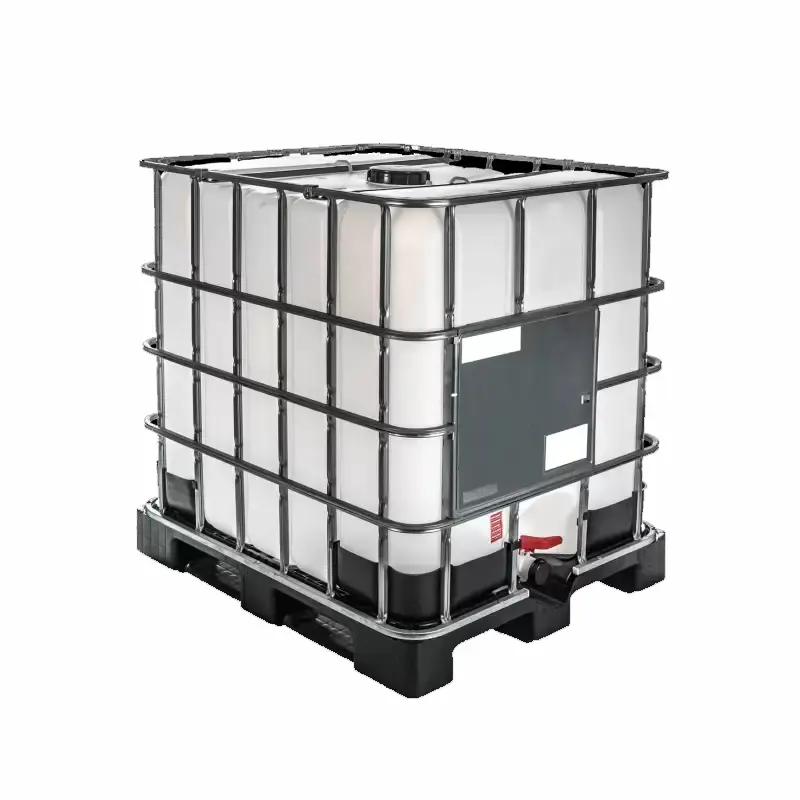
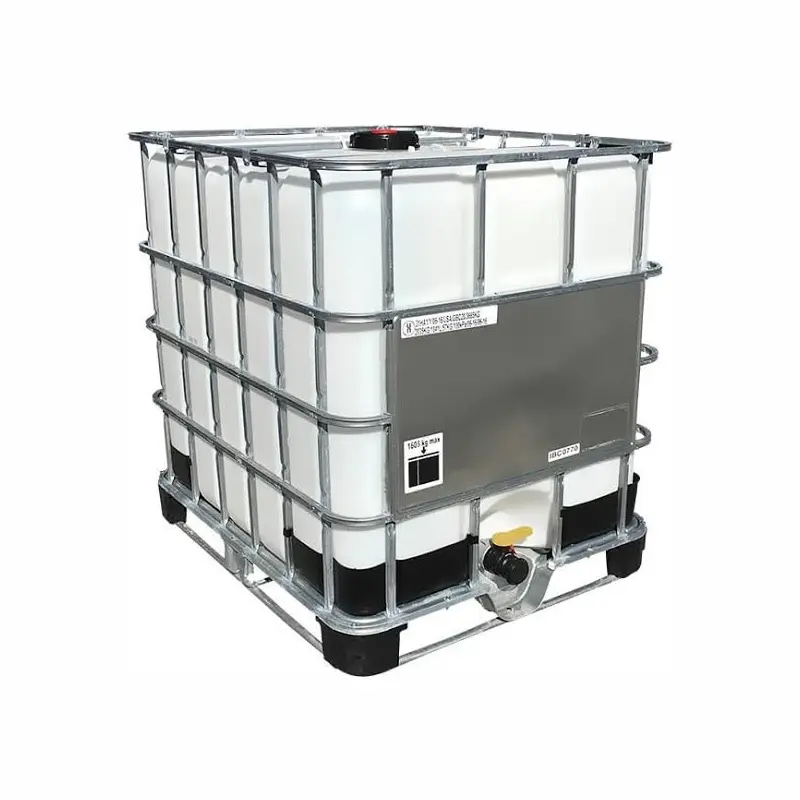
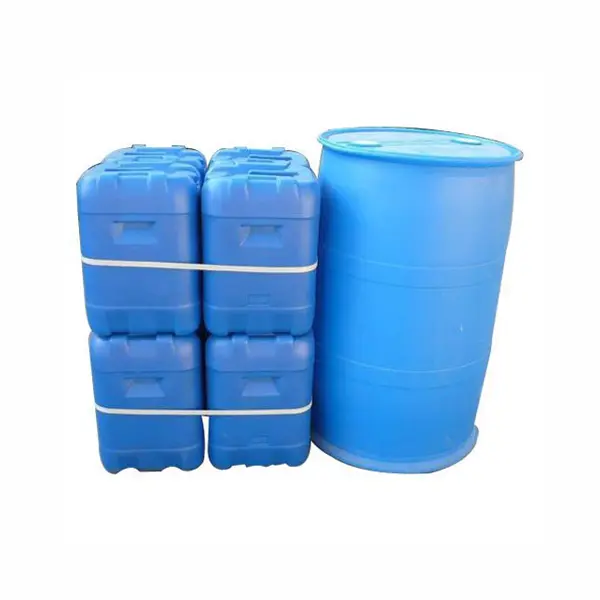
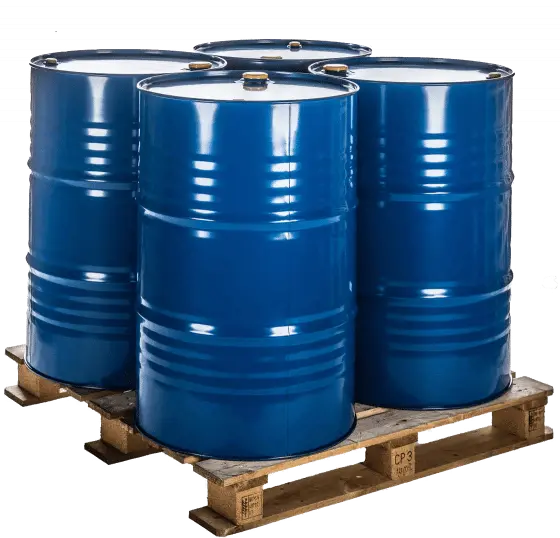
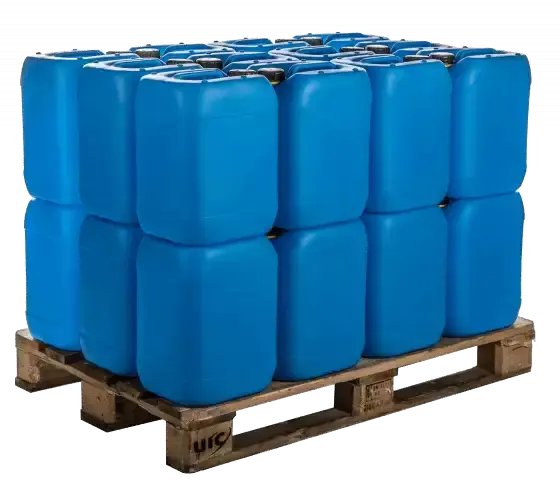
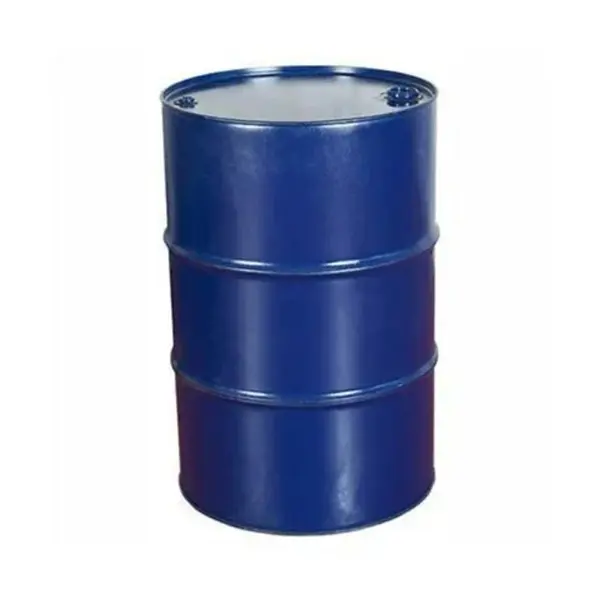
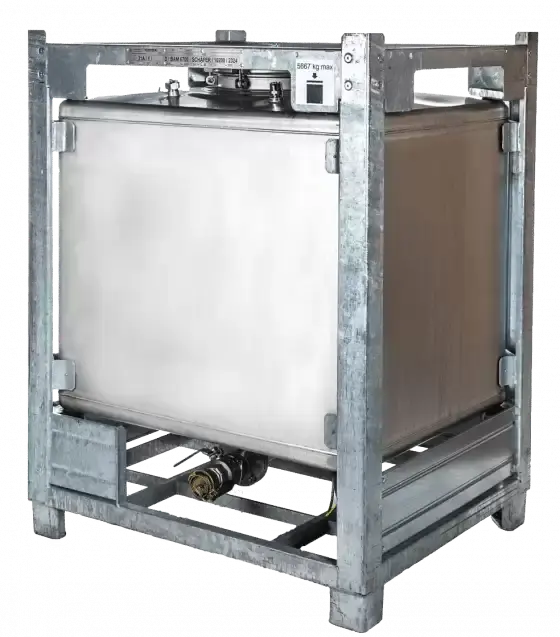
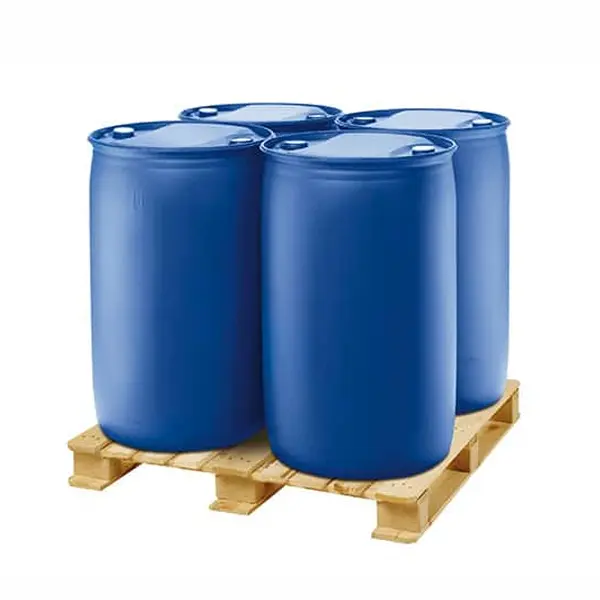
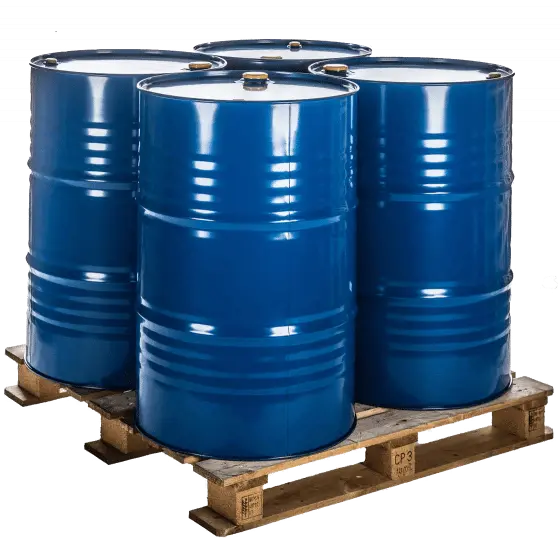
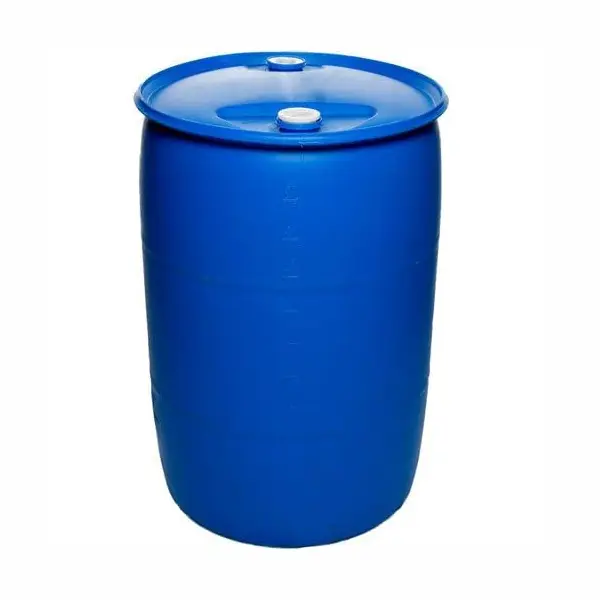
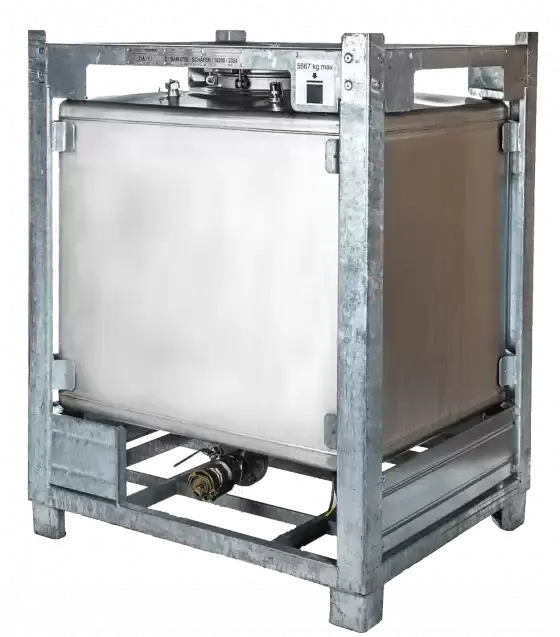
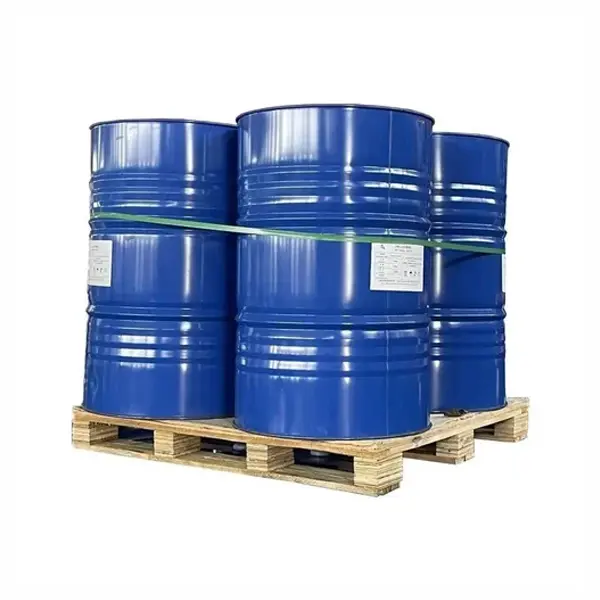
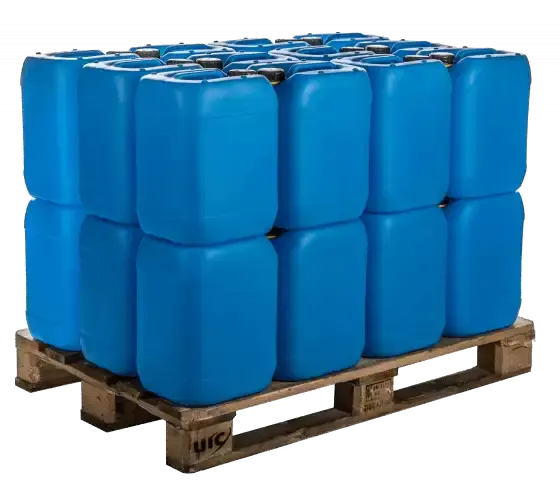
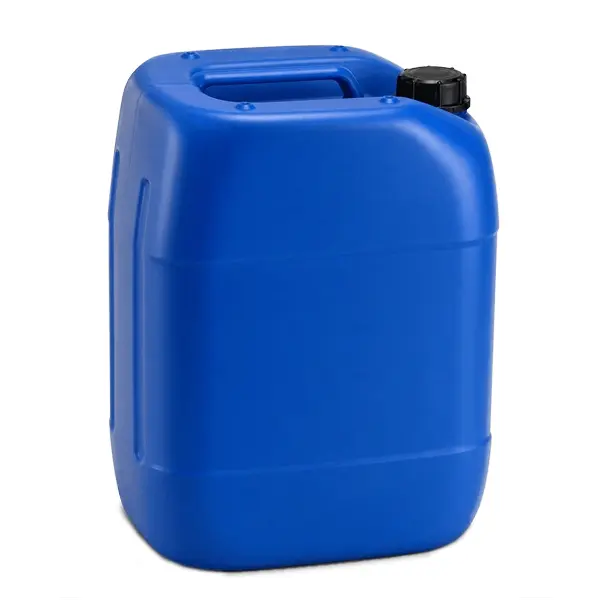
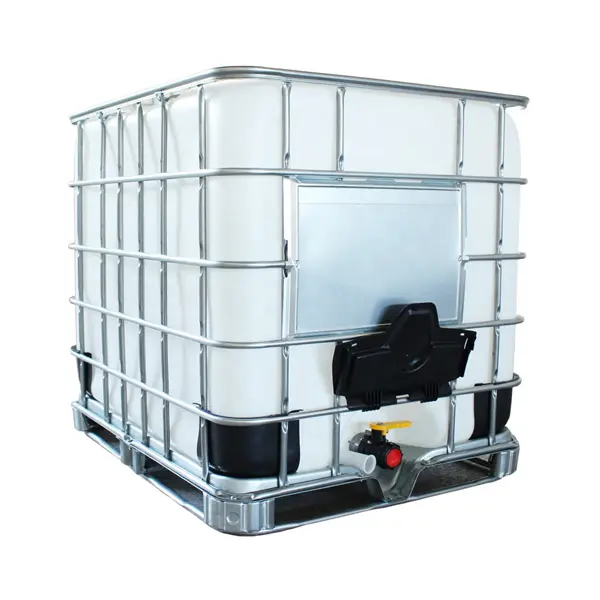
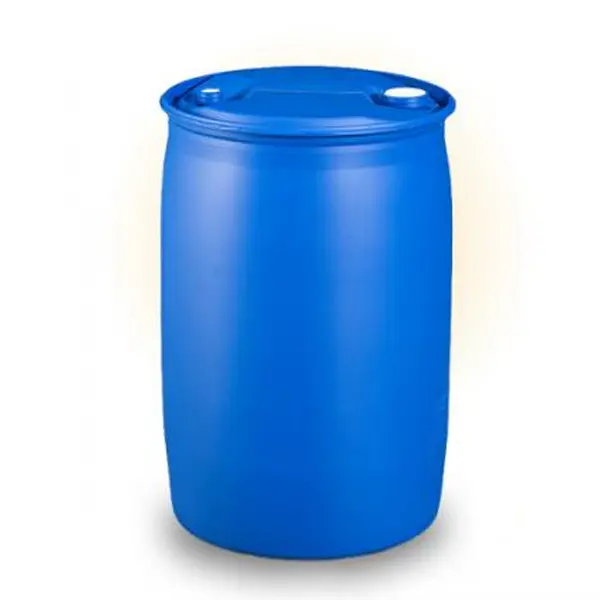
Proper storage and handling are essential when working with tetrafluoroboric acid. It should be stored in compatible, corrosion-resistant containers and kept away from incompatible substances.
Industrial users should follow applicable chemical safety regulations, workplace exposure controls, and environmental requirements. Personnel handling the acid should receive appropriate training in corrosive chemical management and emergency response.
Waste solutions containing tetrafluoroboric acid or fluoroborate compounds must be managed according to applicable environmental and disposal regulations.
Reliable Tetrafluoroboric Acid Solutions for Industrial Needs
Tetrafluoroboric acid remains an important specialty chemical for electroplating, metal finishing, and chemical synthesis. Its strong acidic properties and ability to form tetrafluorobate compounds make it useful in various specialized manufacturing applications.
Choosing the appropriate grade and concentration helps manufacturers meet technical requirements and maintain consistent processing performance. With proper quality control, safety management, and regulatory compliance, tetrafluoroboric acid can support dependable results in industrial chemical operations.