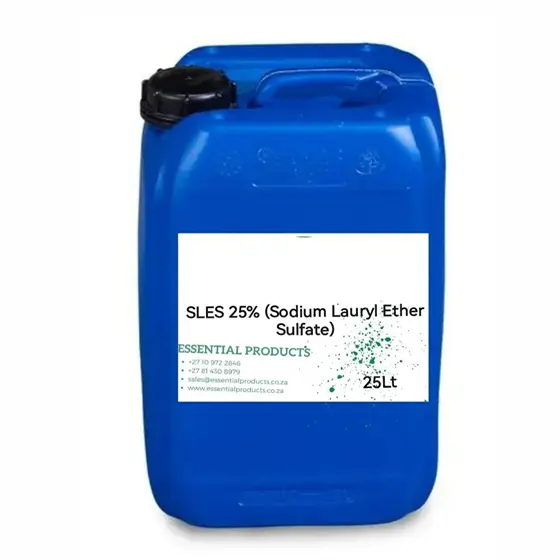
Sodium Lauryl Ether Sulfate – Surfactant for Detergents and Personal Care Products
Sodium Lauryl Ether Sulfate (SLES) is an anionic surfactant widely used in personal care products, household detergents, and industrial cleaning formulations. It is valued for its foaming, cleansing, and emulsifying properties, which help remove dirt, oil, and grease from various surfaces. SLES is commonly supplied as a concentrated aqueous solution and is used as a key ingredient in shampoos, body washes, liquid hand soaps, dishwashing liquids, and other cleansing products.
Sodium Lauryl Ether Sulfate is produced by ethoxylating lauryl alcohol and subsequently converting it into a sulfate. The degree of ethoxylation and active matter concentration can vary by grade, influencing the properties and suitability of the product for different formulations. Its versatility and compatibility with many formulation ingredients make SLES an important raw material for manufacturers of cleansing and detergent products.
CAS Number: 68891-38-3
Chemical Name: Sodium Laureth Sulfate
Common Abbreviation: SLES
Applications of Sodium Lauryl Ether Sulfate
Sodium Lauryl Ether Sulfate is widely used in shampoos, body washes, liquid soaps, and other rinse-off personal care products because it helps create rich foam and supports effective cleansing. In household cleaning, it is incorporated into dishwashing liquids, laundry detergents, and multipurpose cleaners to assist with the removal of grease and everyday dirt.
Industrial applications include selected cleaning formulations and manufacturing processes where anionic surfactants are required. Formulators select the appropriate SLES grade according to active matter concentration, viscosity requirements, compatibility, and the intended end use.
Benefits of Sodium Lauryl Ether Sulfate
SLES offers effective foaming and cleansing performance, making it suitable for a wide range of liquid cleaning formulations. Its surfactant action helps loosen and disperse oily residues, while its compatibility with various formulation ingredients provides flexibility during product development. Depending on the grade and formulation, it can also help manufacturers achieve the desired viscosity and product consistency.
The final performance of Sodium Lauryl Ether Sulfate depends on concentration, water quality, formulation pH, and the combination of other ingredients. Appropriate formulation testing is recommended to achieve the desired product characteristics.
Storage and Handling
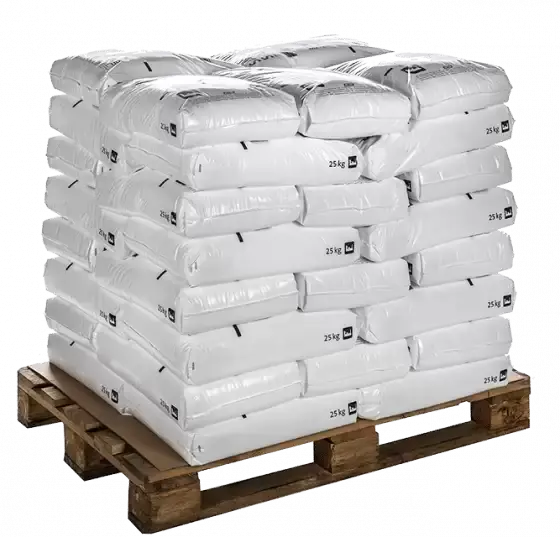
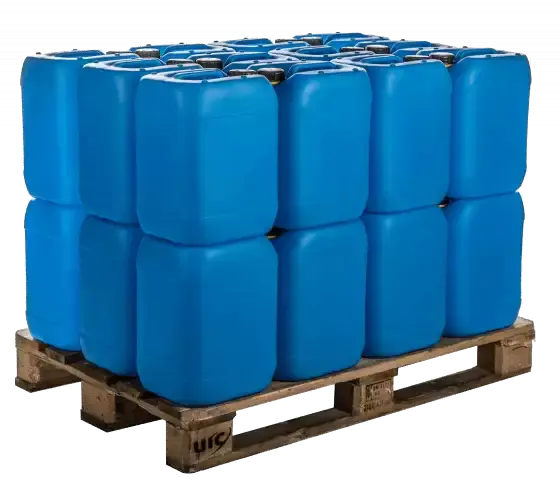
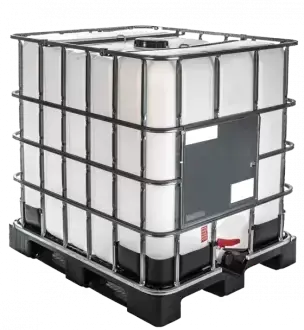
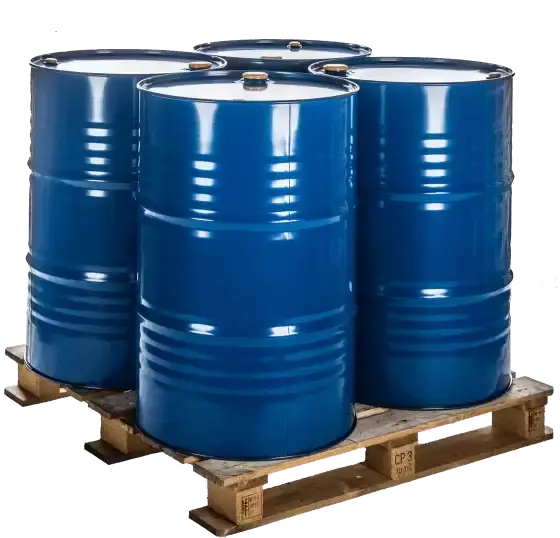
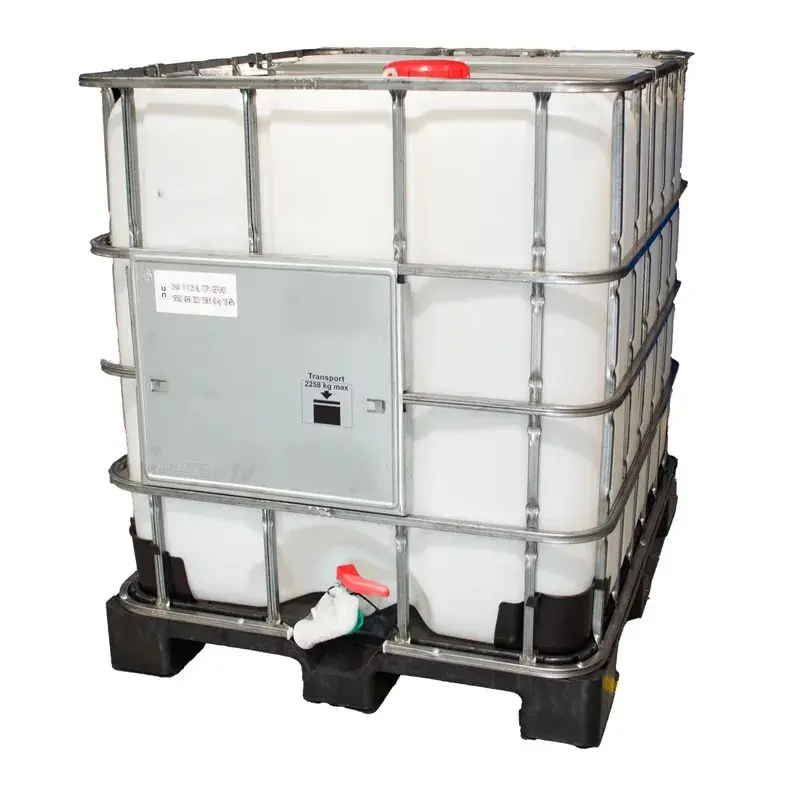
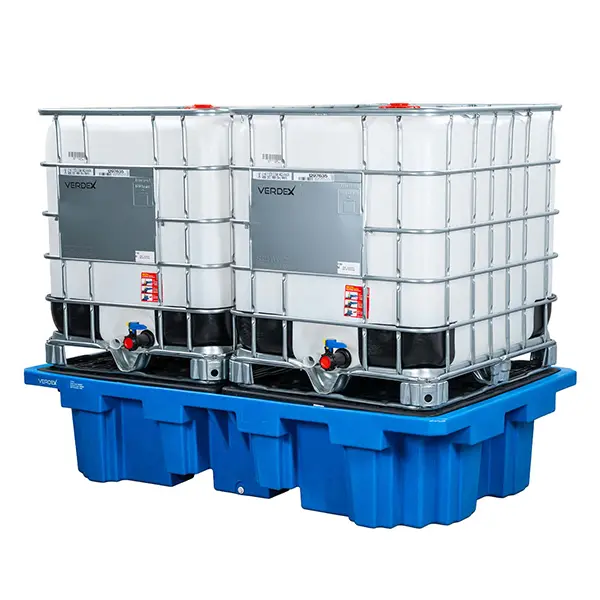
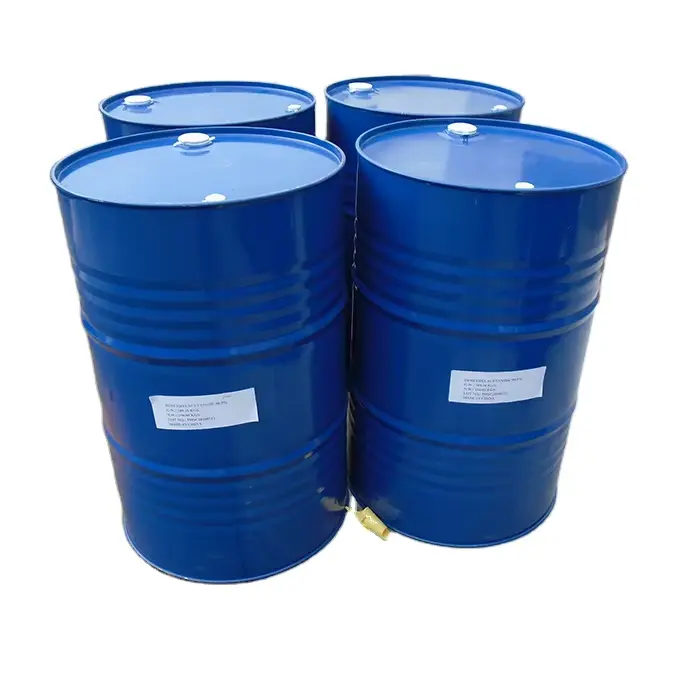
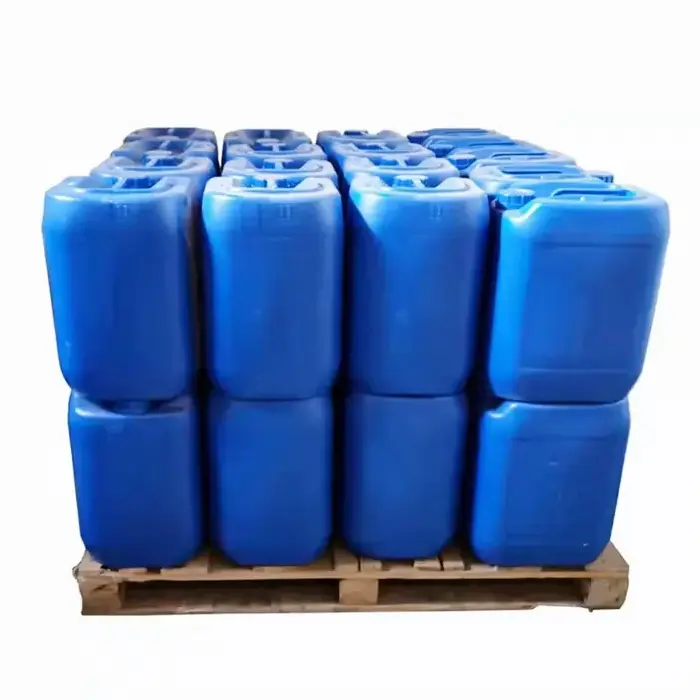
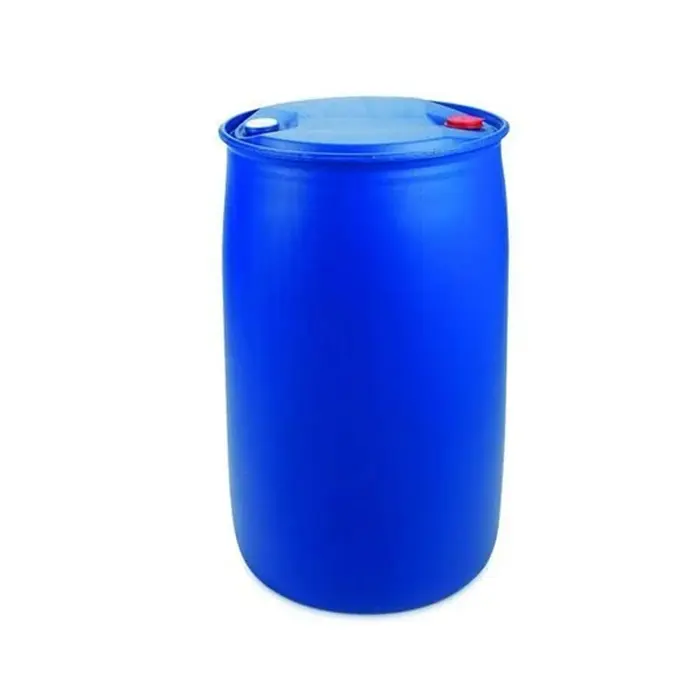
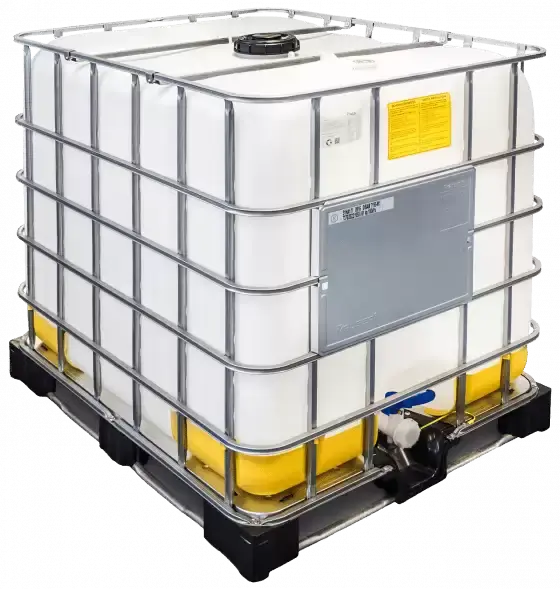
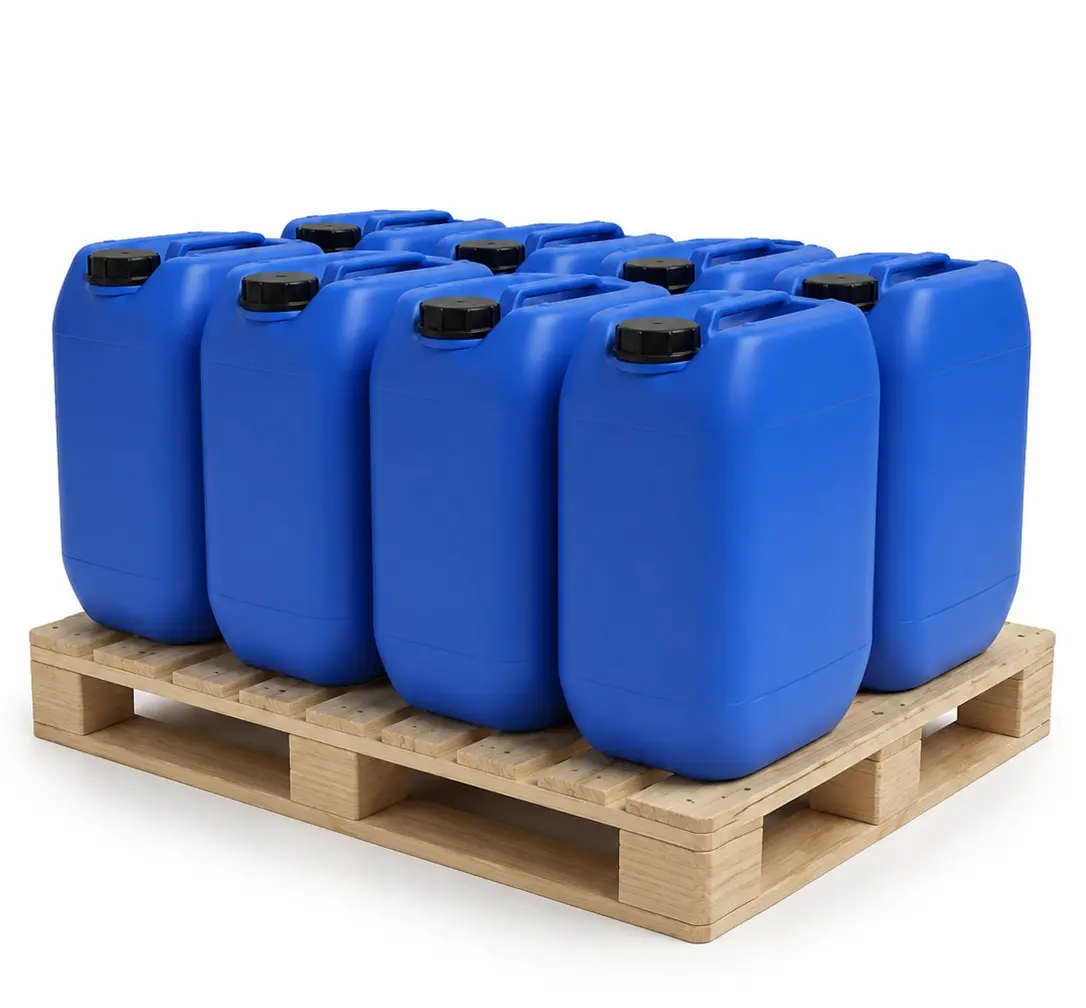
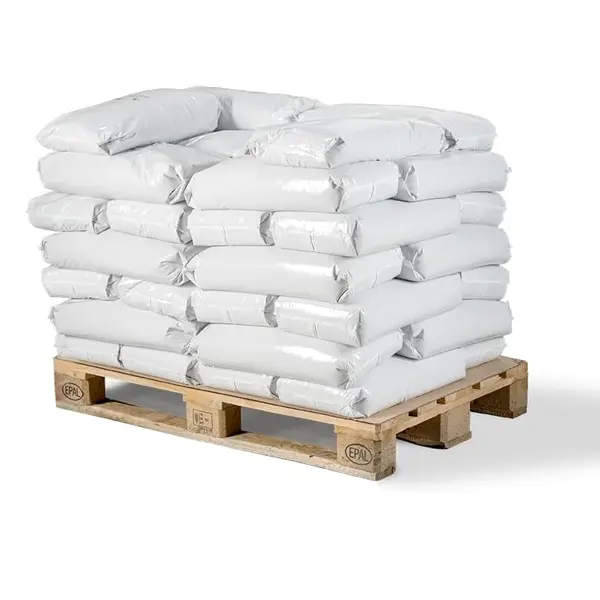
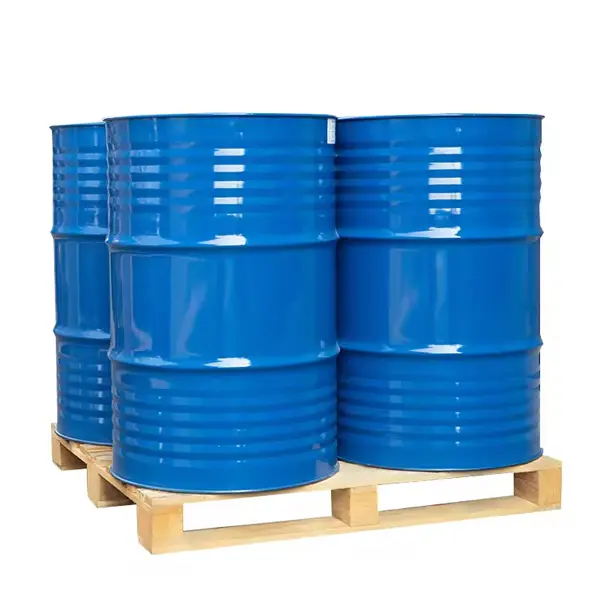
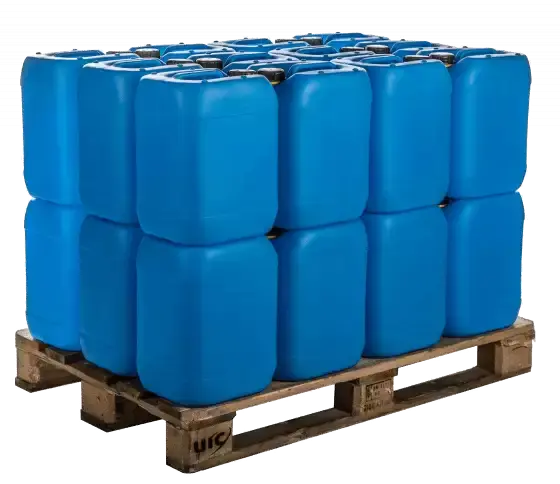
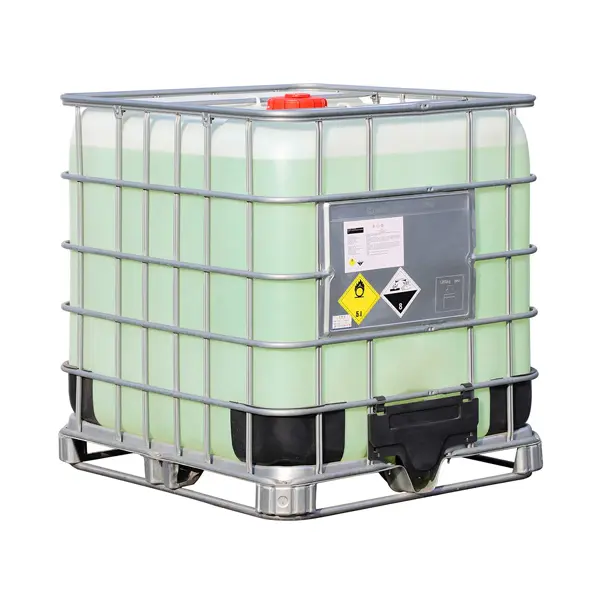
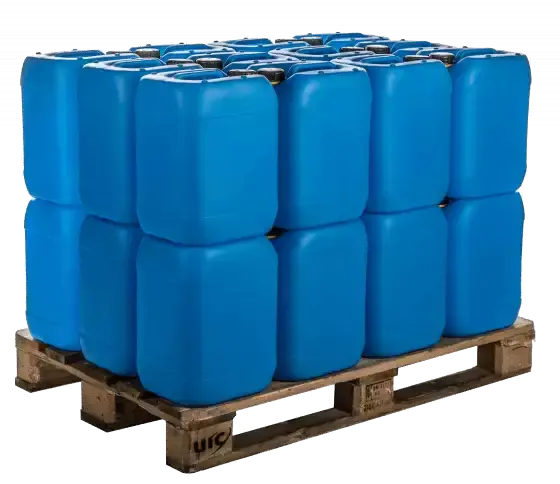
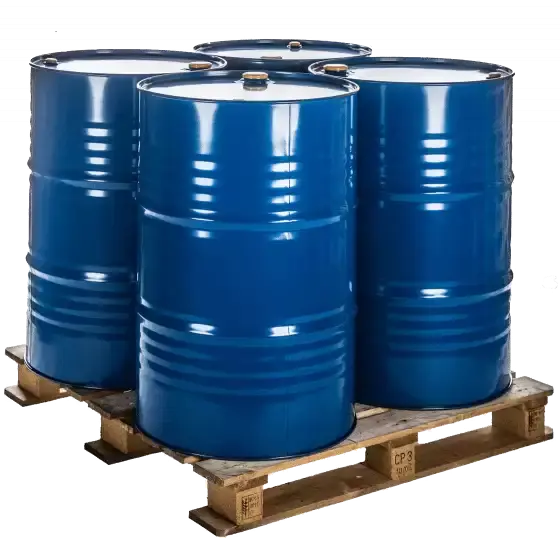
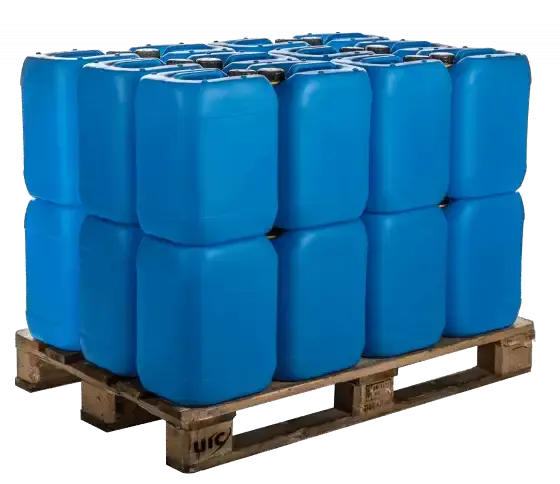
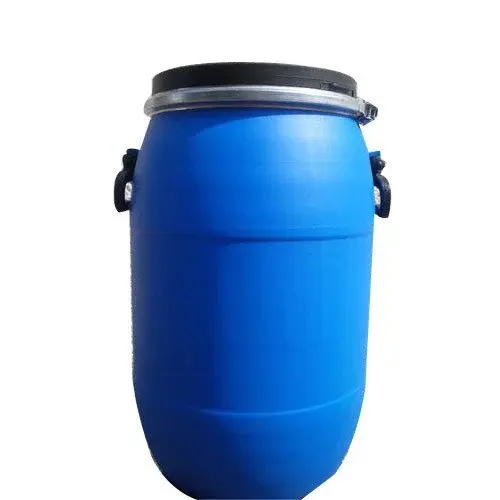
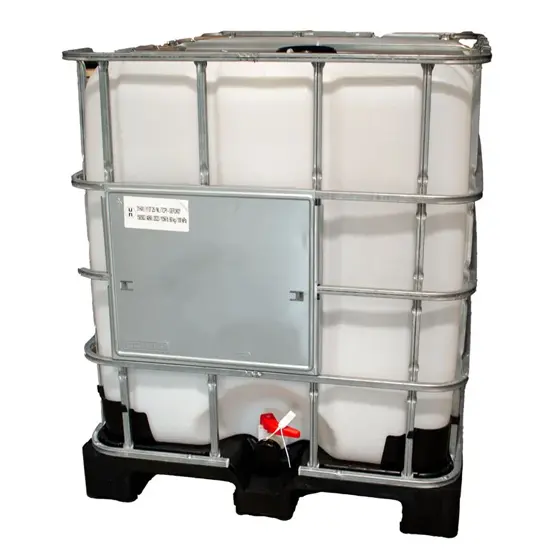
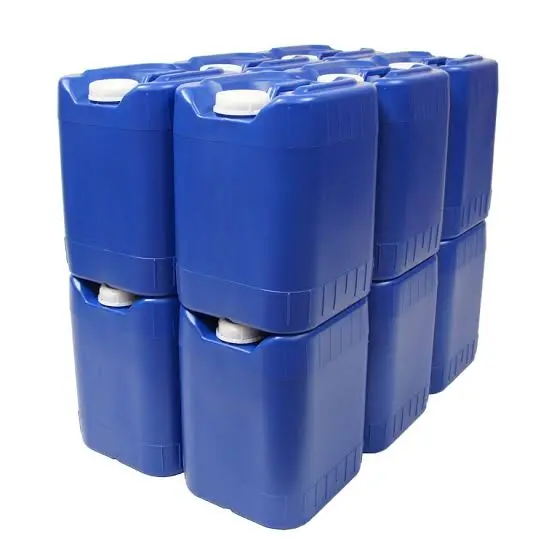
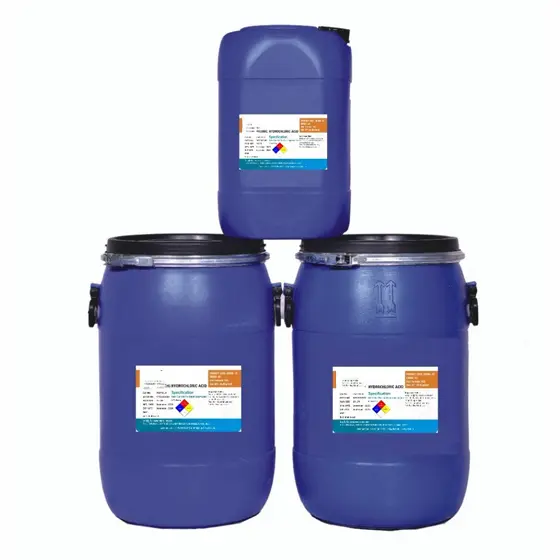
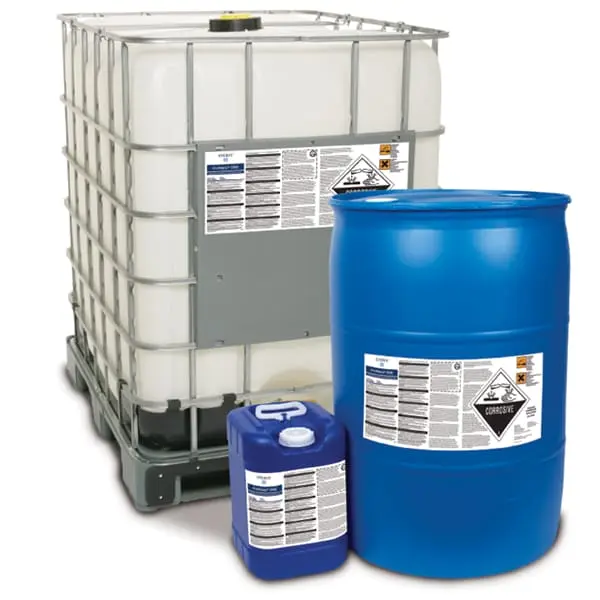
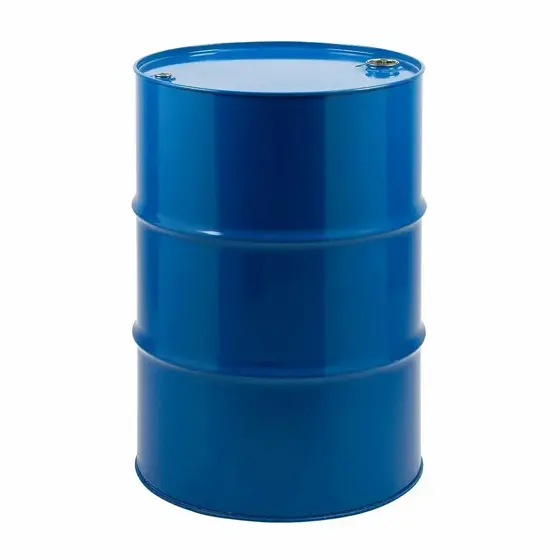
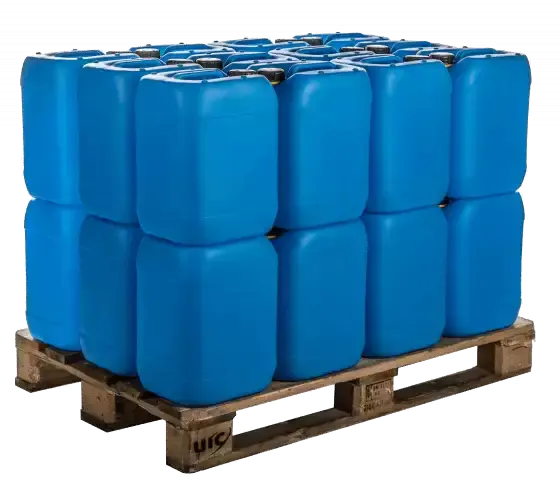
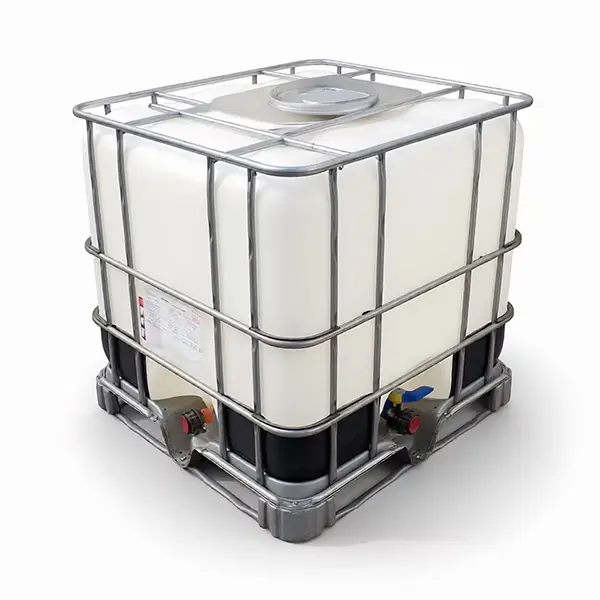
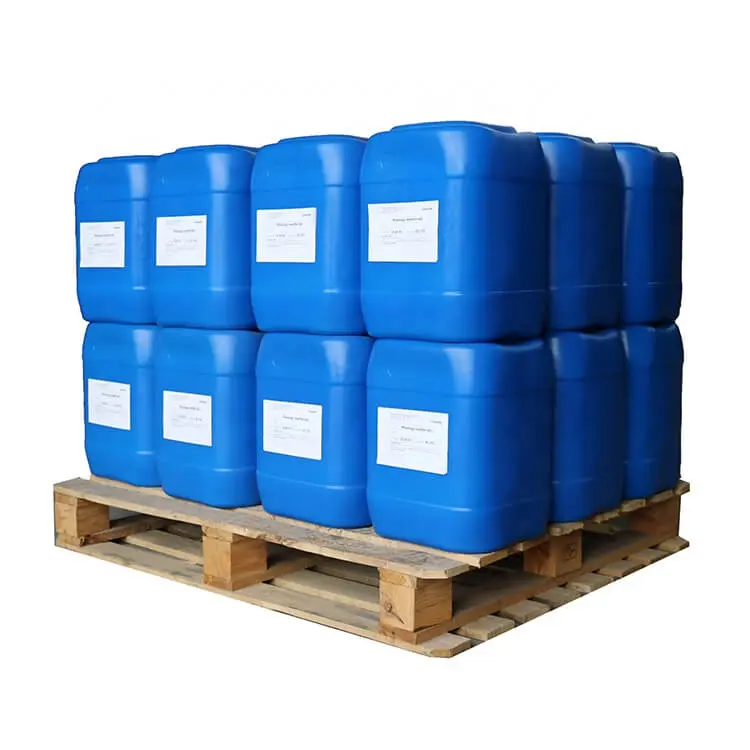
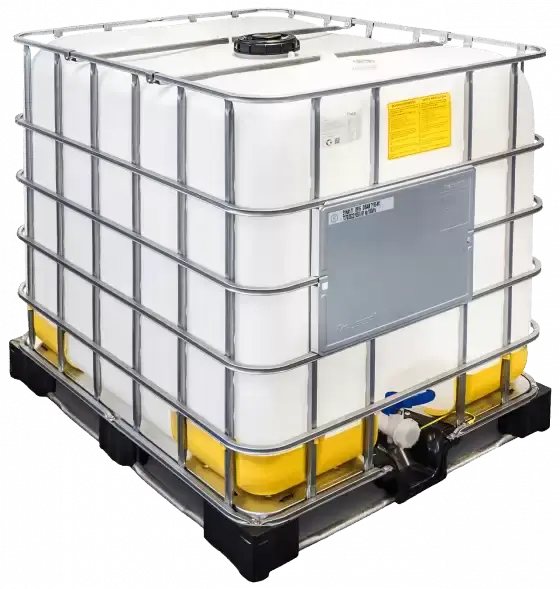
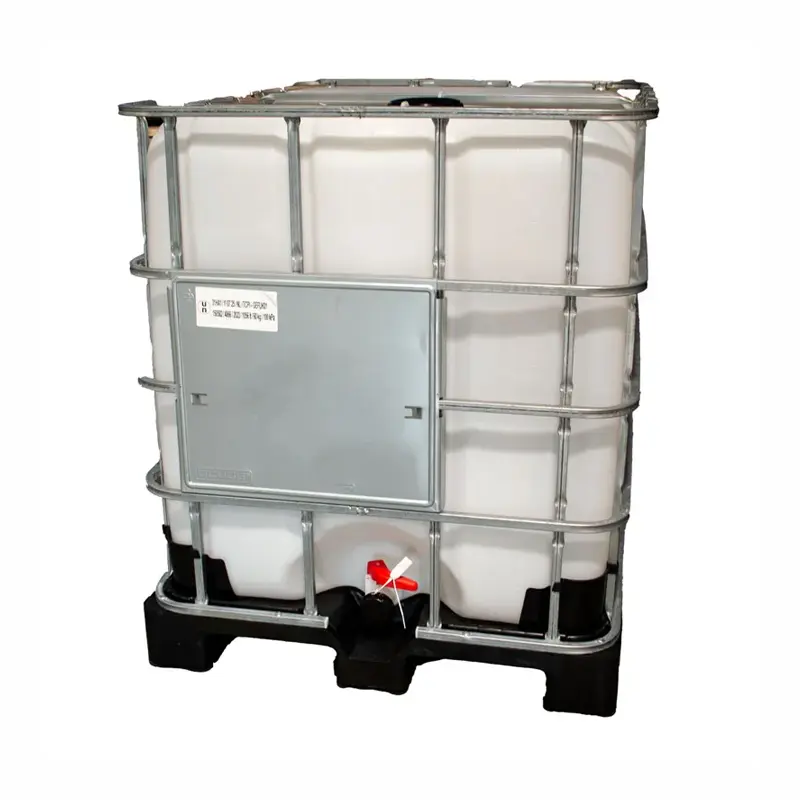
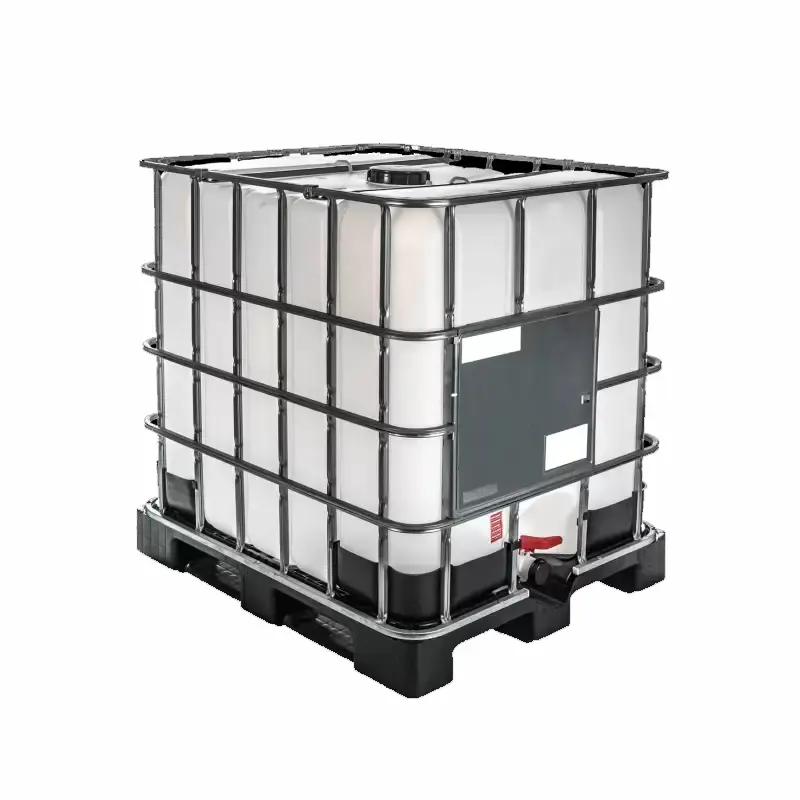
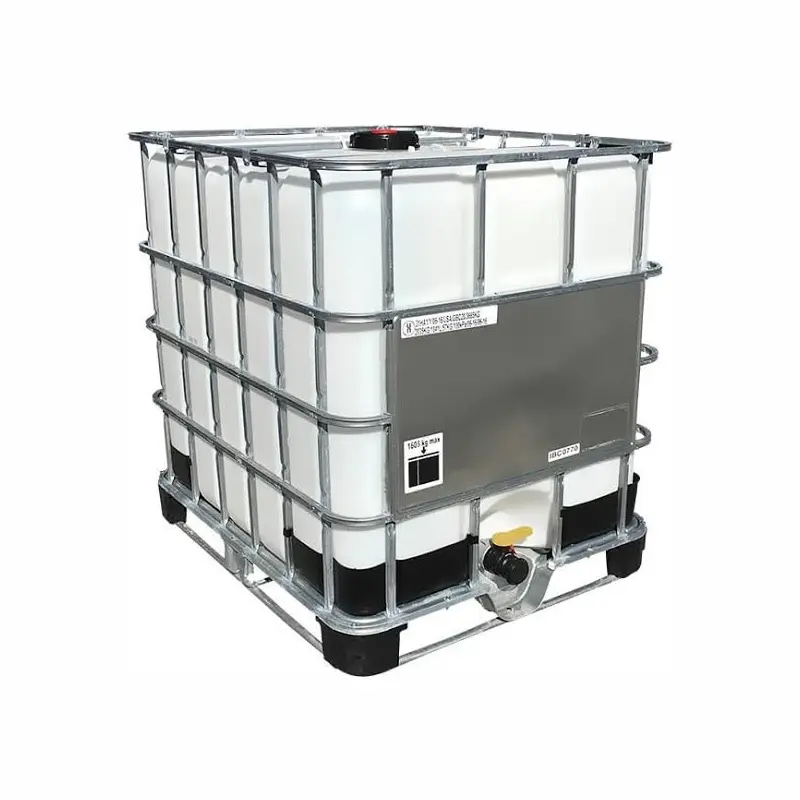
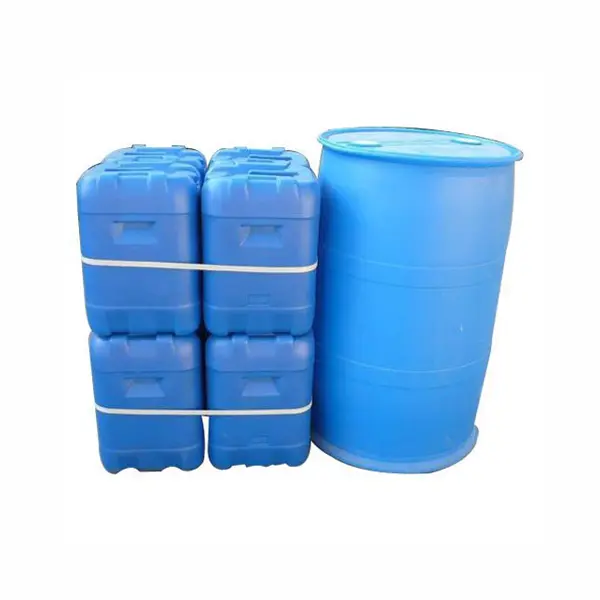
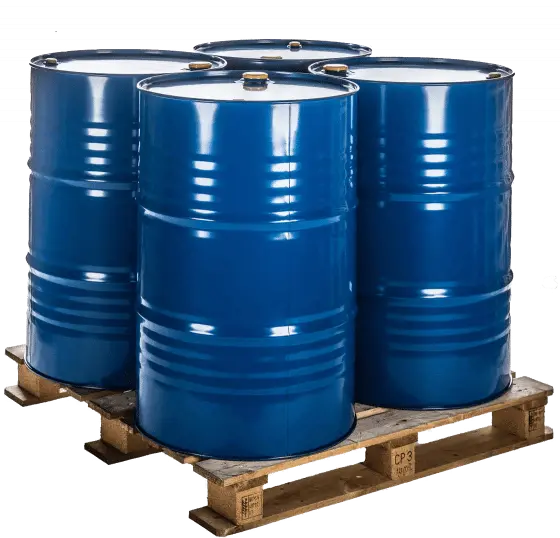
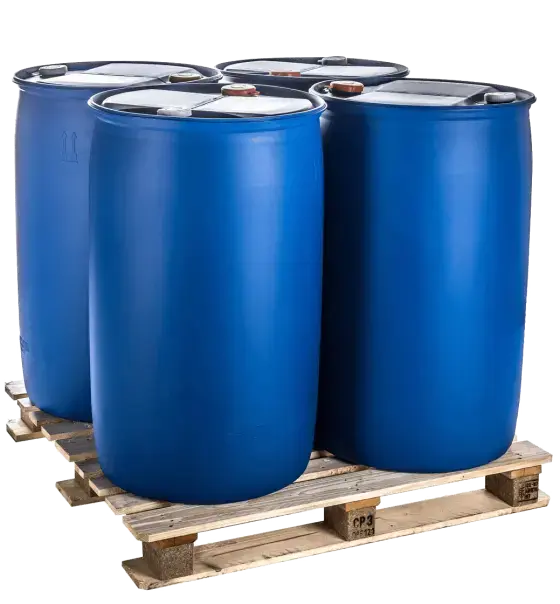
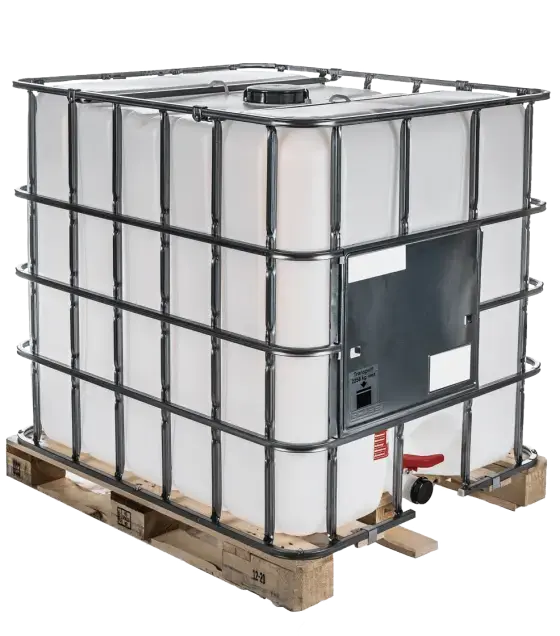
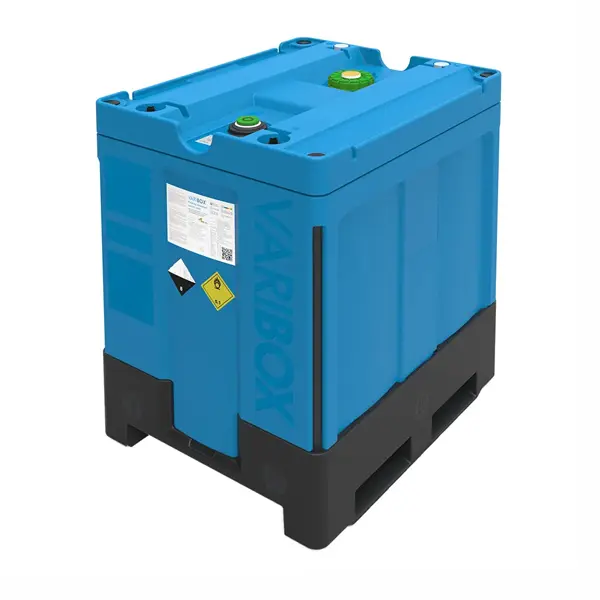
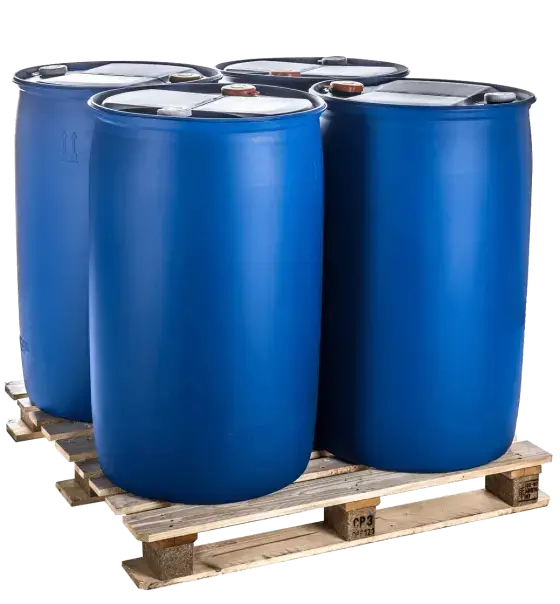
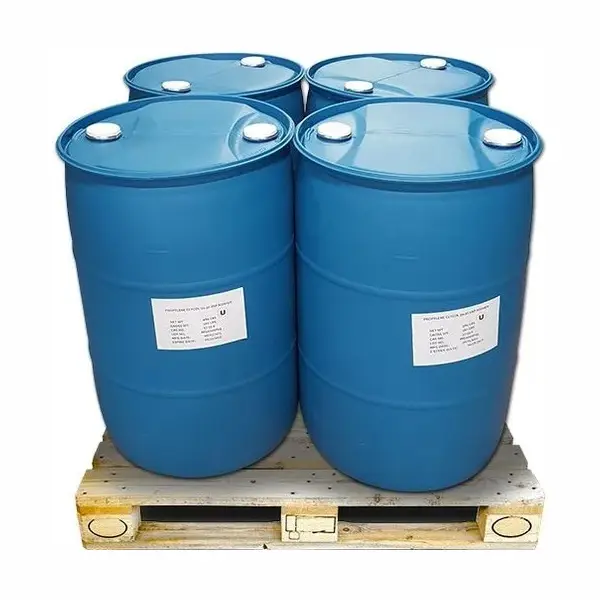
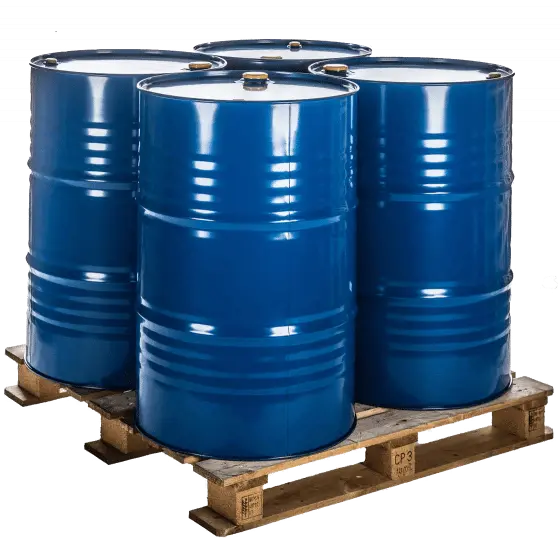
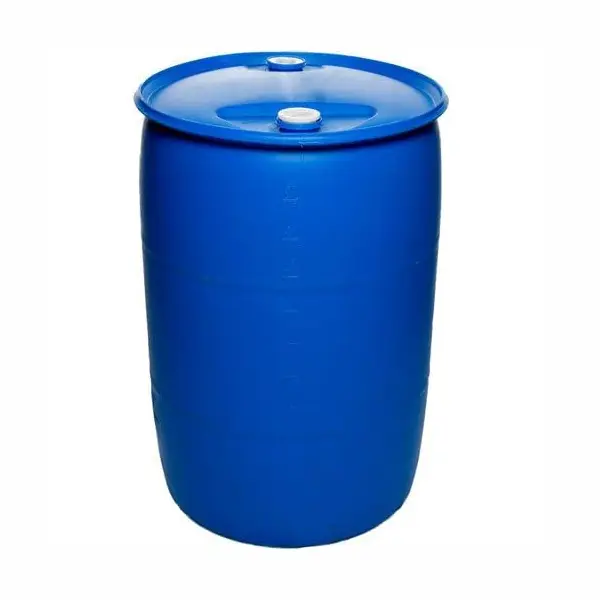
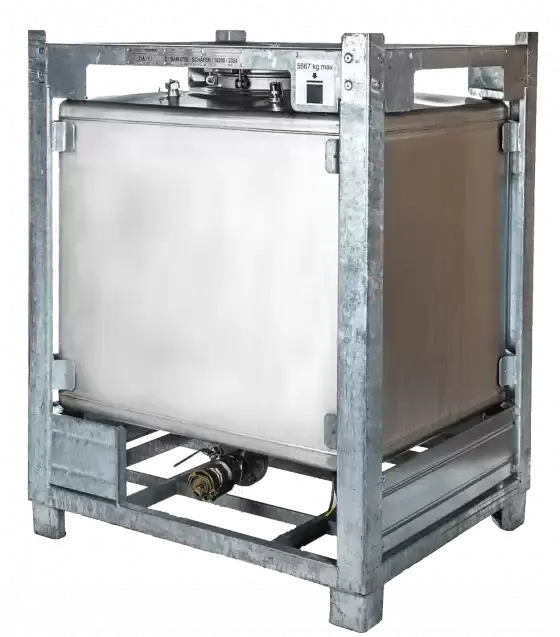
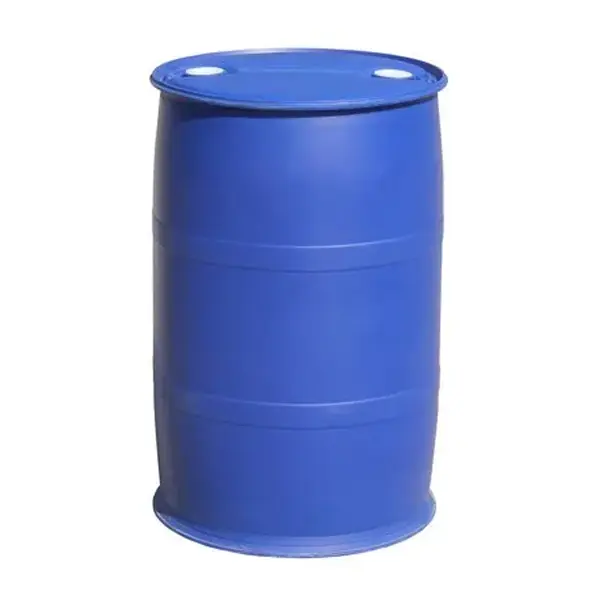
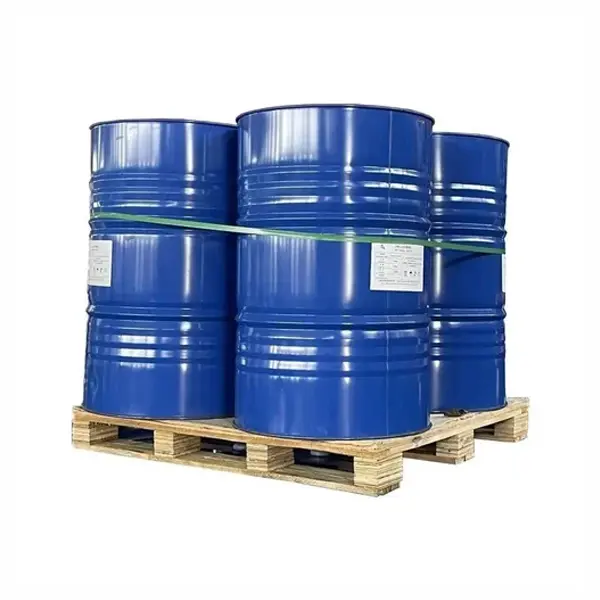
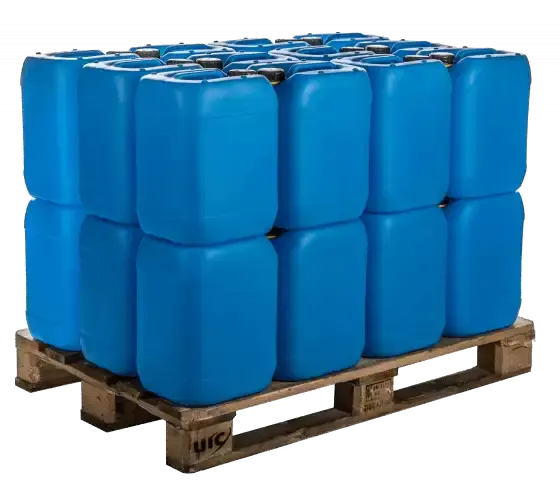
Store Sodium Lauryl Ether Sulfate in a suitable, tightly closed container under the temperature and storage conditions specified by the supplier. Protect the product from contamination and extreme temperatures that may affect its appearance or consistency. Avoid direct contact with the eyes and prolonged contact with the skin. Use suitable personal protective equipment and consult the product-specific Safety Data Sheet (SDS) for handling precautions, spill response, and disposal requirements.
Conclusion
Sodium Lauryl Ether Sulfate is an essential anionic surfactant for personal care products, household detergents, and industrial cleaning formulations. Its foaming, cleansing, and formulation versatility make it a popular choice for manufacturers seeking reliable surfactant performance. Selecting the correct grade and verifying active matter content and technical specifications are important steps in developing high-quality cleansing products.