Propylene Carbonate – High-Performance Solvent for Industrial and Chemical Applications
Introduction
Propylene Carbonate is an organic cyclic carbonate compound with the chemical formula C₄H₆O₃. It is typically supplied as a clear, colourless liquid and is valued for its strong solvency, high boiling point, and relatively low volatility. Propylene Carbonate is used in chemical manufacturing, coatings, cleaning formulations, lithium-ion battery electrolytes, and other specialized industrial applications. Its suitability depends on the product grade and formulation requirements. <Cite refs={["turn508153search0","turn508153search12"]}/>
Industrial Applications
Propylene Carbonate is used as a solvent in selected paints, coatings, adhesives, inks, and industrial cleaning formulations. Its solvency characteristics make it useful for dissolving compatible resins and other organic materials in applications where a high-boiling solvent is required.
In the energy sector, Propylene Carbonate is used as a component of certain lithium-ion battery electrolytes because of its polar properties. It is also used in gas treatment and solvent extraction processes, including selected carbon dioxide recovery applications. Additional uses include chemical synthesis, polymer processing, and specialty formulations where its physical and chemical properties are suitable. <Cite refs={["turn508153search0","turn508153search2","turn508153search12"]}/>
Key Benefits
Propylene Carbonate offers strong solvency, a high boiling point, and relatively low volatility compared with many conventional solvents. Its polar nature allows it to dissolve a range of compatible substances, making it useful in specialized industrial formulations. It can support applications requiring controlled evaporation, effective solvent performance, and compatibility with particular chemical systems.
Product Specifications
| Parameter | Specification |
|---|---|
| Product Name | Propylene Carbonate |
| Chemical Formula | C₄H₆O₃ |
| CAS Number | 108-32-7 |
| Molecular Weight | 102.09 g/mol |
| Appearance | Clear, colourless liquid |
| Chemical Type | Organic cyclic carbonate |
| Boiling Point | Approximately 241–242°C |
| Melting Point | Approximately −49°C |
| Density at 20°C | Approximately 1.20–1.21 g/cm³ |
| Flash Point | Approximately 116°C, closed cup; test method may affect the value |
| Main Applications | Industrial solvents, coatings, battery electrolytes, gas treatment, chemical manufacturing |
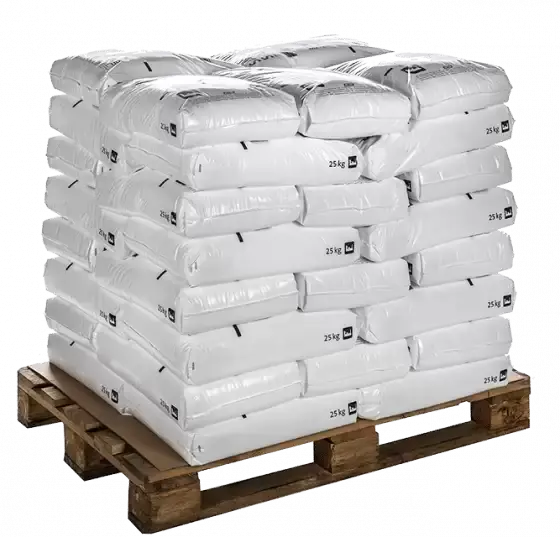
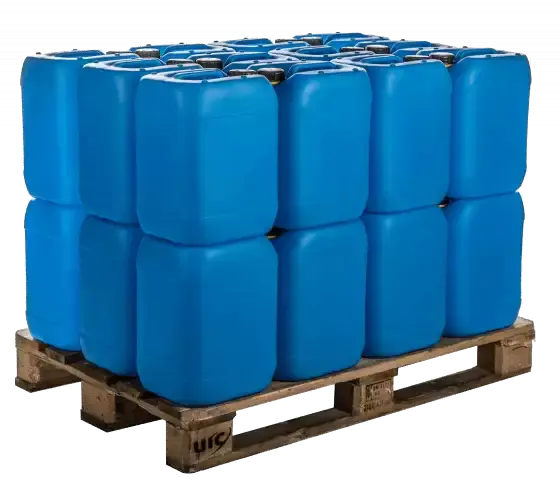
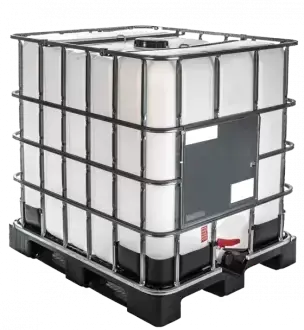
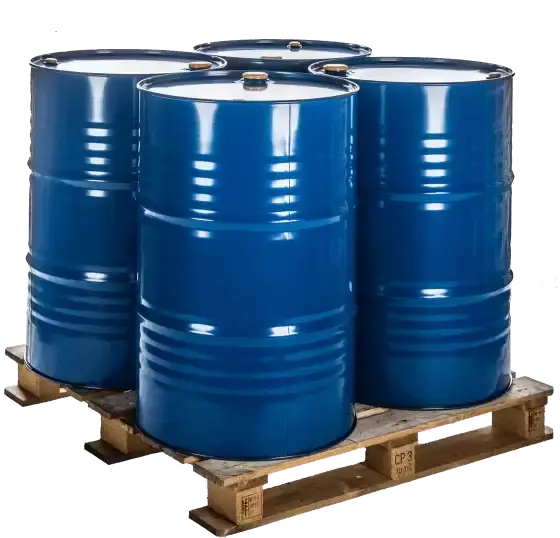
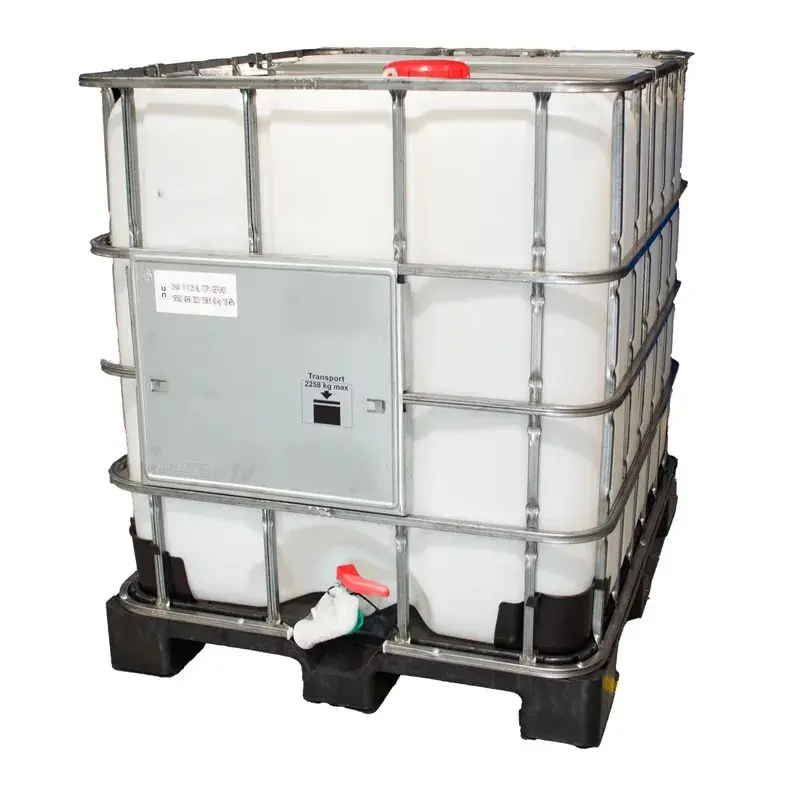
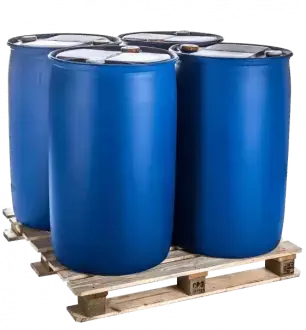
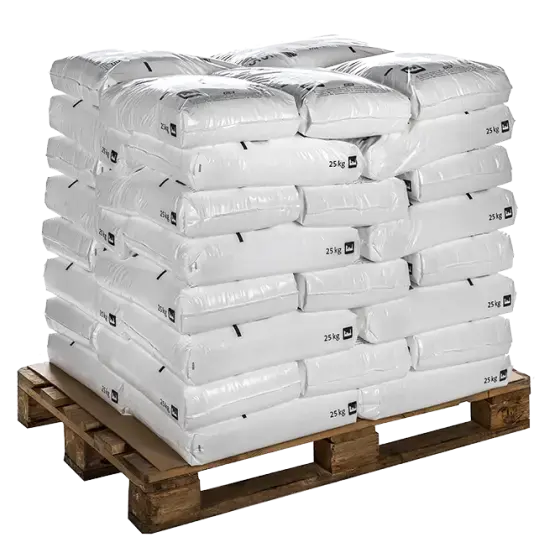
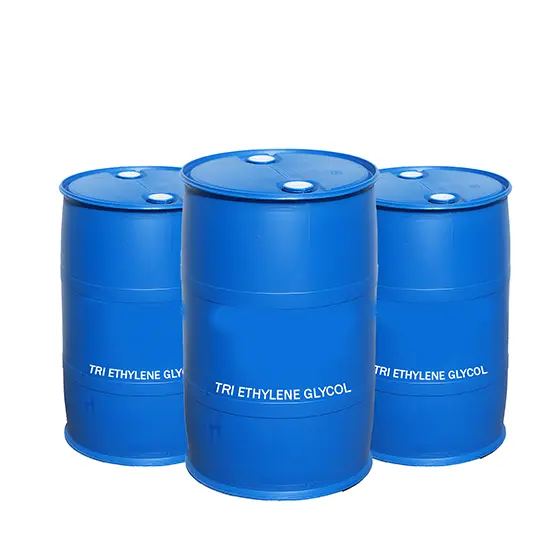
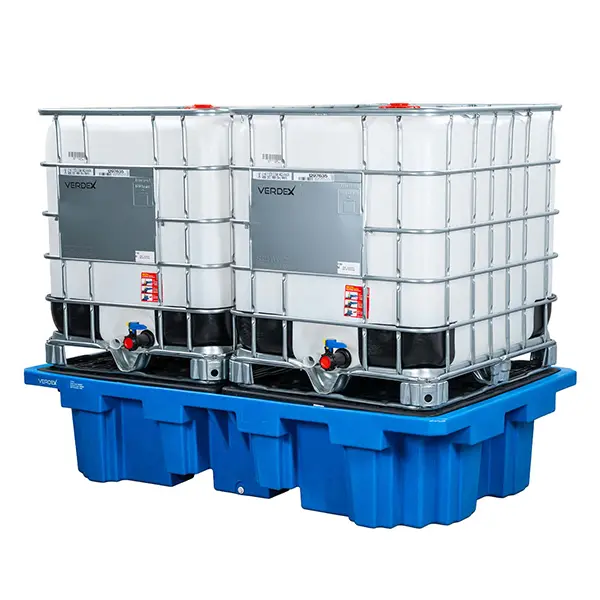
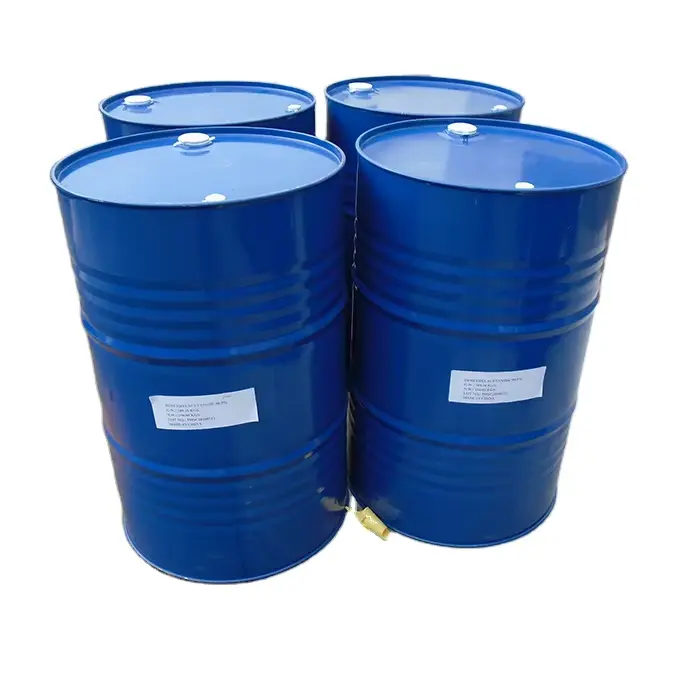
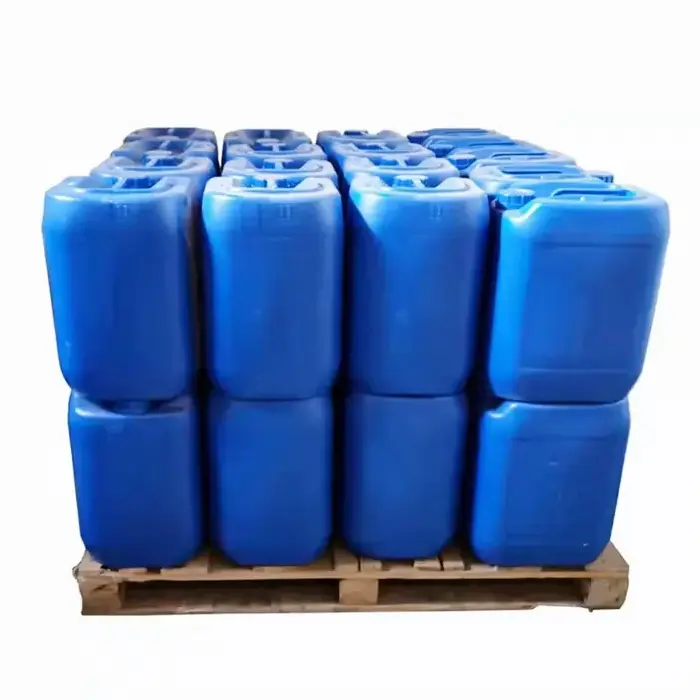
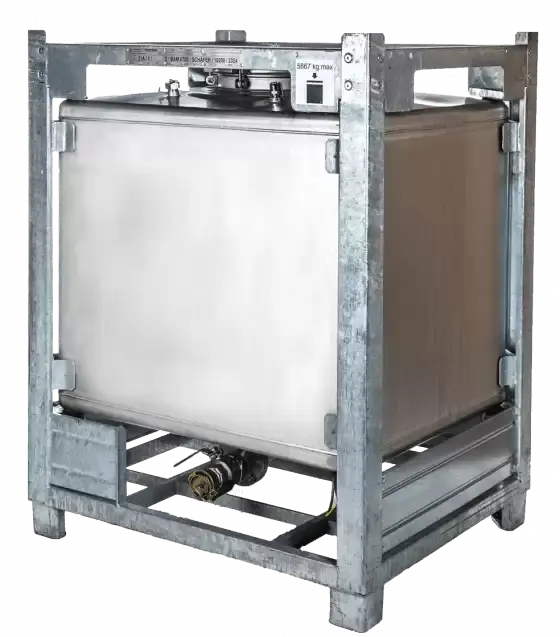
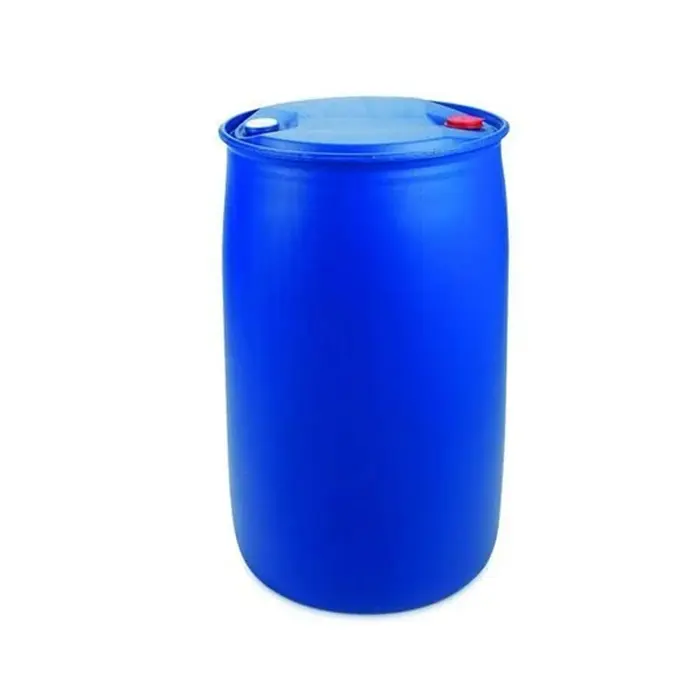
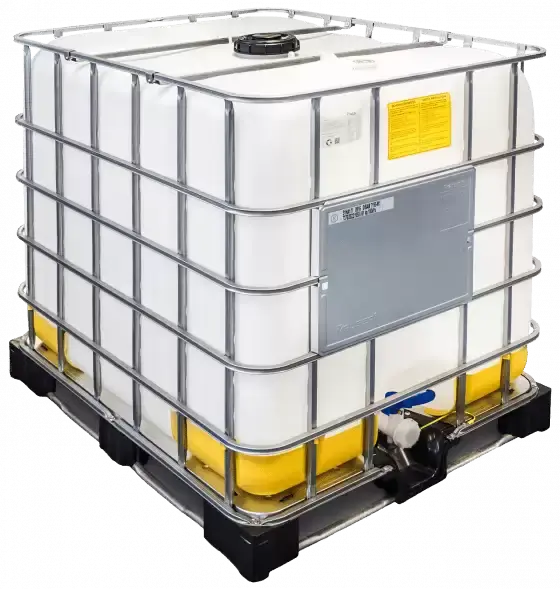
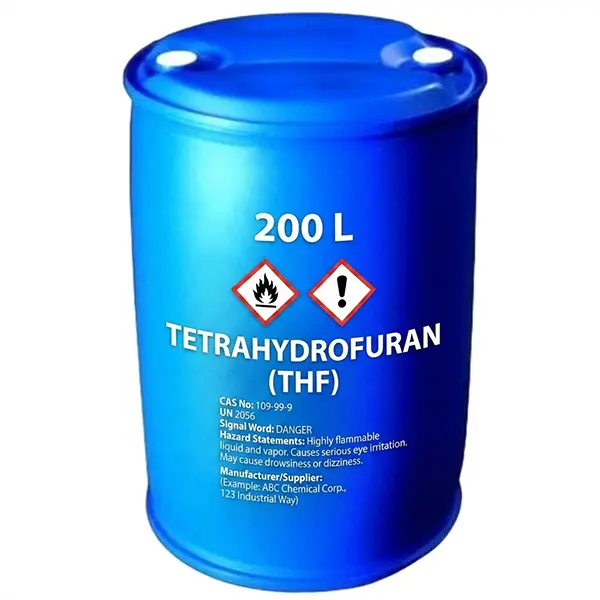
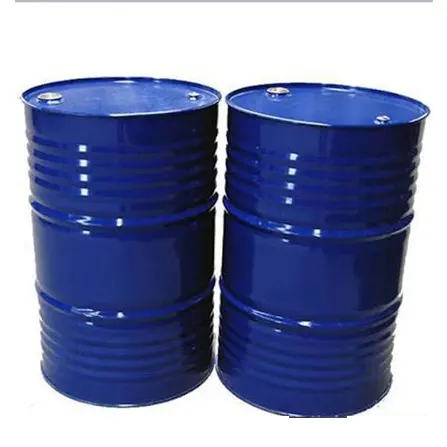
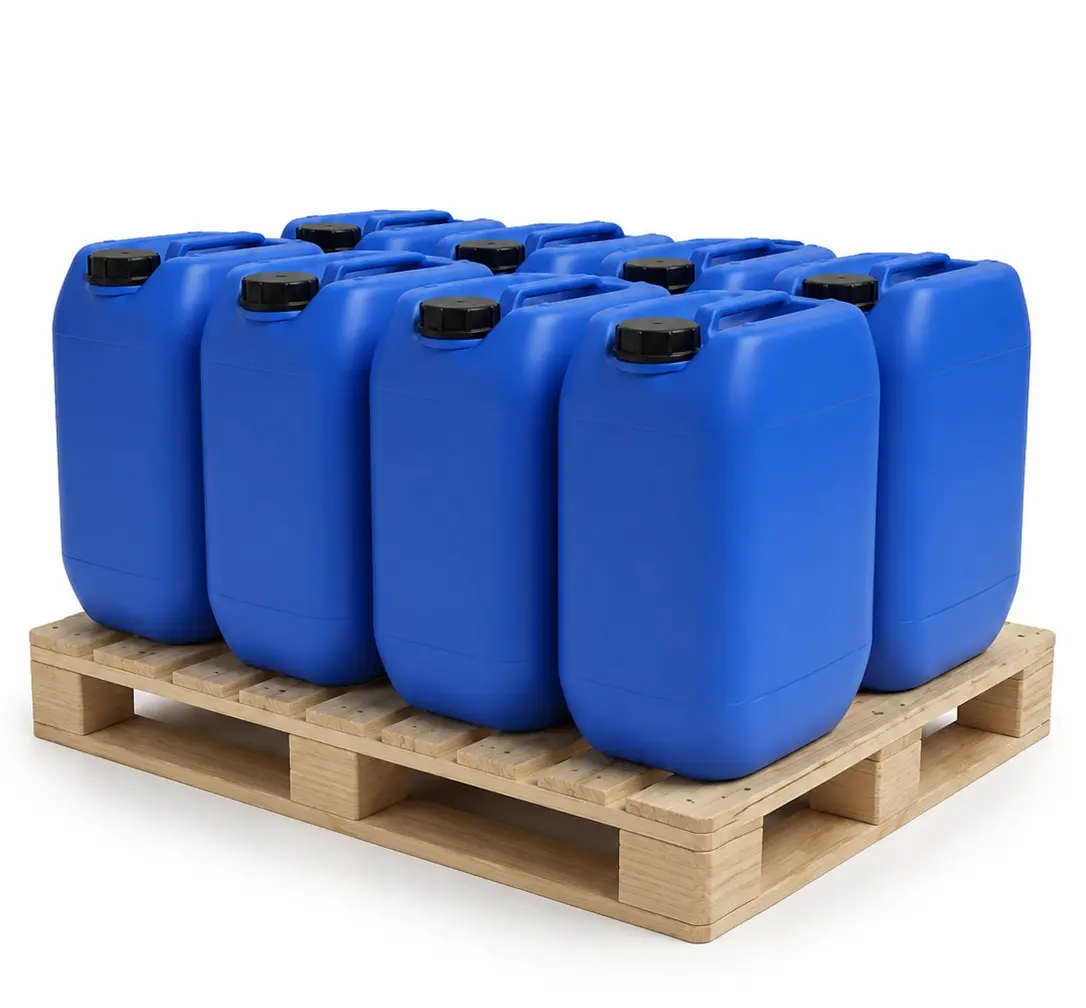
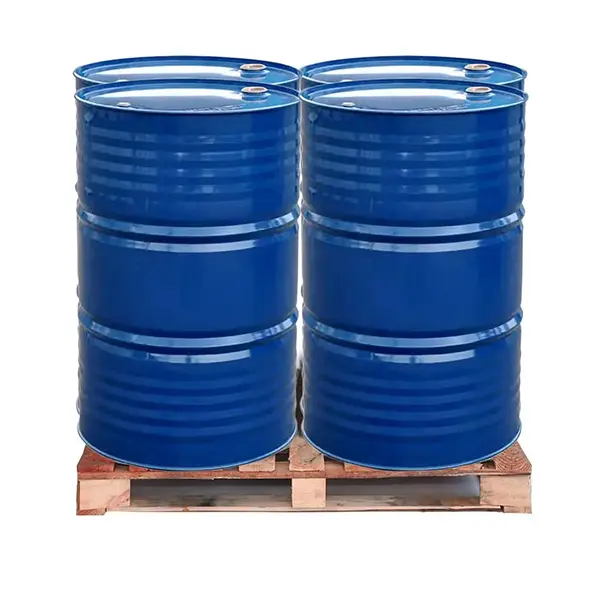
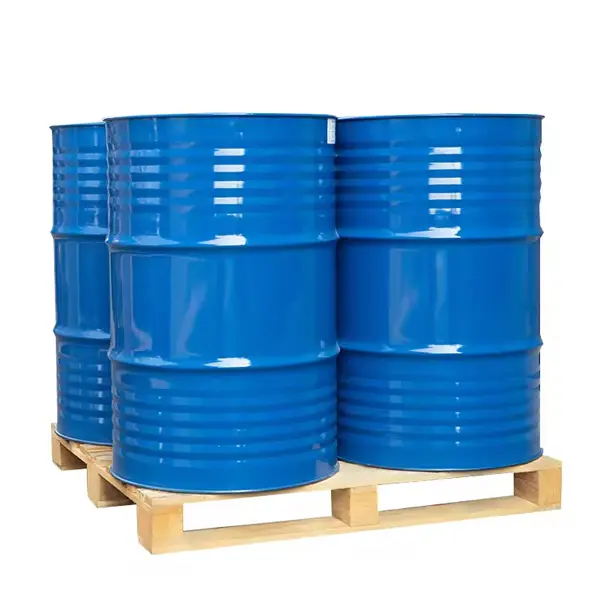
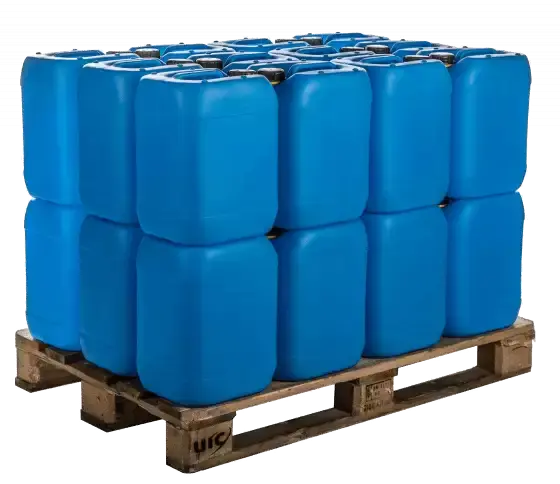
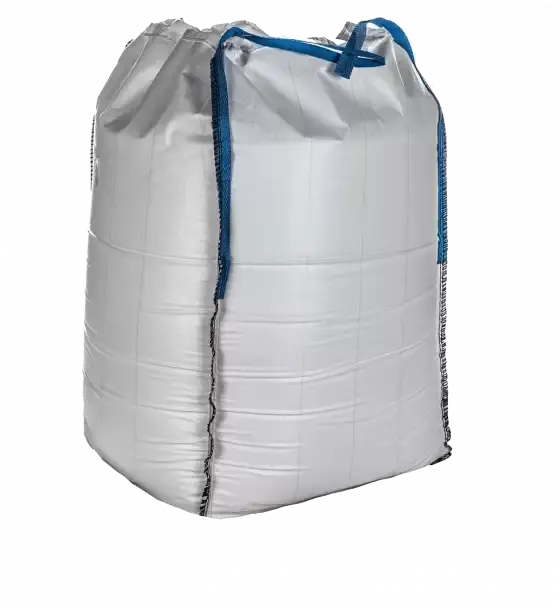
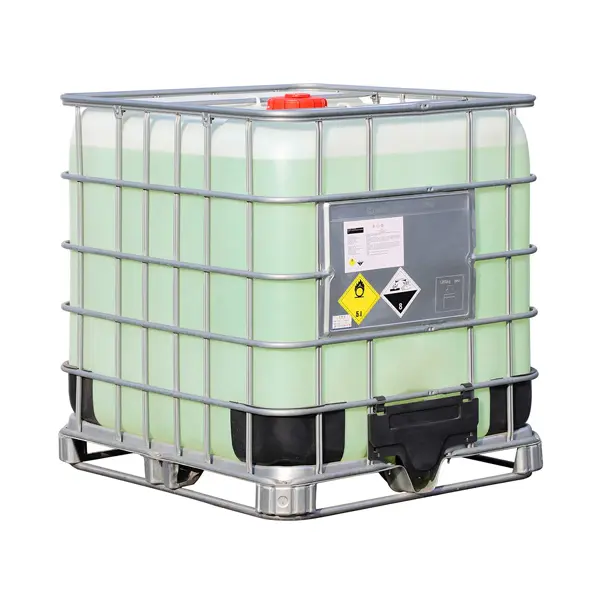
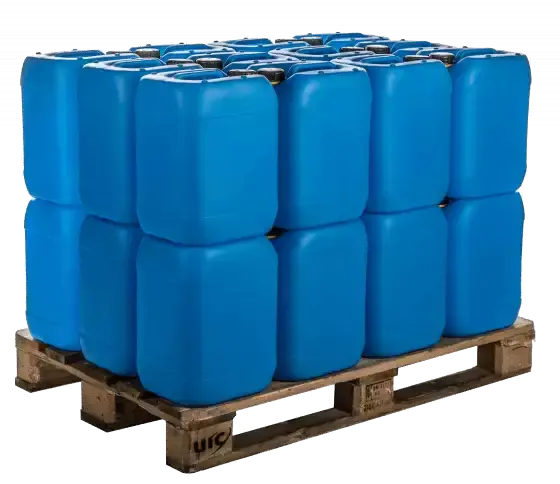
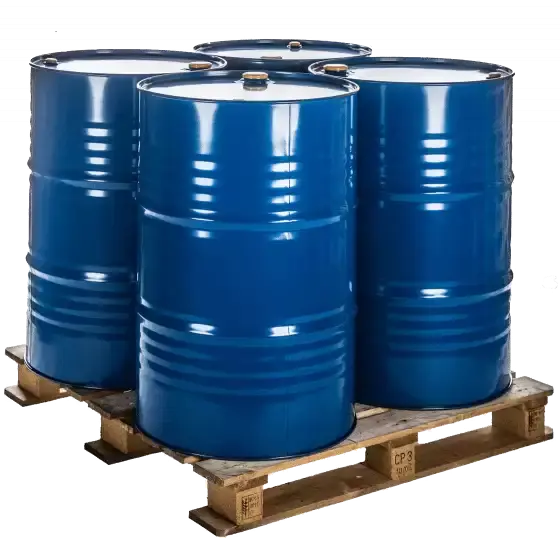
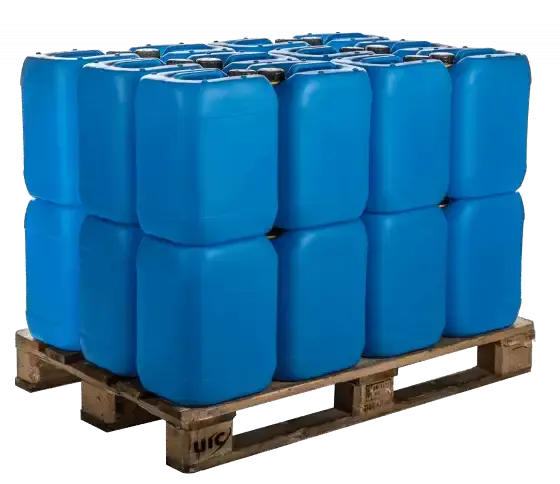
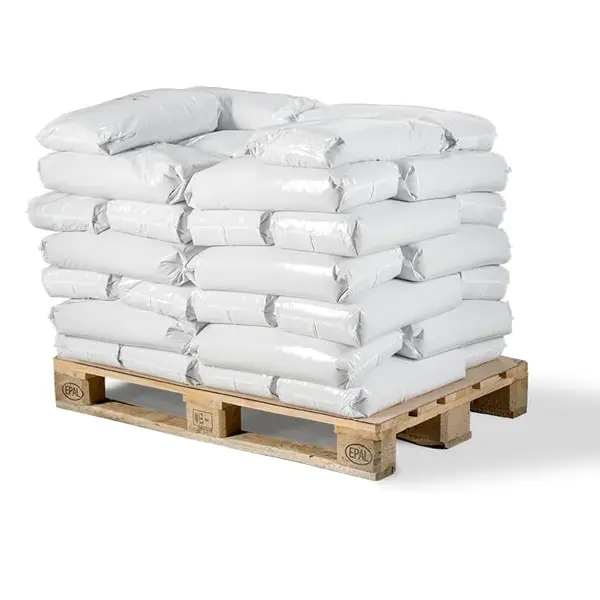
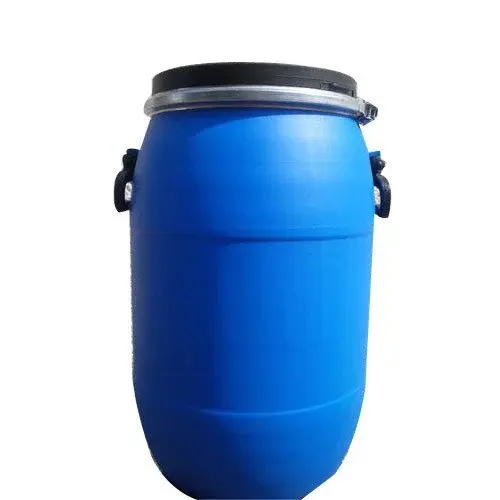
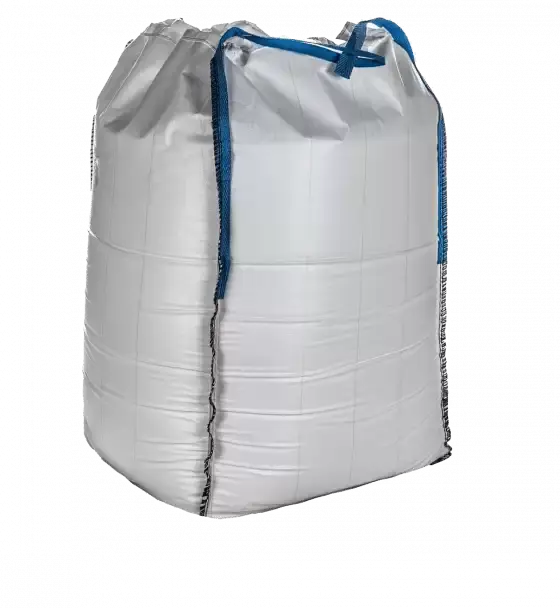
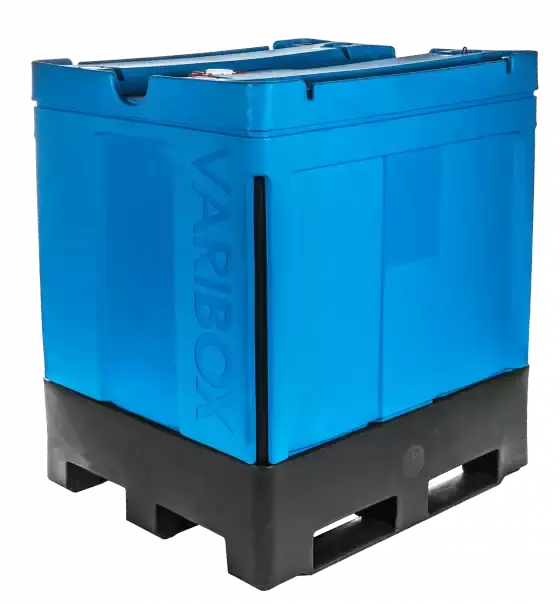
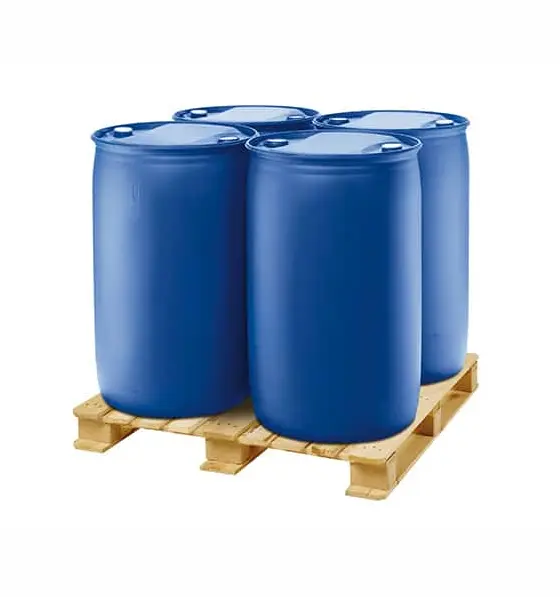
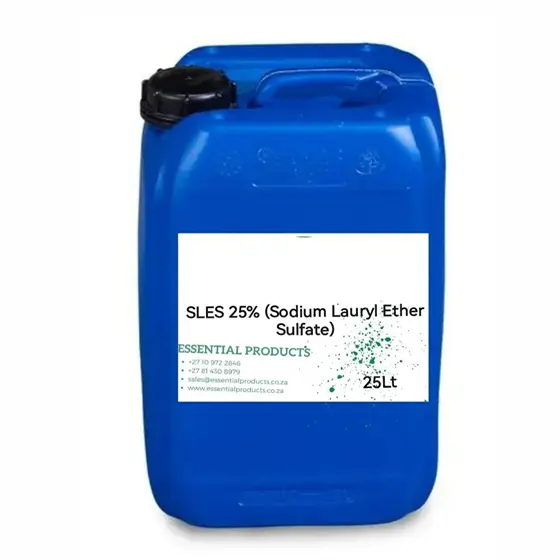
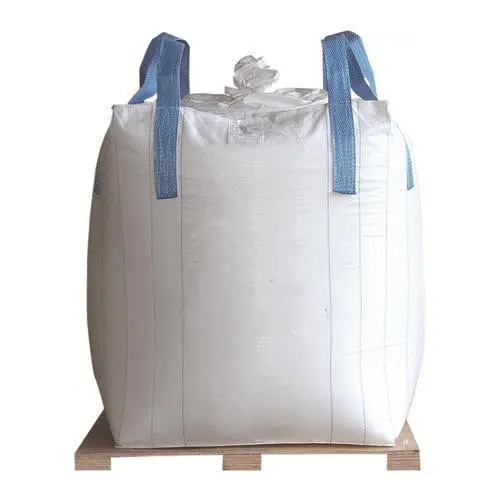
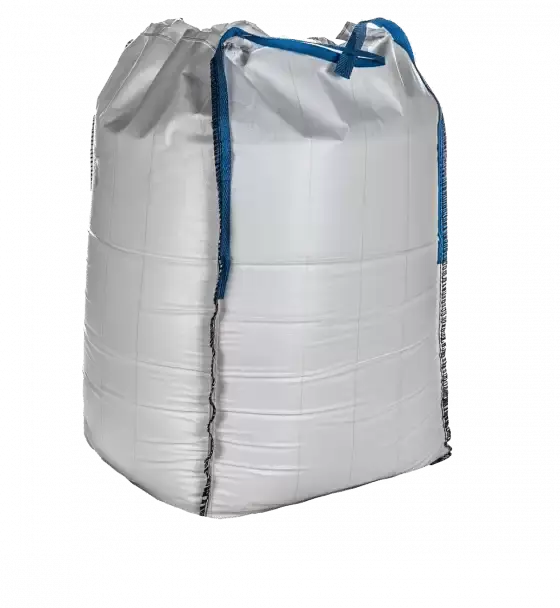
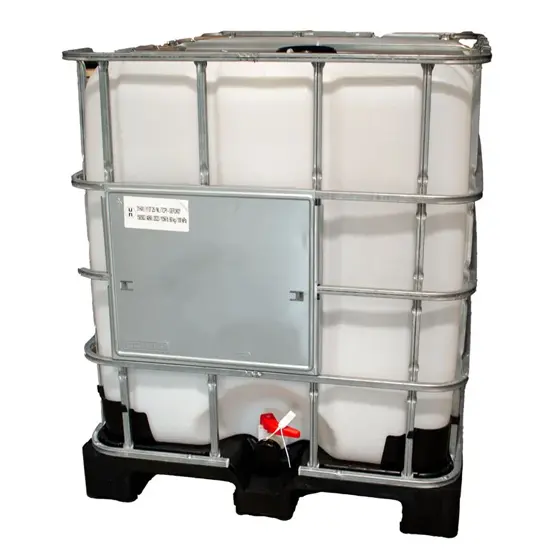
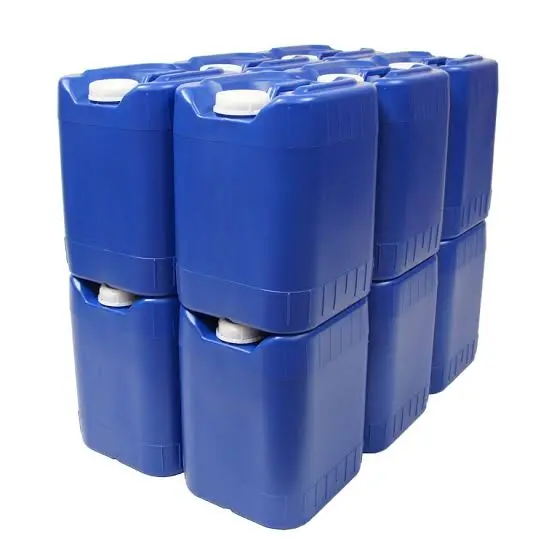
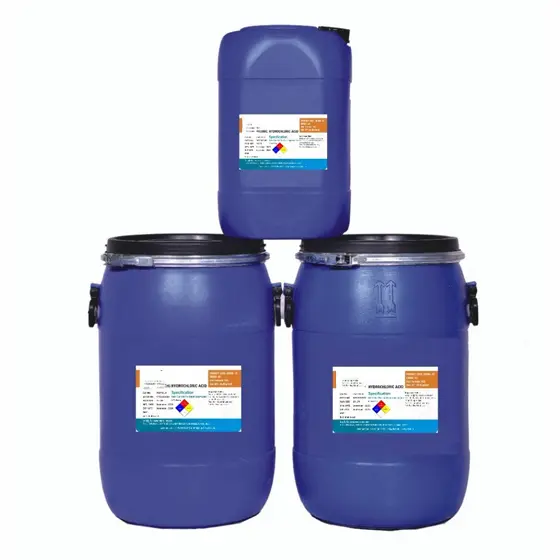
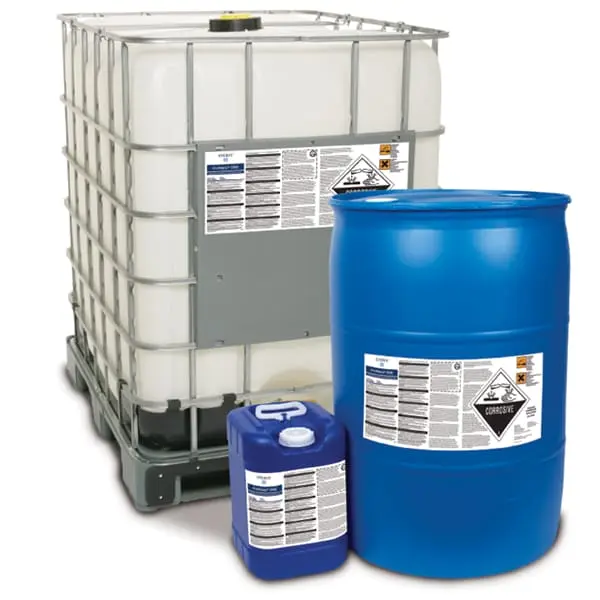
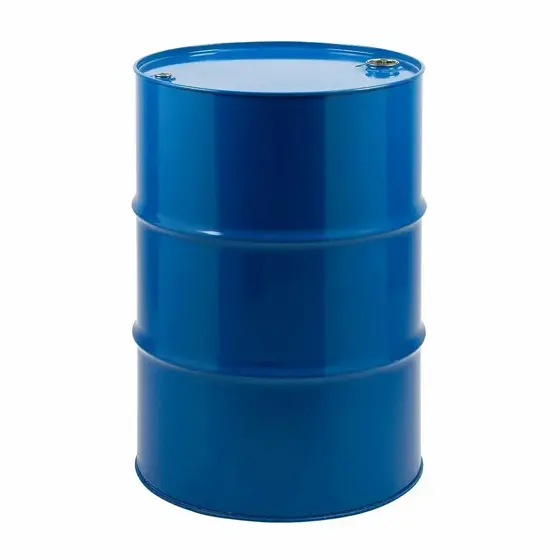
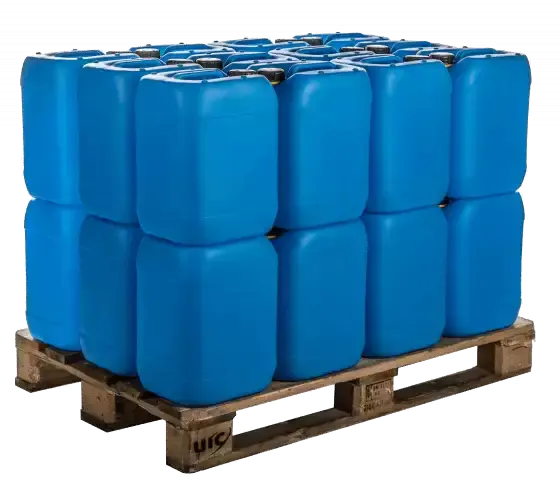
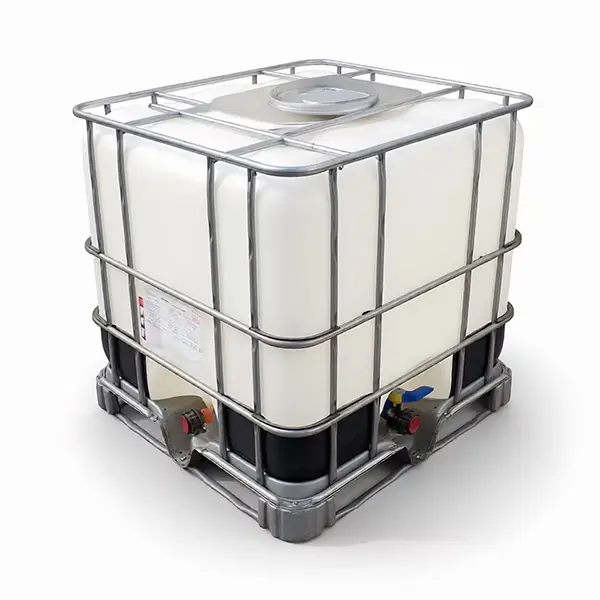
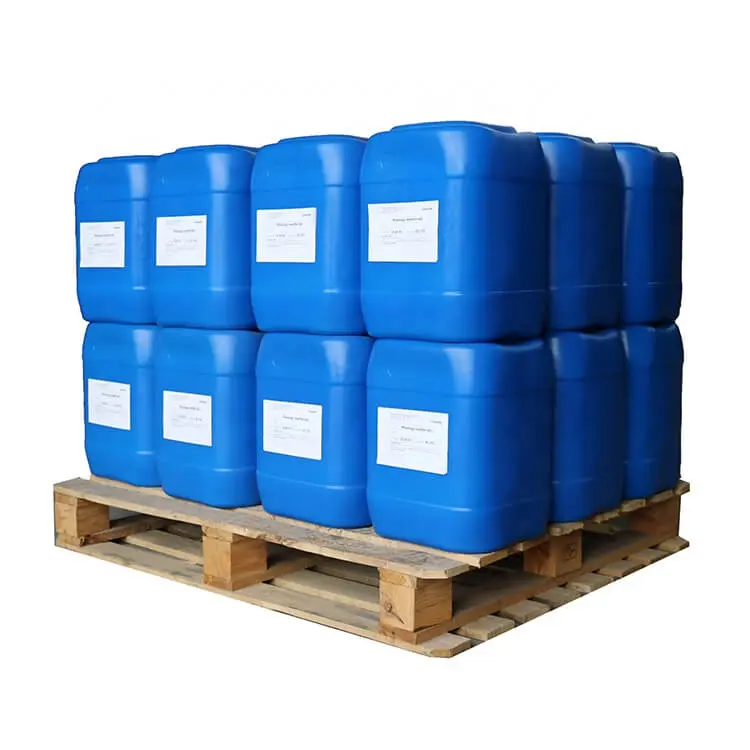
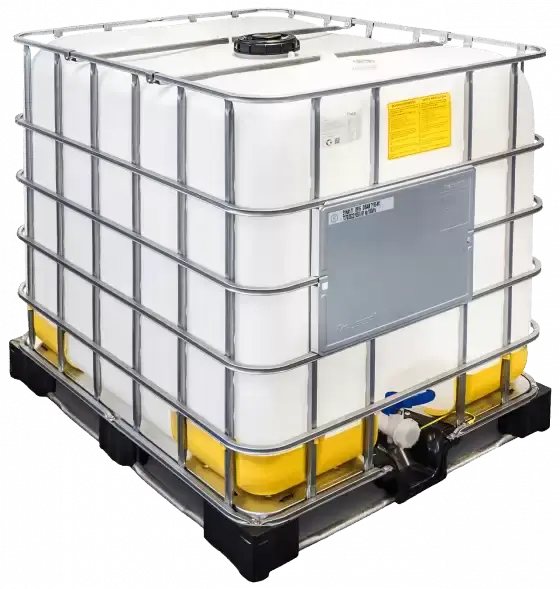
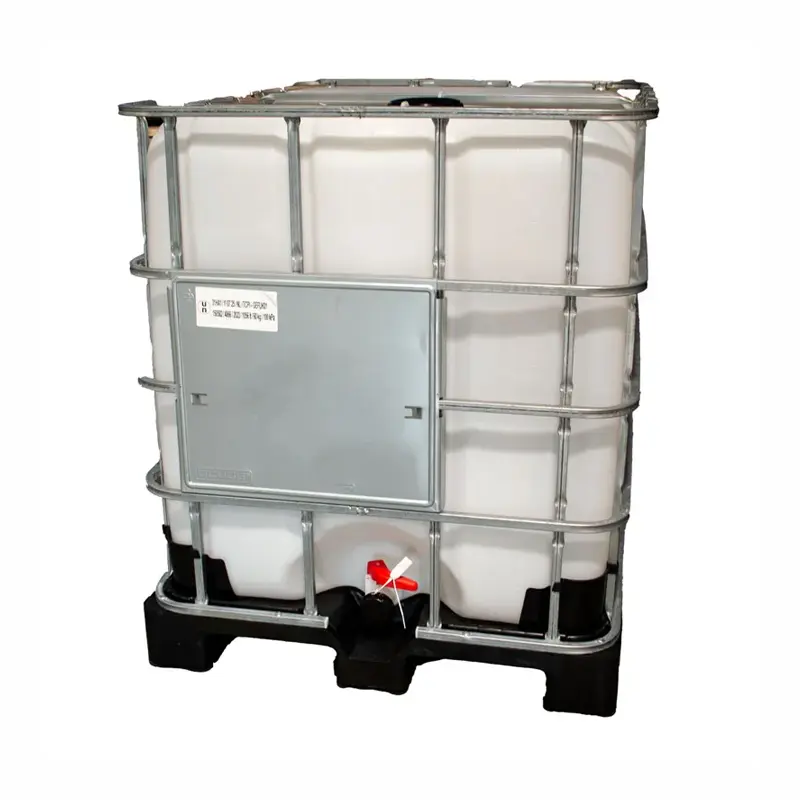
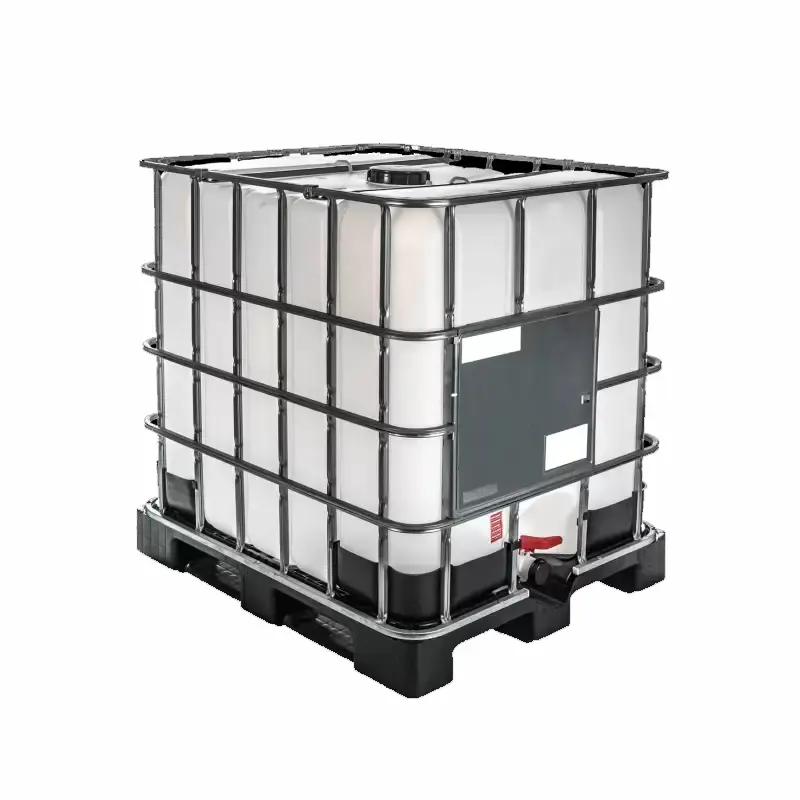
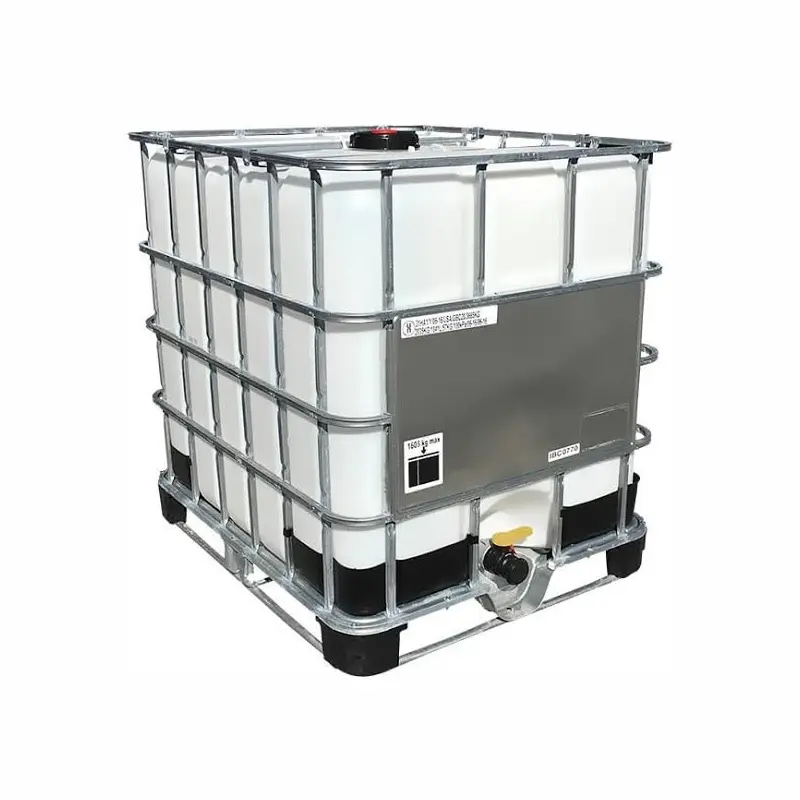
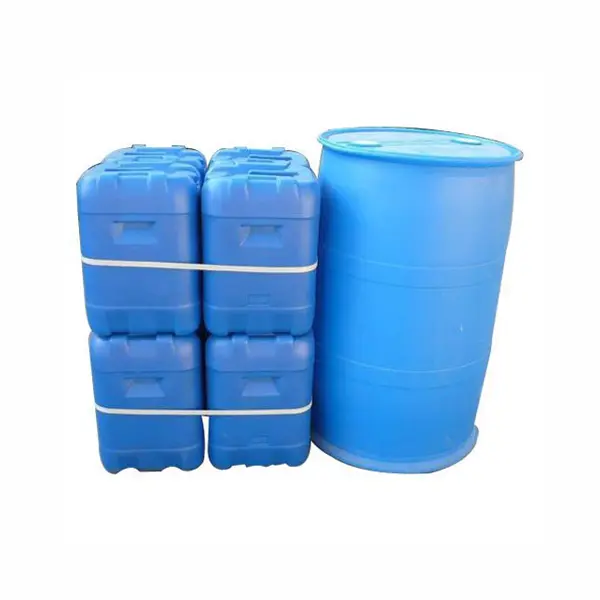
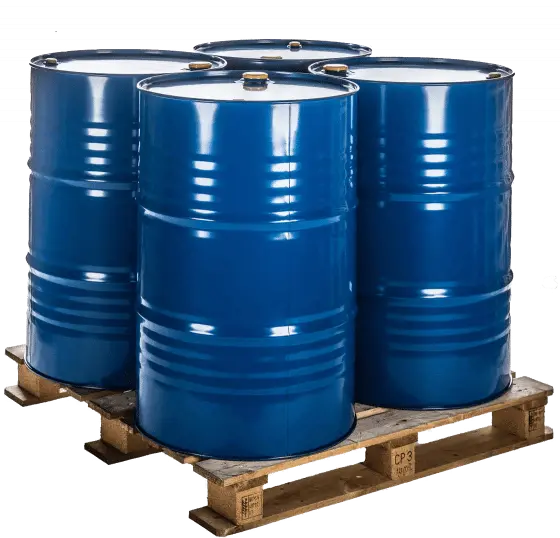
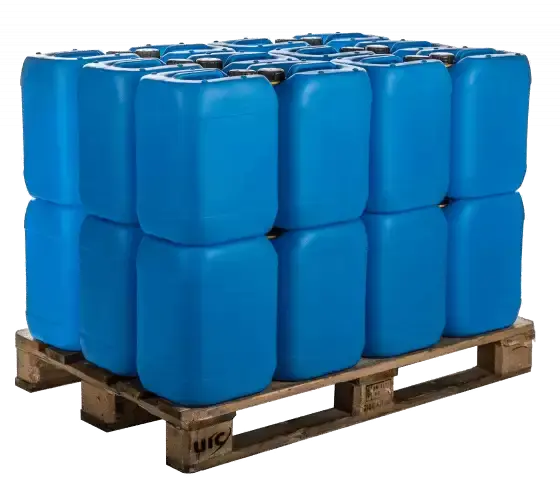
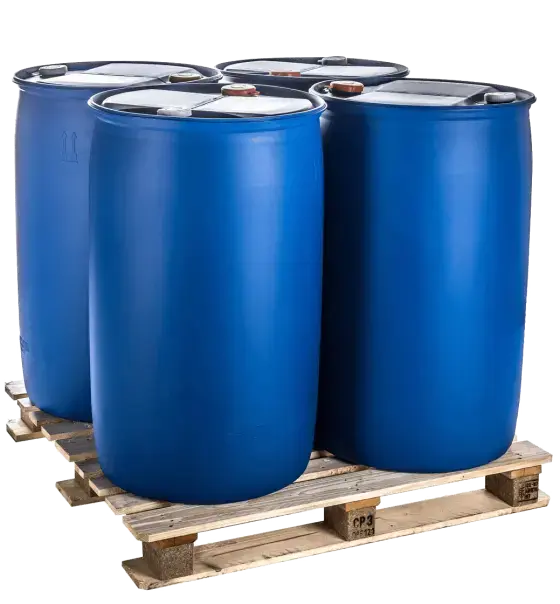
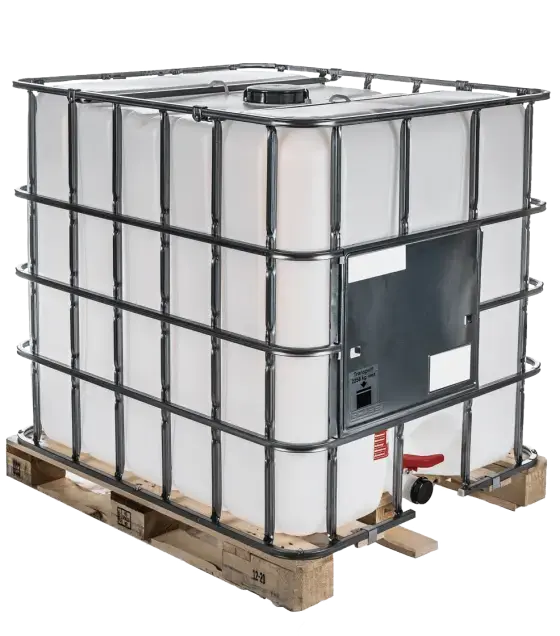
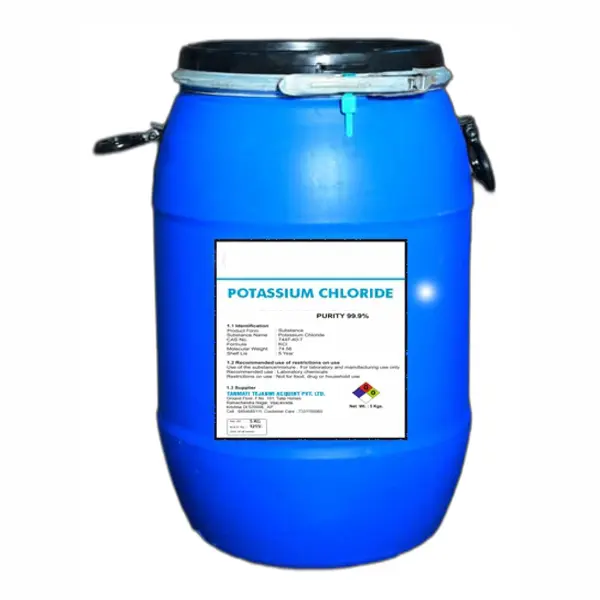
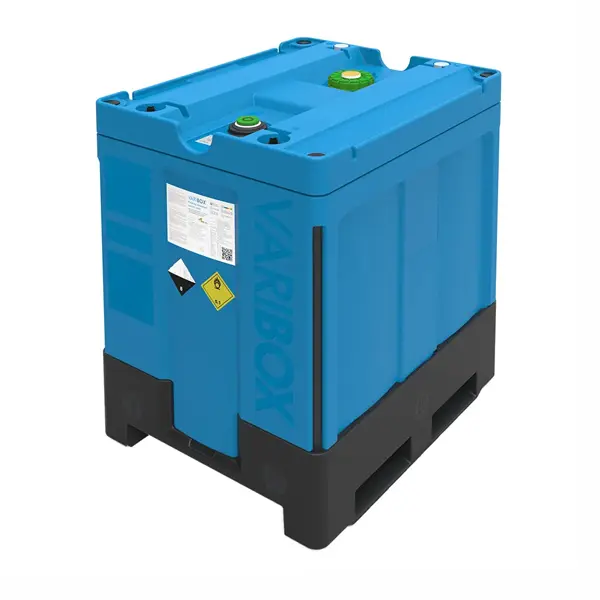
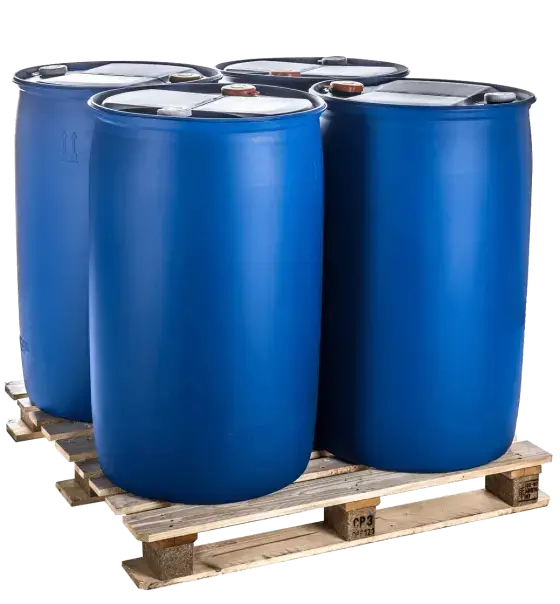
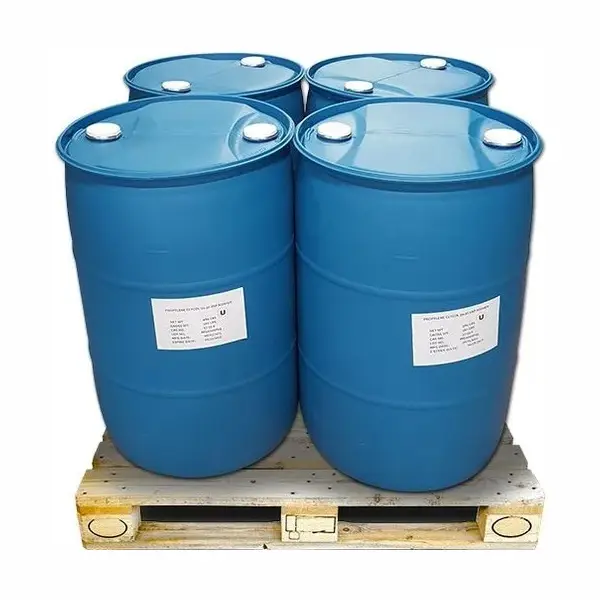
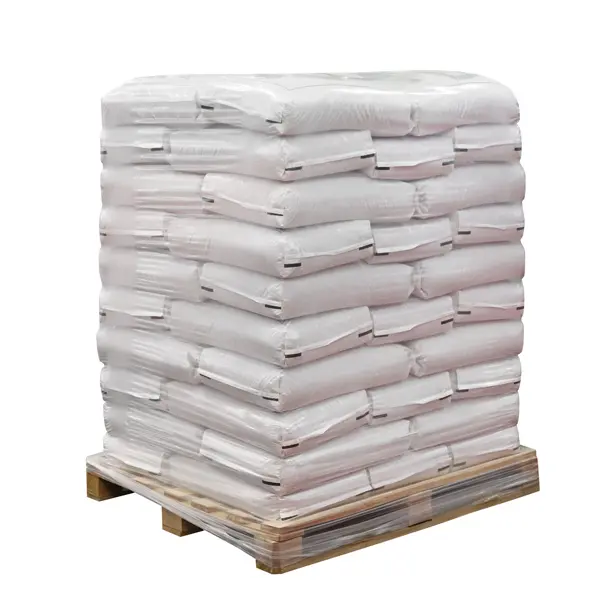
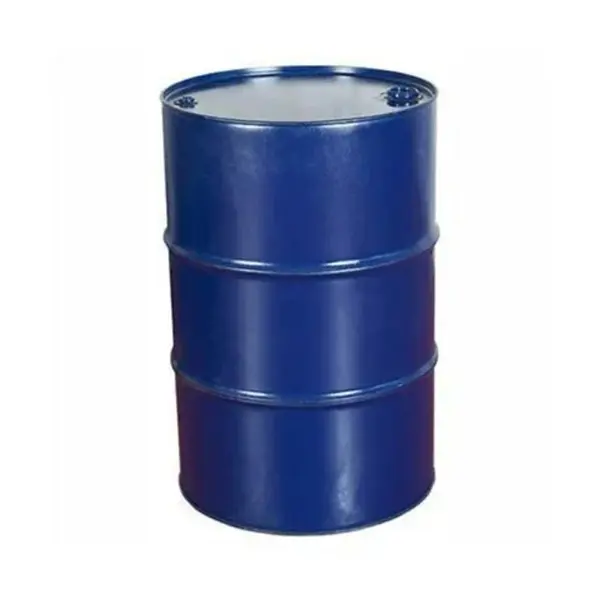
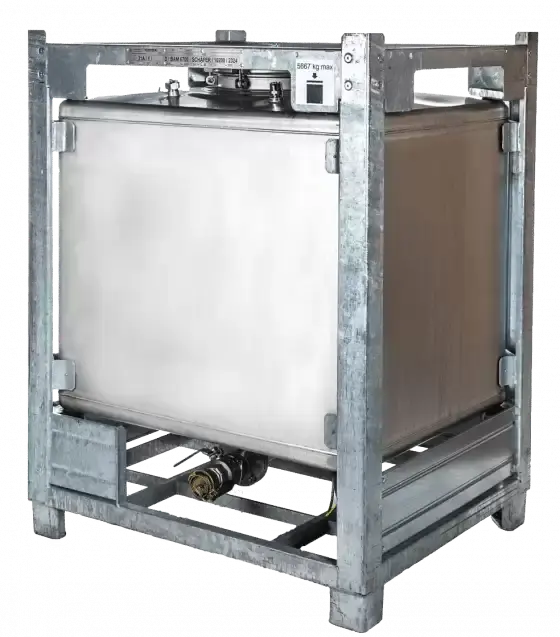
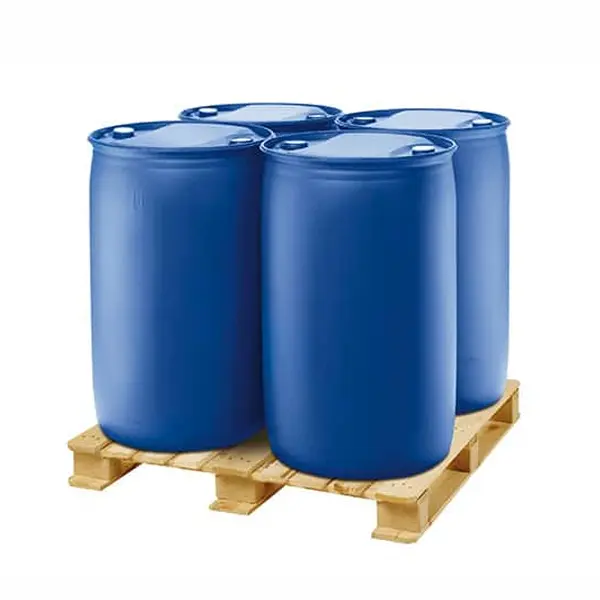
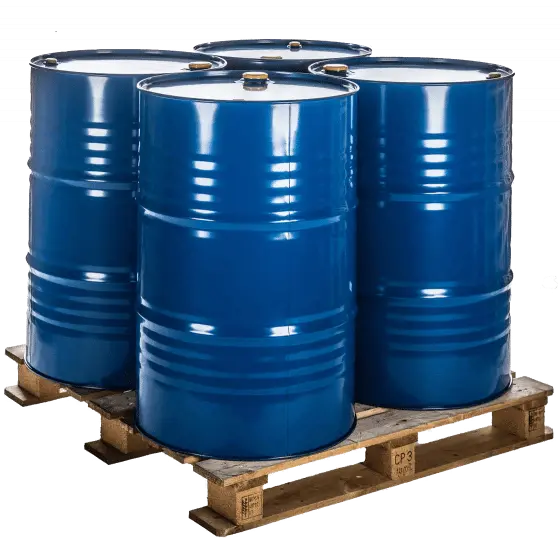
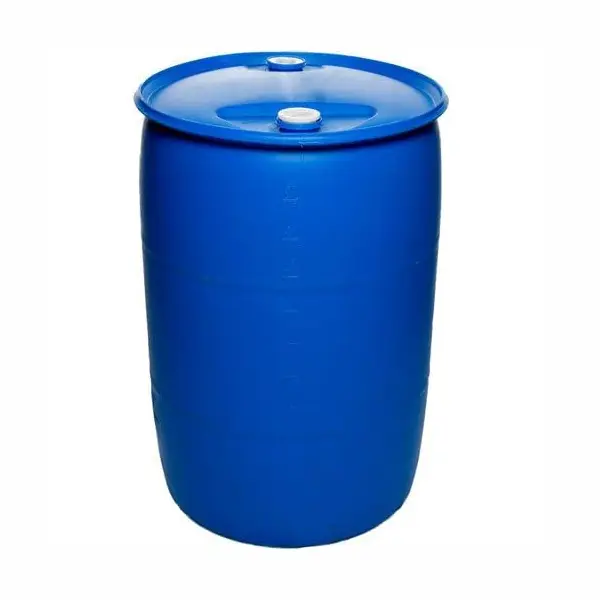
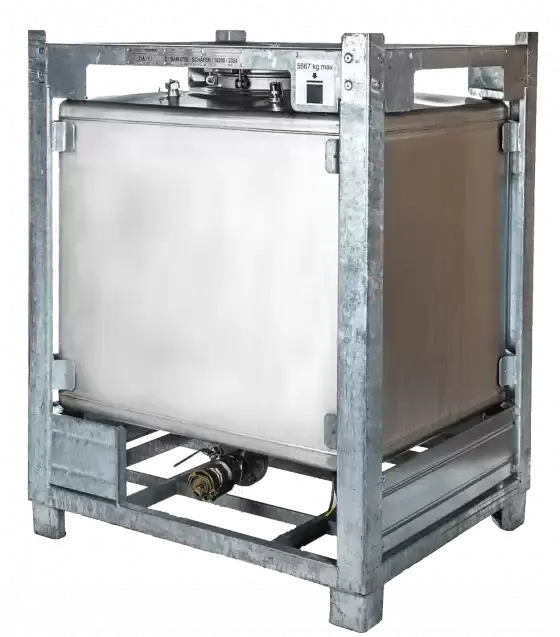
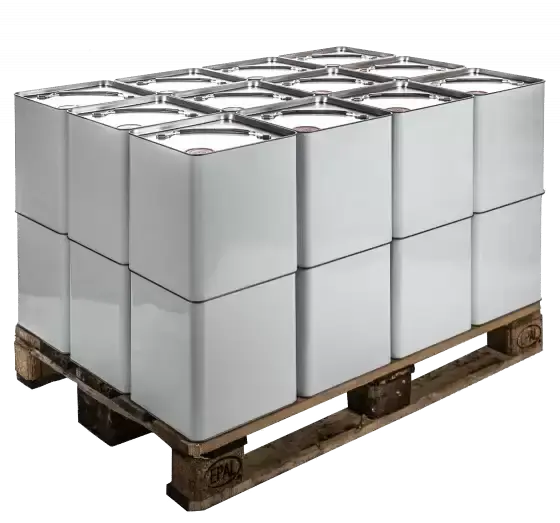
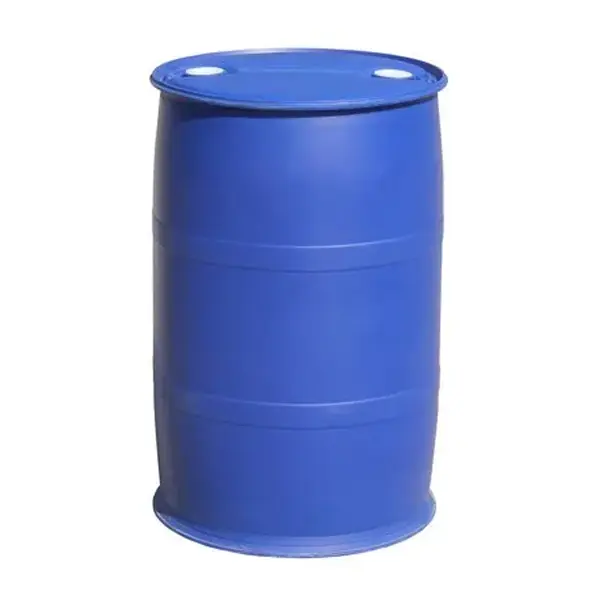
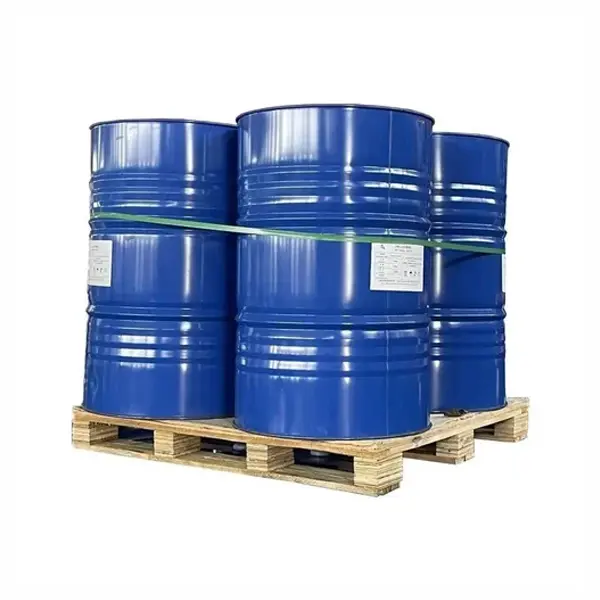
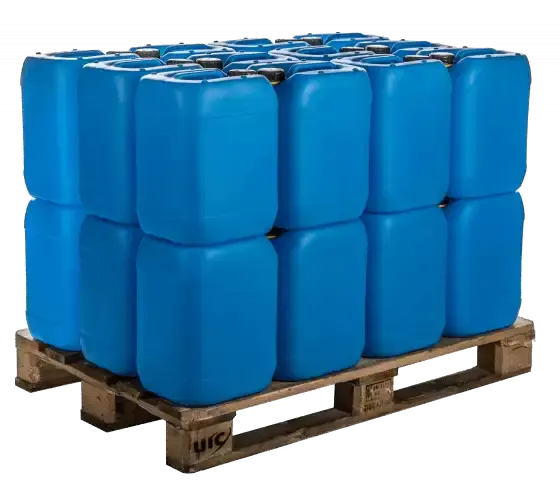
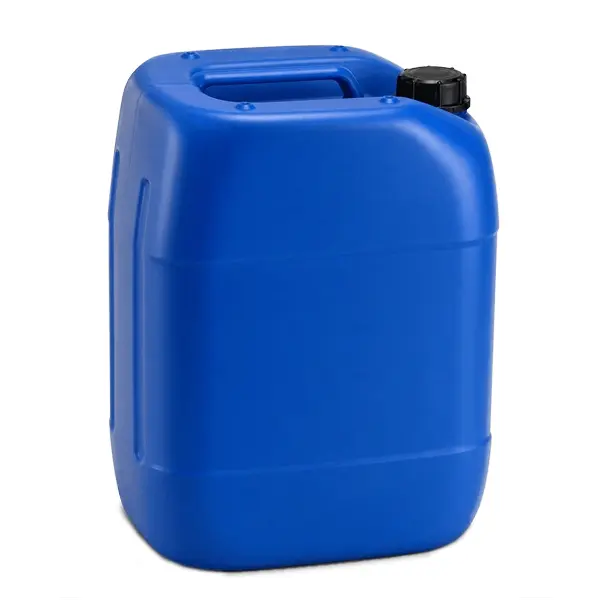
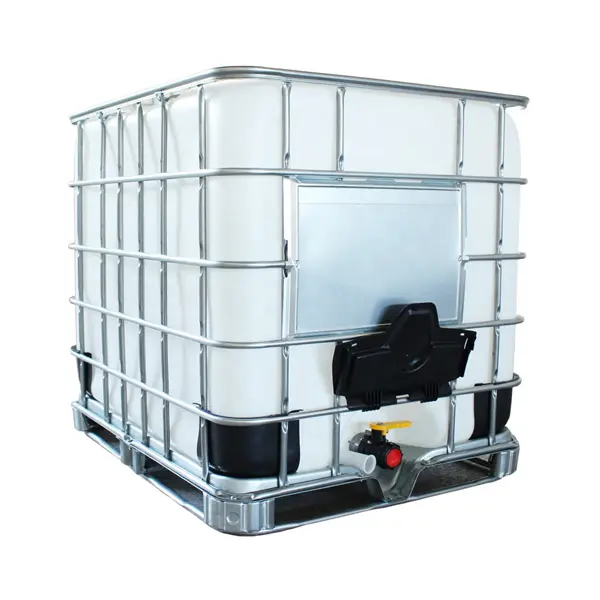
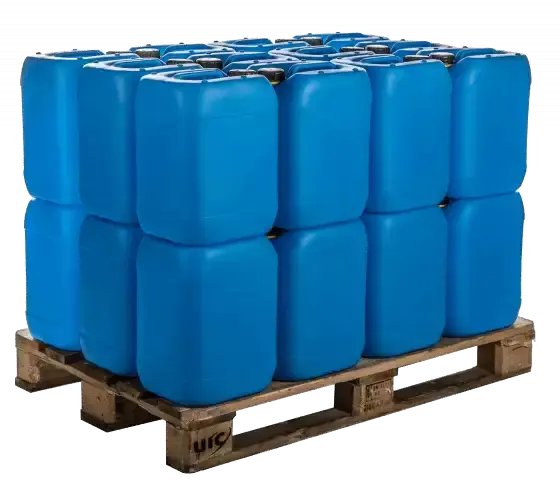
| Packaging | Sealed containers, drums, or bulk supply, depending on supplier |
| Storage | Store in compatible, tightly closed containers according to the SDS |
Note: Values are representative reference data and may vary by grade, purity, and test method. Confirm the supplier’s current technical data sheet before purchase. <Cite refs={["turn508153search0","turn508153search2","turn508153search5"]}/>
Storage and Handling
Propylene Carbonate should be handled according to the supplier’s Safety Data Sheet (SDS) and established workplace safety procedures. Avoid contact with eyes and prolonged skin contact, and use suitable gloves and eye protection. Maintain appropriate ventilation during handling and avoid unnecessary exposure to vapours or mists. Store the product in tightly closed, compatible containers in a cool, dry area away from incompatible materials. Follow the supplier’s instructions for spill management, transport, and disposal. <Cite refs={["turn508153search13","turn508153search14"]}/>
Quality and Supply
Propylene Carbonate is available in different commercial grades for industrial, technical, battery-related, and laboratory applications. Buyers should verify purity, water content, appearance, density, packaging, and application-specific requirements before ordering. Battery and moisture-sensitive applications may require stricter specifications than general industrial uses.
Conclusion
Propylene Carbonate is a versatile high-boiling solvent used in industrial formulations, chemical processing, battery electrolytes, and selected gas treatment applications. Its solvency and low volatility make it valuable for processes requiring specialized solvent performance. Selecting the appropriate grade and following recommended storage and handling procedures help support consistent quality and safe use.