Sodium Sulfide – Industrial Chemical for Manufacturing and Processing
Sodium Sulfide for Industrial Applications
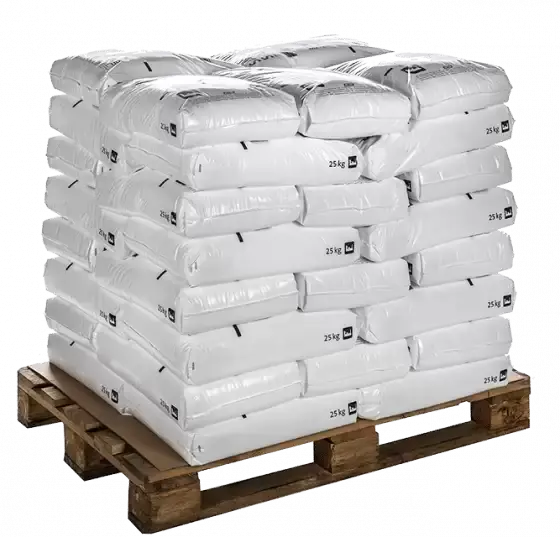
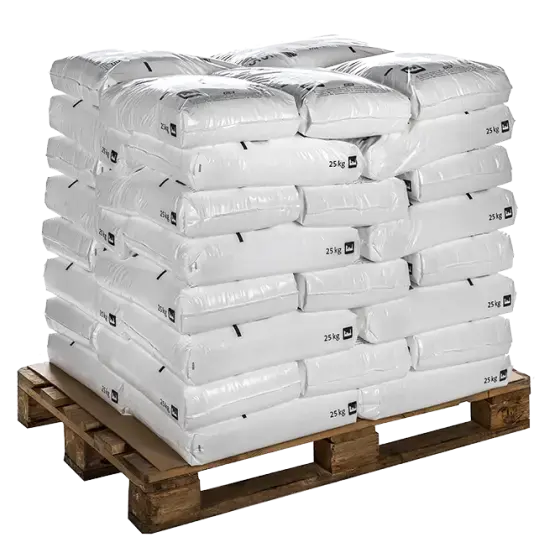
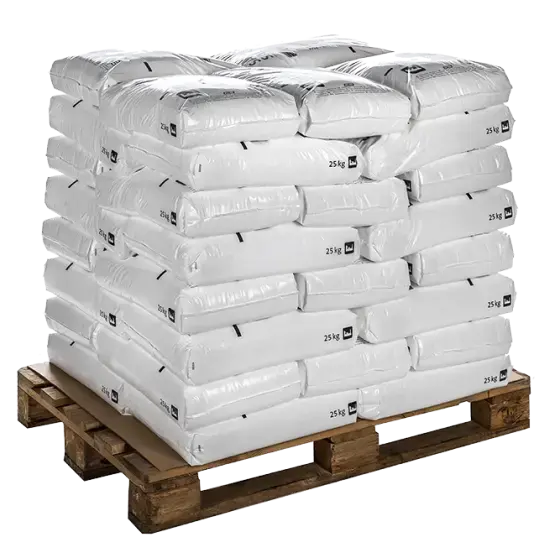
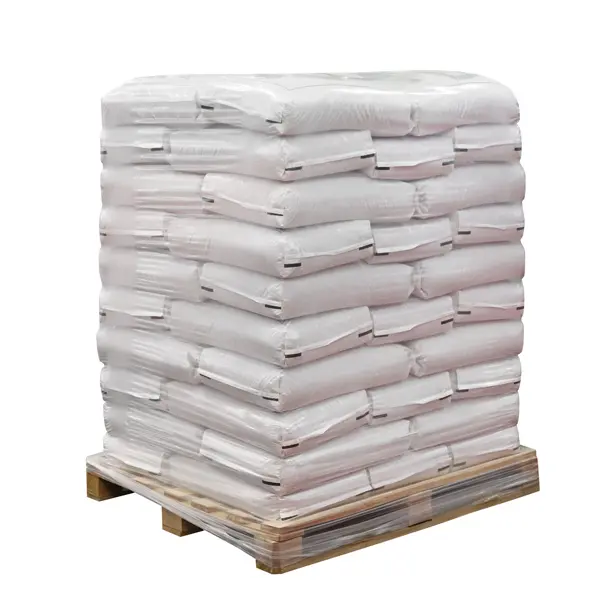
Sodium Sulfide is an inorganic chemical compound widely used in leather processing, textile manufacturing, pulp and paper production, and various chemical industries. It is commonly supplied in solid forms such as flakes or technical-grade products, depending on the manufacturer and intended application. Sodium Sulfide is valued for its reducing properties and ability to react with selected metal compounds, making it an important raw material in several industrial processes. Its chemical characteristics and performance depend on the product grade, purity, and operating conditions.
Applications of Sodium Sulfide
Sodium Sulfide is extensively used in leather processing, particularly in selected hide and skin preparation operations, where it helps remove hair from hides. In the pulp and paper industry, sulfide compounds are involved in certain pulping processes used to separate fibres from wood materials. Sodium Sulfide is also used in textile processing and chemical manufacturing where reducing or sulfide-related reactions are required. In mining and mineral processing, it may be used in selected applications involving metal recovery and ore treatment. The appropriate grade and process conditions should always be determined according to the specific industrial requirements.
Benefits of Sodium Sulfide
Sodium Sulfide provides useful chemical functionality for industrial operations that require reducing action or sulfide chemistry. It supports selected leather-processing applications, contributes to specific chemical manufacturing processes, and serves as a raw material in several industrial formulations. Its versatility makes it valuable across different sectors, provided that the product is selected and handled according to the intended application and technical specifications.
Storage and Handling
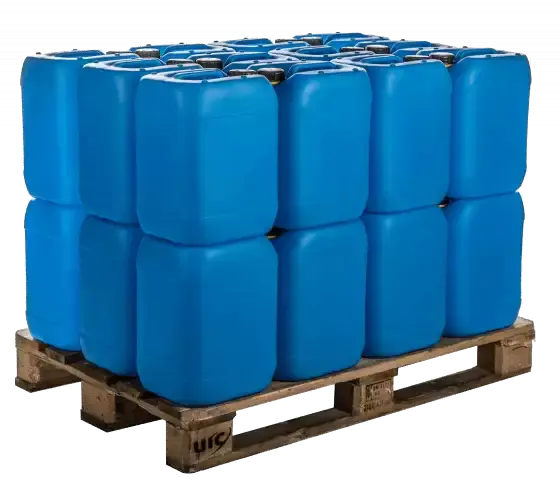
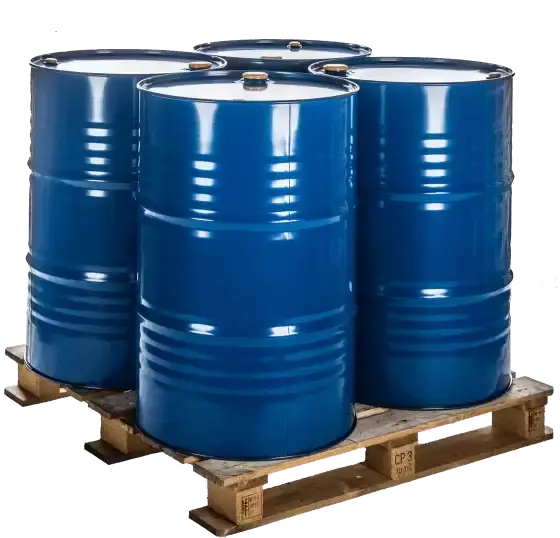
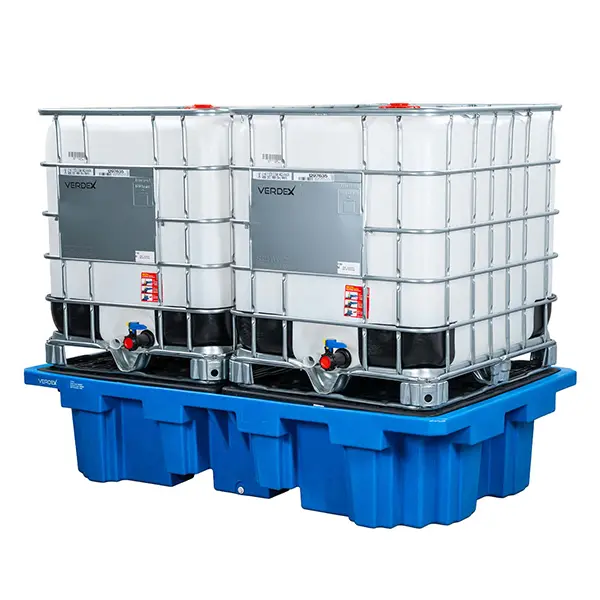
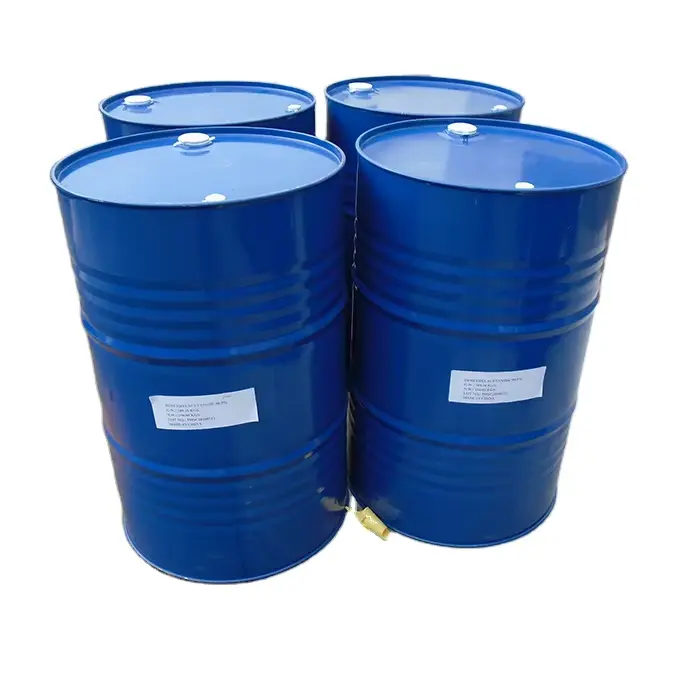
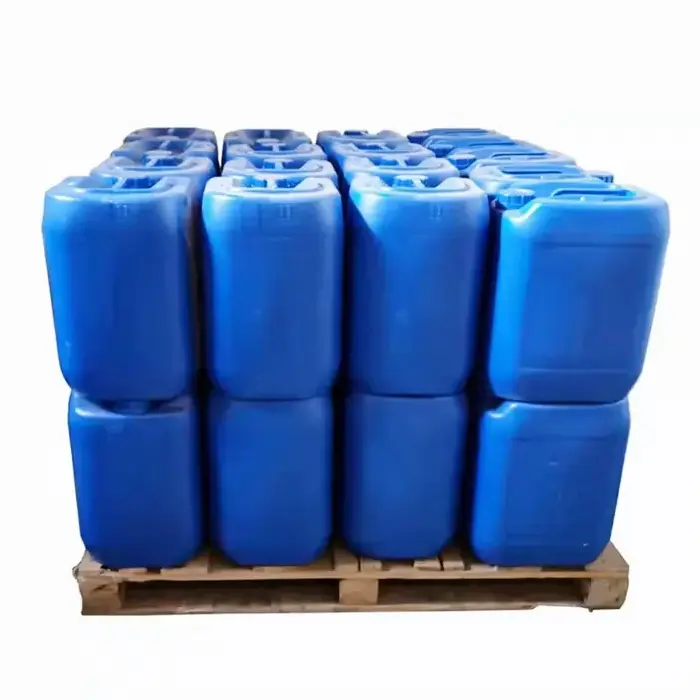
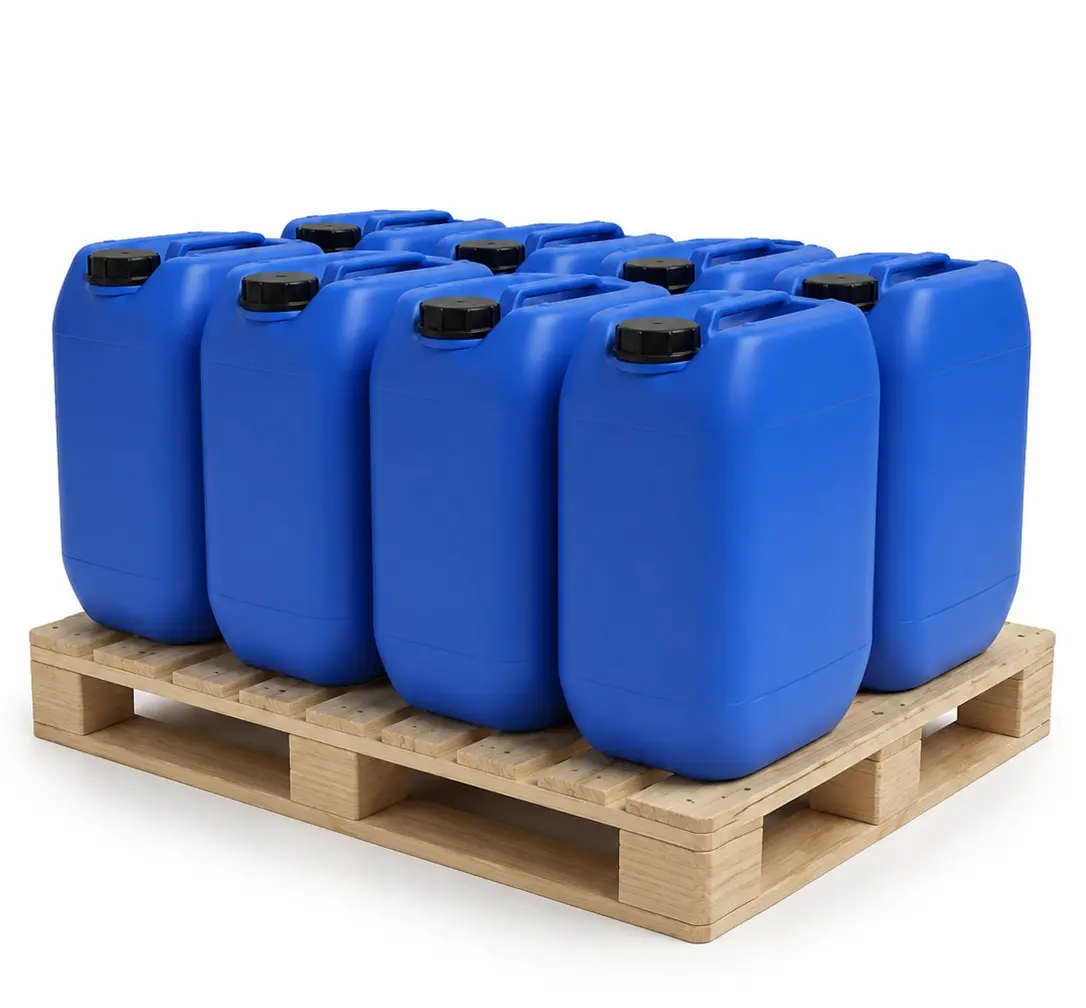
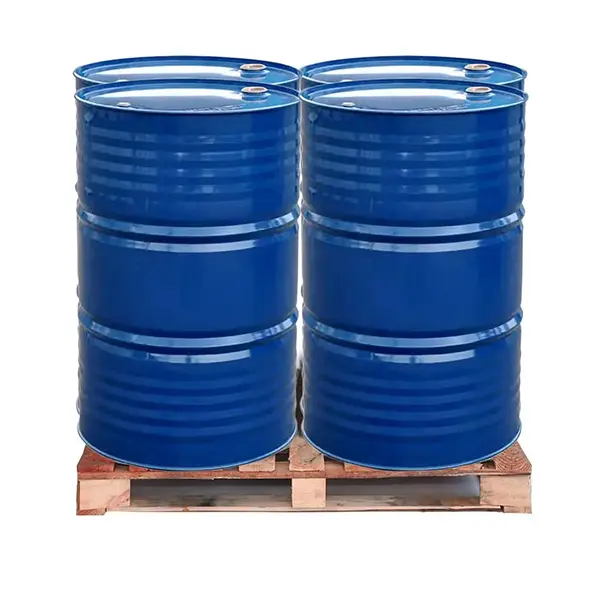
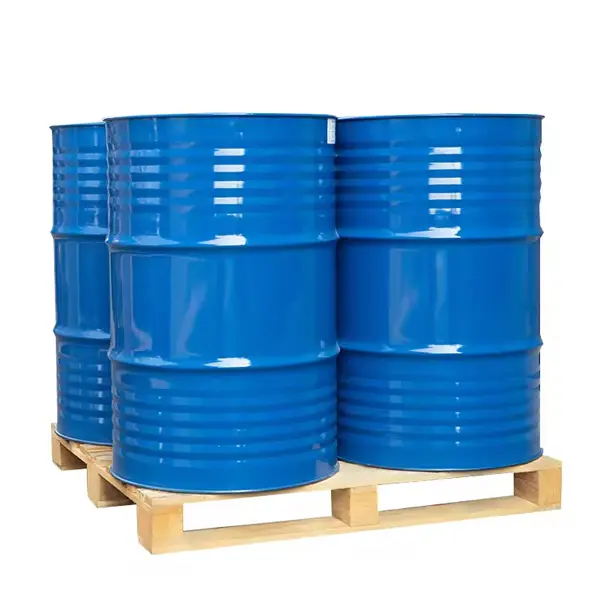
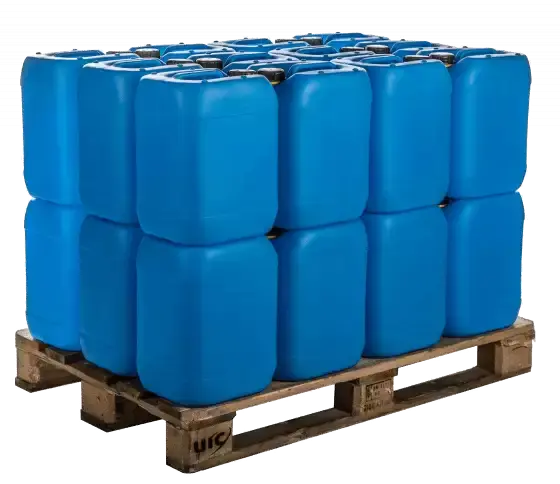
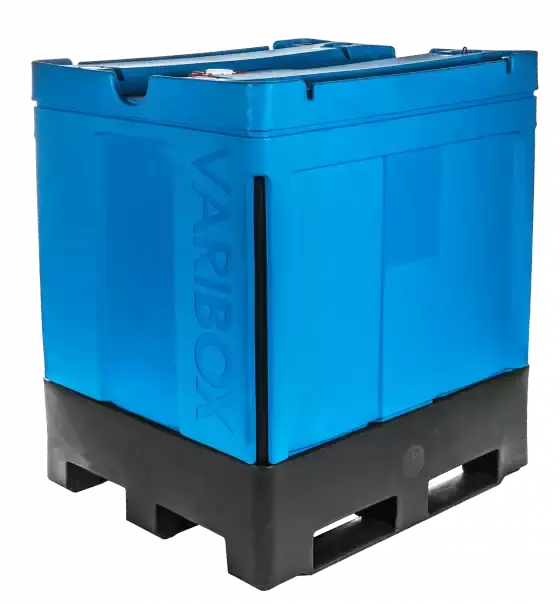
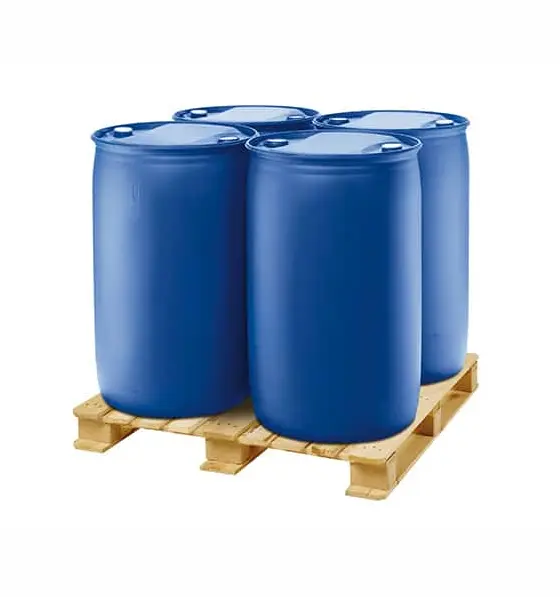
Sodium Sulfide requires careful handling because it can release highly toxic hydrogen sulfide gas when it comes into contact with acids or under certain incompatible conditions. Store it in a tightly closed, compatible container in a dry, well-ventilated area, away from acids, moisture, and incompatible materials. Use appropriate protective equipment and follow the supplier’s Safety Data Sheet (SDS), workplace procedures, and applicable regulations. Ensure suitable ventilation and trained personnel are available for handling and emergency response.
Conclusion
Sodium Sulfide is an important industrial chemical used in leather processing, pulp and paper production, textile manufacturing, and selected mineral-processing applications. Its reducing properties and sulfide chemistry make it valuable for specialised manufacturing processes. Businesses should select the correct grade based on technical requirements and follow strict storage, handling, and safety procedures to ensure responsible use.