Olein – Versatile Oil Fraction for Food Processing, Soap Manufacturing and Industrial Applications
Introduction
Olein is the liquid fraction obtained through the fractionation of fats and oils. It is commonly associated with palm olein, which is produced by separating the liquid portion of refined palm oil from its higher-melting solid fraction, known as stearin. Olein is valued for its liquid consistency, fatty acid composition, and suitability for various food and industrial applications.
Depending on its source and grade, Olein is used in cooking oils, food manufacturing, soap production, oleochemical processing, and selected industrial formulations. Its properties vary according to the original oil, fractionation process, refining conditions, and intended application.
Industrial Applications
Olein is widely used in the food industry, particularly in the production of cooking oils, frying oils, and edible oil blends. Refined palm olein is commonly used for frying and food preparation because of its practical cooking characteristics and relatively good oxidative stability under suitable conditions.
In soap and detergent manufacturing, certain olein grades serve as raw materials for producing soap and other fatty acid-based products. Their fatty acid composition makes them useful in selected saponification and oleochemical processes.
Olein is also used in the production of fatty acids, fatty acid derivatives, and specialty industrial formulations. Depending on the grade, it may be incorporated into lubricants, processing aids, and other applications requiring vegetable oil-derived raw materials.
Key Benefits
- Liquid oil fraction: Provides a fluid oil component suitable for various formulations.
- Food processing utility: Refined edible grades are used in cooking, frying, and food manufacturing.
- Oleochemical applications: Serves as a raw material for producing fatty acids and related compounds.
- Soap manufacturing: Suitable grades can be used in saponification processes.
- Formulation versatility: Can be incorporated into selected edible oil blends and industrial products.
- Multiple grade options: Available in different specifications depending on the source oil and processing method.
Product Specifications
| Parameter | Details |
|---|---|
| Product Name | Olein |
| Common Commercial Type | Palm Olein |
| Chemical Nature | Mixture of triglycerides and fatty acid components |
| Chemical Formula | No single molecular formula; composition varies |
| CAS Number | Depends on source and product classification |
| Appearance | Typically clear yellow to golden liquid at suitable temperatures |
| Odor | Characteristic mild oil odor; varies by refining grade |
| Water Solubility | Insoluble in water |
| Primary Functions | Edible oil ingredient, oleochemical raw material |
| Common Applications | Cooking oils, frying oils, soap manufacturing, fatty acid production |
| Available Grades | Refined edible and technical grades, depending on supplier |
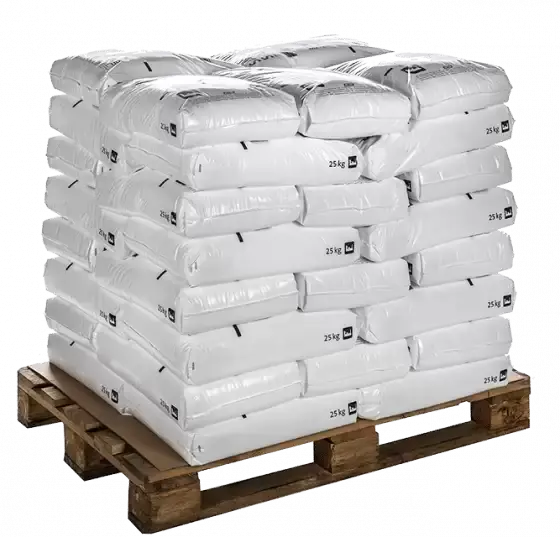
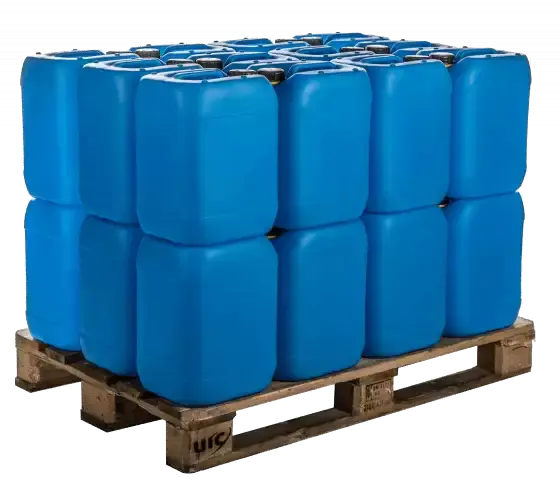
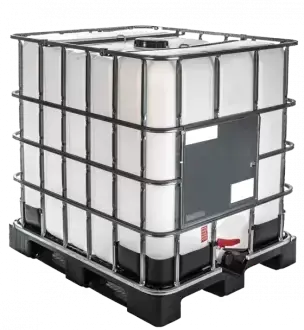
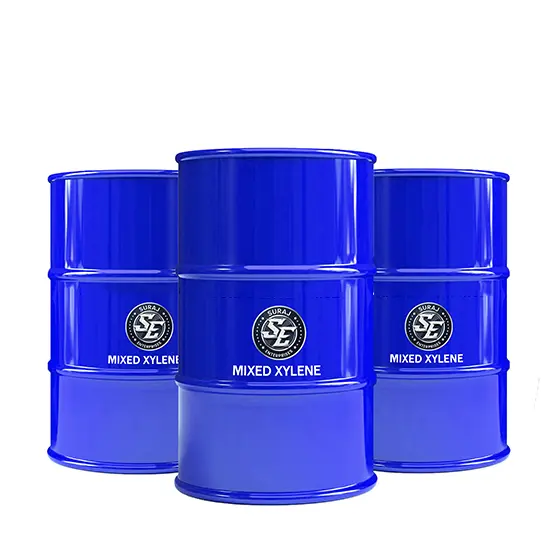
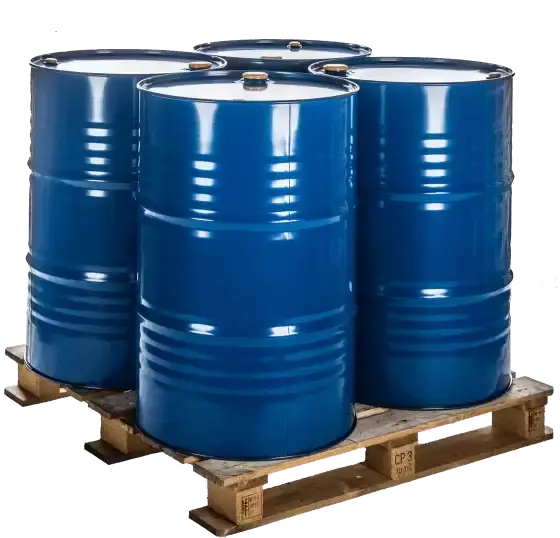
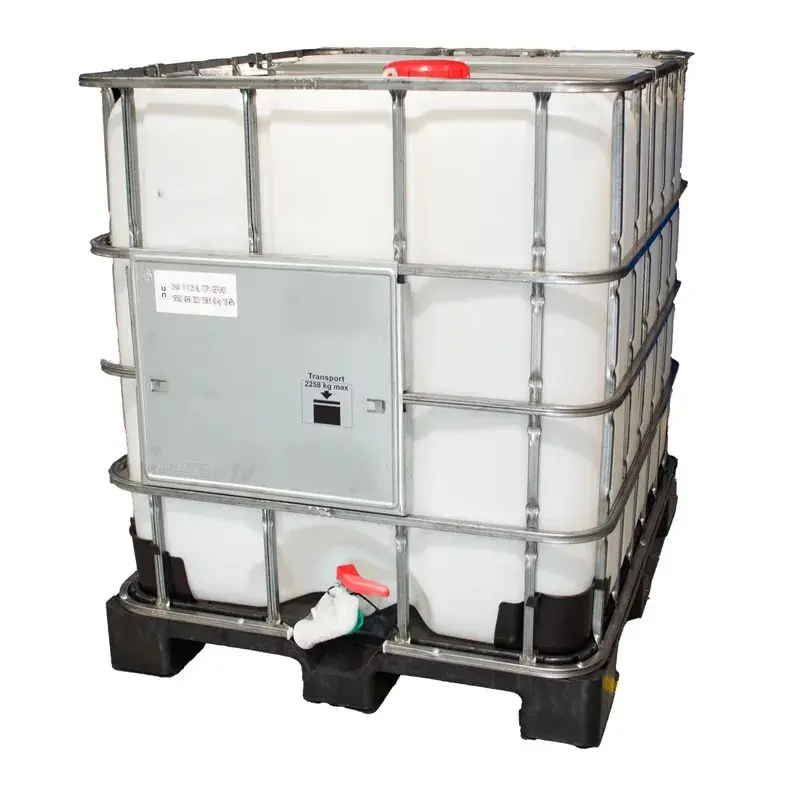
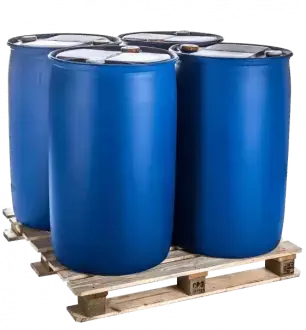
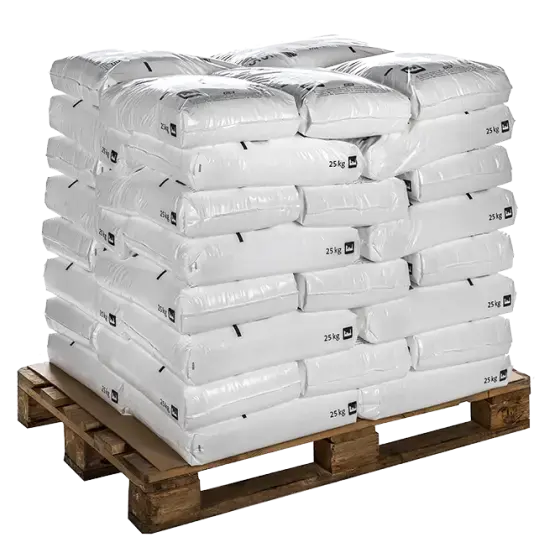
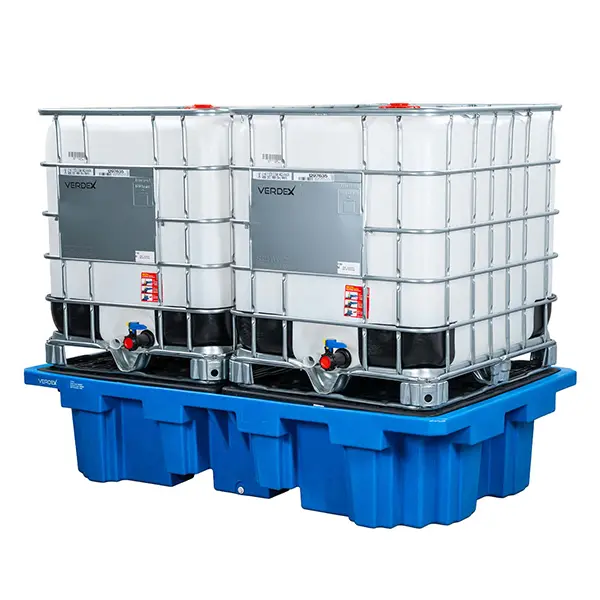
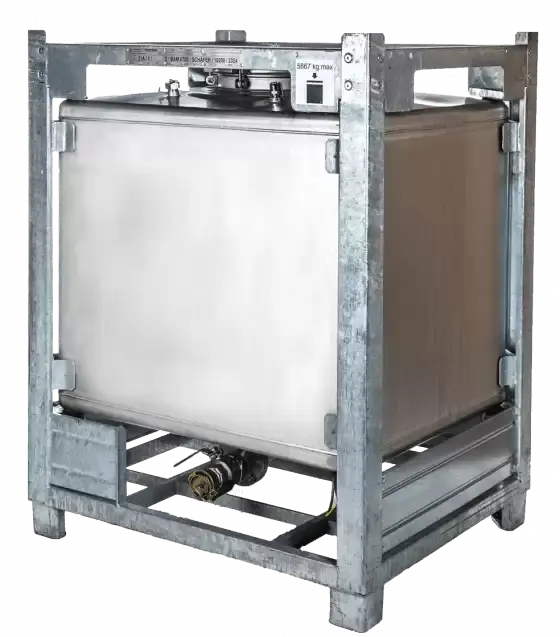
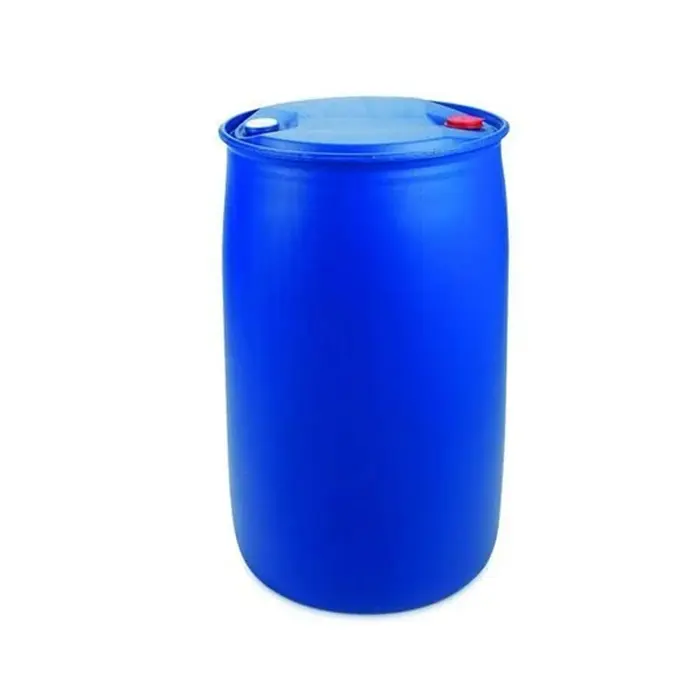
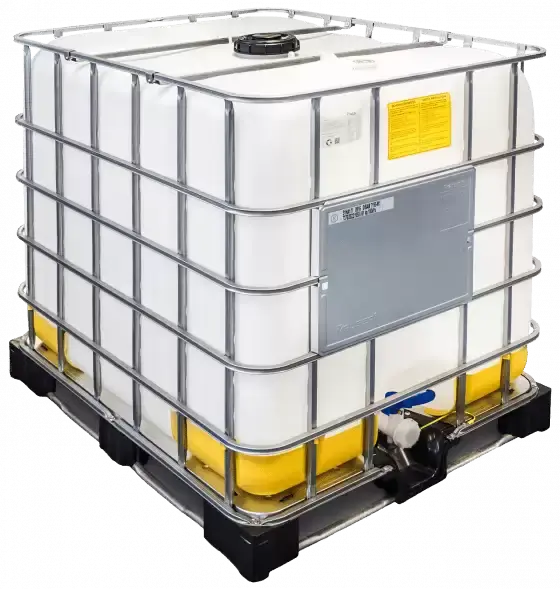
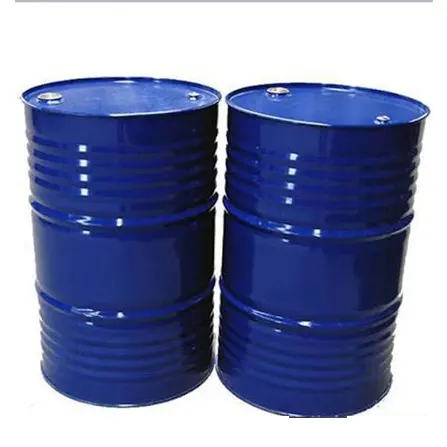
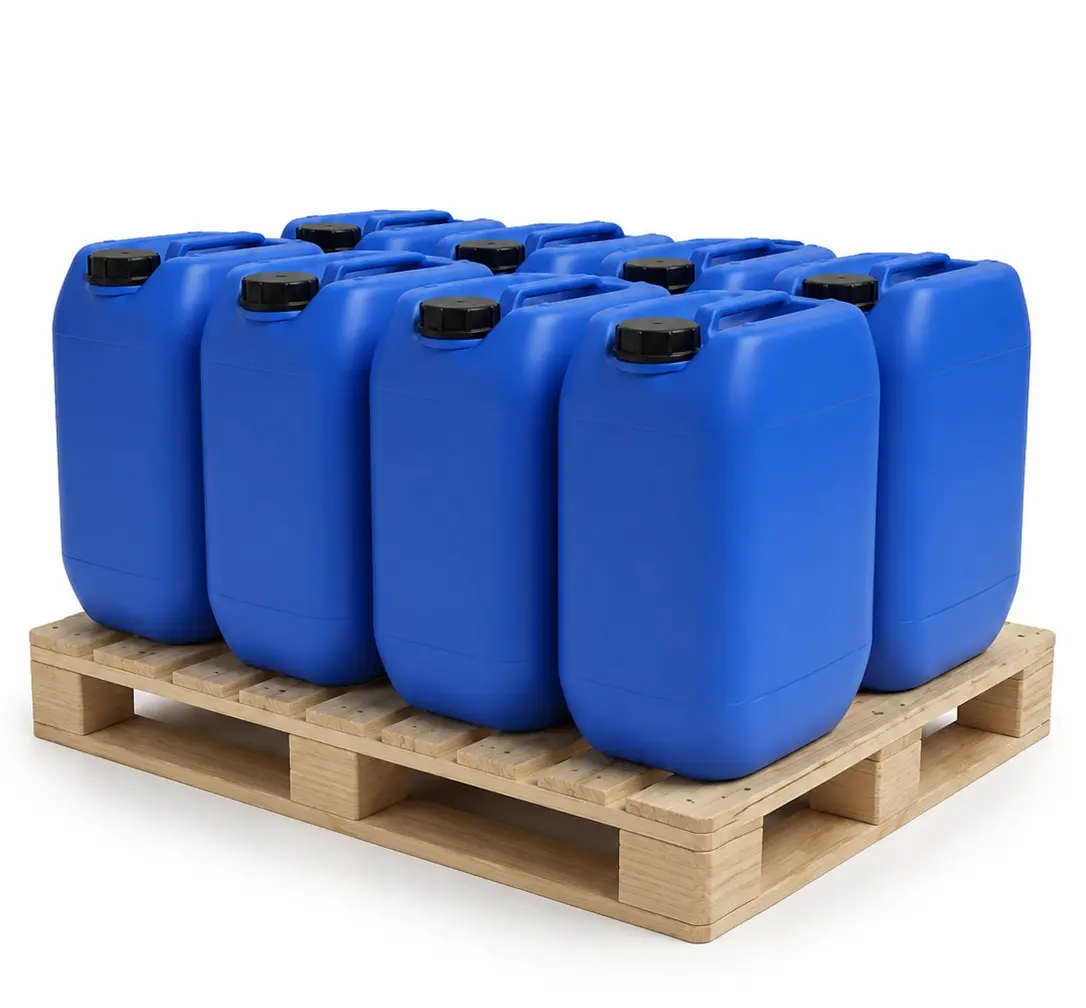
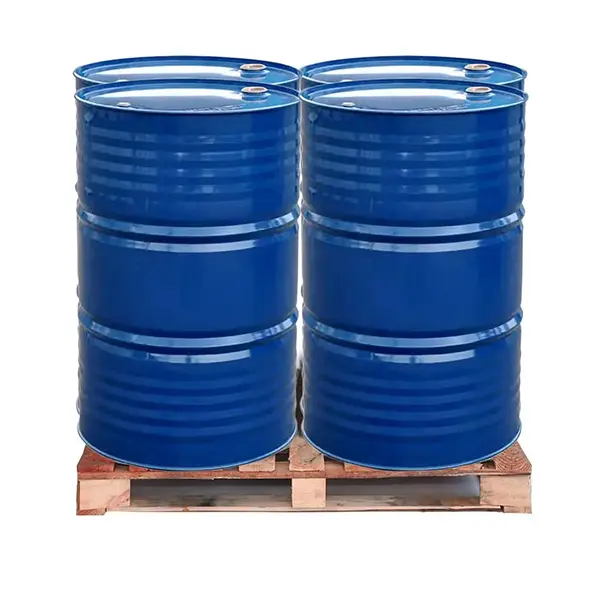
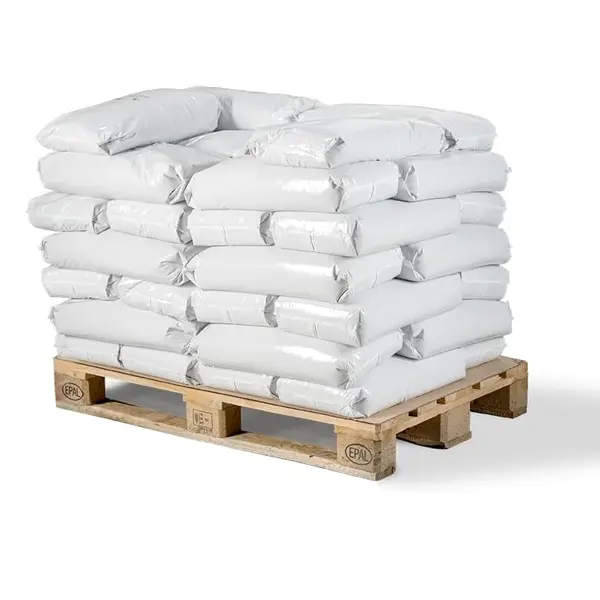
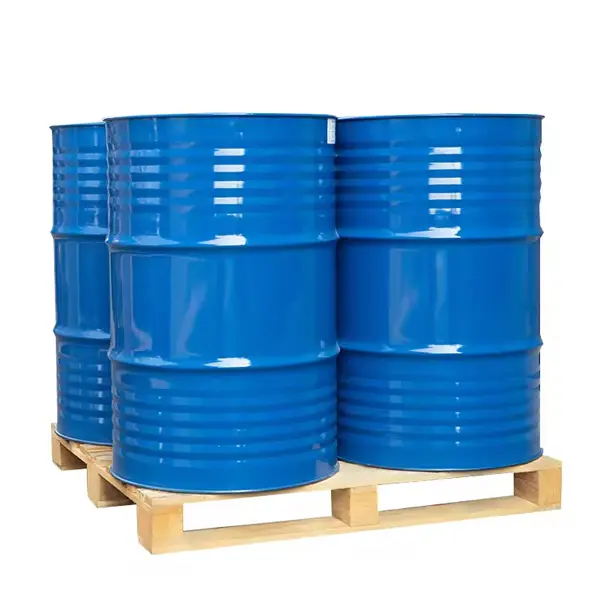
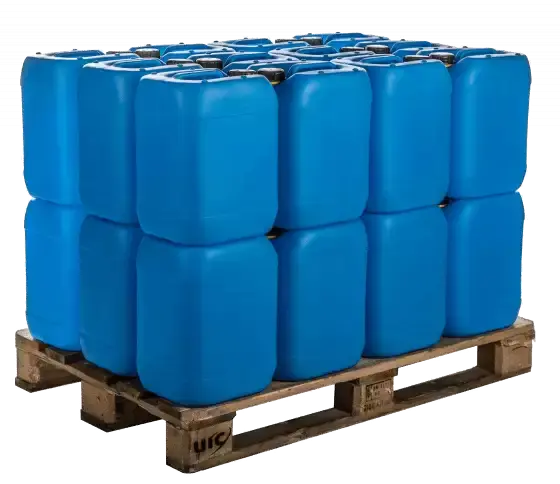
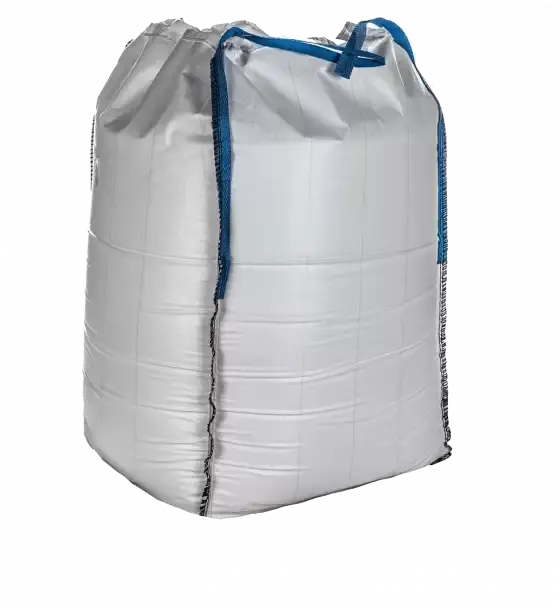
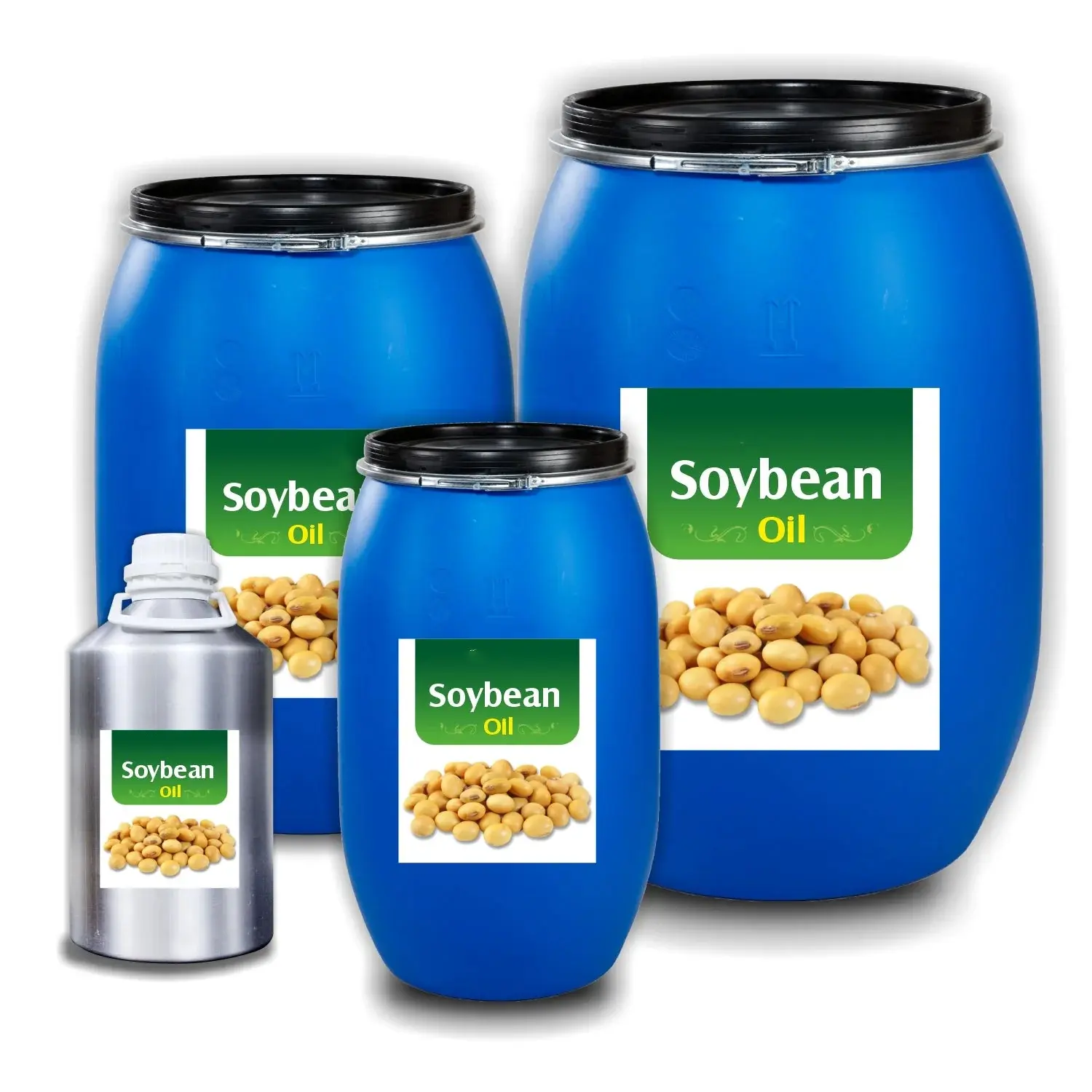
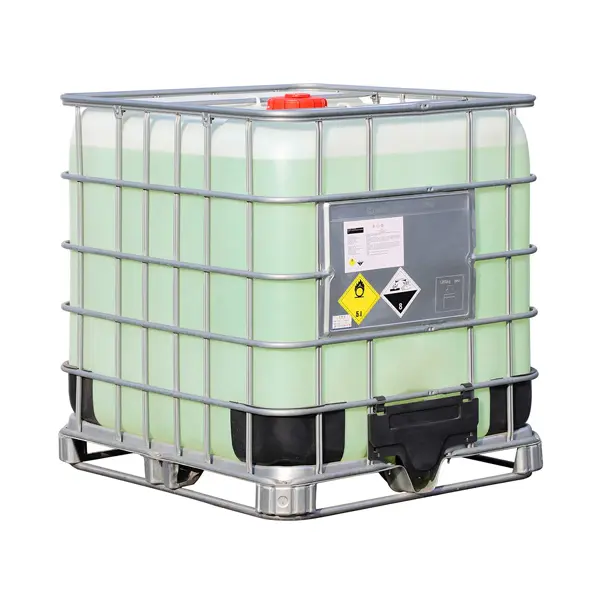
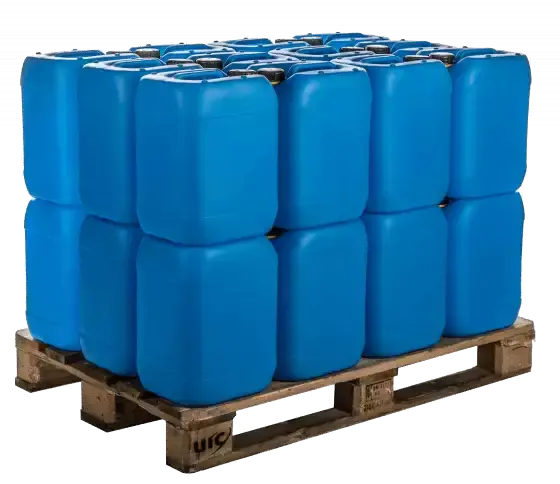
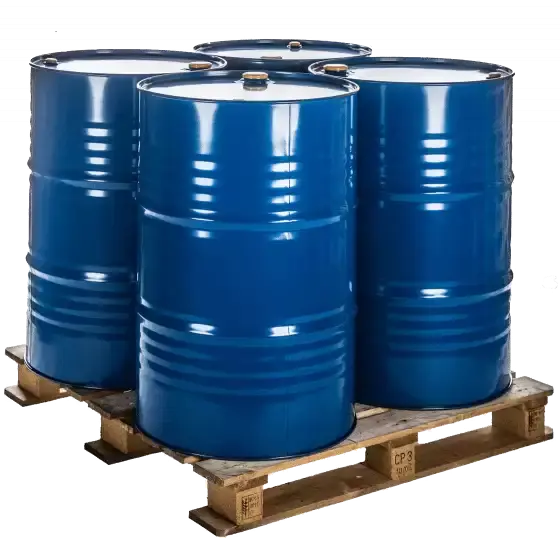
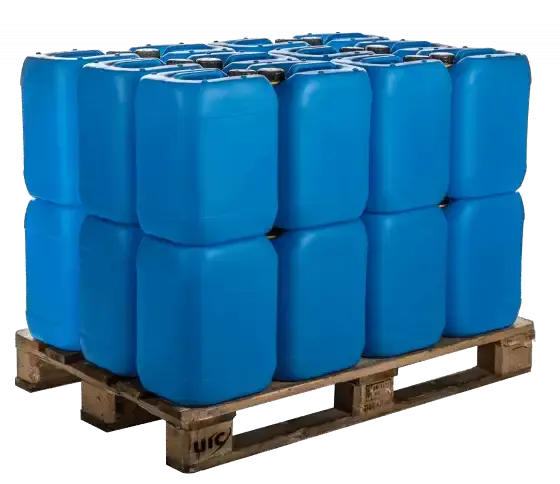
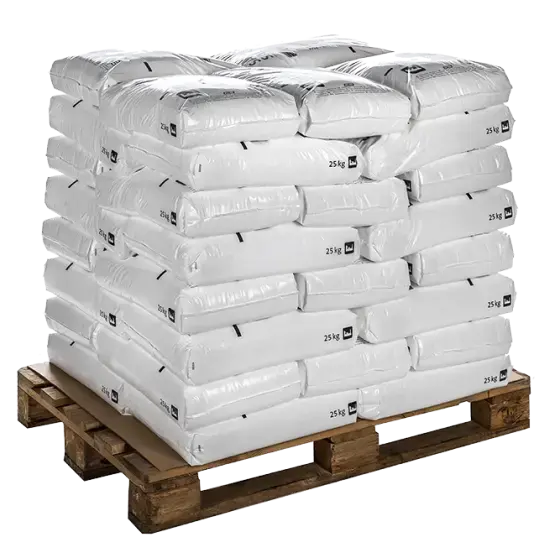
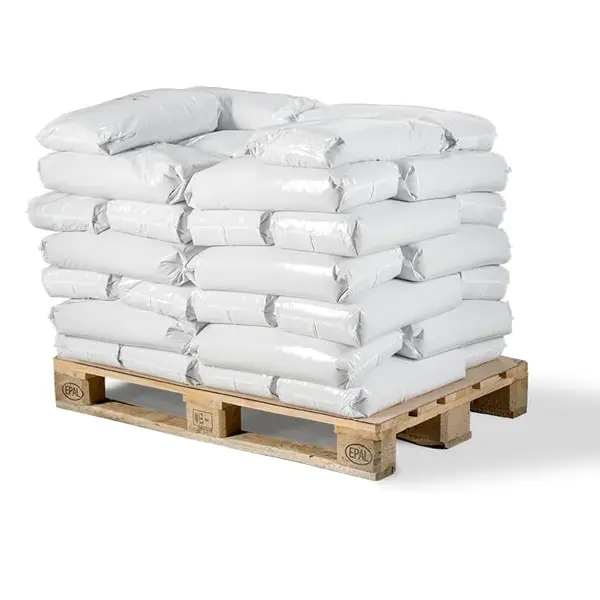
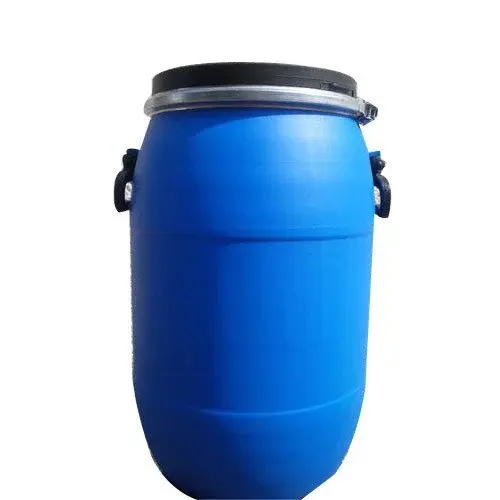
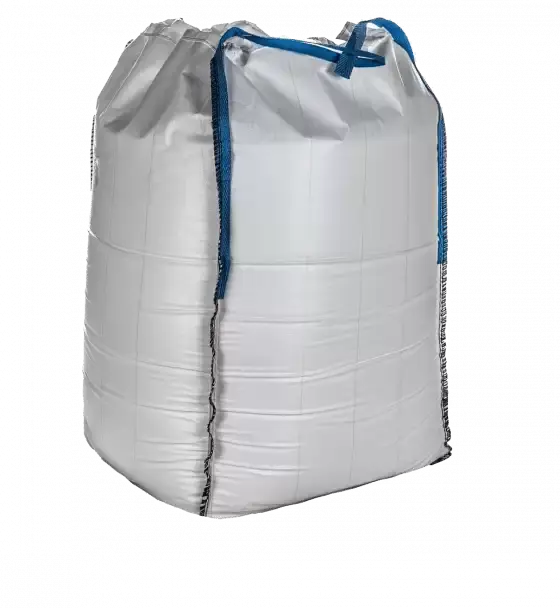
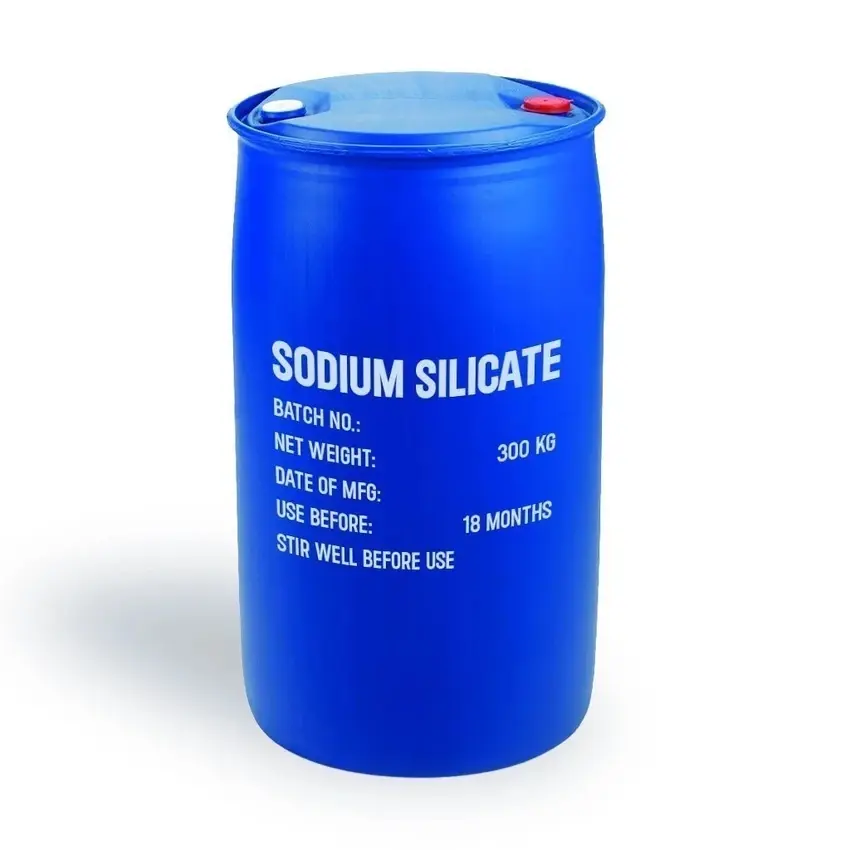
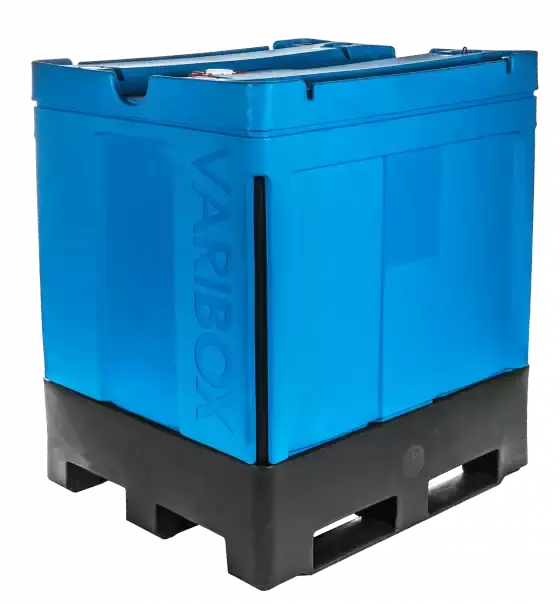
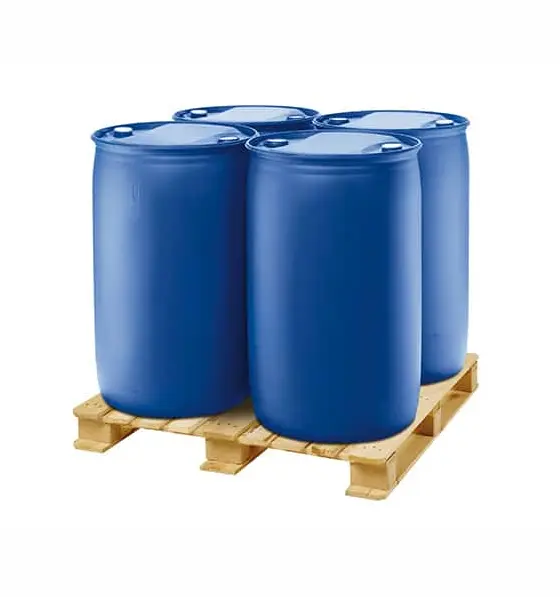
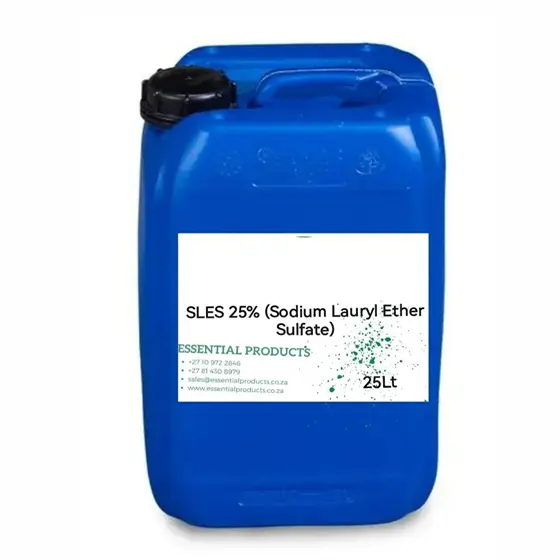
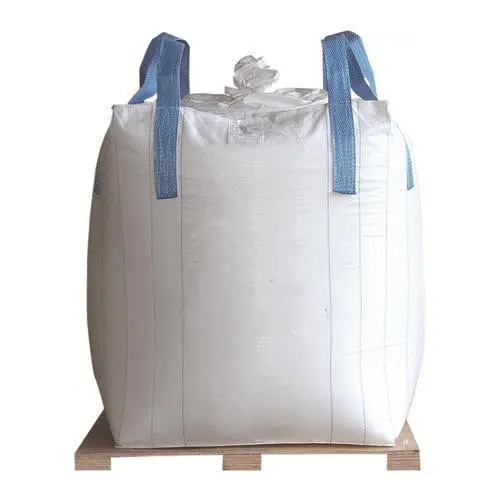
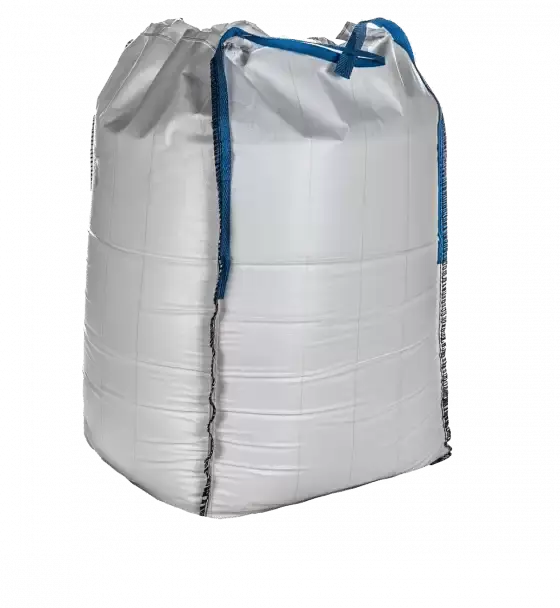
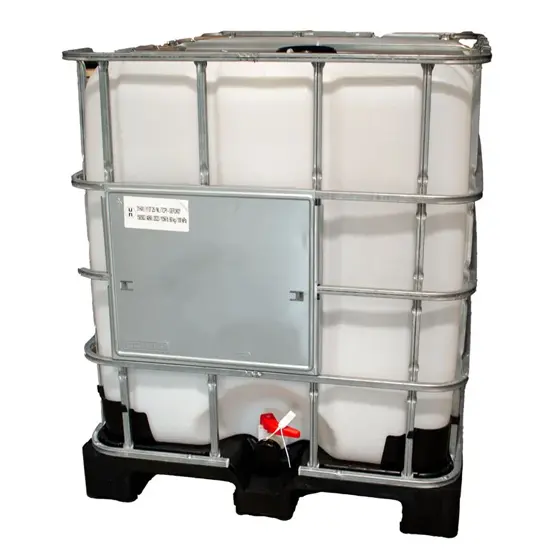
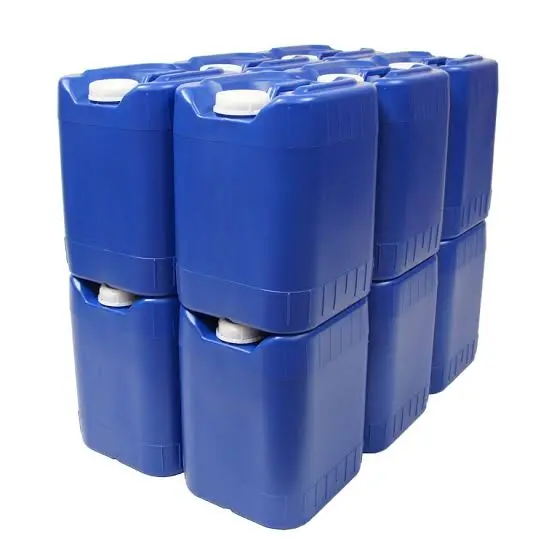
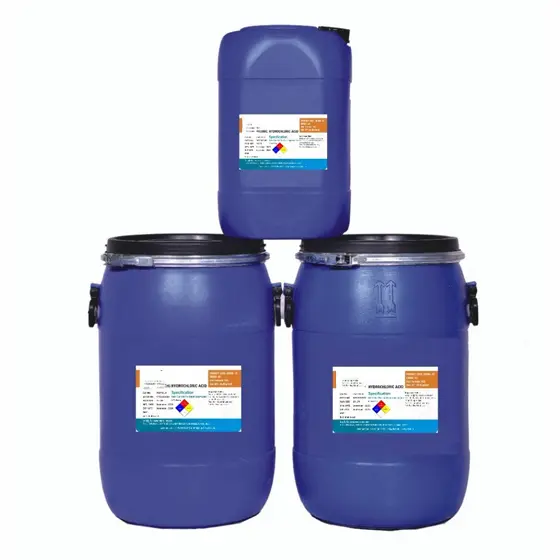
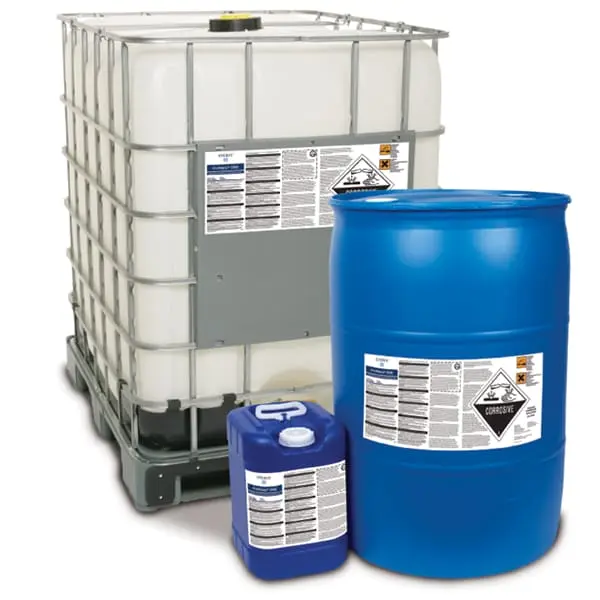
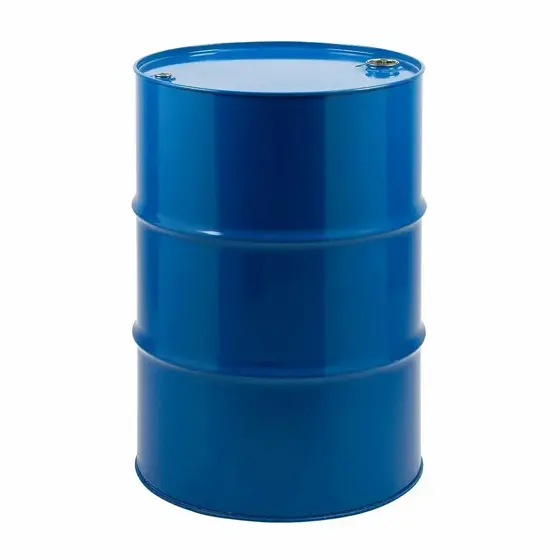
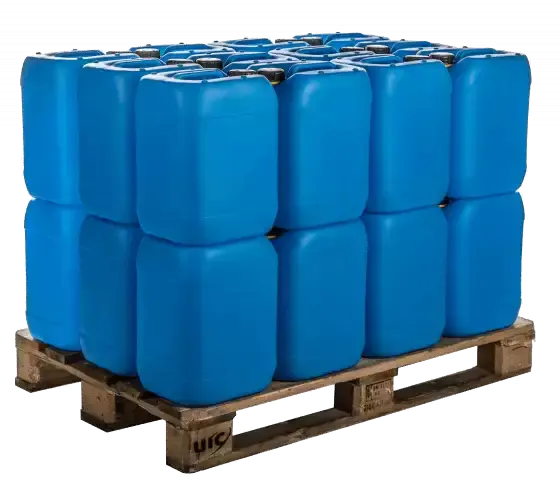
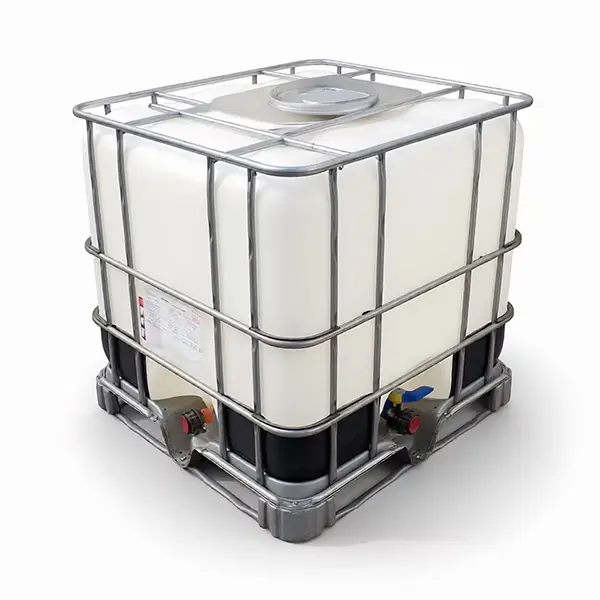
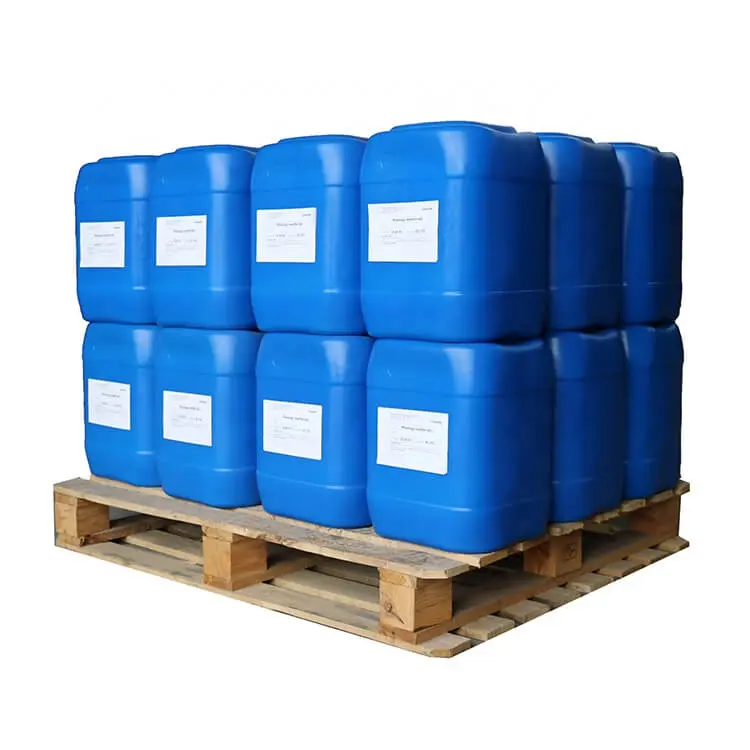
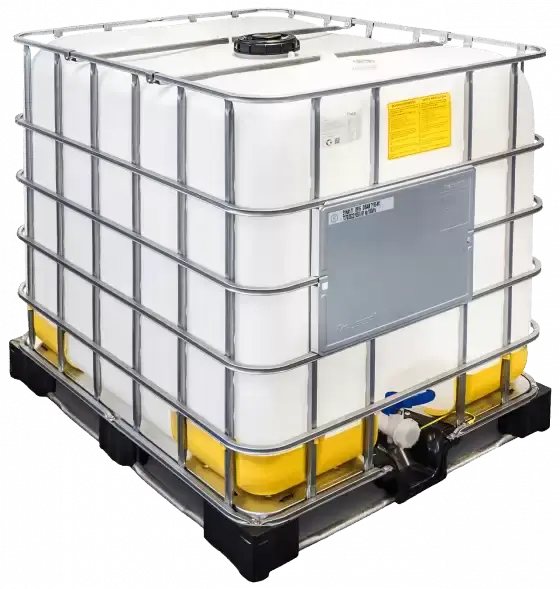
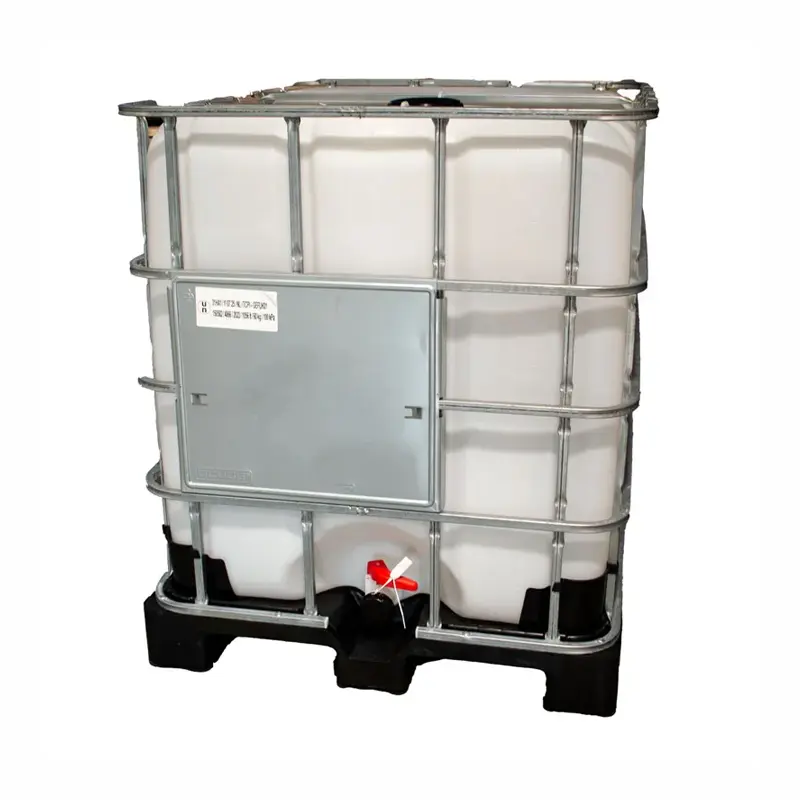
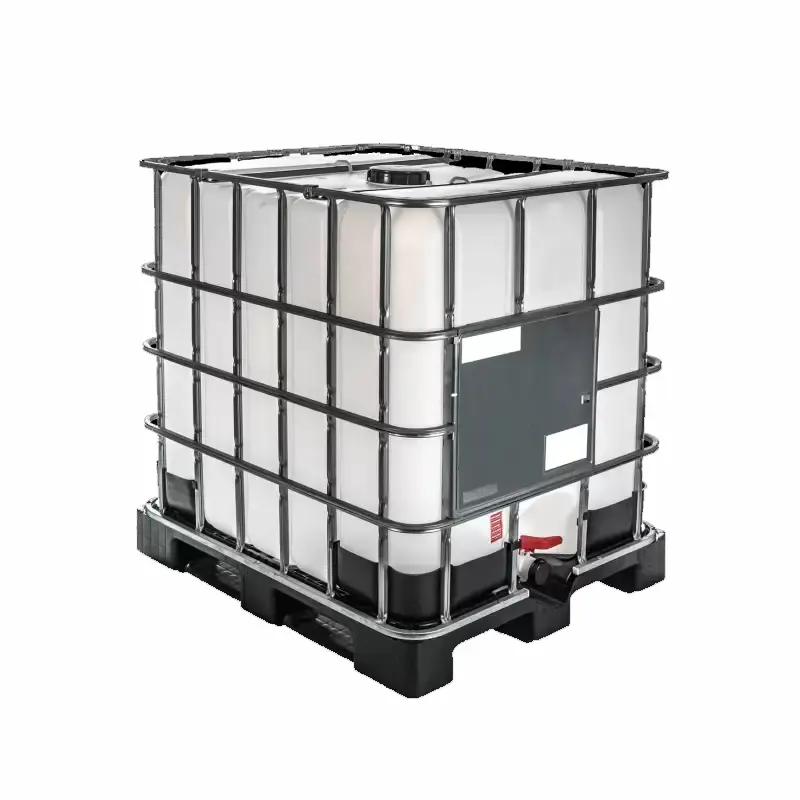
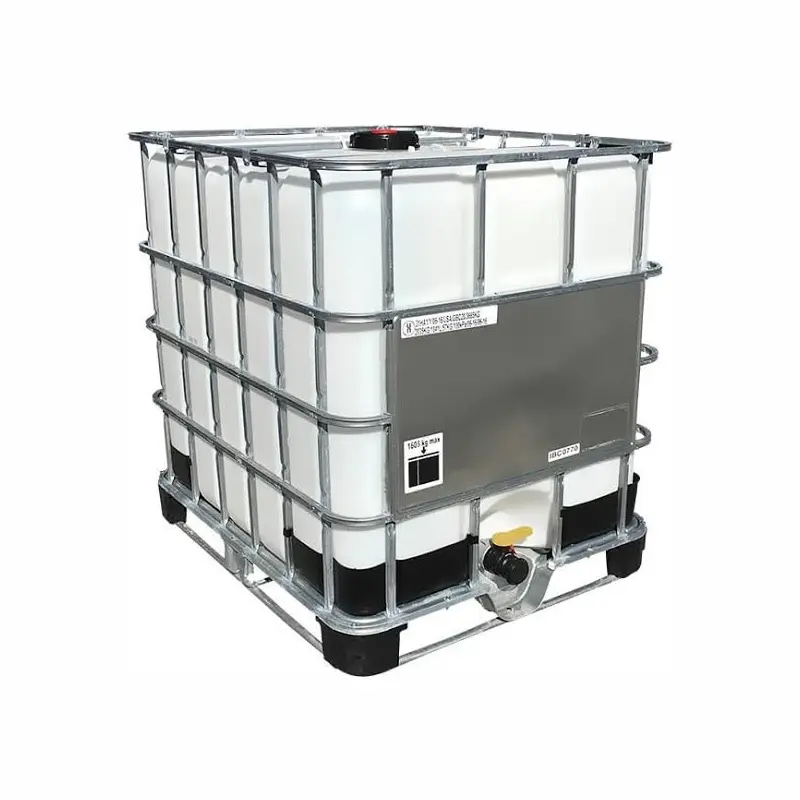
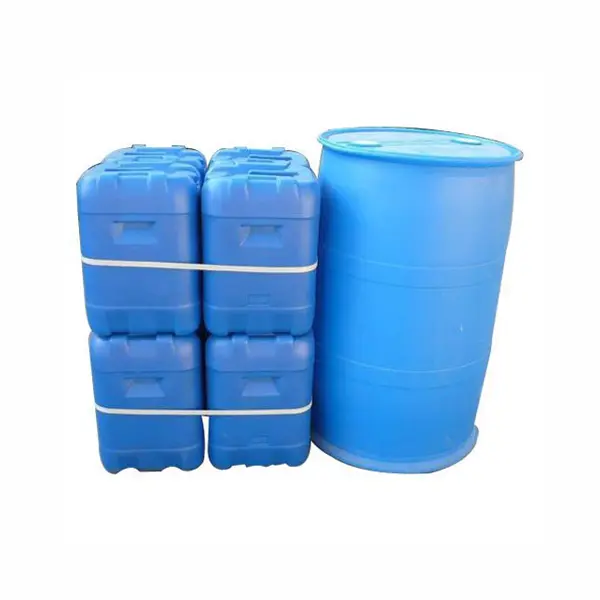
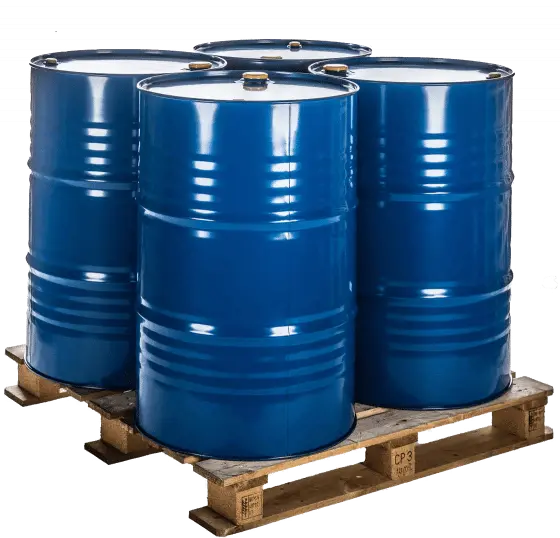
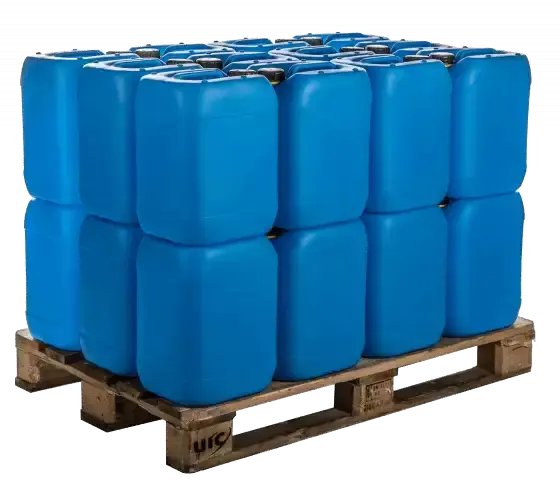
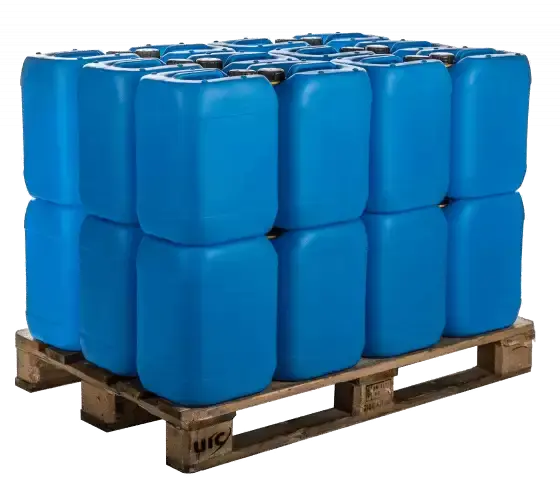
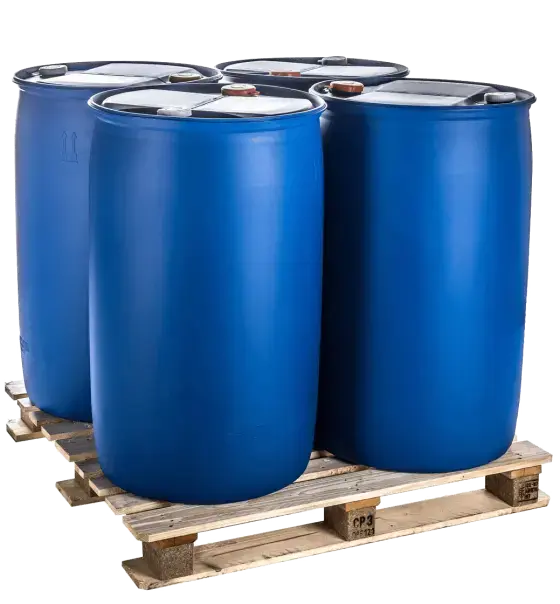
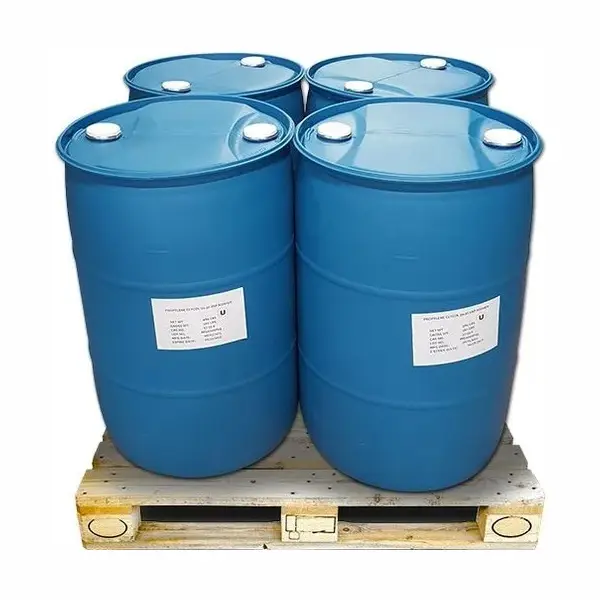
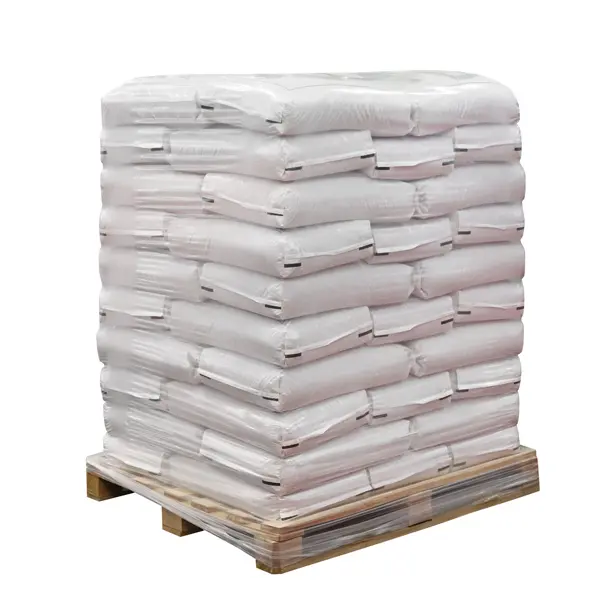
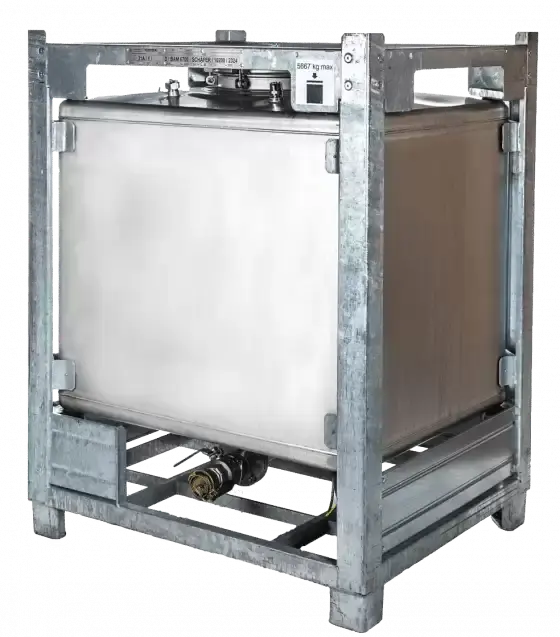
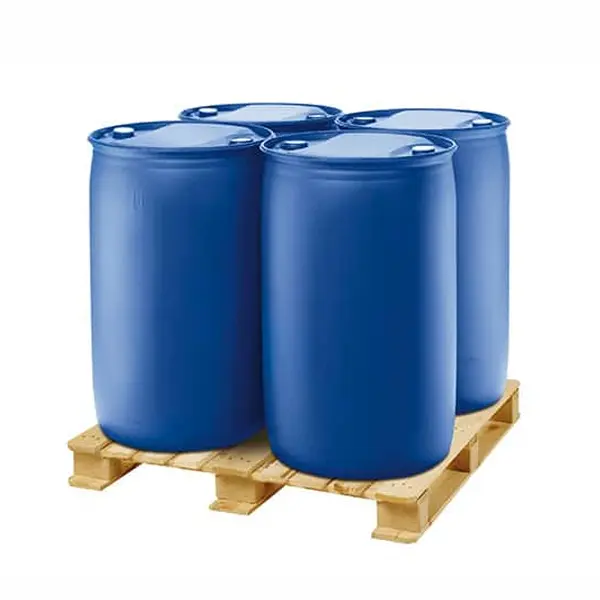
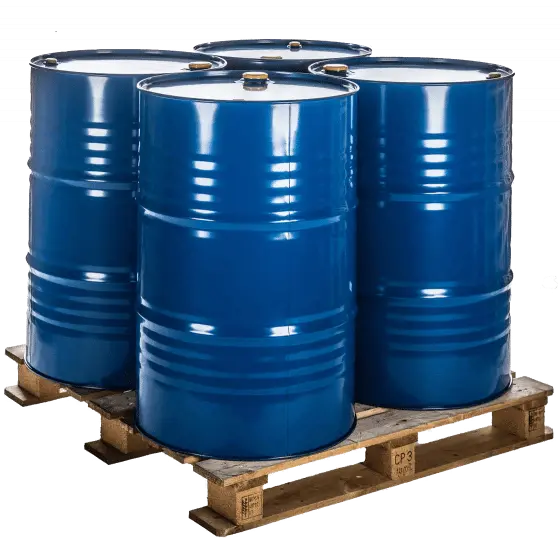
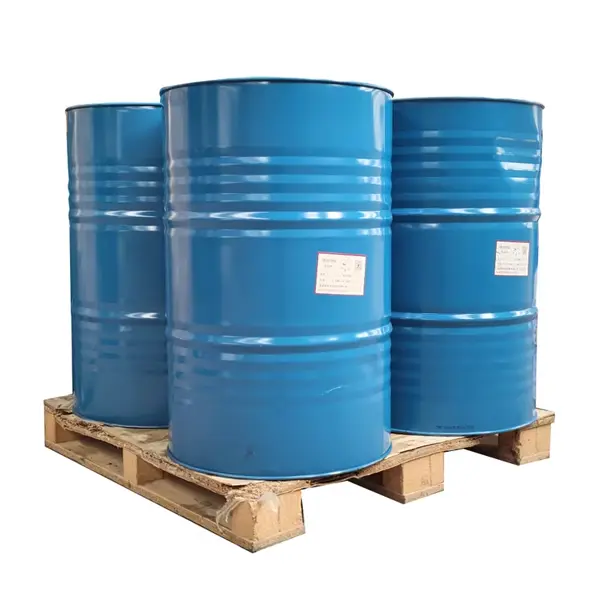
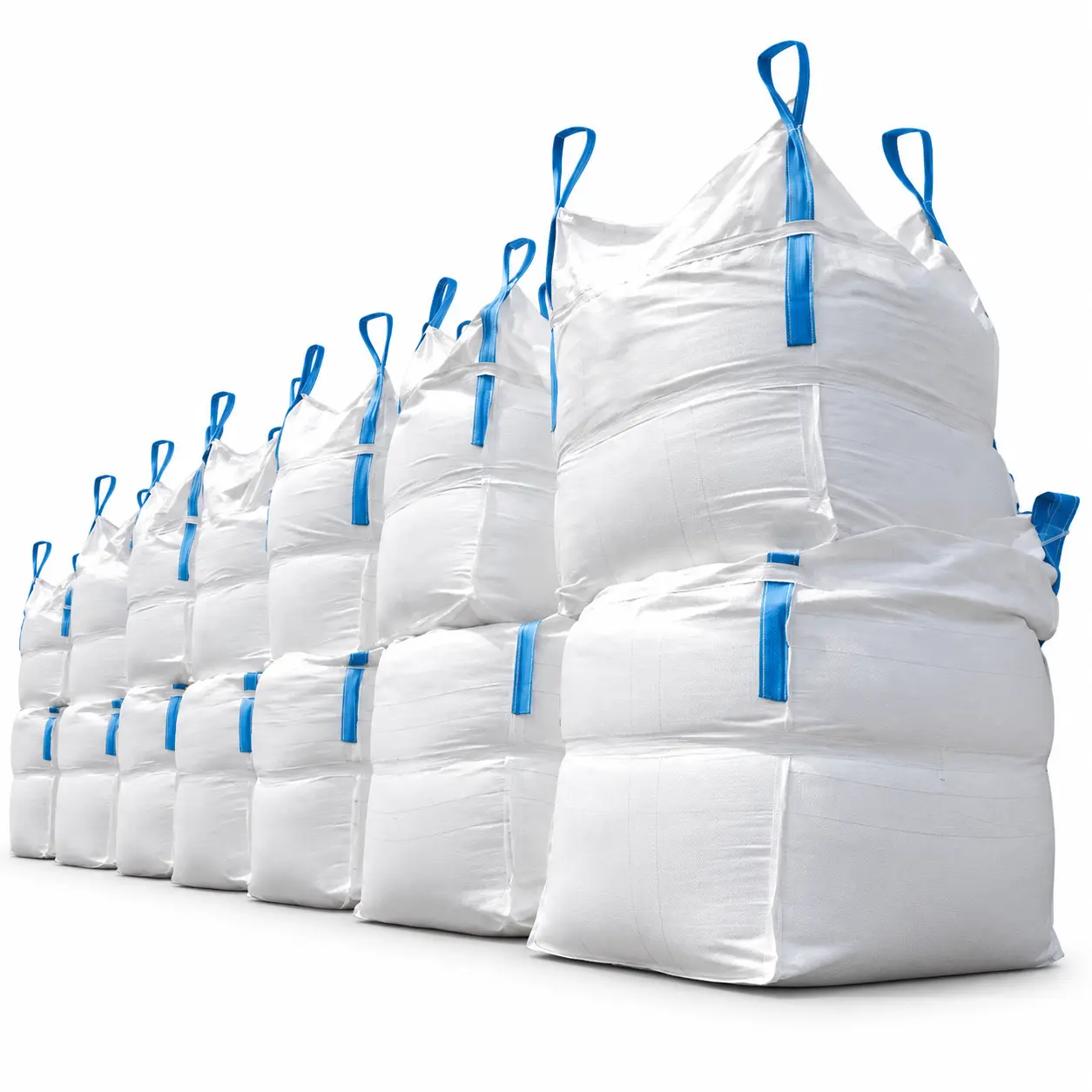
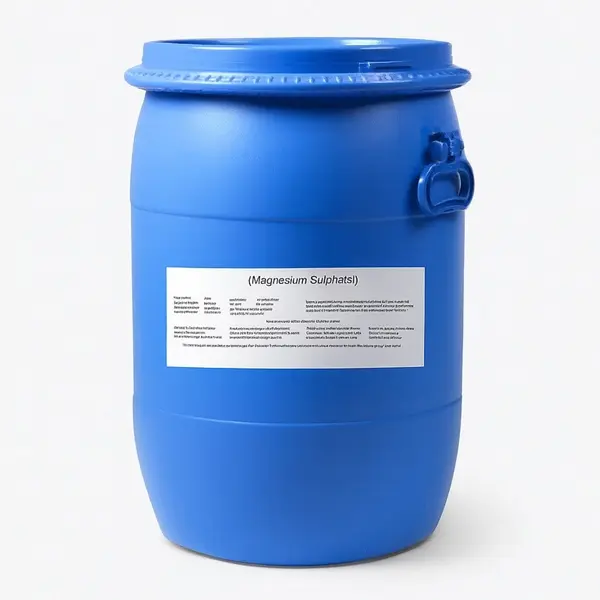
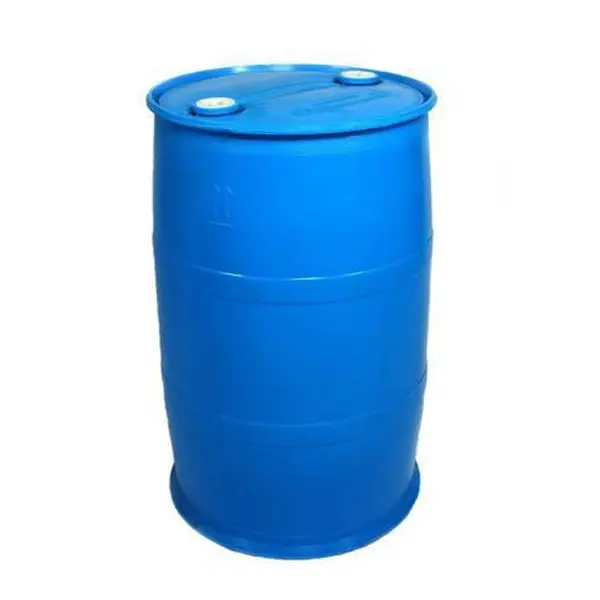
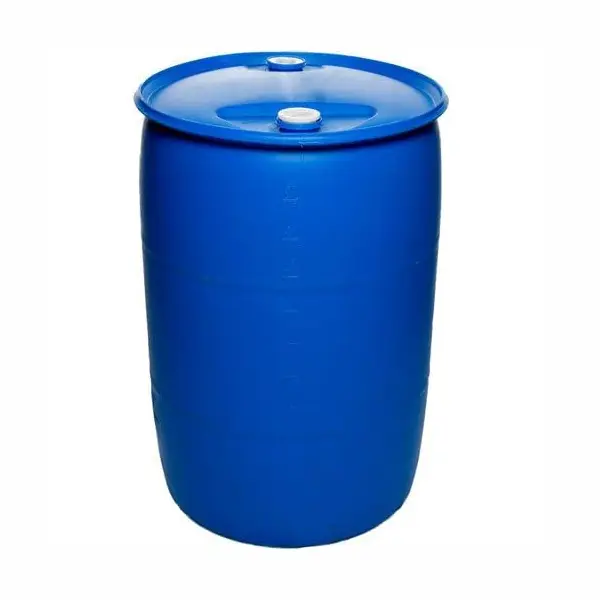
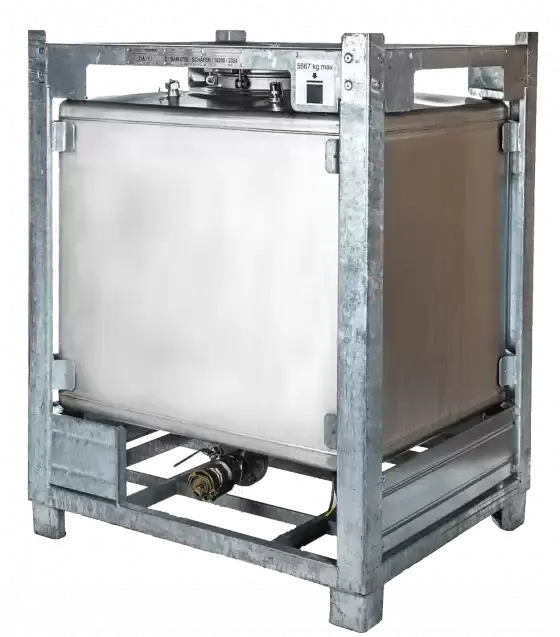
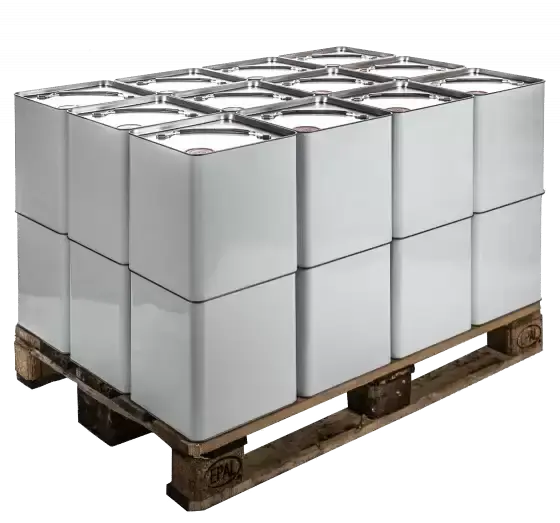
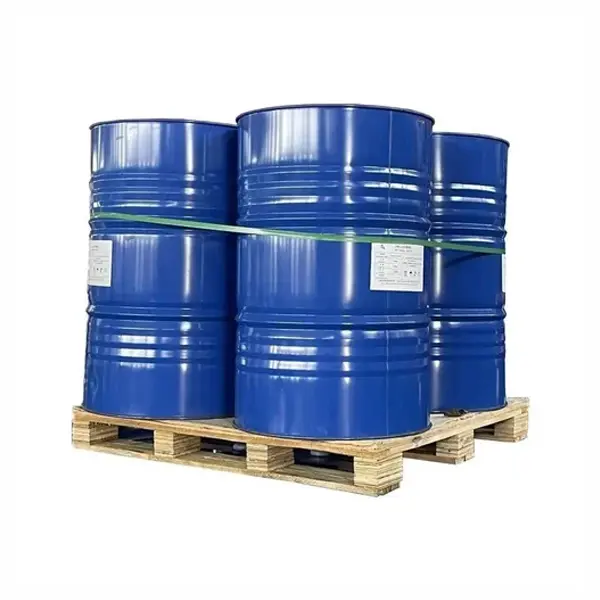
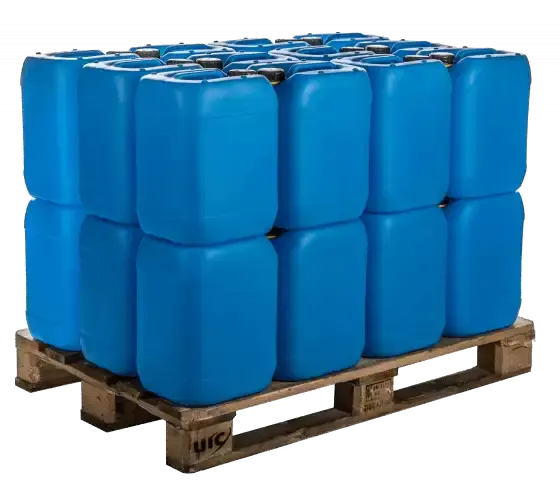
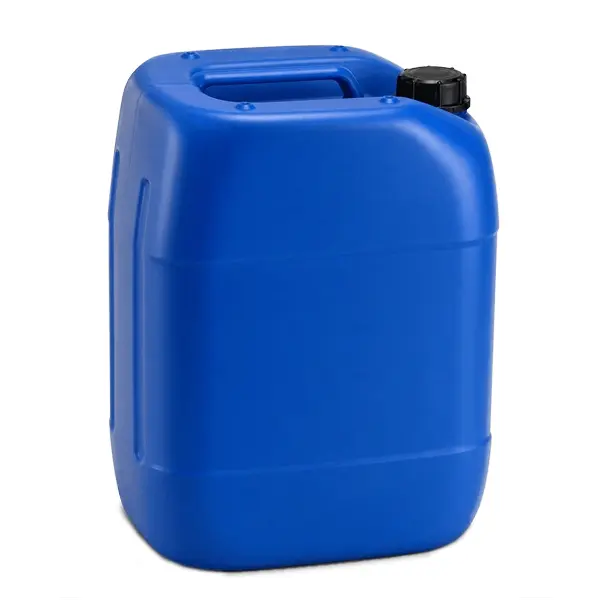
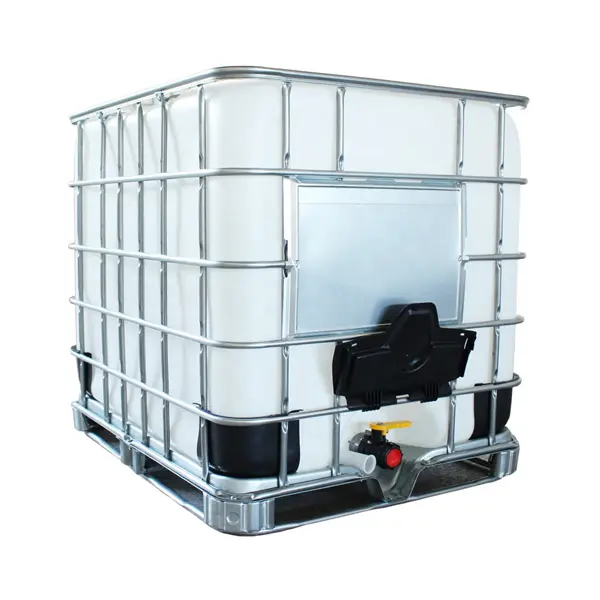
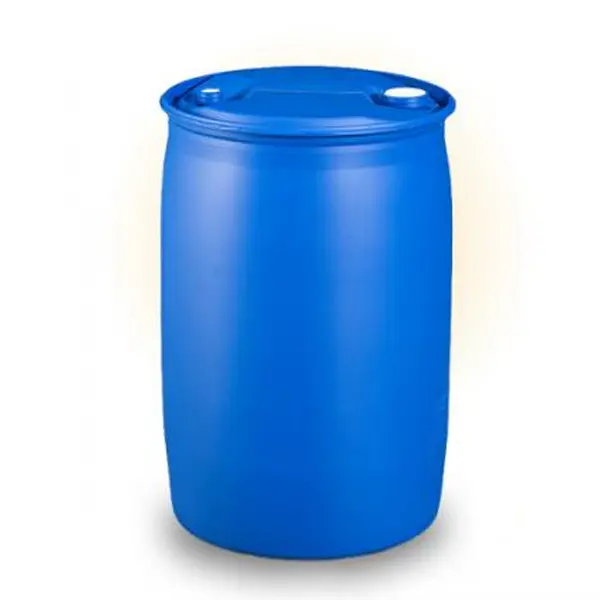
| Packaging | Drums, IBCs, bulk containers, or as specified by the supplier |
Specifications vary significantly by source and grade. Confirm whether the product is palm olein, another vegetable oil fraction, or an oleic acid-rich industrial olein. Review the current technical data sheet (TDS), certificate of analysis (COA), iodine value, free fatty acid content, moisture, and other relevant parameters before purchase.
Storage and Handling
Store Olein in clean, dry, tightly closed containers away from excessive heat, direct sunlight, and contamination. Use suitable storage temperatures to maintain the required physical condition and minimize quality deterioration.
Avoid prolonged exposure to air and moisture, as oxidation and contamination can affect product quality. Use appropriate handling equipment and maintain good hygiene during transfer and storage.
For food applications, use only edible-grade material that complies with applicable food safety standards. Industrial users should consult the supplier's safety data sheet (SDS) and follow appropriate handling and spill-control procedures, as spilled oil can create slippery surfaces.
Quality and Supply
Consistent Olein quality is important for food processing, soap manufacturing, and oleochemical applications. Buyers should verify the product's origin, refining grade, fatty acid profile, iodine value, free fatty acid content, moisture, and other relevant quality parameters.
A reliable supplier should provide current technical documentation and batch-specific quality records. Packaging and transportation should protect the product from contamination, oxidation, and unsuitable temperatures.
Conclusion
Olein is a versatile liquid oil fraction used in food manufacturing, edible oil production, soap making, and oleochemical processing. Its composition and functional properties make it valuable in a range of commercial and industrial applications. Selecting the correct source and grade, verifying technical specifications, and maintaining proper storage conditions help ensure consistent product quality and reliable performance.