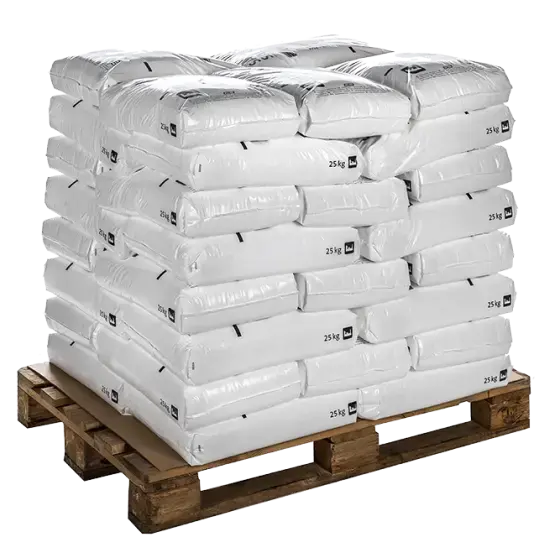
Sodium Tripolyphosphate – Industrial Chemical for Detergents and Manufacturing
Sodium Tripolyphosphate for Industrial Applications
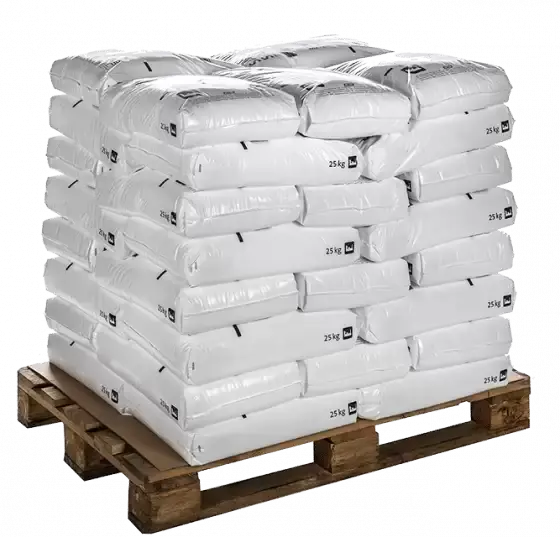
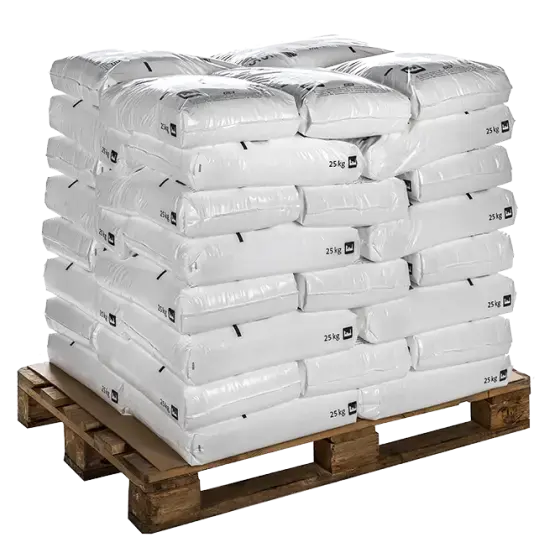
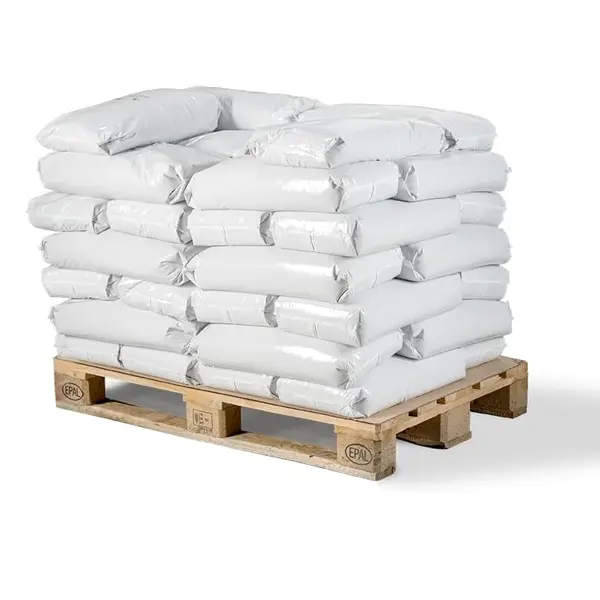
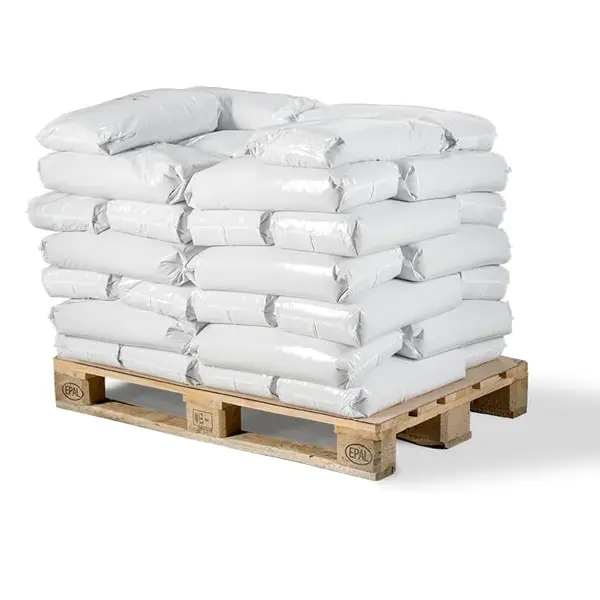
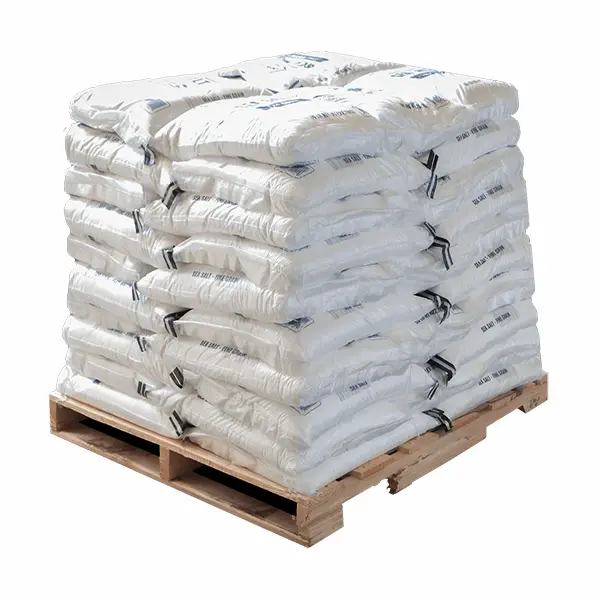
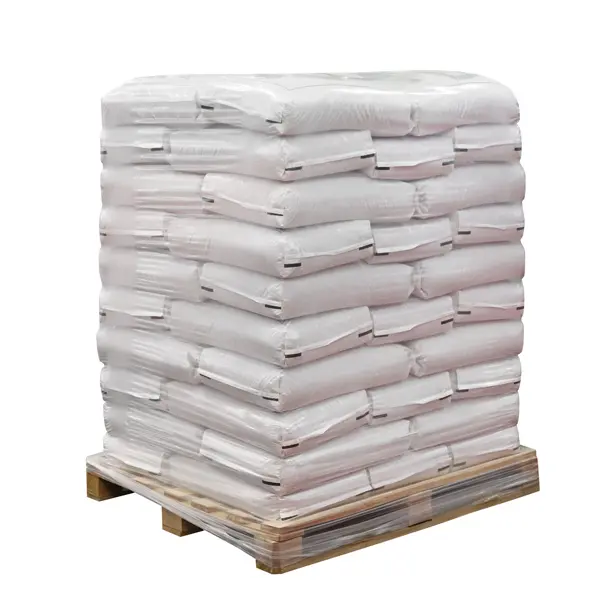
Sodium Tripolyphosphate (STPP) is an inorganic phosphate compound widely used in detergent manufacturing, water treatment, ceramics, and selected food-processing applications. It is valued for its ability to bind calcium and magnesium ions, helping reduce water hardness and improve the performance of cleaning formulations. Sodium Tripolyphosphate is commonly supplied as a white powder or granular material and is used as an important raw material across several industrial sectors. Its suitability depends on the required grade, purity, and intended application.
Applications of Sodium Tripolyphosphate
Sodium Tripolyphosphate is widely used in household and industrial detergents because it helps manage water hardness and supports cleaning performance. In water treatment and industrial processing, it may be used as a sequestrant to bind certain metal ions under appropriate conditions. STPP is also used in ceramics manufacturing to help disperse particles in selected ceramic mixtures. In food processing, approved food-grade STPP may serve specific technical functions, such as moisture retention and texture support, where permitted by applicable regulations. Only a suitable, certified food-grade product should be used in food applications.
Benefits of Sodium Tripolyphosphate
Sodium Tripolyphosphate offers useful functional properties for manufacturers requiring effective water conditioning and formulation support. Its ability to bind calcium and magnesium ions can help improve detergent performance in hard water. It may also help control unwanted mineral interactions in selected industrial processes. In ceramic formulations, its dispersing properties can support the preparation of suitable mixtures. The results depend on the application, dosage, processing conditions, and quality of the supplied material.
Storage and Handling
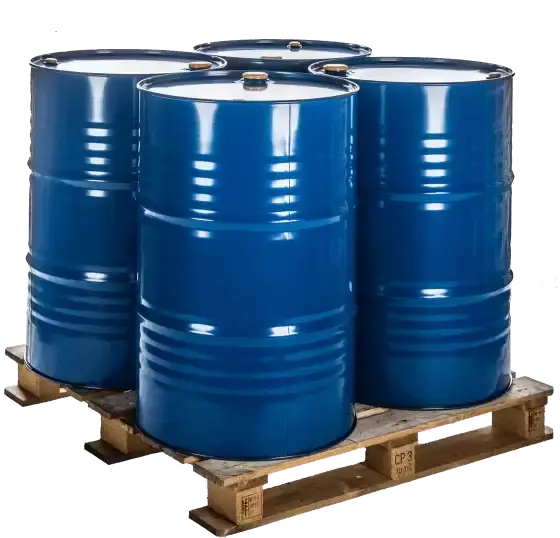
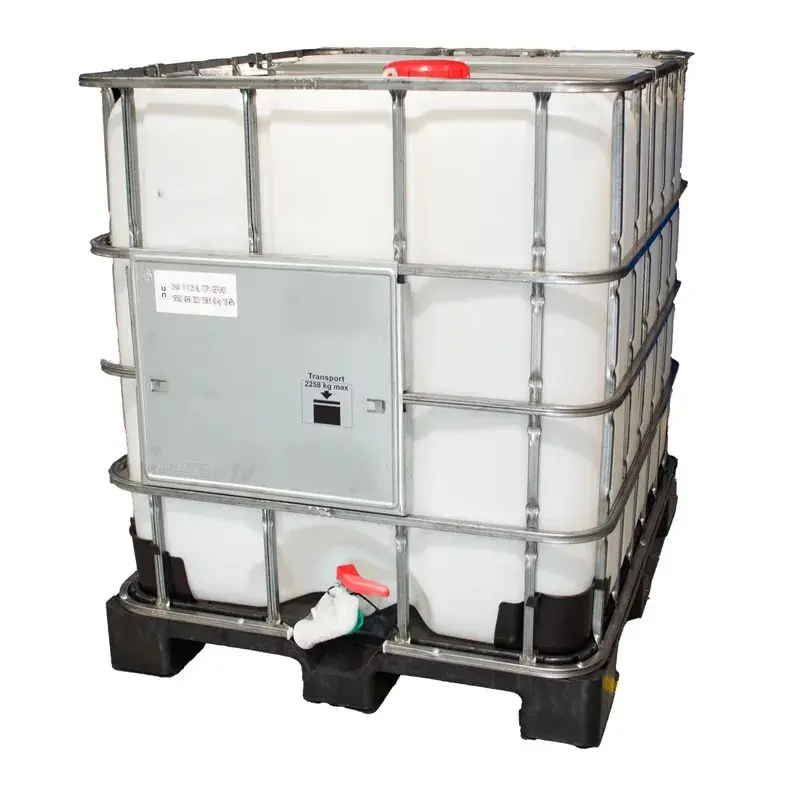
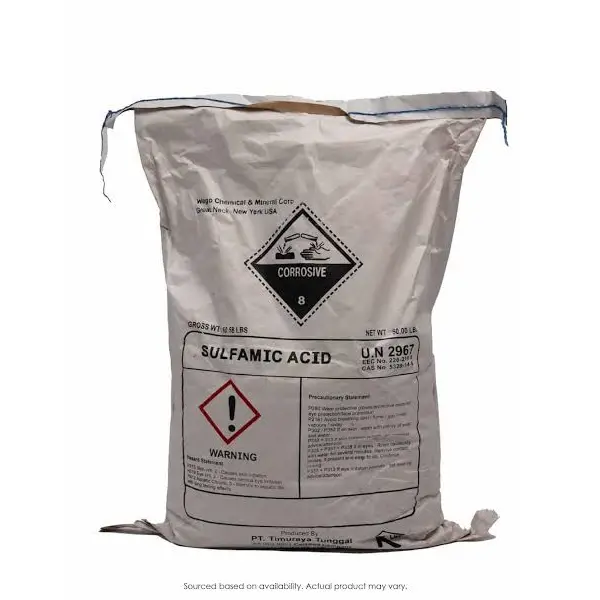
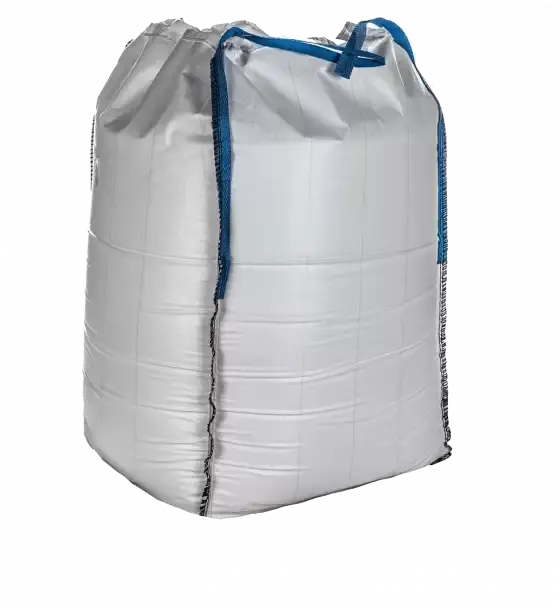
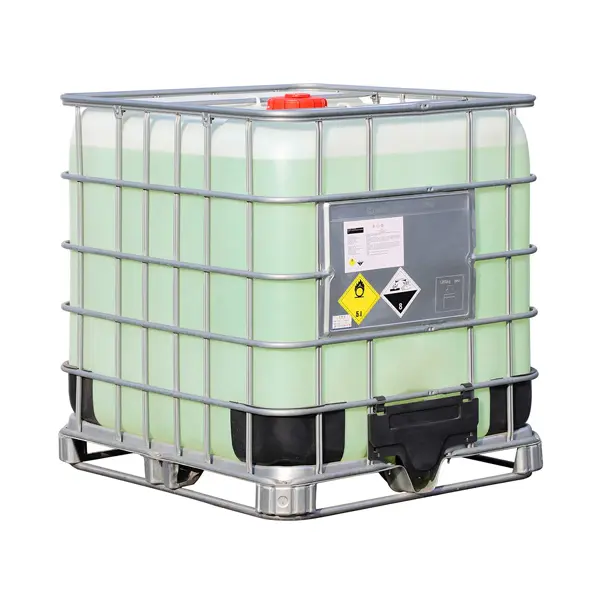
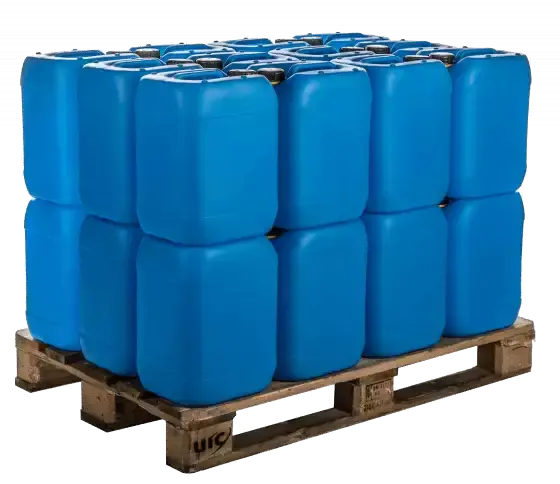
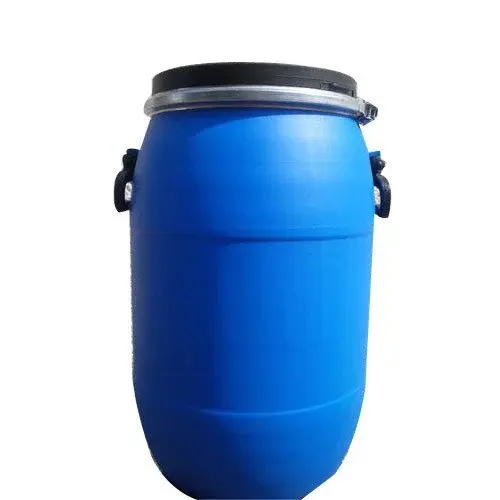
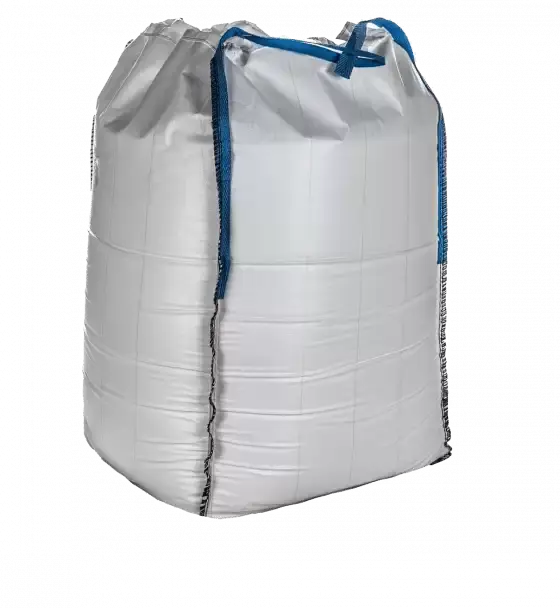
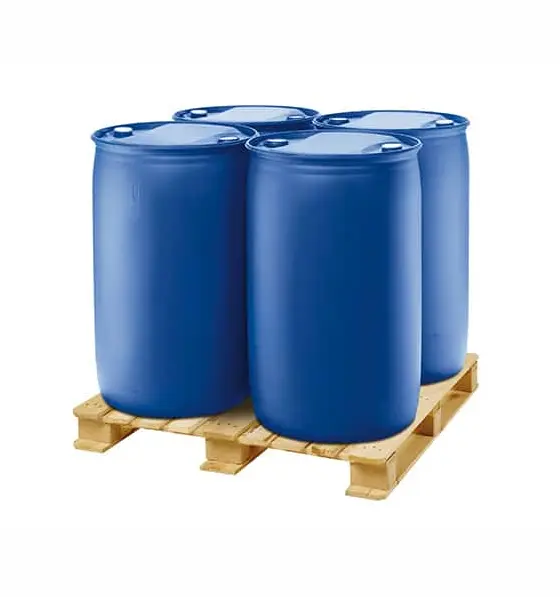
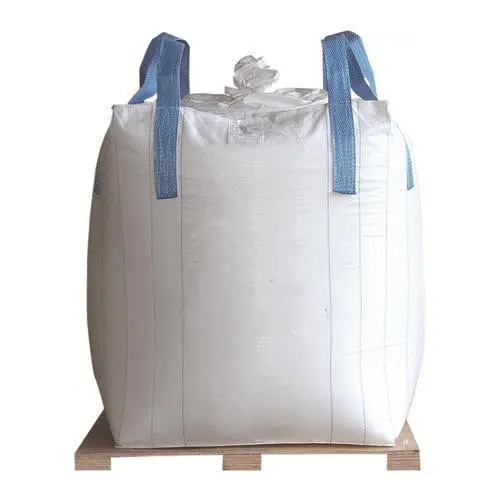
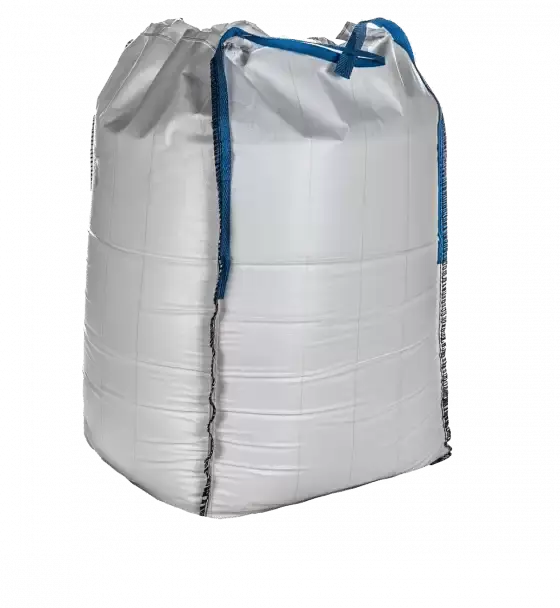
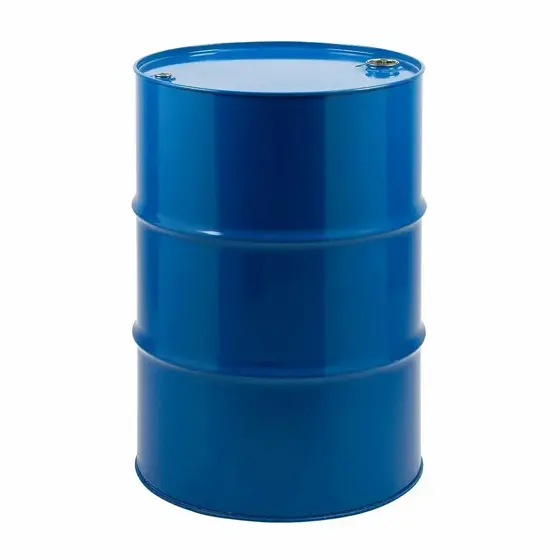
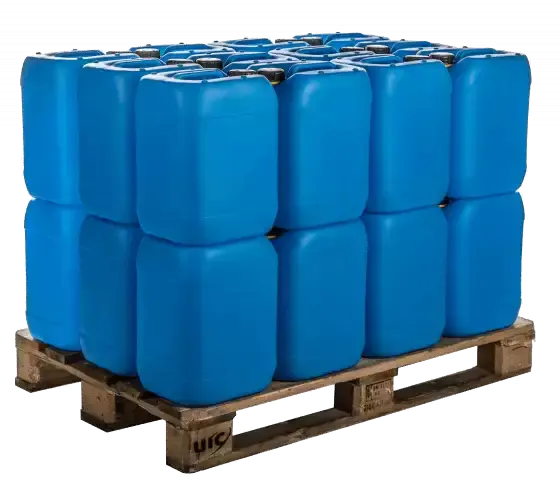
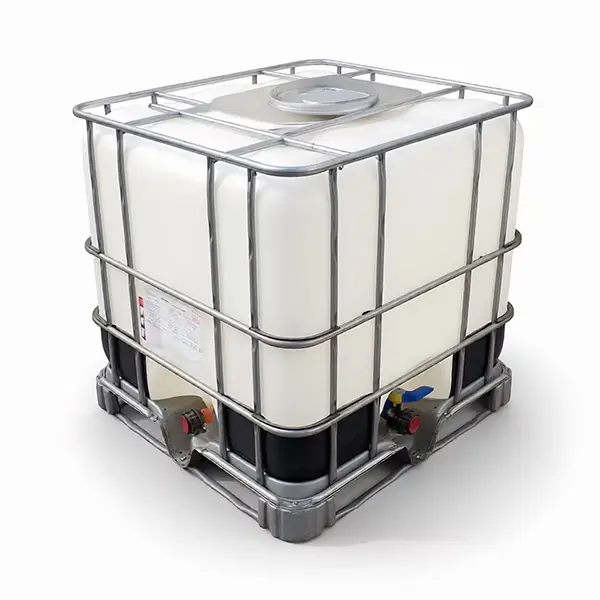
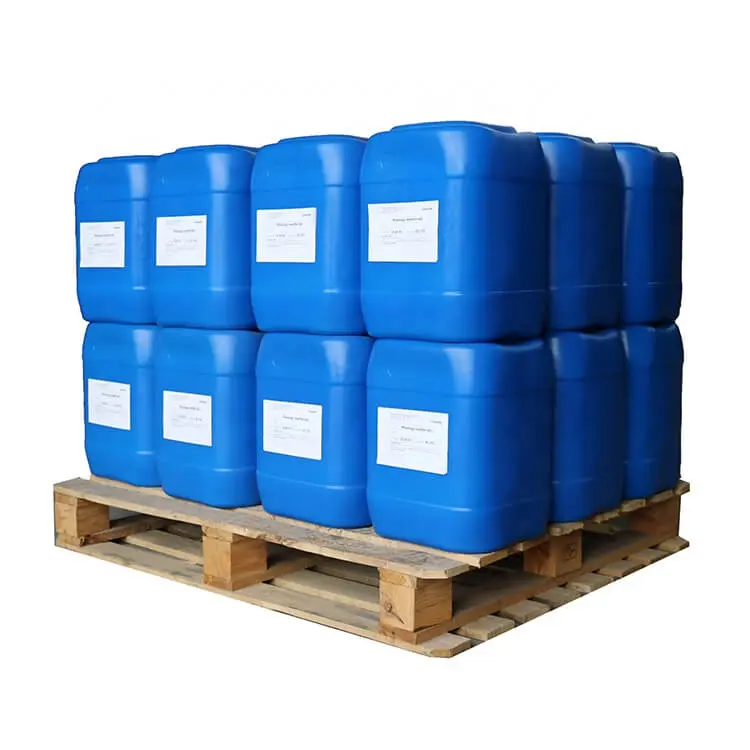
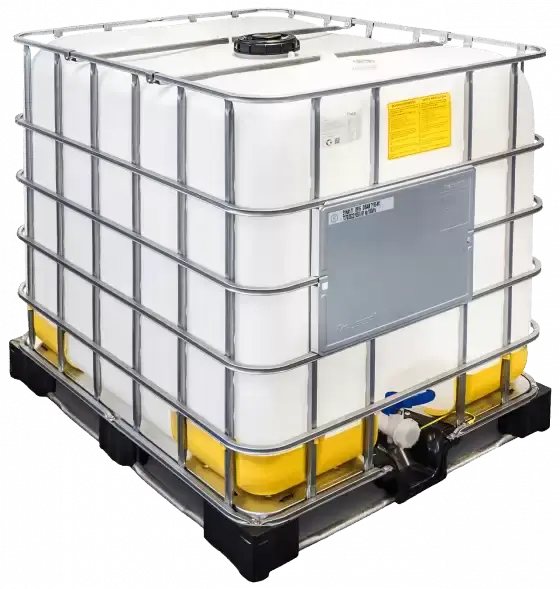
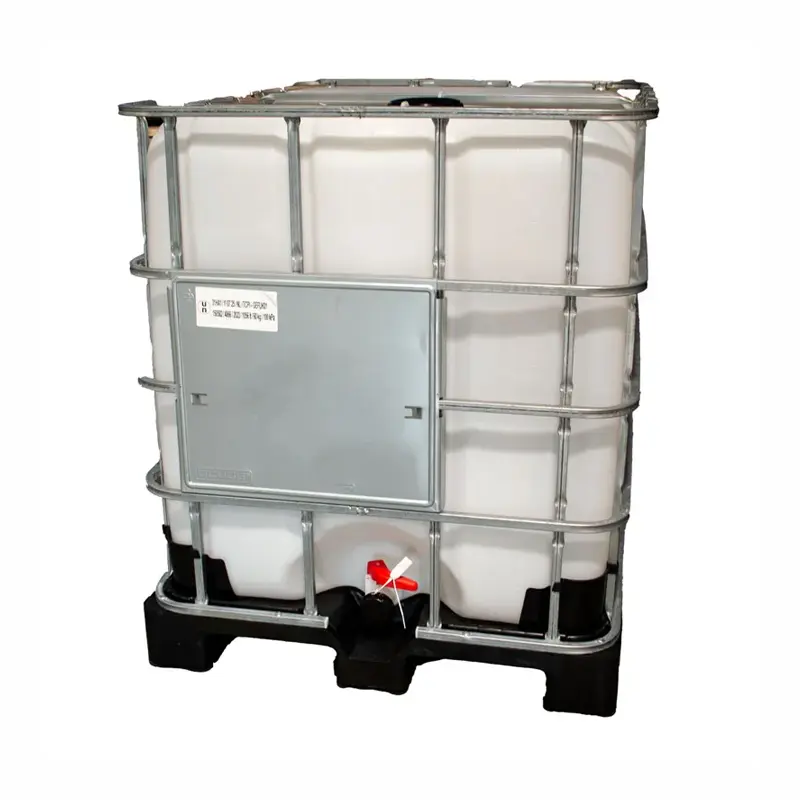
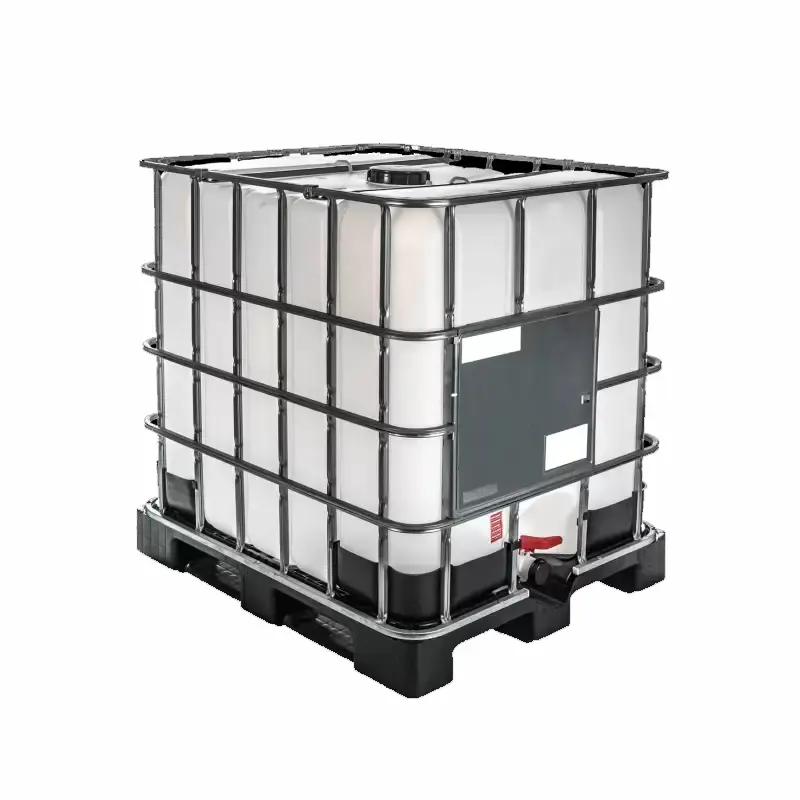
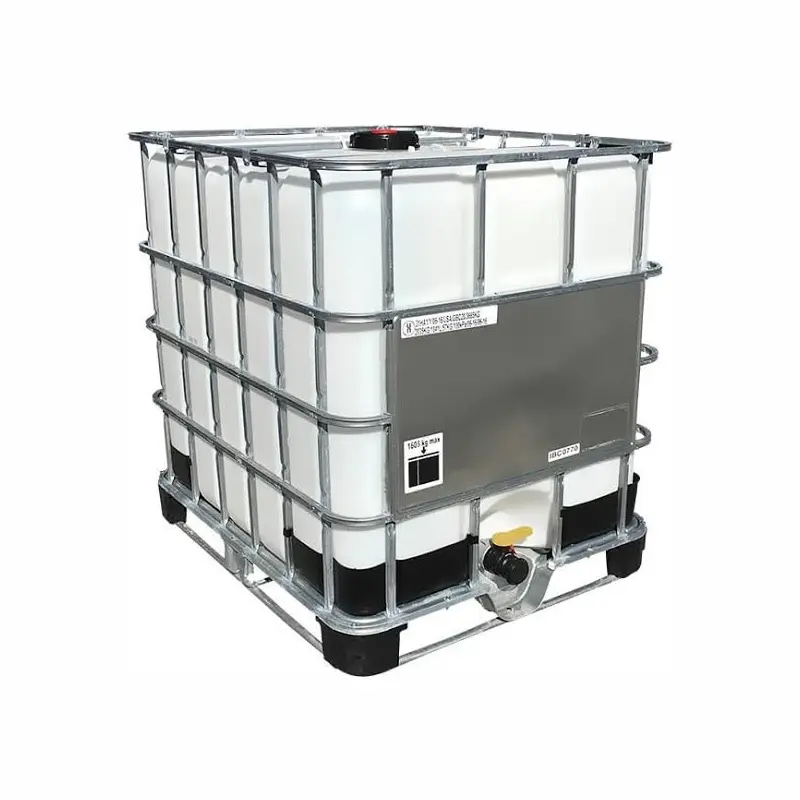
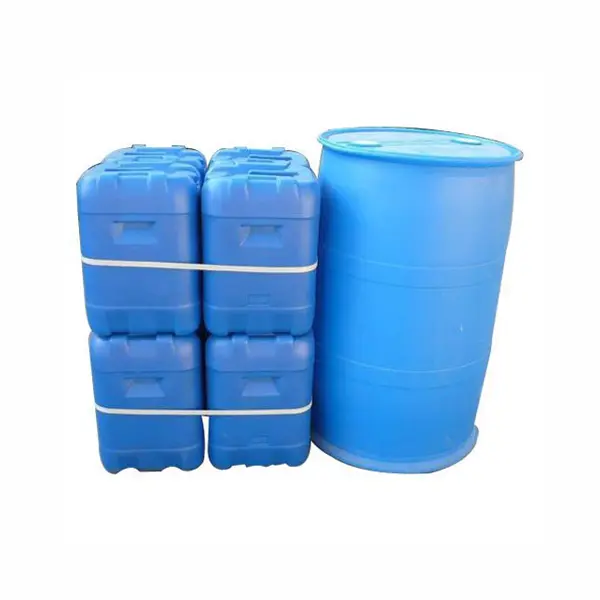
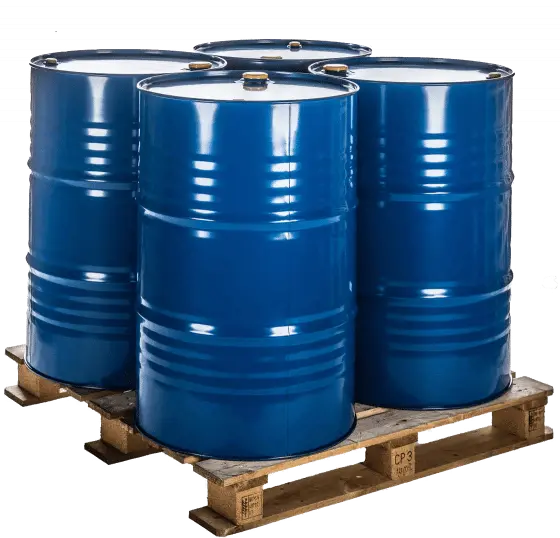
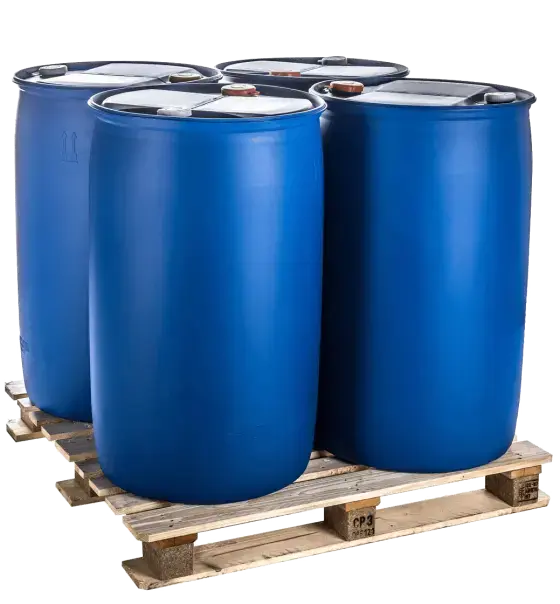
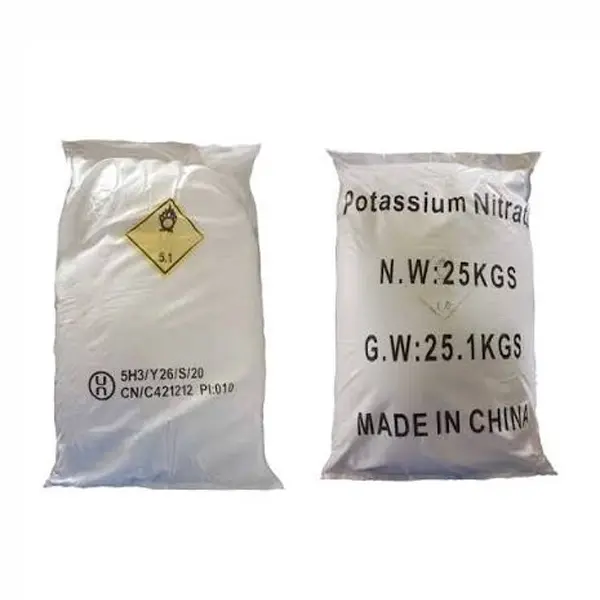
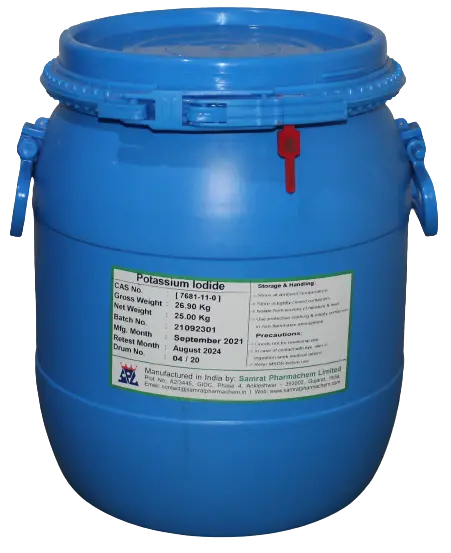
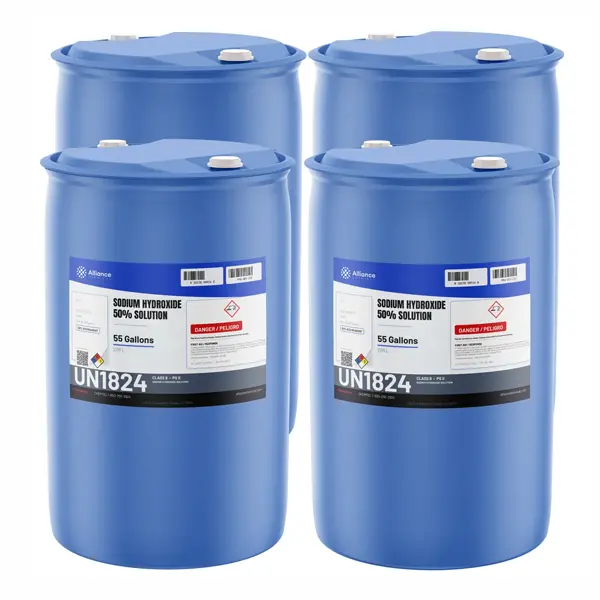
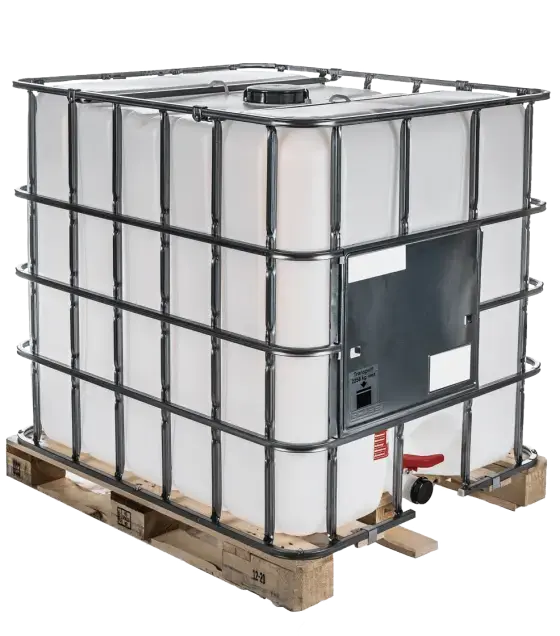
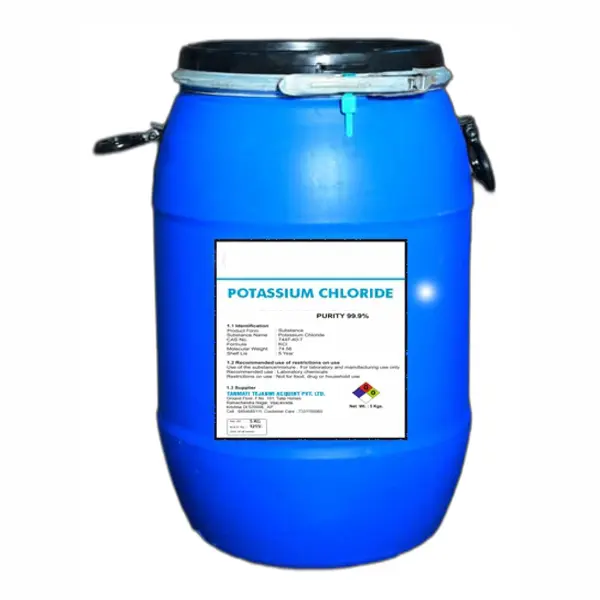
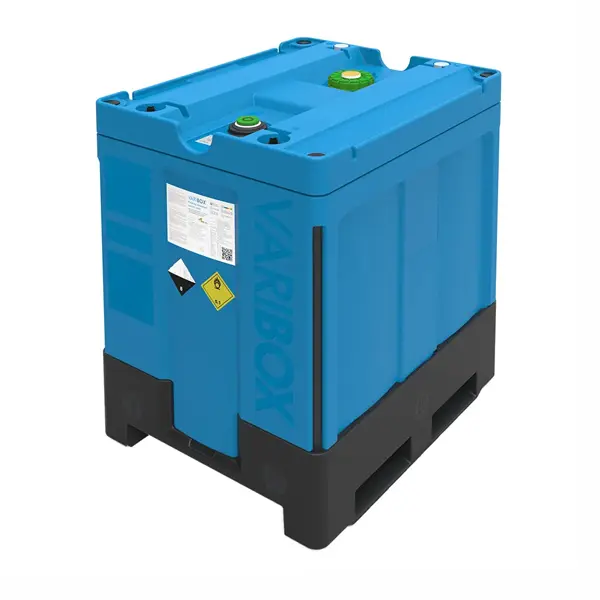
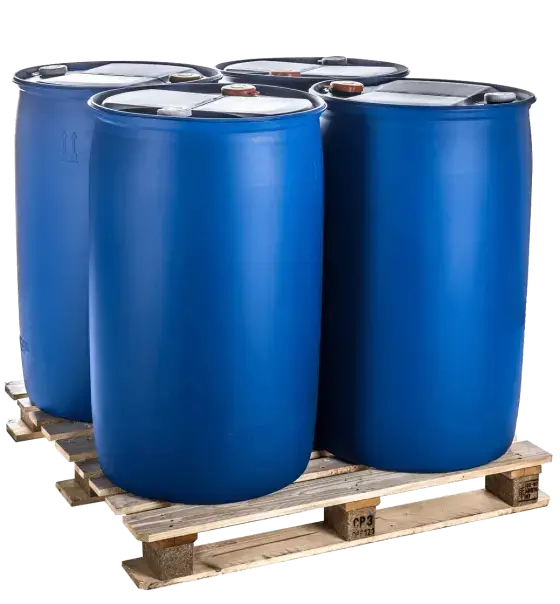
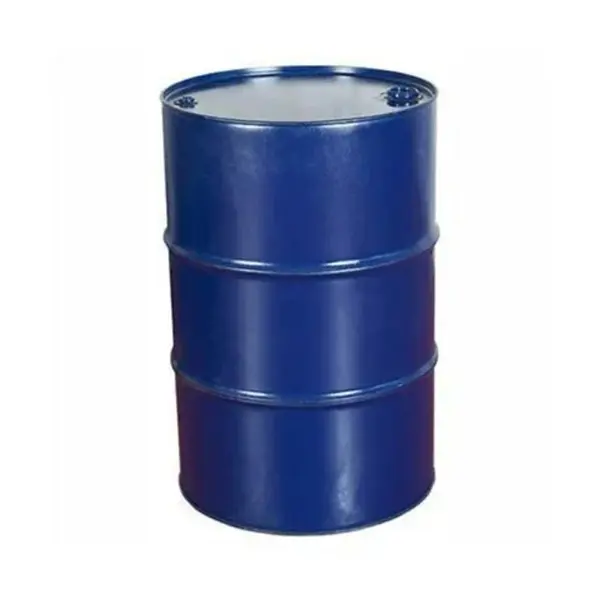
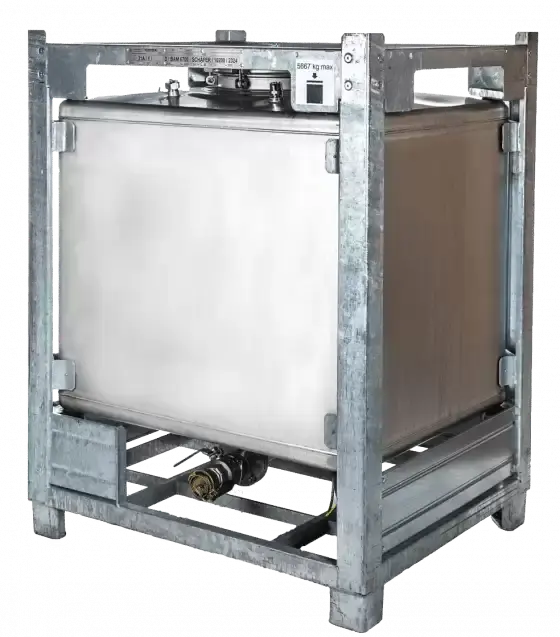
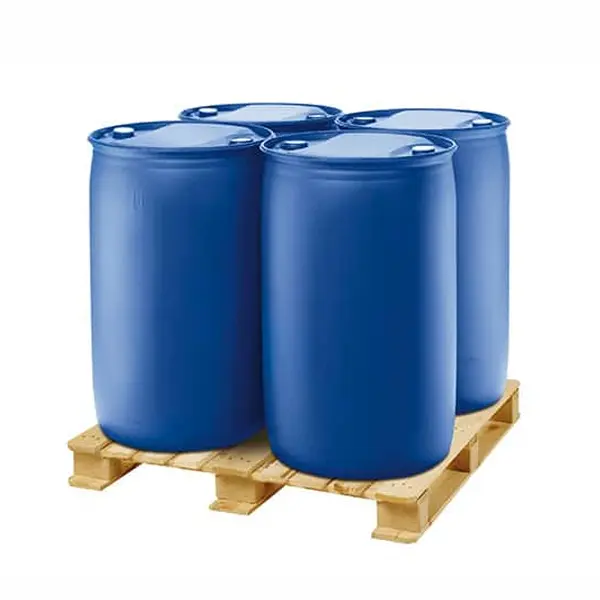
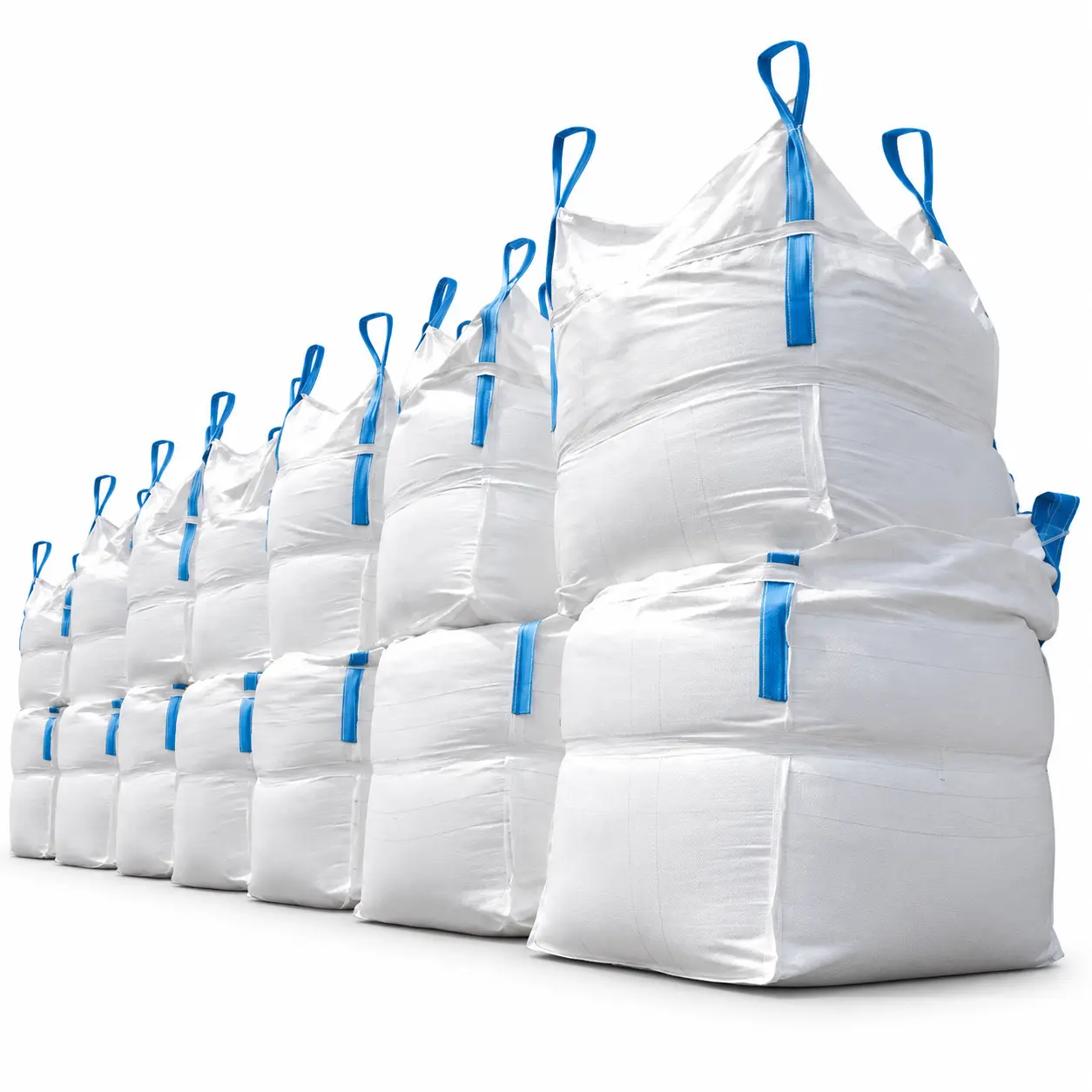
Store Sodium Tripolyphosphate in a dry, cool, well-ventilated area in a tightly closed and clearly labelled container. Protect the material from moisture and contamination, and follow the supplier’s recommendations for storage and handling. Consult the Safety Data Sheet (SDS) for suitable protective equipment, dust-control measures, spill response, and disposal guidance. Food-related applications require appropriate food-grade certification and compliance with local regulations.
Conclusion
Sodium Tripolyphosphate is a versatile industrial chemical used in detergents, water conditioning, ceramics, and certain regulated food-processing applications. Its water-softening, sequestrant, and dispersing properties make it valuable to manufacturers across multiple industries. Selecting the correct grade and following technical specifications are essential for achieving consistent performance and ensuring suitability for the intended use.