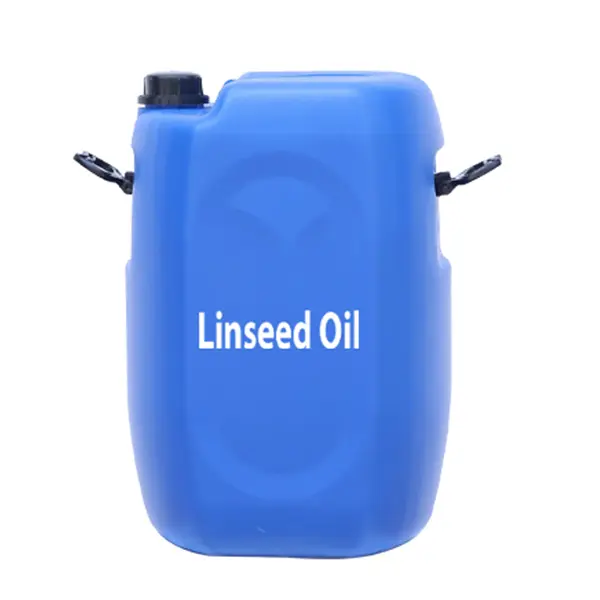
Linseed Oil – Natural Vegetable Oil for Paints, Coatings, Wood Treatment, and Industrial Applications
Introduction
Linseed Oil is a natural vegetable oil extracted from the seeds of the flax plant (Linum usitatissimum). It is widely used in paint manufacturing, wood preservation, varnishes, printing inks, surface coatings, and various industrial formulations. Known for its drying properties, Linseed Oil forms a protective film when exposed to oxygen, making it a valuable ingredient in traditional and modern coating systems.
Linseed Oil typically appears as a pale yellow to golden-yellow liquid, although its color and properties may vary depending on the extraction method, refining process, and commercial grade. It contains a high proportion of unsaturated fatty acids, particularly alpha-linolenic acid, which contributes to its oxidative drying characteristics.
Available in raw, refined, boiled, and other modified forms, Linseed Oil is used across multiple industries where natural oil-based ingredients and film-forming properties are required.
Industrial Applications
Linseed Oil is used in a wide range of industrial, commercial, and specialty applications.
- Paint Manufacturing: Used as a drying oil and binder in traditional oil-based paints and specialty coating formulations.
- Wood Treatment and Preservation: Applied in suitable wood finishes to enhance appearance and provide a moisture-resistant surface treatment.
- Varnish Production: Serves as an ingredient in selected varnishes and protective surface coatings.
- Printing Ink Manufacturing: Used in certain printing ink formulations to support pigment dispersion and film formation.
- Construction Industry: Incorporated into traditional glazing putties, linoleum, and selected building material formulations.
- Artist Paints: Used as a binder and medium in oil paints for artistic applications.
- Industrial Coatings: Applied in specialized formulations requiring oxidative drying and flexible film formation.
- Chemical Manufacturing: Used as a renewable raw material in the production of selected alkyd resins and other oil-based chemical products.
- Flooring Materials: Serves as a component in traditional linoleum flooring production.
- Surface Finishing: Used in compatible treatments for wood, furniture, and other suitable surfaces.
Key Benefits
- Natural Plant-Based Origin: Derived from flaxseed, providing a renewable raw material for industrial formulations.
- Excellent Film-Forming Properties: Forms a solid film through oxidative polymerization when exposed to air.
- Versatile Industrial Applications: Suitable for paints, varnishes, wood finishes, inks, and specialty coatings.
- Enhances Wood Appearance: Can enrich the natural color and grain of compatible wooden surfaces.
- Good Pigment Compatibility: Useful as a binder in selected oil-based paint and ink formulations.
- Multiple Commercial Grades: Available in raw, refined, boiled, and modified forms for different application requirements.
- Renewable Chemical Feedstock: Used in manufacturing processes that incorporate vegetable oil-derived materials.
- Traditional Coating Performance: Provides established drying-oil characteristics in properly formulated coating systems.
Product Specifications
| Parameter | Details |
|---|---|
| Product Name | Linseed Oil |
| Alternative Name | Flaxseed Oil |
| Botanical Source | Linum usitatissimum |
| CAS Number | 8001-26-1 |
| Chemical Classification | Vegetable drying oil |
| Chemical Composition | Mixture of triglycerides containing unsaturated and saturated fatty acids |
| Appearance | Pale yellow to golden-yellow liquid |
| Odor | Characteristic mild vegetable oil odor |
| Water Solubility | Practically insoluble in water |
| Density | Typically approximately 0.92–0.94 g/cm³ at 20°C, depending on grade |
| Main Fatty Acid | Alpha-linolenic acid (ALA) |
| Drying Property | Oxidative drying and film formation |
| Common Grades | Raw, refined, boiled, and modified Linseed Oil |
| Primary Functions | Drying oil, coating binder, wood finishing ingredient, chemical raw material |
| Main Applications | Paints, varnishes, printing inks, wood treatment, linoleum, industrial coatings |
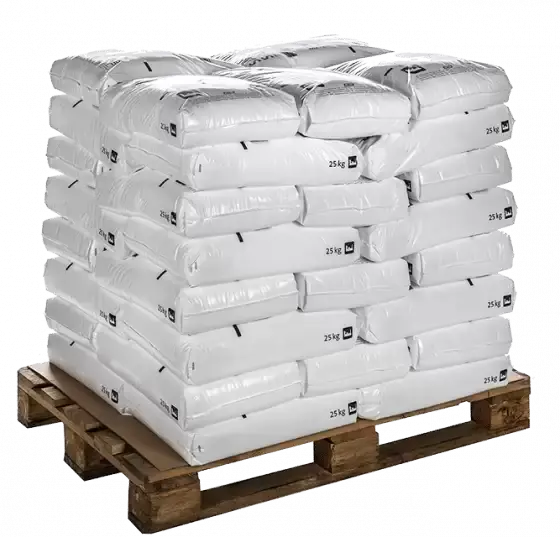
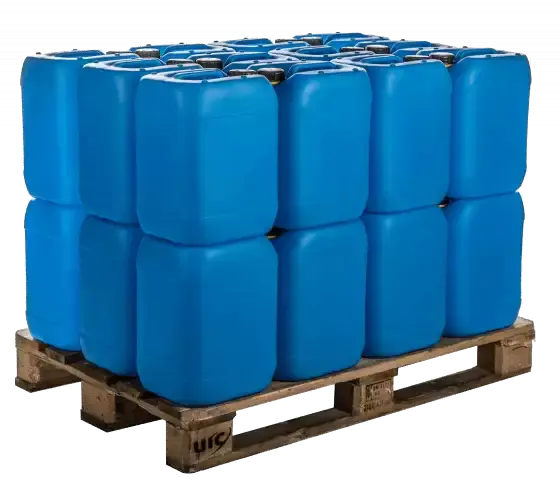
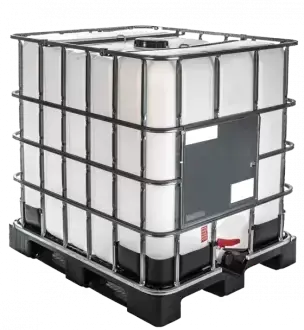
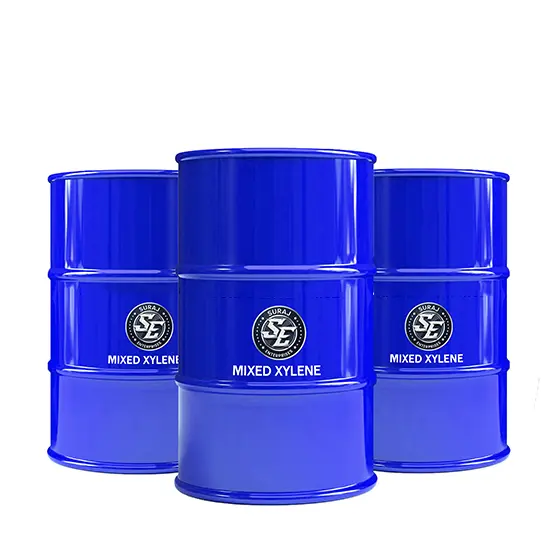
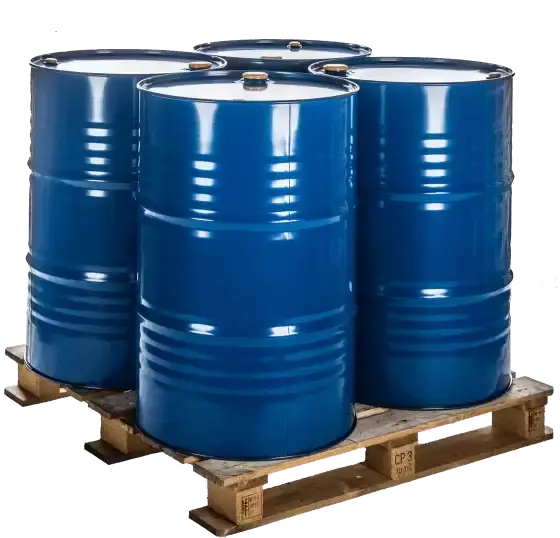
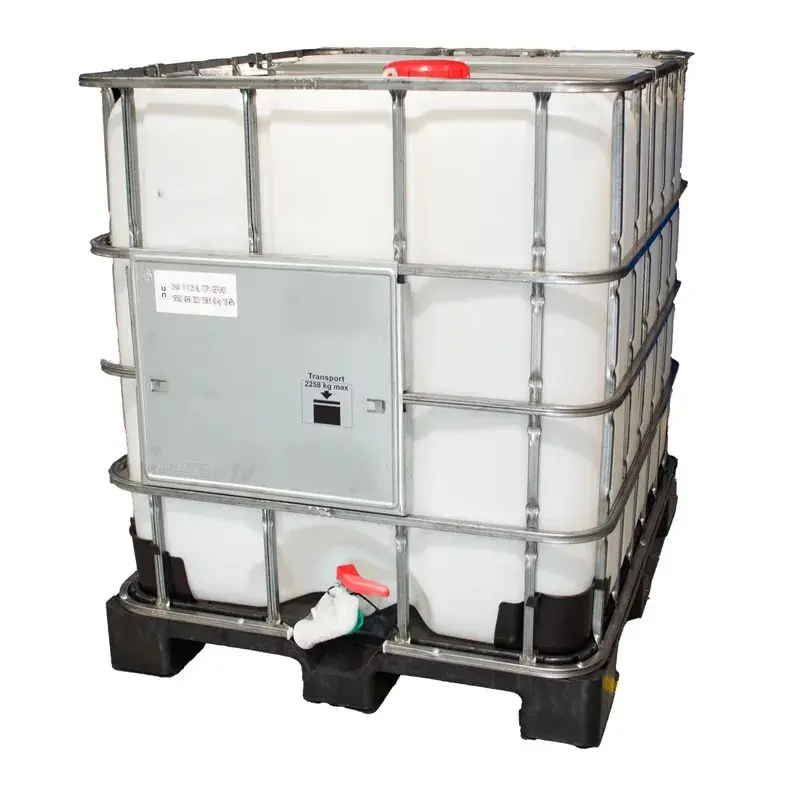
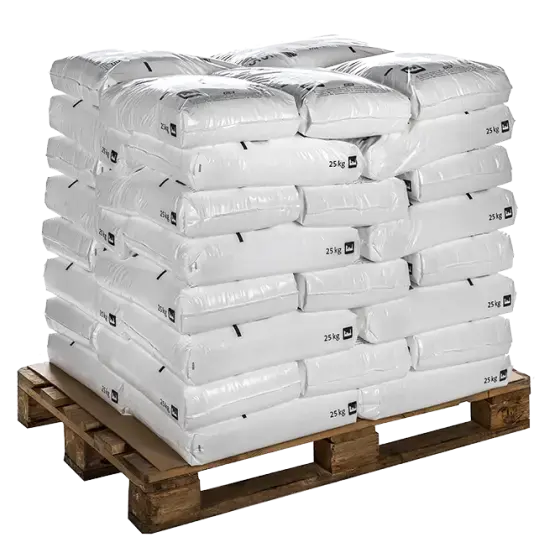
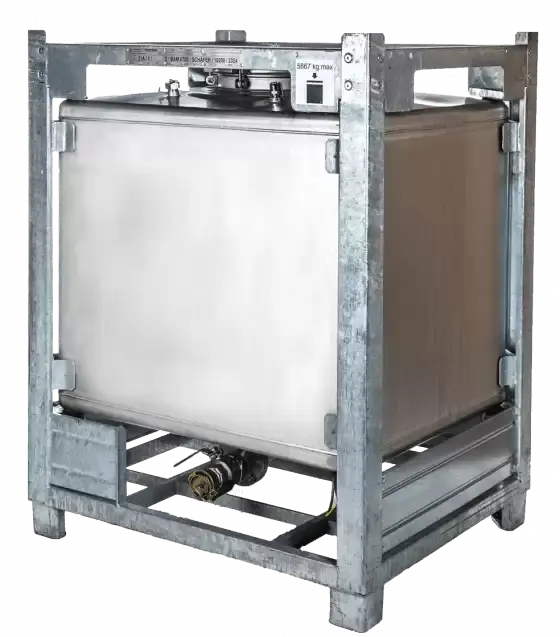
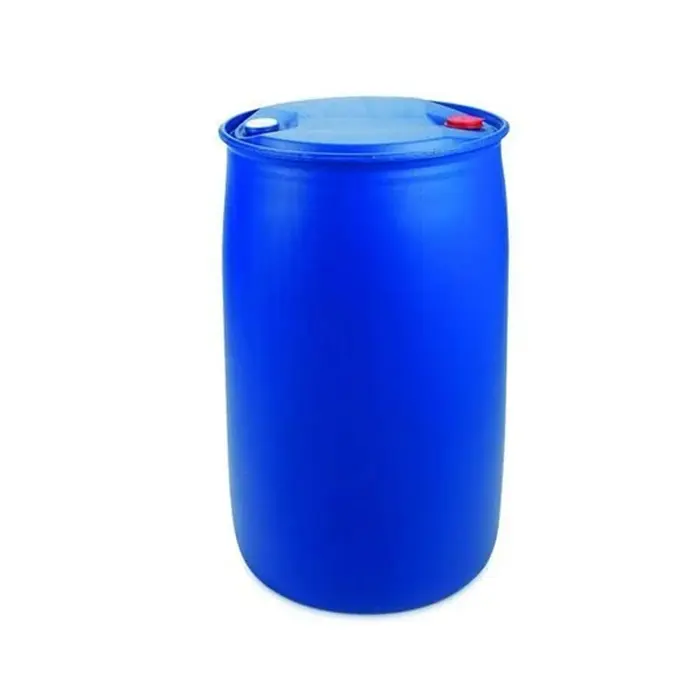
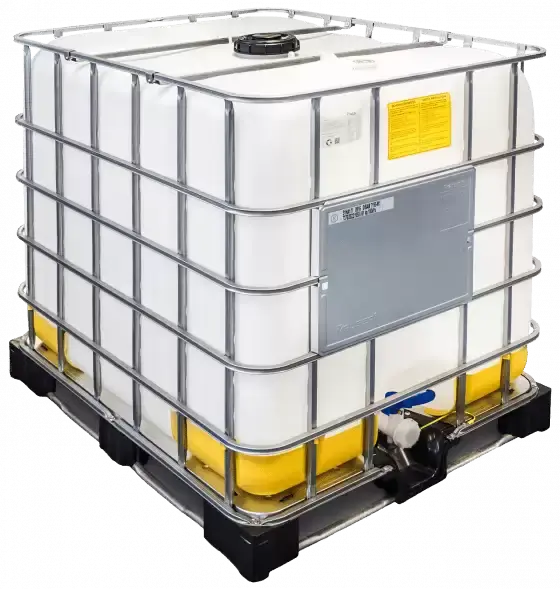
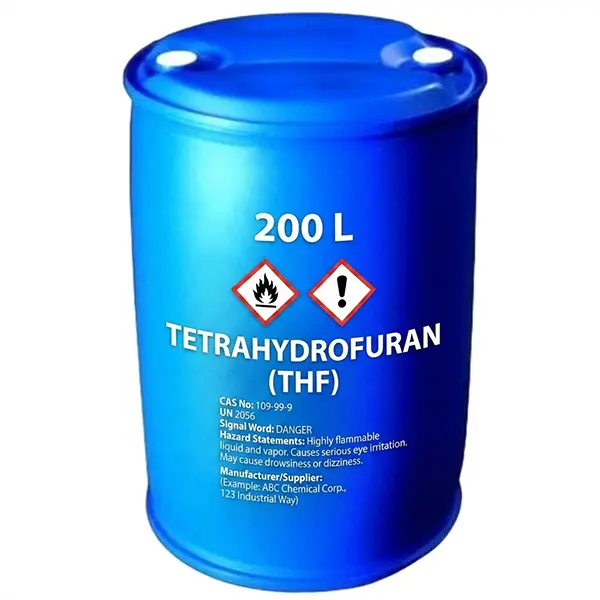
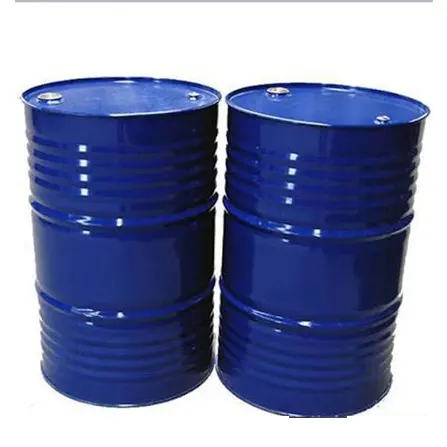
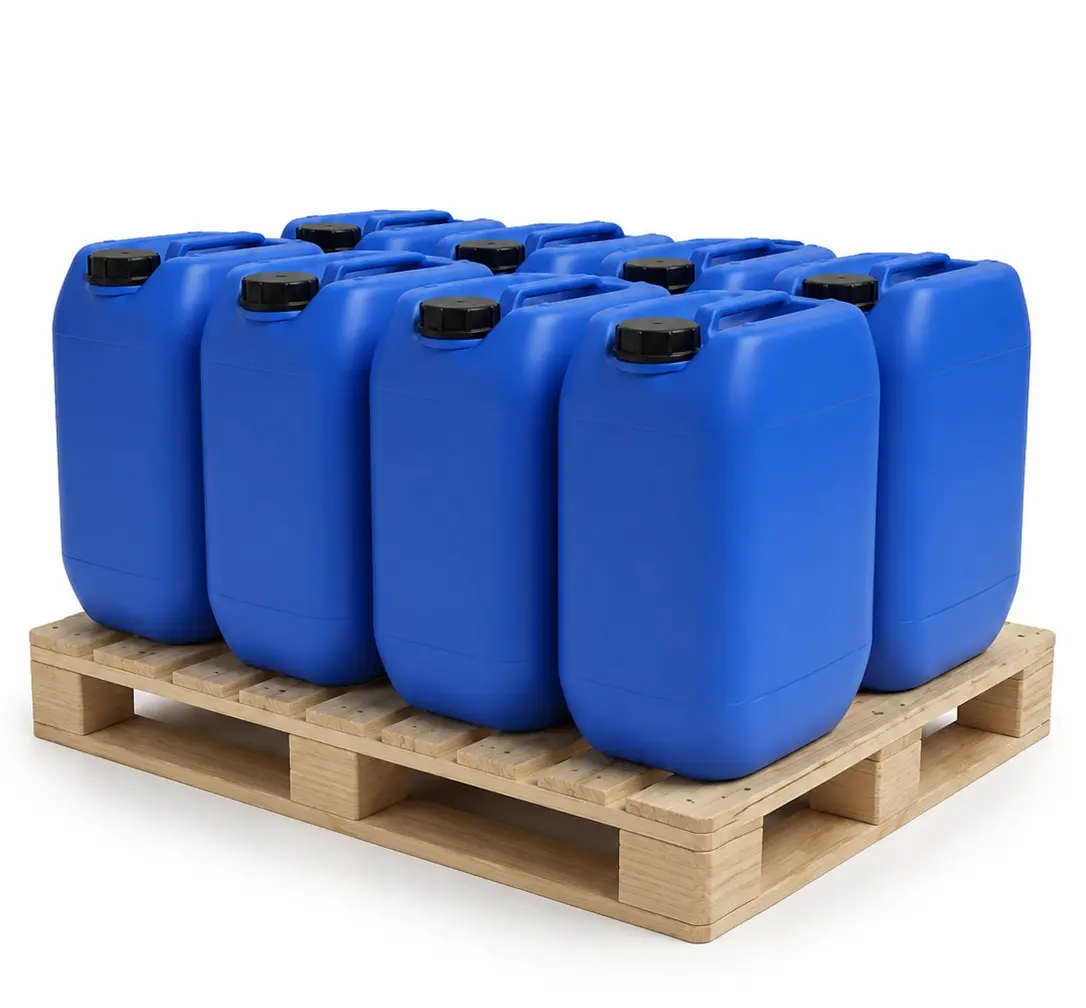
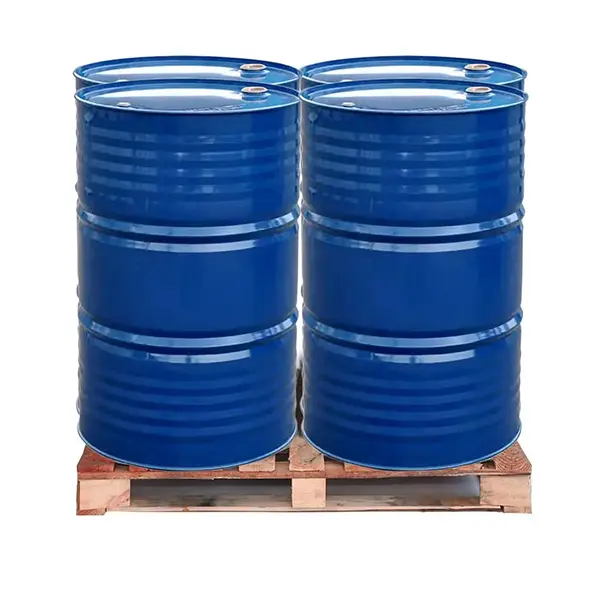
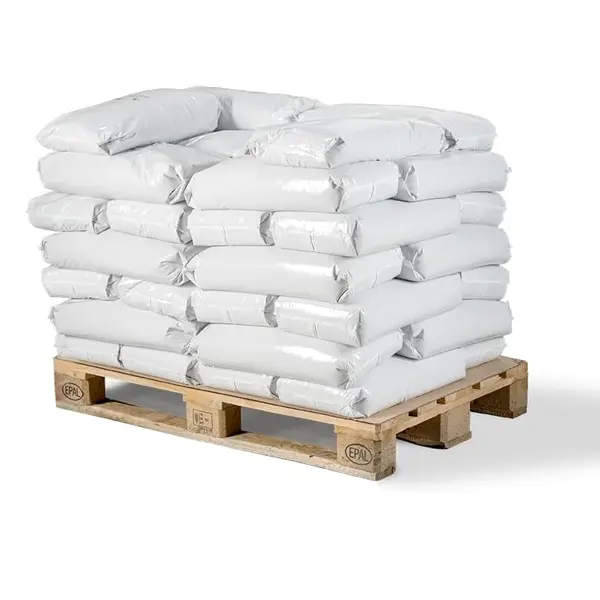
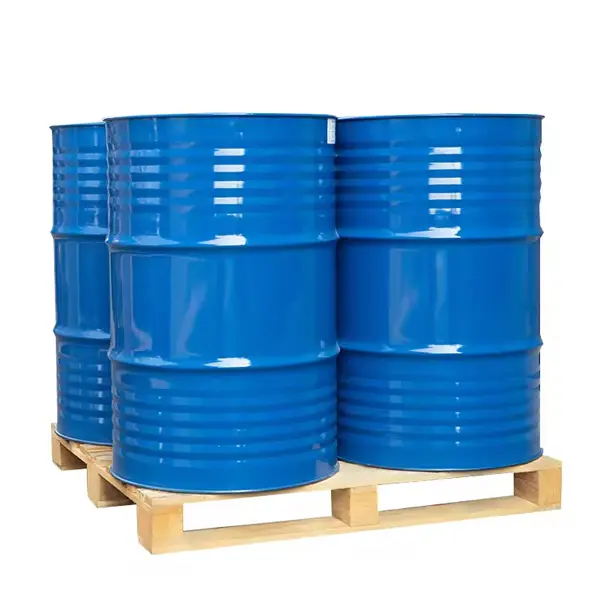
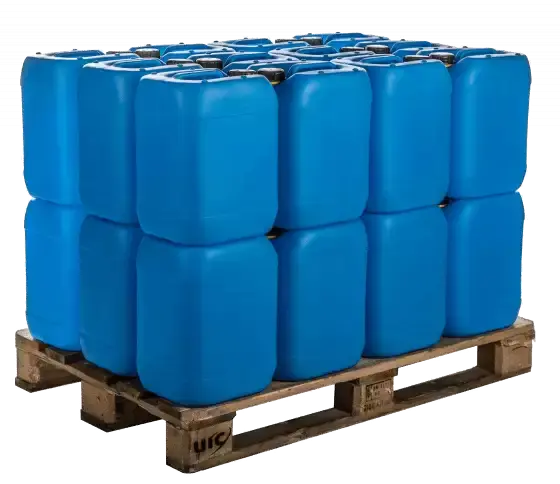
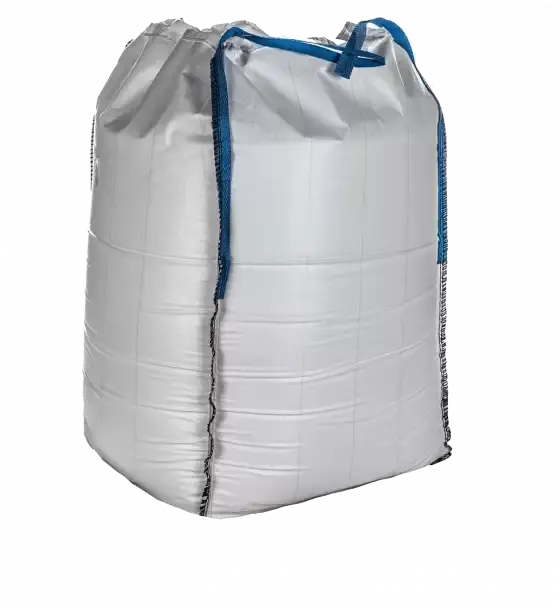
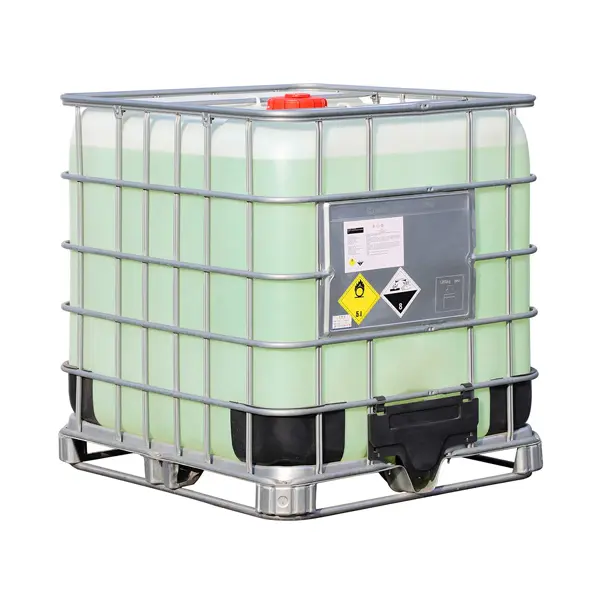
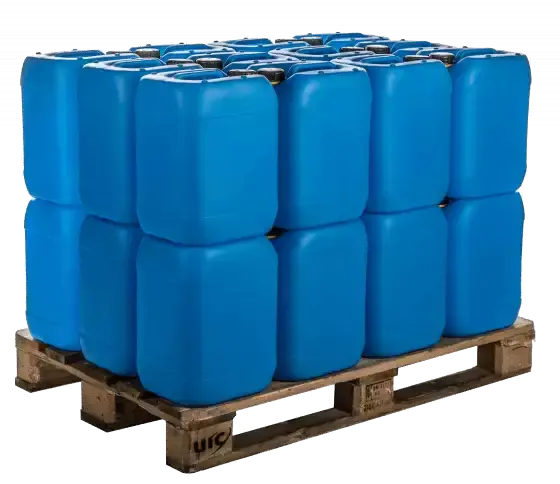
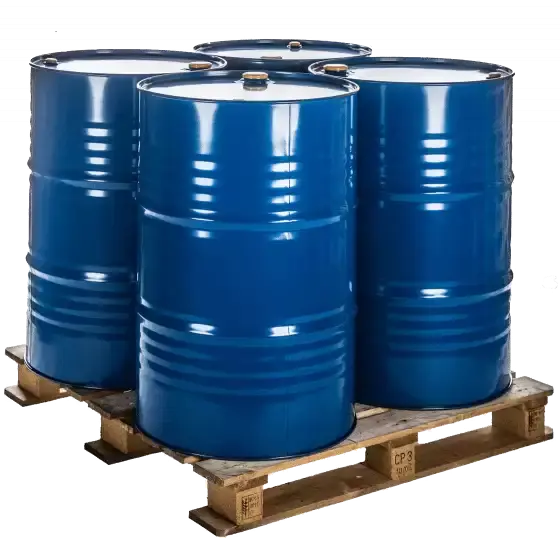
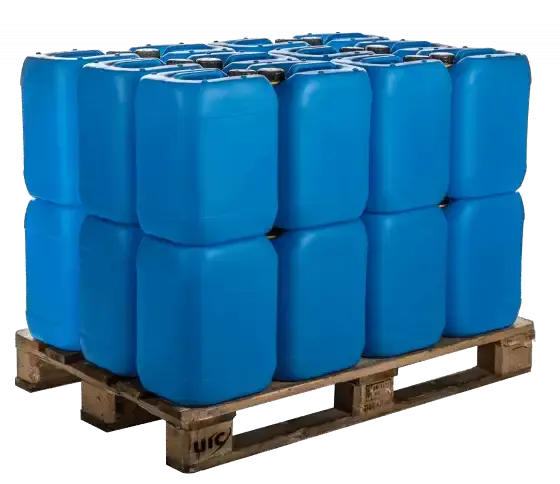
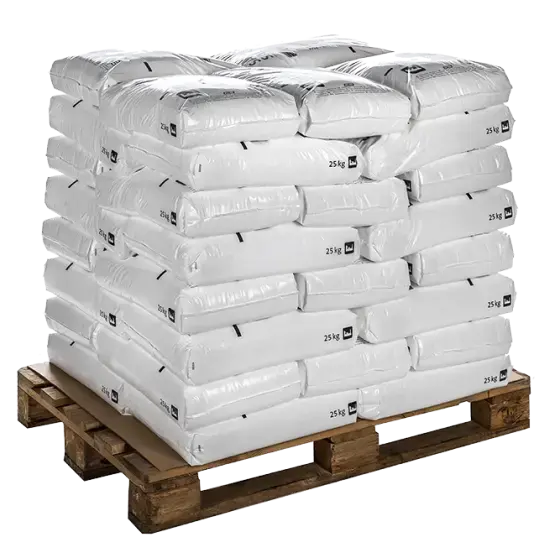
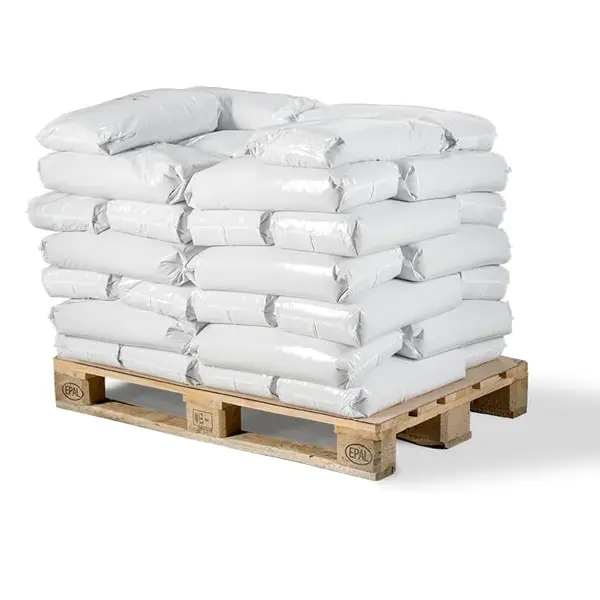
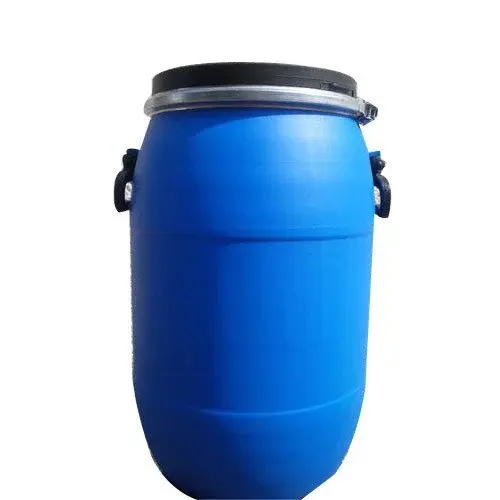
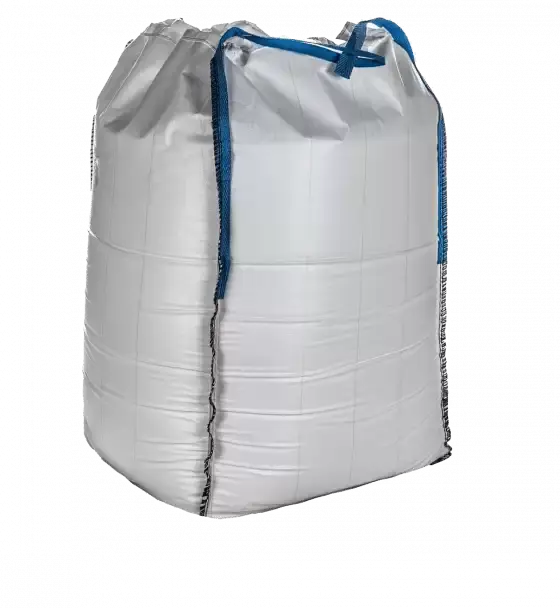
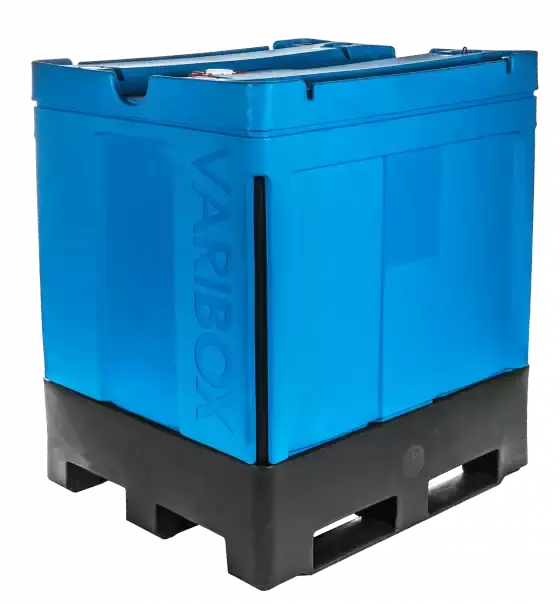
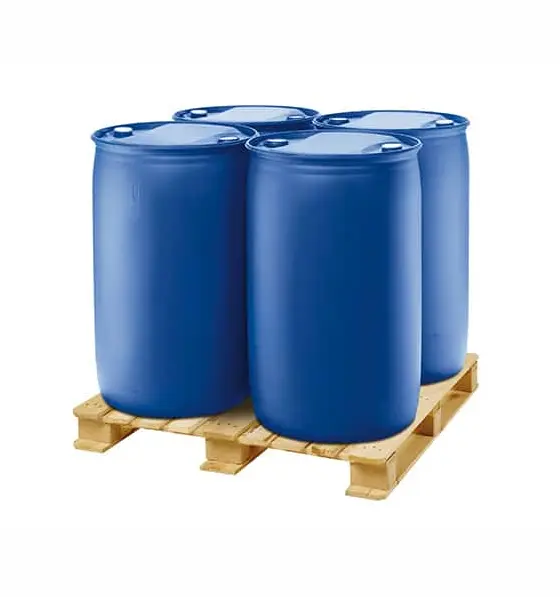
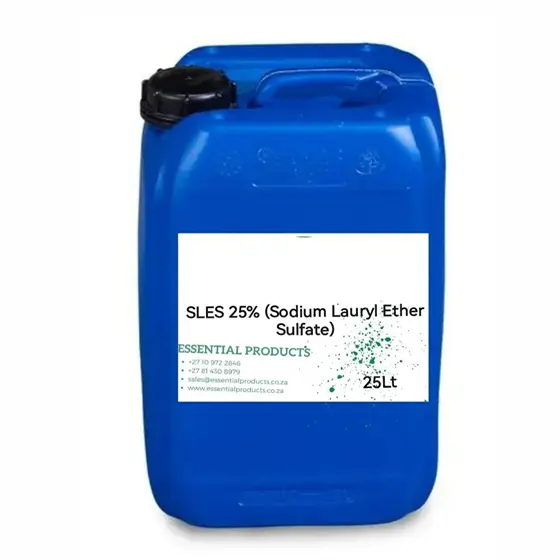
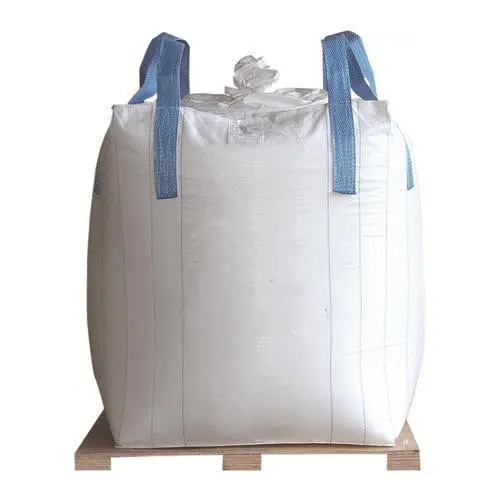
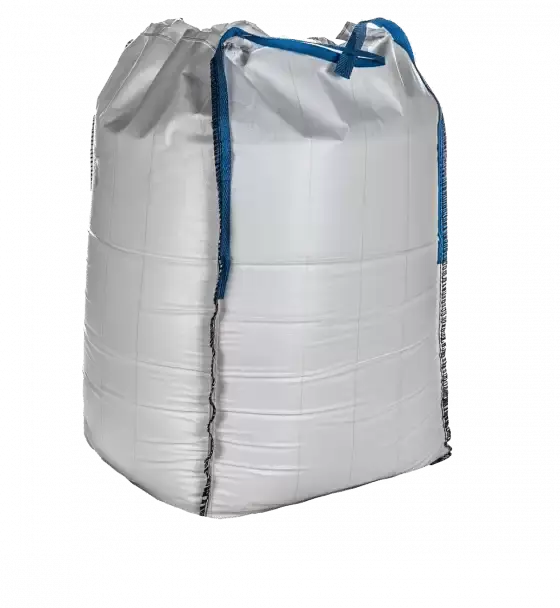
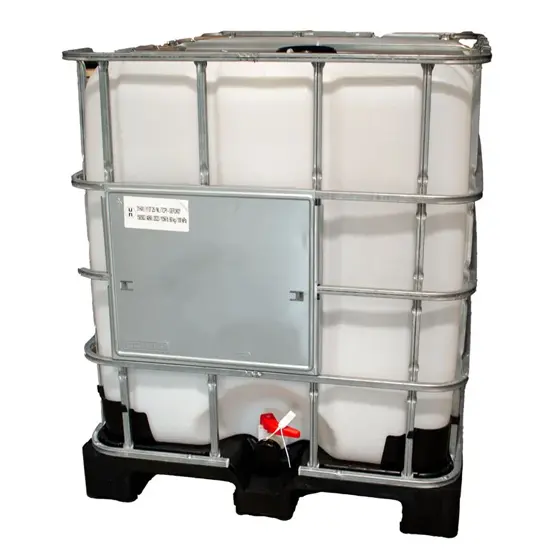
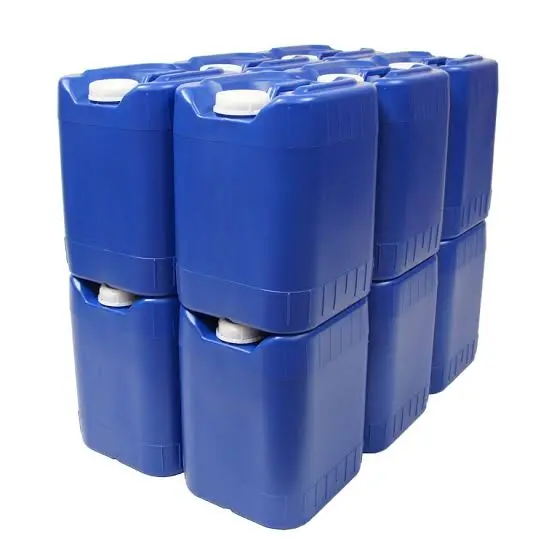
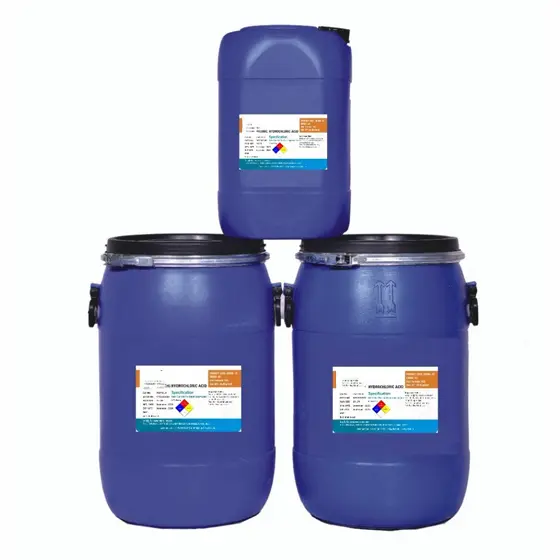
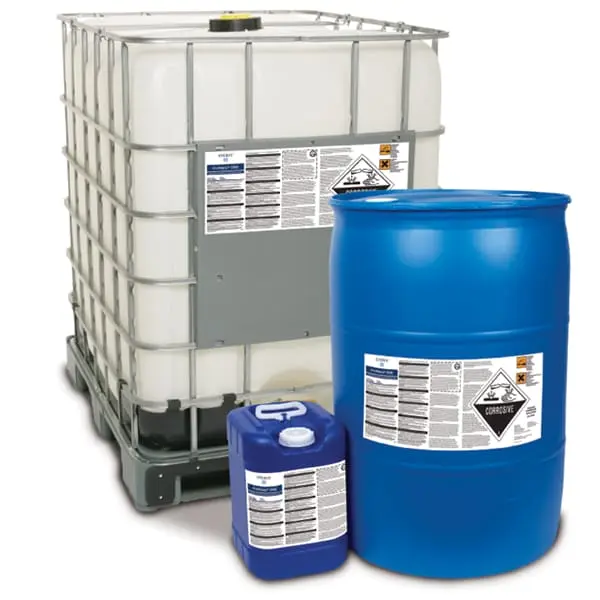
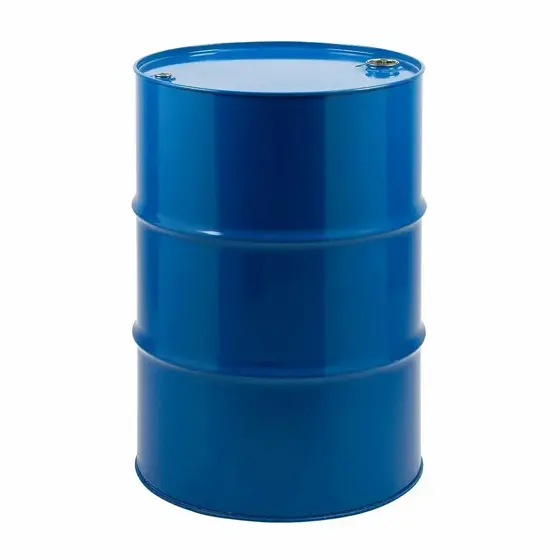
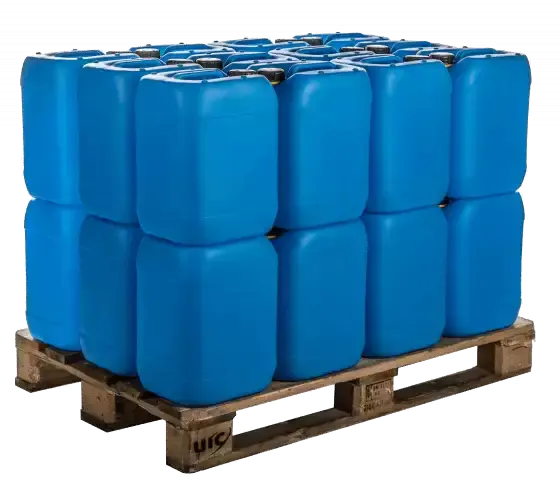
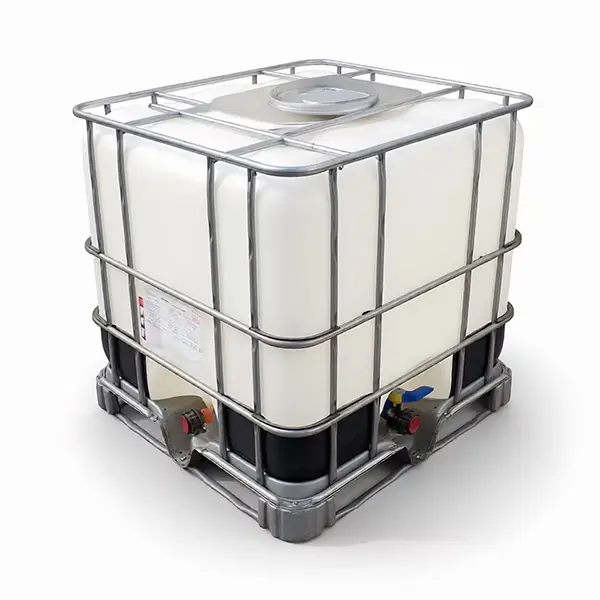
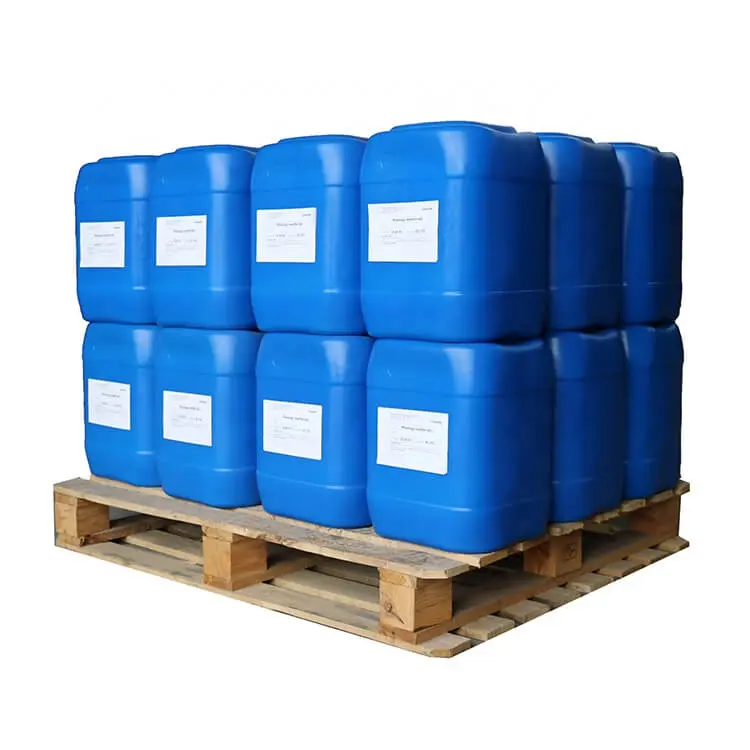
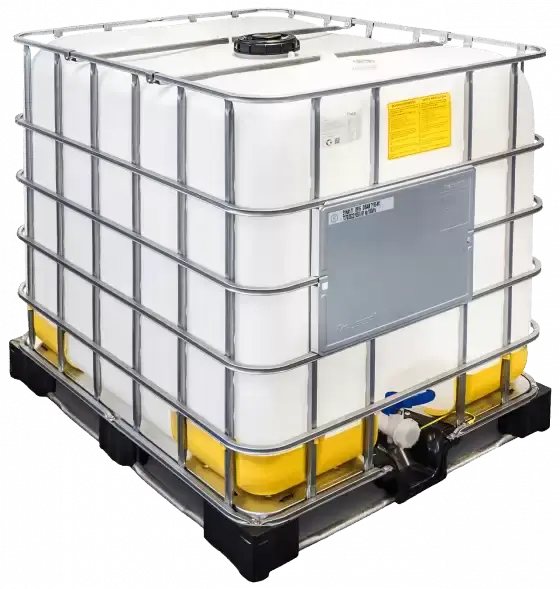
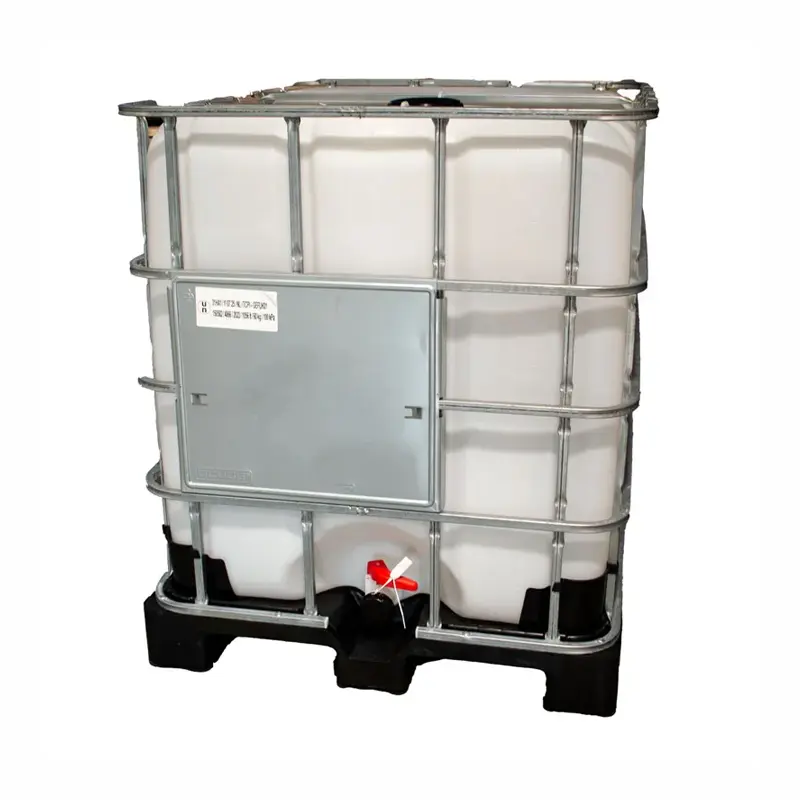
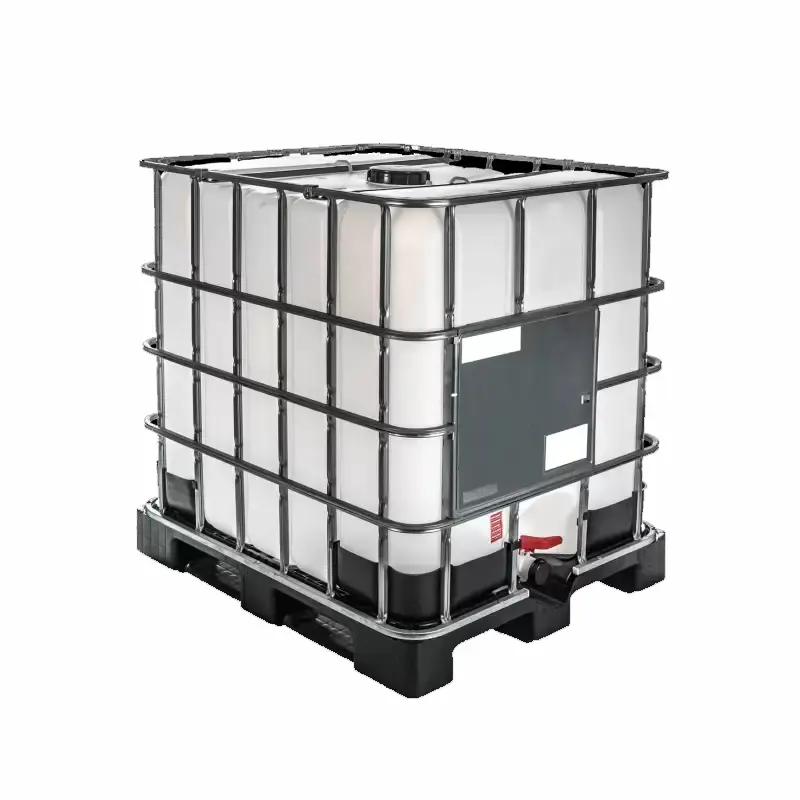
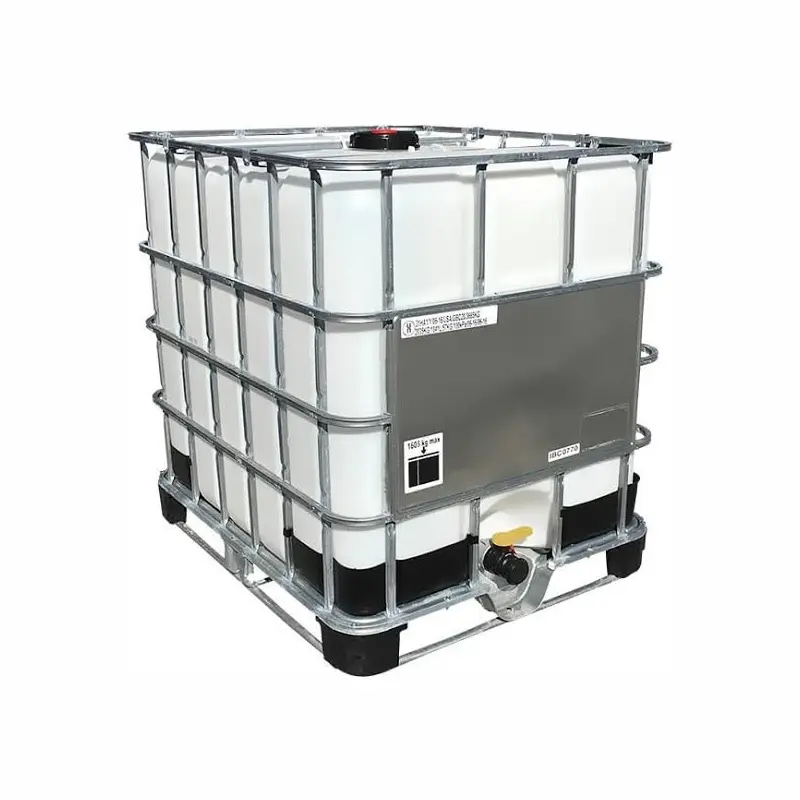
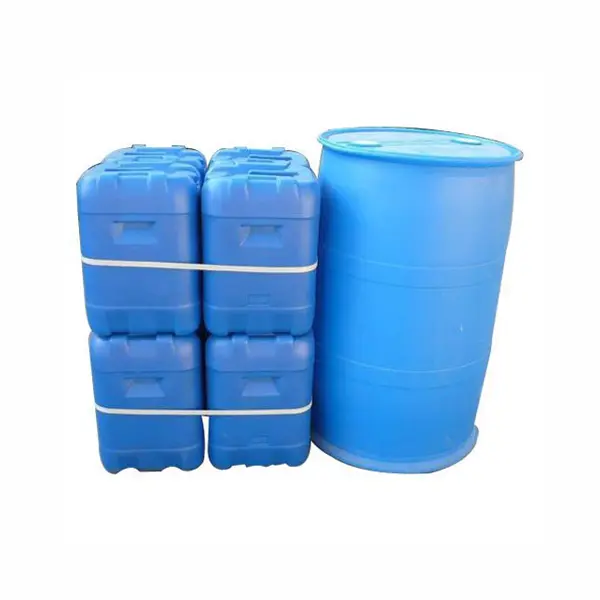
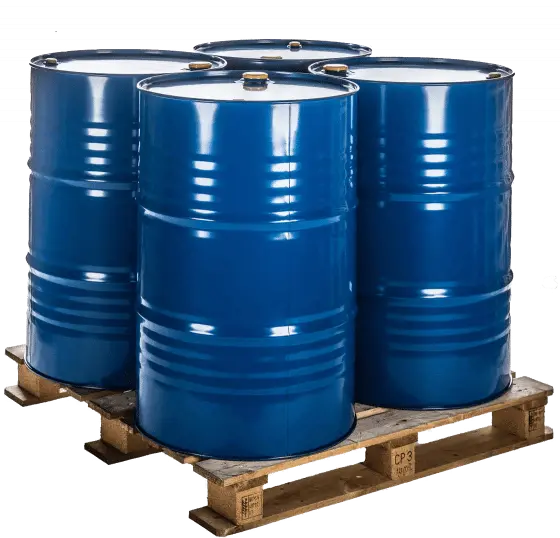
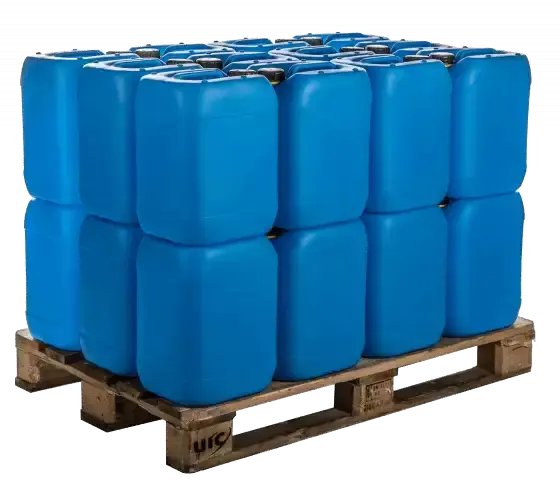
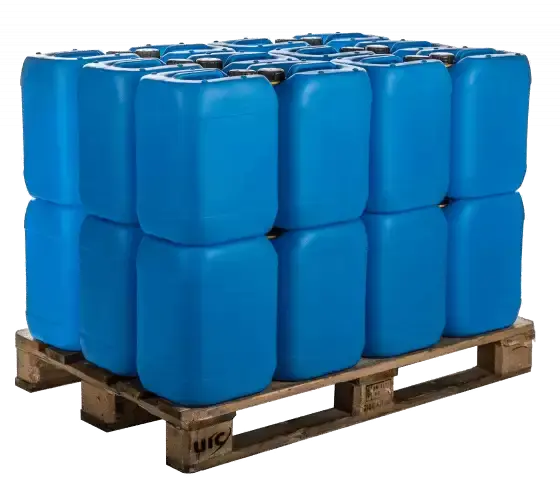
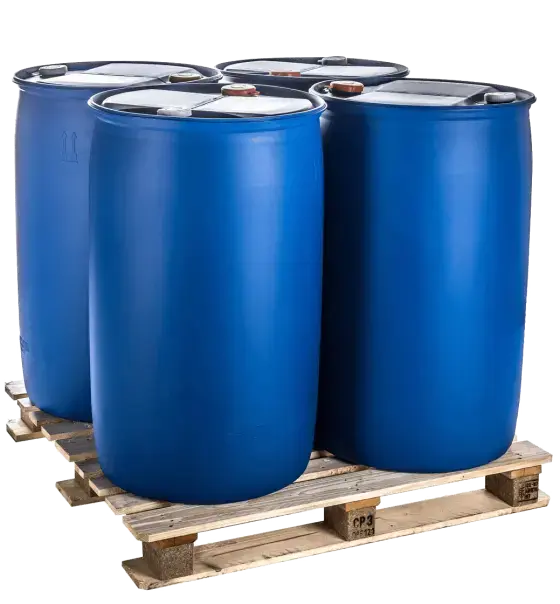
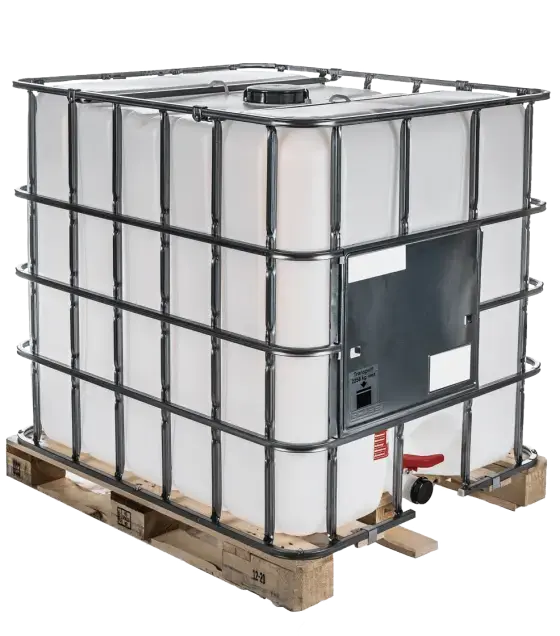
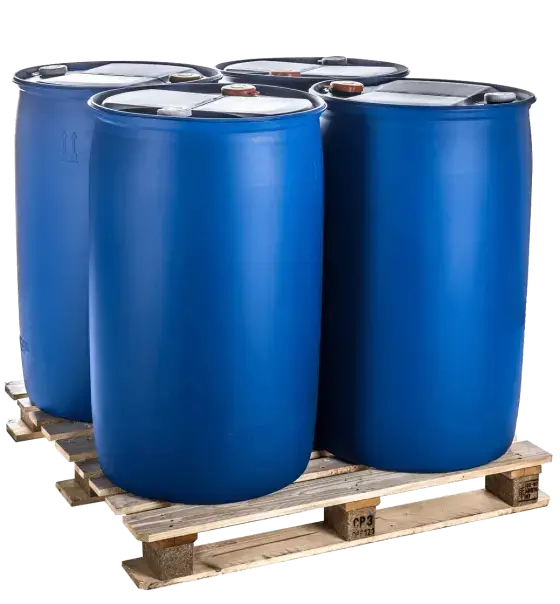
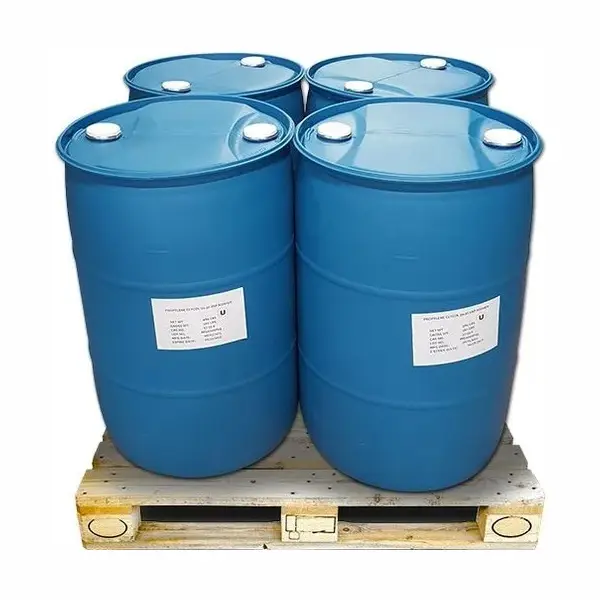
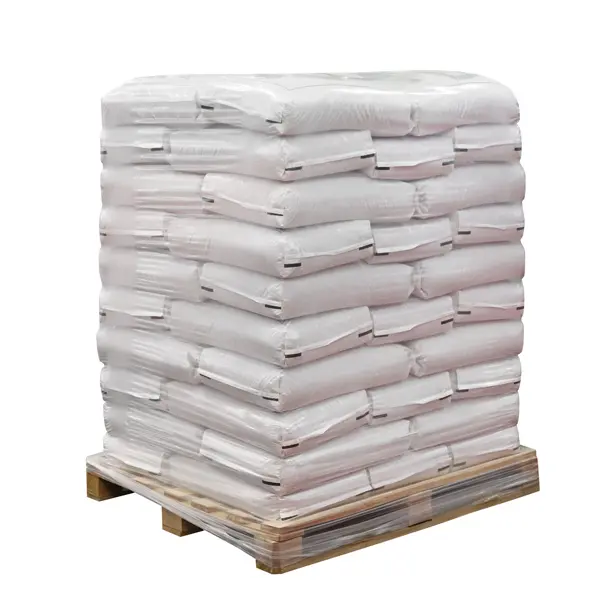
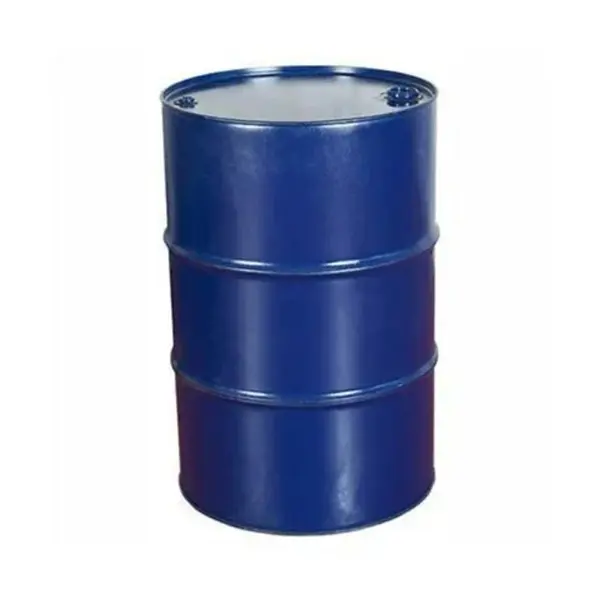
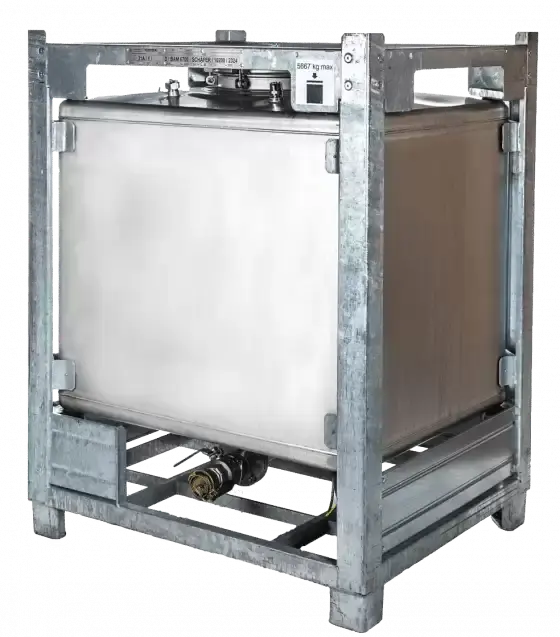
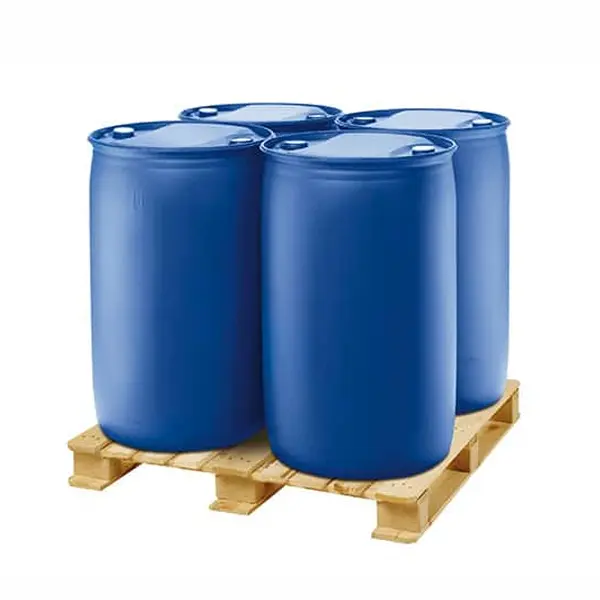
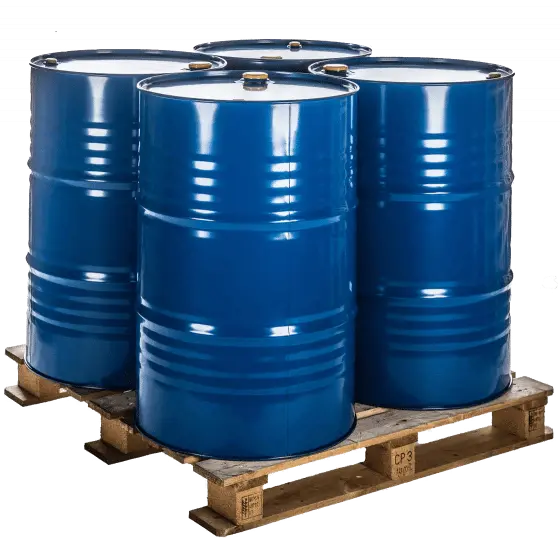
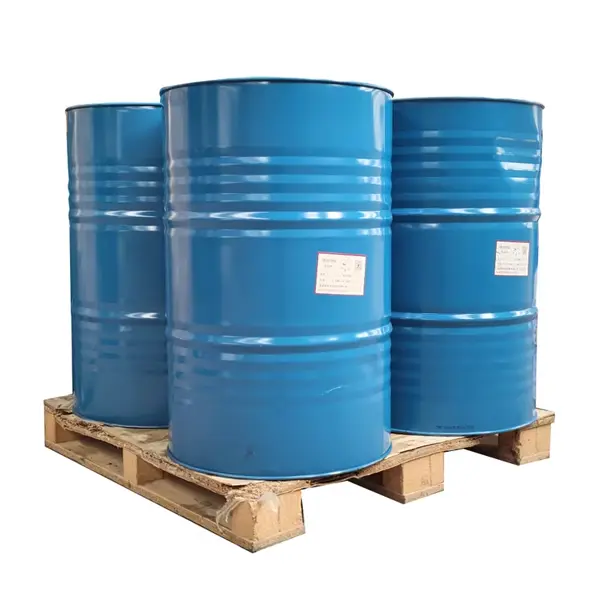
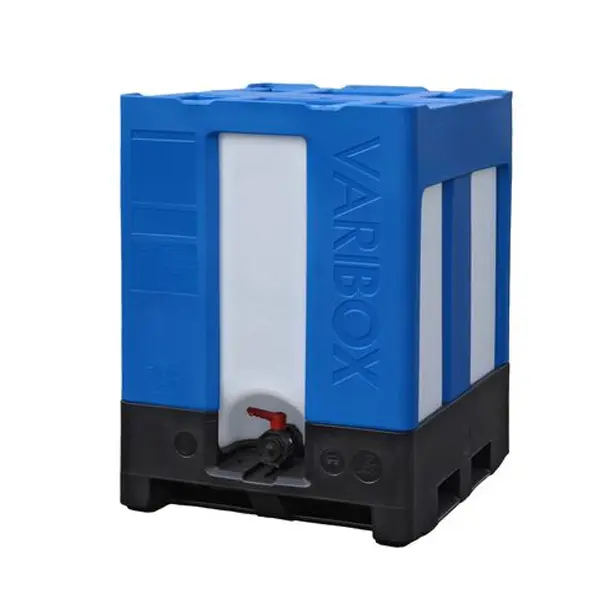
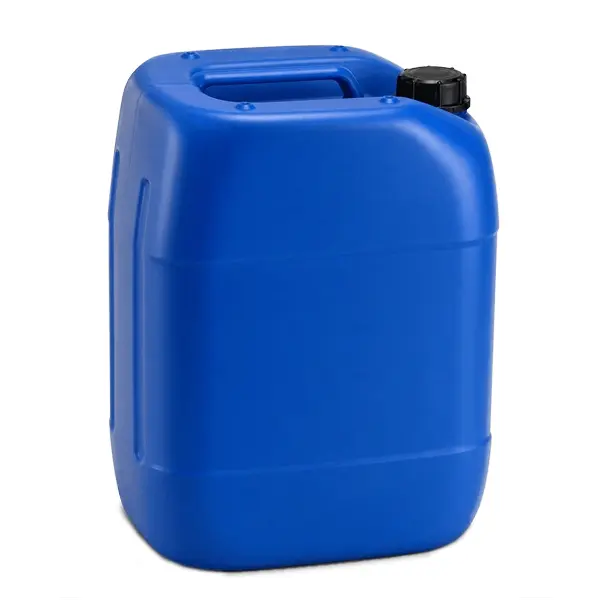
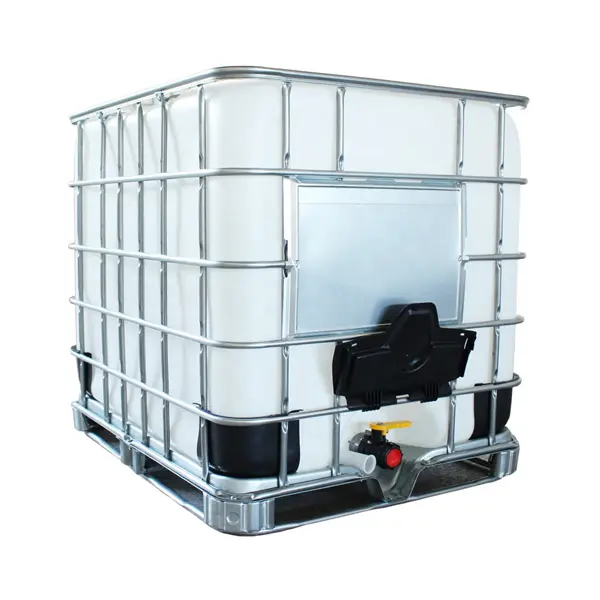
| Packaging | Bottles, cans, drums, IBCs, or bulk containers, depending on supplier |
| Grade and Purity | According to supplier specifications and Certificate of Analysis (COA) |
Note: Linseed Oil is a natural mixture rather than a single chemical compound. Its exact composition, density, drying behavior, and other properties vary with the source and processing method.
Storage and Handling
Proper storage and handling are important for maintaining the quality and stability of Linseed Oil.
- Store in tightly closed containers in a cool, dry, and well-ventilated area.
- Protect the oil from excessive heat, direct sunlight, and unnecessary exposure to air.
- Use suitable gloves and eye protection during bulk handling and industrial processing.
- Avoid prolonged contact with skin and prevent contamination of the product.
- Keep away from ignition sources and incompatible materials identified in the Safety Data Sheet (SDS).
- Store away from strong oxidizing agents and other incompatible chemicals.
- Use appropriate containers and handling equipment suitable for vegetable oils.
- Follow applicable regulations for chemical storage, transportation, and disposal.
Important Safety Precaution: Rags, paper towels, and other absorbent materials soaked with Linseed Oil can generate heat during oxidation and may spontaneously ignite. Place used materials in an approved fire-safe container and dispose of them according to applicable fire safety guidance. Never leave oil-soaked rags piled together.
Always consult the manufacturer's SDS before industrial use.
Quality and Supply
Linseed Oil is available in different grades to meet the requirements of coating manufacturers, wood treatment suppliers, printing ink producers, and industrial chemical processors.
Product quality may be evaluated according to several parameters, including:
-
Color and appearance
-
Acid value
-
Iodine value
-
Saponification value
-
Moisture content
-
Fatty acid composition
-
Density and viscosity
-
Drying characteristics
-
Impurity limits
Raw Linseed Oil, Refined Linseed Oil, and Boiled Linseed Oil may differ significantly in processing, drying performance, and additive content. Commercial boiled linseed oil may contain metallic drying agents or other additives, depending on the formulation.
Before purchasing, review the supplier's Technical Data Sheet (TDS), Safety Data Sheet (SDS), and Certificate of Analysis (COA) to confirm that the selected product meets the intended application requirements.
Food-grade flaxseed oil must meet appropriate food safety specifications. Industrial Linseed Oil should not be used for food or pharmaceutical applications unless specifically manufactured and certified for that purpose.
Conclusion
Linseed Oil is a versatile, plant-derived drying oil widely used in paints, varnishes, wood treatment, printing inks, linoleum, and specialty industrial formulations. Its natural origin, film-forming characteristics, and compatibility with selected coating ingredients make it an important raw material in traditional and modern manufacturing processes.
Choosing the appropriate grade is essential for achieving the desired drying behavior, finish quality, and formulation performance. Proper storage, responsible handling, and compliance with safety requirements help maintain product quality and support reliable industrial applications.