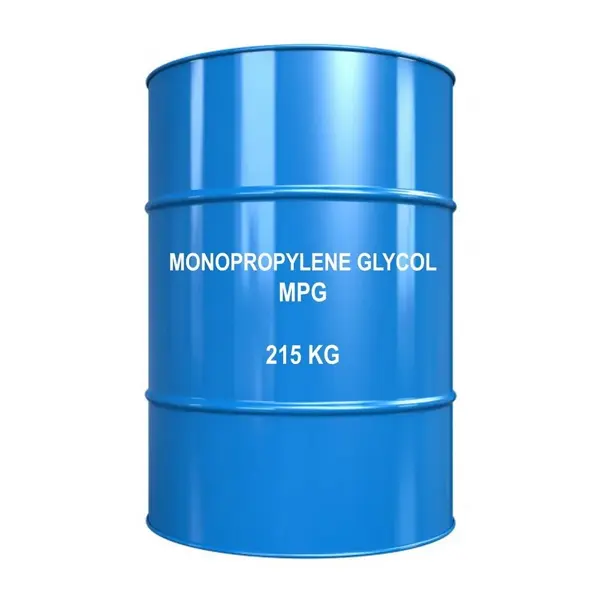
Mono Propylene Glycol (MPG) – Versatile Industrial Fluid for Chemical, Food, and Manufacturing Applications
Introduction
Mono Propylene Glycol (MPG), also known as 1,2-Propanediol or Propylene Glycol, is an organic compound widely used as a solvent, humectant, heat-transfer fluid component, and chemical intermediate. Its chemical formula is C₃H₈O₂. It is typically a clear, colorless, nearly odorless, and hygroscopic liquid that mixes readily with water and many other polar solvents.
Mono Propylene Glycol is available in different grades, including industrial, food, and pharmaceutical grades. Each grade is designed for specific applications and must meet the appropriate purity and regulatory requirements. Its versatility and relatively low volatility make it valuable in numerous manufacturing and formulation processes.
Industrial Applications
- Food and Beverage Manufacturing: Food-grade MPG may be used as a solvent, carrier, or humectant in permitted applications, subject to local regulations.
- Pharmaceutical Products: Suitable pharmaceutical-grade material is used in selected formulations as a solvent or carrier for compatible ingredients.
- Cosmetics and Personal Care: Used as a humectant, solvent, and formulation ingredient in selected creams, lotions, and personal-care products.
- Industrial Heat-Transfer Systems: Used in formulated heat-transfer fluids and certain antifreeze products where propylene glycol is appropriate.
- Chemical Manufacturing: Serves as a raw material and process ingredient in the production of selected chemical products.
- Paints and Coatings: Used in compatible water-based formulations to support solvent performance and formulation stability.
Key Benefits
- Miscible with water and many polar solvents.
- Low volatility compared with many conventional organic solvents.
- Hygroscopic properties make it useful in moisture-retaining formulations.
- Suitable for a broad range of industrial and formulation applications.
- Available in different grades to meet application-specific purity requirements.
- Can provide consistent performance when product quality and formulation compatibility are controlled.
Product Specifications
| Specification | Details |
|---|---|
| Product Name | Mono Propylene Glycol |
| Abbreviation | MPG |
| Alternative Names | Propylene Glycol, 1,2-Propanediol, Propane-1,2-diol |
| Chemical Formula | C₃H₈O₂ |
| CAS Number | 57-55-6 |
| Molecular Weight | 76.09 g/mol |
| Appearance | Clear, colorless liquid |
| Odor | Nearly odorless or faint characteristic odor |
| Boiling Point | Approximately 188°C |
| Density | Approximately 1.04 g/cm³ at 20°C |
| Solubility | Miscible with water |
| Chemical Classification | Diol (glycol alcohol) |
| Primary Function | Solvent, humectant, heat-transfer fluid component, chemical intermediate |
| Main Applications | Food and pharmaceutical formulations, personal care, heat-transfer fluids, chemical manufacturing |
| Available Grades | Industrial, food, pharmaceutical, subject to supplier availability |
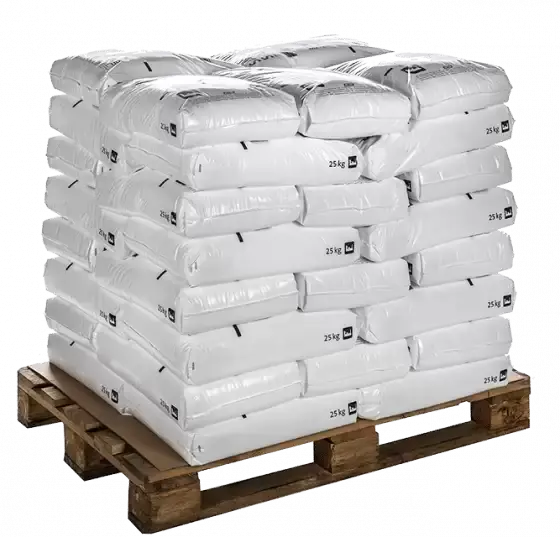
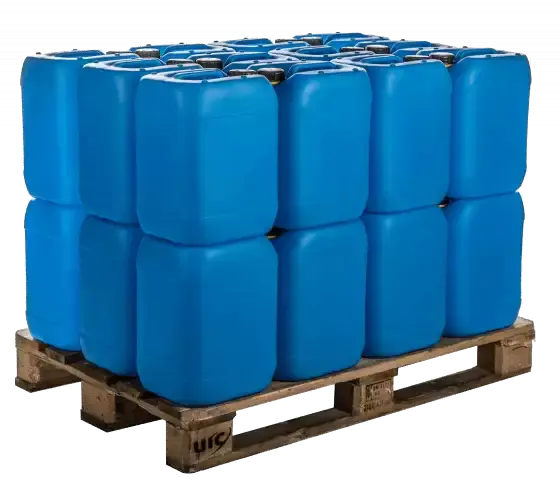
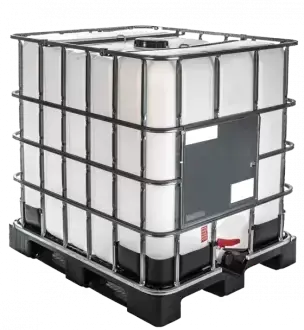
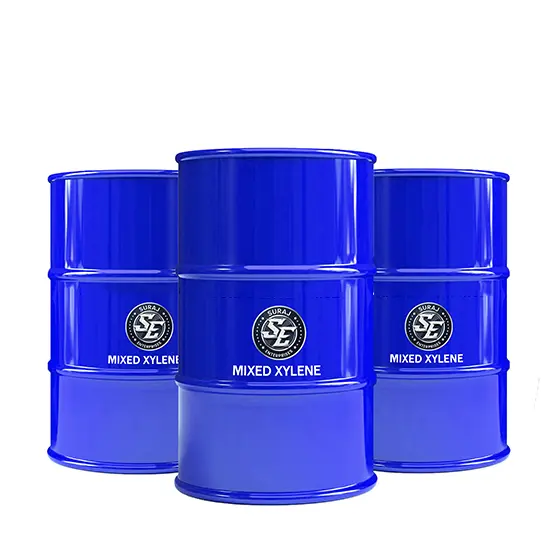
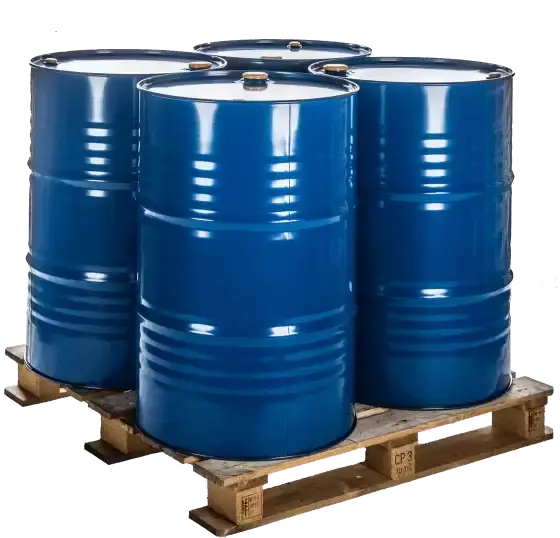
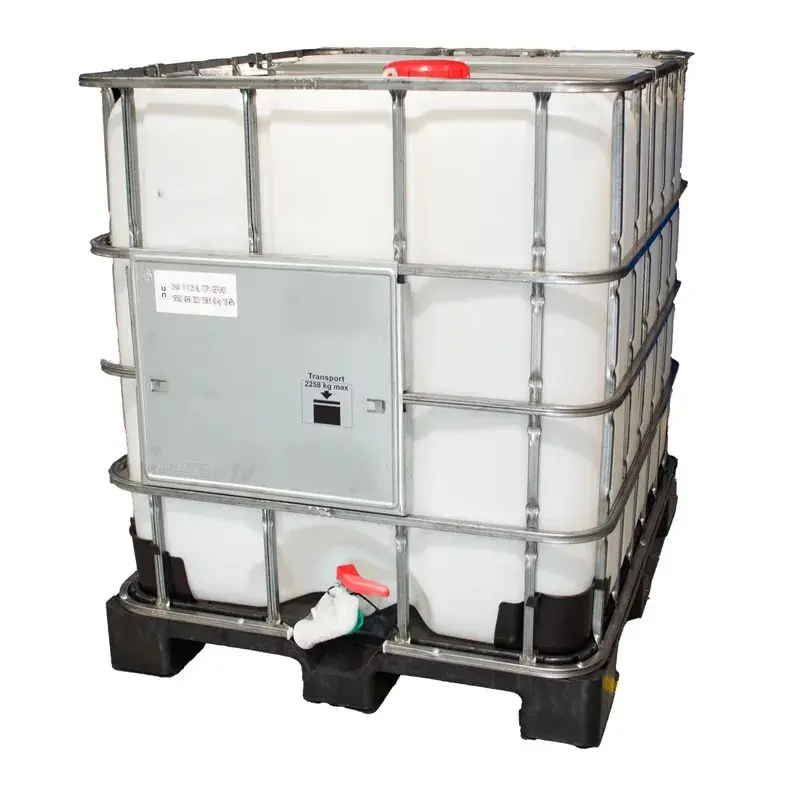
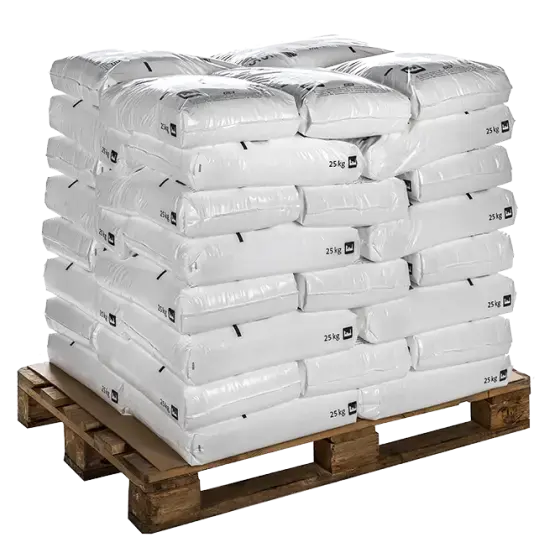
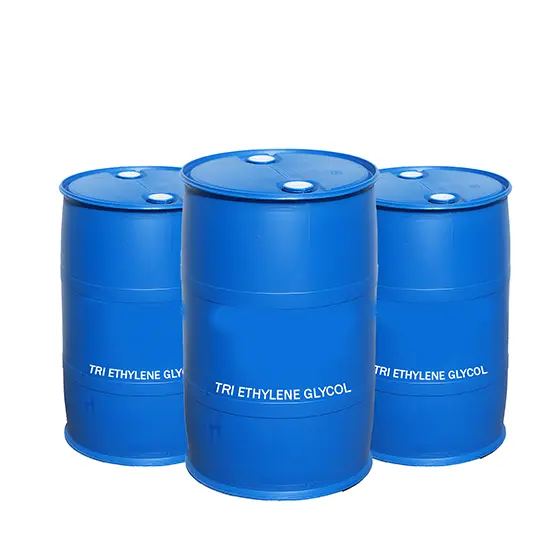
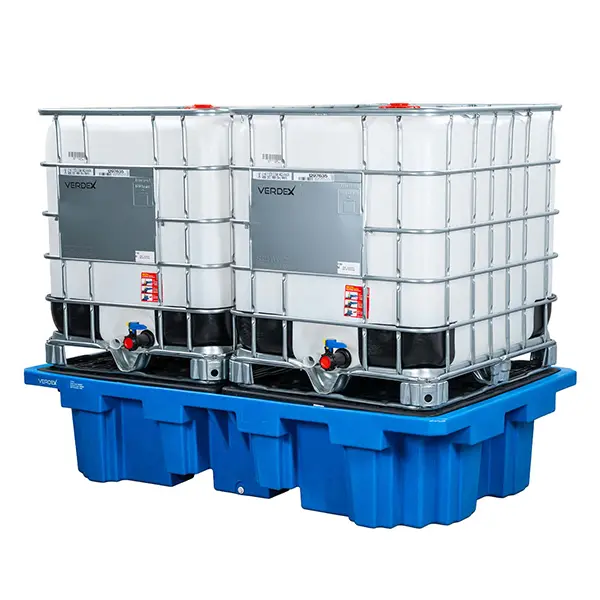
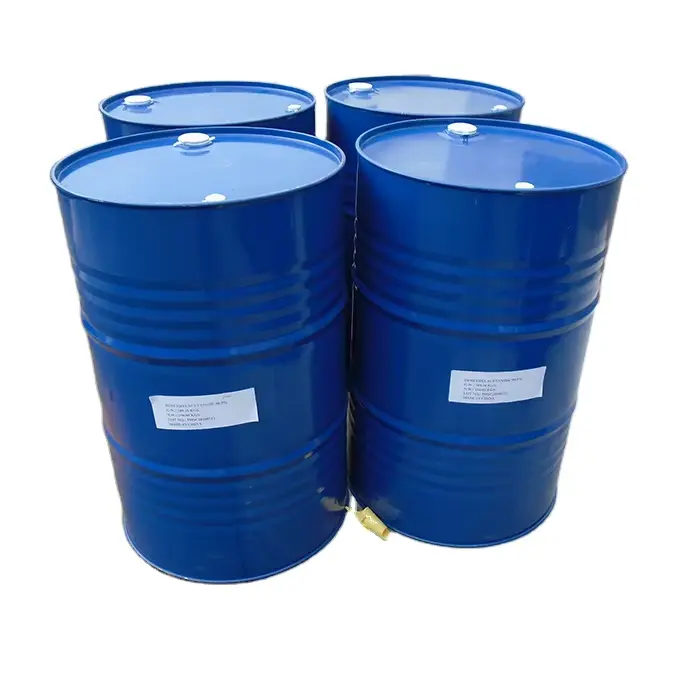
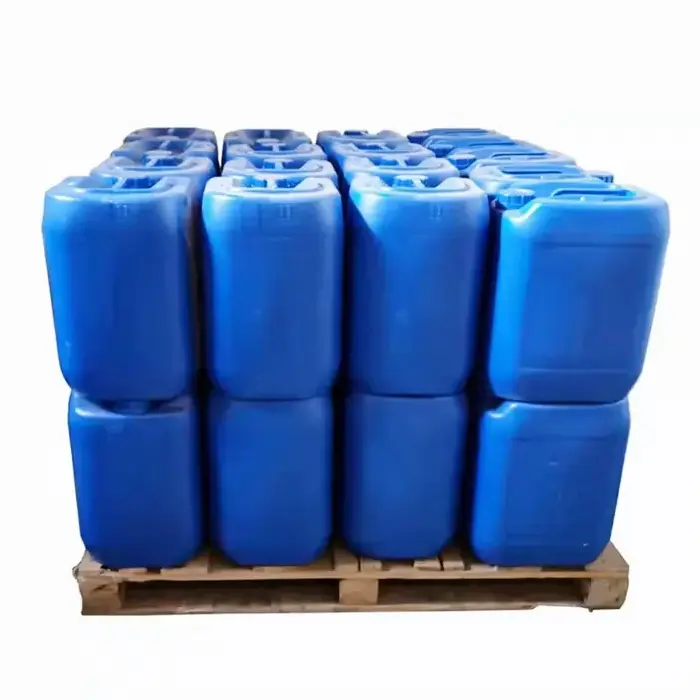
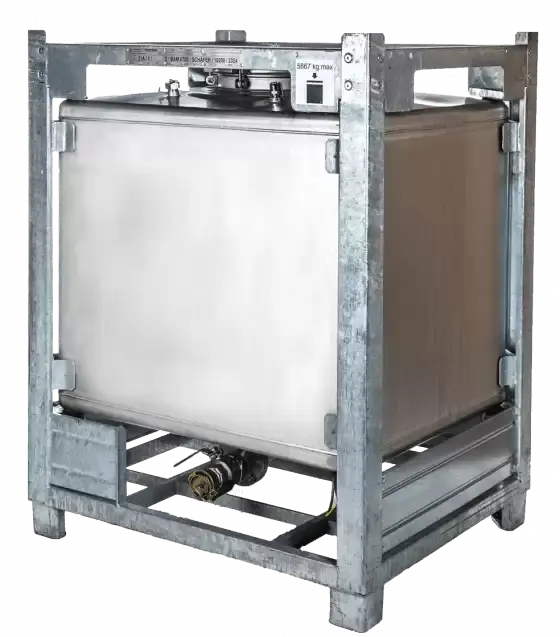
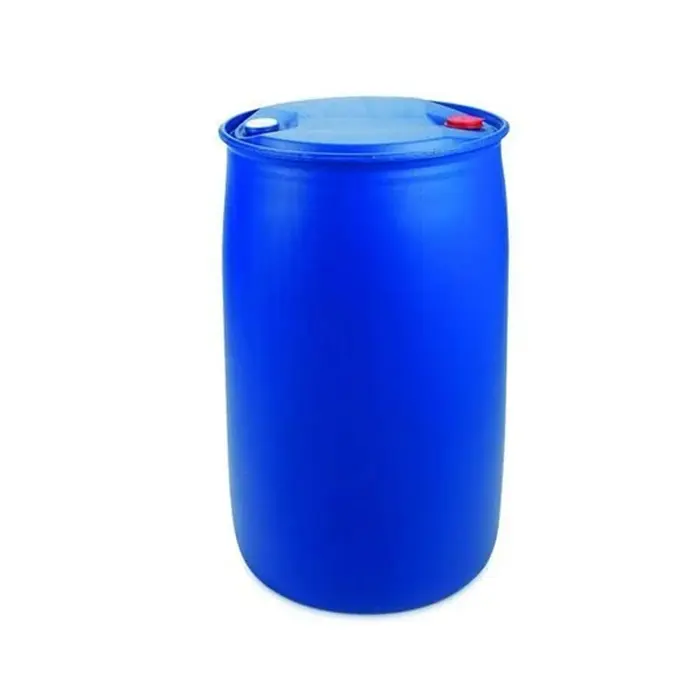
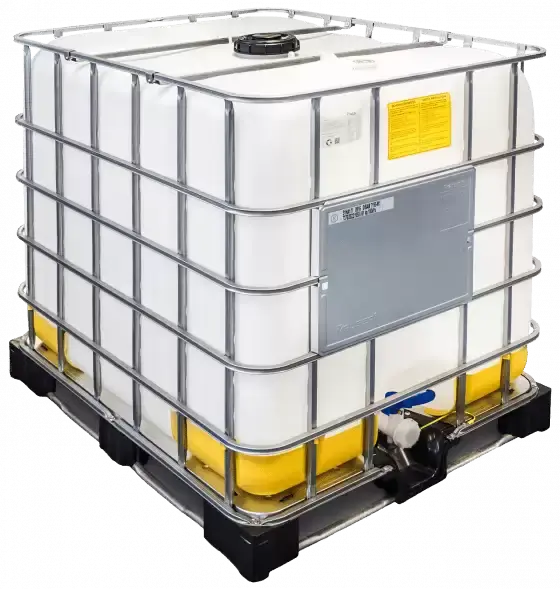
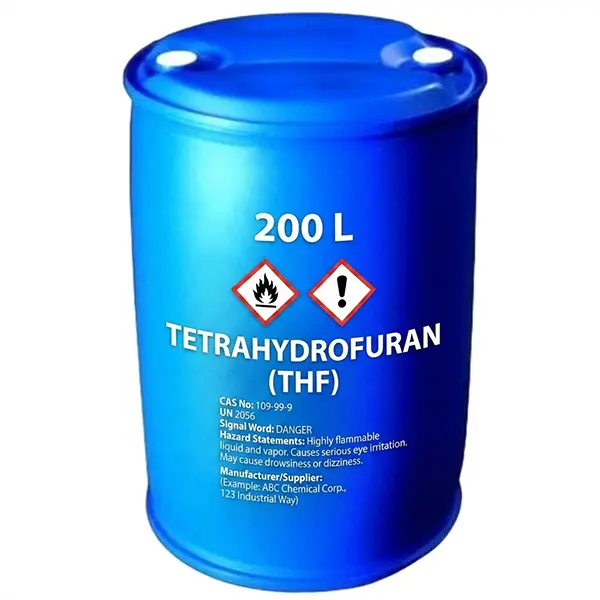
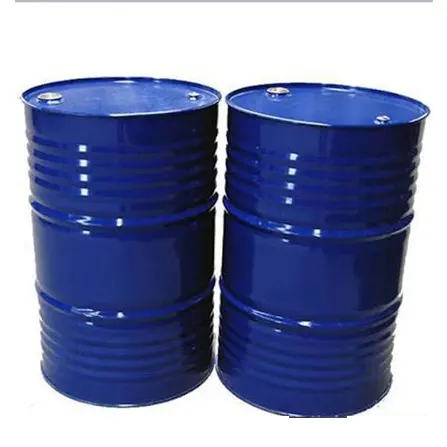
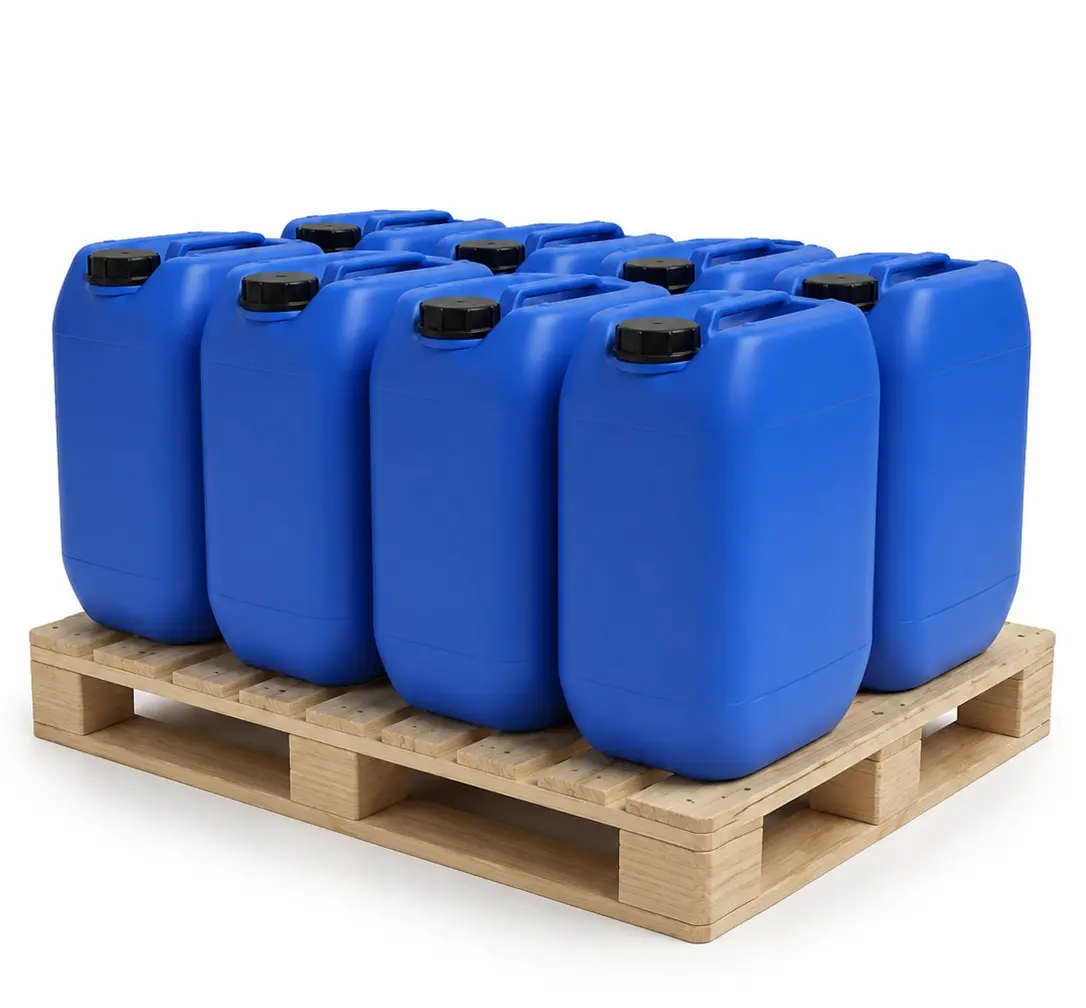
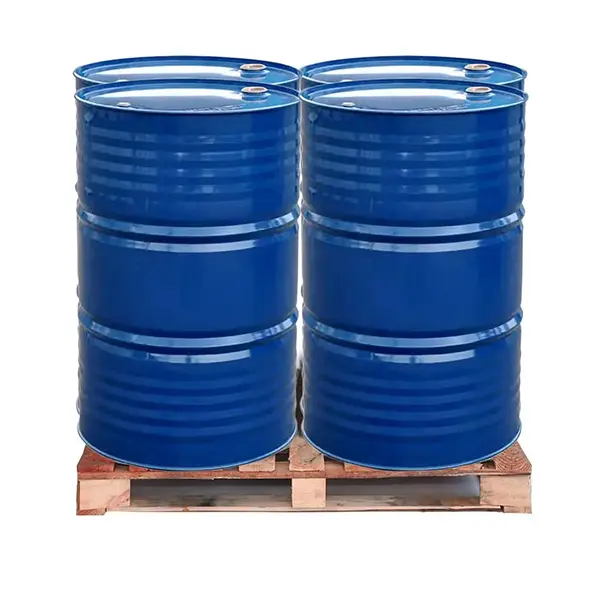
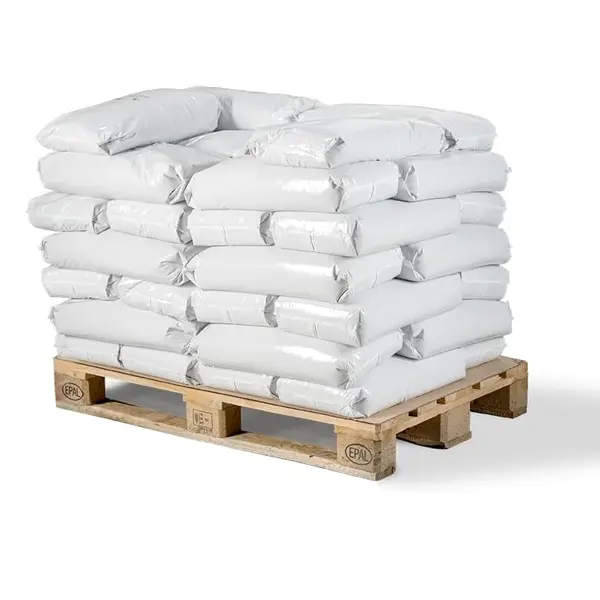
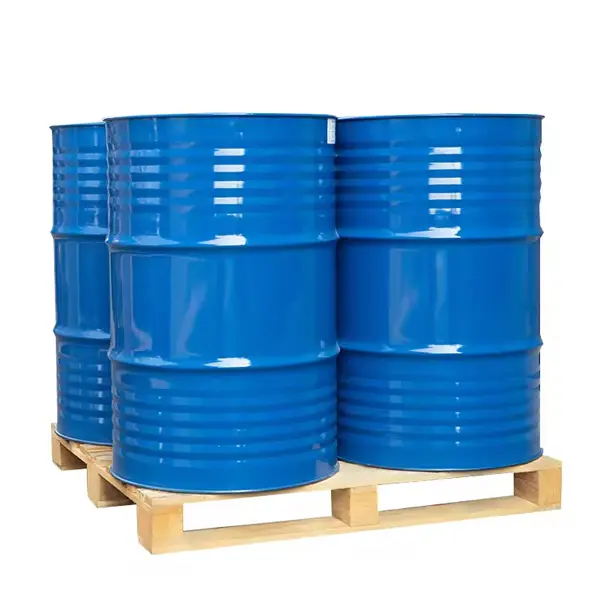
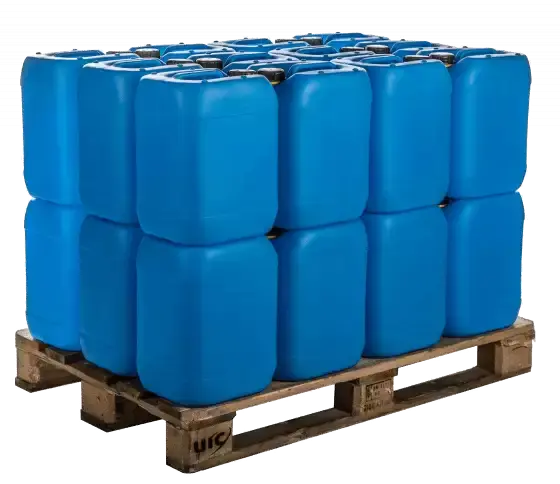
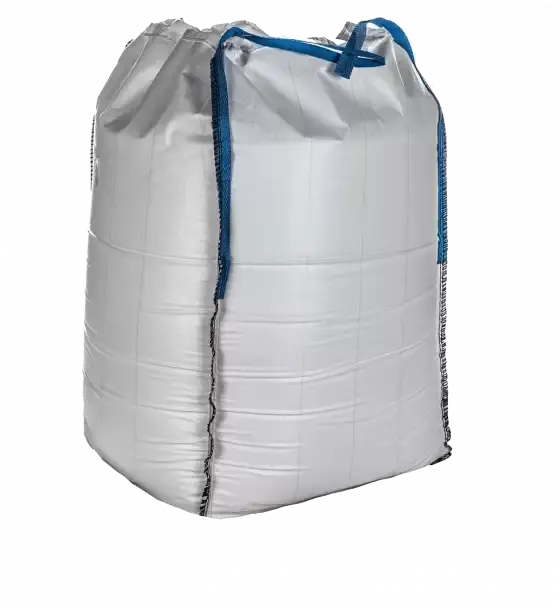
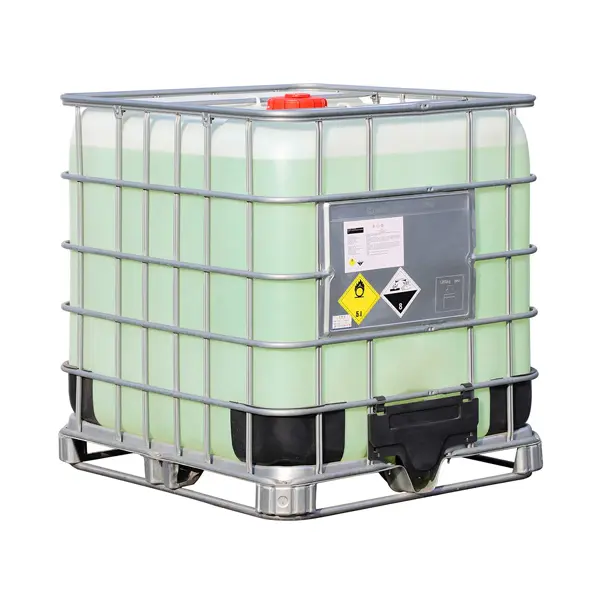
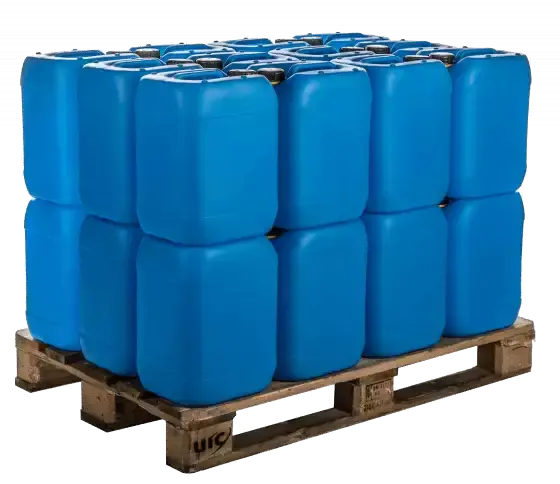
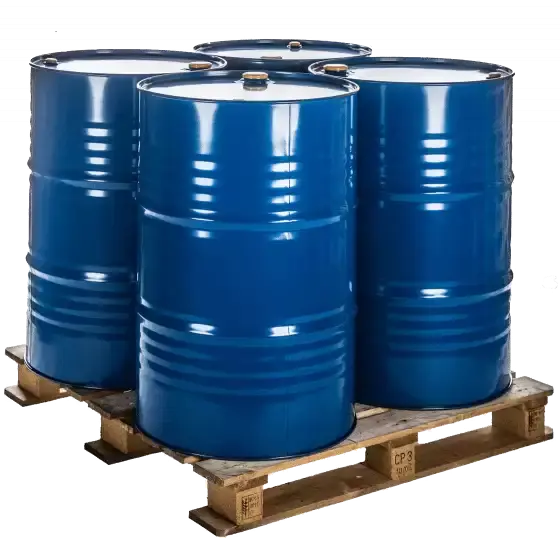
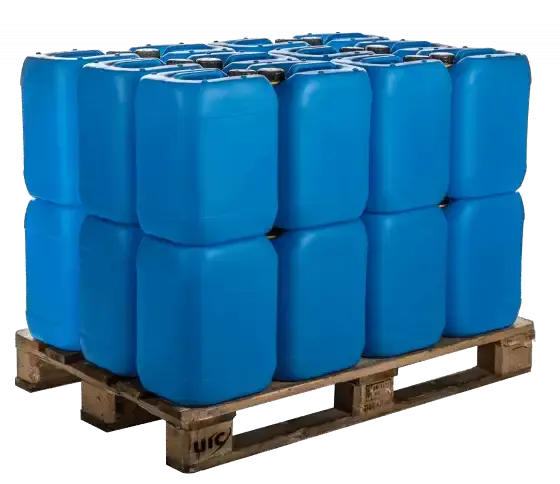
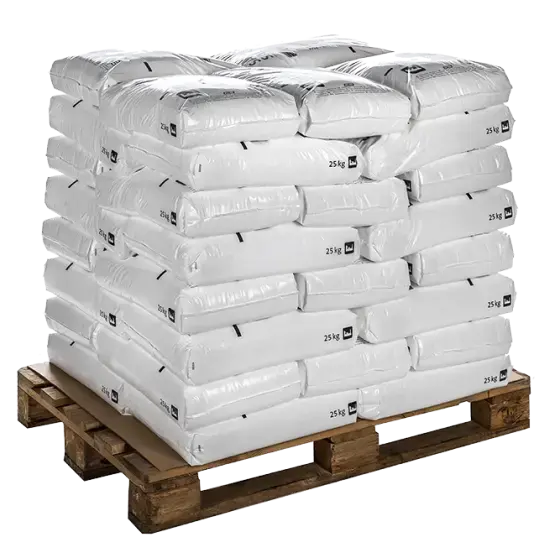
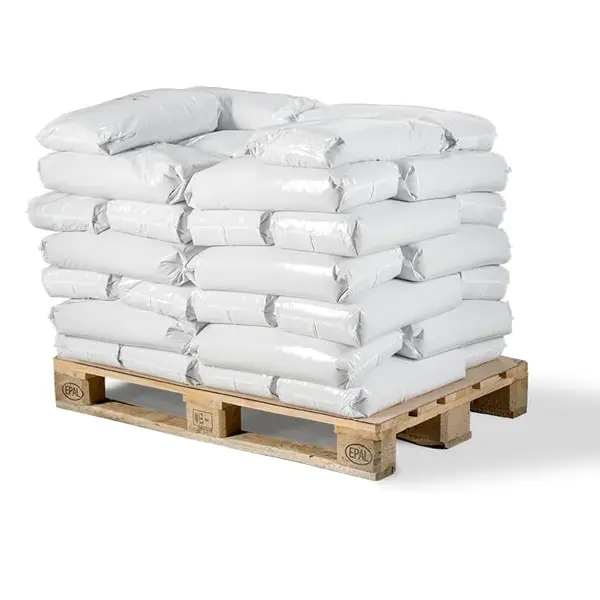
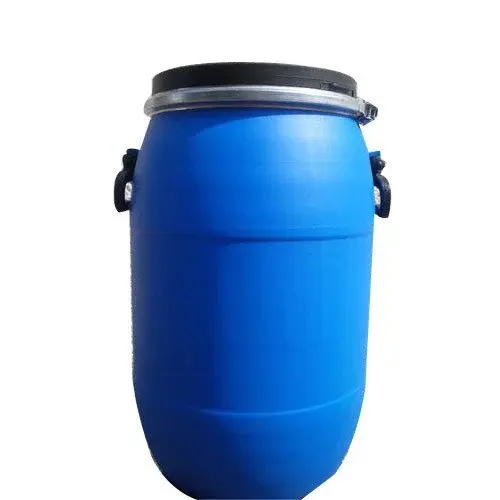
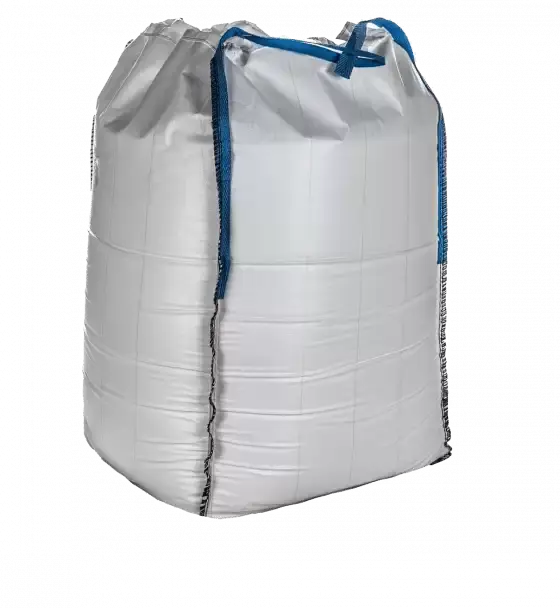
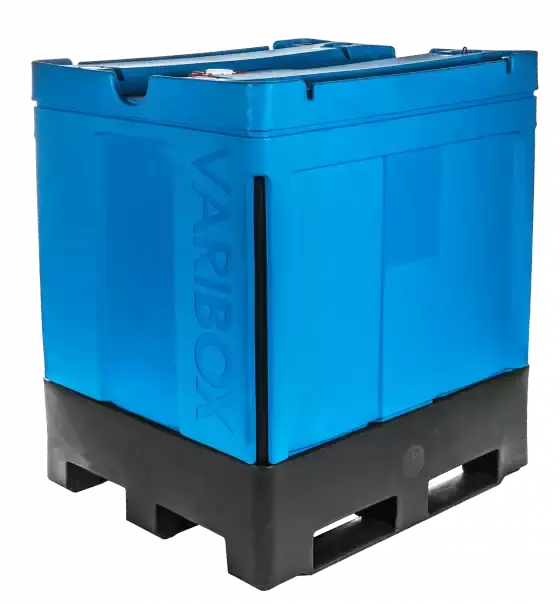
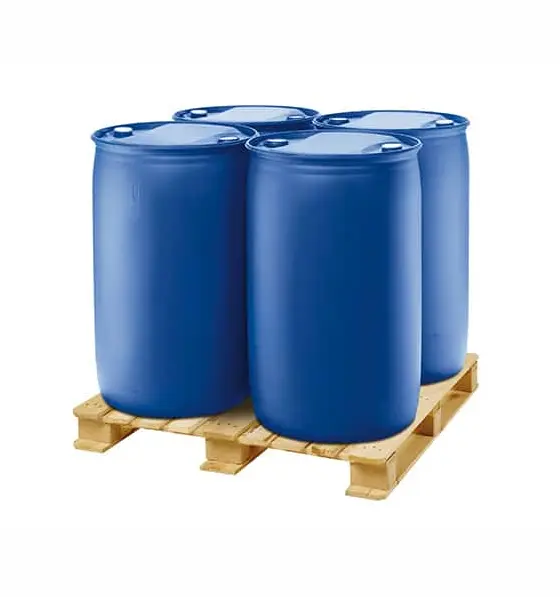
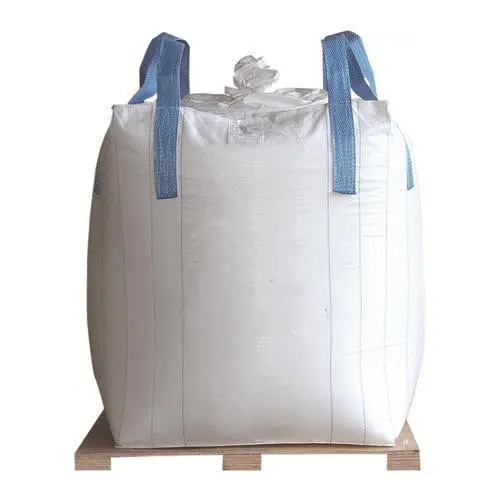
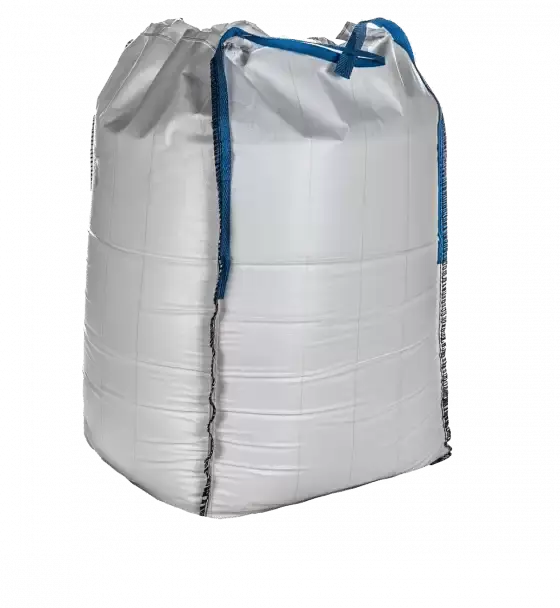
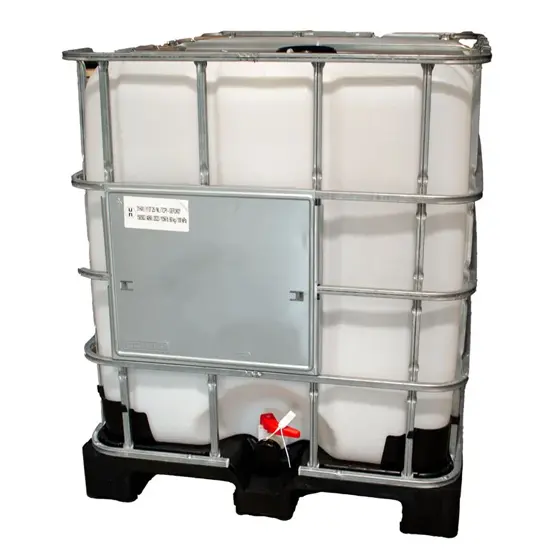
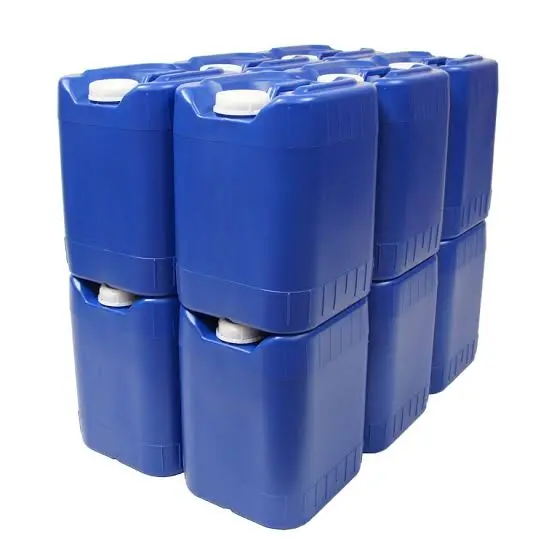
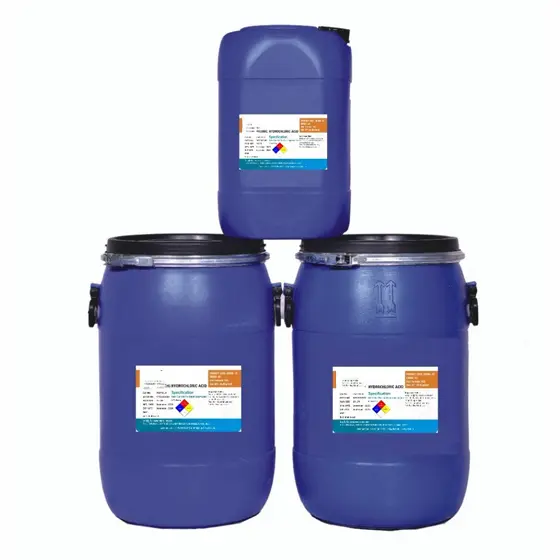
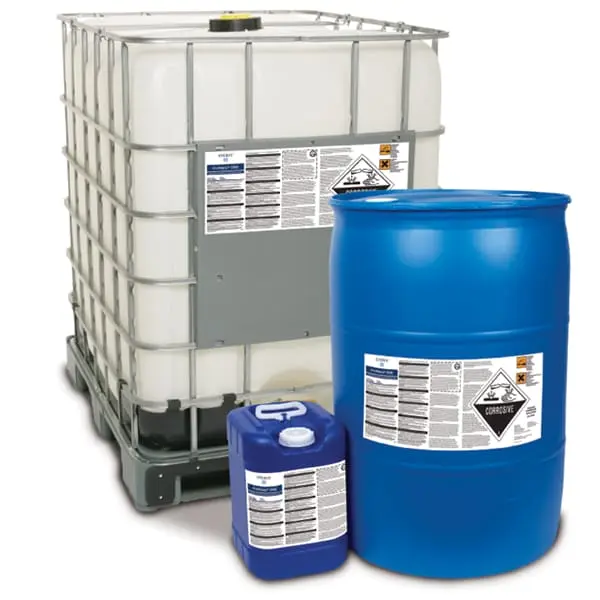
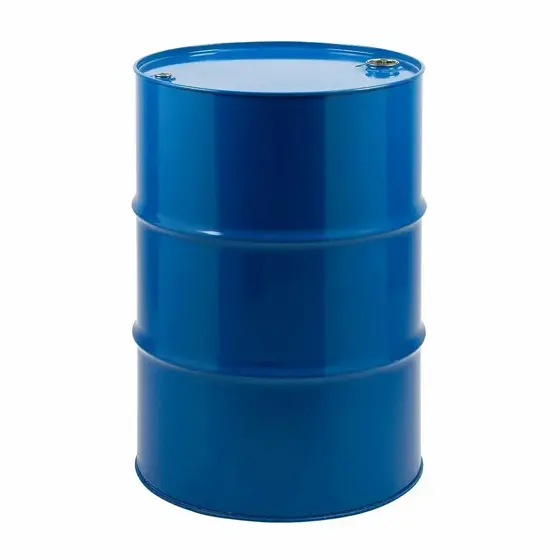
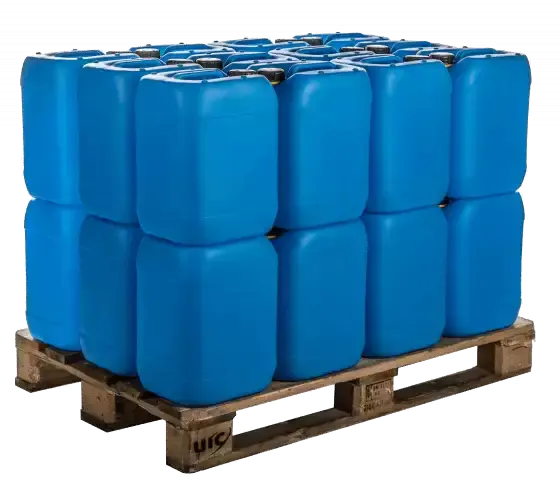
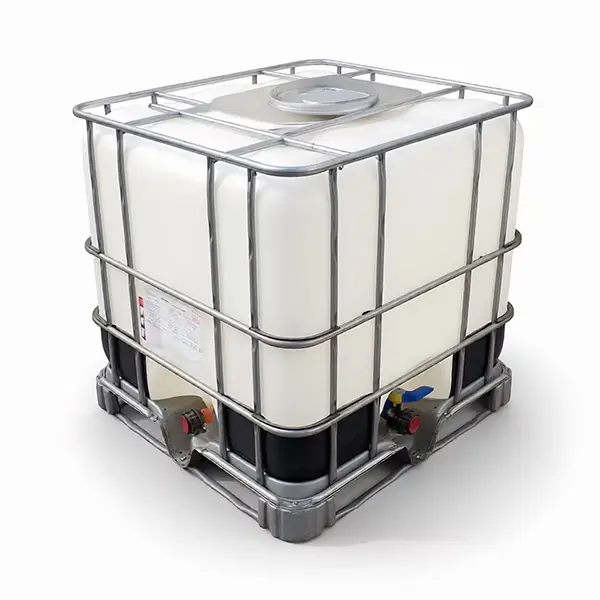
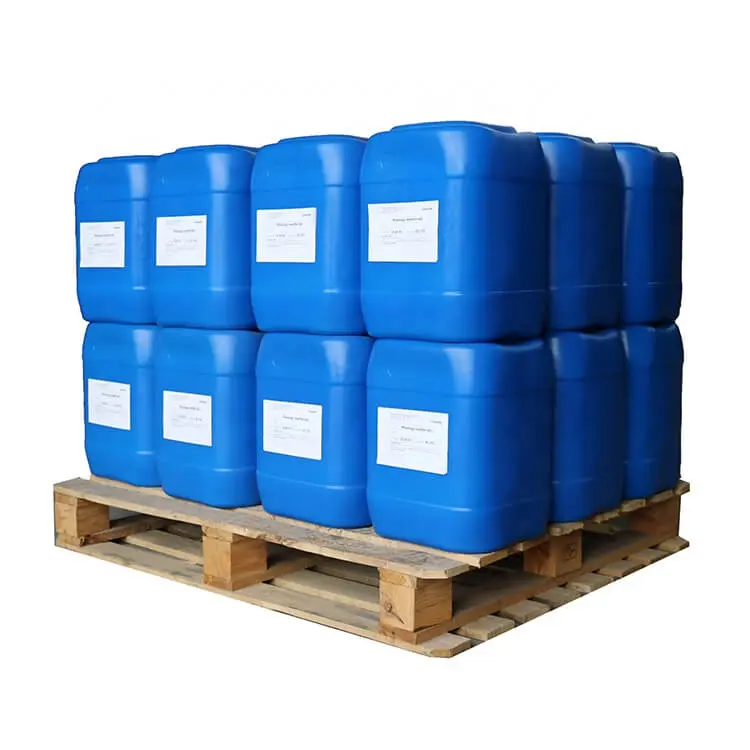
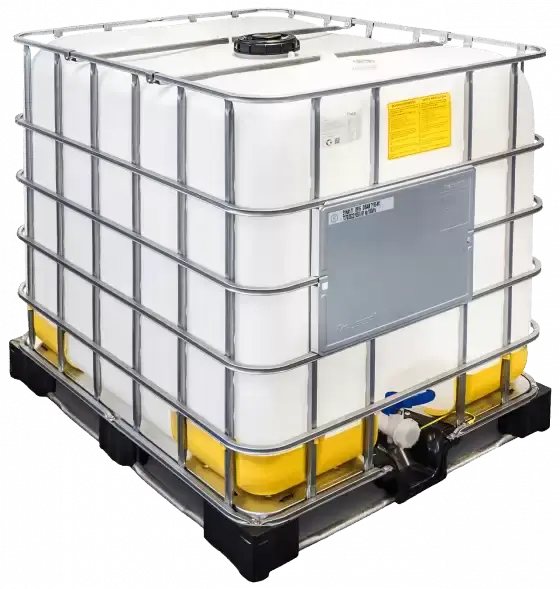
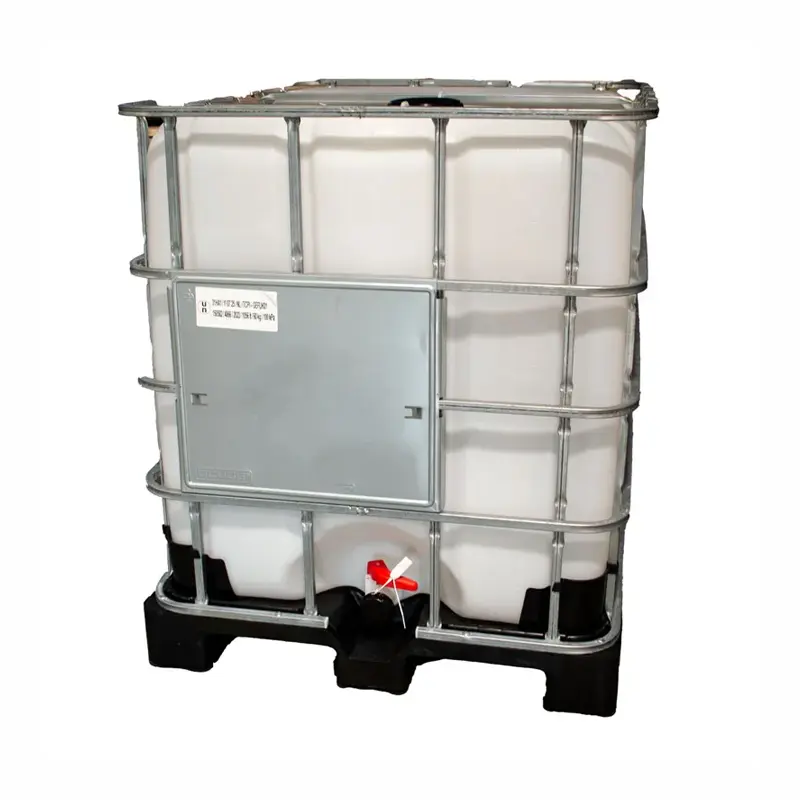
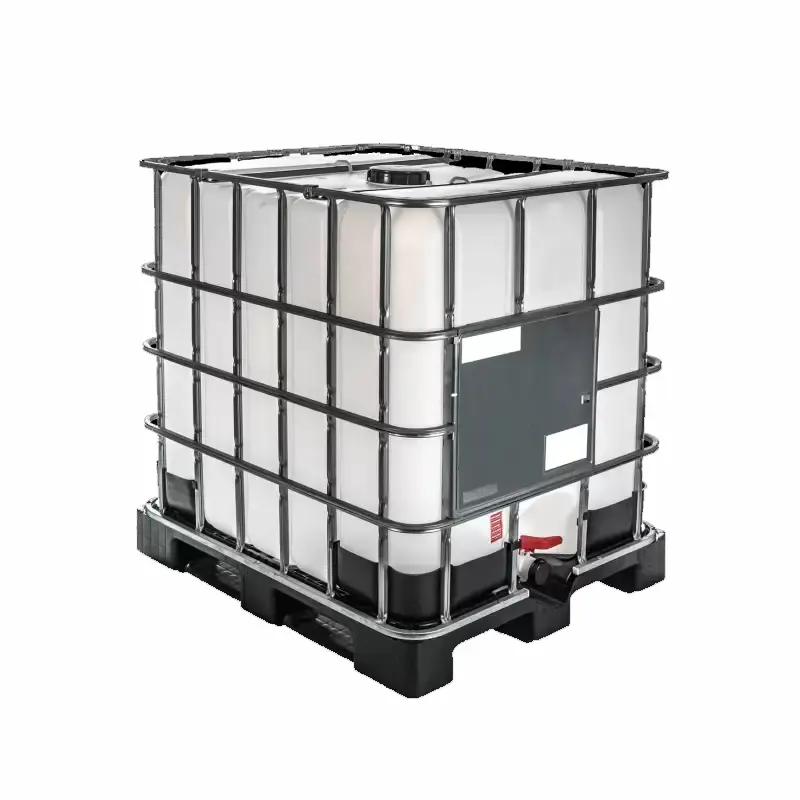
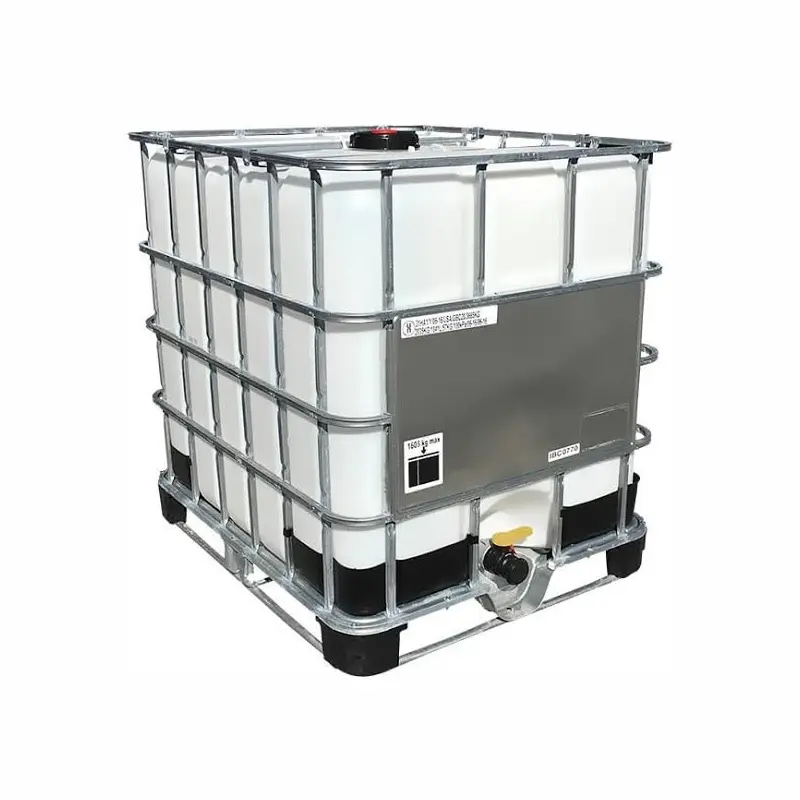
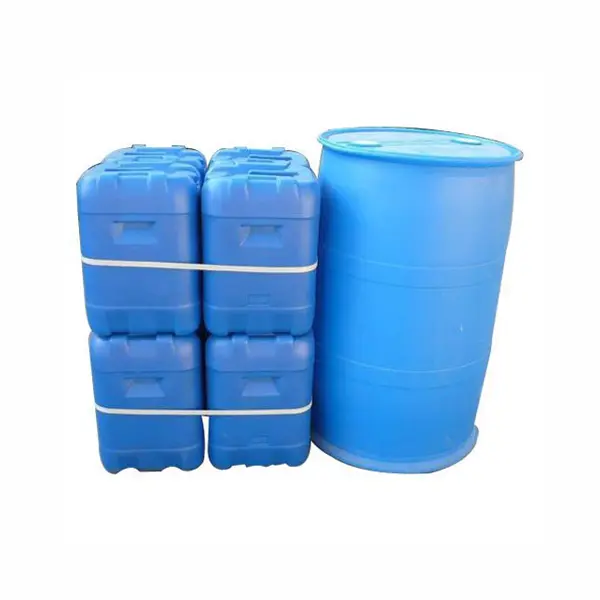
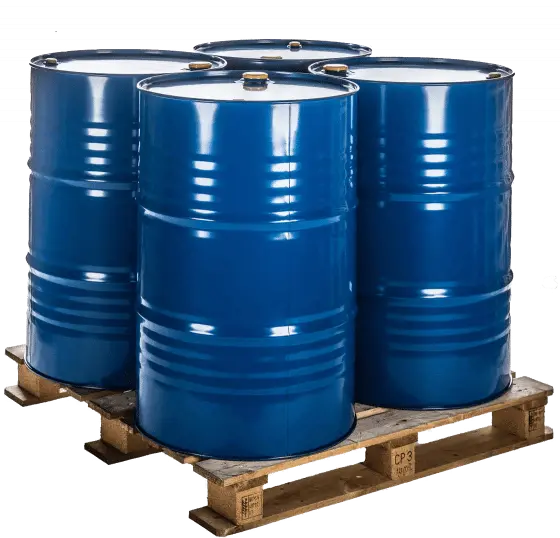
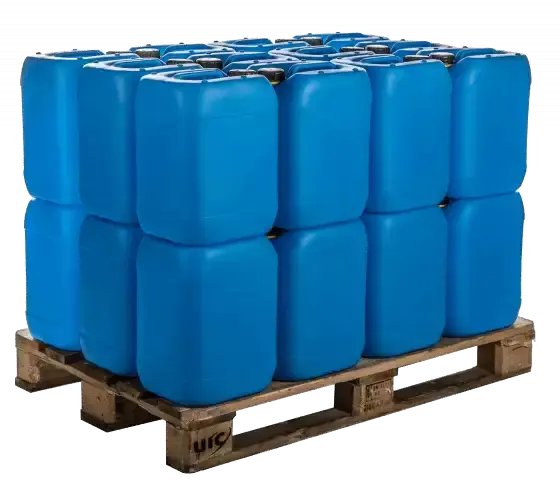
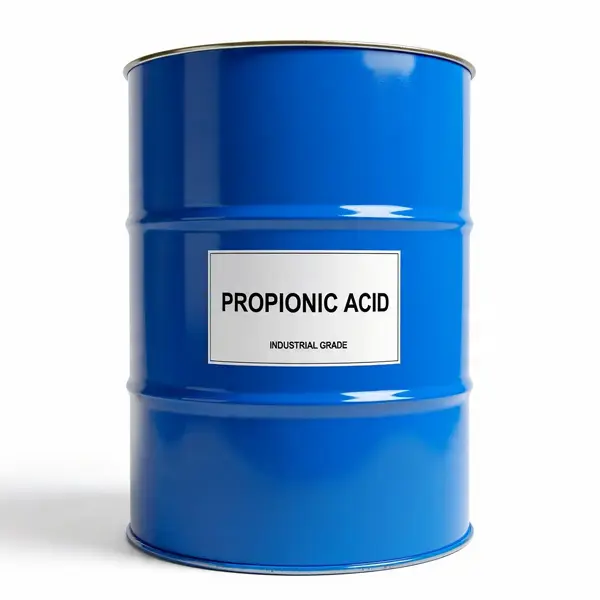
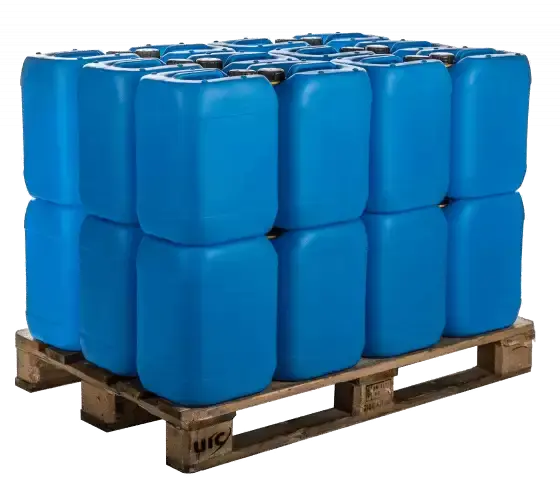
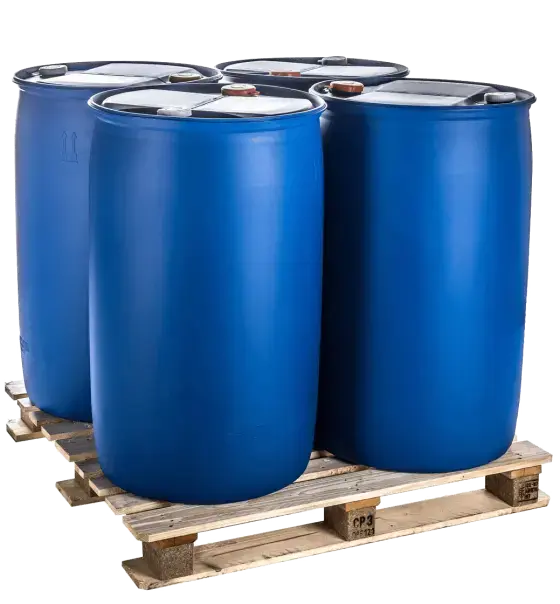
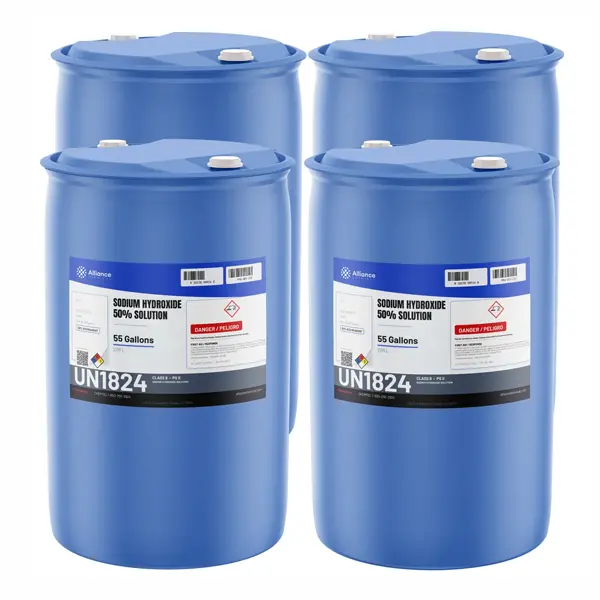
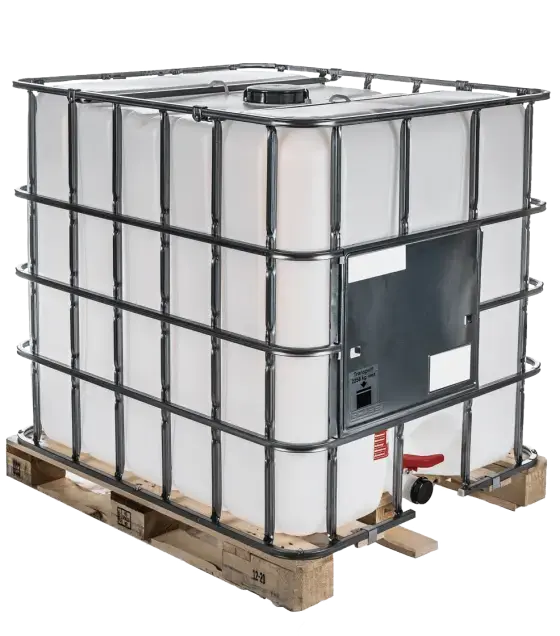
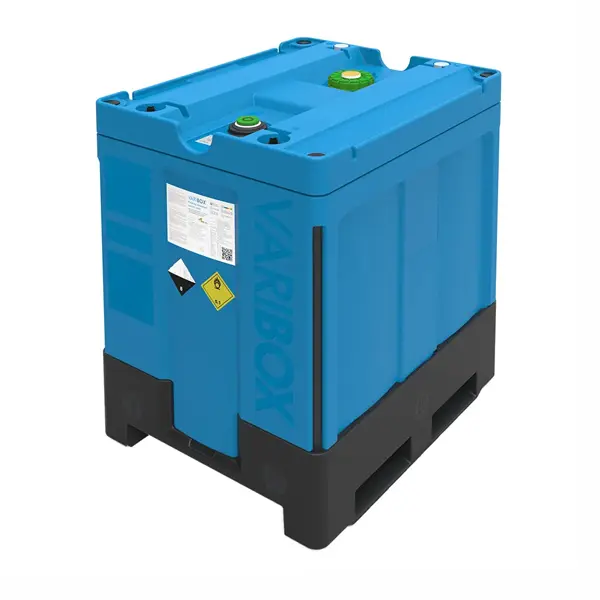
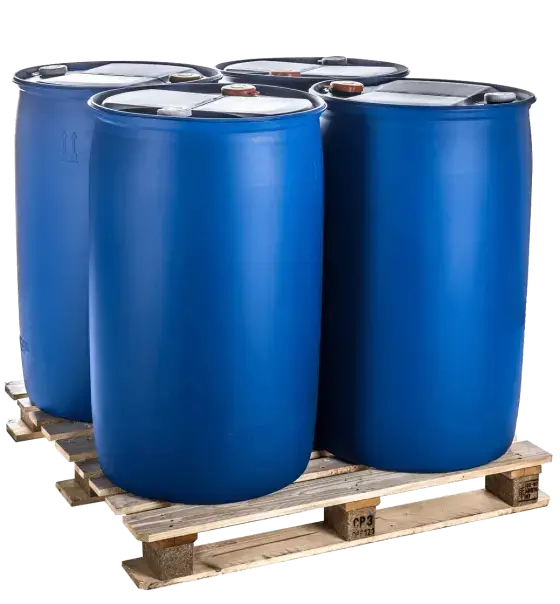
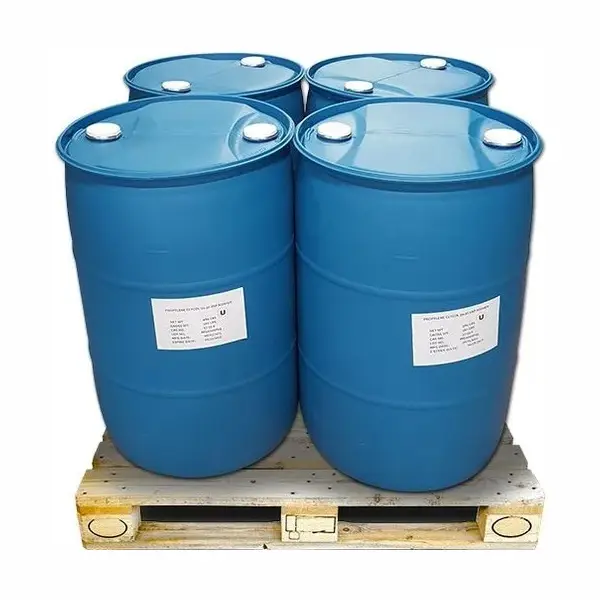
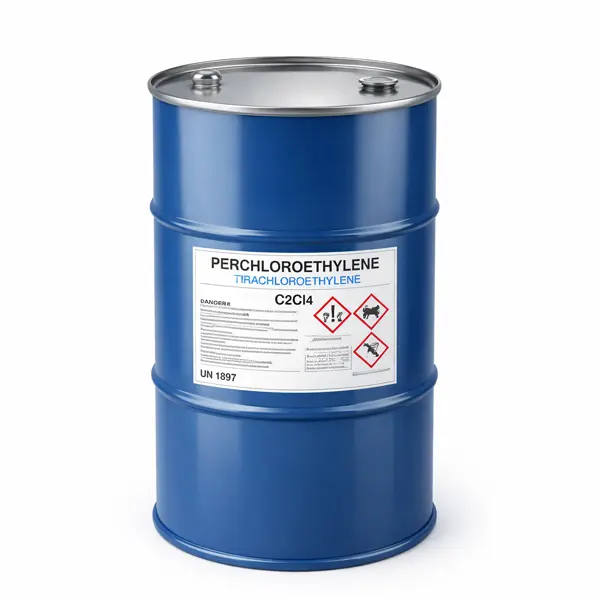
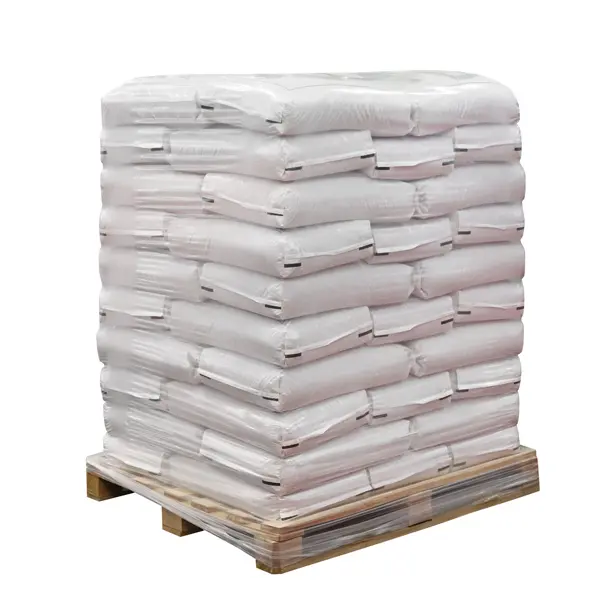
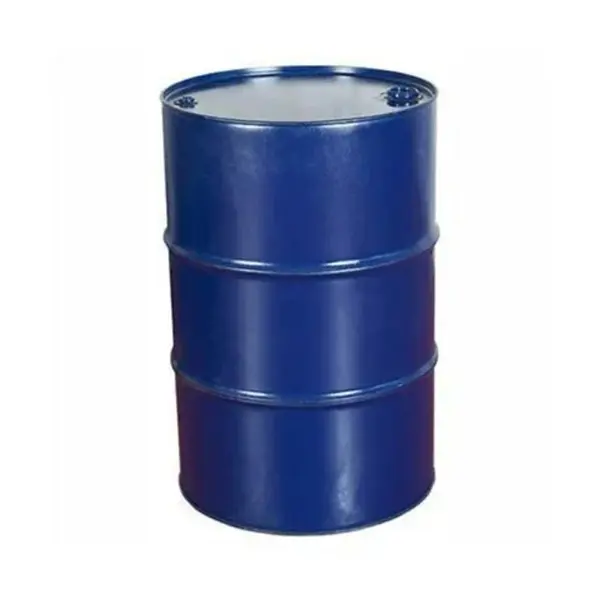
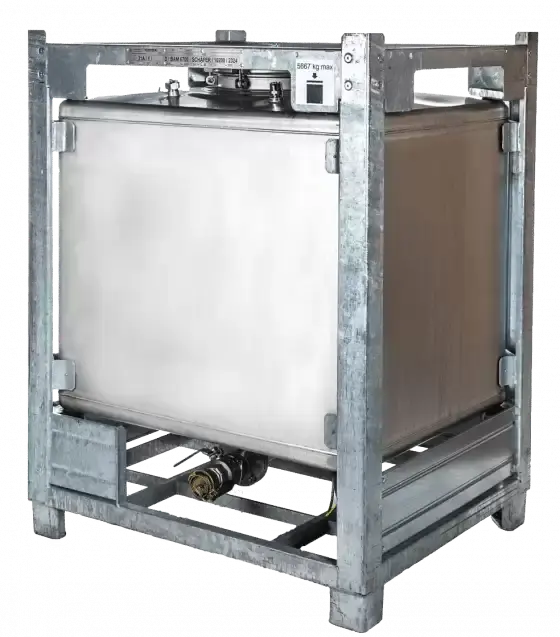
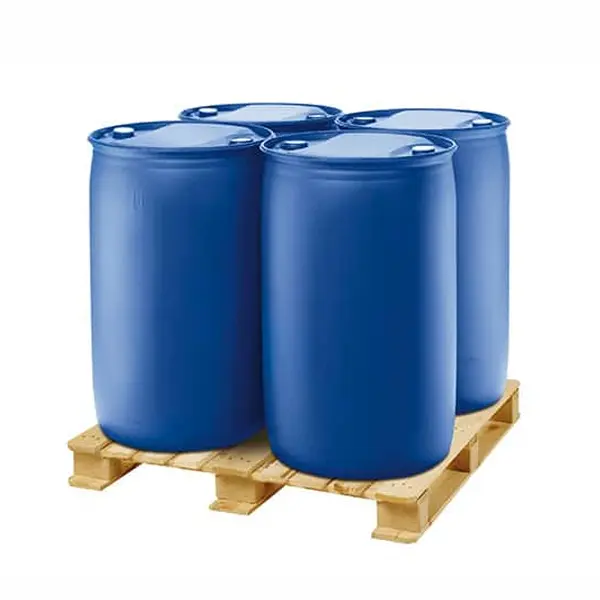
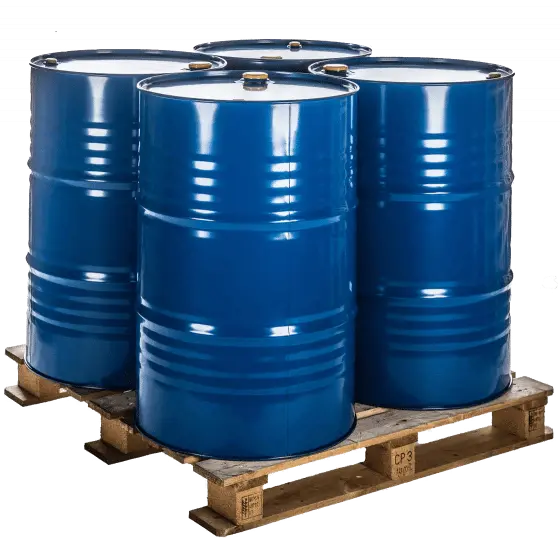
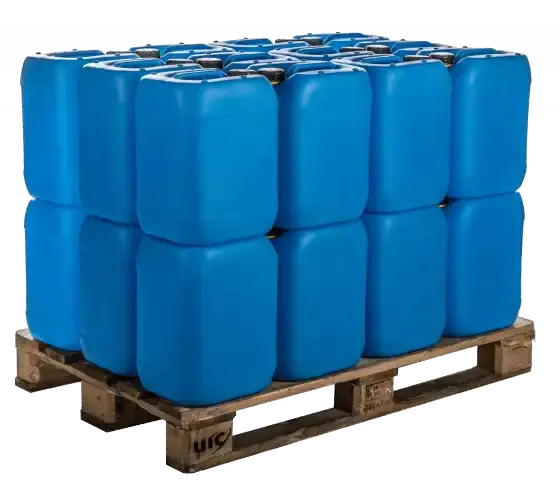
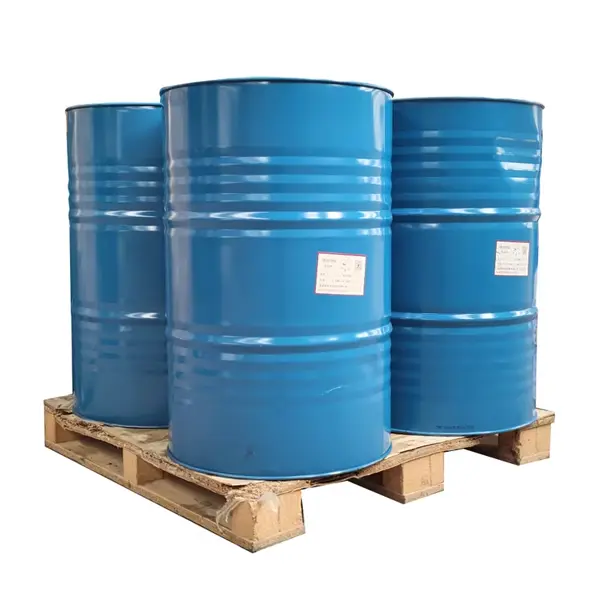
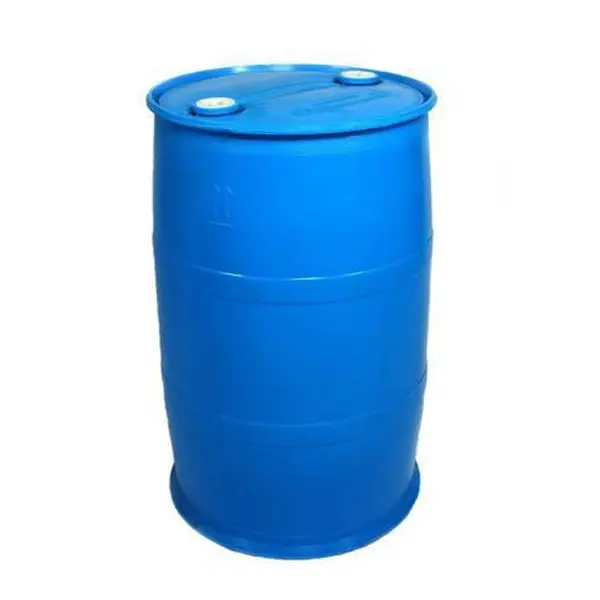
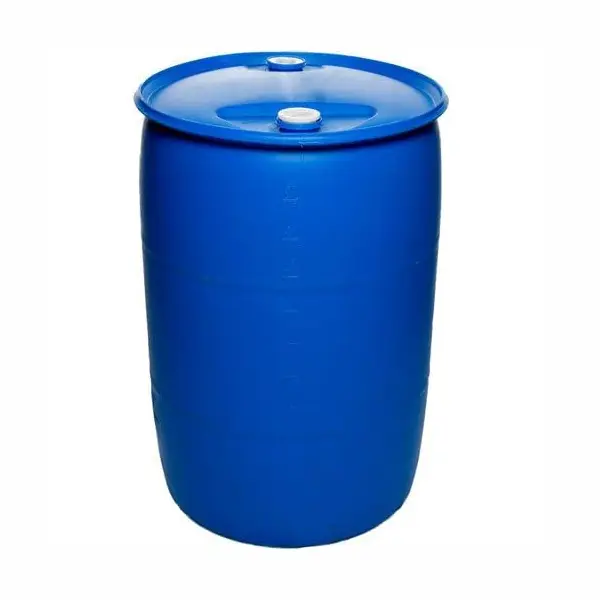
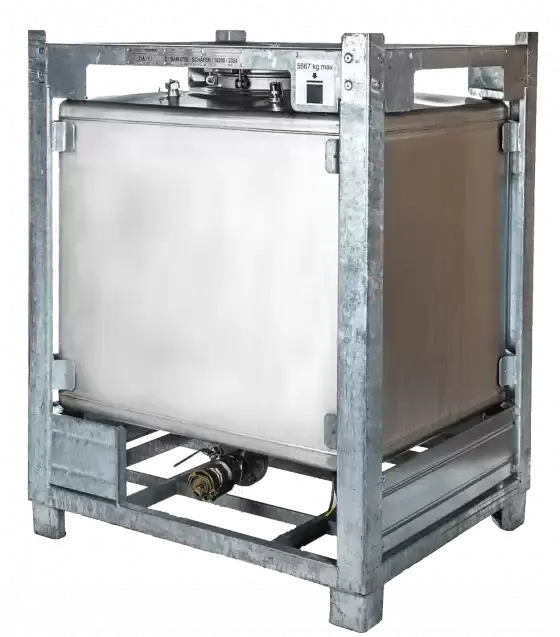
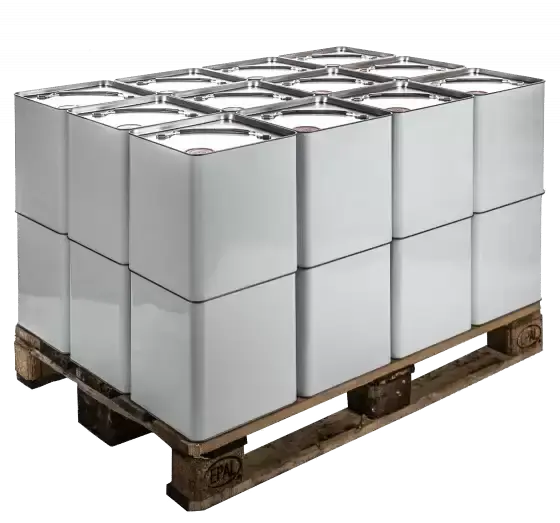
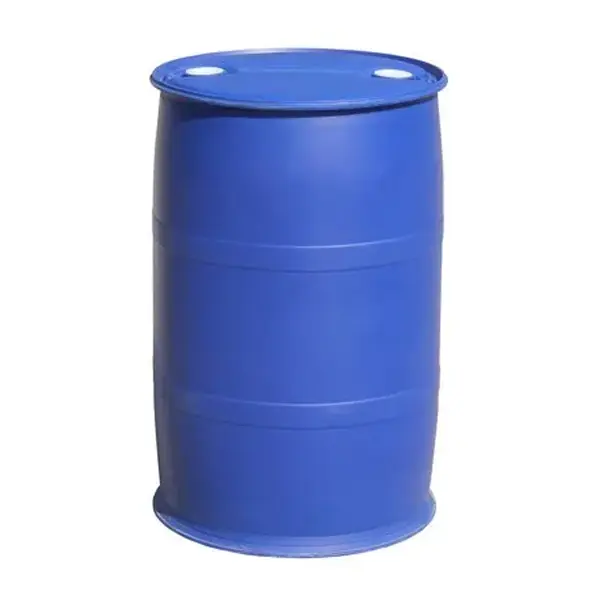
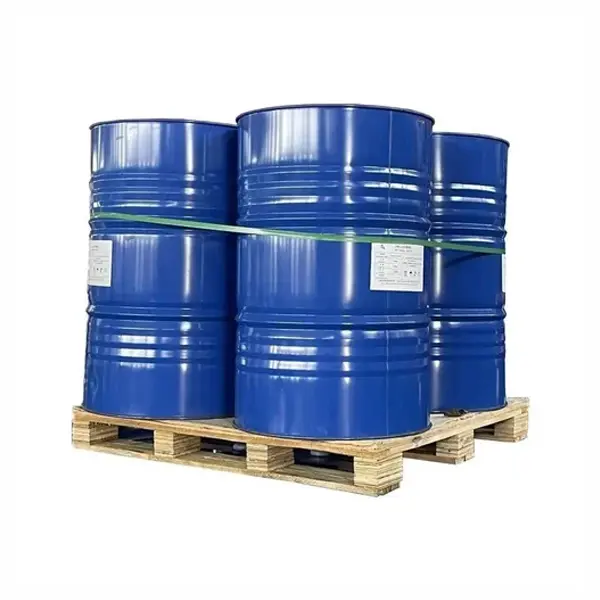
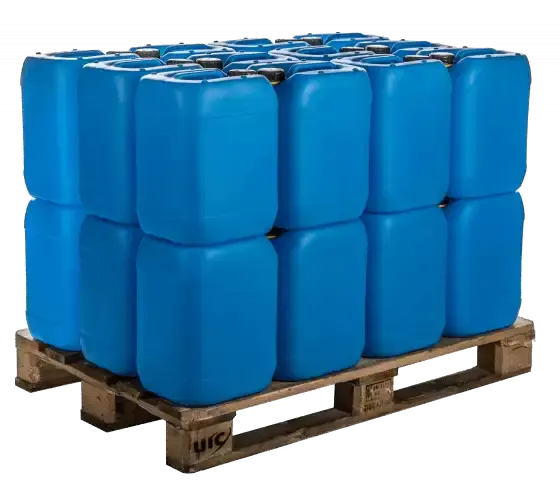
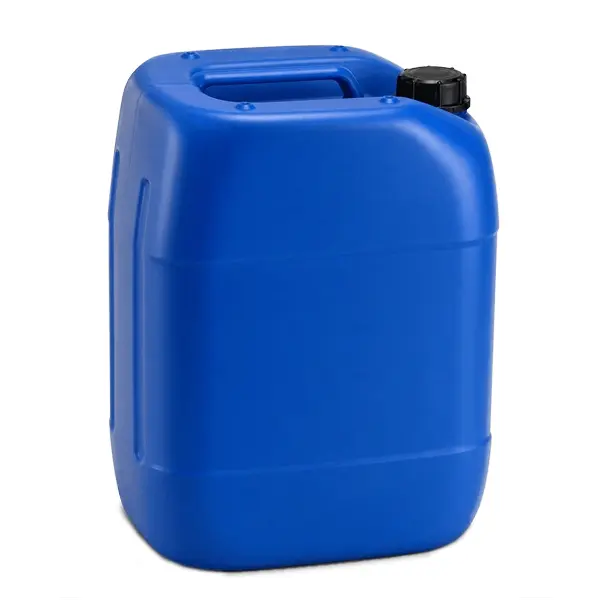
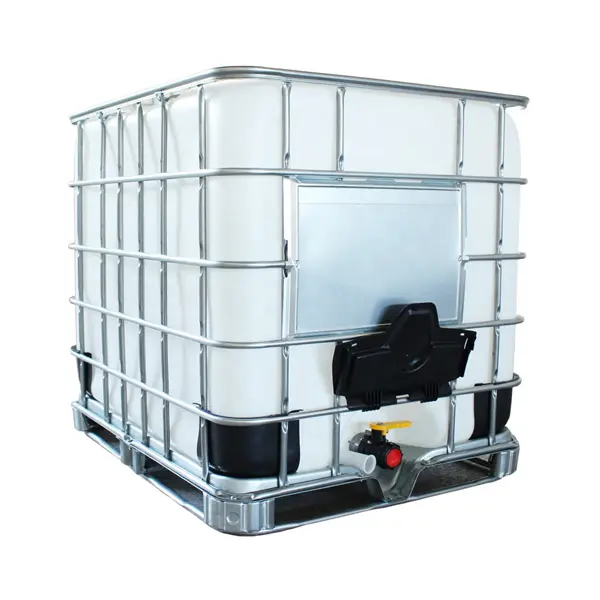
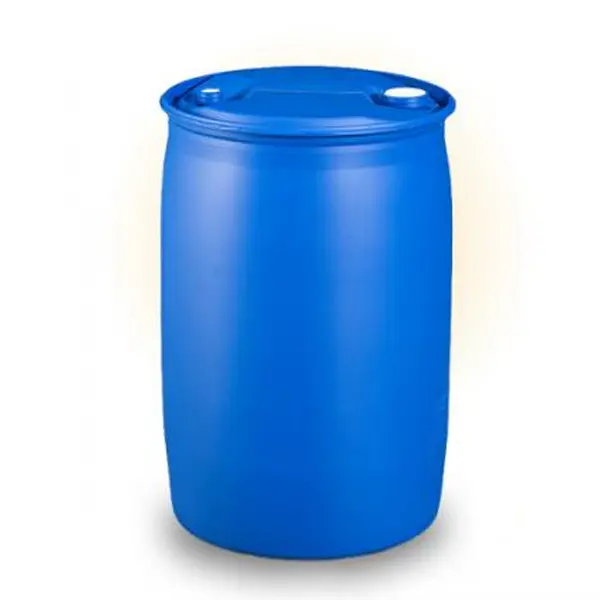
| Packaging | Compatible, tightly sealed containers or approved bulk supply |
Note: Values are approximate typical properties. Purity, water content, and other technical specifications vary by grade and supplier. Food, pharmaceutical, and personal-care uses require a grade that meets the relevant quality standards and regulatory requirements. Consult the supplier's Technical Data Sheet (TDS), Certificate of Analysis (COA), and Safety Data Sheet (SDS).
Storage and Handling
Mono Propylene Glycol generally has relatively low volatility and a low fire risk under ordinary handling conditions compared with many common organic solvents. Nevertheless, suitable industrial hygiene and handling practices should be followed.
Avoid unnecessary contact with eyes and prolonged skin exposure. Wear suitable gloves and safety glasses according to the workplace risk assessment and product SDS. Clean spills promptly because the liquid can make floors slippery.
Store in tightly closed, clearly labeled containers in a clean, dry, well-ventilated area. Protect the product from contamination, excessive heat, and incompatible materials identified in the SDS. Use clean, compatible equipment for transfer, particularly when the product is intended for food, pharmaceutical, or other sensitive applications. Follow applicable requirements for transport and disposal.
Quality and Supply
Mono Propylene Glycol should be purchased from a reliable chemical supplier that provides grade-specific technical documentation. Before ordering, confirm the required grade, purity, water content, intended application, packaging size, and delivery requirements.
For food, pharmaceutical, and personal-care applications, verify that the product meets the applicable standards and is supported by suitable documentation. For heat-transfer and industrial applications, confirm that the material is compatible with the system and any formulated additives. Review the COA for batch-specific quality parameters and the SDS for handling guidance.
Conclusion
Mono Propylene Glycol is a versatile chemical used in industrial manufacturing, heat-transfer fluids, personal-care formulations, and selected food and pharmaceutical applications. Its water miscibility, low volatility, and moisture-retaining properties make it useful across a wide range of processes. Selecting the correct grade and following appropriate storage, handling, and quality-control practices helps ensure product suitability and reliable performance. Contact a qualified supplier to discuss availability, technical specifications, grade options, packaging, and documentation for your application.