Sodium Hypochlorite – Industrial Chemical for Water Treatment and Disinfection
Sodium Hypochlorite is an inorganic chemical compound widely used as a disinfectant, bleaching agent, and oxidizing chemical in water treatment, sanitation, textile processing, and industrial cleaning applications. Commonly supplied as a pale yellow-green aqueous solution, it is the active ingredient in many liquid bleach products. Sodium Hypochlorite is valued for its ability to control microorganisms, oxidize selected contaminants, and support hygiene and sanitation processes when used at appropriate concentrations.
As an important industrial chemical, Sodium Hypochlorite is used in municipal water treatment, wastewater management, commercial cleaning, and various manufacturing operations. Its available chlorine content, concentration, and stability can vary by grade and supplier, making it important to select a product suitable for the intended application.
CAS Number: 7681-52-9
Chemical Formula: NaOCl
Applications of Sodium Hypochlorite
Sodium Hypochlorite is widely used in water treatment and wastewater management to disinfect water and help control microbial contamination. It is also incorporated into household and commercial cleaning products for sanitation and bleaching purposes. In industrial settings, it may be used for cleaning compatible surfaces, controlling biological growth in selected systems, and oxidizing certain contaminants.
The textile and pulp and paper industries may use hypochlorite-based products in specific bleaching or processing applications, subject to material compatibility and environmental requirements. Concentration, contact time, and application procedures should be selected according to the relevant technical guidance and regulations.
Benefits of Sodium Hypochlorite
Sodium Hypochlorite offers effective oxidation and disinfection properties, making it useful for a wide range of water treatment and sanitation requirements. It is available in liquid form, which can simplify dosing in suitable industrial systems. Its bleaching action also supports selected cleaning and manufacturing processes.
Performance depends on concentration, pH, temperature, storage conditions, and the presence of other substances. Correct handling and controlled dosing are essential to achieve the desired results safely.
Storage and Handling
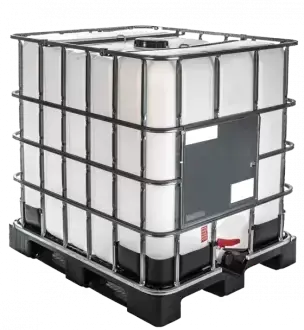
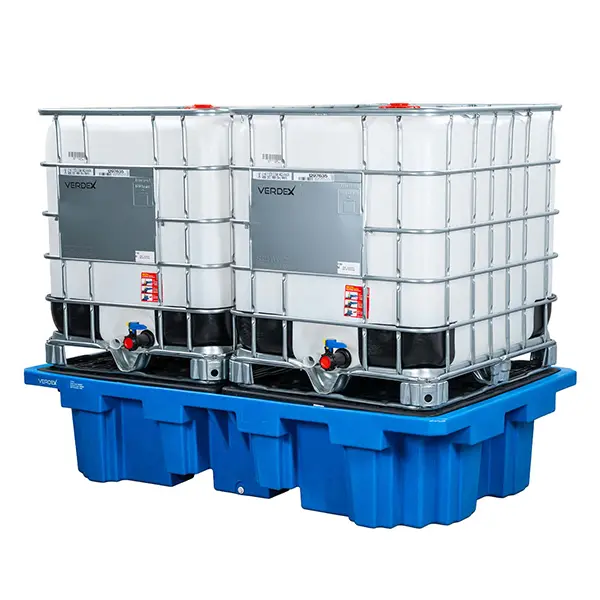
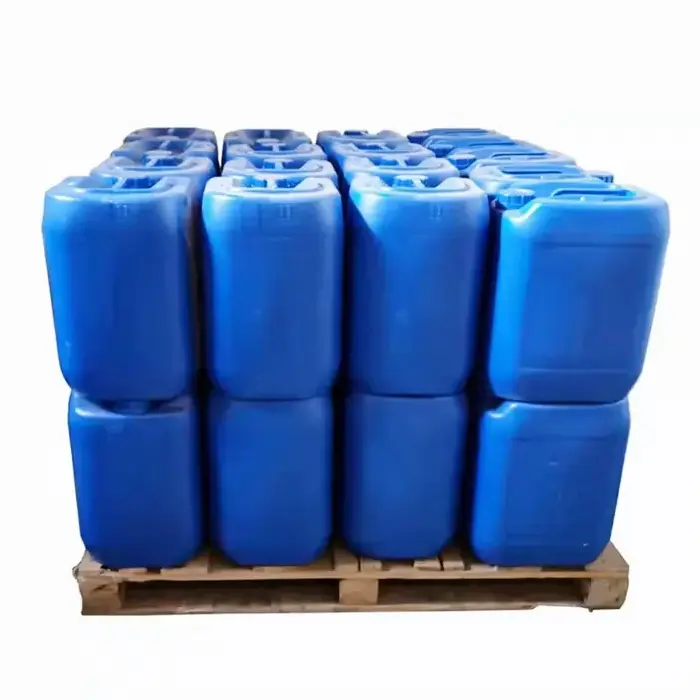
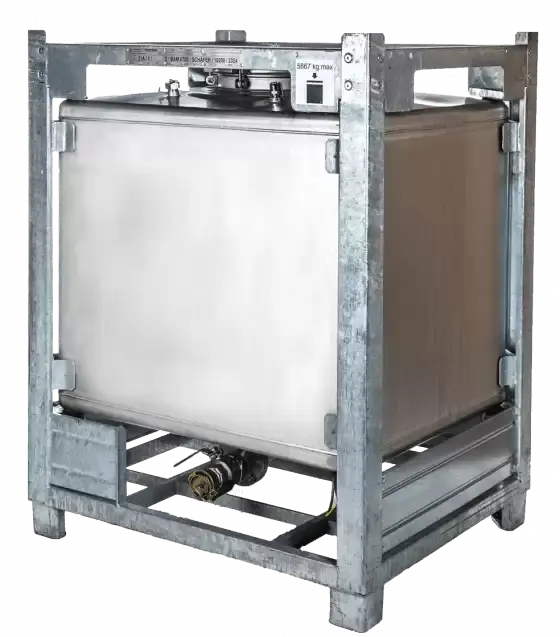
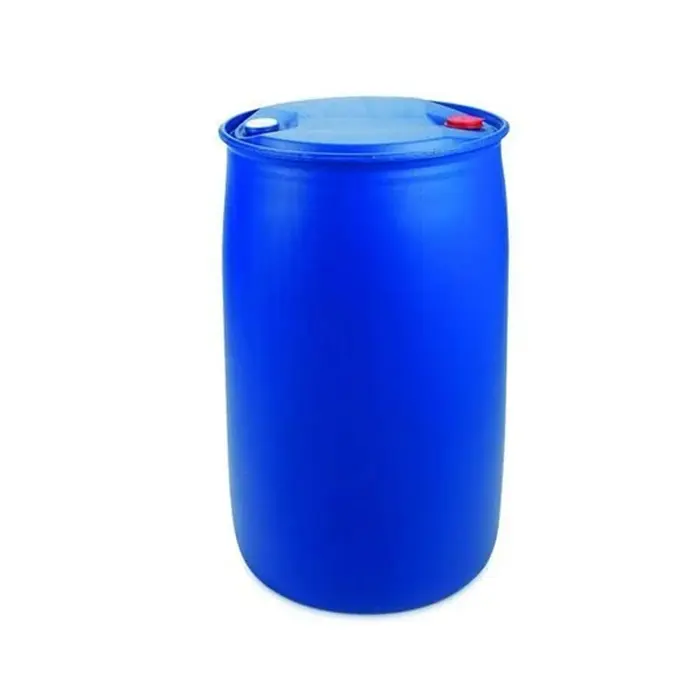
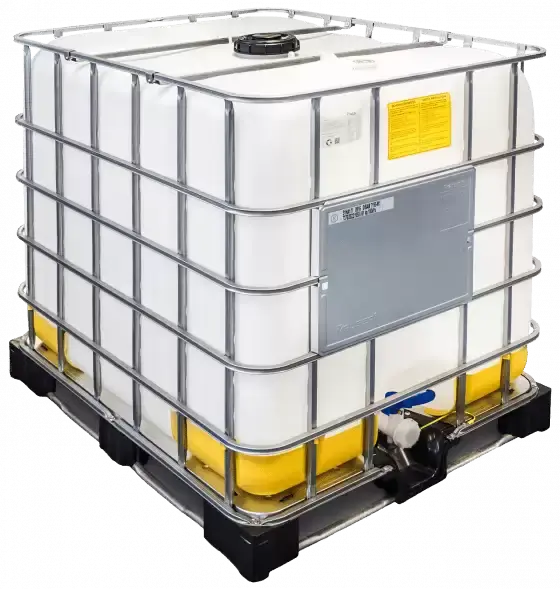
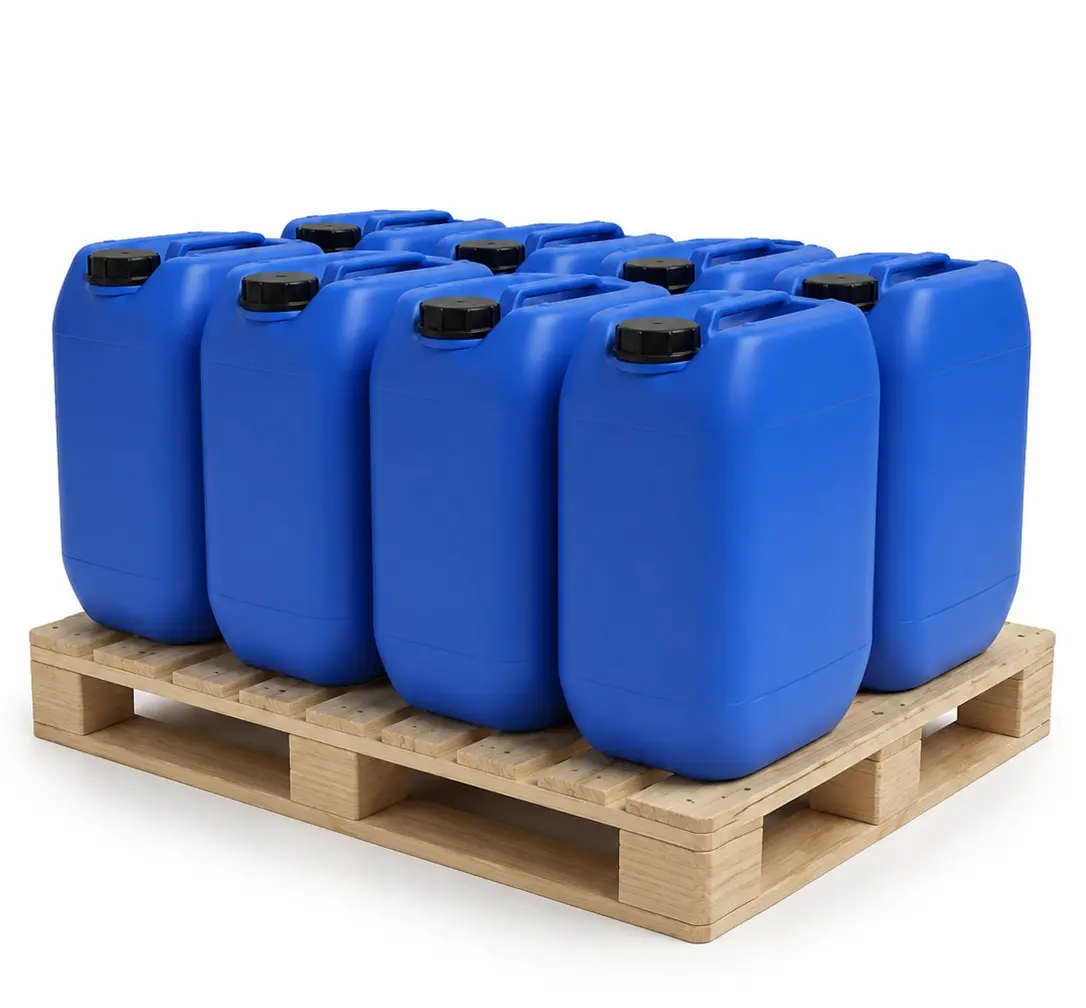
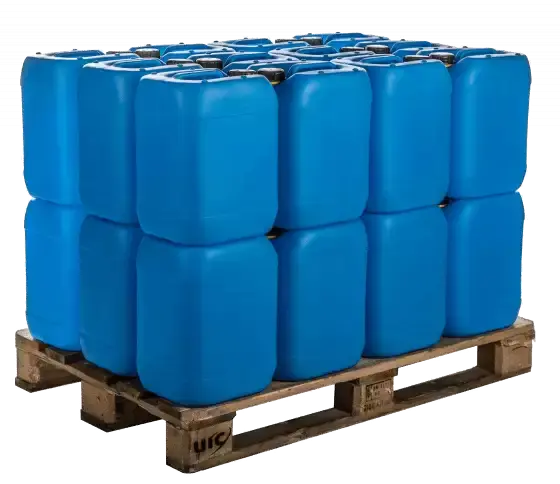
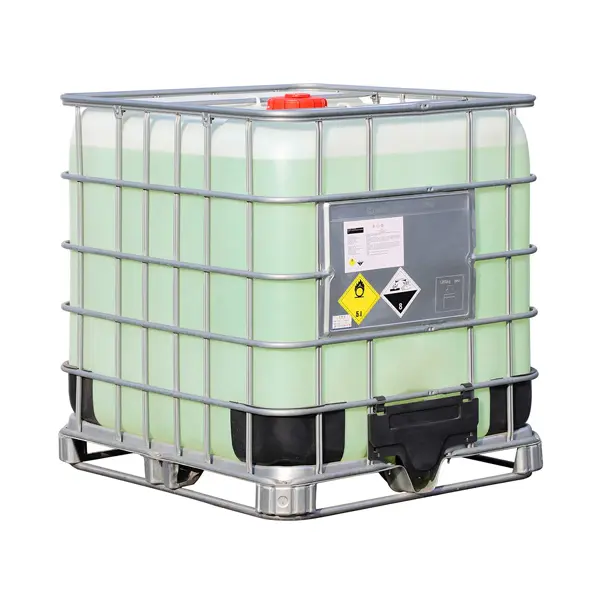
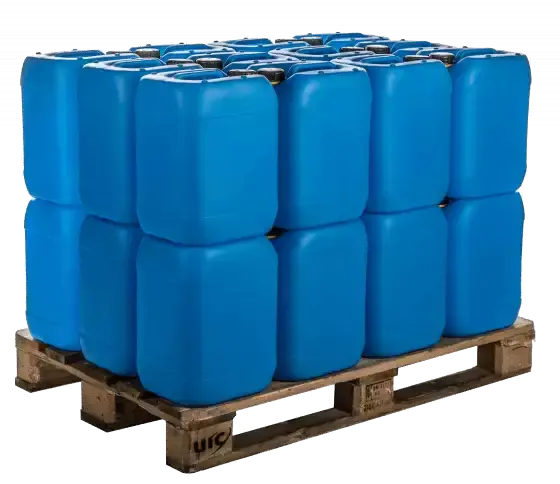
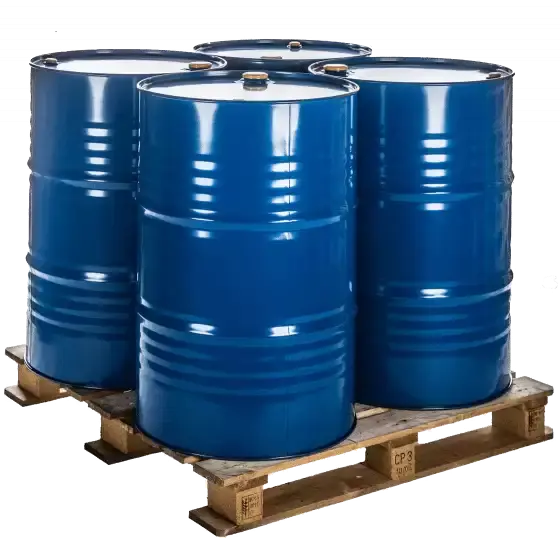
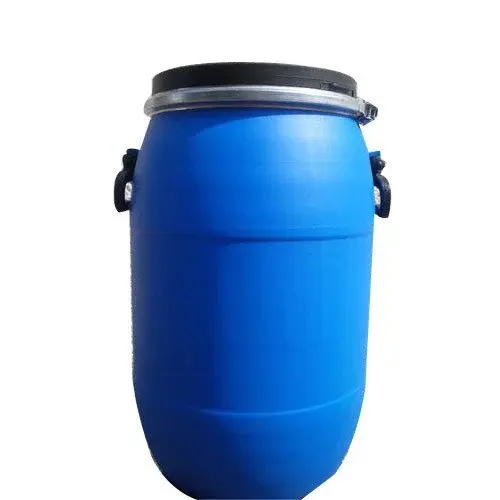
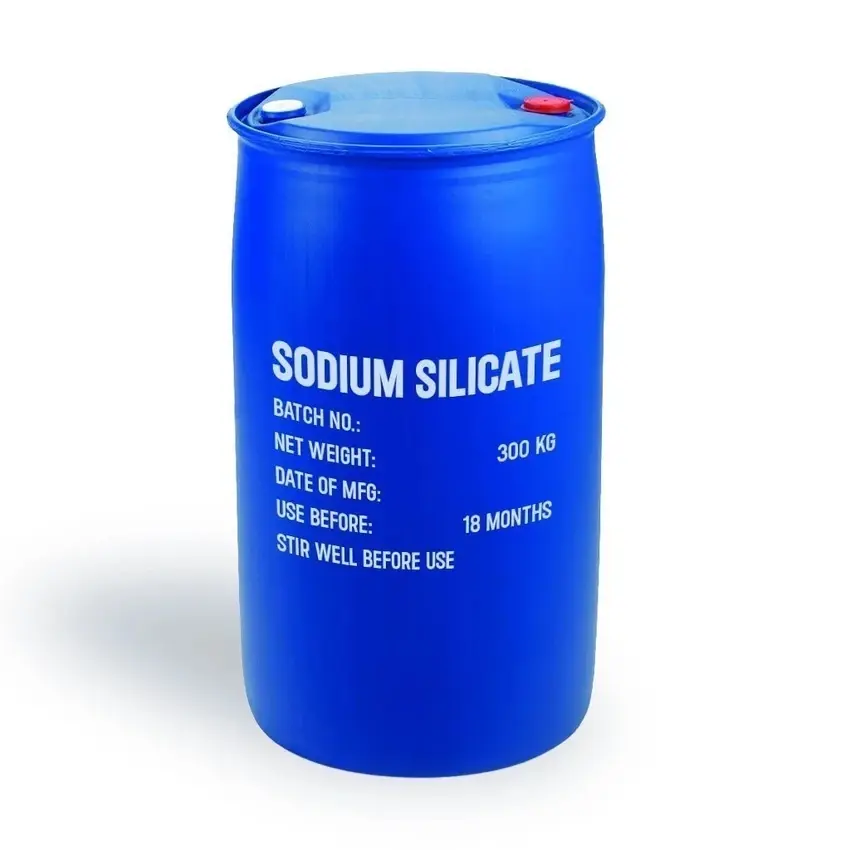
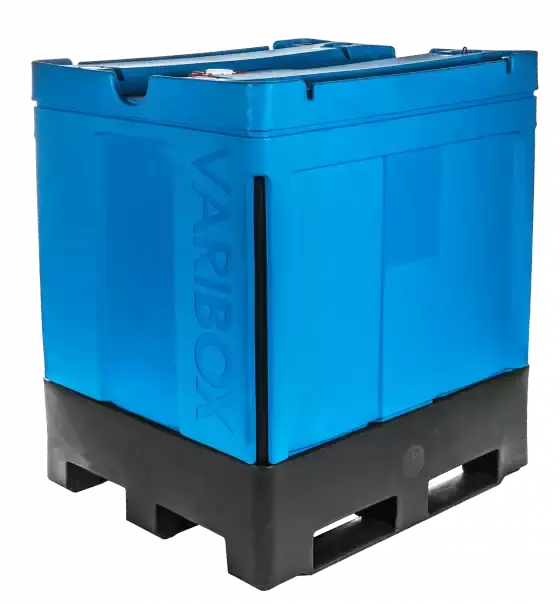
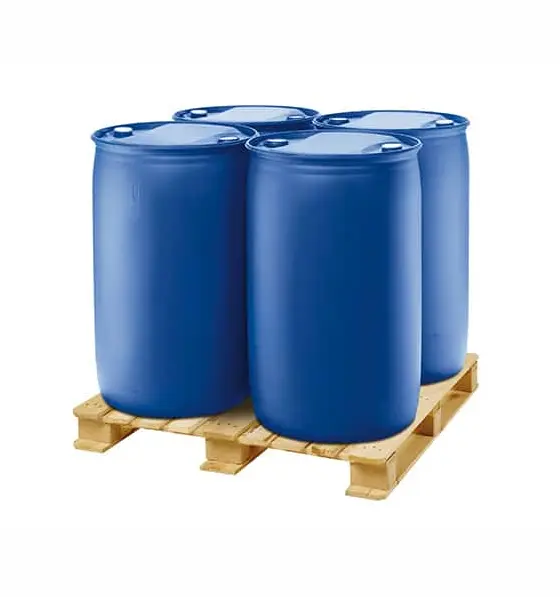
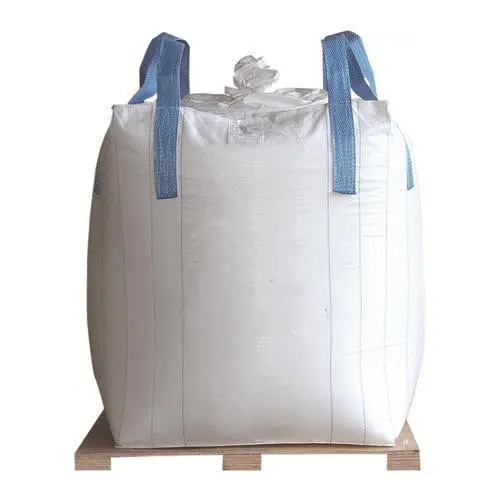
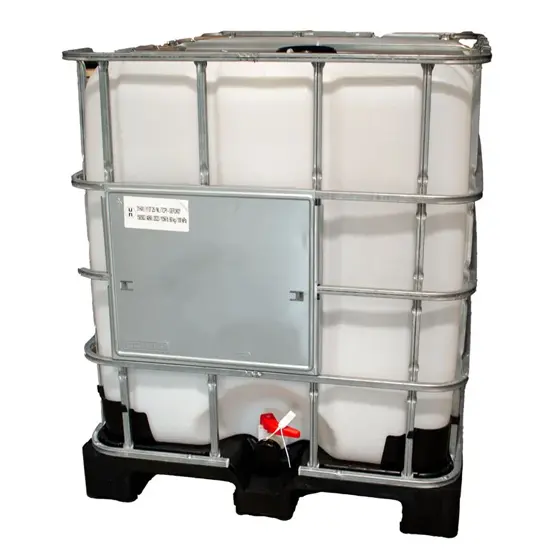
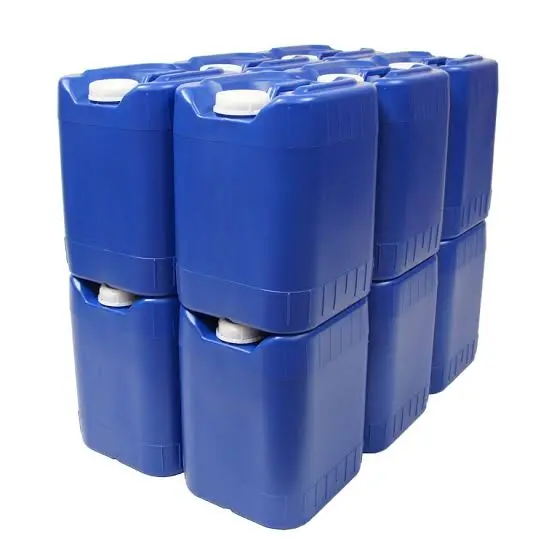
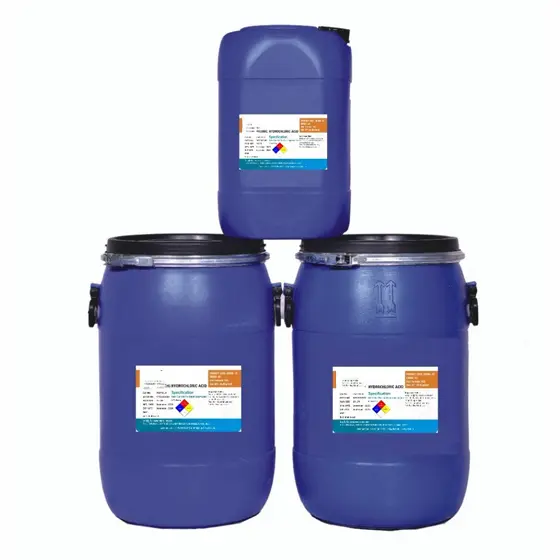
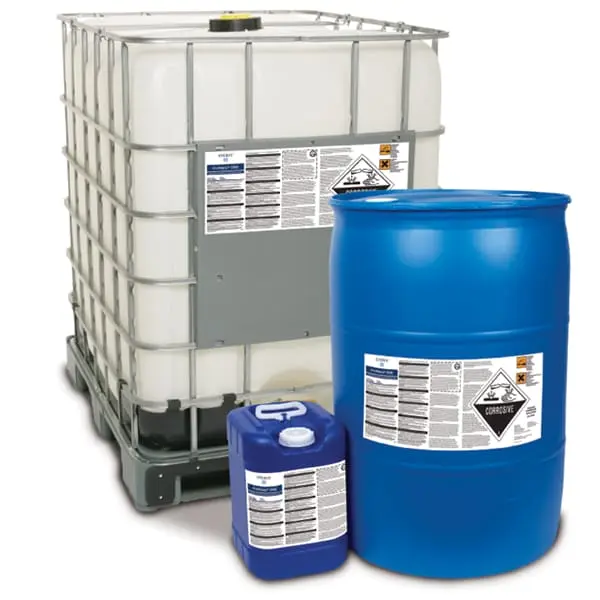
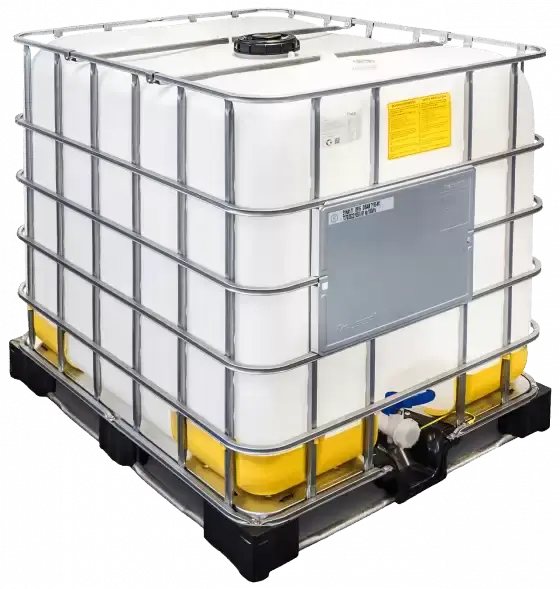
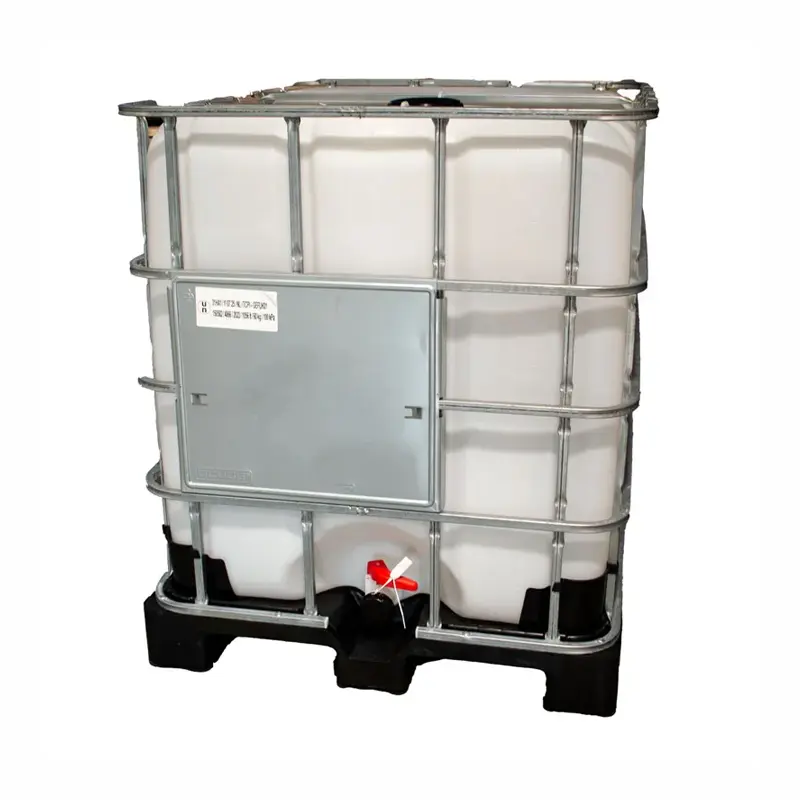
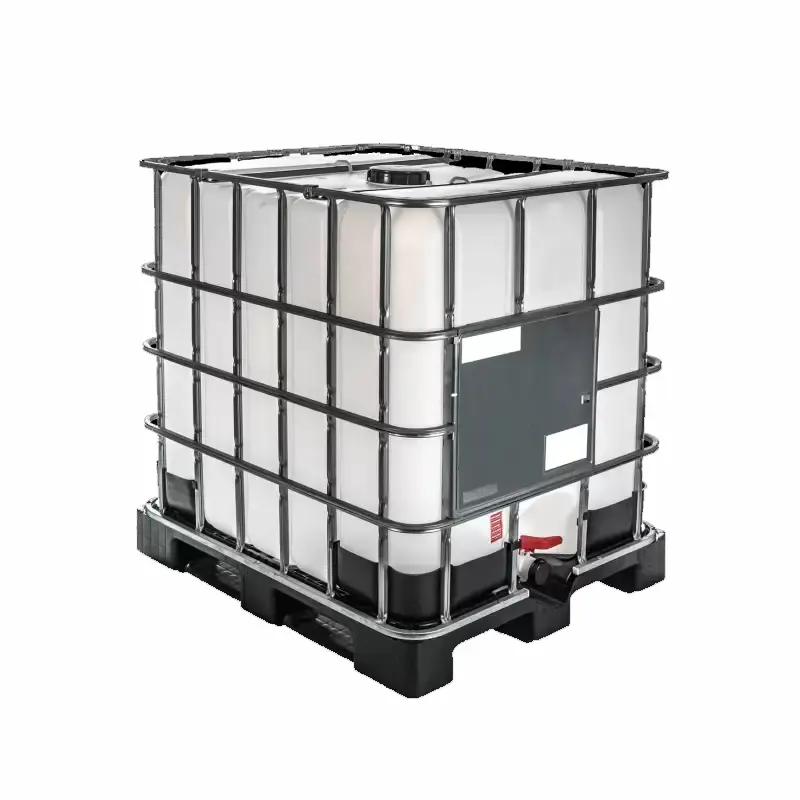
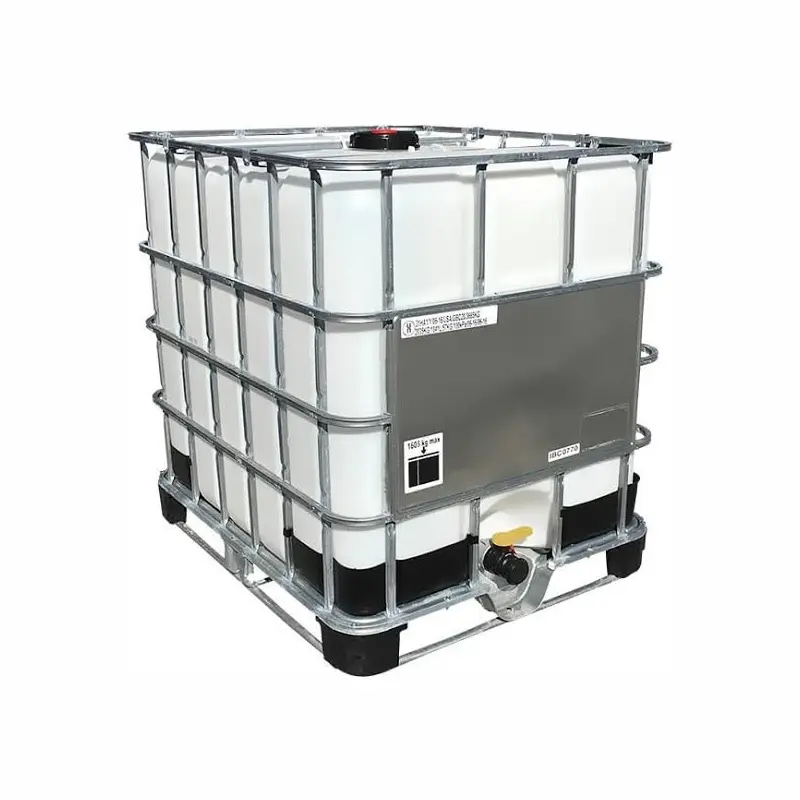
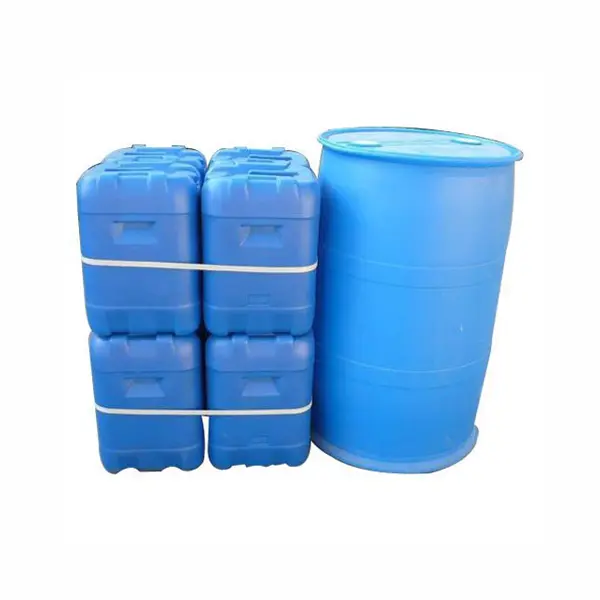
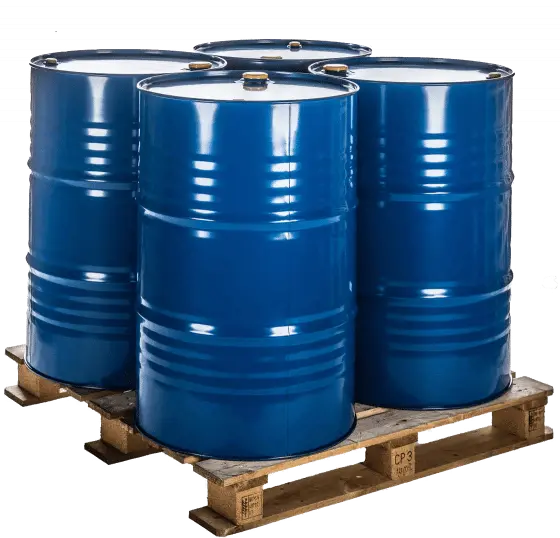
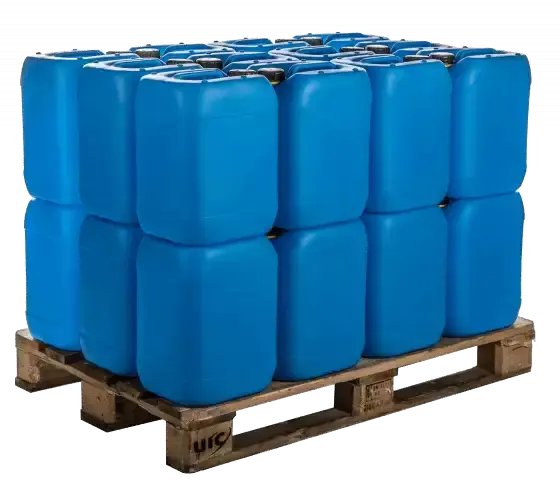
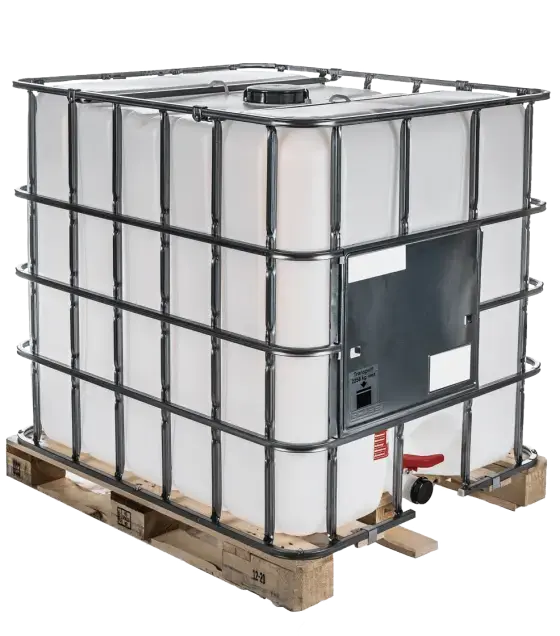
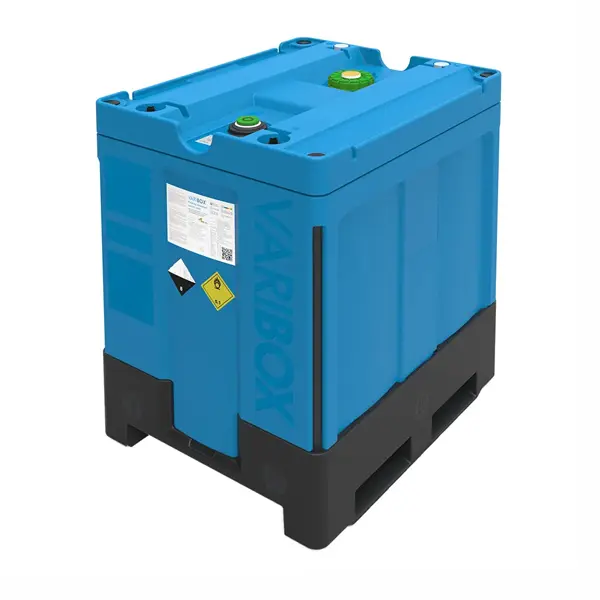
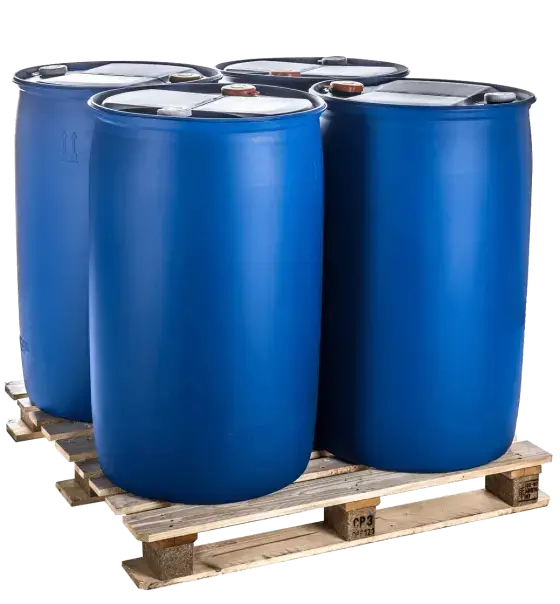
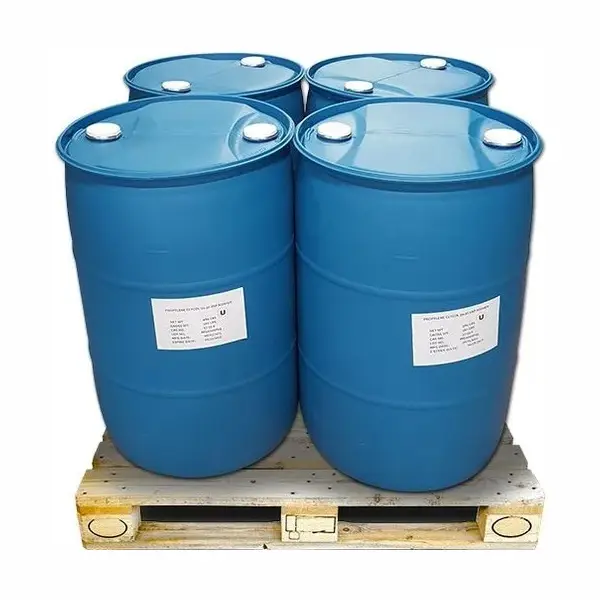
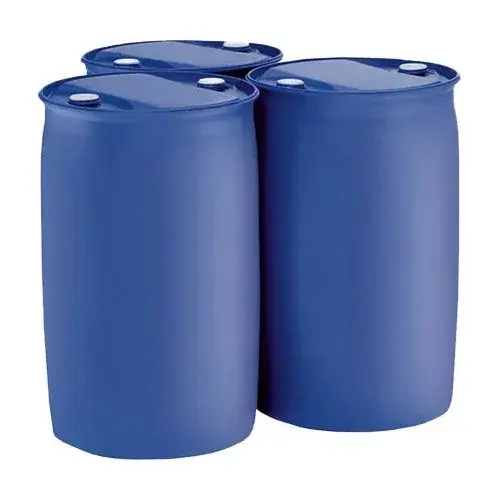
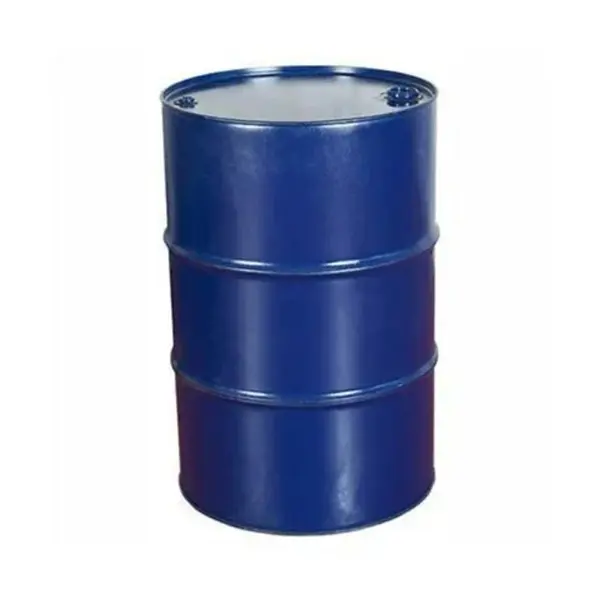
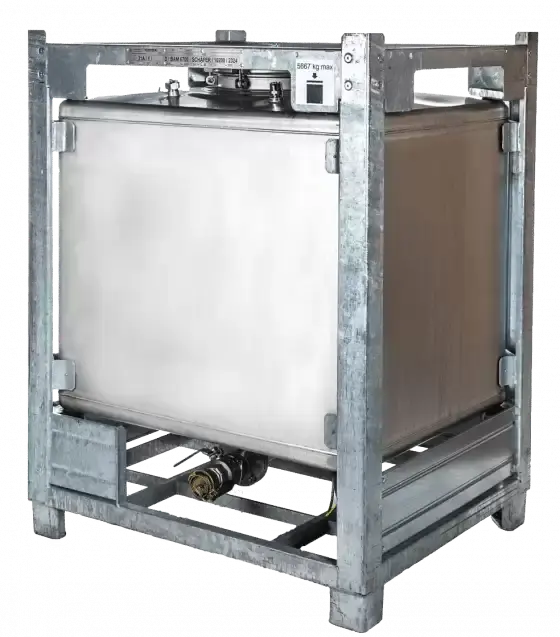
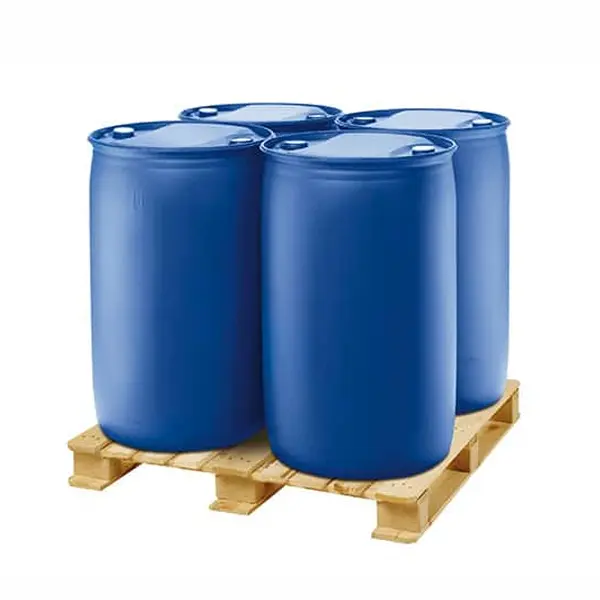
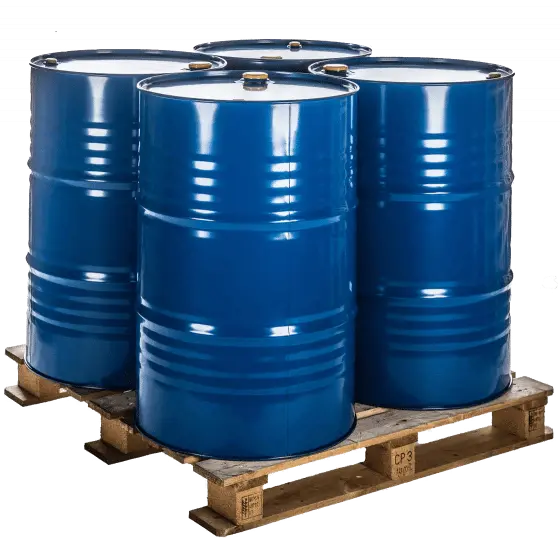
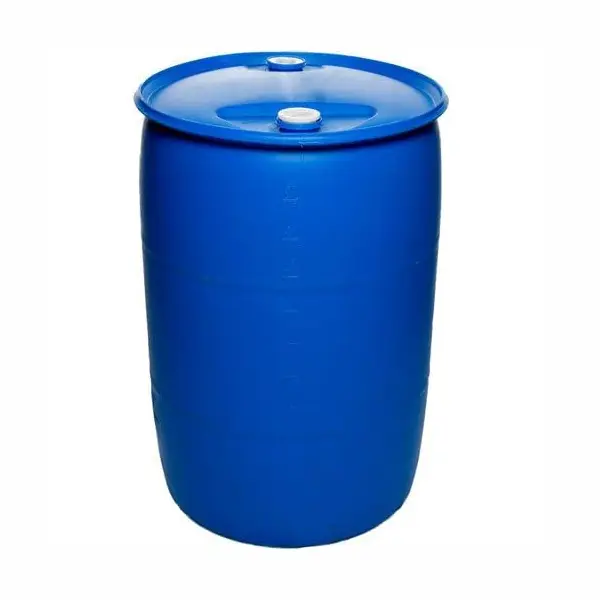
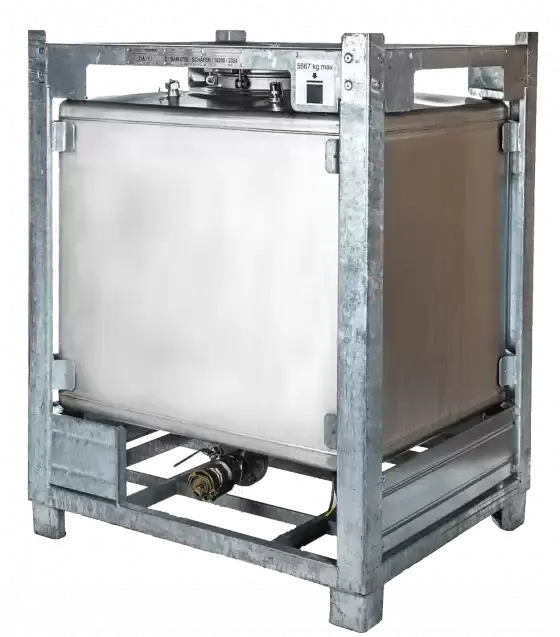
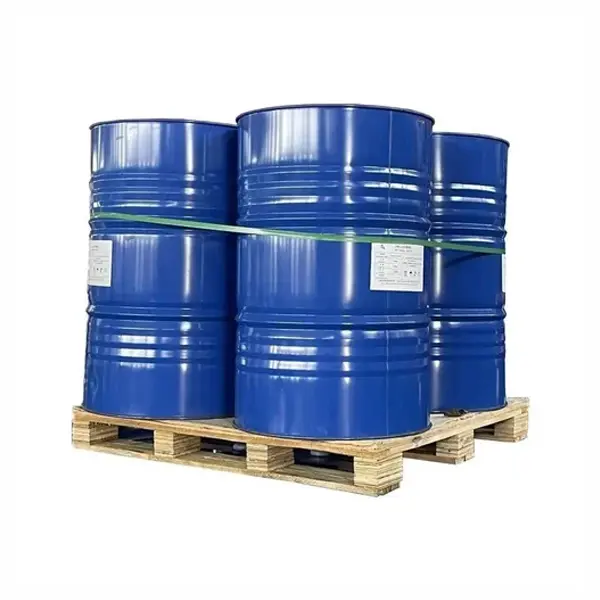
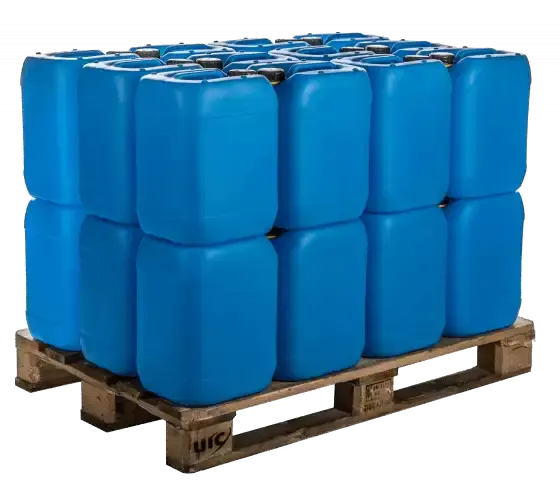
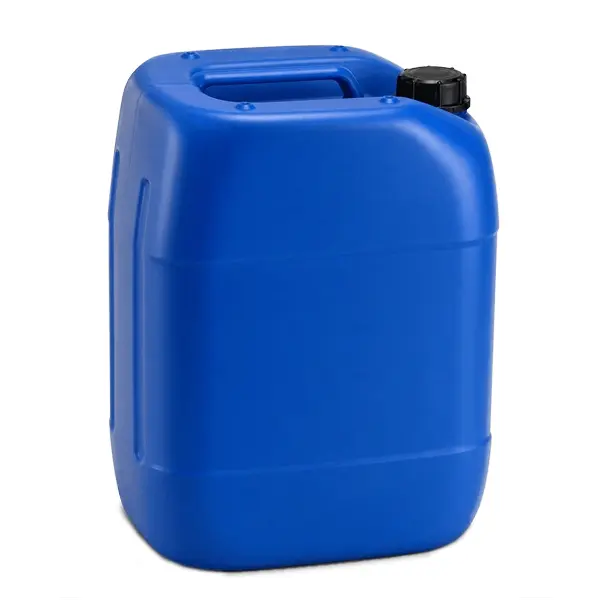
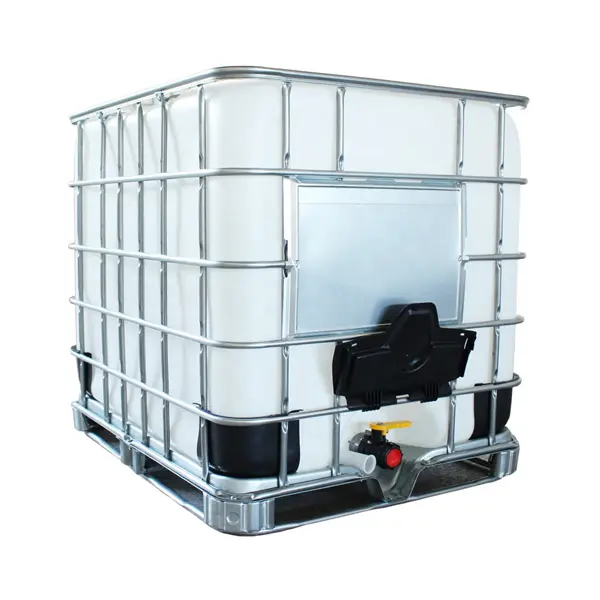
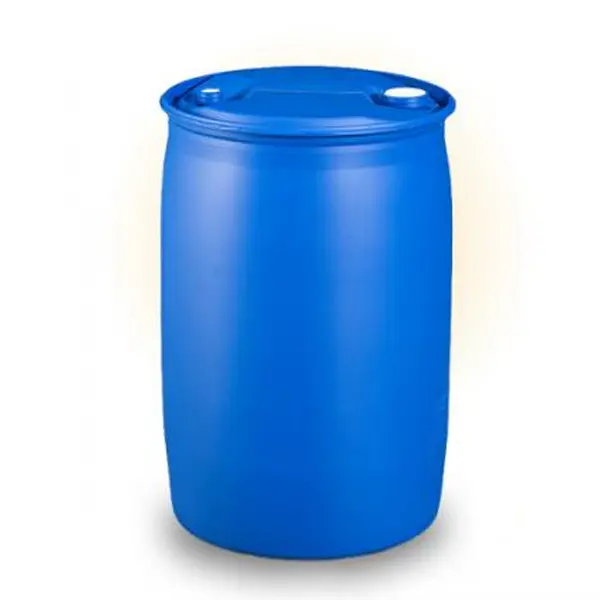
Store Sodium Hypochlorite in compatible, corrosion-resistant containers in a cool, well-ventilated area, away from direct sunlight and excessive heat. Keep it separate from acids, ammonia, reducing agents, and other incompatible materials. Mixing Sodium Hypochlorite with acids or ammonia can release toxic gases. Use appropriate protective equipment and follow the supplier's Safety Data Sheet (SDS) for handling, storage, spill response, and disposal. Never mix it with other cleaning chemicals unless the product instructions explicitly permit it.
Conclusion
Sodium Hypochlorite is a widely used industrial chemical for water disinfection, sanitation, bleaching, and selected cleaning applications. Its oxidizing properties and availability in liquid form make it valuable for municipal, commercial, and industrial operations. Choosing the appropriate concentration, following supplier specifications, and maintaining safe handling practices are essential for reliable performance.