Hypophosphorous Acid – Powerful Reducing Agent for Chemical Manufacturing and Metal Finishing
Introduction
Hypophosphorous Acid, also known as Phosphinic Acid, is an inorganic phosphorus-containing acid widely used as a reducing agent in chemical manufacturing, metal finishing, and specialty industrial processes. It is commonly supplied as an aqueous solution in different concentrations to meet specific industrial and technical requirements.
With the chemical formula H₃PO₂ and CAS number 6303-21-5, Hypophosphorous Acid is valued for its strong reducing properties and its role in the preparation of hypophosphite salts and other phosphorus-based compounds. It is also used in selected electroless plating and chemical processing applications. The appropriate grade and concentration depend on the intended process and required product specifications.
Industrial Applications
- Metal Finishing and Electroless Plating: Used in selected plating baths and metal-finishing processes where reducing chemistry is required.
- Hypophosphite Production: Serves as a raw material for manufacturing hypophosphite salts and related chemical compounds.
- Chemical Manufacturing: Used as a reducing agent in suitable industrial synthesis and processing operations.
- Specialty Chemical Production: Applied in selected processes involving phosphorus-based intermediates and formulated chemicals.
- Surface Treatment: Used in specific metal-treatment applications according to process requirements.
- Laboratory Applications: Used as a chemical reagent in research and analytical procedures requiring a reducing acid.
- Industrial Formulations: Incorporated into selected formulations where its reducing properties and chemical reactivity are suitable.
Key Benefits
- Strong Reducing Properties: Supports chemical reactions requiring a reducing agent.
- Versatile Chemical Intermediate: Useful in the preparation of hypophosphites and other phosphorus-based compounds.
- Metal-Finishing Applications: Suitable for selected electroless plating and surface-processing systems.
- Multiple Concentration Options: Commercial aqueous solutions are available in different concentrations, depending on supplier offerings.
- Industrial Process Utility: Supports specialized chemical synthesis and manufacturing operations.
- Specification-Based Supply: Different grades can be selected according to purity, concentration, and application requirements.
Product Specifications
| Property | Details |
|---|---|
| Product Name | Hypophosphorous Acid |
| Synonyms | Hypophosphorus Acid, Phosphinic Acid |
| CAS Number | 6303-21-5 |
| Chemical Formula | H₃PO₂ |
| Molecular Weight | 66.00 g/mol |
| Appearance | Typically a clear, colorless aqueous liquid when supplied as a solution |
| Odor | Generally odorless |
| Water Solubility | Miscible with water |
| Chemical Character | Acidic; strong reducing agent |
| Common Commercial Concentrations | 30%, 50%, and other concentrations depending on supplier |
| Typical Applications | Metal finishing, hypophosphite production, chemical synthesis |
| Available Grades | Industrial and laboratory grades, subject to supplier specifications |
Note: Physical properties such as density, freezing point, and boiling or decomposition behavior depend on concentration. The values for the pure acid should not be applied directly to commercial aqueous solutions. Confirm concentration, impurity limits, and certificate of analysis before purchase. <Cite refs={["turn865314search4","turn865314search5","turn865314search7"]}/>
Storage and Handling
Hypophosphorous Acid is corrosive and a strong reducing agent. Store it in tightly closed, compatible containers in a cool, well-ventilated area, following the supplier's storage recommendations. Protect the product from excessive heat and keep it away from strong oxidizing agents, strong bases, and other incompatible materials.
Wear suitable chemical-resistant gloves, protective clothing, and eye or face protection. Avoid breathing mist and prevent contact with the skin and eyes. Use appropriate ventilation and corrosion-resistant equipment. Heating or decomposition can produce hazardous phosphorus-containing fumes, including potentially flammable phosphine under certain conditions. Do not heat the material unless a validated process and appropriate safety controls specifically permit it.
In case of exposure, follow the product's Safety Data Sheet (SDS) and seek urgent medical assistance for suspected corrosive exposure. Prevent uncontrolled discharge into drains and waterways, and comply with applicable chemical storage, transport, and disposal requirements. <Cite refs={["turn865314search2","turn865314search3","turn865314search8"]}/>
Quality and Supply
Hypophosphorous Acid should be selected according to the required concentration, purity, impurity profile, and intended industrial application. Buyers should verify the technical data sheet, certificate of analysis, and Safety Data Sheet before use.
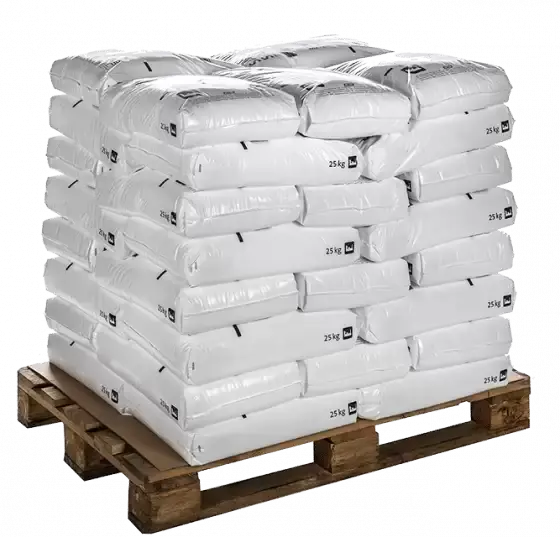
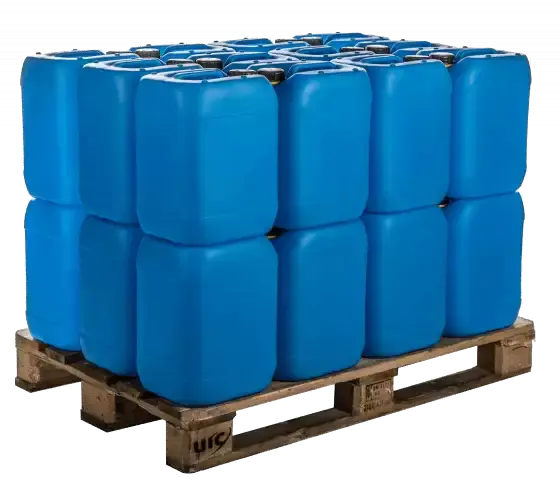
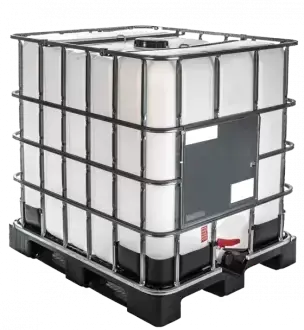
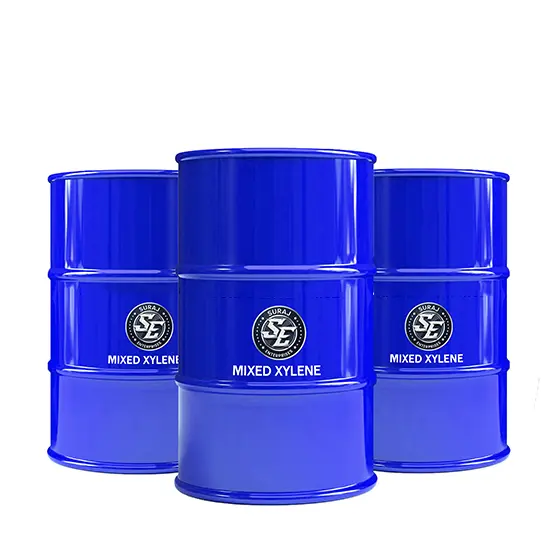
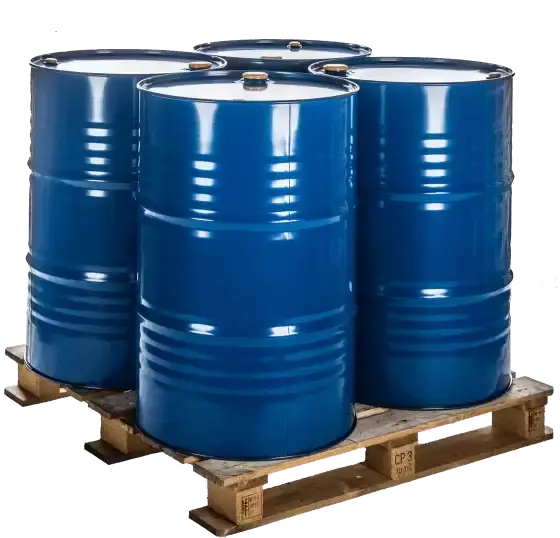
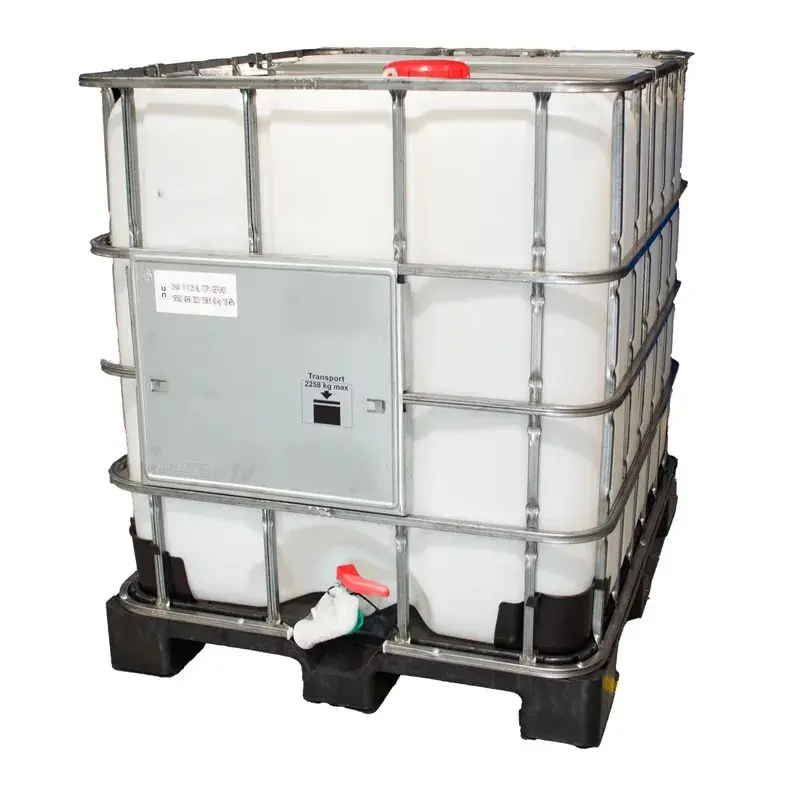
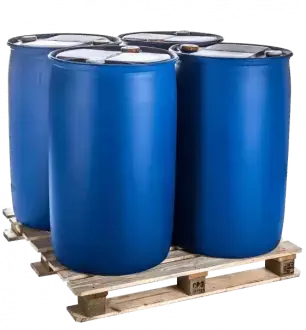
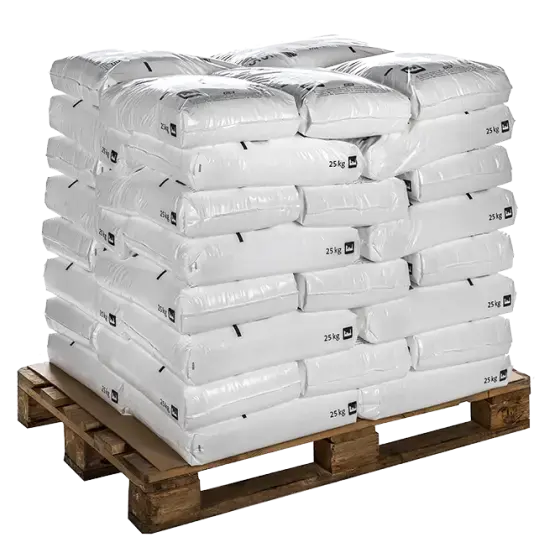
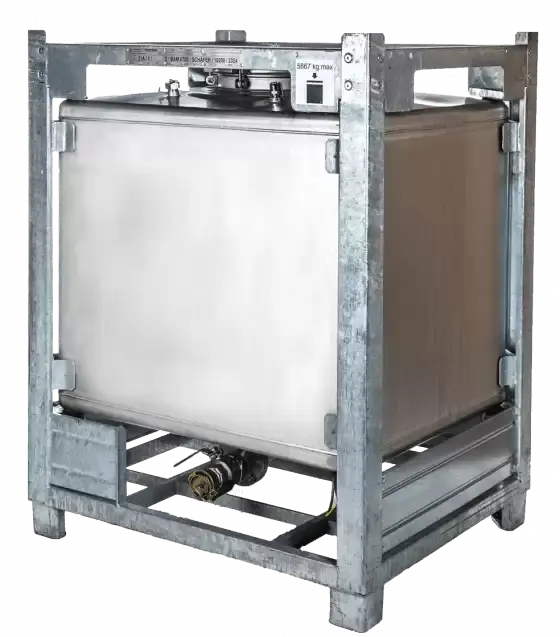
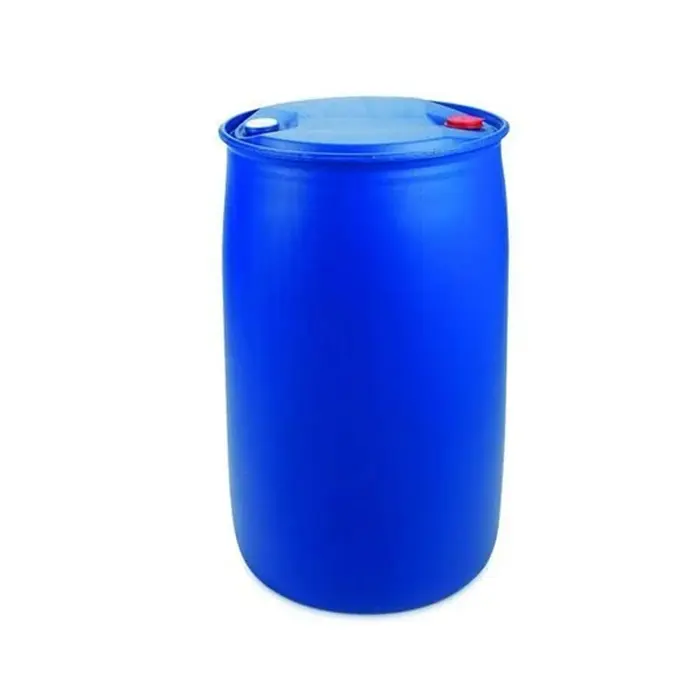
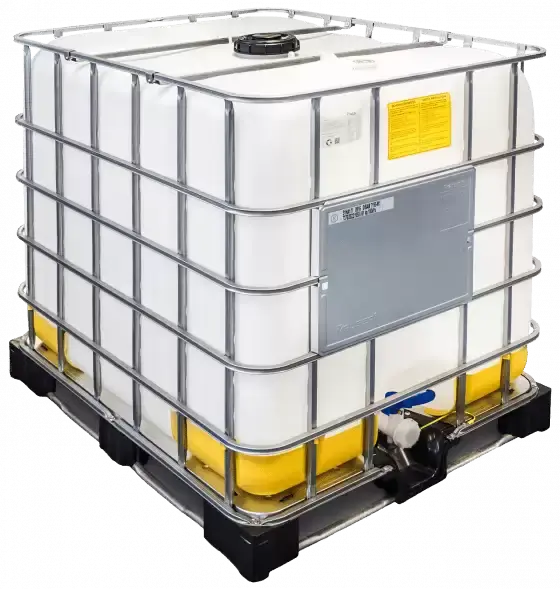
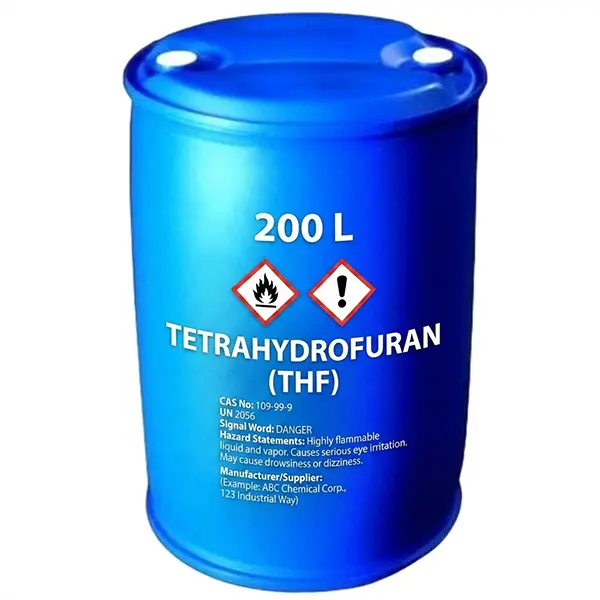
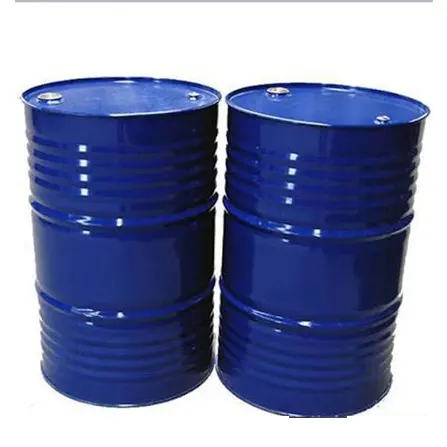
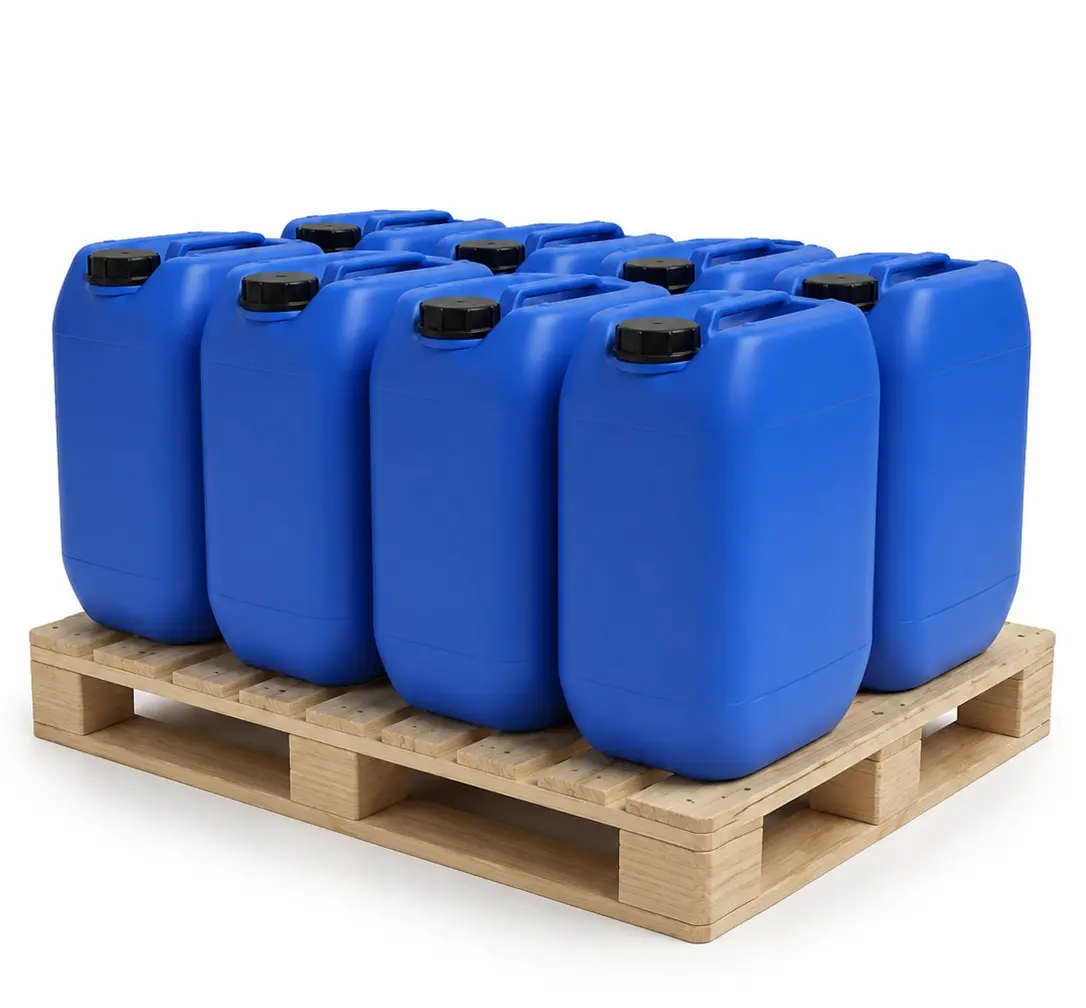
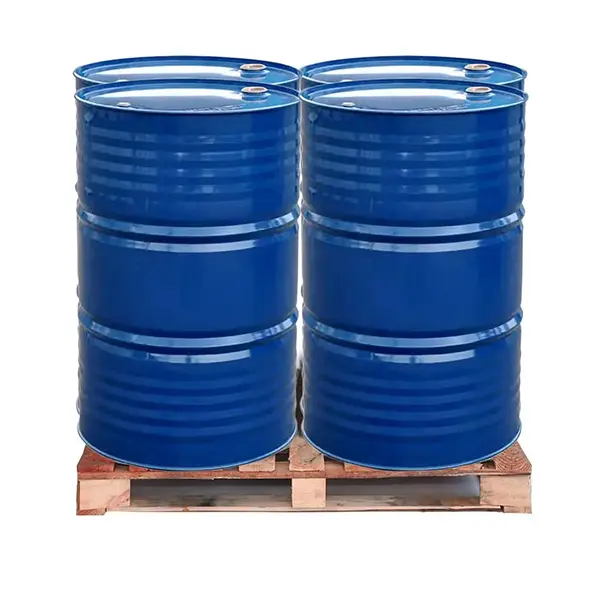
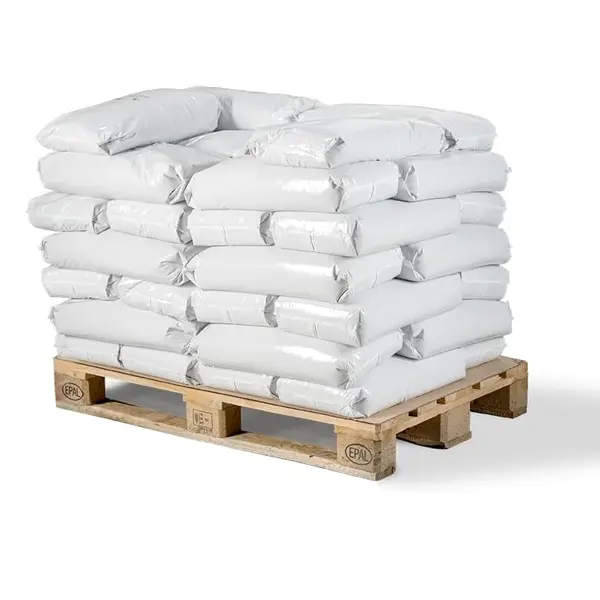
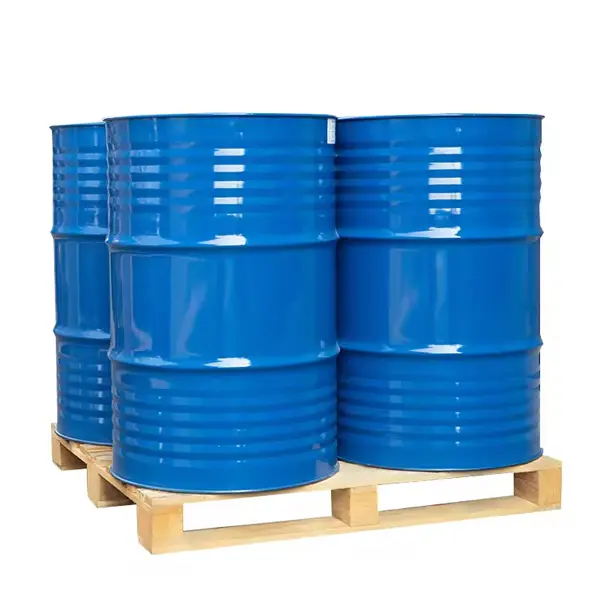
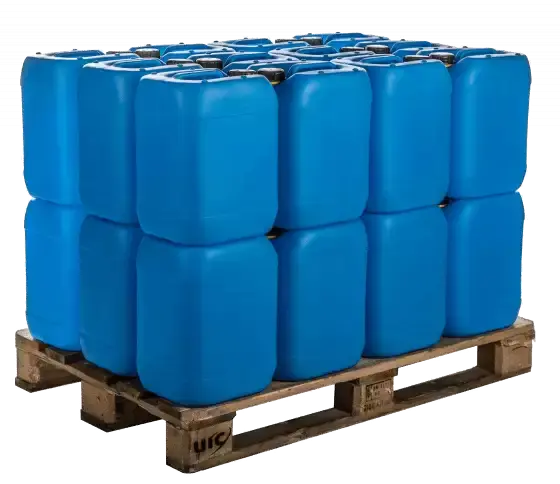
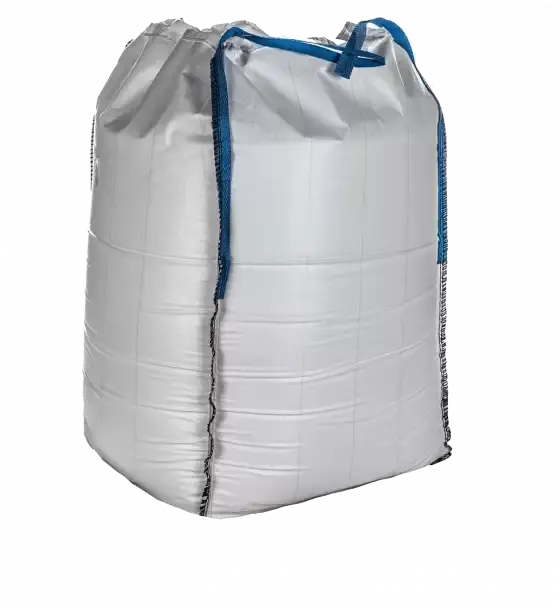
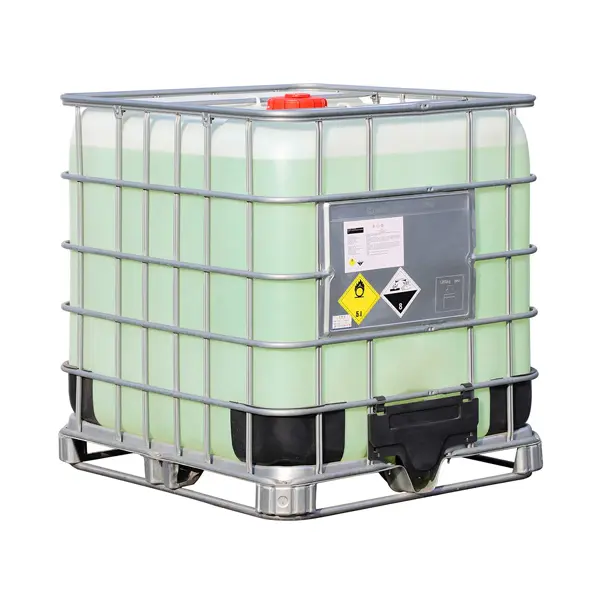
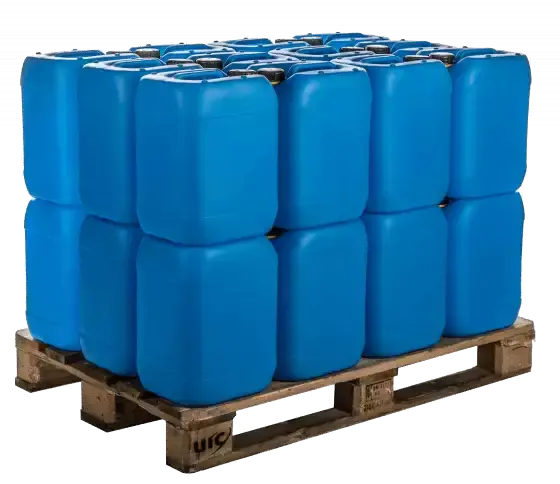
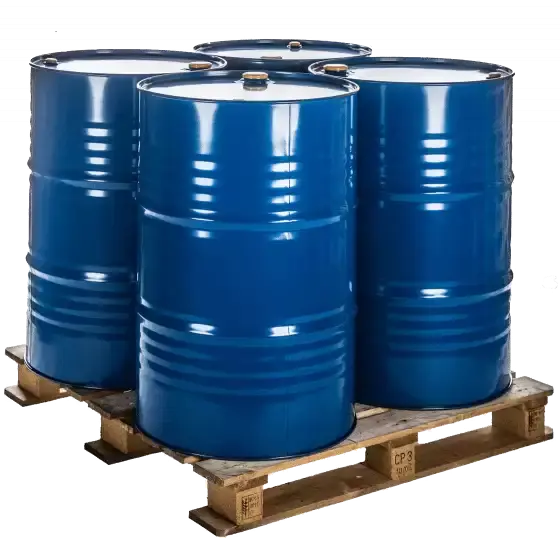
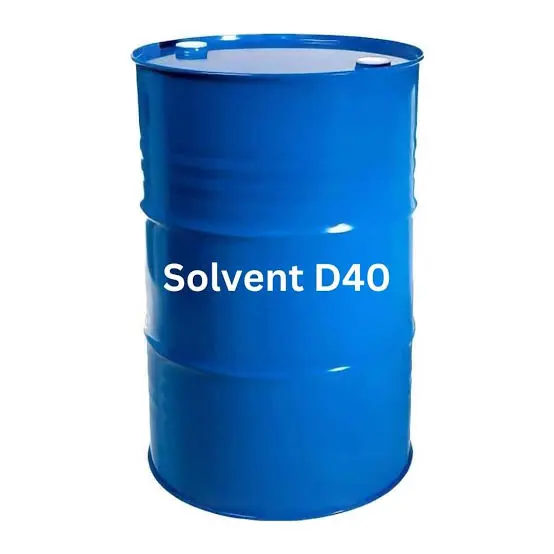
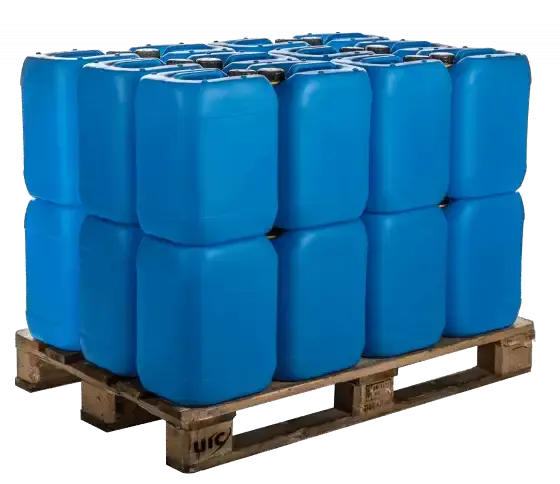
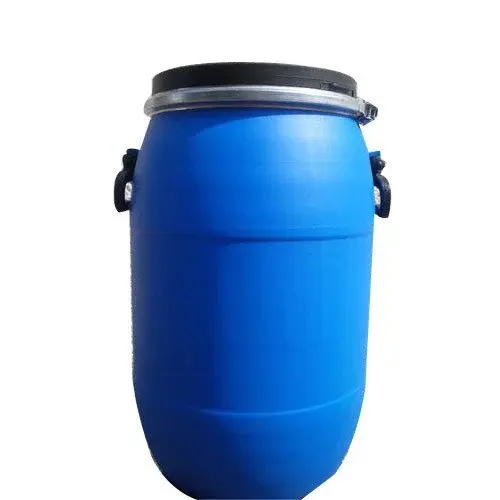
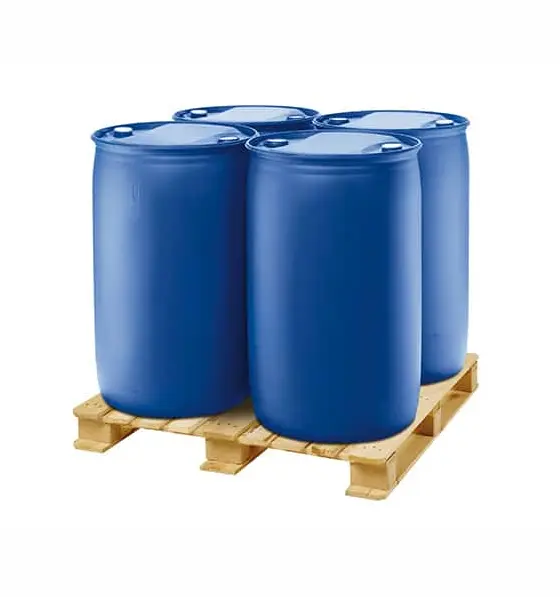
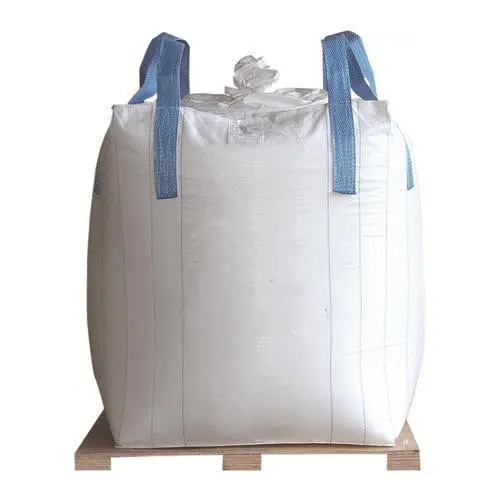
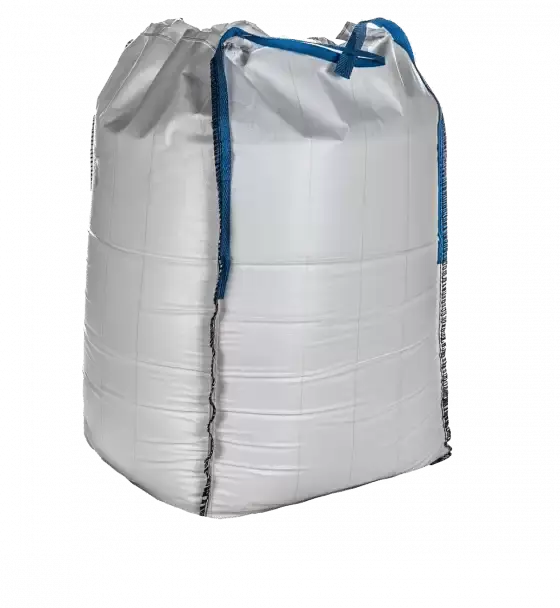
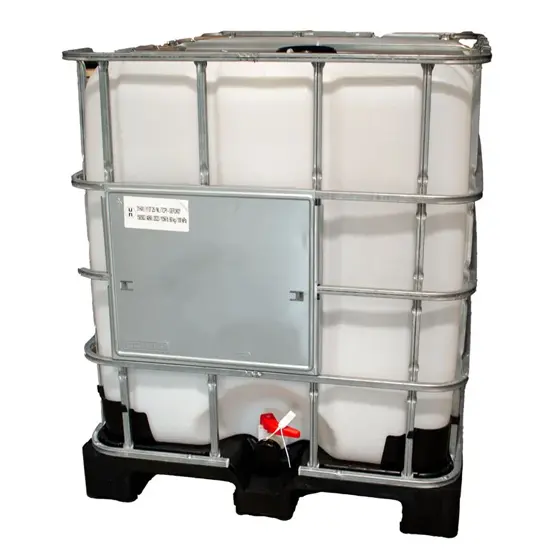
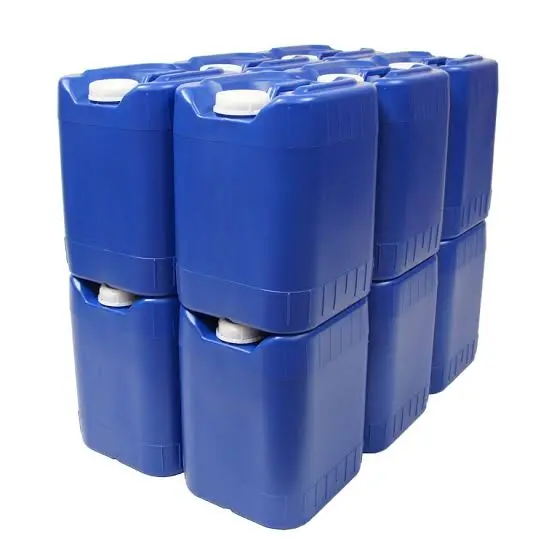
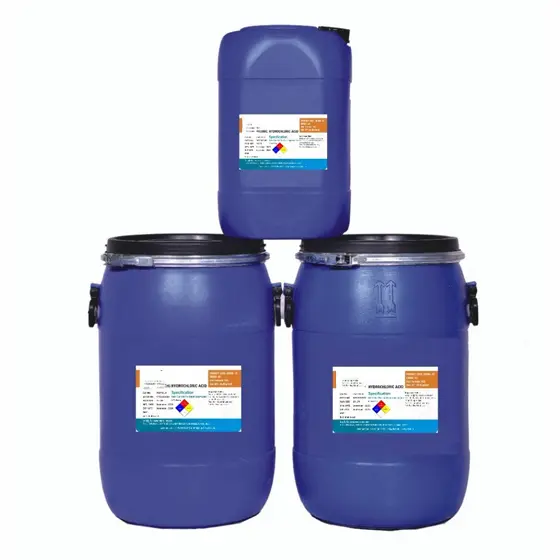
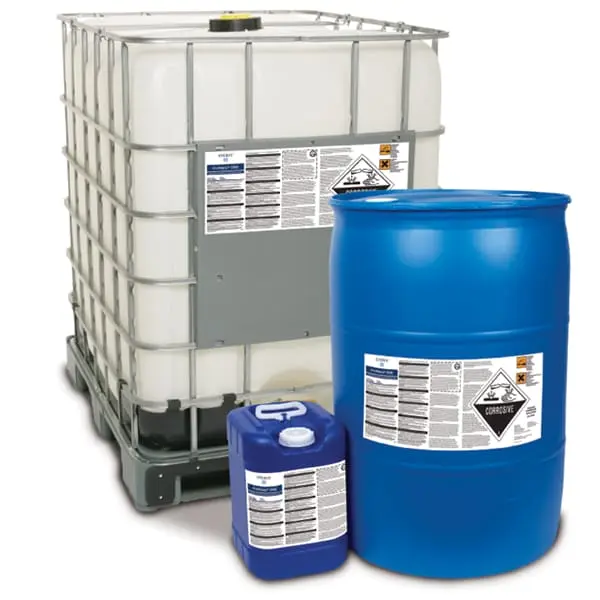
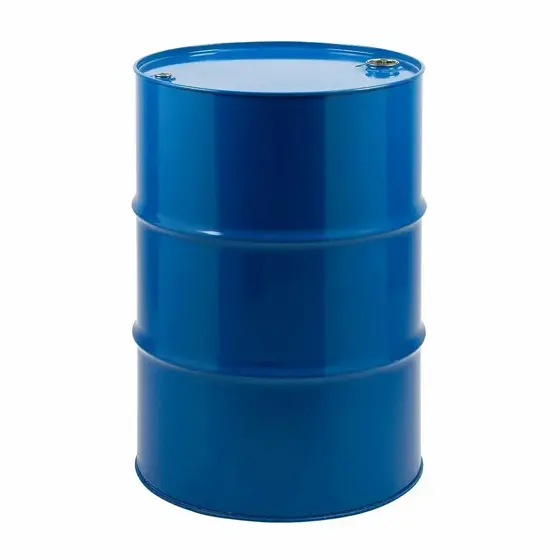
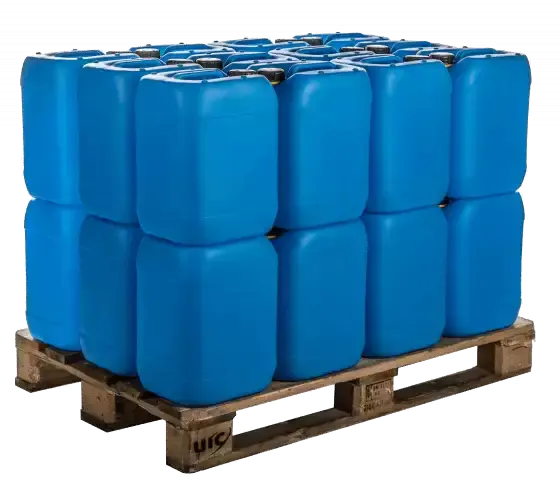
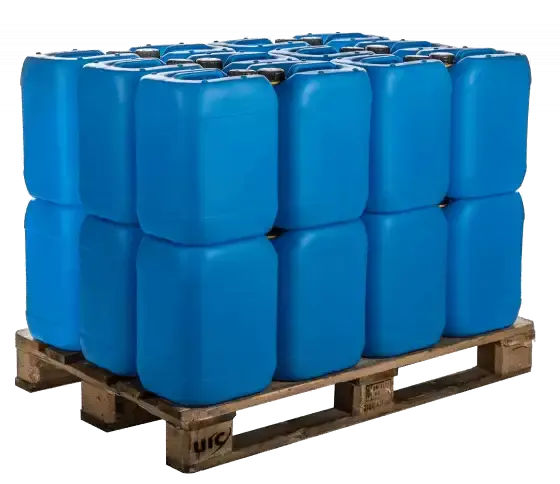
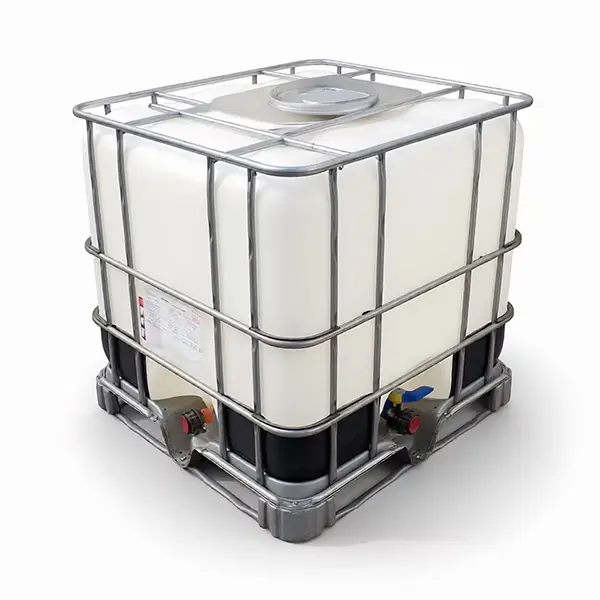
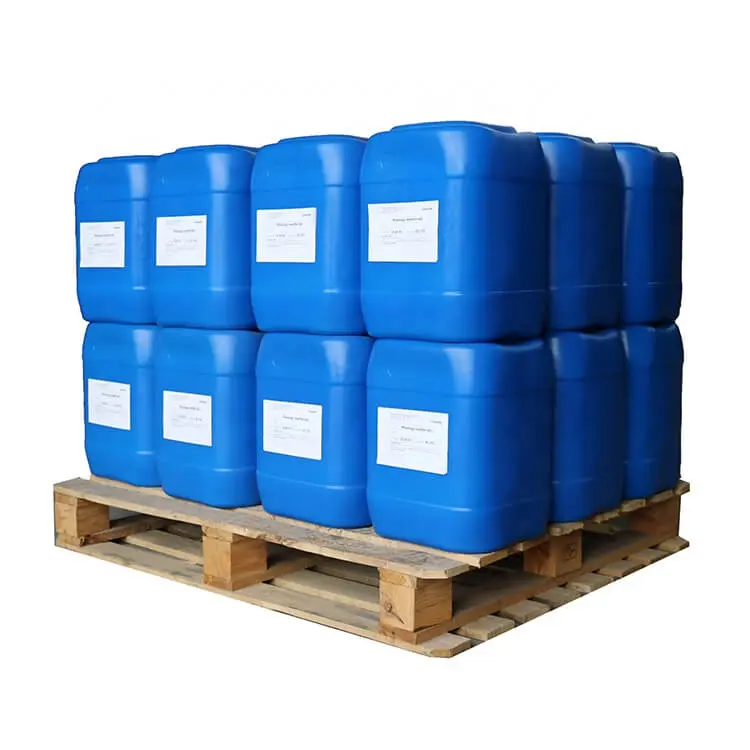
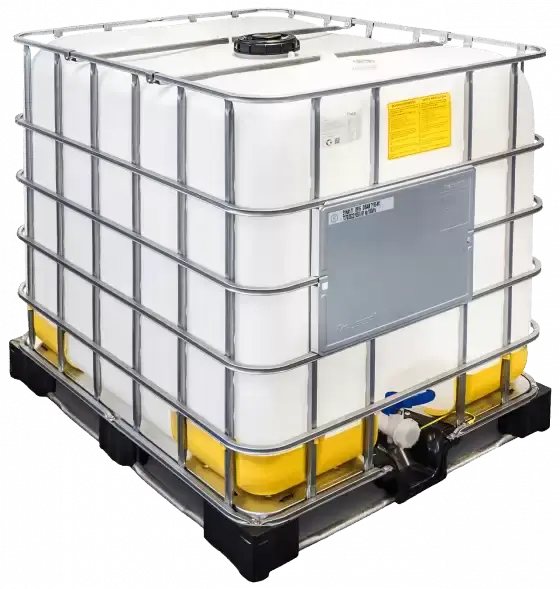
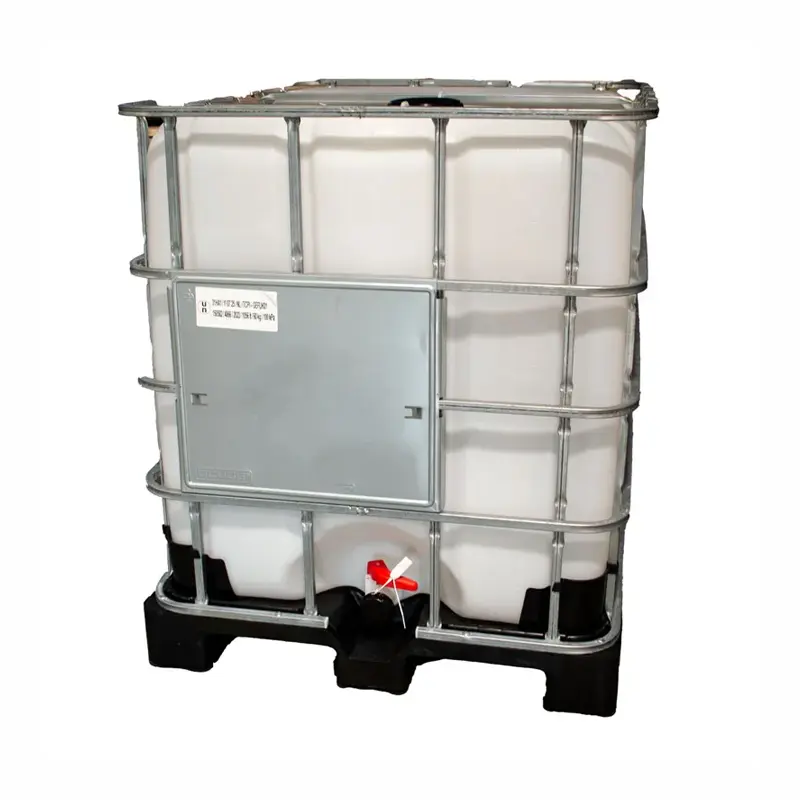
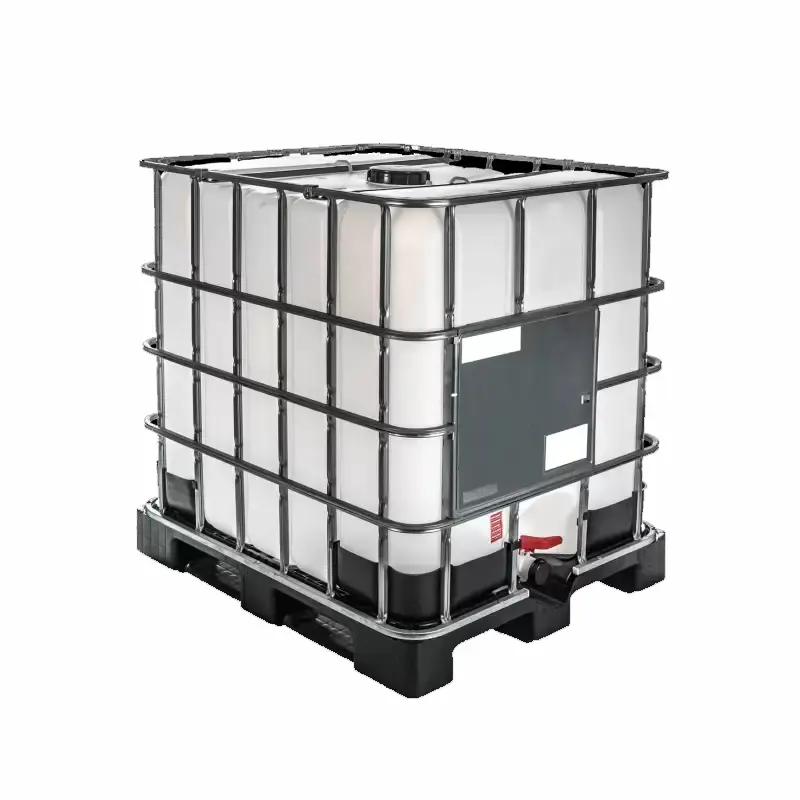
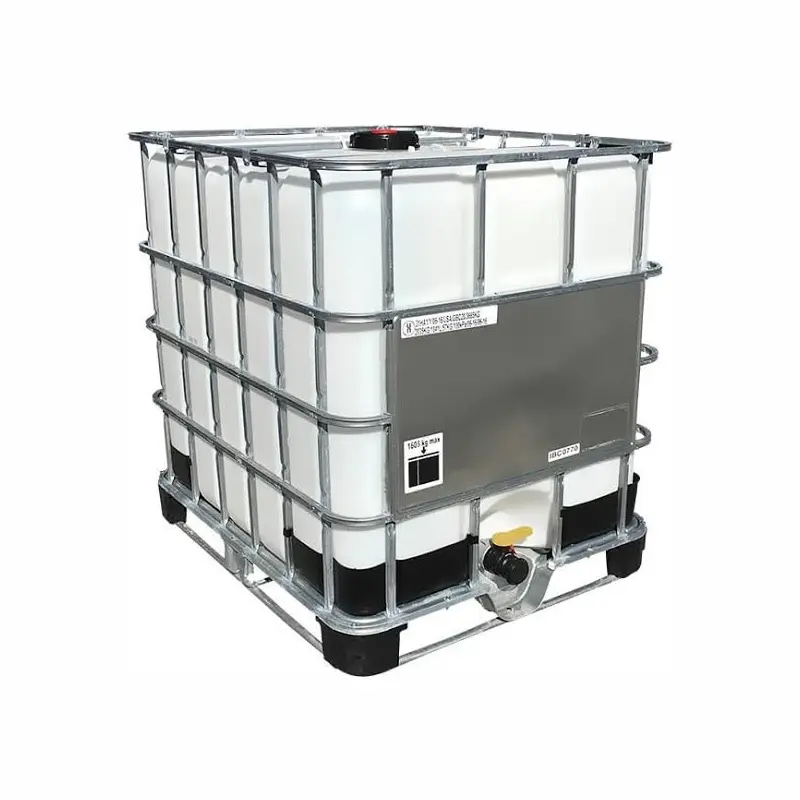
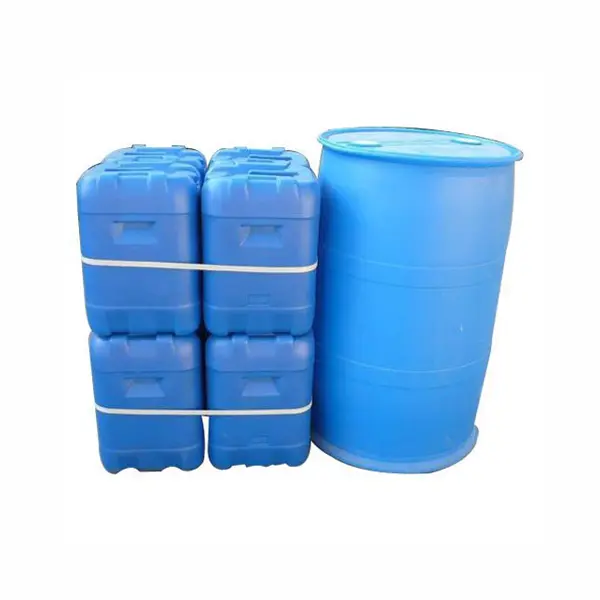
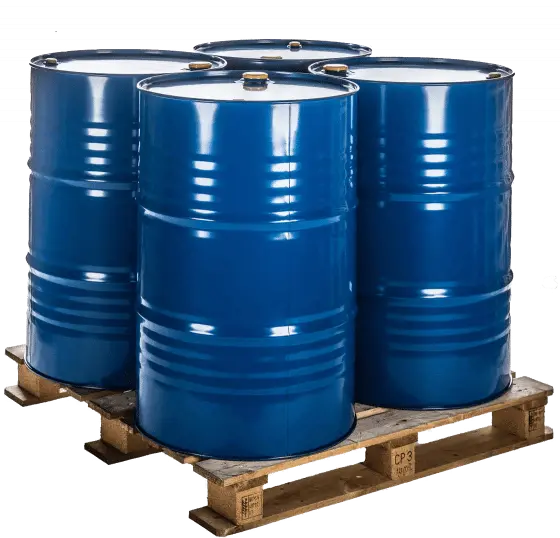
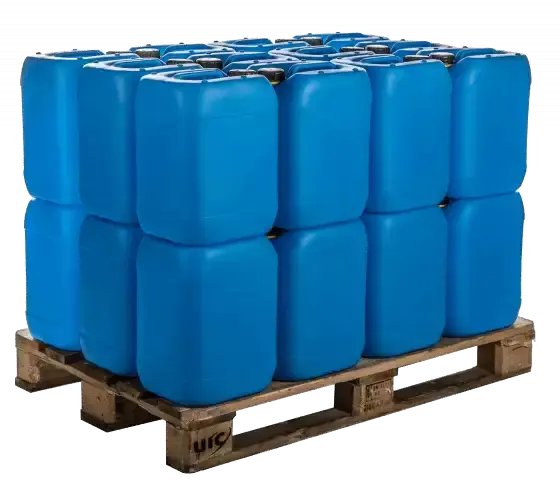
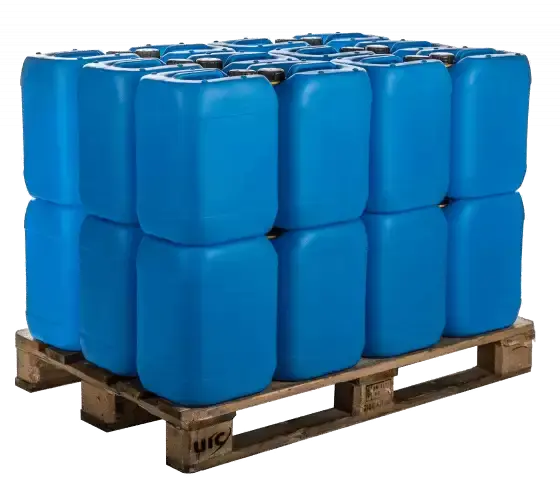
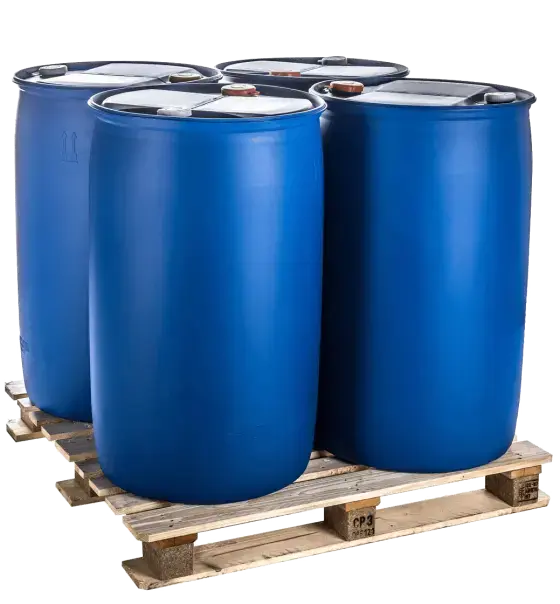
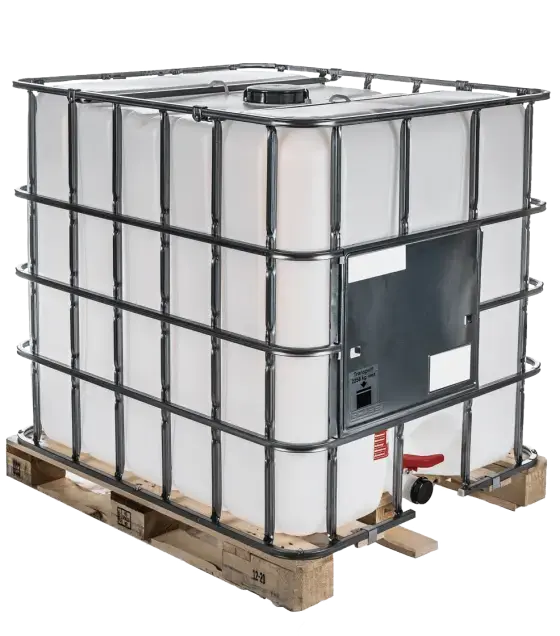
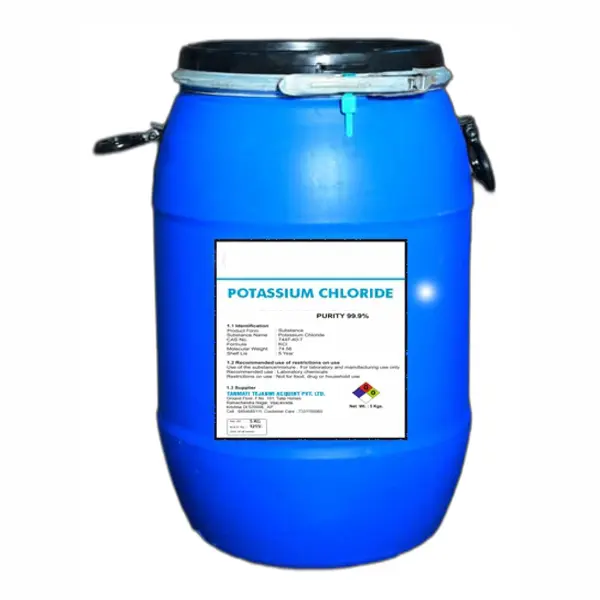
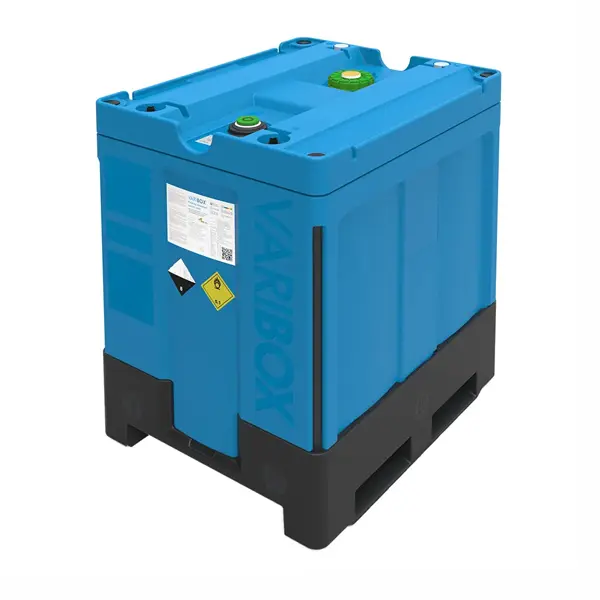
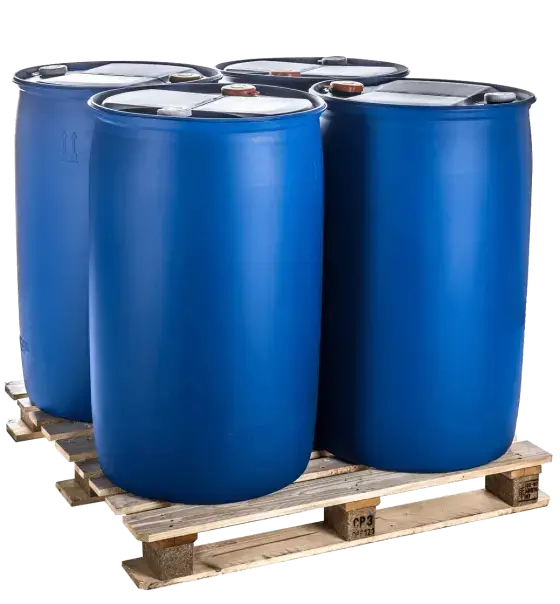
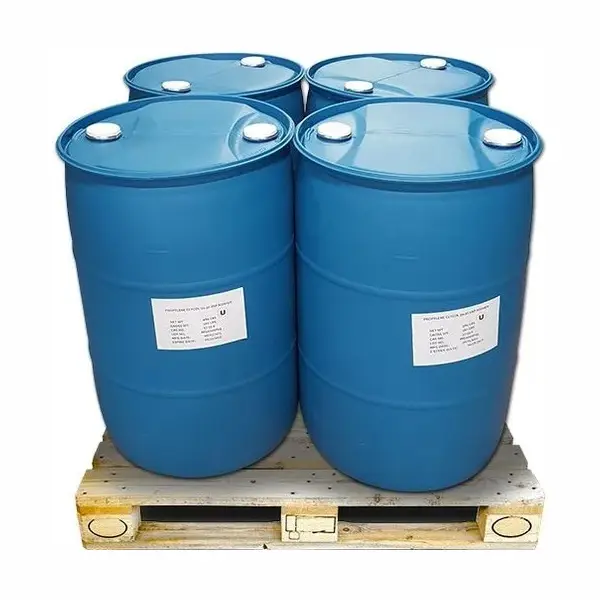
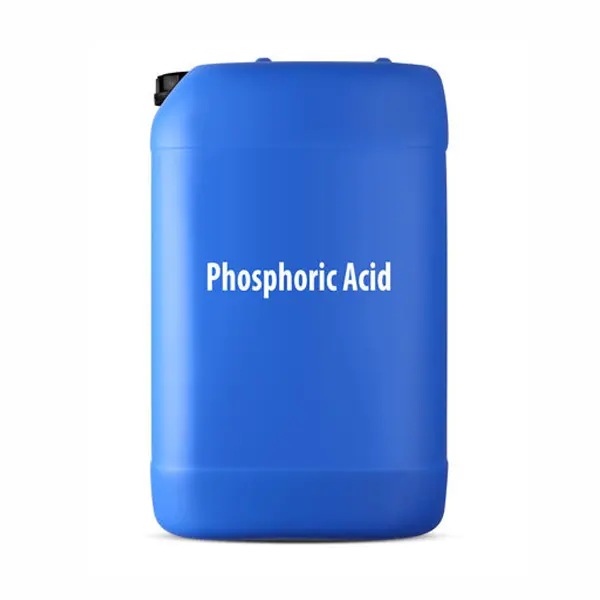
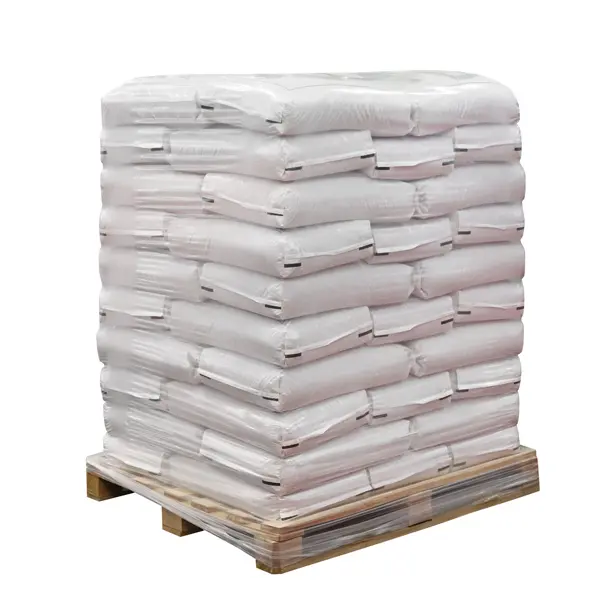
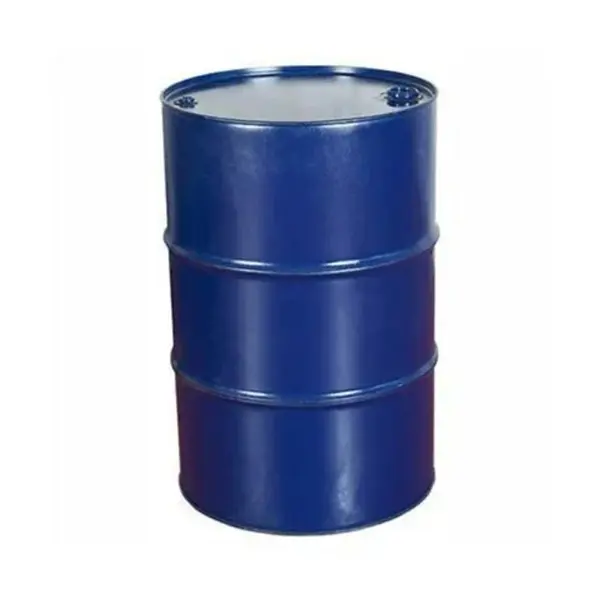
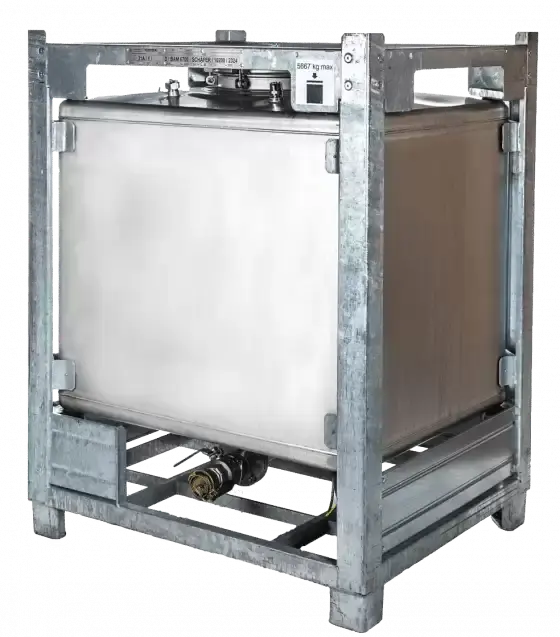
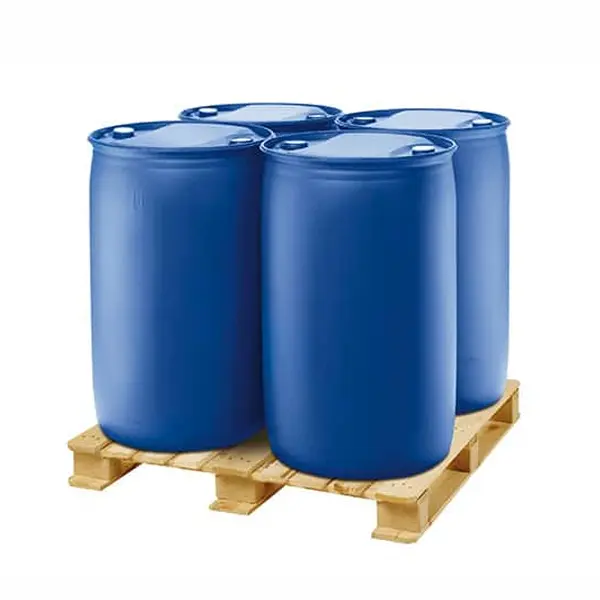
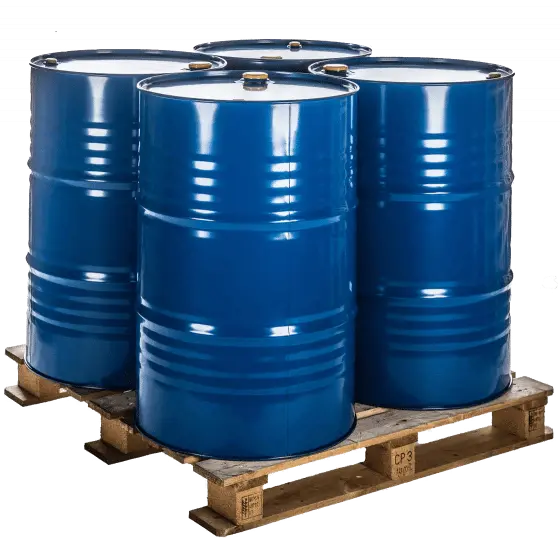
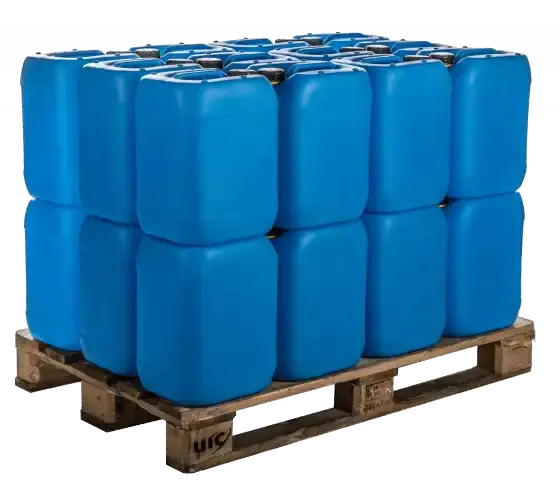
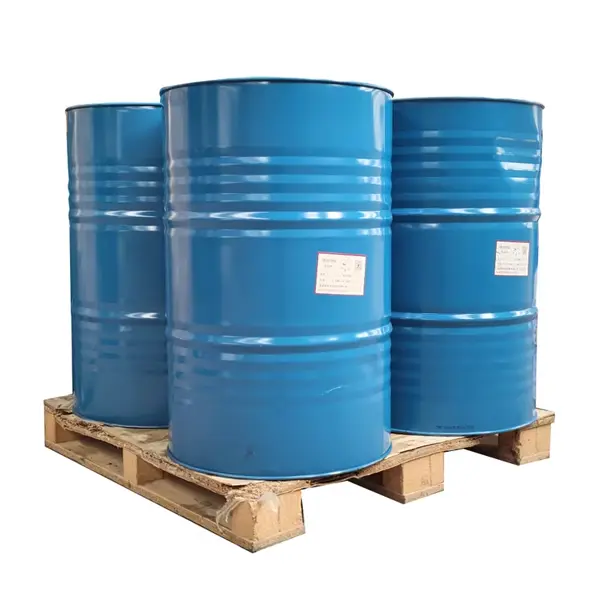
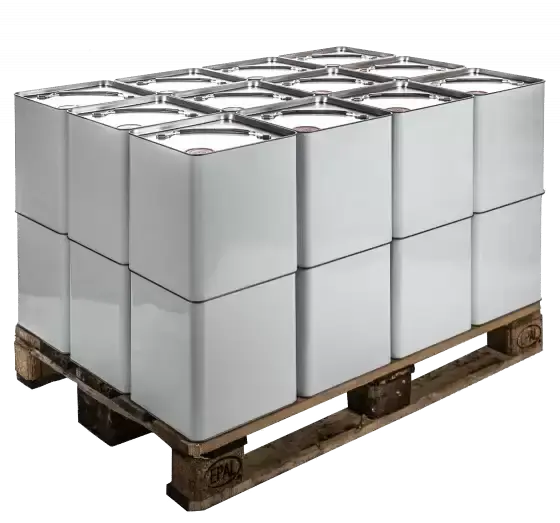
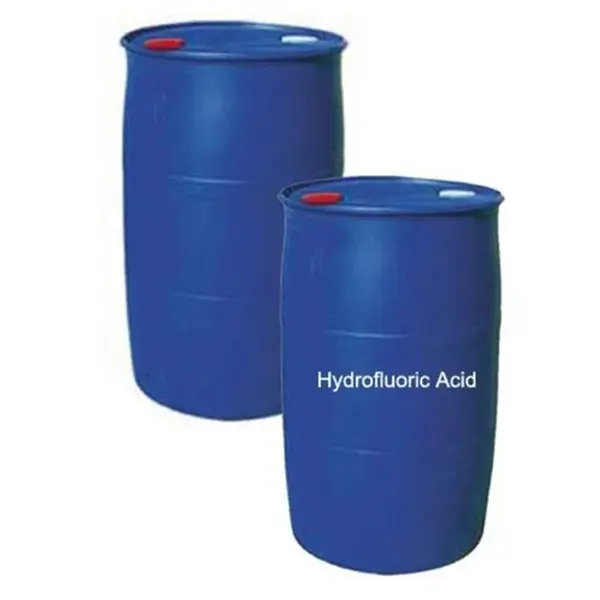
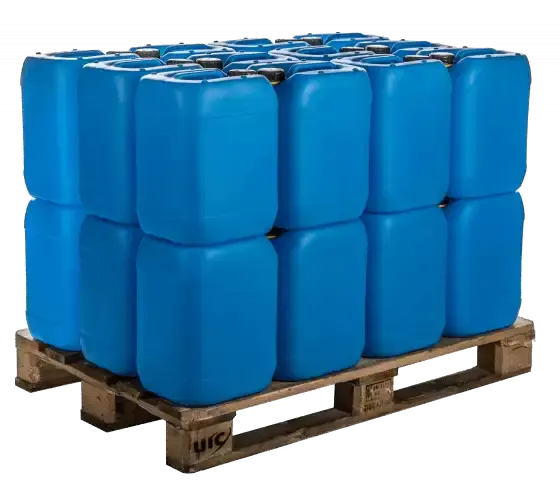
Depending on supplier availability, the product may be supplied in compatible containers or industrial drums. Packaging materials must be suitable for the acid's corrosive properties and the specified concentration. Confirm the grade, concentration, packaging size, documentation, and delivery arrangements before placing an order.
Conclusion
Hypophosphorous Acid is a specialized reducing agent used in metal finishing, hypophosphite production, chemical synthesis, and other industrial processes. Its strong reducing properties and availability in different solution concentrations make it useful for applications requiring controlled phosphorus-based chemistry. Selecting the correct concentration, verifying product specifications, and following strict corrosive-chemical handling procedures are essential for safe and reliable use.