Triacetin – Versatile Chemical for Food, Pharmaceutical and Industrial Applications
Triacetin, also known as glyceryl triacetate, is a versatile chemical compound widely used in the food, pharmaceutical, cosmetics, tobacco, packaging, and industrial manufacturing sectors. Recognized for its excellent solvent properties, plasticizing capabilities, and compatibility with various ingredients, triacetin plays an important role in improving product flexibility, stability, and formulation performance. Its multifunctional characteristics make it a valuable ingredient for manufacturers seeking reliable solutions across diverse applications.
Key Properties and Characteristics of Triacetin
Triacetin has the chemical formula C₉H₁₄O₆ and is a colorless, oily liquid with a mild odor. It is an ester of glycerol and acetic acid, known for its solvent, plasticizer, and humectant properties. Its compatibility with various organic substances makes it suitable for use in specialized formulations.
Depending on the application and grade, triacetin can help improve flexibility, support ingredient dispersion, and provide useful processing characteristics. Its purity and technical specifications should match the requirements of the intended application.
Applications of Triacetin in the Food Industry
Food-grade triacetin is used as a flavoring carrier, solvent, and humectant in certain food formulations, subject to applicable regulations. It can help dissolve or distribute selected ingredients and support consistency in approved food products.
Its use depends on the intended food application, permitted levels, and relevant food safety standards. Manufacturers should ensure that the selected grade complies with applicable regulatory requirements.
Pharmaceutical and Personal Care Applications
In the pharmaceutical industry, triacetin is used as a plasticizer in certain capsule coatings, film-forming materials, and specialized drug formulations. It can improve flexibility and help achieve desired physical properties in suitable pharmaceutical systems.
In cosmetics and personal care products, triacetin may function as a solvent, emollient, or formulation aid. Its suitability depends on product composition, intended use, and the quality standards required for the finished formulation.
Industrial Applications of Triacetin
Triacetin is used in various industrial processes as a plasticizer and solvent. It can support flexibility in selected polymeric materials, coatings, inks, and other specialized formulations.
It is also used in the production of certain cellulose-based materials and in selected tobacco-related applications. Its performance depends on the compatibility of triacetin with the other components in the formulation and the requirements of the manufacturing process.
Benefits of Triacetin in Manufacturing
Triacetin offers several functional benefits, including effective solvency, plasticizing performance, and compatibility with selected formulation ingredients. It can improve flexibility, support uniform ingredient distribution, and contribute to consistent product characteristics.
Its versatility allows manufacturers to use it across different sectors, provided the correct grade and concentration are selected for each application.
Quality Standards and Product Specifications
Maintaining consistent triacetin quality is essential for reliable manufacturing performance. Important quality parameters may include purity, appearance, acidity, moisture content, and other application-specific specifications.
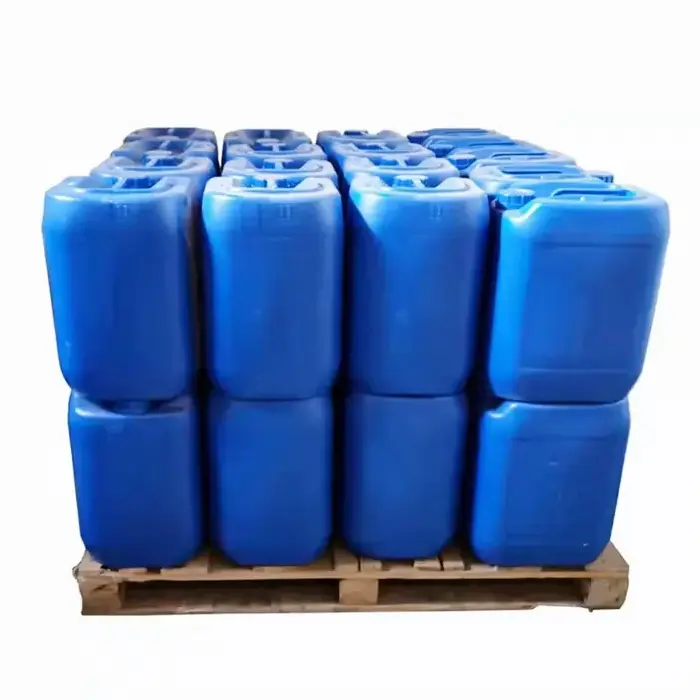
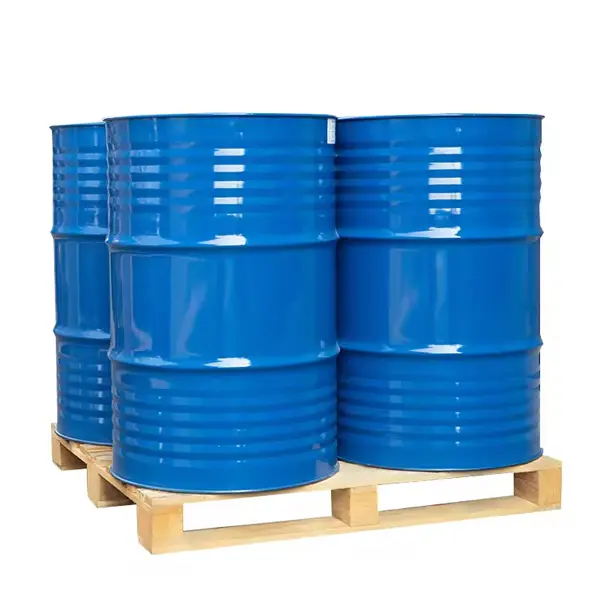
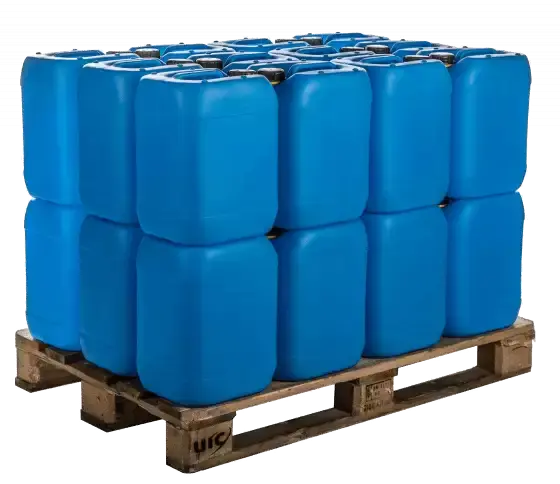
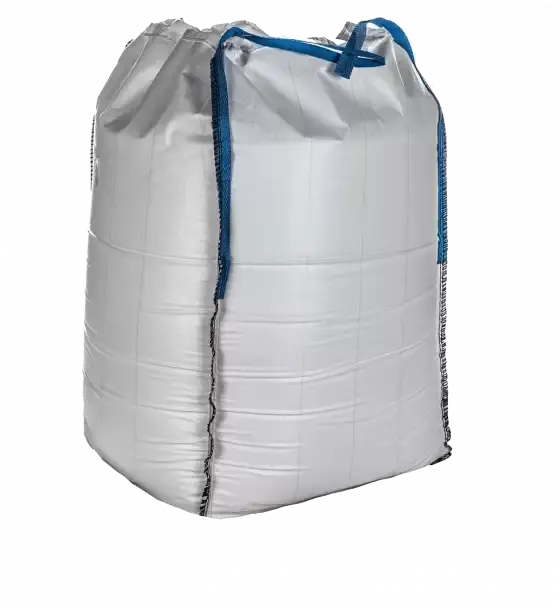
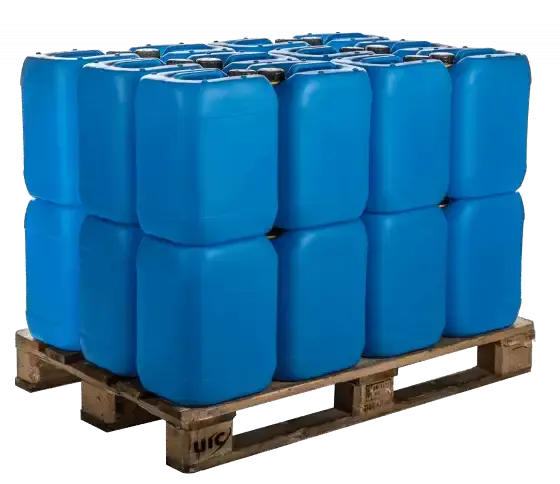
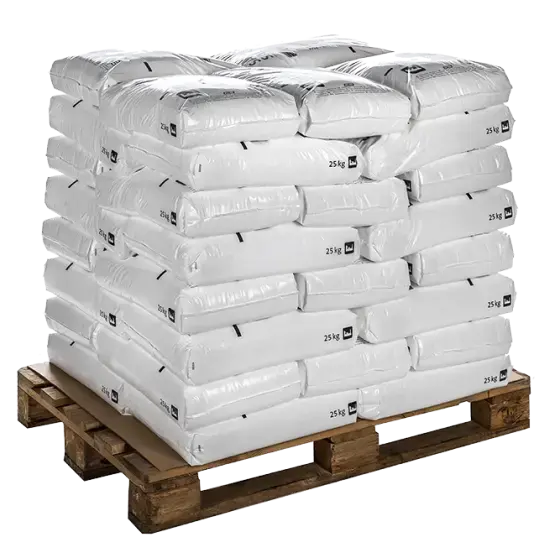
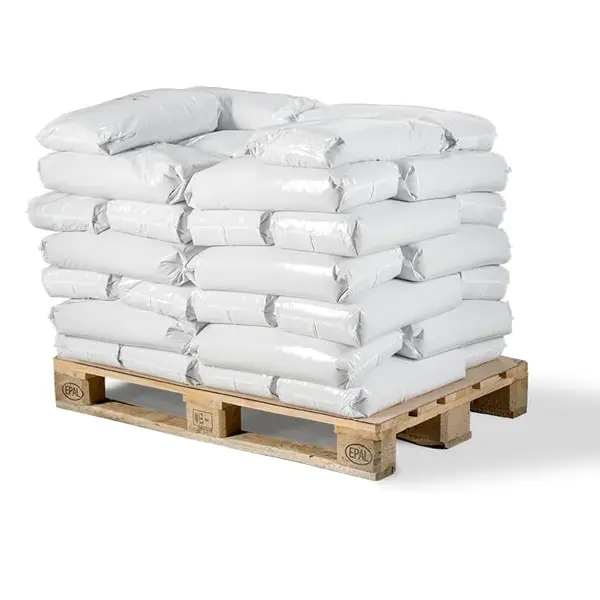
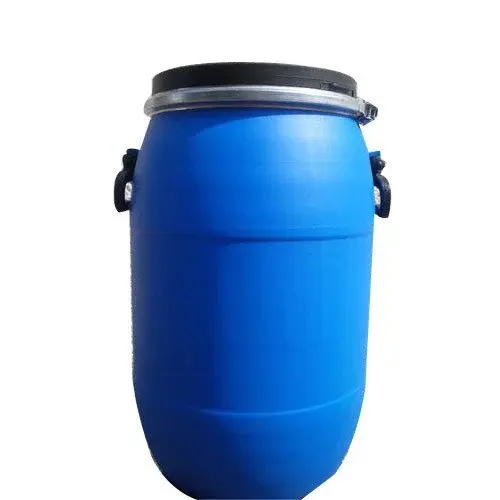
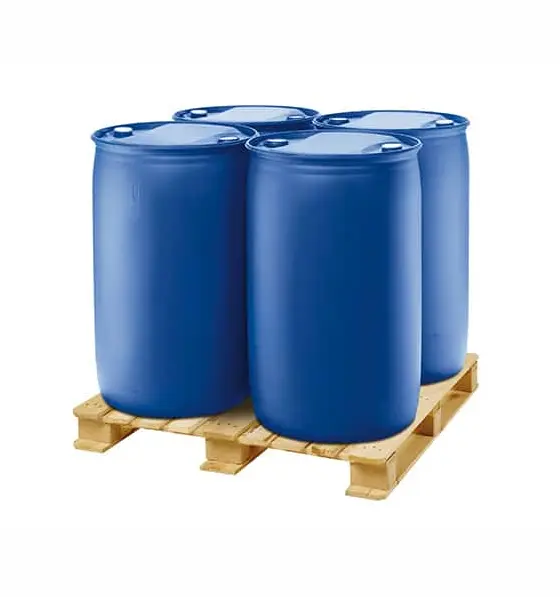
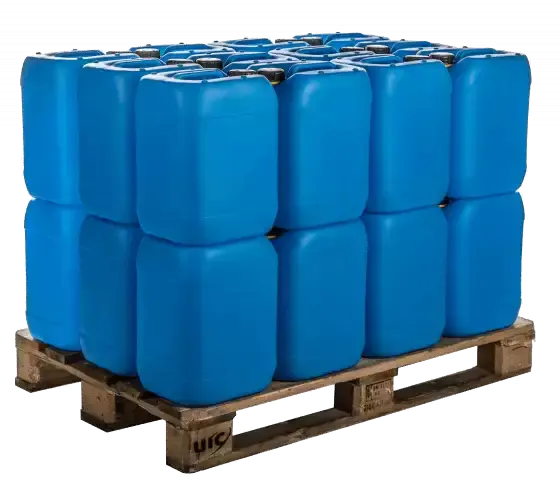
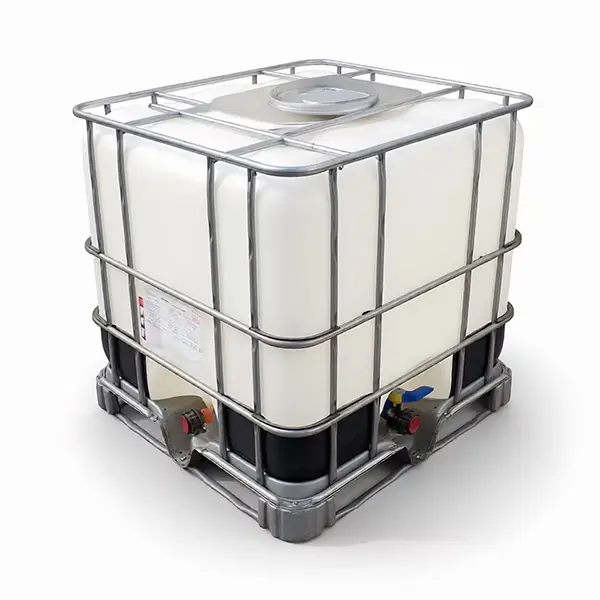
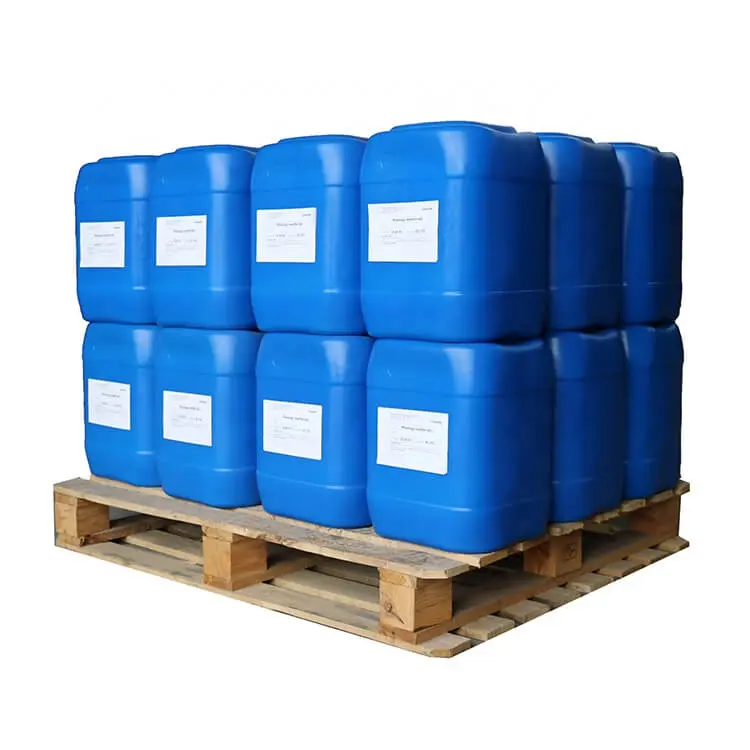
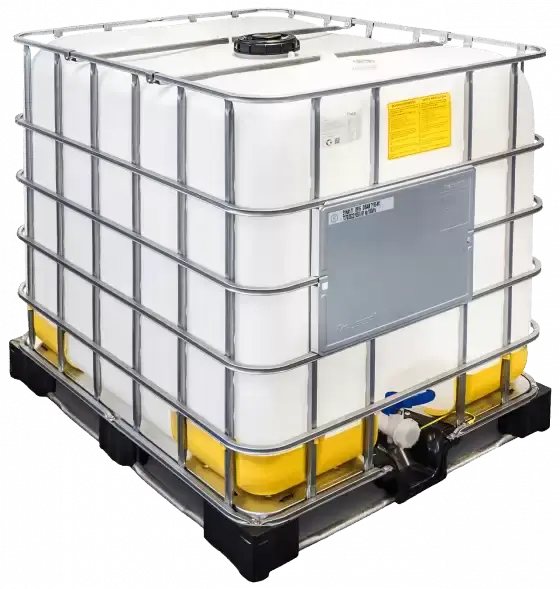
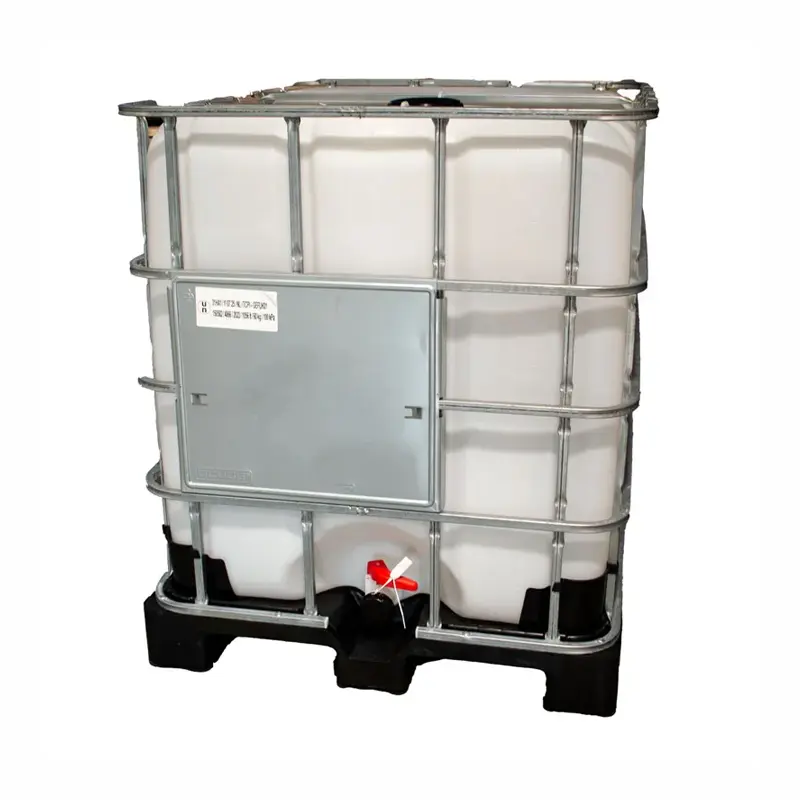
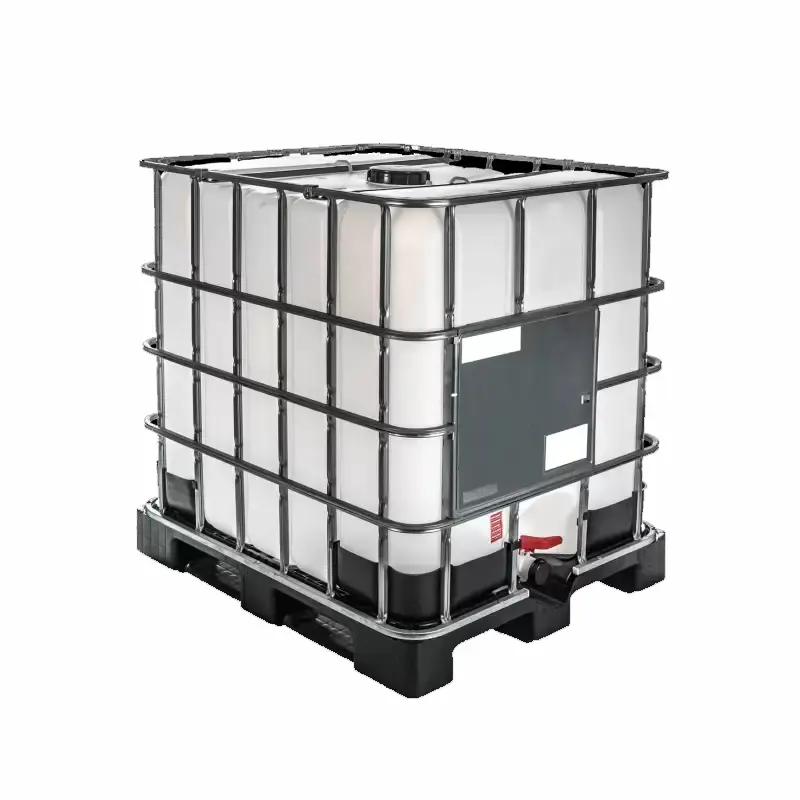
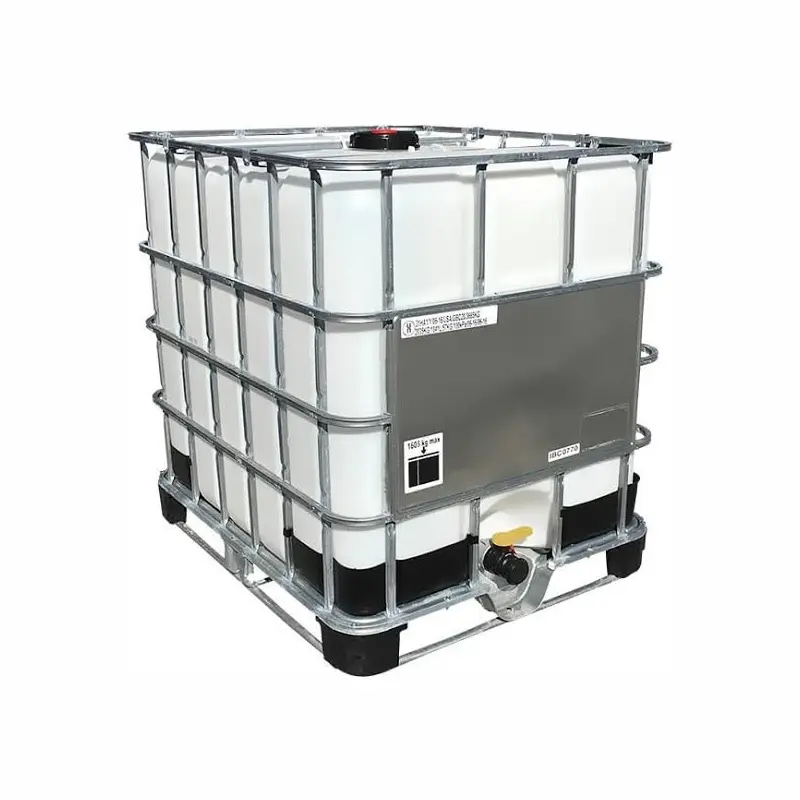
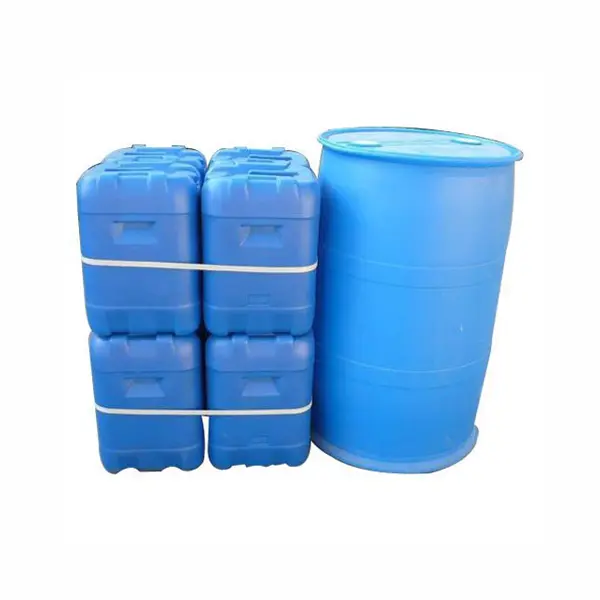
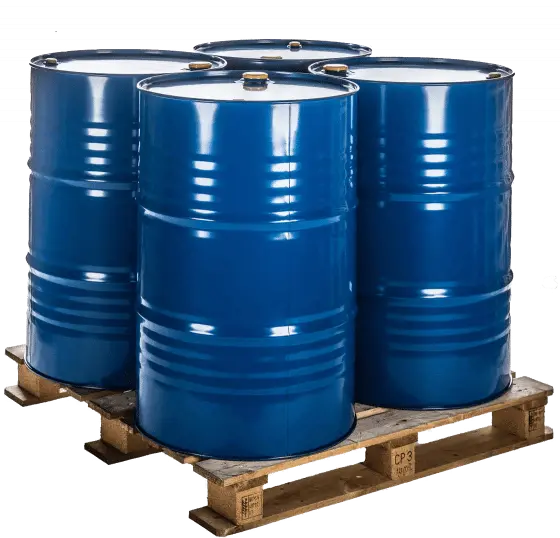
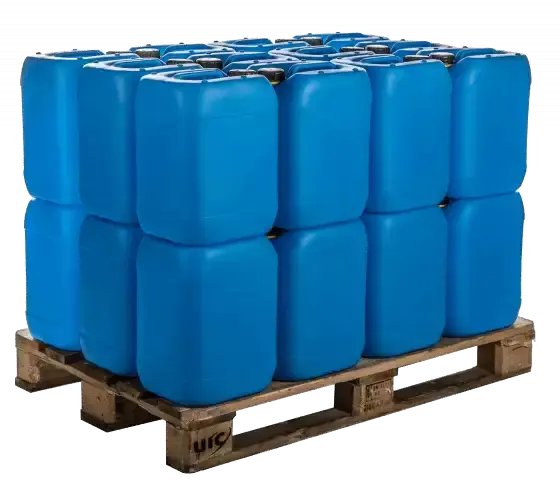
Food, pharmaceutical, cosmetic, and industrial applications may require different grades and documentation. Proper packaging, suitable storage conditions, and compliance with relevant safety and regulatory standards help preserve product quality.
Reliable Triacetin Solutions for Diverse Industries
Triacetin continues to be a valuable chemical ingredient due to its multifunctional properties and broad industrial applications. From selected food and pharmaceutical formulations to cosmetics, coatings, and polymer processing, it provides useful solvent and plasticizing characteristics.
Choosing the appropriate triacetin grade from a reliable supplier helps manufacturers maintain product consistency, meet technical requirements, and support efficient production processes.