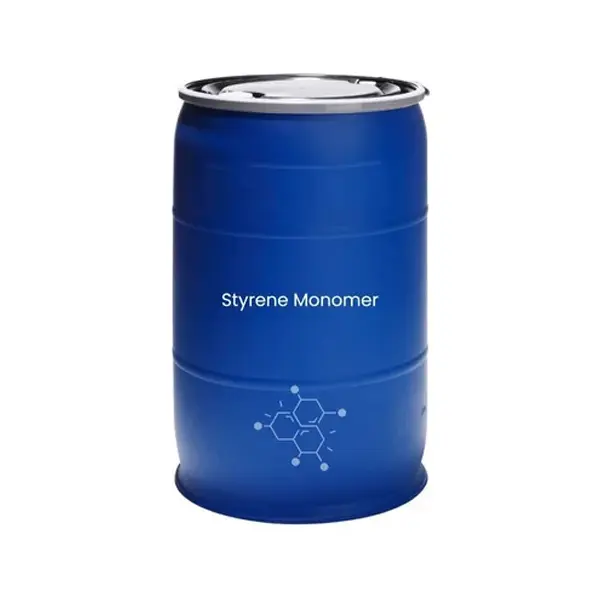
Monostyrene (Styrene Monomer) – Industrial Raw Material for Polymers, Resins, and Plastics
Introduction
Monostyrene, commonly known as Styrene or Styrene Monomer, is an aromatic organic compound widely used as a raw material in the production of plastics, synthetic rubber, and polymer resins. Its chemical formula is C₈H₈, and it is typically a colorless to pale yellow liquid with a distinctive sweet odor. Styrene is an important building block for manufacturing polystyrene and several styrene-based copolymers. Due to its ability to undergo polymerization, Styrene is used across packaging, construction, automotive, electronics, and other manufacturing industries. Commercial Styrene Monomer generally contains a controlled inhibitor to help prevent premature polymerization during storage and transportation.
Industrial Applications
- Polystyrene Manufacturing: Used as the primary monomer in the production of polystyrene plastics for packaging, insulation, and consumer products.
- Synthetic Rubber: Used in the manufacture of styrene-butadiene rubber (SBR) for tires and various rubber products.
- ABS Plastics: Used in producing acrylonitrile-butadiene-styrene (ABS) resins for automotive components, appliances, and electronic housings.
- Unsaturated Polyester Resins: Used as a reactive diluent and crosslinking component in many polyester resin formulations.
- Styrene-Based Copolymers: Used in the production of materials such as styrene-acrylonitrile (SAN) and other specialty polymer systems.
- Construction and Insulation: Supports the manufacture of polystyrene insulation materials and selected composite products.
Key Benefits
- Essential raw material for a wide range of styrene-based polymers.
- Supports the production of lightweight plastic and composite materials.
- Suitable for polystyrene, synthetic rubber, and specialty resin manufacturing.
- Provides polymerization functionality for industrial resin formulations.
- Compatible with established polymer production processes when handled under controlled conditions.
-
Available in commercial grades designed for specific manufacturing requirements.
Product Specifications
| Specification | Details |
|---|---|
| Product Name | Monostyrene |
| Common Name | Styrene Monomer |
| Alternative Name | Ethenylbenzene, Phenylethylene |
| Chemical Formula | C₈H₈ |
| CAS Number | 100-42-5 |
| Molecular Weight | 104.15 g/mol |
| Appearance | Colorless to pale yellow liquid |
| Odor | Characteristic sweet odor |
| Boiling Point | Approximately 145°C |
| Density | Approximately 0.91 g/cm³ at 20°C |
| Solubility | Slightly soluble in water; soluble in many organic solvents |
| Chemical Classification | Aromatic vinyl monomer |
| Primary Function | Monomer and reactive resin component |
| Main Applications | Polystyrene, synthetic rubber, ABS, polyester resins, copolymers |
| Inhibitor Content | Grade- and supplier-dependent |
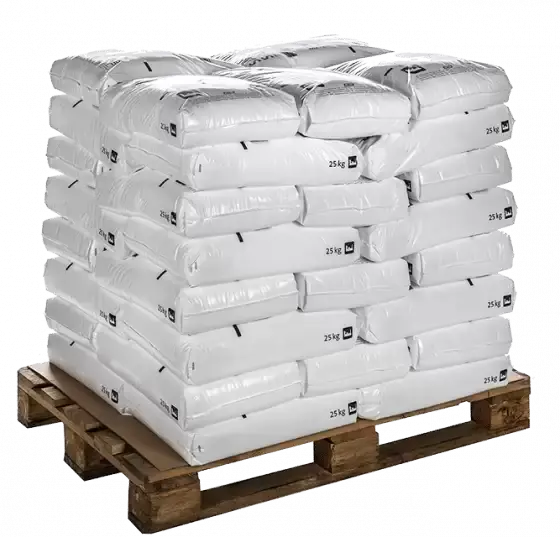
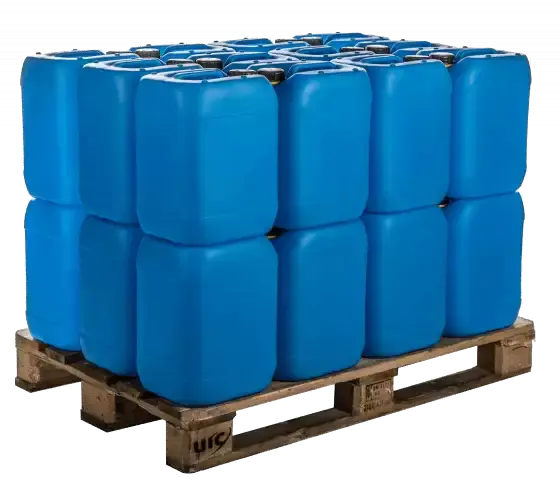
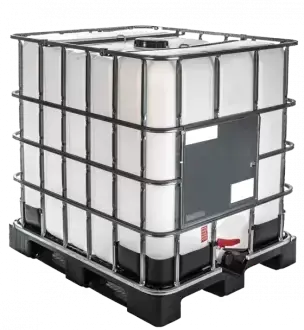
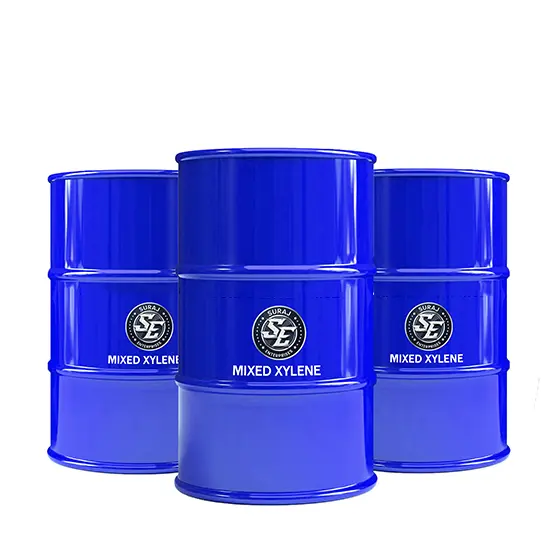
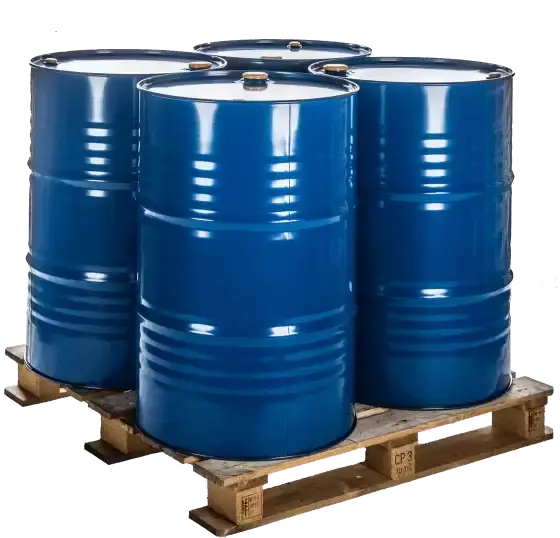
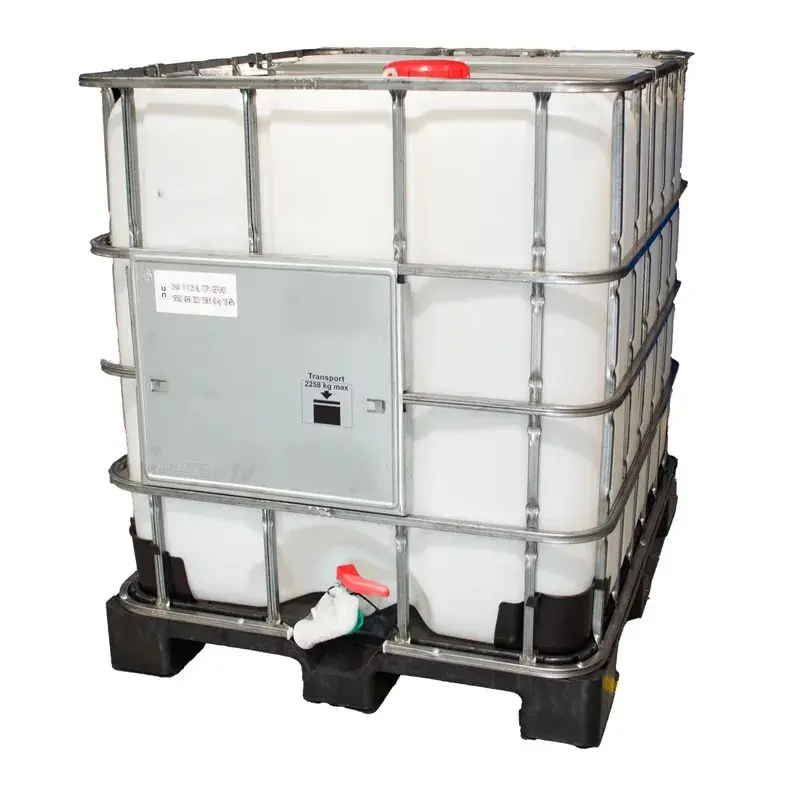
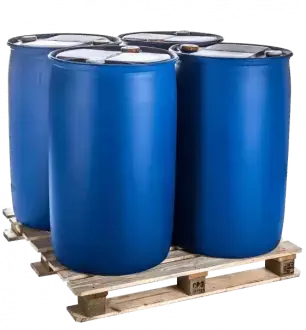
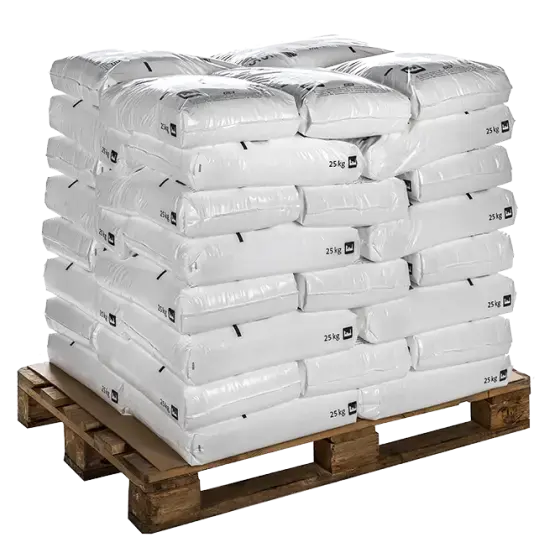
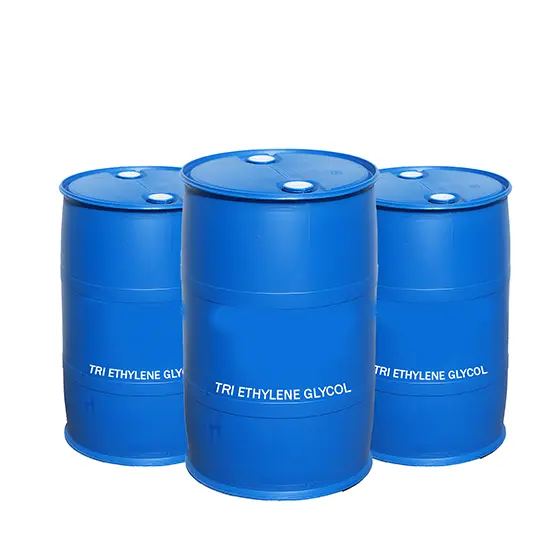
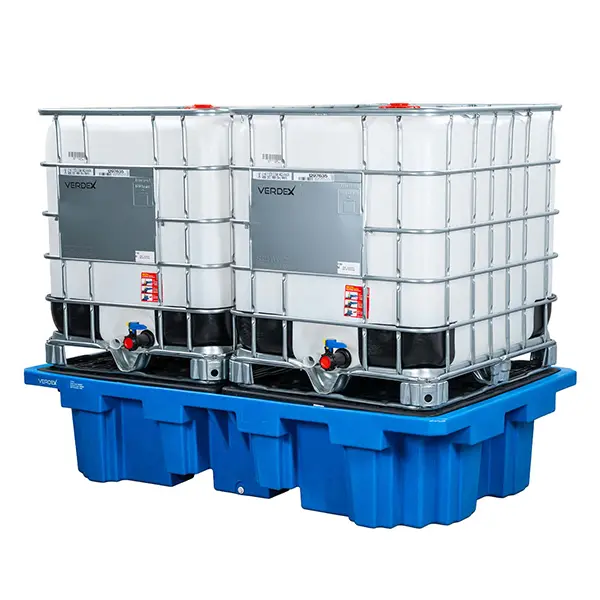
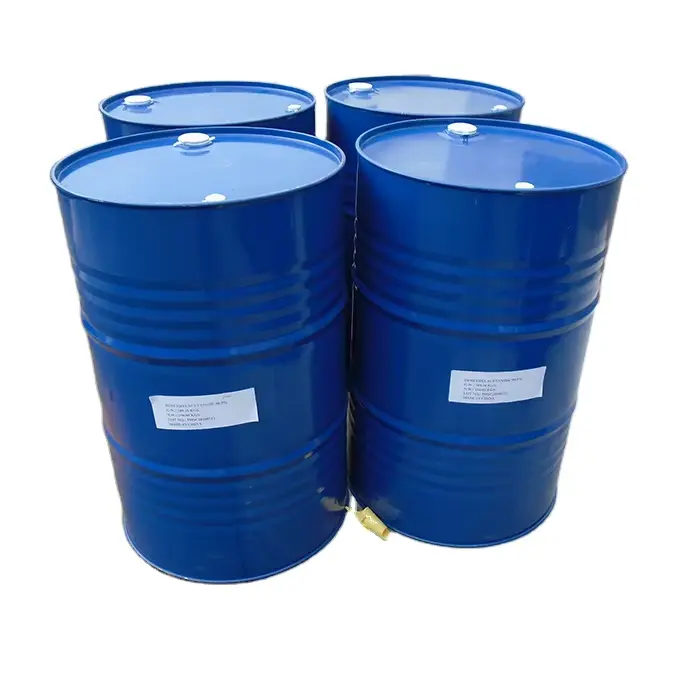
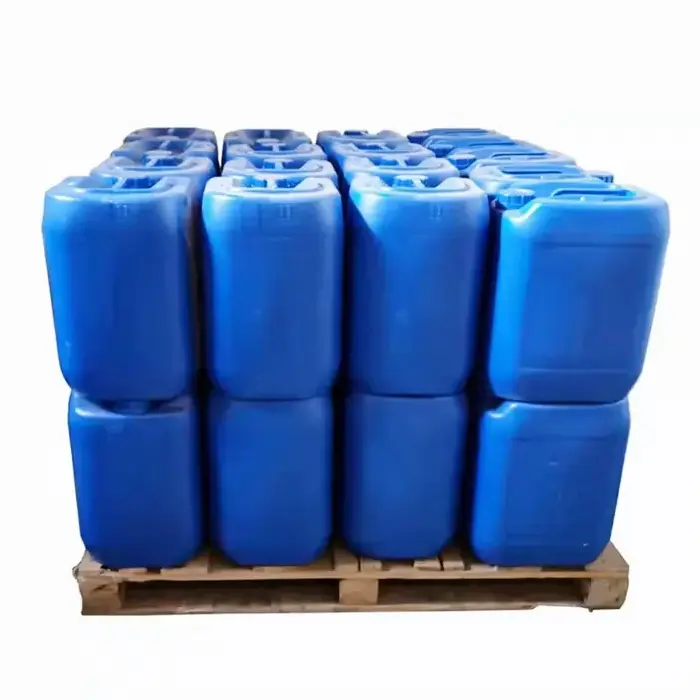
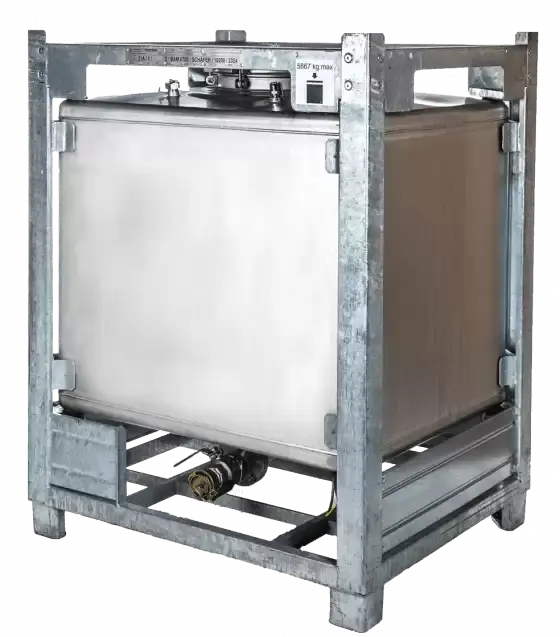
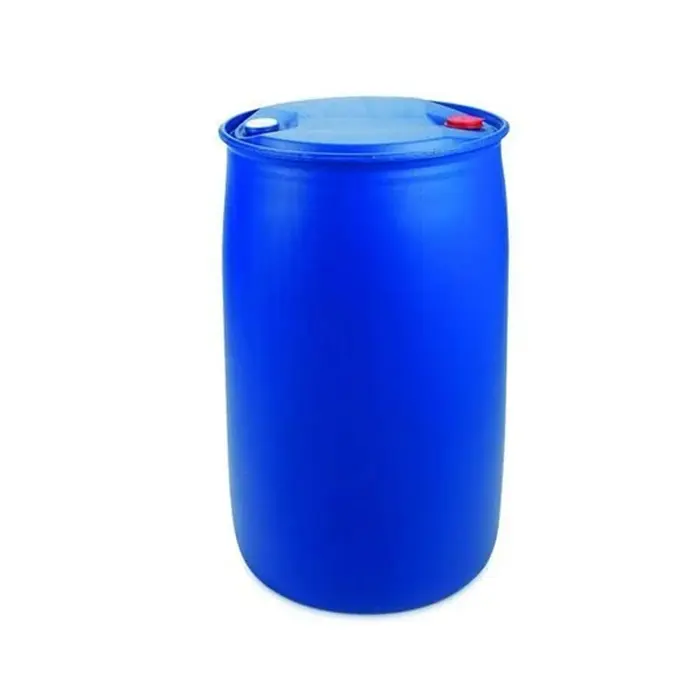
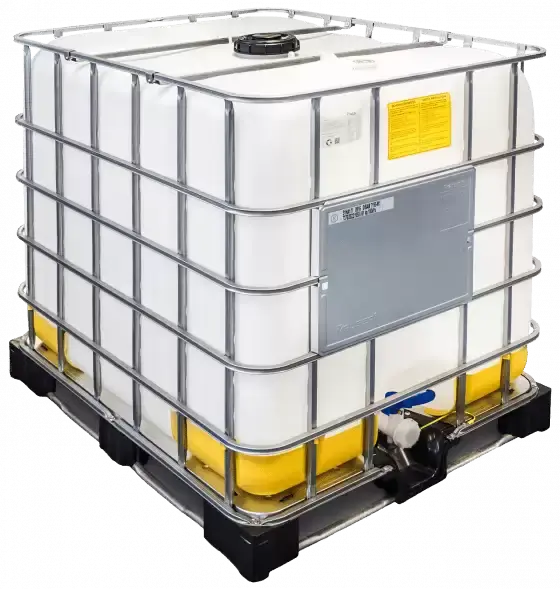
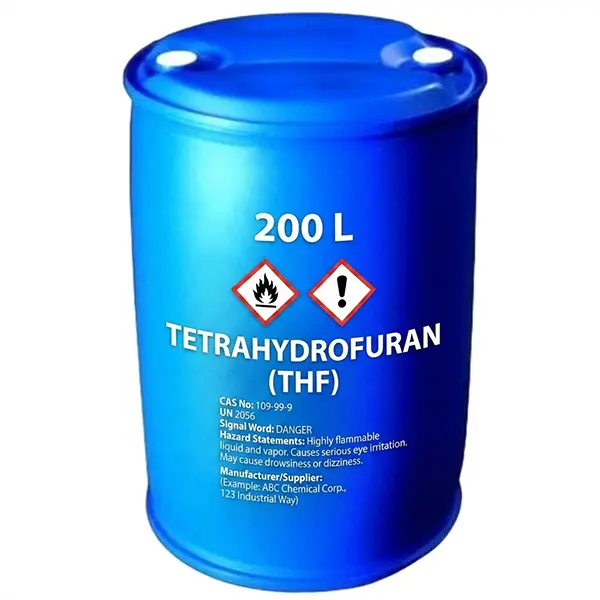
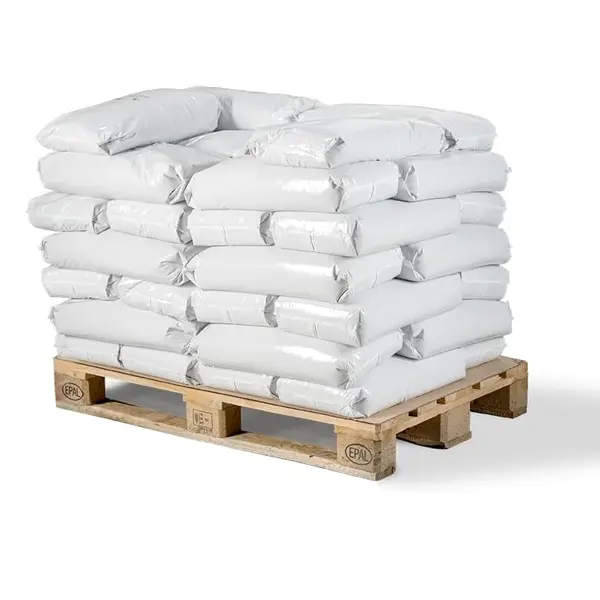
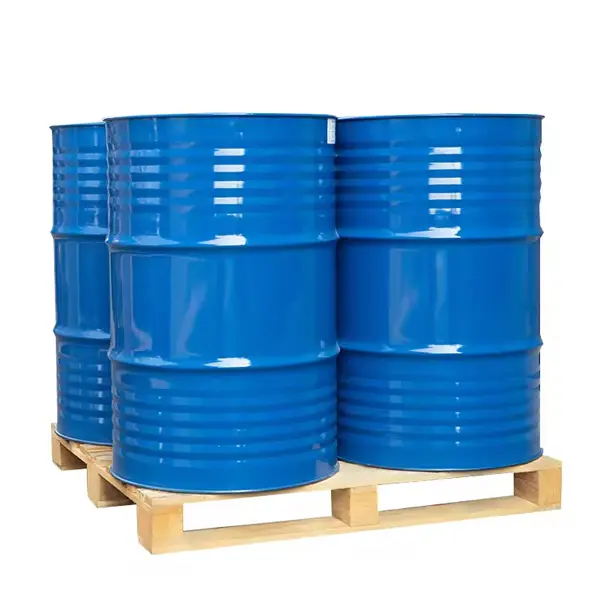
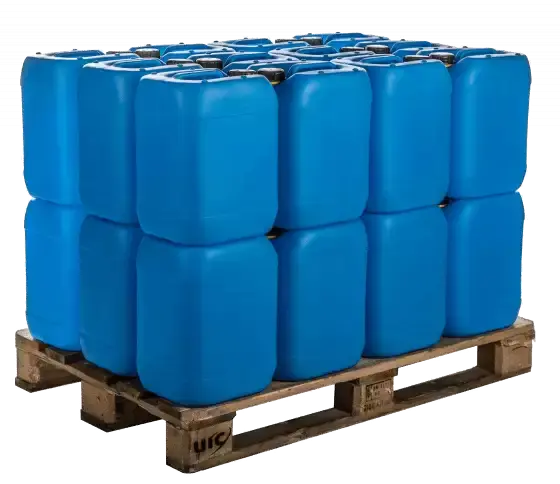
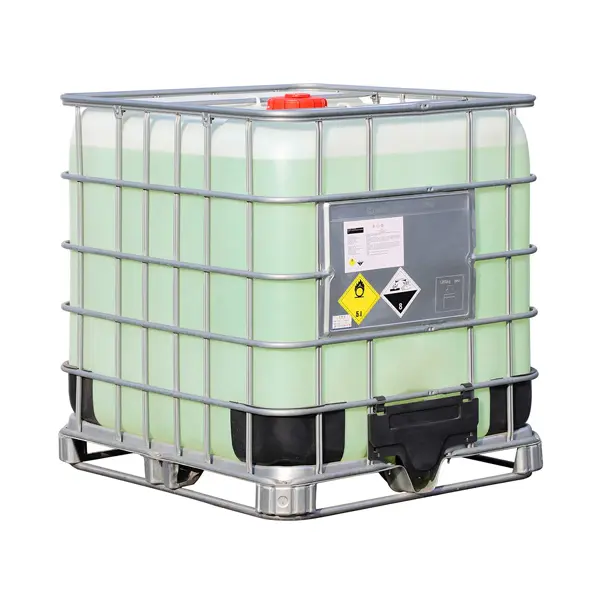
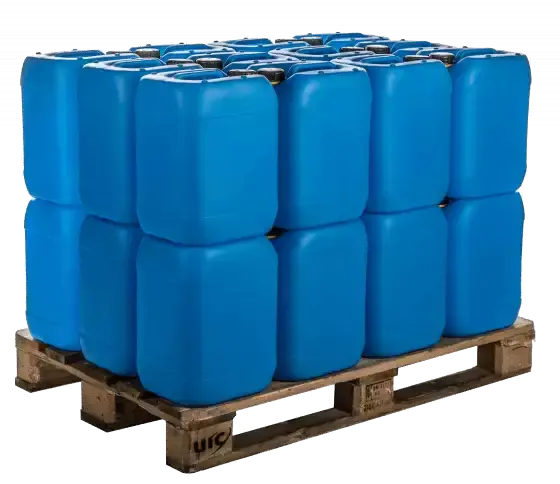
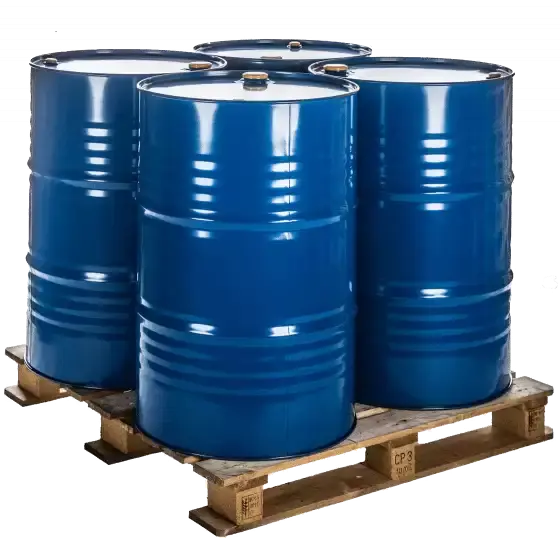
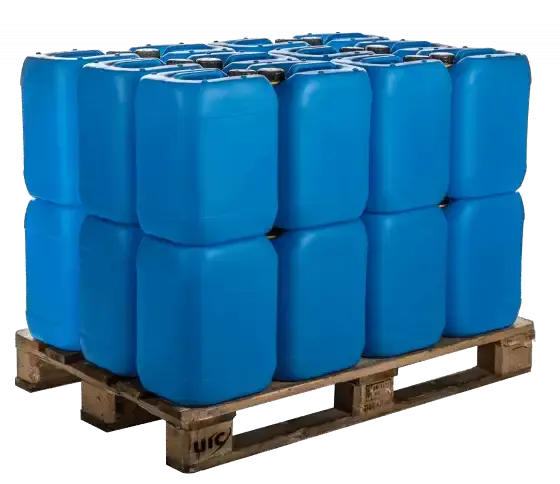
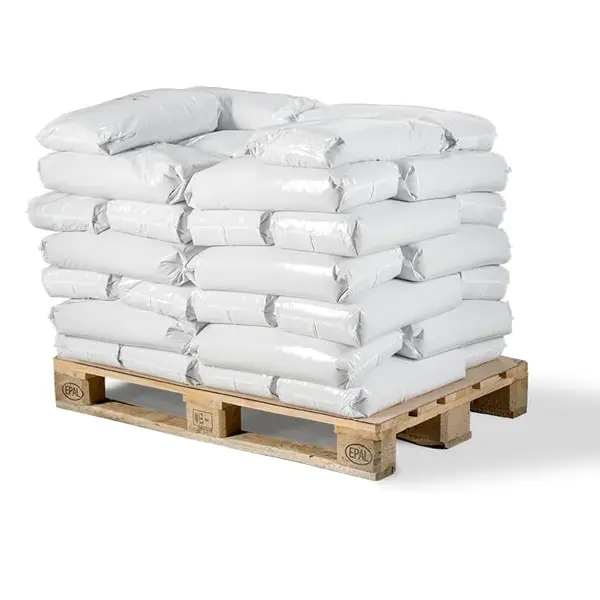
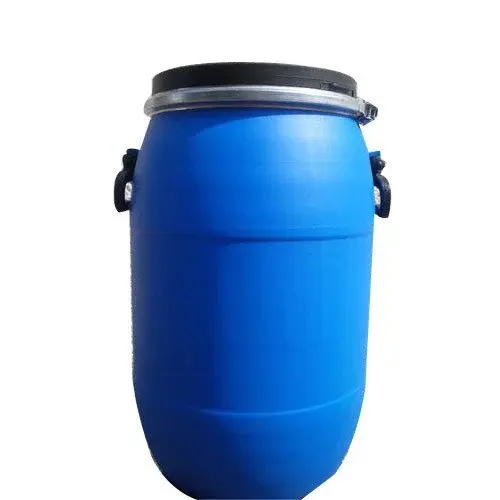
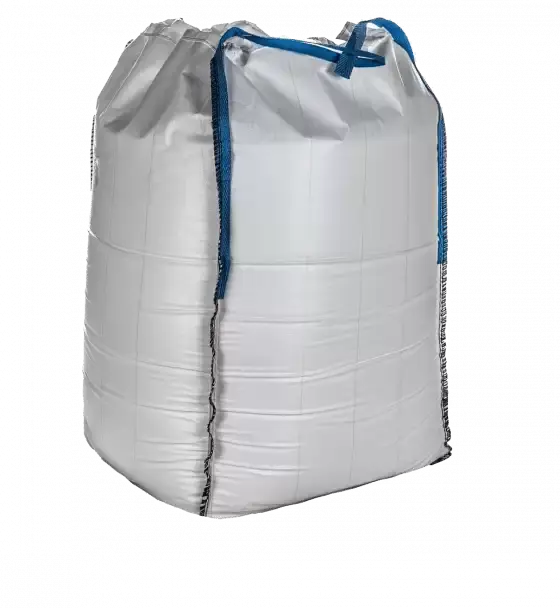
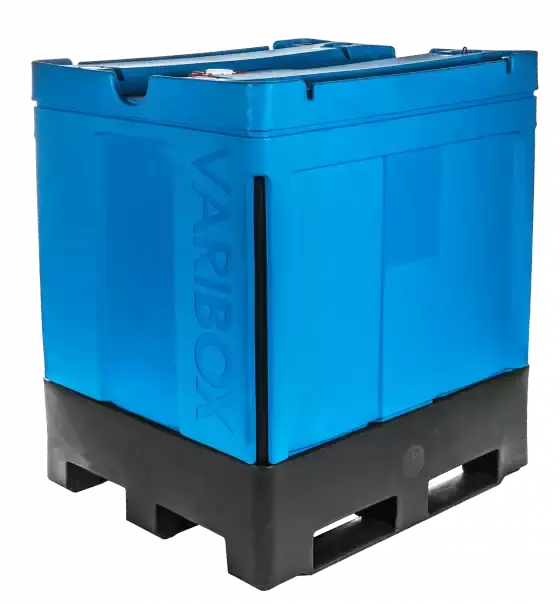
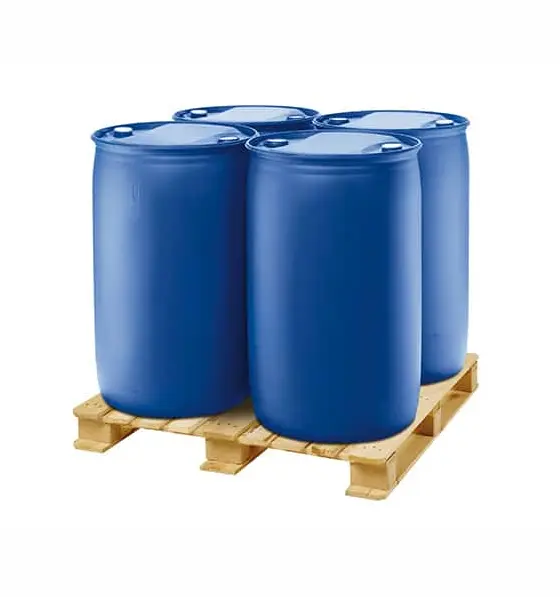
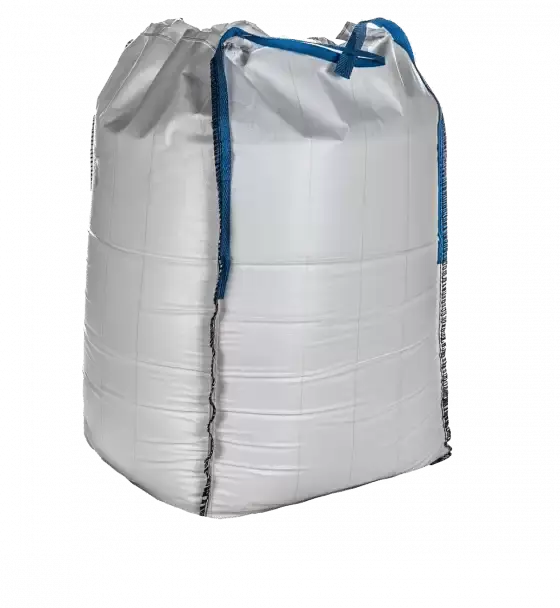
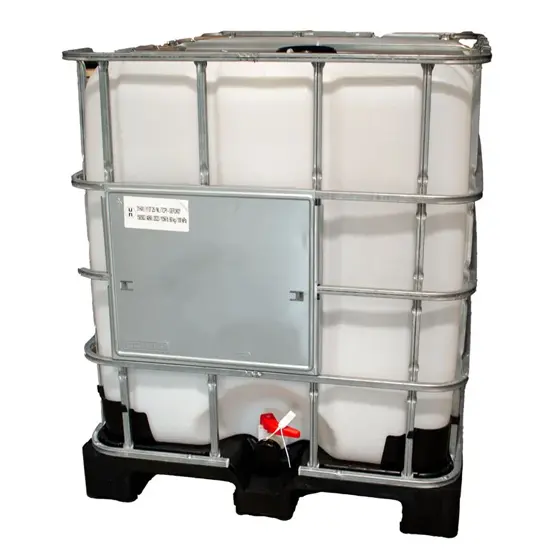
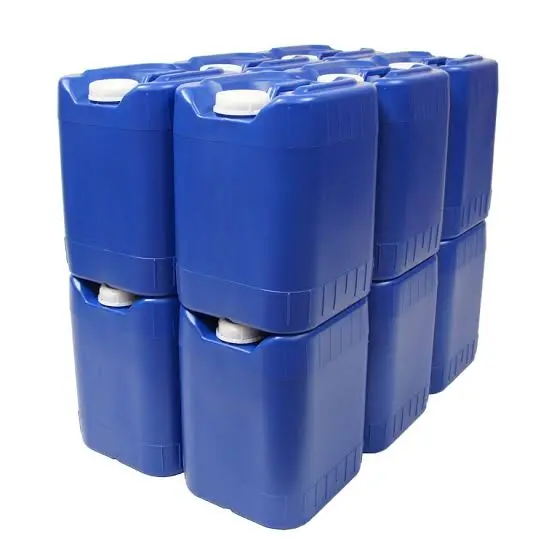
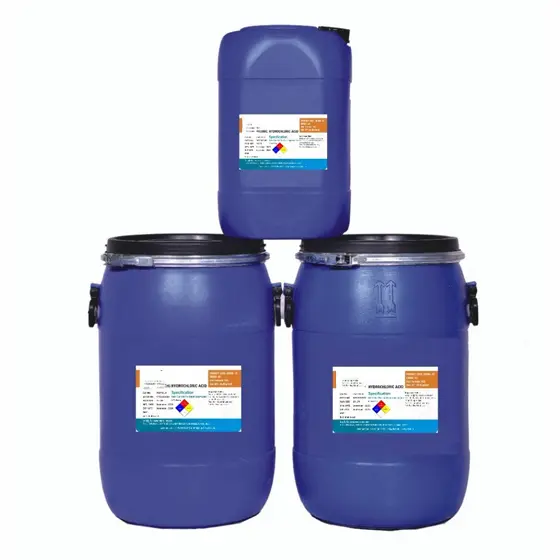
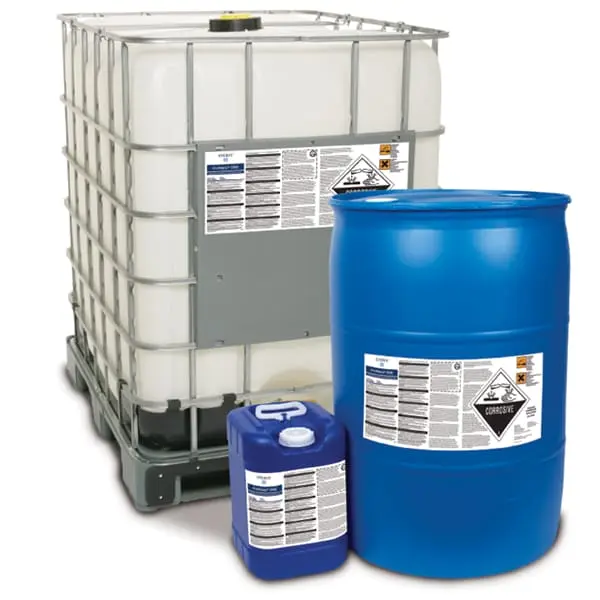
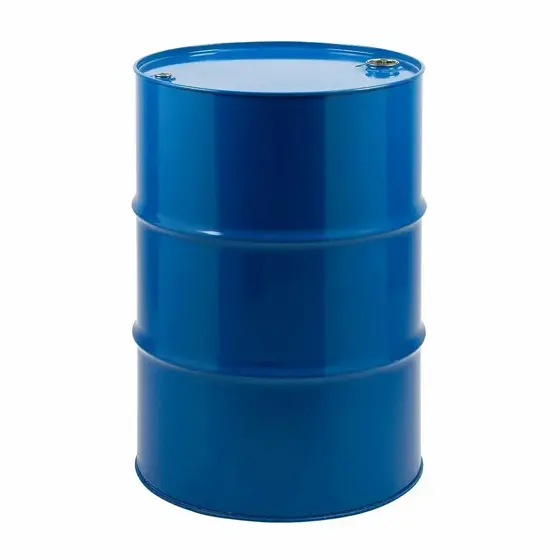
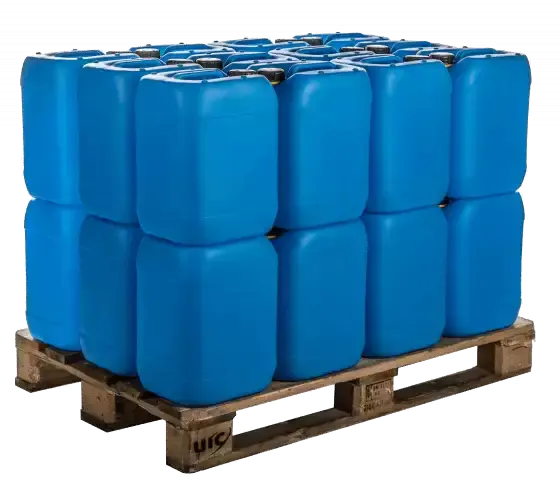
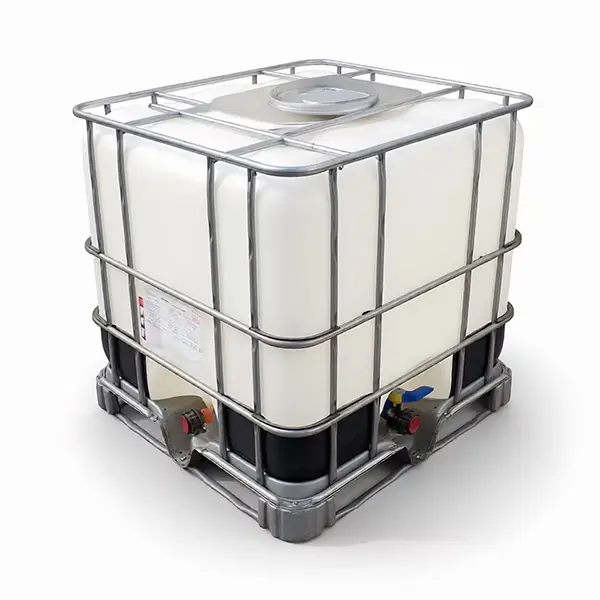
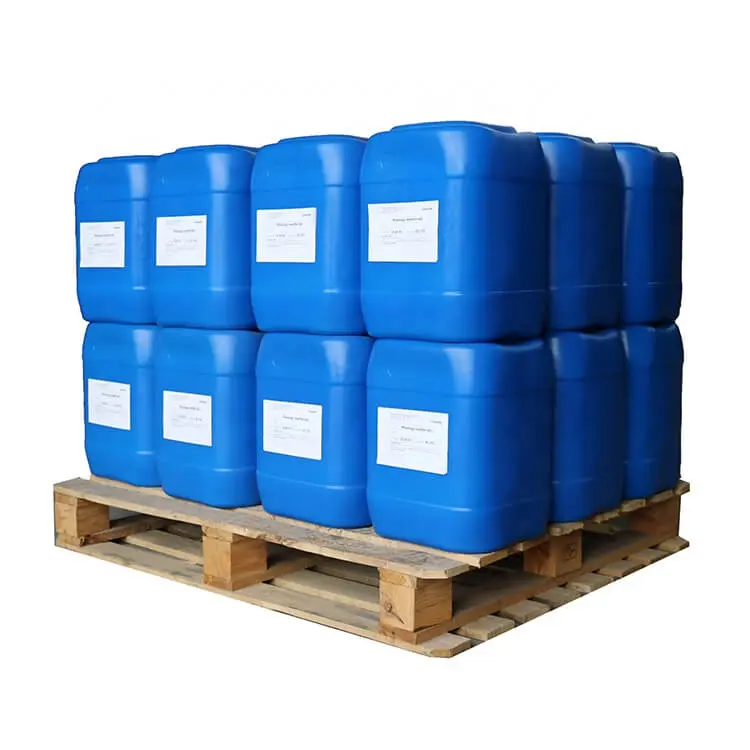
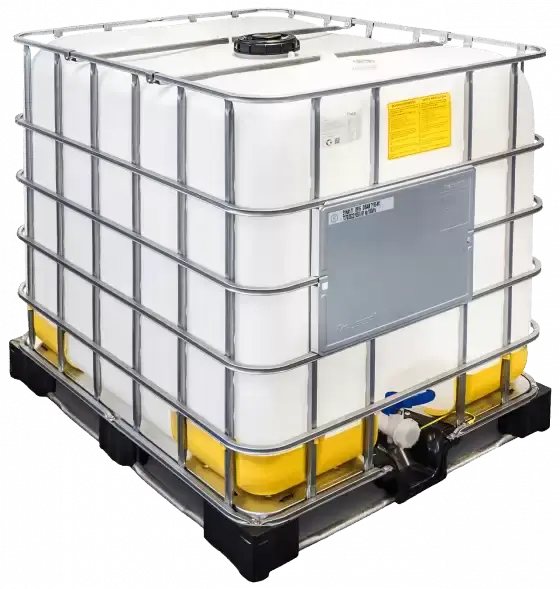
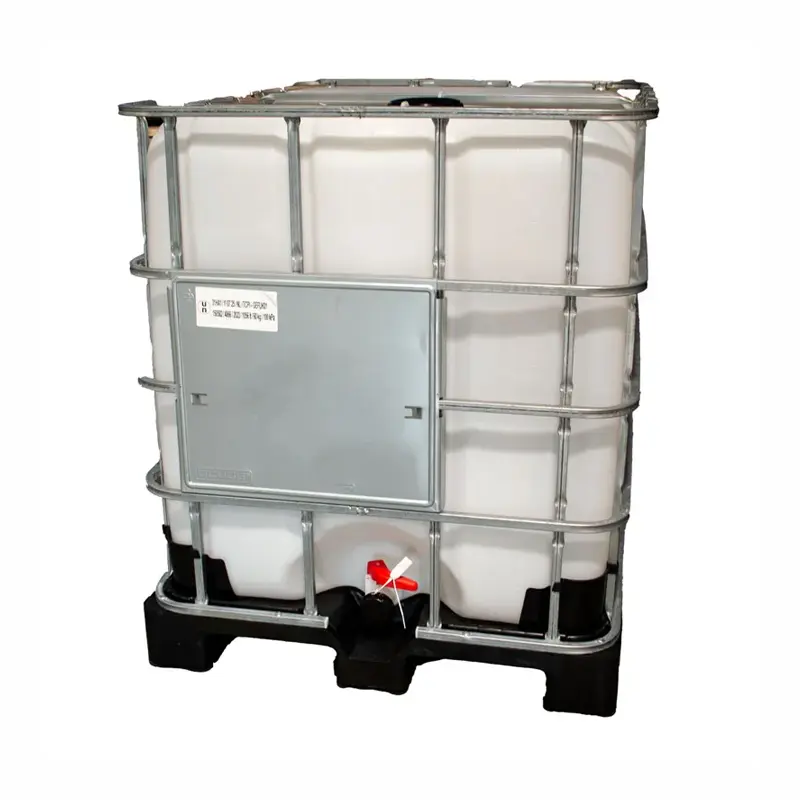
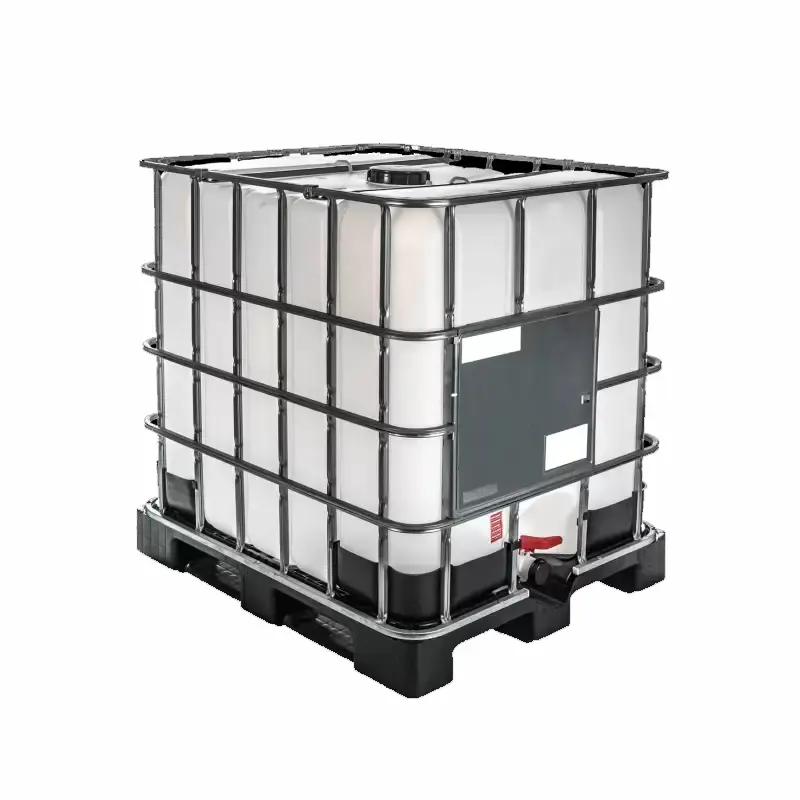
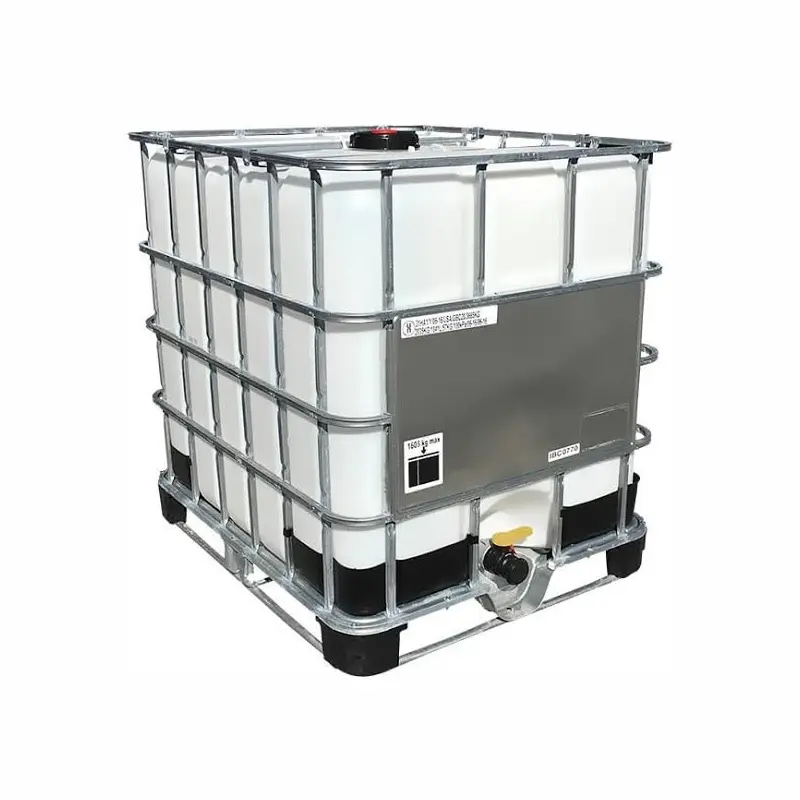
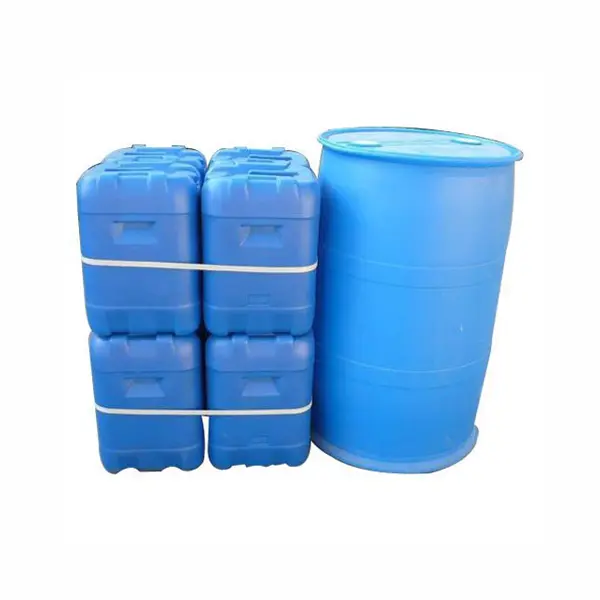
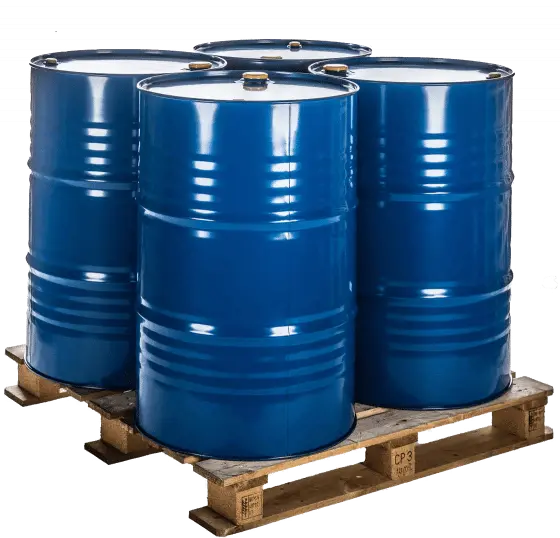
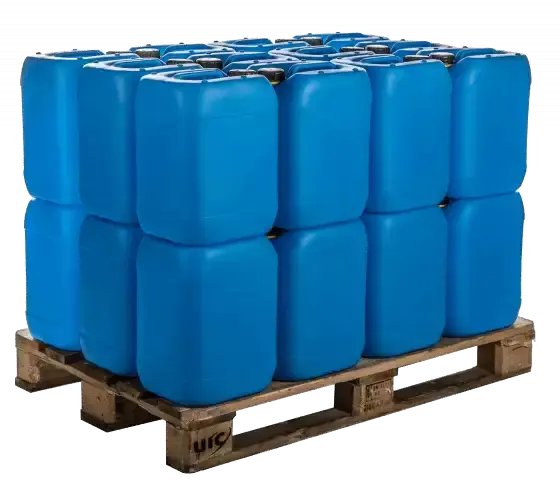
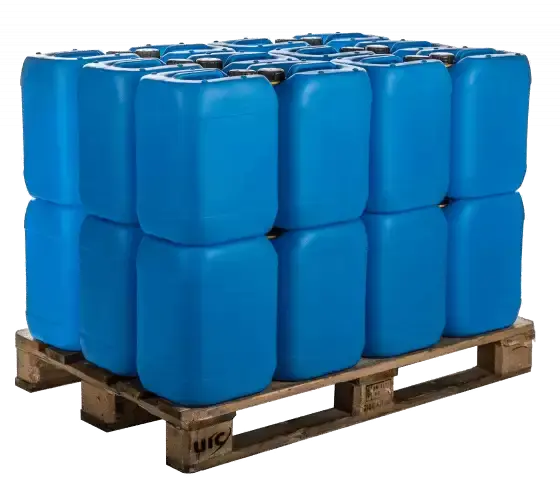
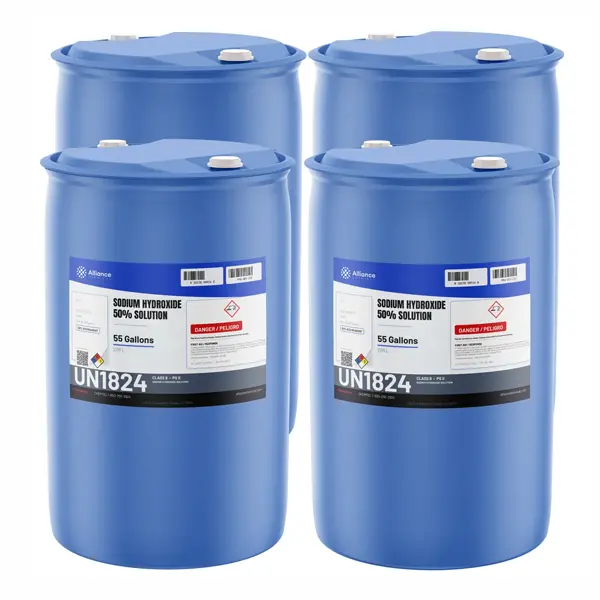
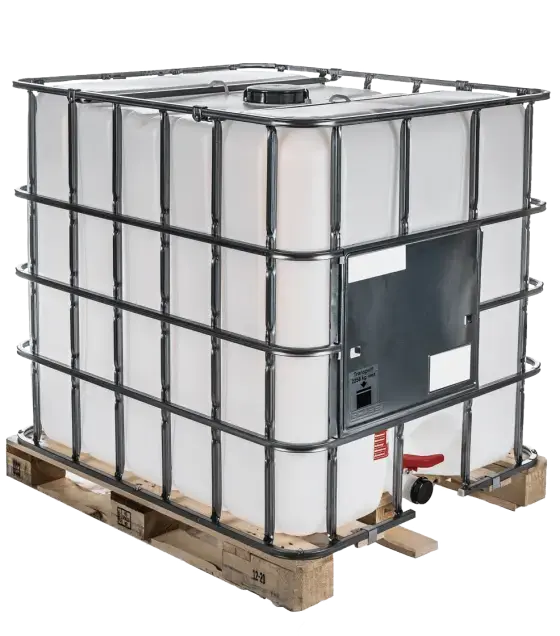
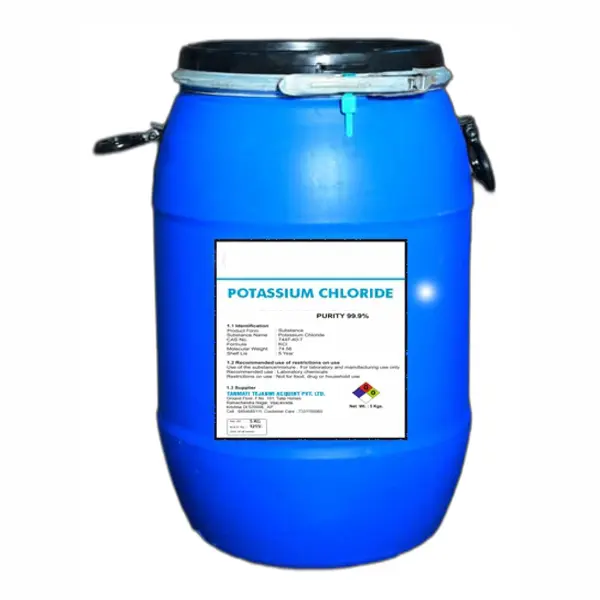
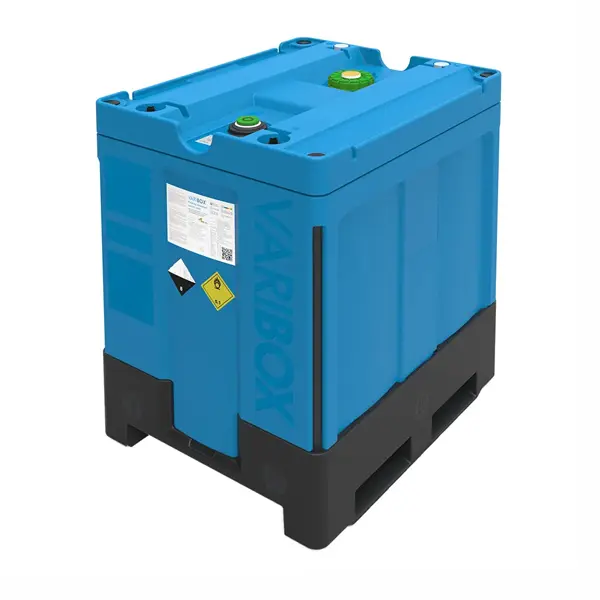
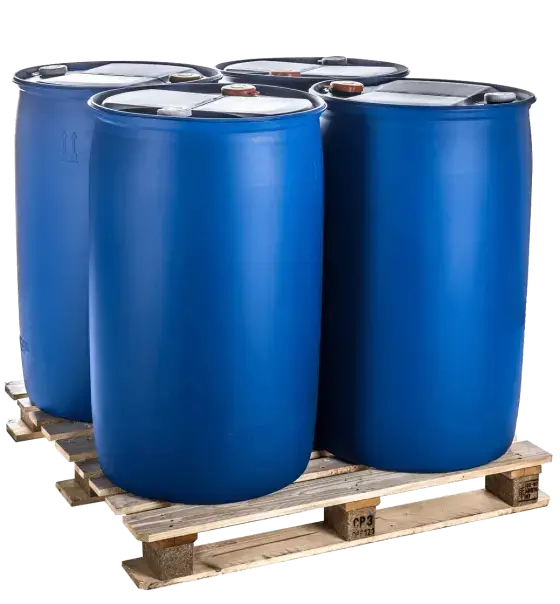
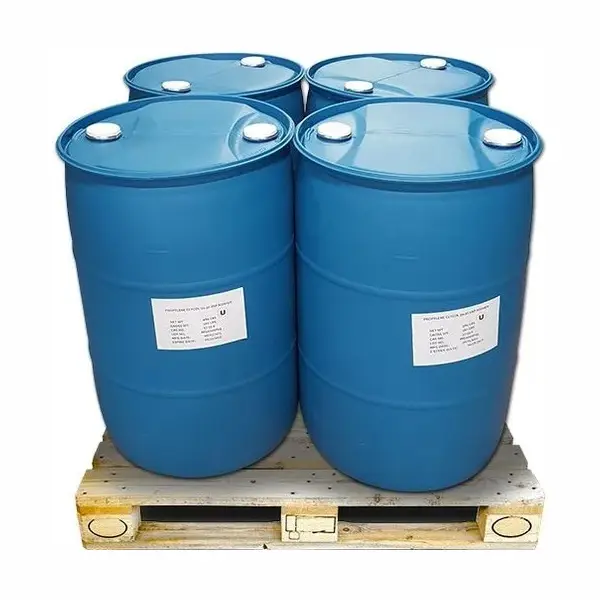
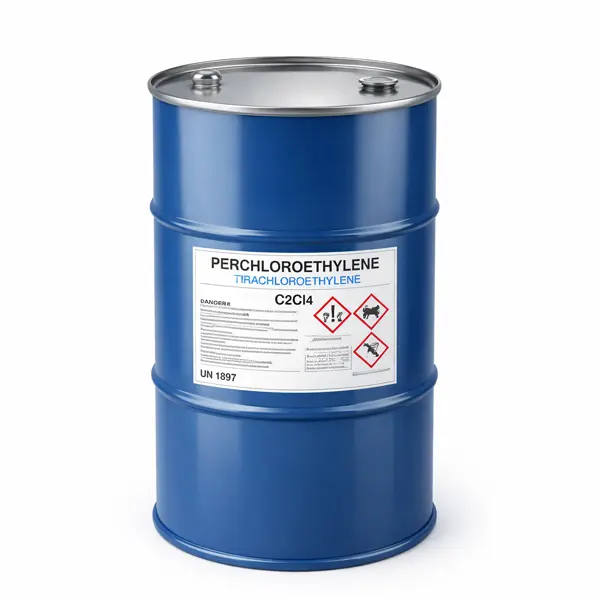
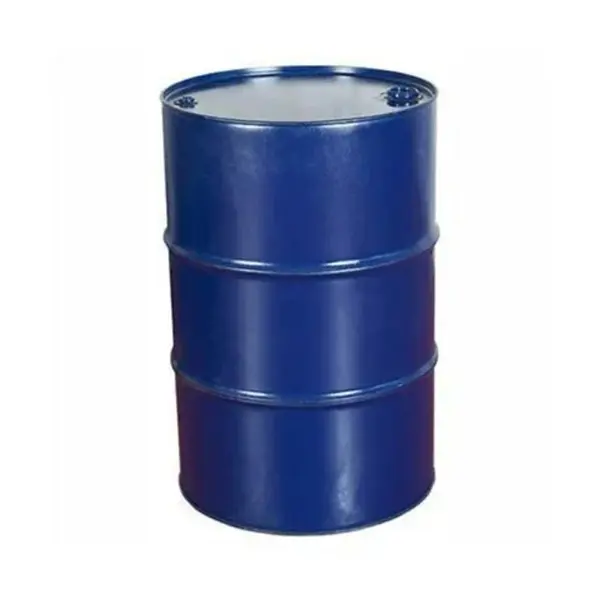
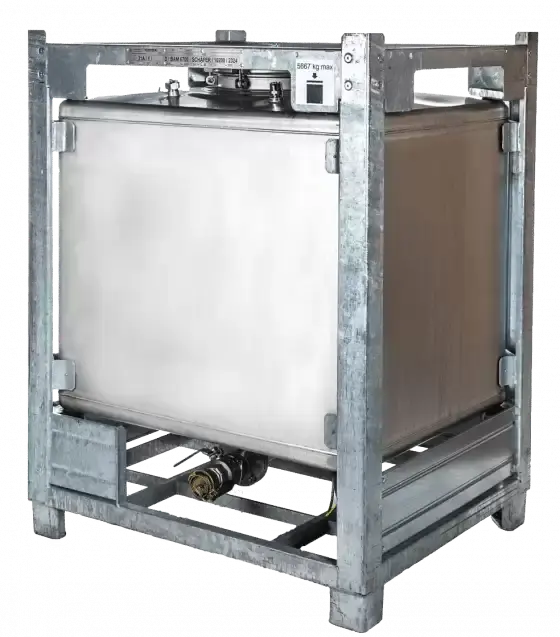
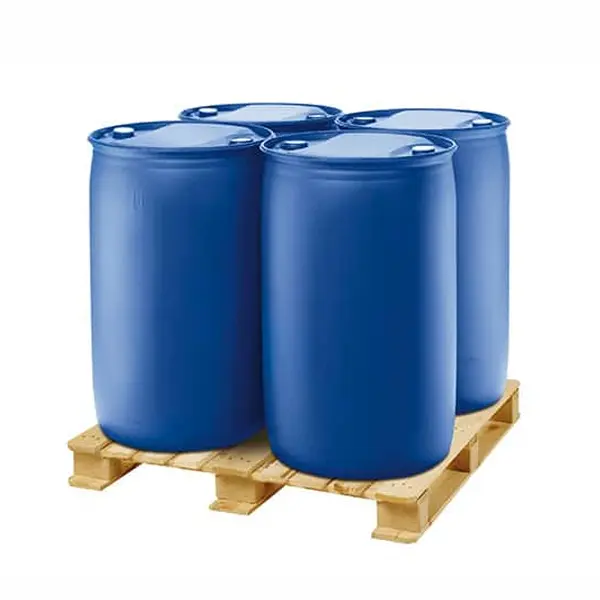
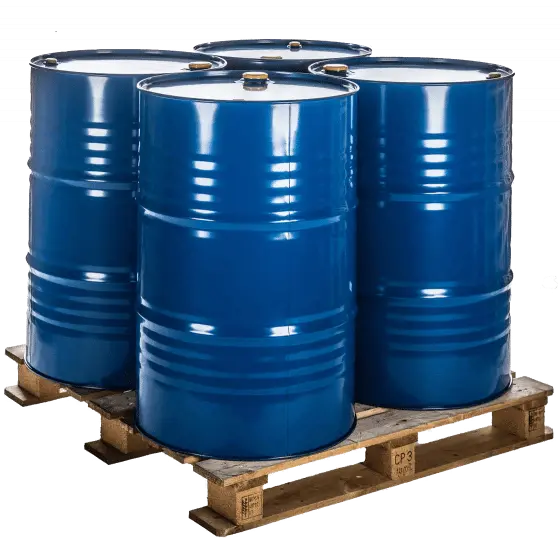
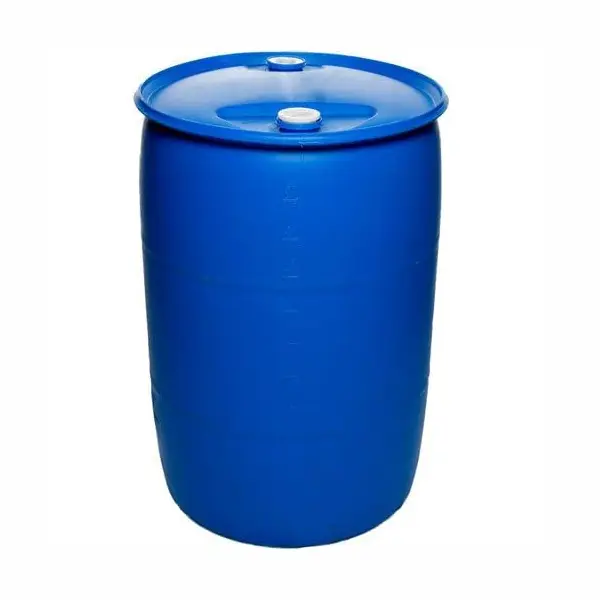
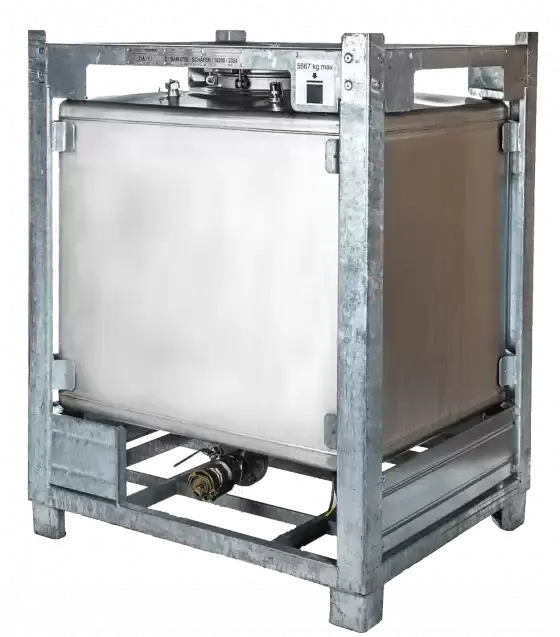
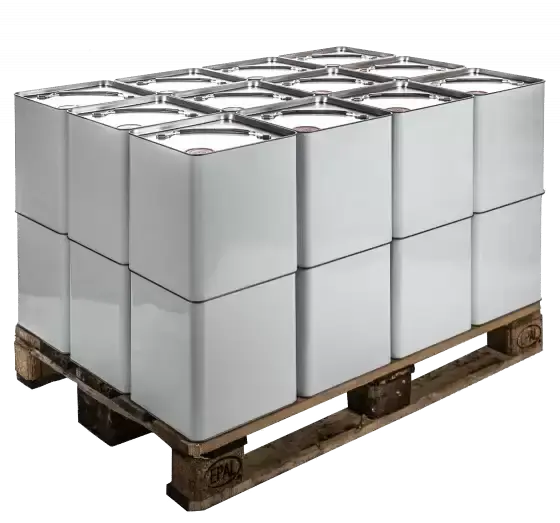
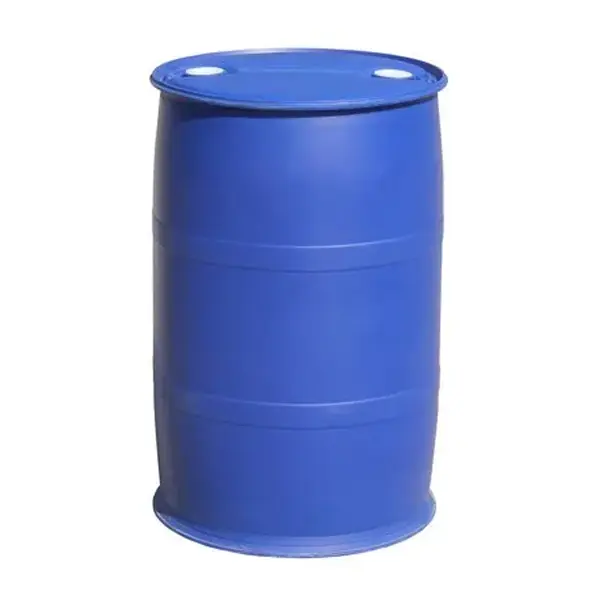
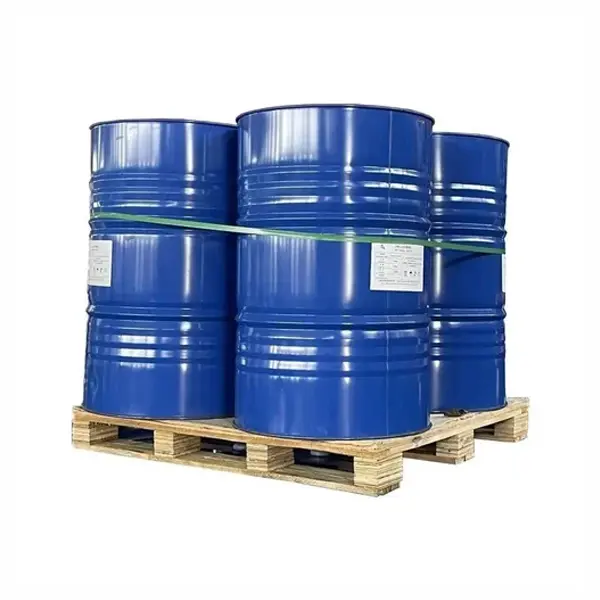
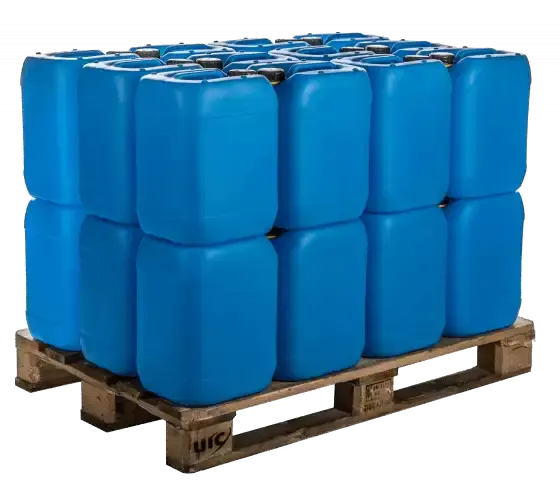
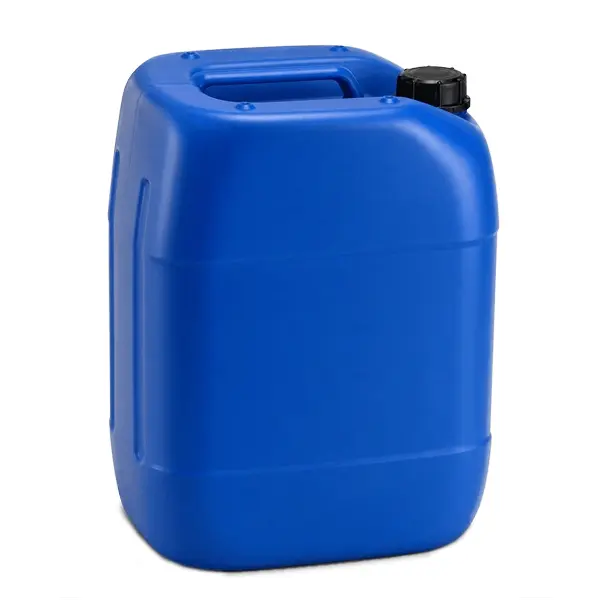
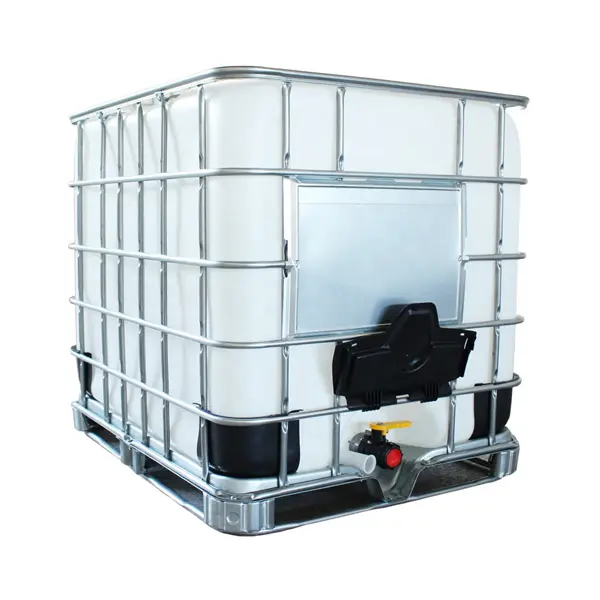
| Packaging | Approved, compatible containers or bulk supply according to applicable regulations |
Note: Specifications, purity, inhibitor concentration, and storage requirements depend on the commercial grade. Confirm the product details through the supplier's Technical Data Sheet (TDS), Certificate of Analysis (COA), and Safety Data Sheet (SDS).
Storage and Handling
Styrene Monomer is a flammable liquid and can polymerize if improperly stored or exposed to unsuitable conditions. Its vapors may form flammable mixtures with air, and exposure can cause irritation and central nervous system effects. Long-term occupational exposure presents additional health concerns. Handle Styrene only in suitable industrial facilities with effective ventilation and appropriate exposure controls. Keep it away from ignition sources, excessive heat, and incompatible materials. Use suitable chemical-resistant gloves, protective clothing, and eye protection based on the workplace risk assessment. Store in approved, tightly closed containers under the temperature and inhibitor-management conditions specified by the supplier. Do not remove or alter the polymerization inhibitor unless an approved technical procedure specifically requires it. Monitor storage conditions according to site procedures, and follow the SDS and applicable regulations for emergency response, transportation, and disposal.
Quality and Supply
Monostyrene should be sourced from a qualified chemical supplier that can provide batch-specific quality documentation. Before ordering, confirm the required purity, inhibitor type and concentration, intended application, packaging format, and delivery requirements. For polymer and resin production, verify that the selected grade meets the process requirements and relevant impurity limits. Review the COA for batch-specific quality parameters and the SDS for storage, handling, and transport guidance.
Conclusion
Monostyrene, or Styrene Monomer, is a key industrial raw material used to manufacture polystyrene, synthetic rubber, ABS plastics, unsaturated polyester resins, and other polymer products. Its versatility makes it important across plastics, packaging, construction, automotive, and composite manufacturing. Selecting the appropriate grade and maintaining proper storage, inhibitor control, and fire-safety procedures are essential for reliable and responsible industrial use.Contact a qualified chemical supplier to discuss availability, technical specifications, inhibitor requirements, packaging options, and supporting documentation for your application.