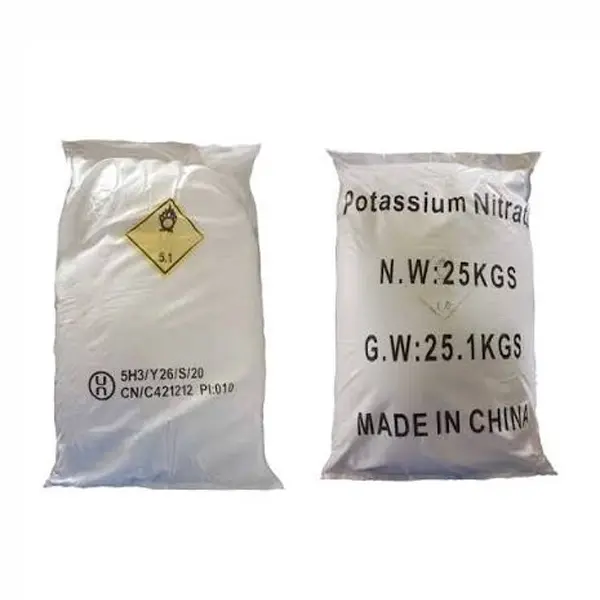
Potassium Nitrate – Water-Soluble Potassium and Nitrogen Source for Industrial Applications
Introduction
Potassium Nitrate is an inorganic salt composed of potassium and nitrate ions, with the chemical formula KNO₃. Also known as saltpetre or niter, it is typically available as a white crystalline powder or granules and dissolves readily in water. Potassium Nitrate is widely used in fertilizer production, agricultural nutrient formulations, glass manufacturing, and selected industrial processes. Its combination of potassium and nitrate makes it an important raw material for applications requiring a soluble source of these nutrients.
Industrial Applications
In agriculture, Potassium Nitrate is used to manufacture fertilizers and nutrient solutions for crops. It provides potassium, which supports plant development, and nitrate nitrogen, which contributes to vegetative growth. Fertigation and hydroponic systems may use suitable agricultural grades to deliver nutrients through irrigation water.
In industrial manufacturing, Potassium Nitrate is used in selected glass and ceramic processes and other applications where its oxidizing properties are required. Certain specialty formulations may also use it as a process chemical or raw material.
Potassium Nitrate is available in agricultural, technical, and laboratory grades. Buyers should select a grade according to purity requirements, intended application, and relevant regulatory standards.
Key Benefits
-
Dual nutrient source: Supplies potassium and nitrate nitrogen in suitable agricultural formulations.
-
Water solubility: Dissolves readily in water, supporting liquid nutrient preparation.
-
Agricultural versatility: Suitable for selected fertilizer, fertigation, and hydroponic applications.
-
Consistent formulation: Supports accurate nutrient formulation when product purity and concentration are verified.
-
Industrial utility: Serves as a raw material in selected manufacturing processes.
-
Multiple grades: Available in different grades to meet agricultural and industrial requirements.
Product Specifications
| Parameter | Details |
|---|---|
| Product Name | Potassium Nitrate |
| Alternative Names | Saltpetre, Saltpeter, Niter |
| Chemical Formula | KNO₃ |
| CAS Number | 7757-79-1 |
| Molecular Weight | 101.10 g/mol |
| Appearance | White crystalline powder, crystals, or granules |
| Solubility | Soluble in water |
| Melting Point | Approximately 334°C |
| Primary Function | Potassium and nitrate source; oxidizing agent |
| Common Applications | Fertilizers, agriculture, glass and selected industrial processes |
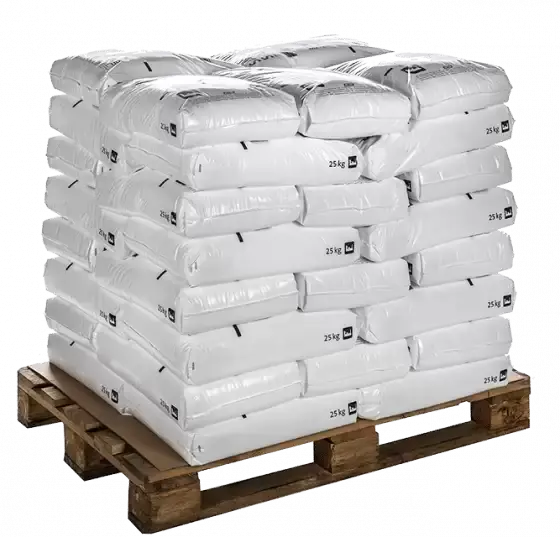
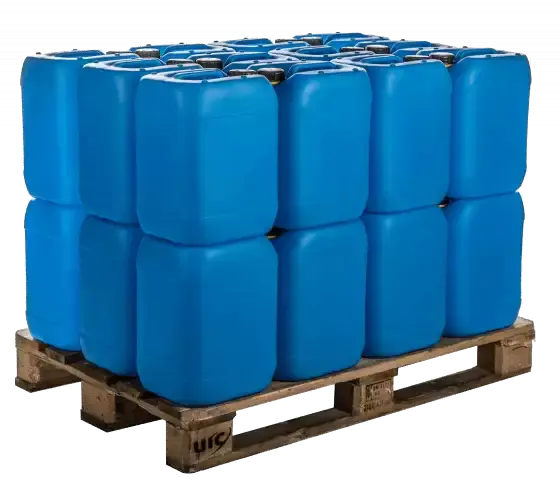
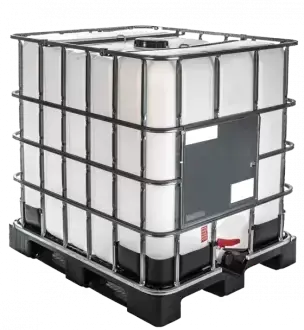
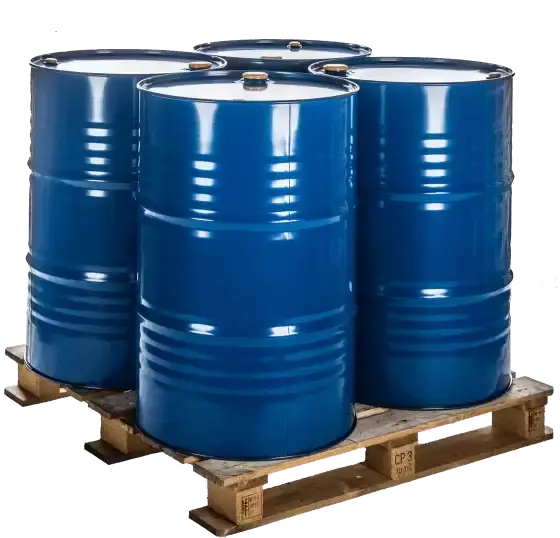
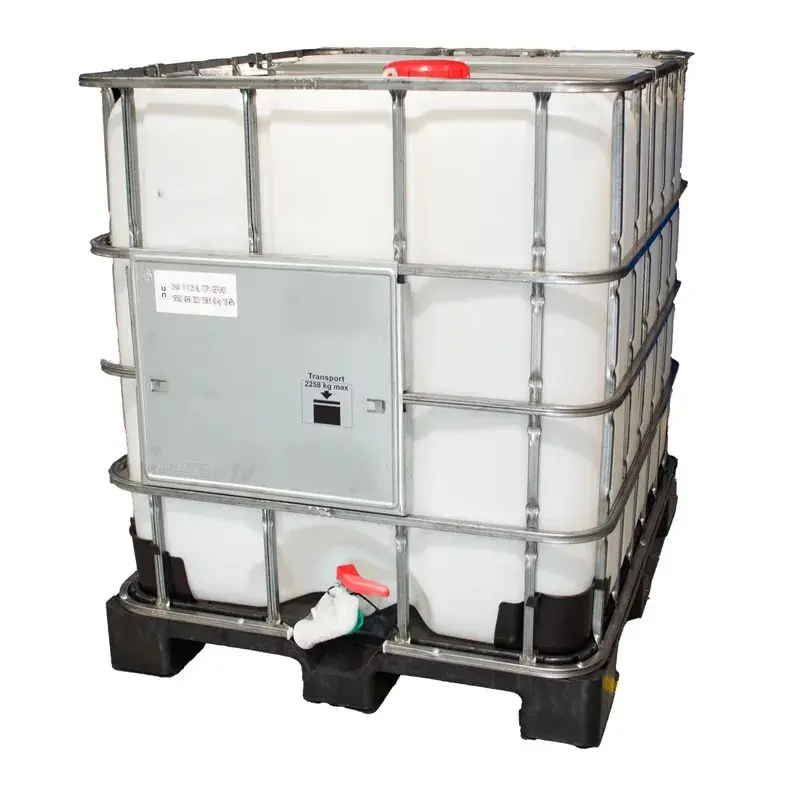
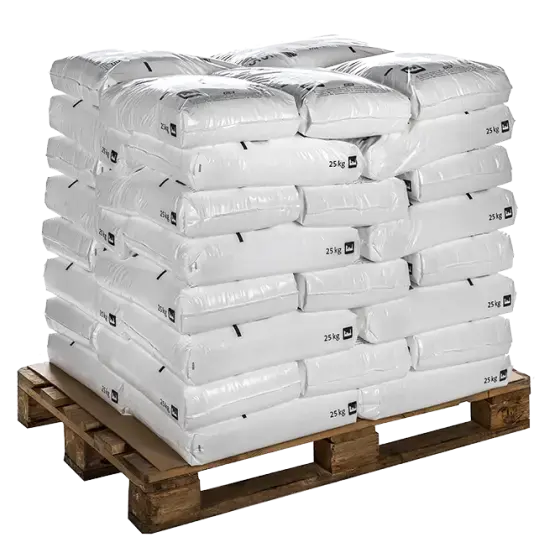
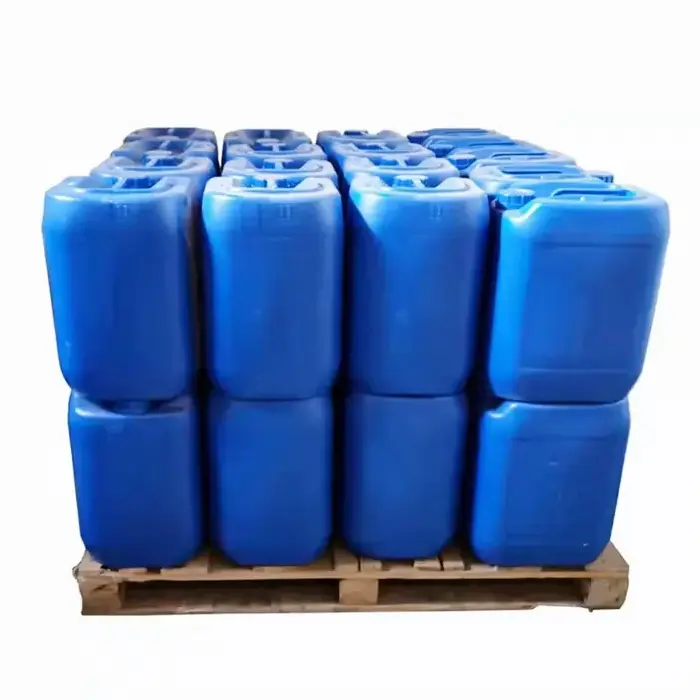
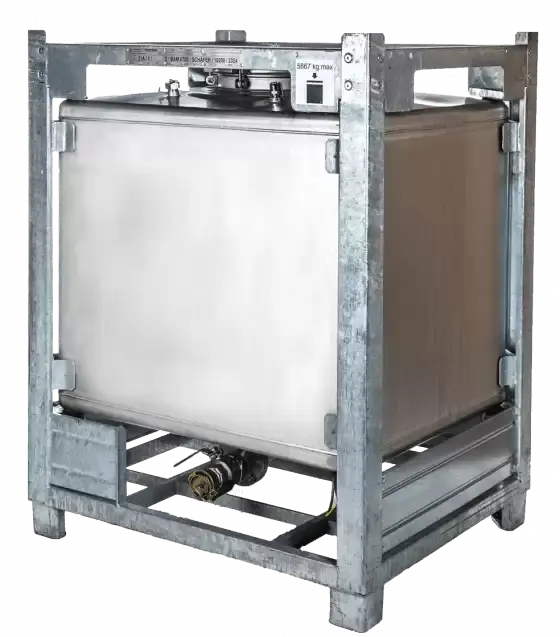
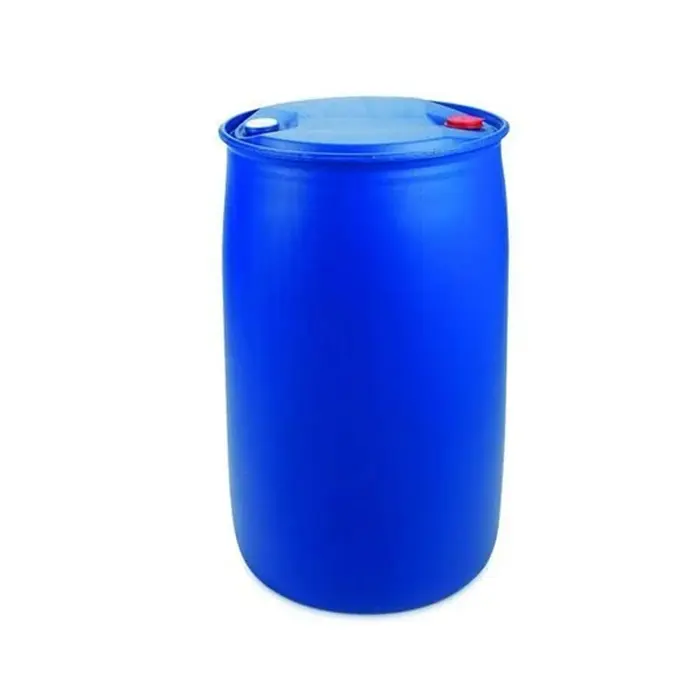
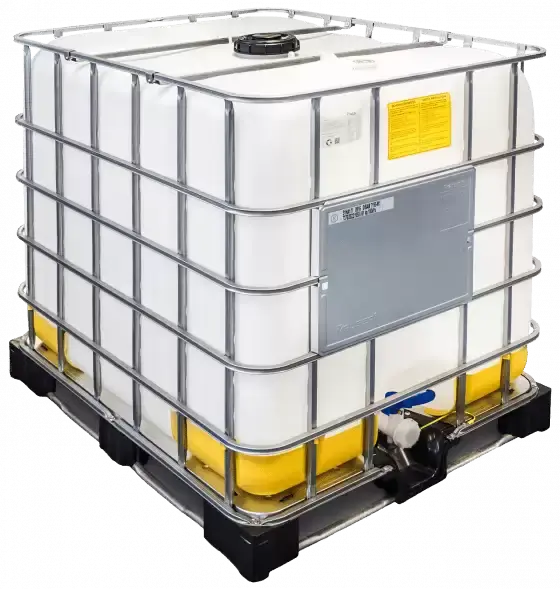
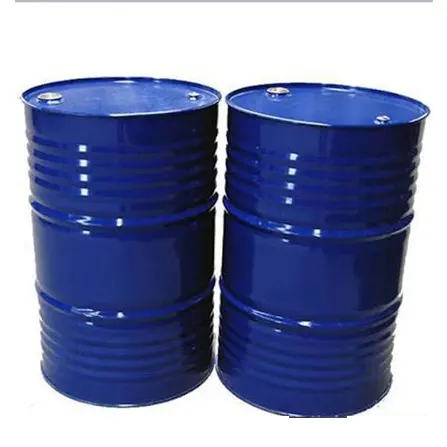
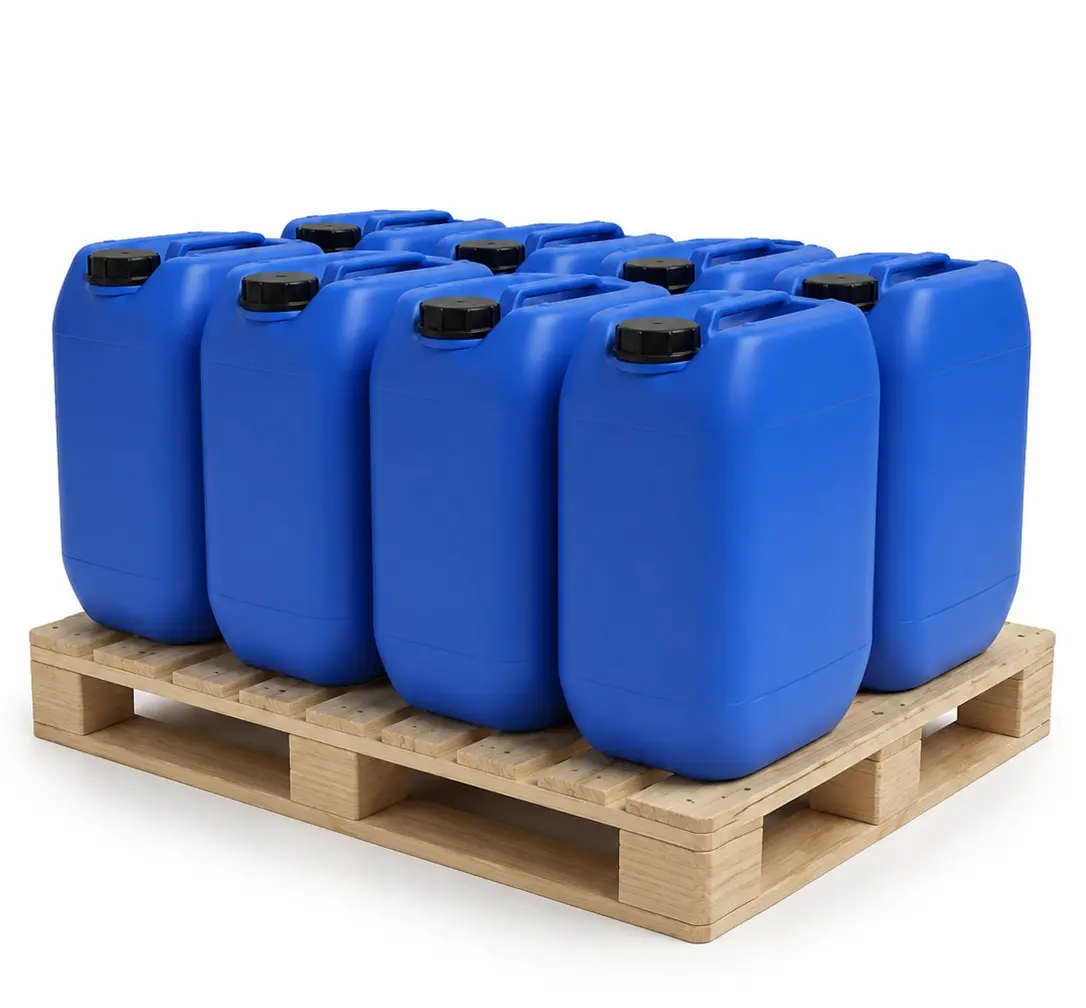
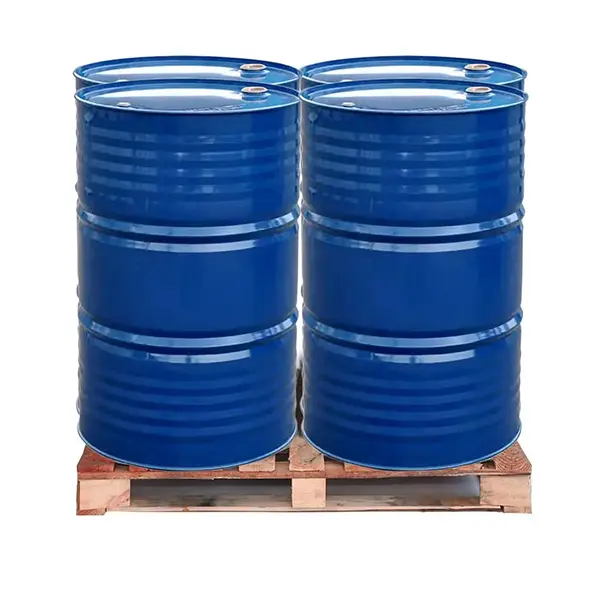
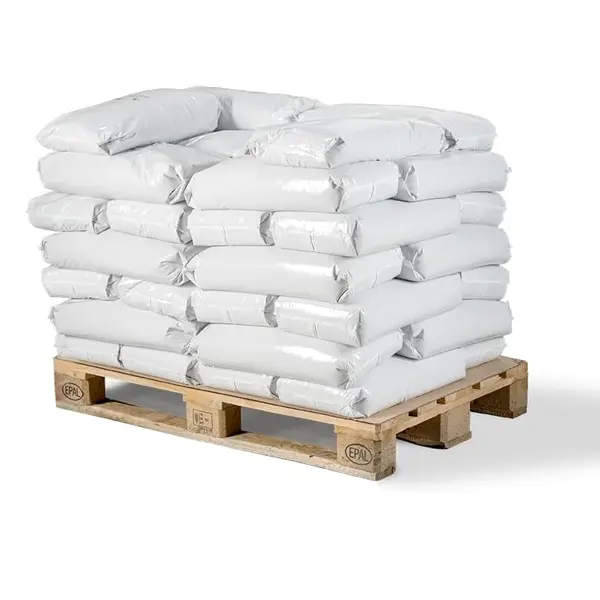
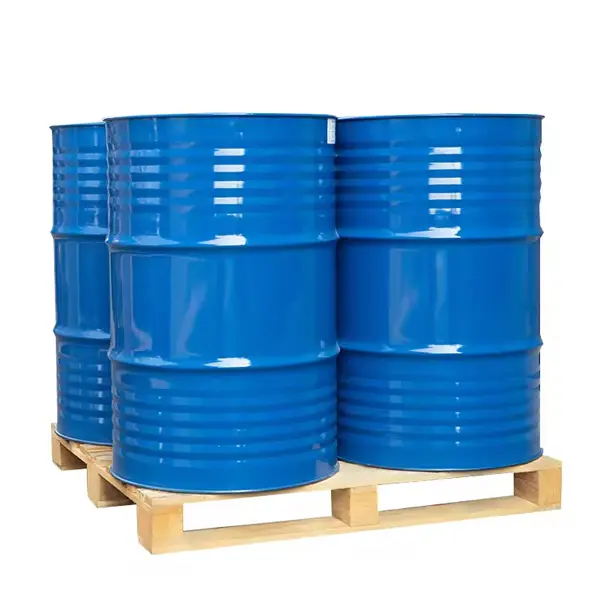
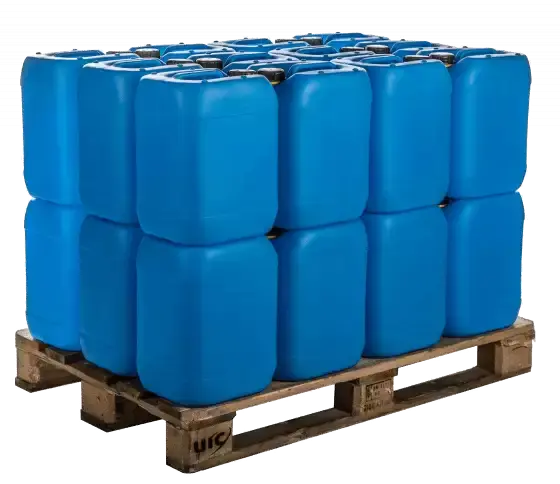
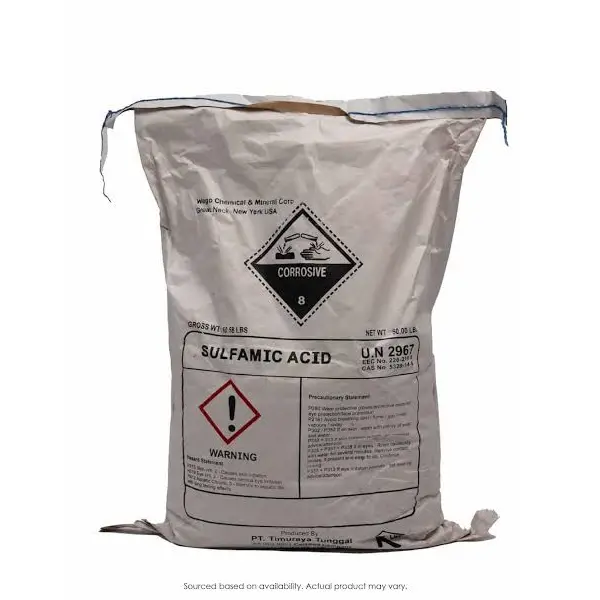
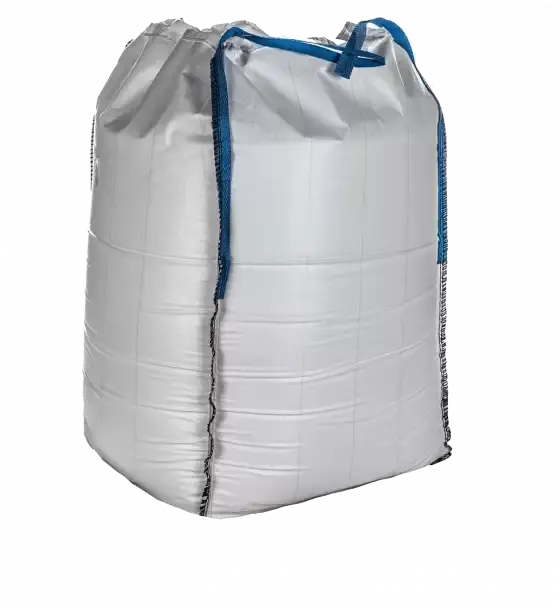
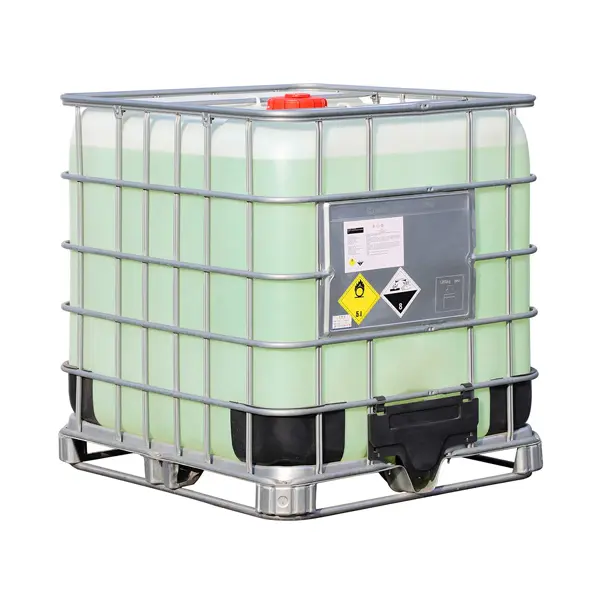
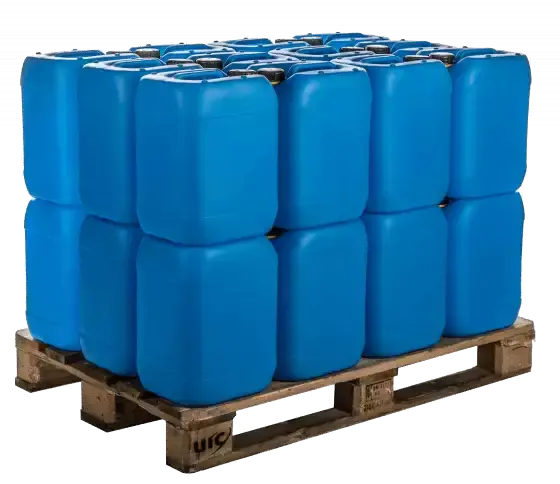
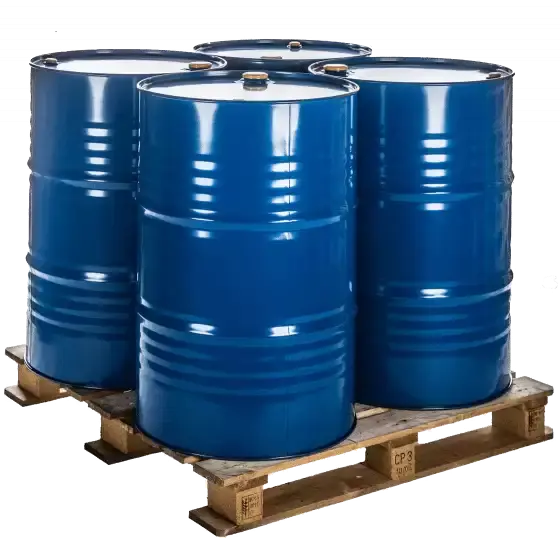
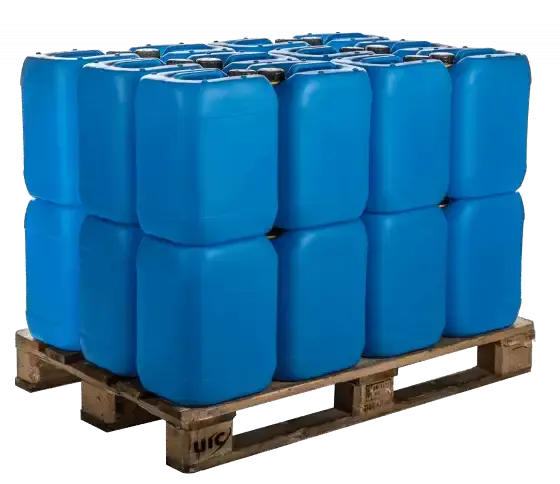
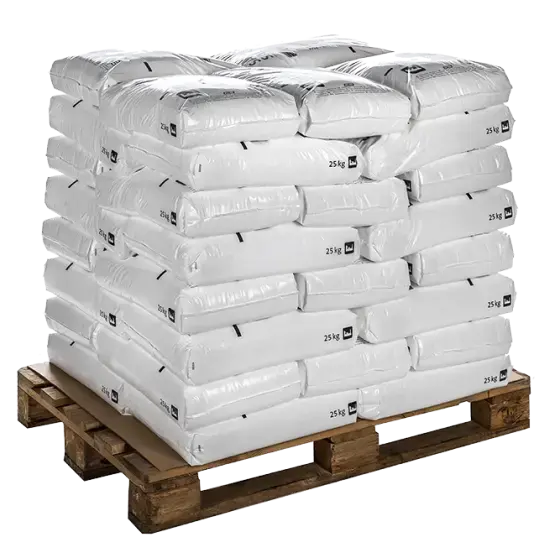
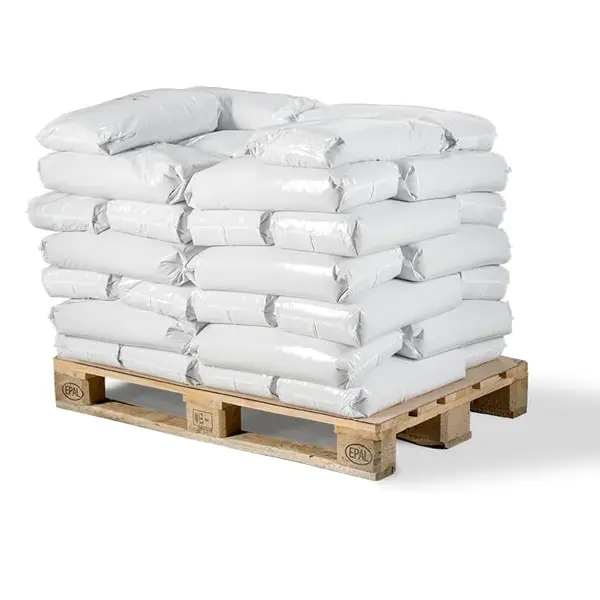
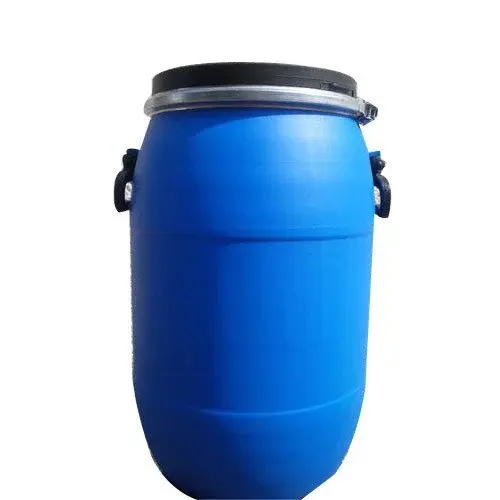
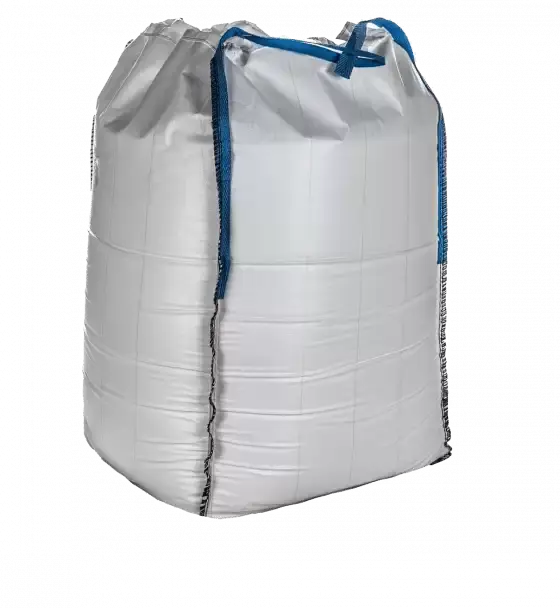
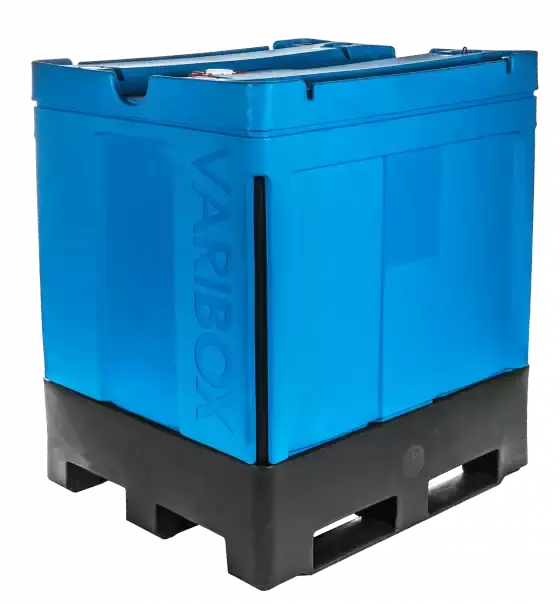
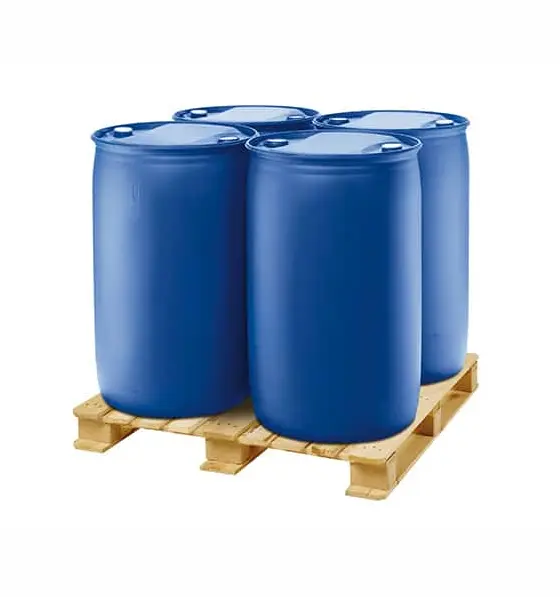
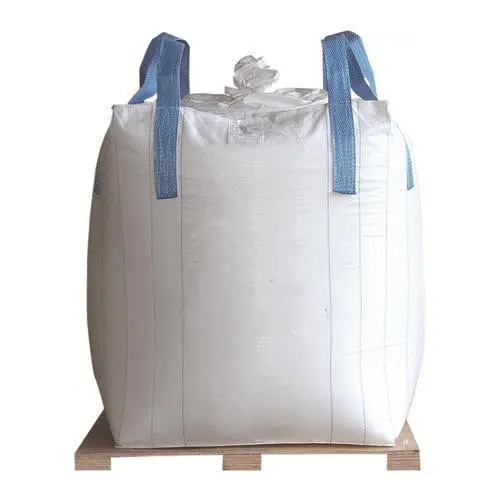
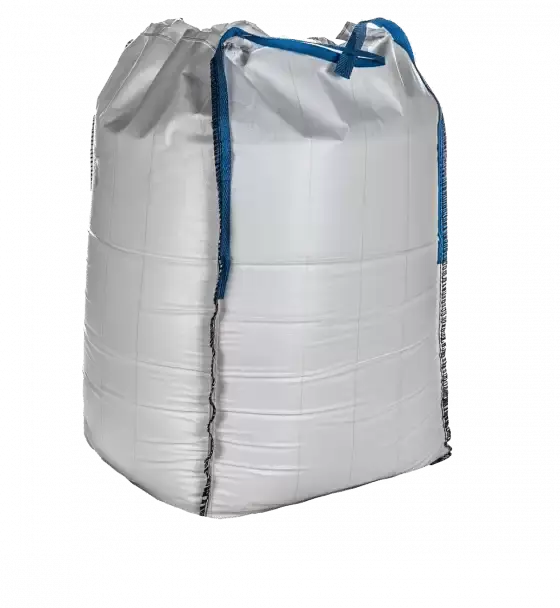
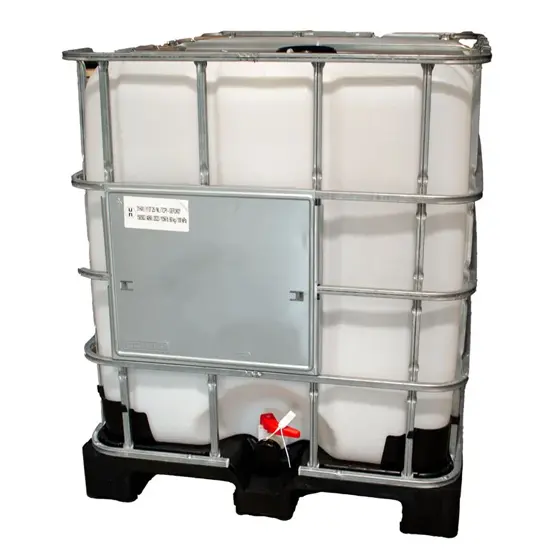
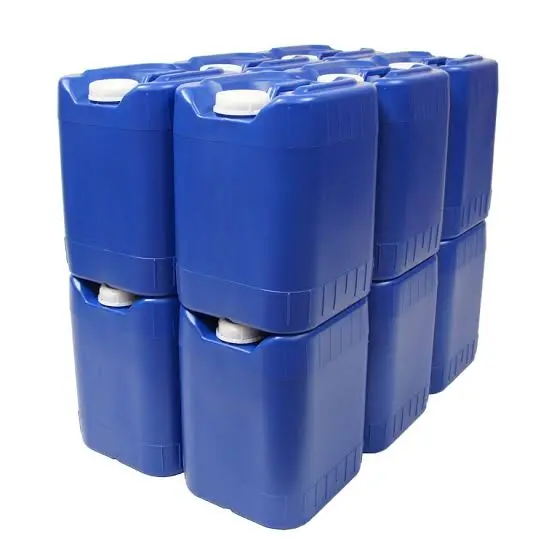
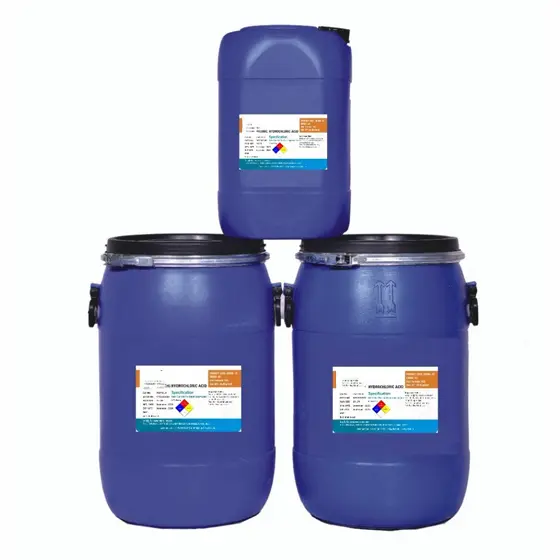
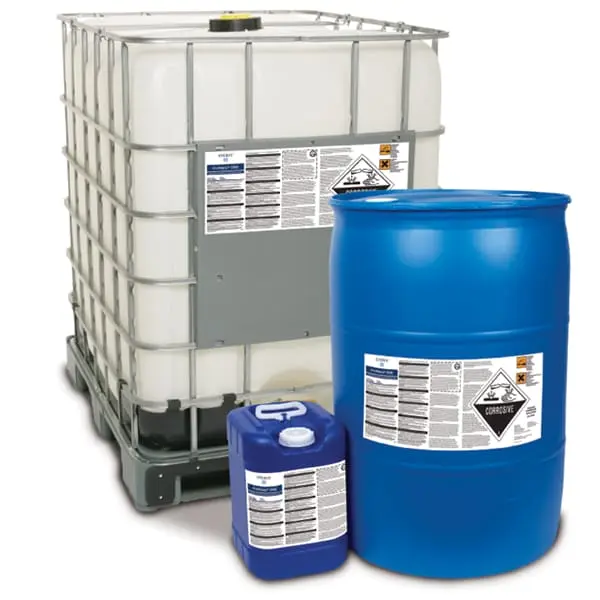
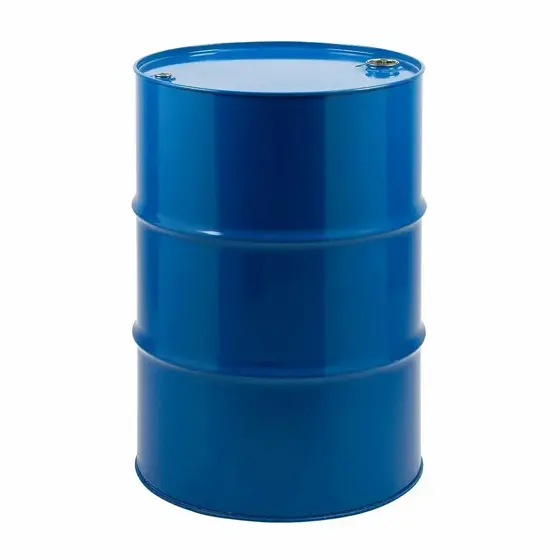
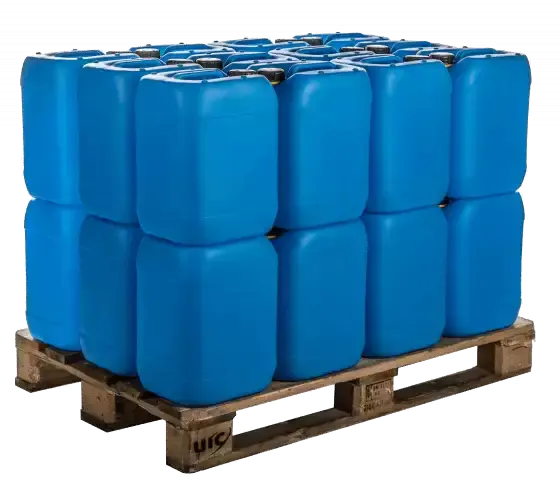
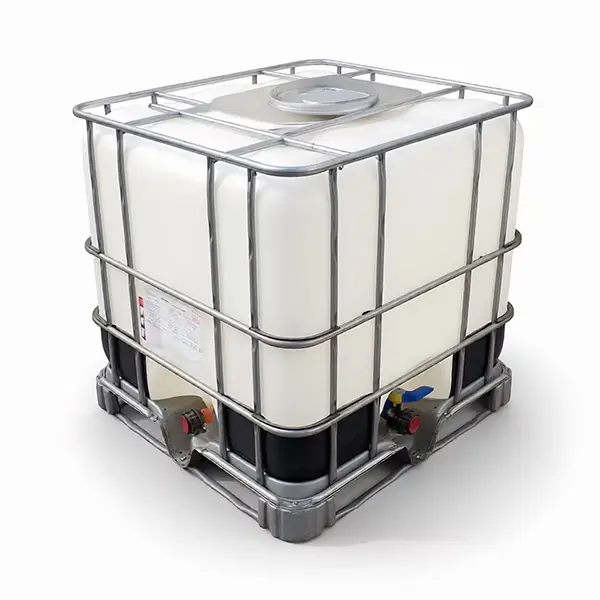
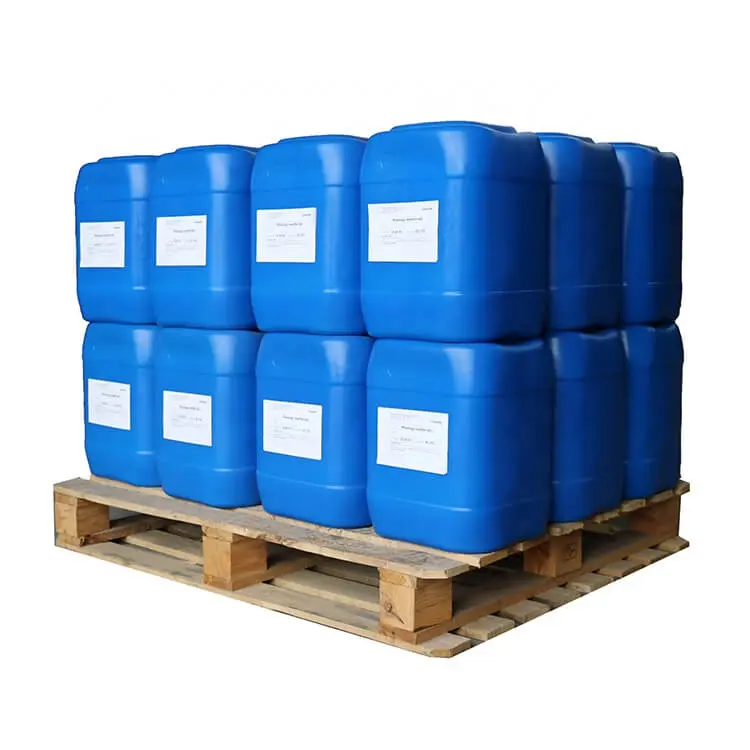
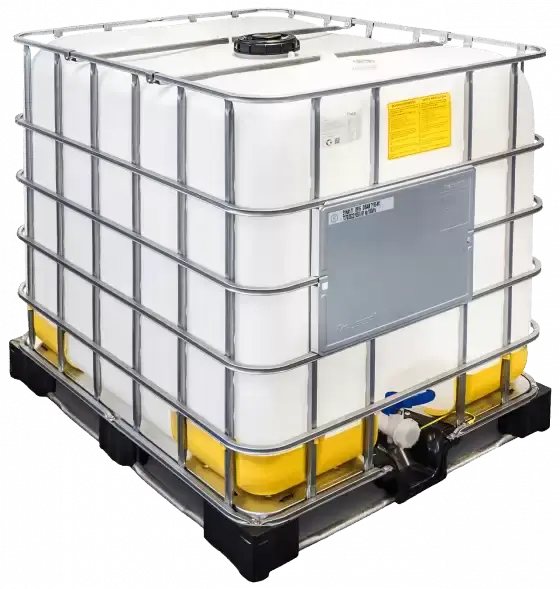
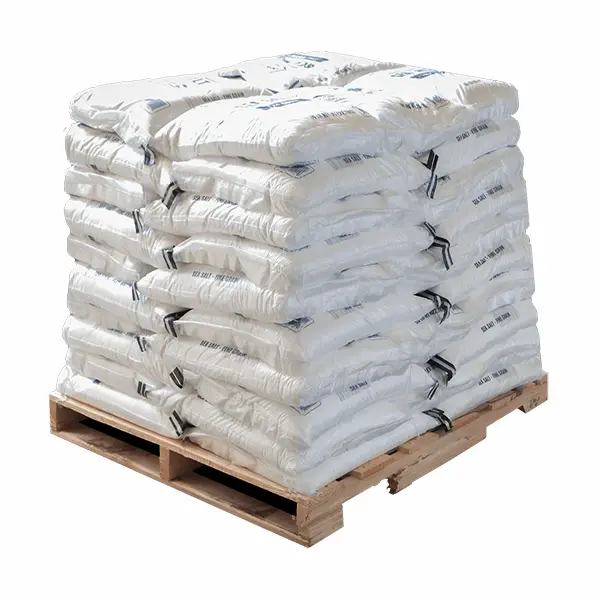
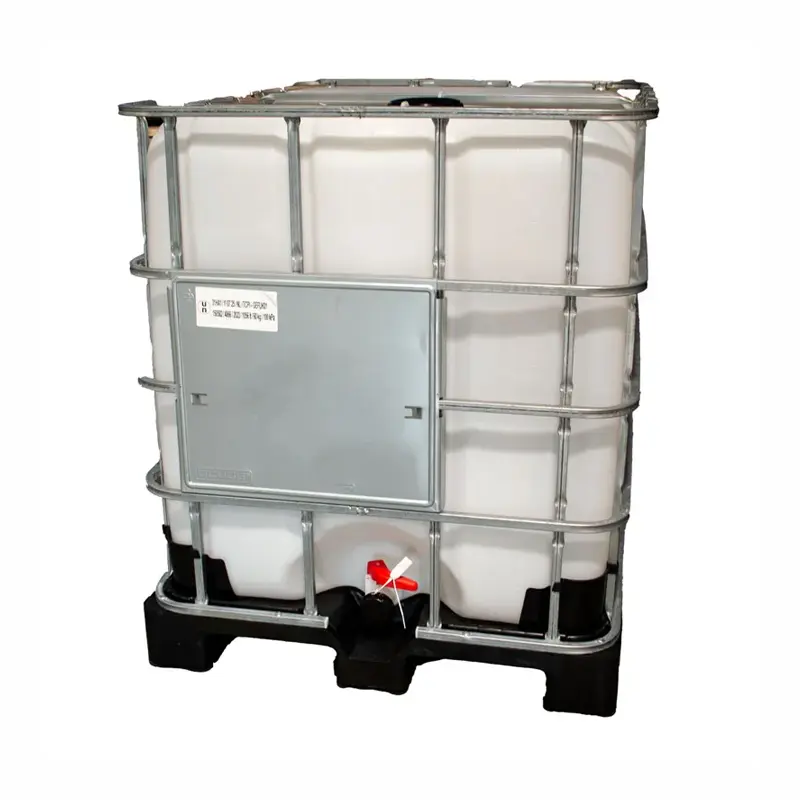
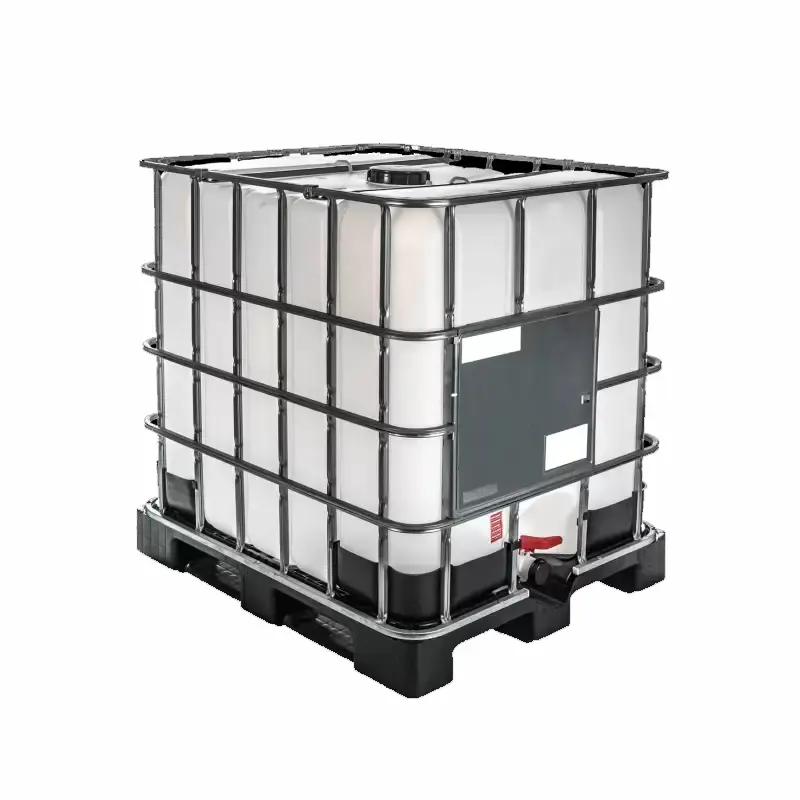
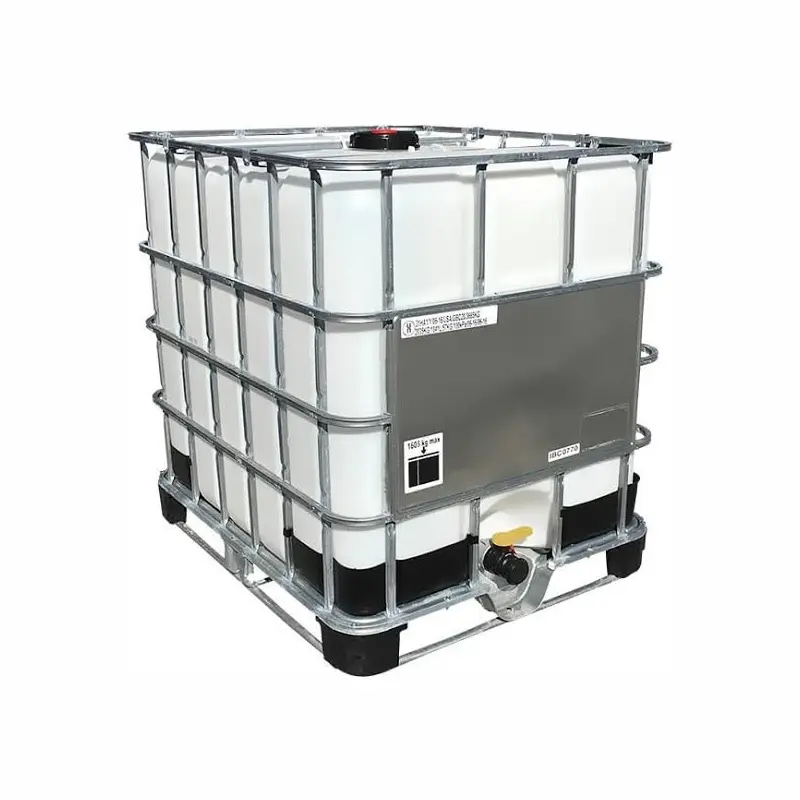
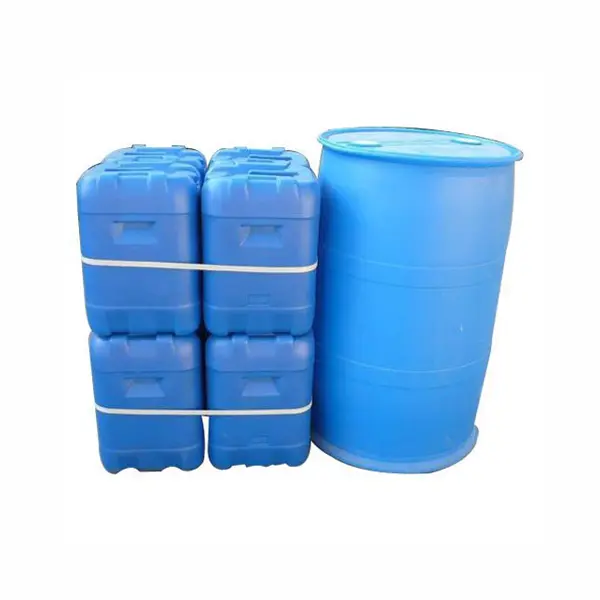
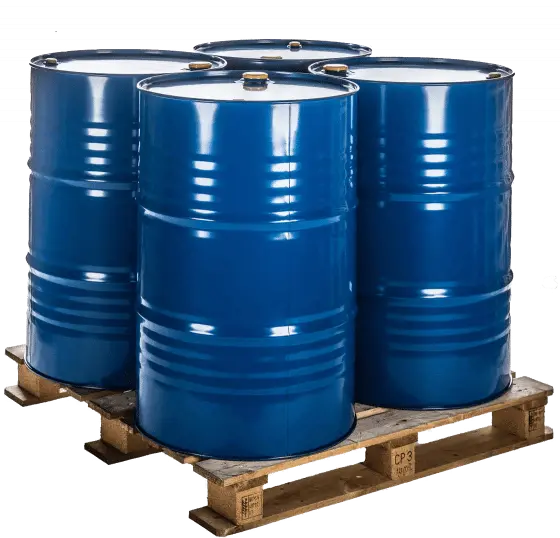
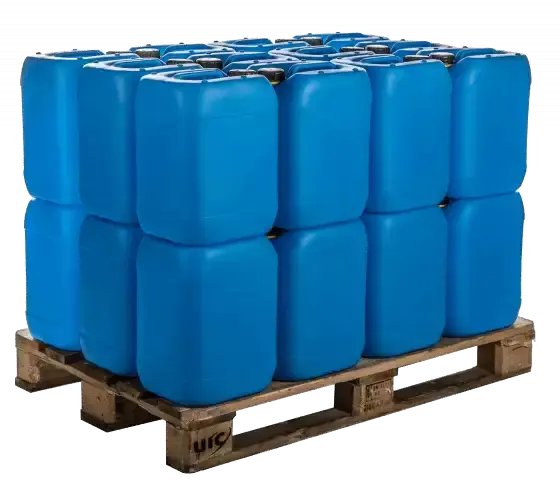
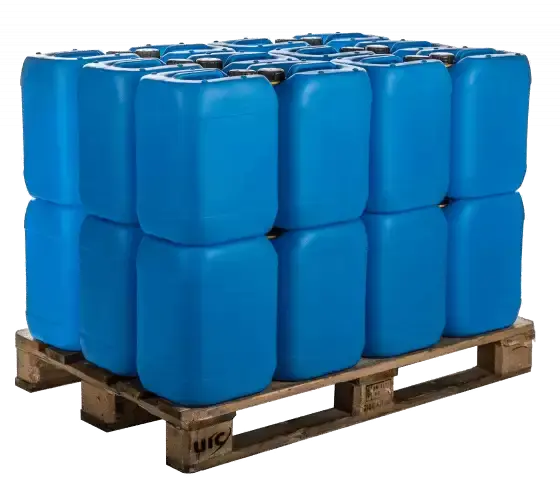
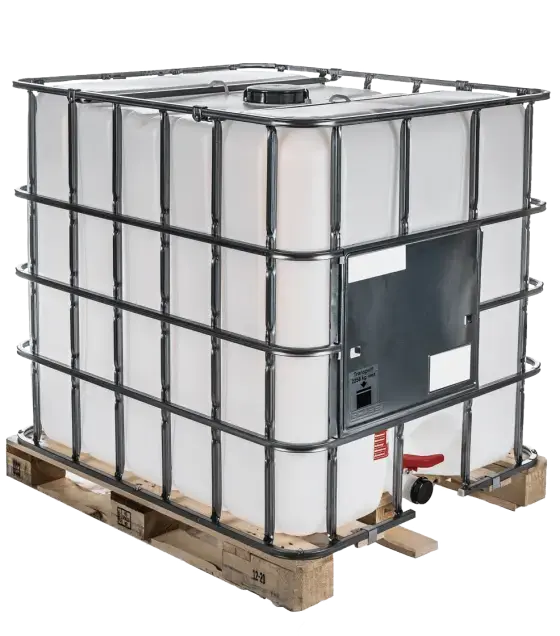
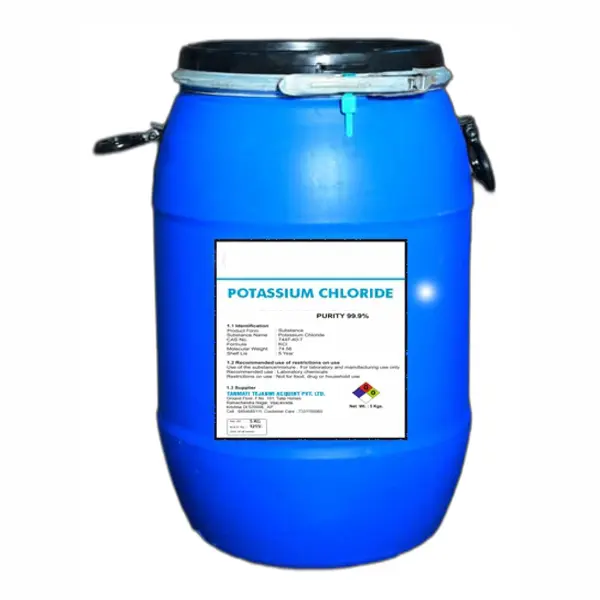
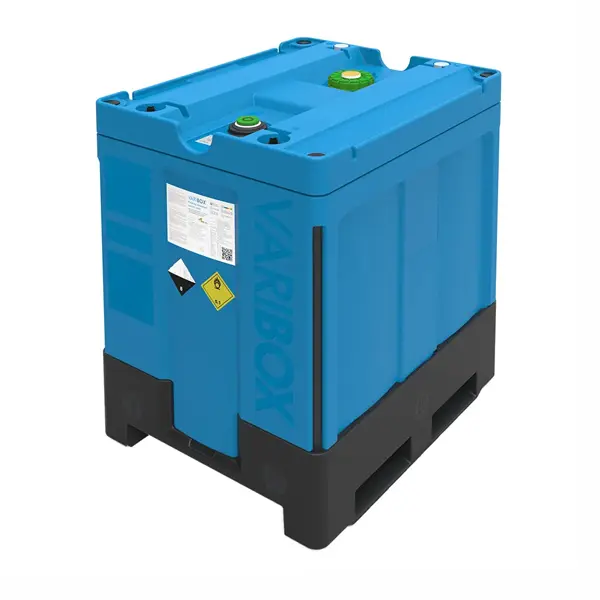
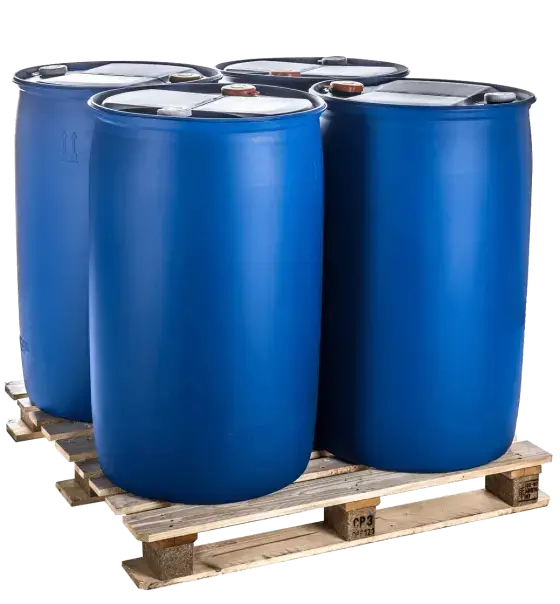
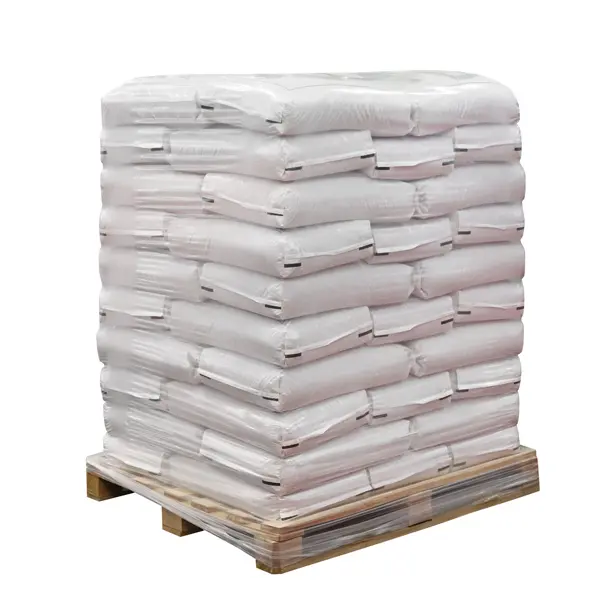
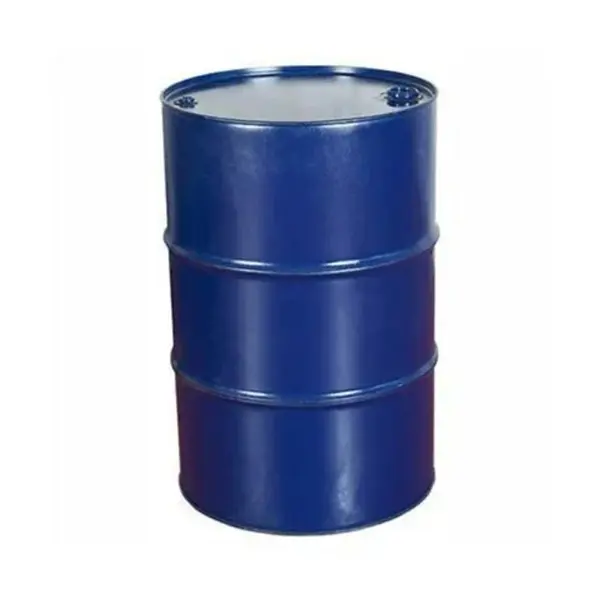
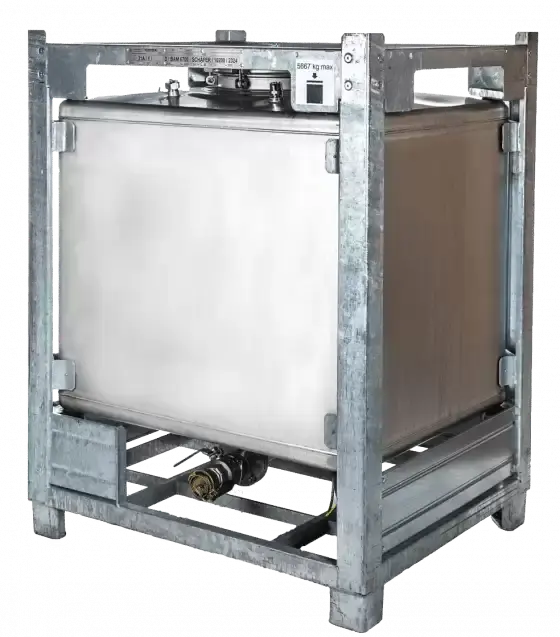
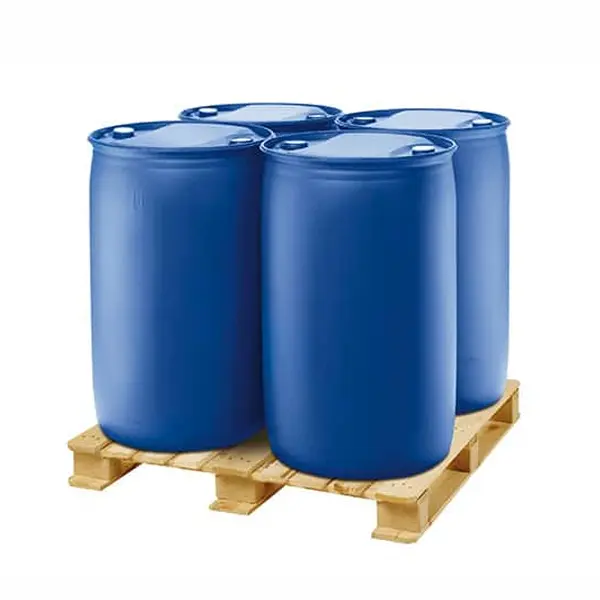
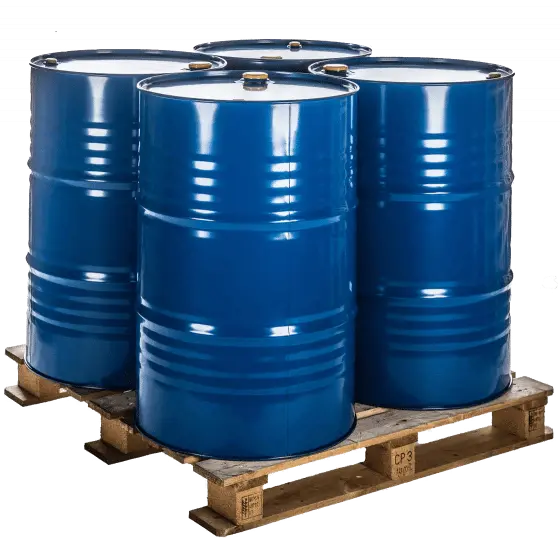
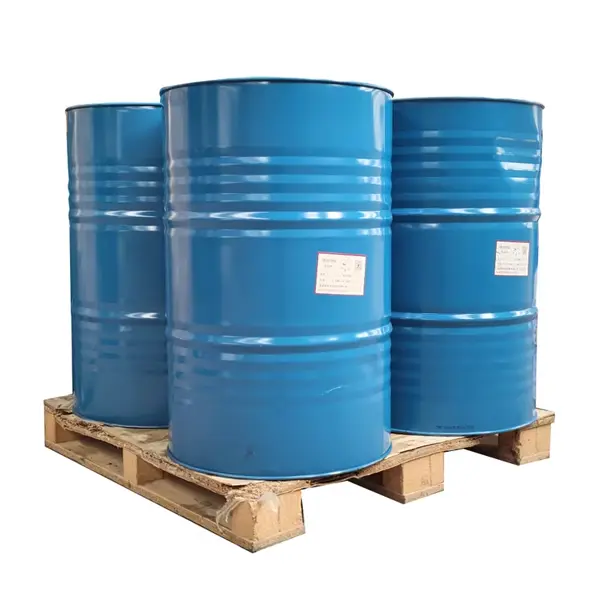
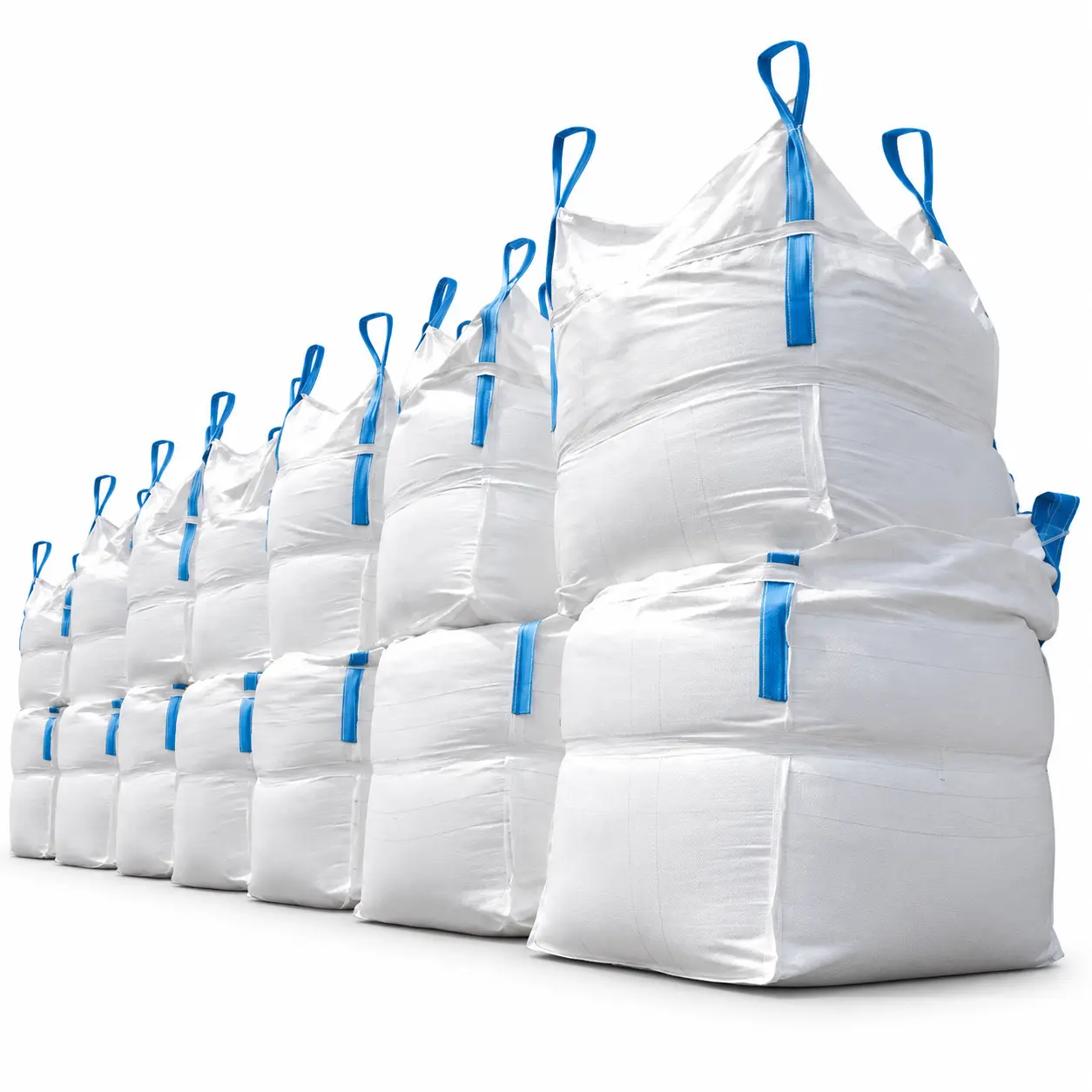
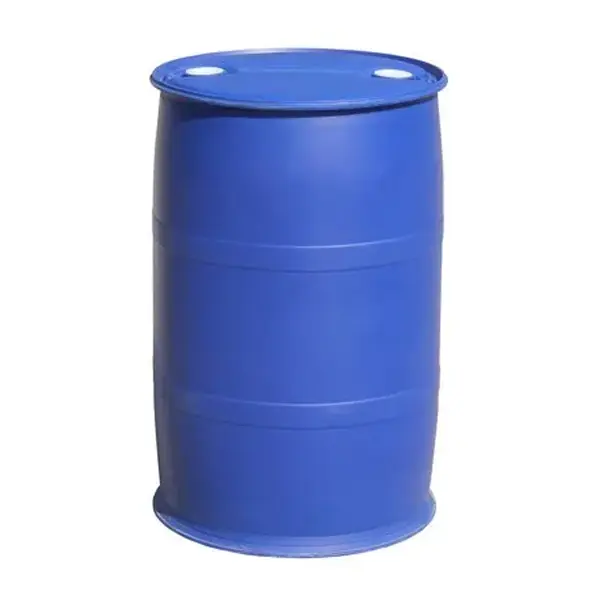
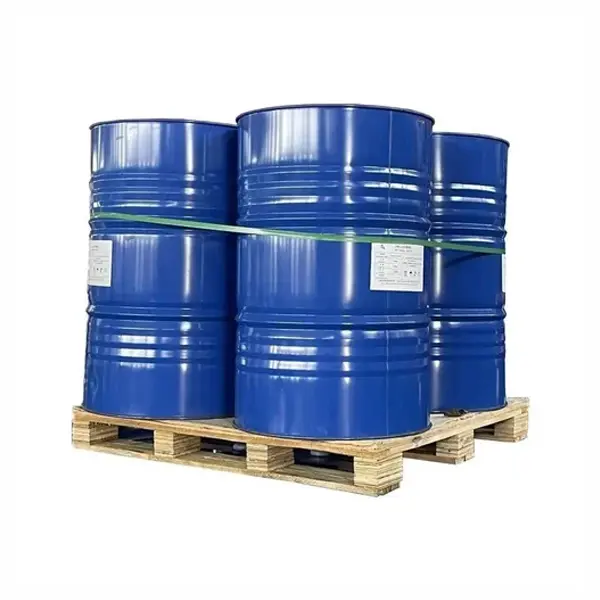
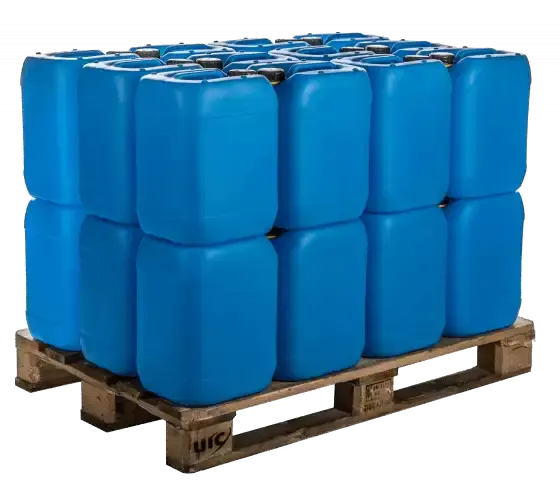
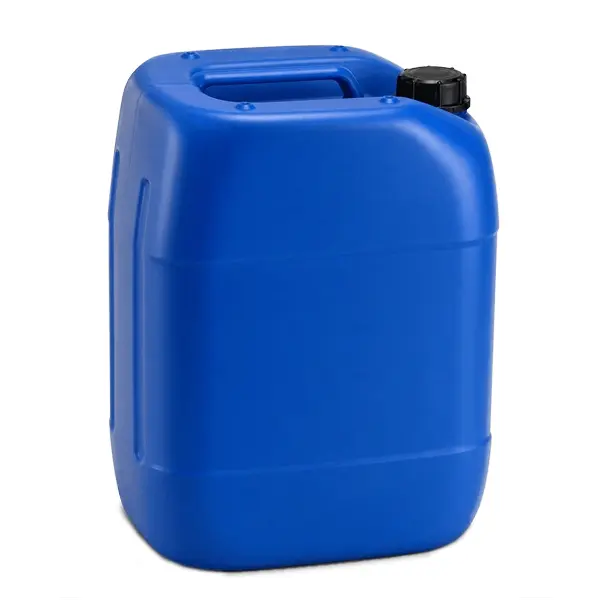
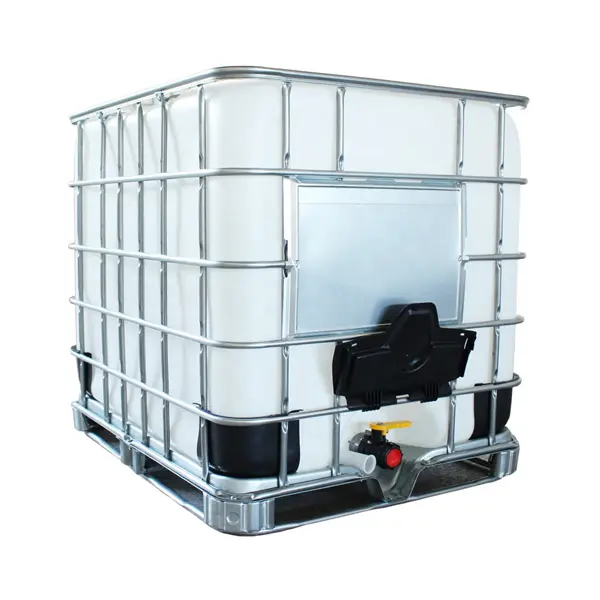
| Packaging | As specified by the supplier |
Specifications may vary by manufacturer and grade. Confirm the current technical data sheet (TDS), certificate of analysis (COA), purity, and packaging details before purchase or use.
Storage and Handling
Potassium Nitrate is a strong oxidizing agent and can intensify fires if it comes into contact with combustible materials. Store it in a cool, dry, well-ventilated area, in tightly closed and clearly labelled packaging. Keep it separated from combustible substances, organic materials, reducing agents, and other incompatible chemicals.
Avoid generating or inhaling dust. Use appropriate protective gloves, eye protection, and other personal protective equipment specified in the safety data sheet (SDS). Keep the product away from heat sources and follow applicable storage, transport, and workplace safety requirements.
Quality and Supply
Reliable Potassium Nitrate supply depends on consistent purity, moisture control, suitable particle form, and appropriate packaging. Agricultural buyers should verify nutrient specifications and suitability for their crops or nutrient systems, while industrial users should check the technical requirements of their processes.
Request the latest technical data sheet, certificate of analysis, and safety data sheet from the supplier. Confirm the grade, quantity, packaging, and delivery requirements before placing an order.
Conclusion
Potassium Nitrate is a versatile inorganic chemical used primarily in fertilizer production and selected industrial applications. Its high water solubility and combined potassium and nitrate content make it useful for agricultural nutrient formulations, while its chemical properties support additional manufacturing uses. Selecting the correct grade and following appropriate handling procedures help ensure consistent performance and safe use.