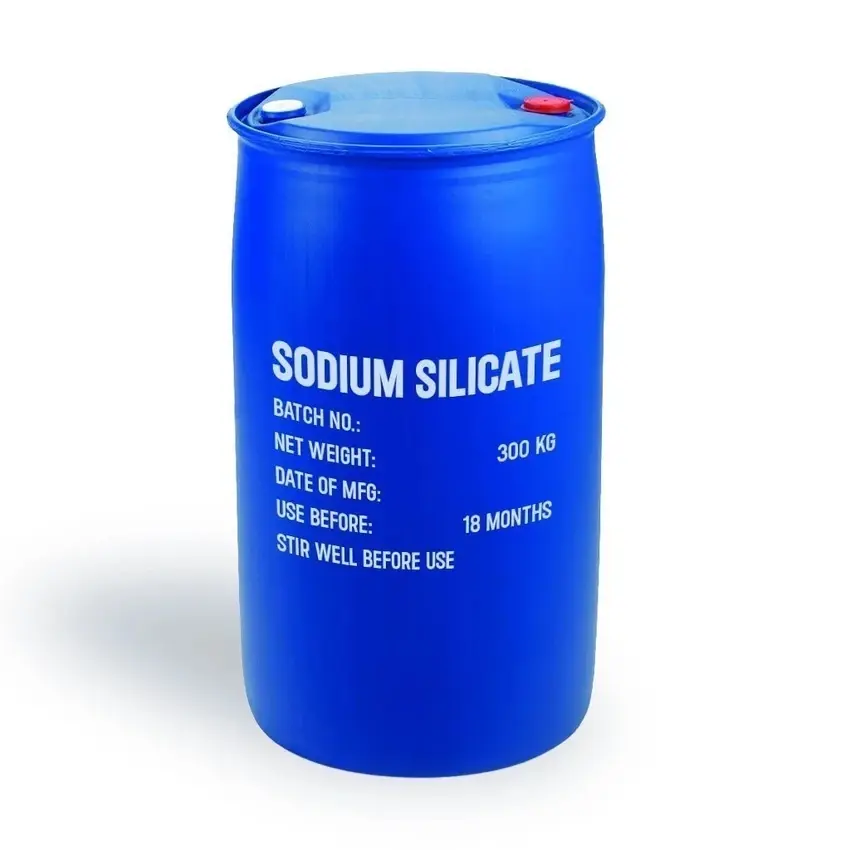
Sodium Silicate – Industrial Chemical for Detergents and Manufacturing
Sodium Silicate for Industrial Applications
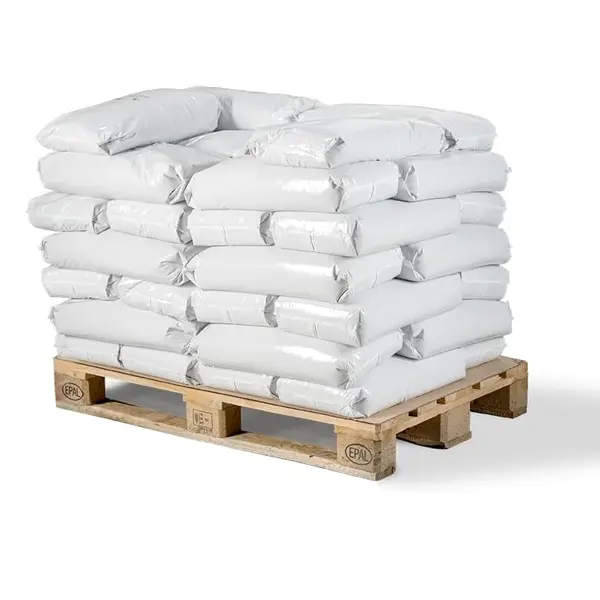
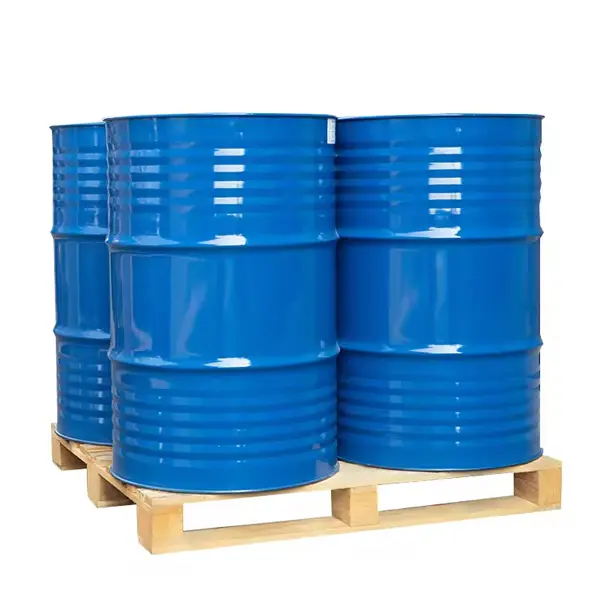
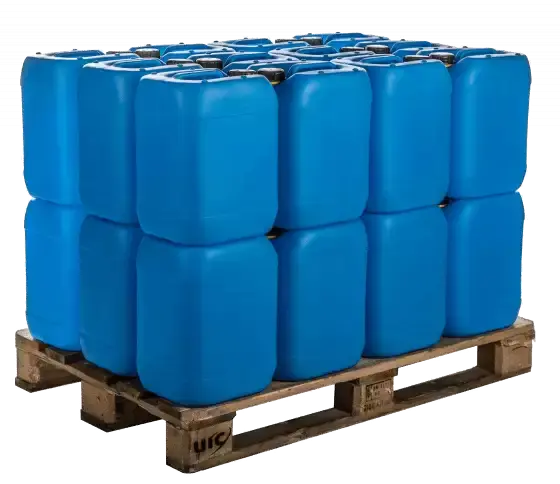
Sodium Silicate is an inorganic chemical compound commonly known as water glass, widely used in detergent manufacturing, construction materials, adhesives, water treatment, foundry operations, and various industrial processes. It is available in liquid and solid forms, with different grades and compositions designed for specific applications. Sodium Silicate is valued for its binding, adhesive, alkaline, and corrosion-inhibiting properties in suitable formulations. Its composition, solubility, and performance depend on the silica-to-sodium oxide ratio, concentration, and product grade.
Applications of Sodium Silicate
Sodium Silicate is widely used in the detergent industry as a formulation ingredient that supports alkalinity, cleaning performance, and product stability. In construction, it is incorporated into selected cement-based materials, sealants, and protective treatments. The chemical is also used in adhesives, cardboard production, and paper manufacturing because of its binding properties. In foundry operations, certain grades serve as binders for moulding sand. Additional applications include selected water-treatment processes and industrial formulations requiring silicate chemistry. The appropriate grade must be selected according to the specific process and technical requirements.
Benefits of Sodium Silicate
Sodium Silicate offers versatile functional properties for industrial manufacturers. Its binding and adhesive characteristics make it useful in manufacturing and construction applications. In detergent formulations, it can contribute alkalinity and help protect compatible metal surfaces under appropriate conditions. Certain formulations also use sodium silicate to improve material cohesion and provide resistance to selected environmental conditions. Performance varies according to the grade, concentration, and formulation, so technical specifications should be reviewed before use.
Storage and Handling
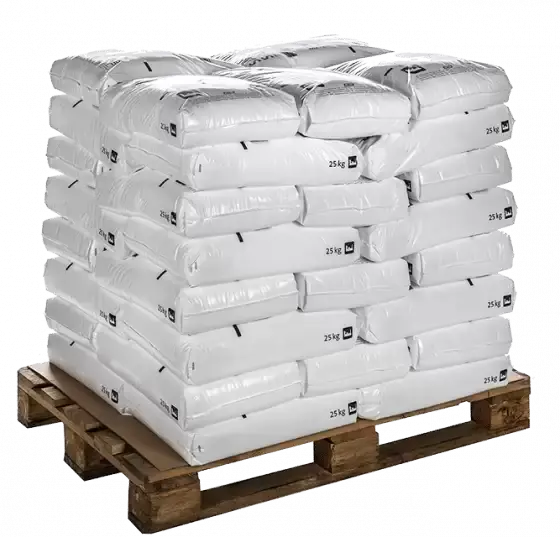
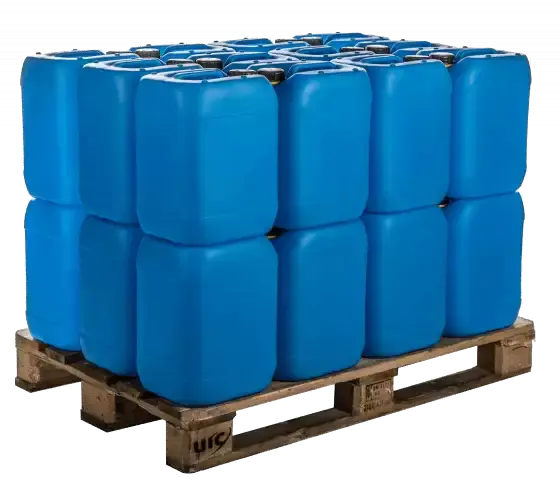
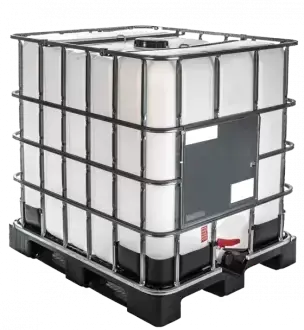
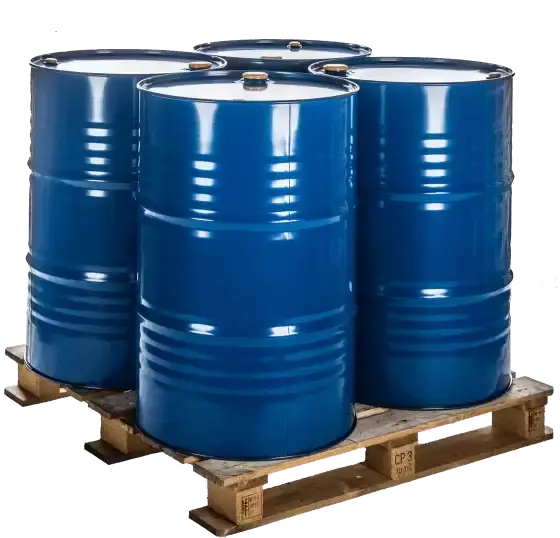
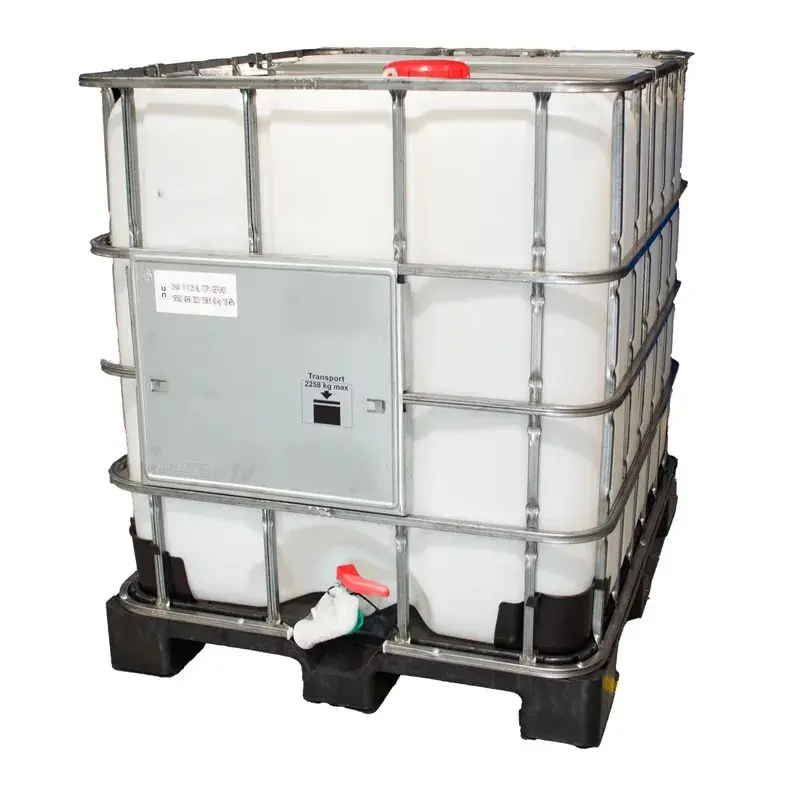
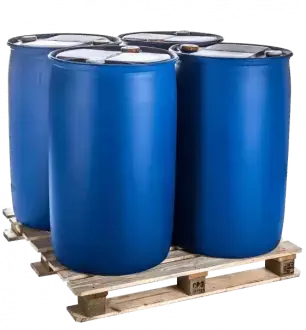
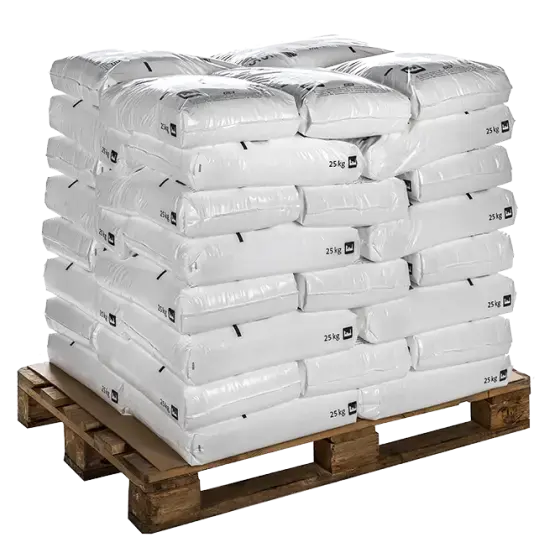
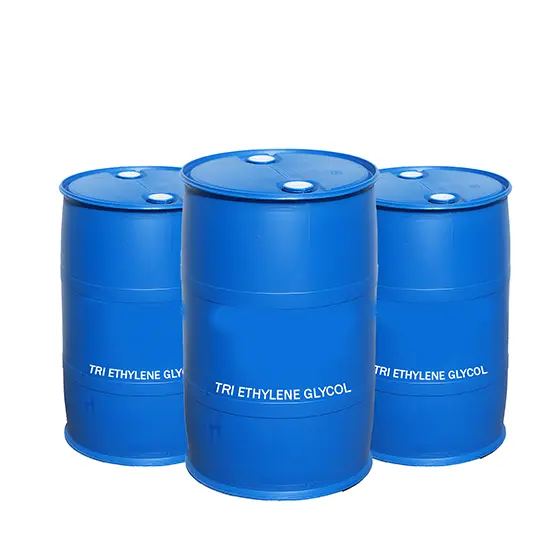
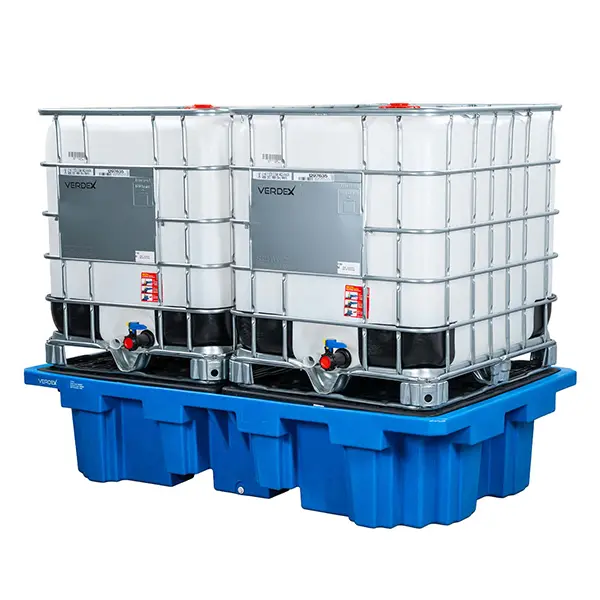
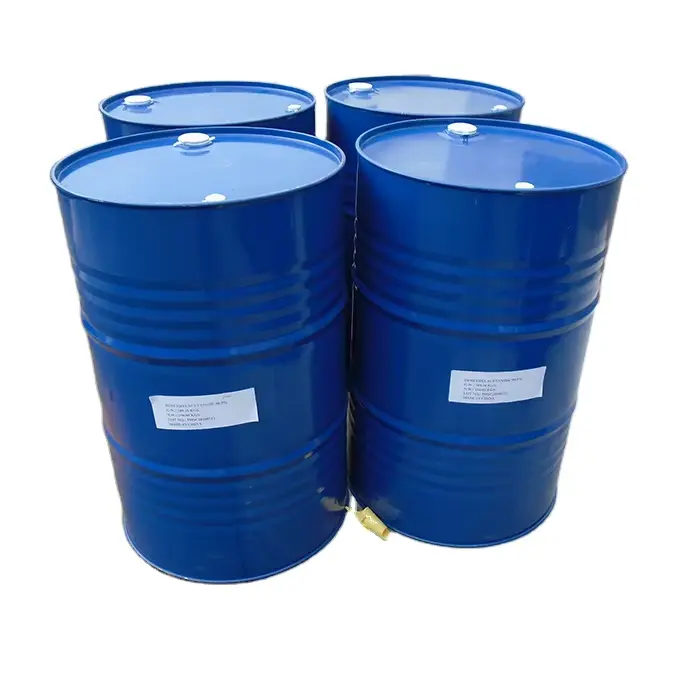
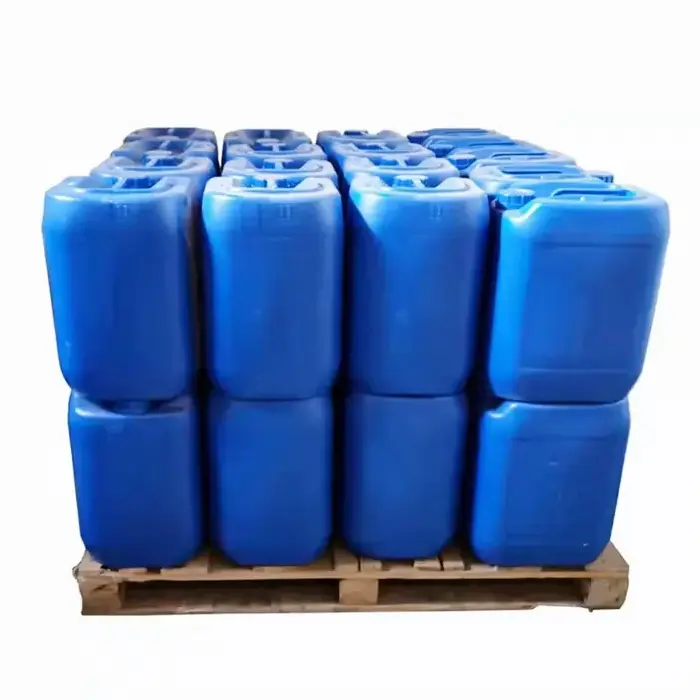
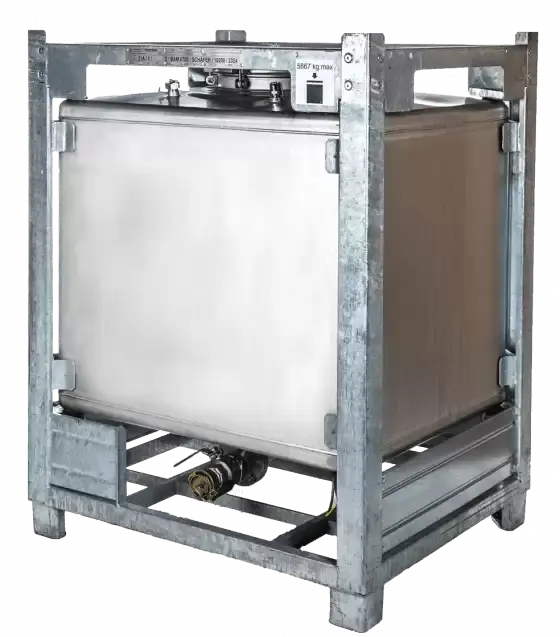
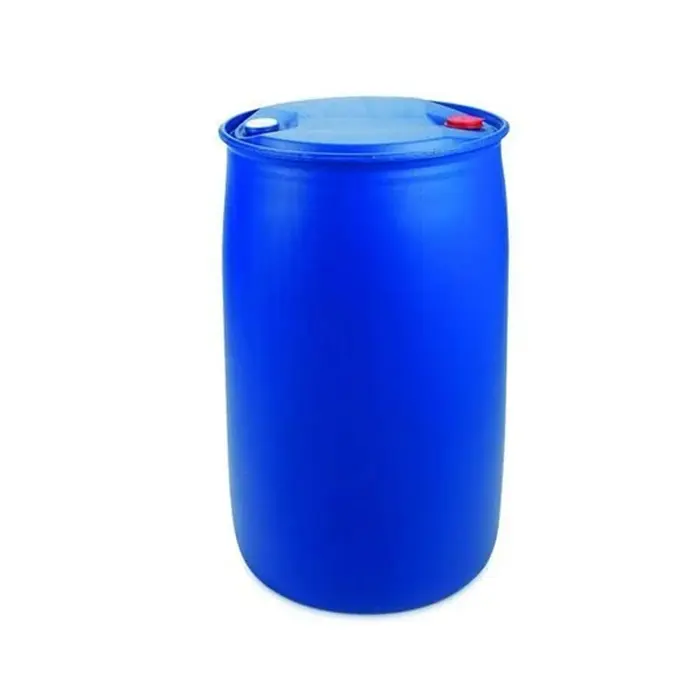
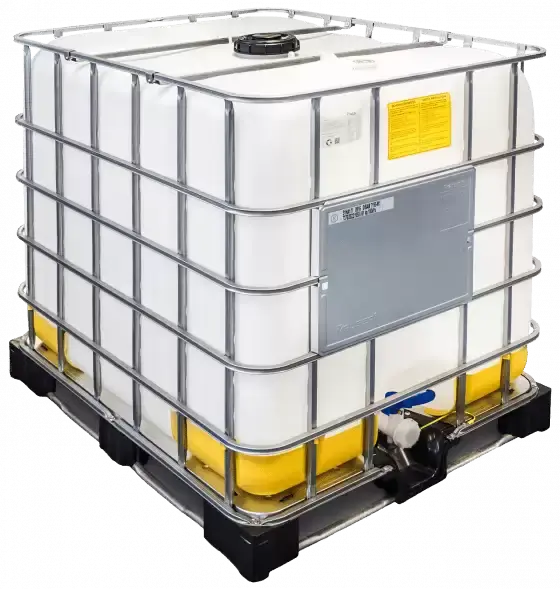
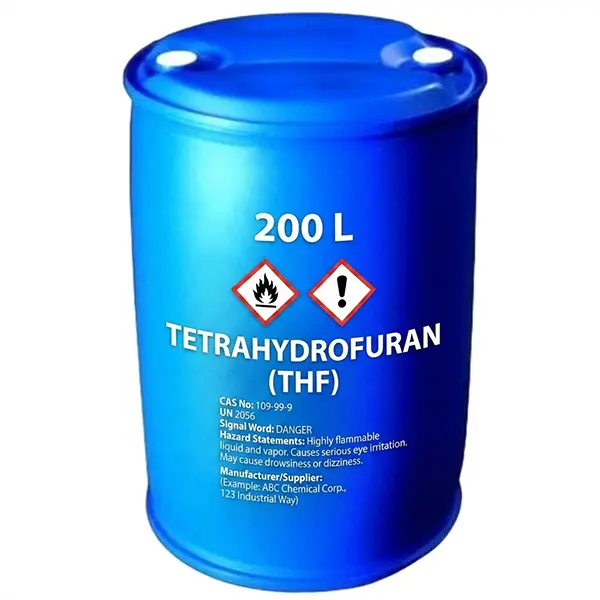
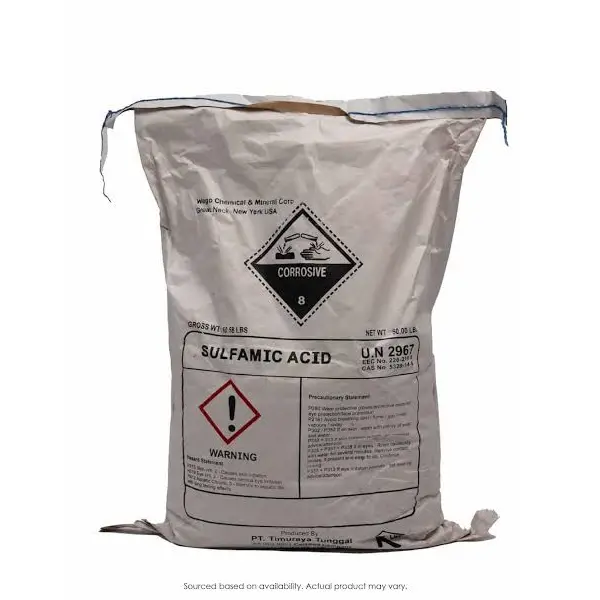
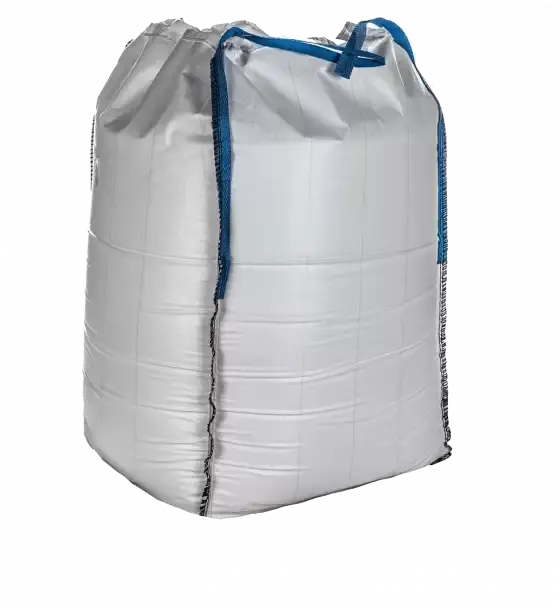
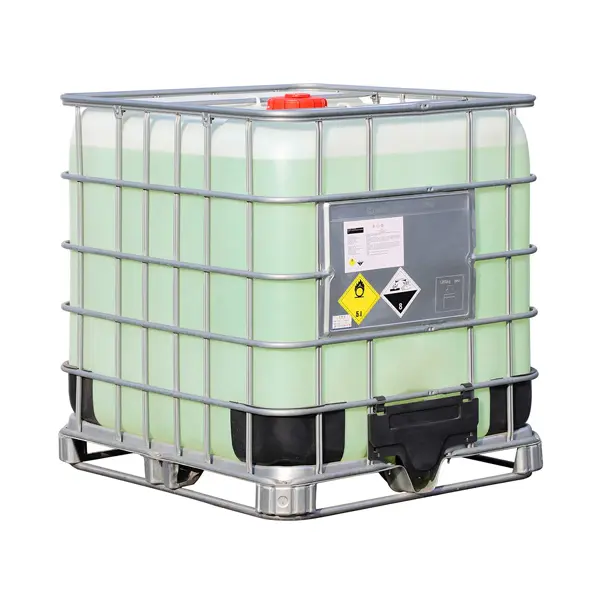
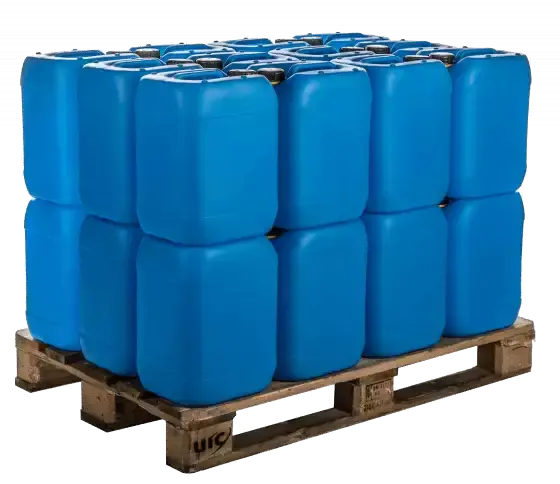
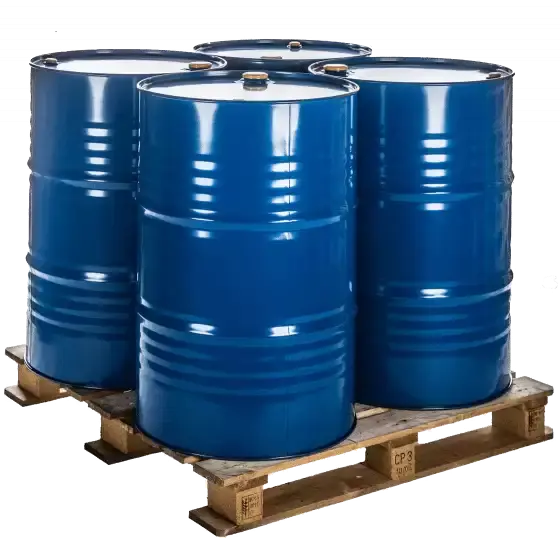
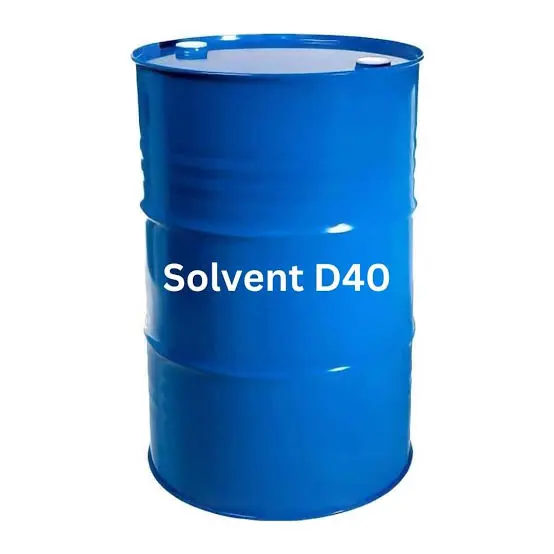
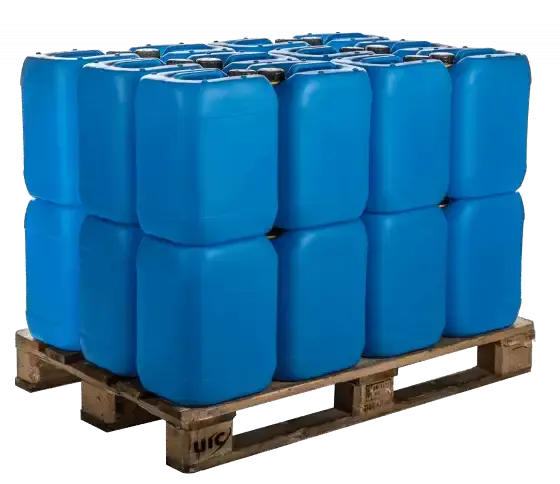
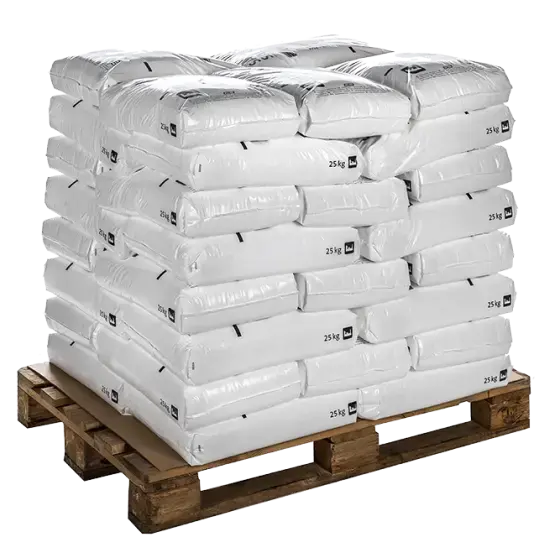
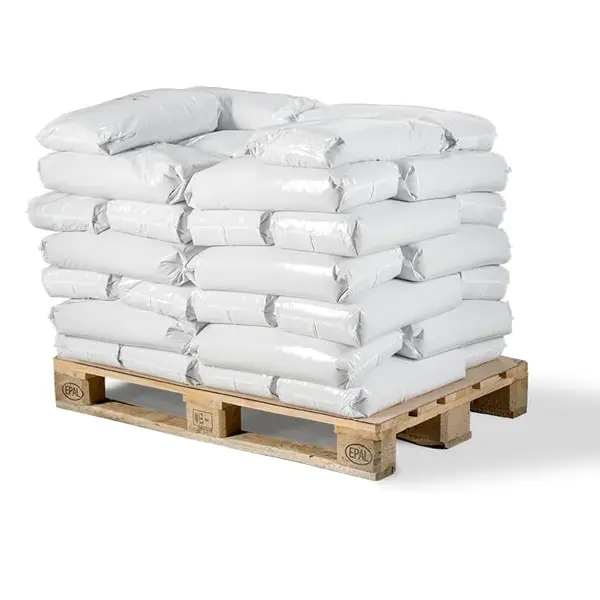
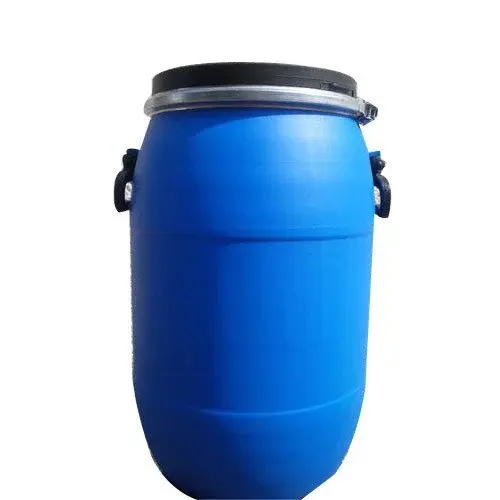
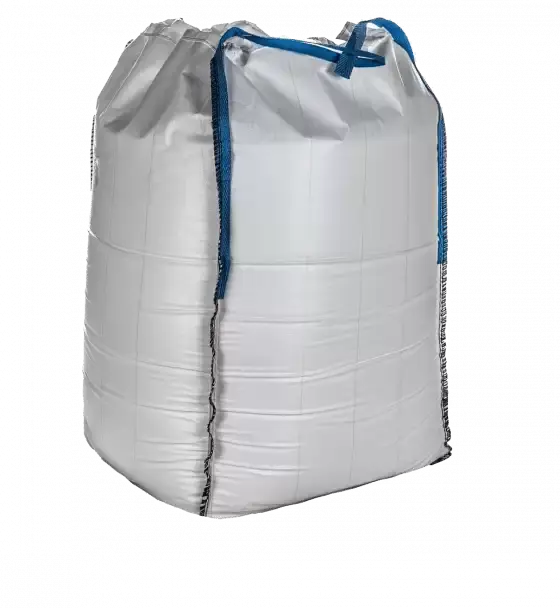
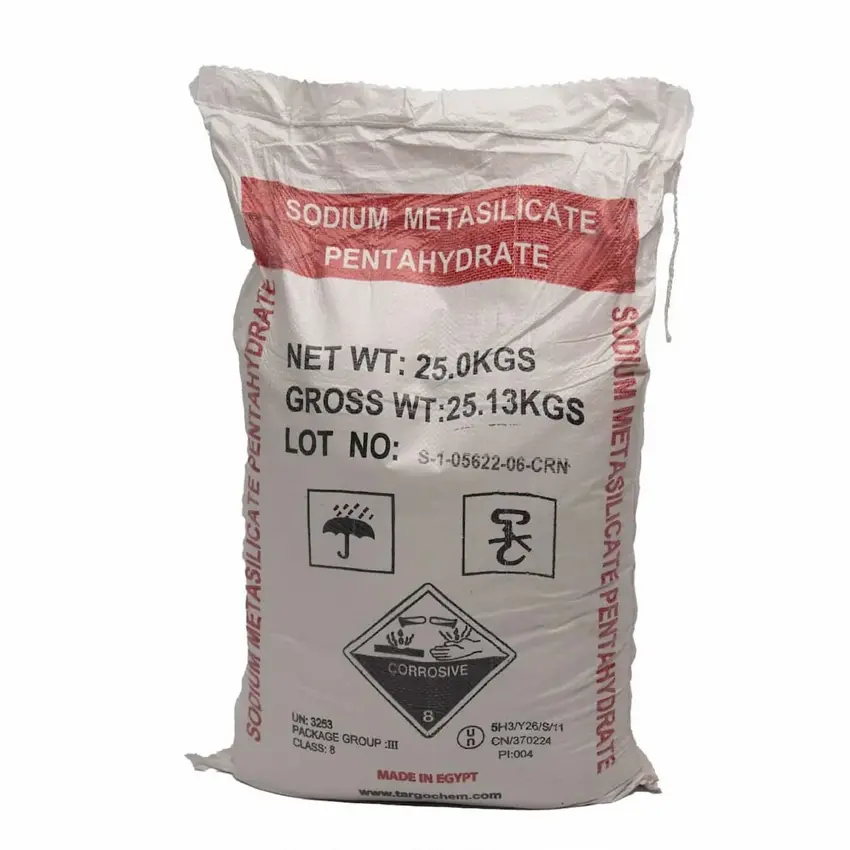
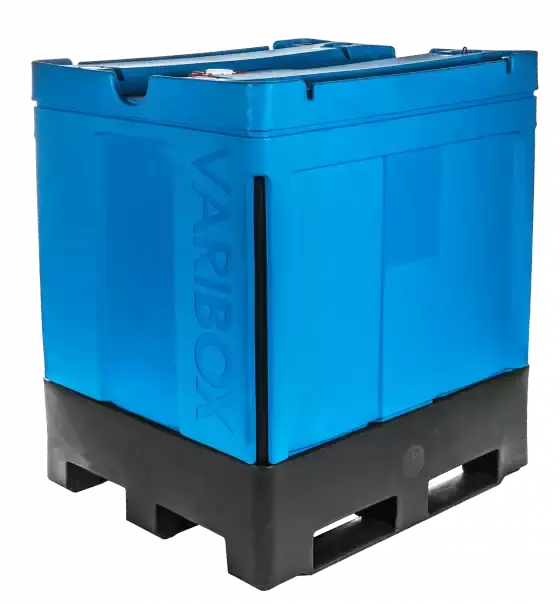
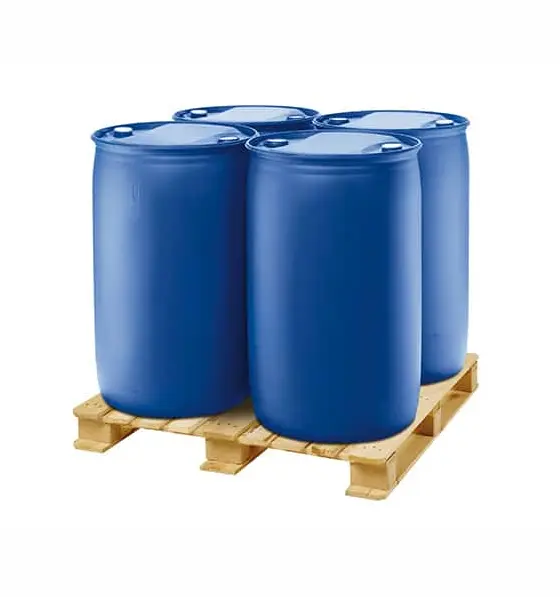
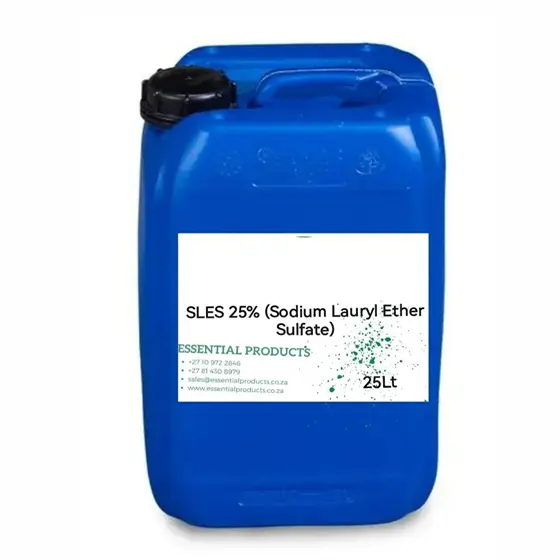
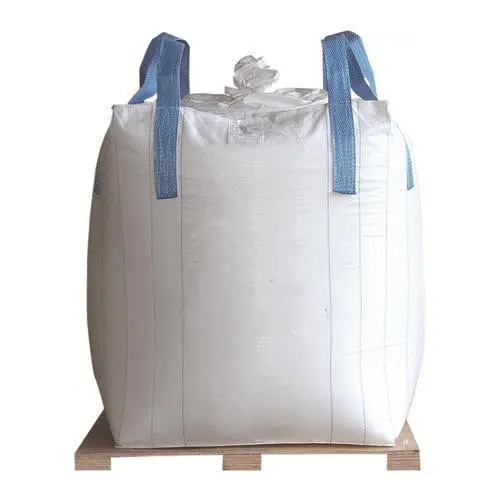
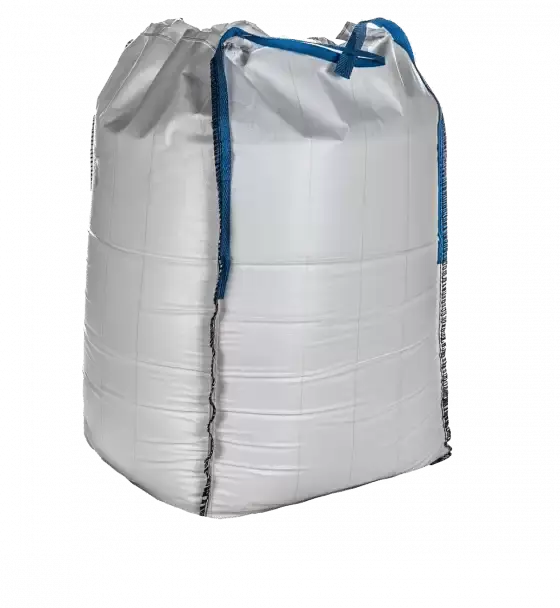
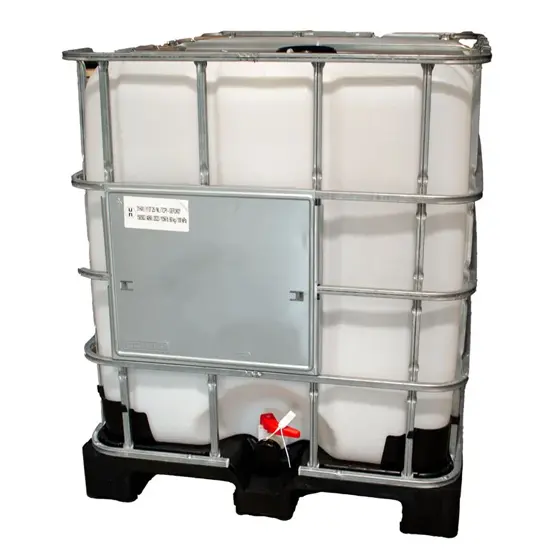
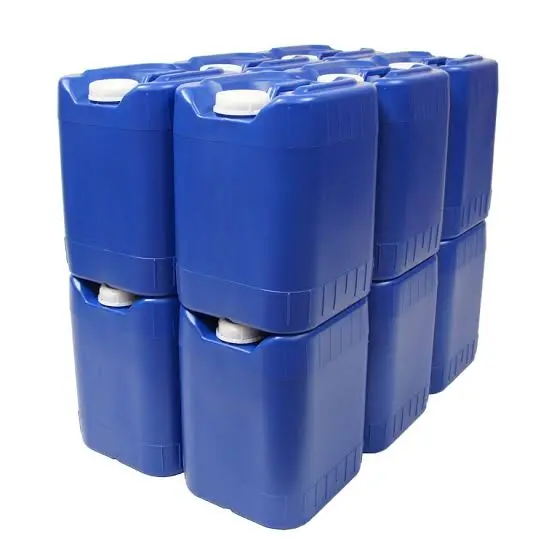
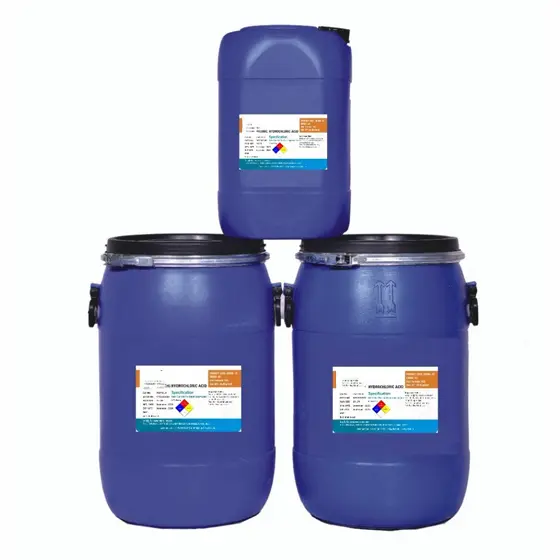
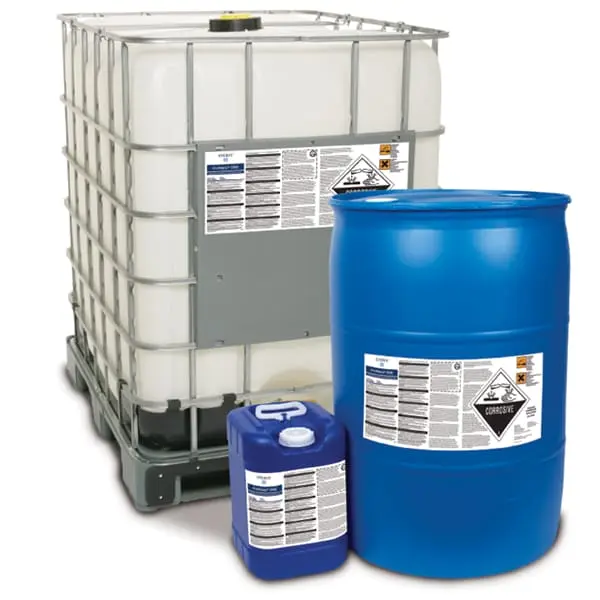
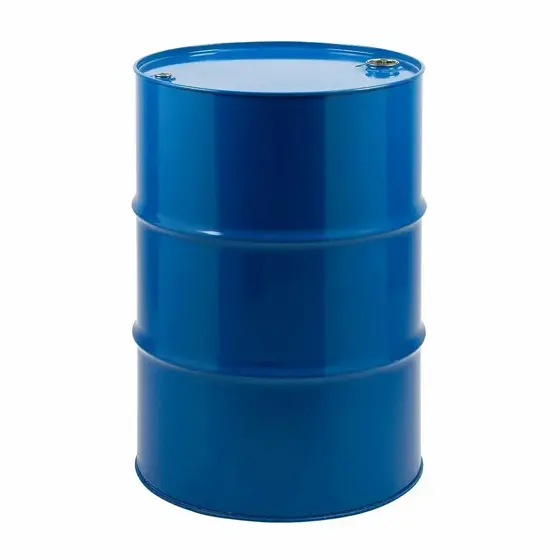
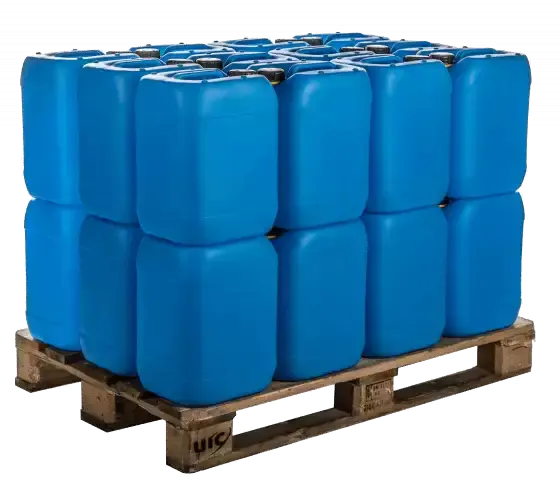
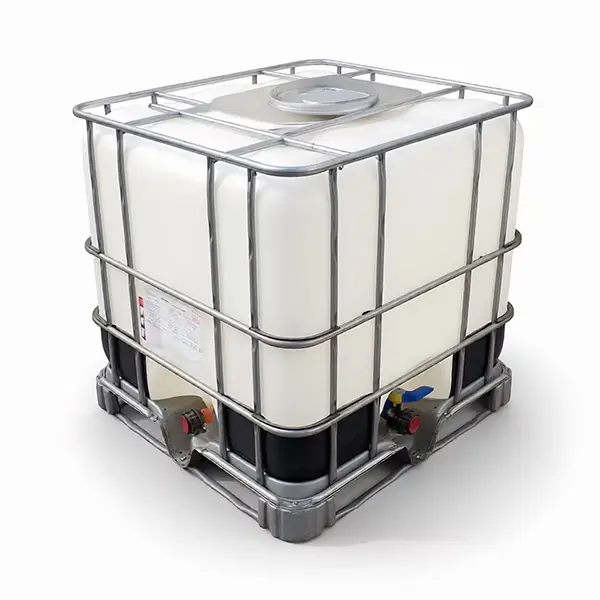
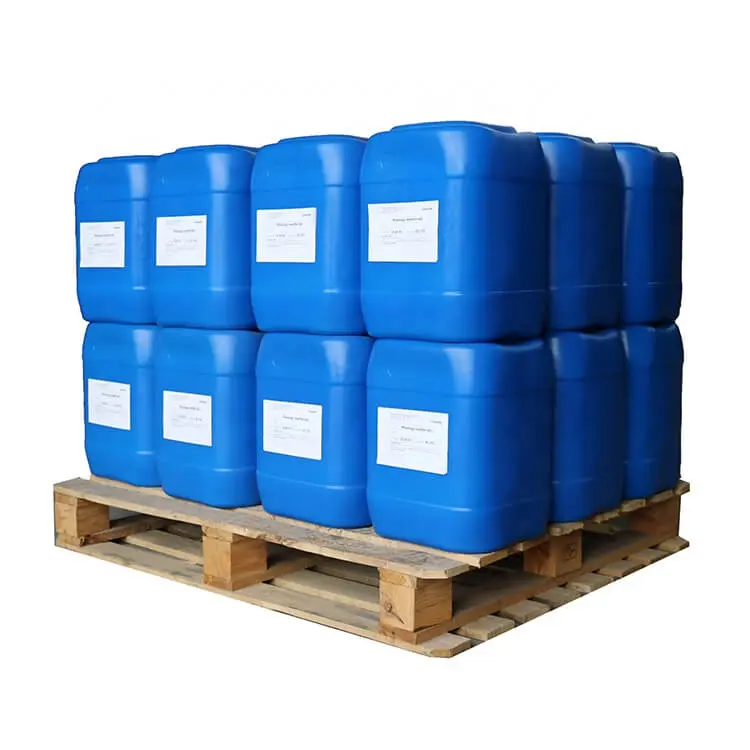
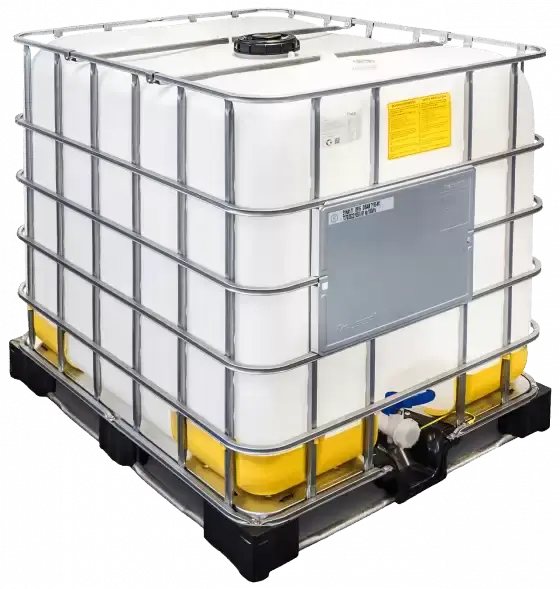
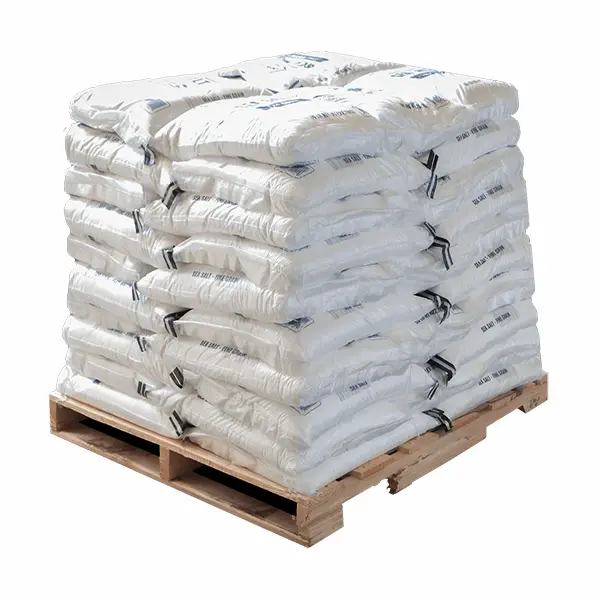
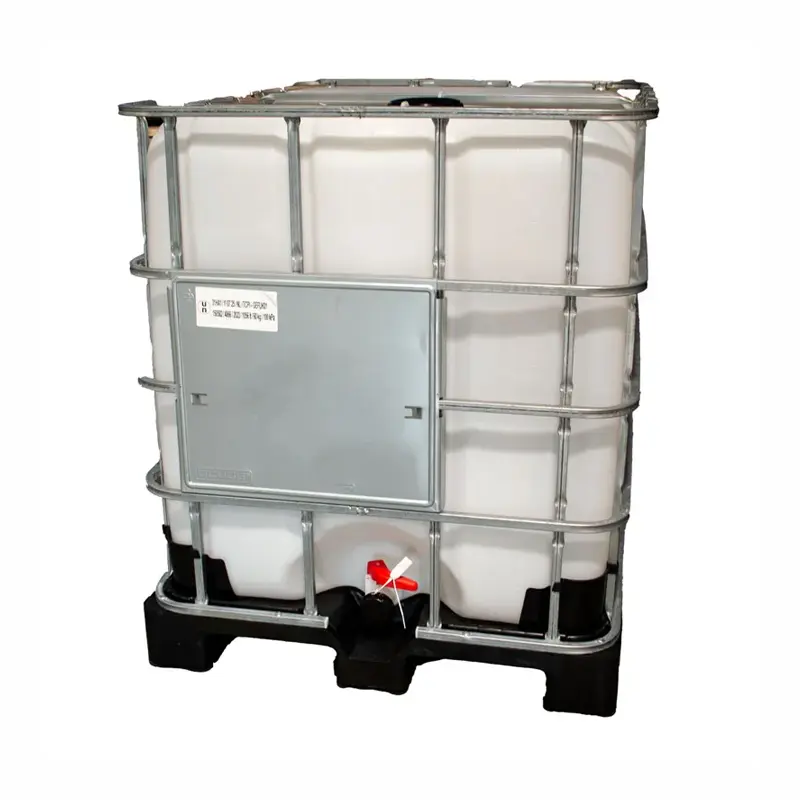
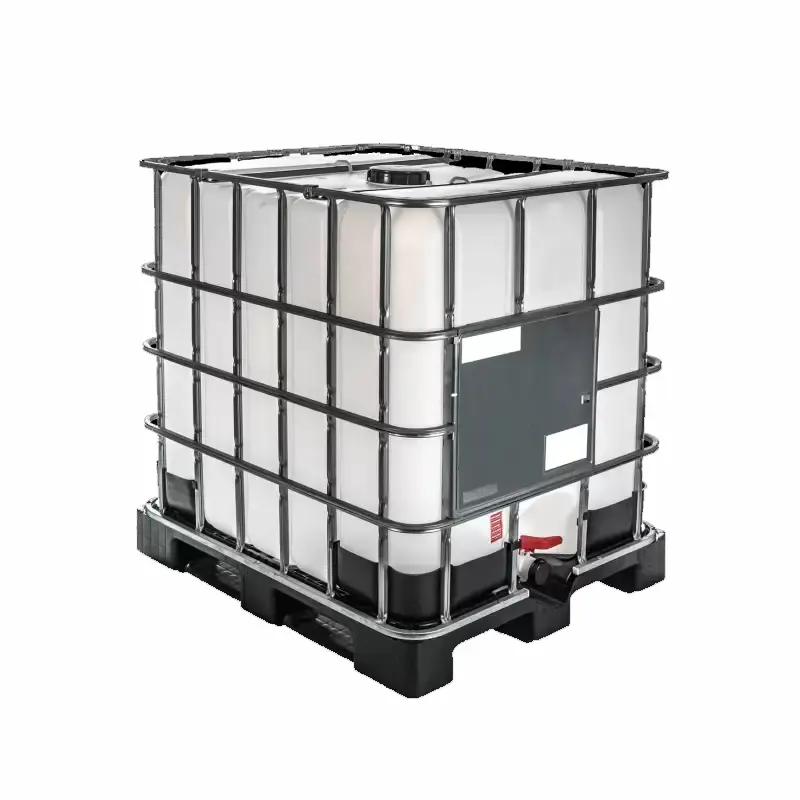
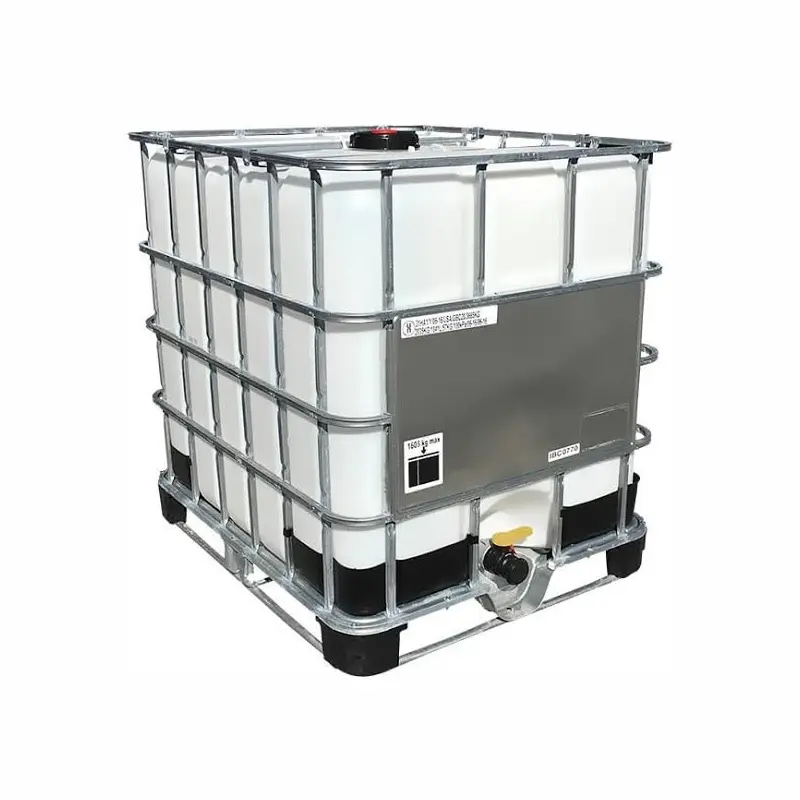
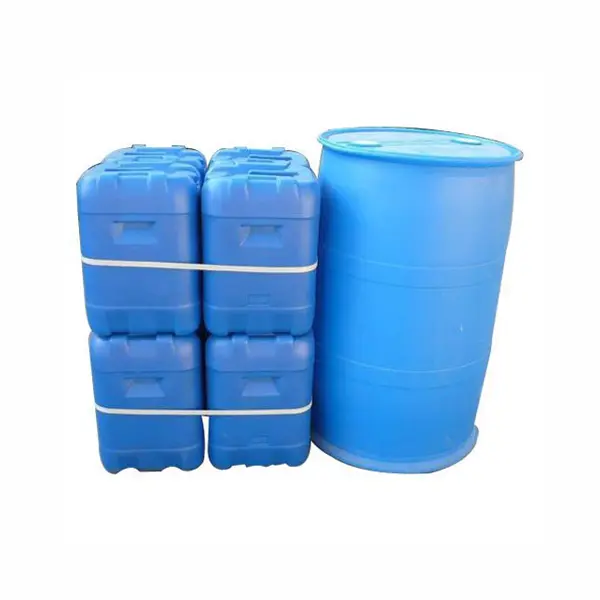
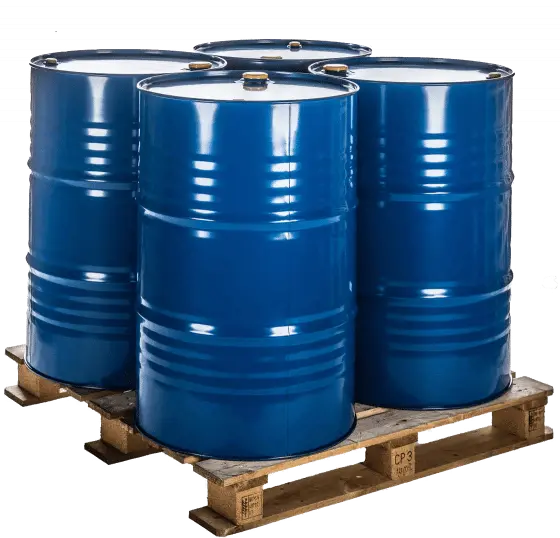
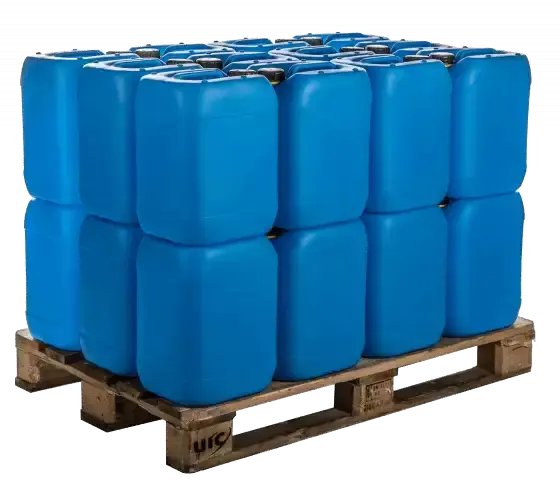
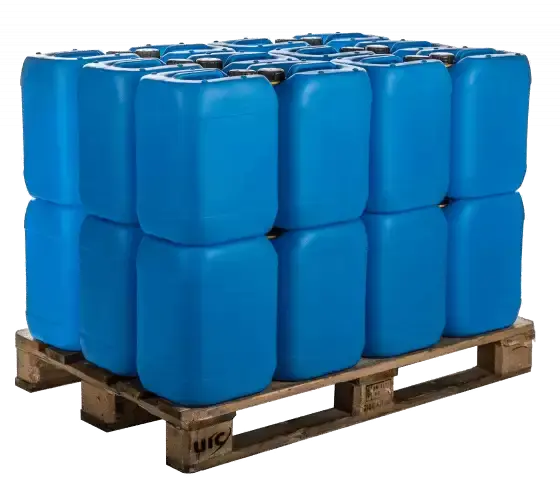
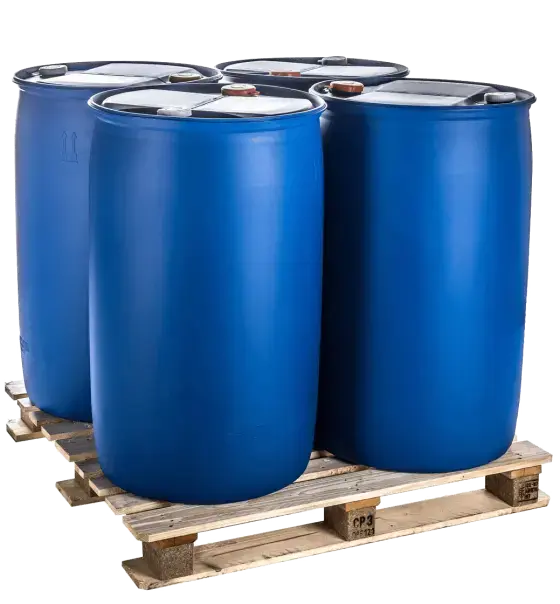
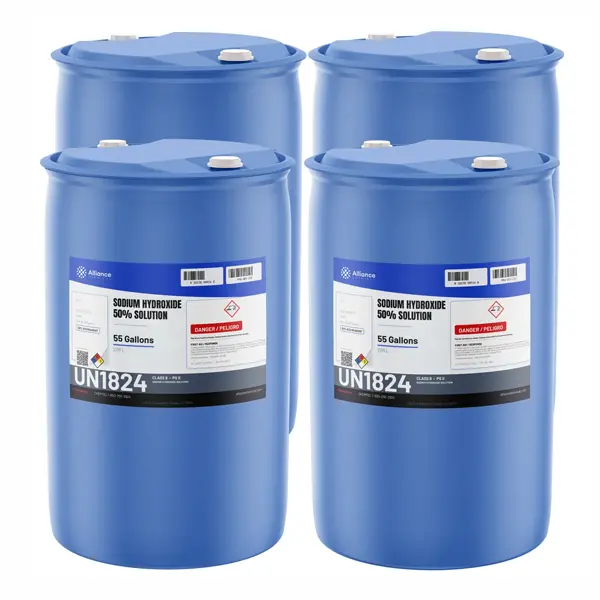
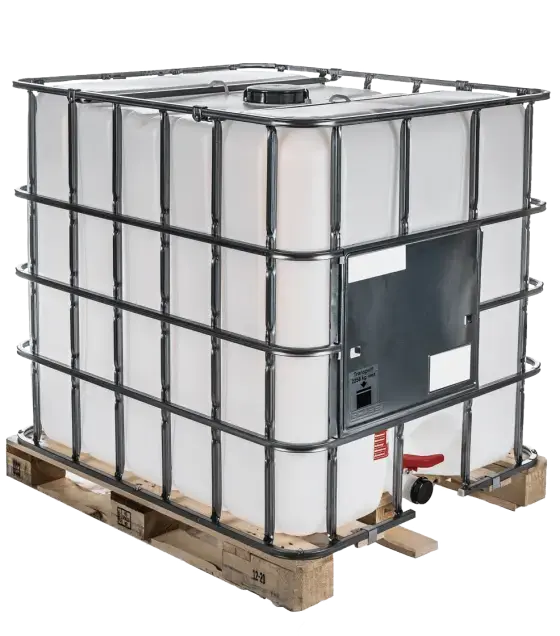
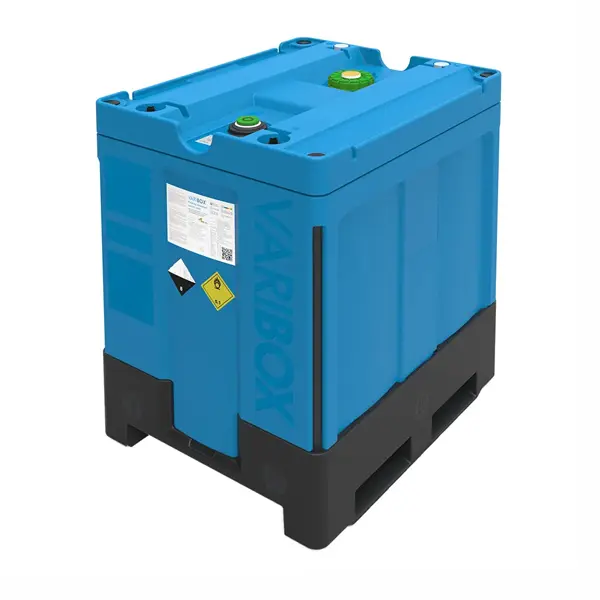
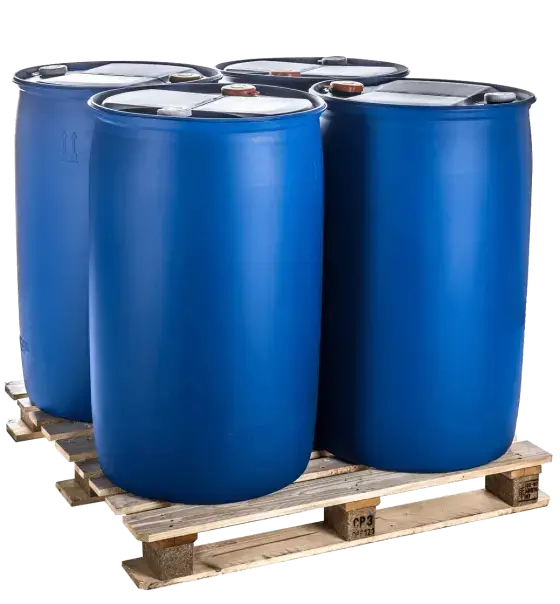
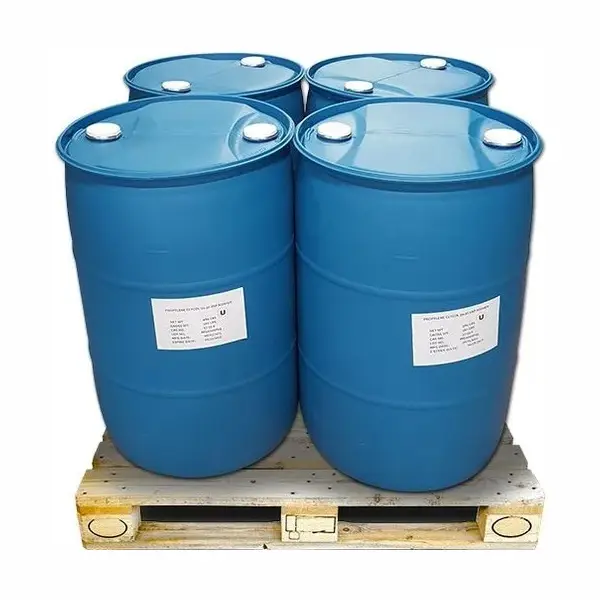
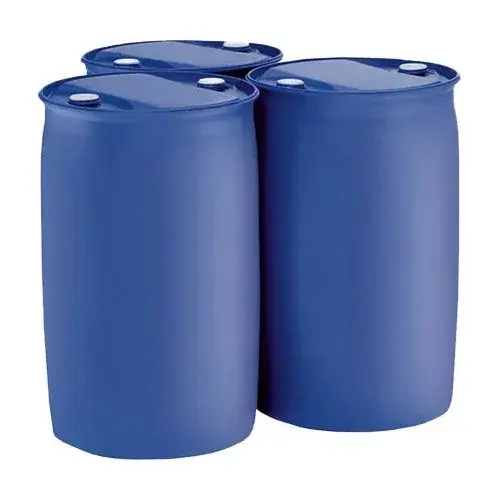
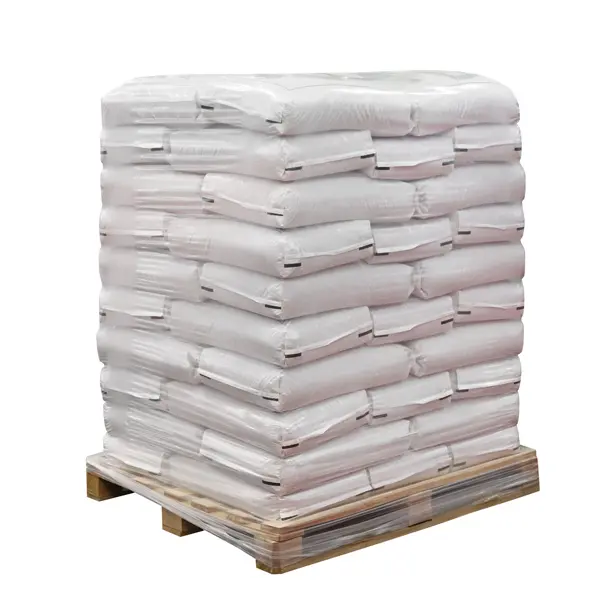
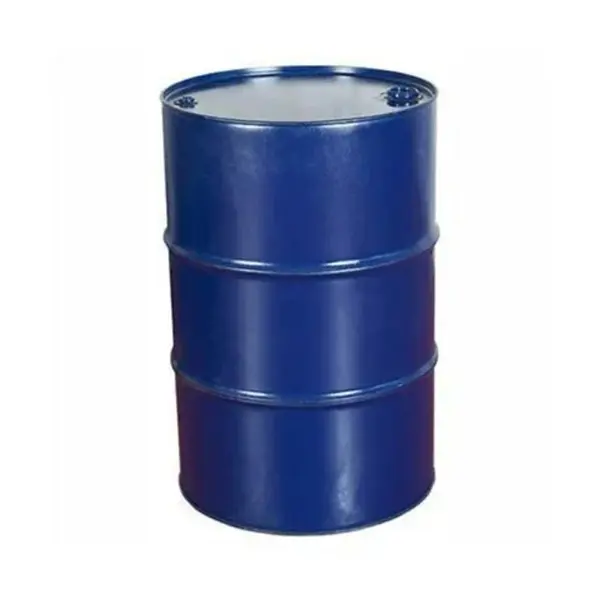
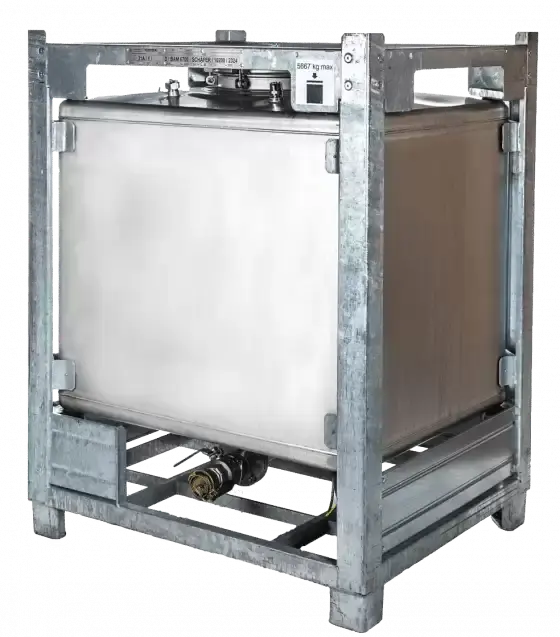
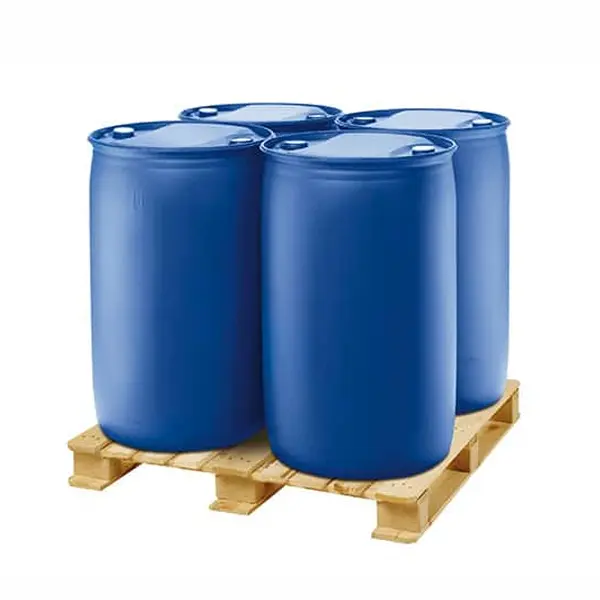
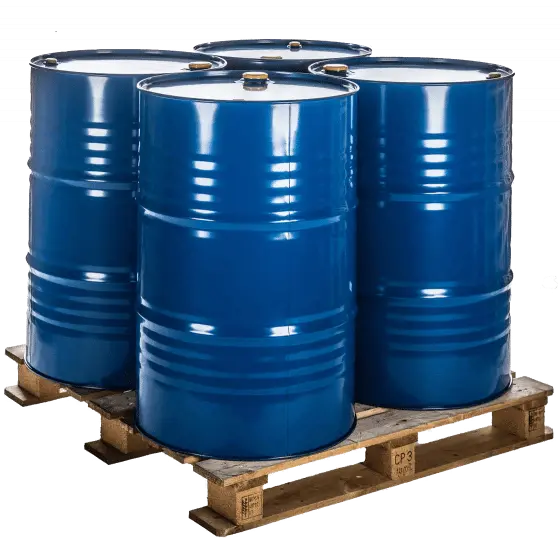
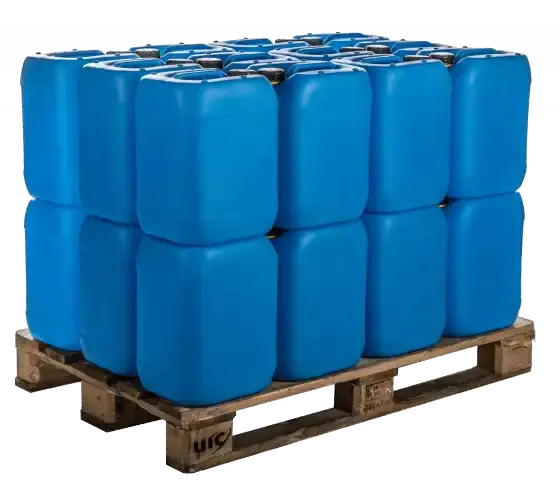
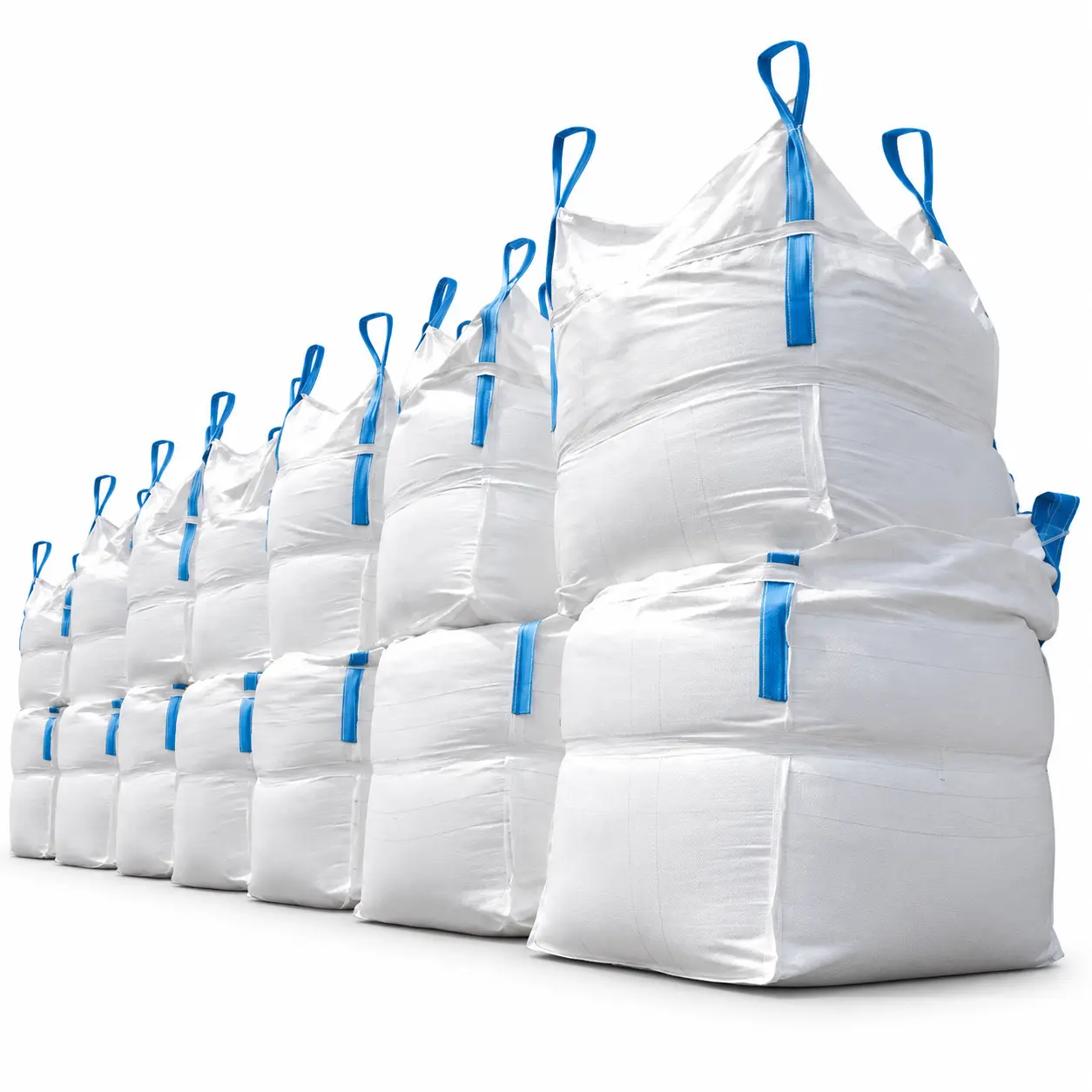
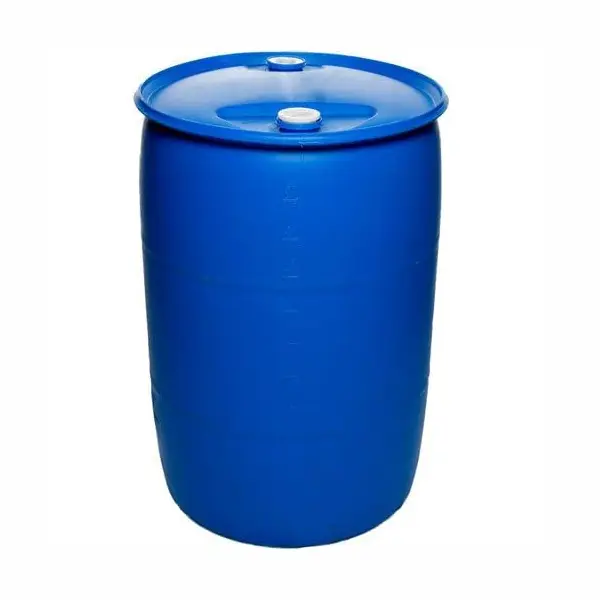
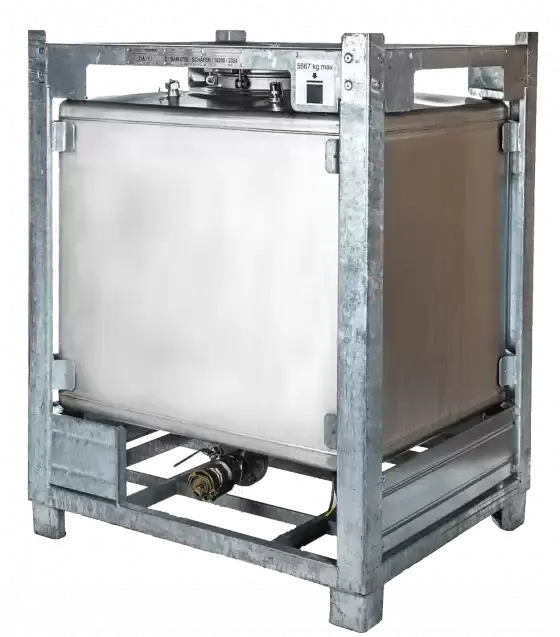
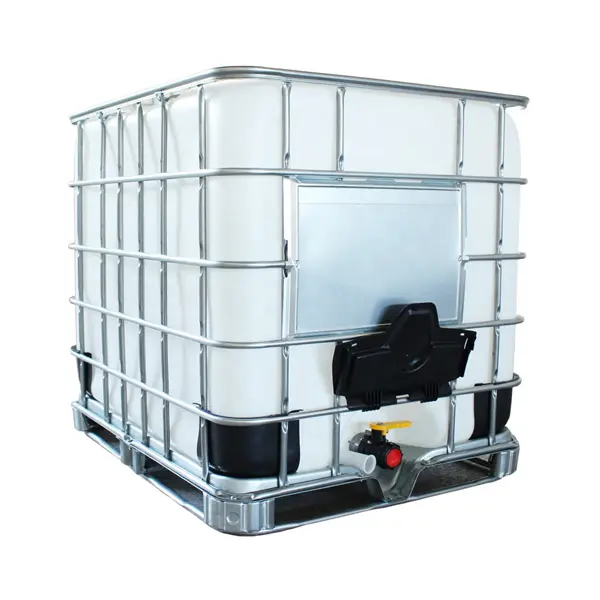
Store Sodium Silicate in suitable, tightly closed containers made from compatible materials and follow the supplier’s recommended storage conditions. Liquid grades should be protected from conditions that could affect product stability, while solid grades should be kept dry and protected from contamination. Sodium Silicate solutions are generally alkaline and may irritate or damage the eyes and skin depending on their concentration. Use suitable protective equipment and consult the Safety Data Sheet (SDS) for handling precautions, spill response, and disposal guidance.
Conclusion
Sodium Silicate is a versatile industrial chemical used in detergents, construction materials, adhesives, paper production, foundry operations, and water-treatment applications. Its binding, alkaline, and adhesive properties make it a valuable material across multiple manufacturing sectors. Selecting the correct grade and concentration is essential for achieving the desired performance and ensuring compatibility with the intended process.