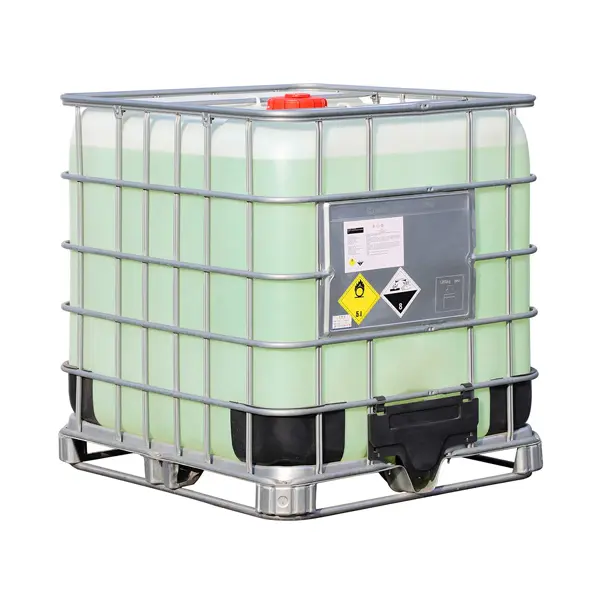
Sorbitol – High-Quality Sugar Alcohol for Food, Pharmaceutical, Cosmetic and Industrial Applications
Sorbitol is a versatile sugar alcohol, also known as glucitol, widely used in the food and beverage, pharmaceutical, cosmetic, oral care, and chemical manufacturing industries. It is valued for its humectant, sweetening, stabilizing, and moisture-retaining properties, making it an important ingredient in a wide range of commercial formulations.
Sorbitol is commonly produced through the hydrogenation of glucose and is available in liquid and crystalline forms. It is widely used as a sugar substitute in selected food products, a moisture-retaining agent in personal care formulations, and a functional excipient in pharmaceutical preparations.
Available in different grades and concentrations, Sorbitol can be selected according to specific manufacturing requirements, product specifications, and applicable industry standards.
Key Properties of Sorbitol
Sorbitol offers several functional characteristics that make it suitable for different industrial and commercial applications.
-
Humectant Properties: Helps retain moisture in suitable food, cosmetic, and pharmaceutical formulations.
-
Sweetening Ability: Provides sweetness with fewer calories per gram than conventional sugar.
-
Water Solubility: Dissolves readily in water, making it useful in various liquid formulations.
-
Stabilizing Function: Can help maintain texture and consistency in selected products.
-
Sugar Alcohol Composition: Belongs to the polyol family and is chemically classified as a sugar alcohol.
-
Formulation Versatility: Available in liquid solutions and crystalline grades for different applications.
-
Non-Cariogenic Properties: Does not promote tooth decay in the same way as fermentable sugars, supporting its use in oral care products.
Applications of Sorbitol
1. Food and Beverage Industry
Food-grade Sorbitol is widely used as a sweetener, humectant, and texture-modifying ingredient in selected food products. It is commonly found in sugar-free confectionery, chewing gum, bakery products, desserts, and other processed foods.
Sorbitol helps maintain moisture and can contribute to the desired texture and consistency of finished products. Its use must comply with applicable food regulations and permitted concentration limits.
2. Pharmaceutical Industry
Pharmaceutical-grade Sorbitol is used as an excipient in selected oral liquids, syrups, tablets, and other pharmaceutical formulations. It may function as a sweetener, humectant, or formulation aid depending on the intended product.
The appropriate grade must meet relevant pharmacopeial standards and formulation requirements.
3. Cosmetics and Personal Care
Sorbitol is widely used in cosmetic and personal care formulations because of its moisture-retaining properties. It may be incorporated into products such as:
-
Moisturizing creams and lotions
-
Facial cleansers
-
Liquid soaps
-
Shampoos and conditioners
-
Skincare formulations
-
Other compatible personal care products
In these formulations, Sorbitol can help reduce moisture loss from the product and contribute to desirable texture and application characteristics.
4. Toothpaste and Oral Care Products
Sorbitol is an important ingredient in many toothpaste and oral care formulations. It functions primarily as a humectant and may also contribute sweetness.
Its moisture-retaining properties help prevent toothpaste from drying out during normal storage and use, while its non-cariogenic characteristics make it suitable for selected oral hygiene products.
5. Chemical Manufacturing
Sorbitol is used as a raw material or intermediate in various chemical manufacturing processes. It can be used in the production of selected sorbitan derivatives, surfactants, and other specialty chemicals.
Its multiple hydroxyl groups make it useful in chemical reactions requiring polyol functionality.
6. Industrial Applications
Depending on the grade and formulation, Sorbitol may be used in selected industrial products, including specialty chemical formulations, processing aids, and materials that require moisture management or polyol-based ingredients.
Industrial suitability should be verified using the manufacturer's technical specifications.
Benefits of Using Sorbitol
-
Provides effective moisture retention in suitable formulations.
-
Offers an alternative sweetening ingredient for selected food products.
-
Helps maintain product texture and consistency.
-
Supports the development of sugar-free and reduced-sugar formulations.
-
Functions as a humectant in toothpaste, cosmetics, and personal care products.
-
Can be used as an excipient in pharmaceutical formulations.
-
Serves as a versatile raw material for specialty chemical manufacturing.
-
Is available in different grades and physical forms for commercial applications.
Sorbitol Grades and Available Forms
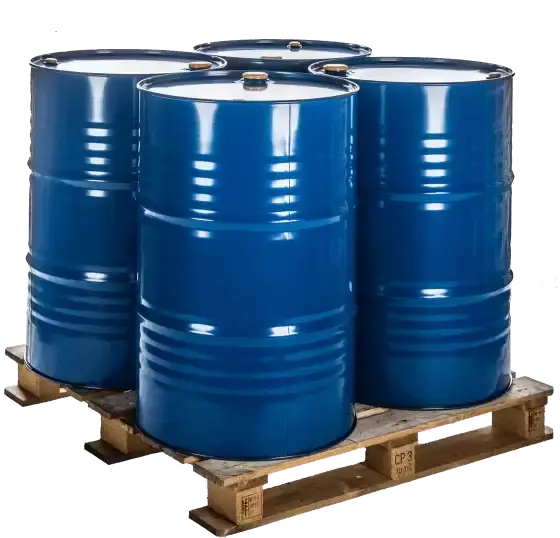
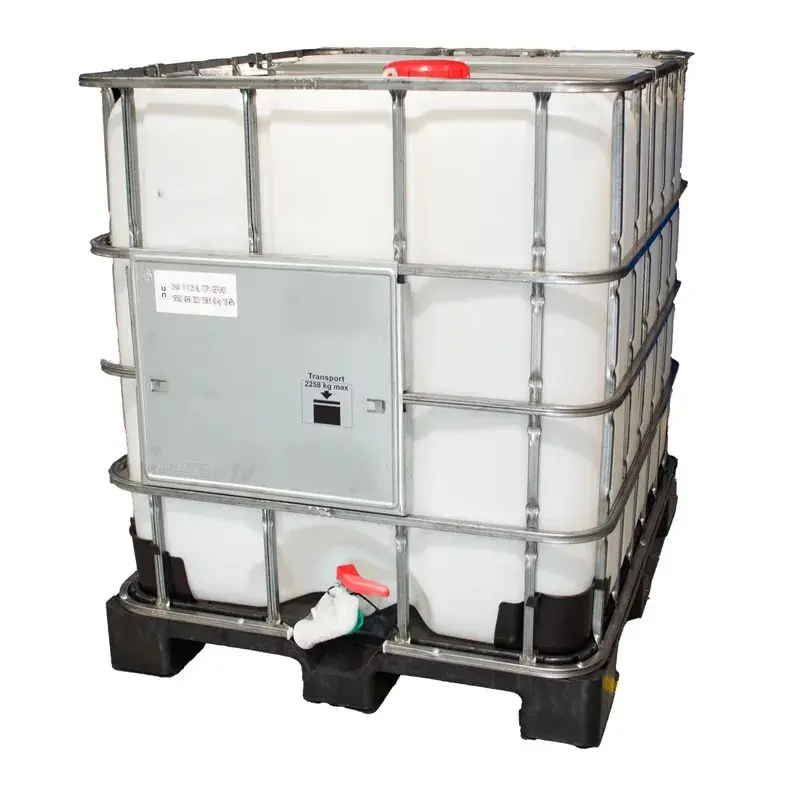
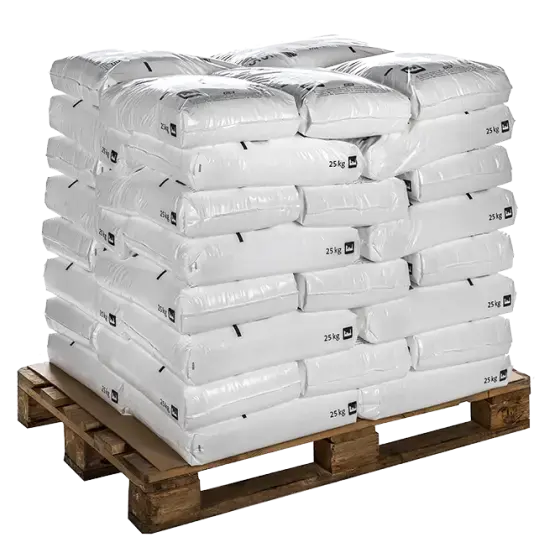
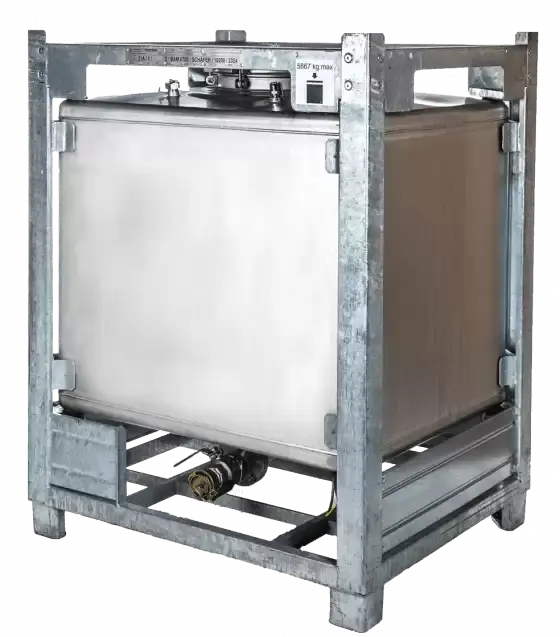
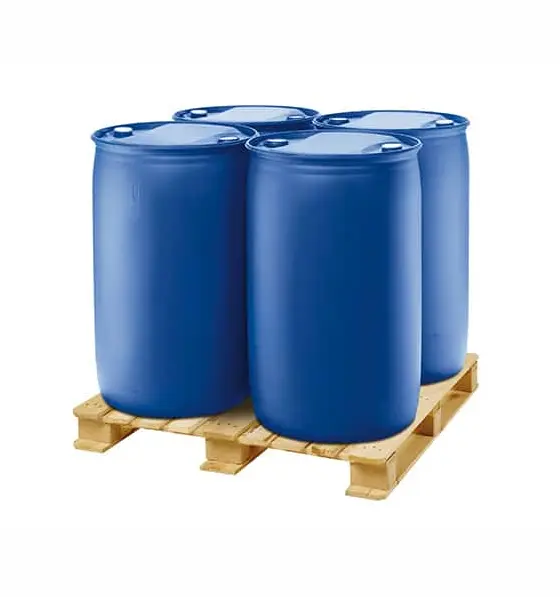
Sorbitol is commercially available in different forms depending on manufacturing and application requirements.
Liquid Sorbitol
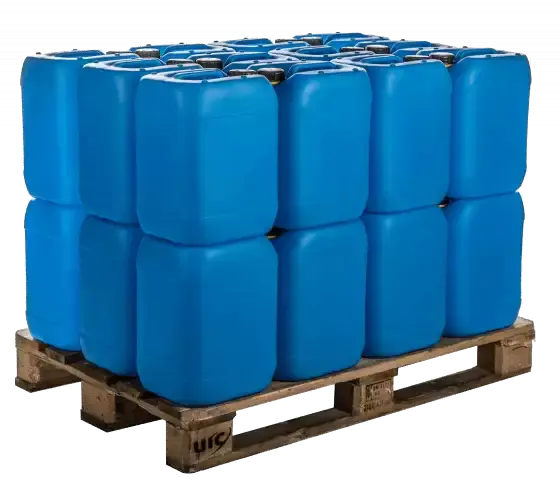
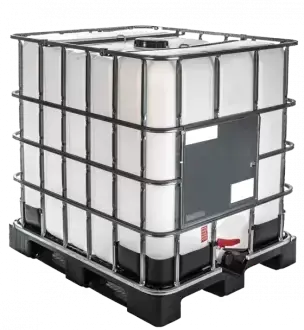
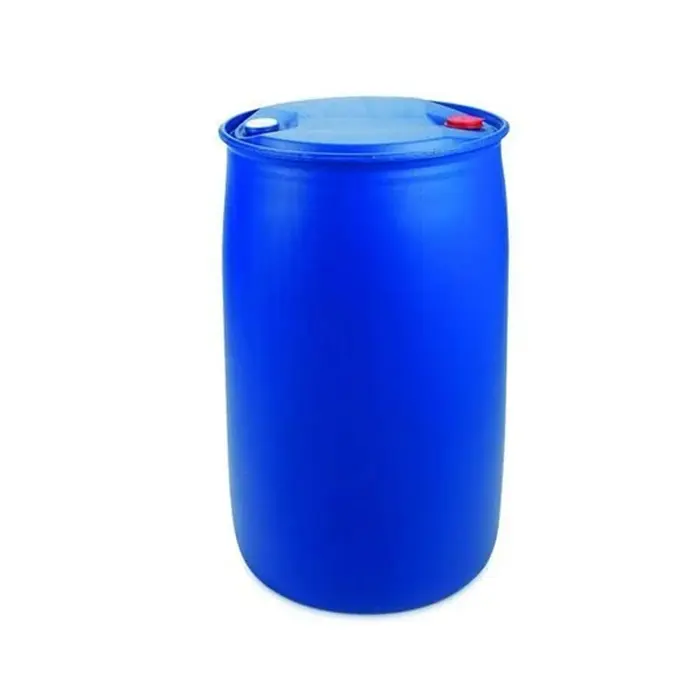
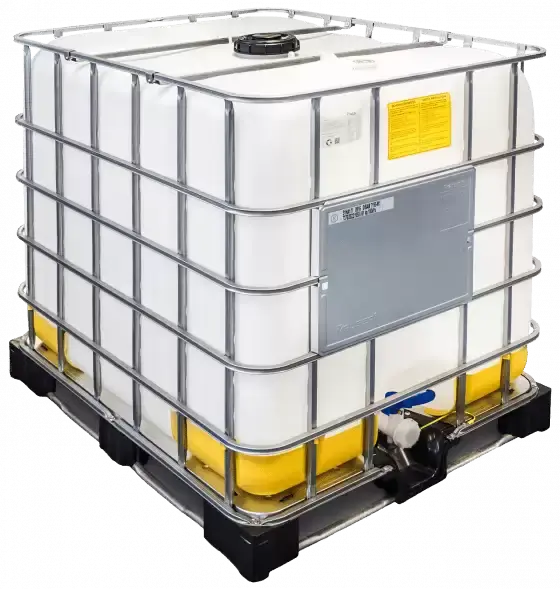
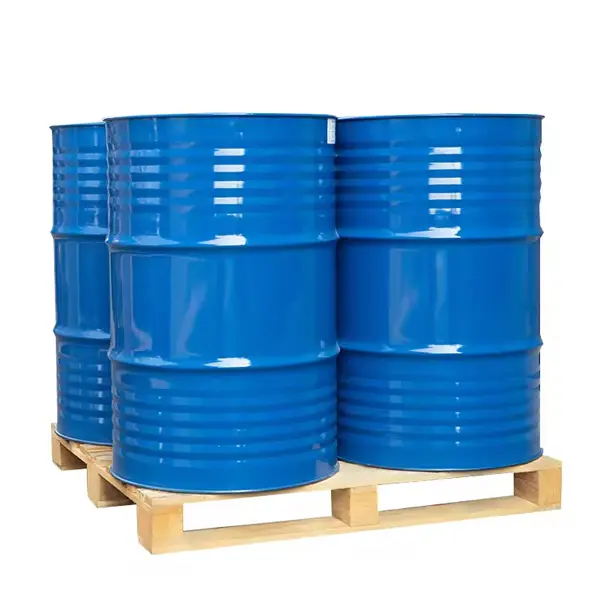
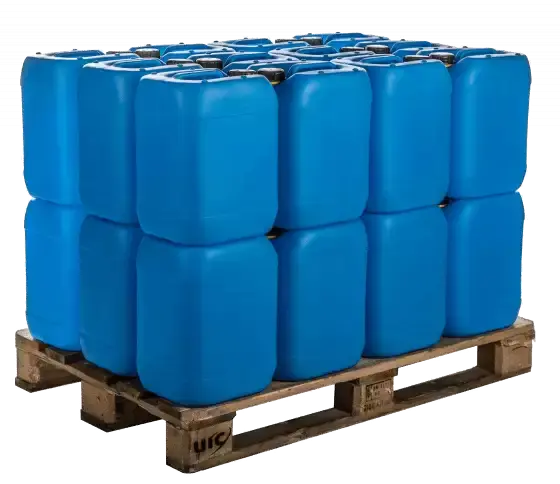
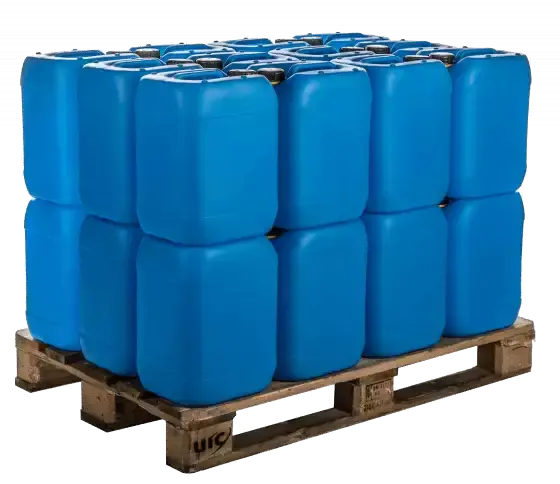
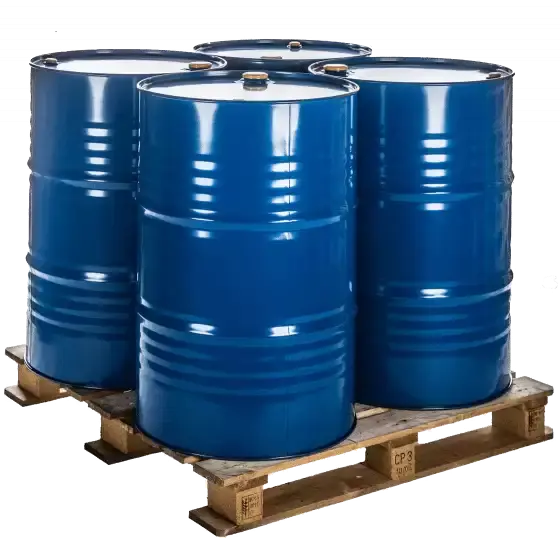
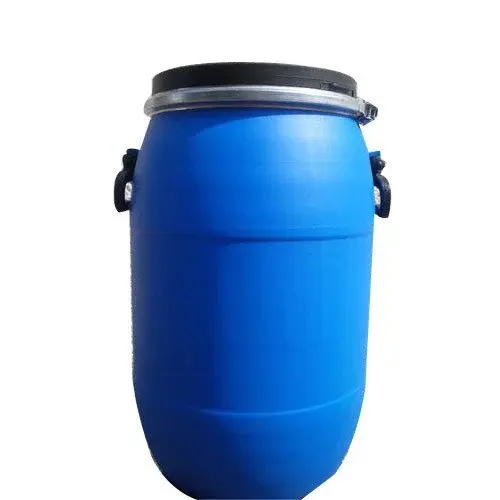
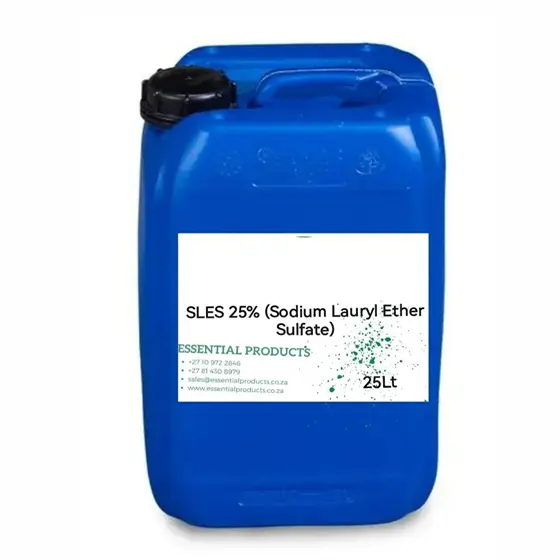
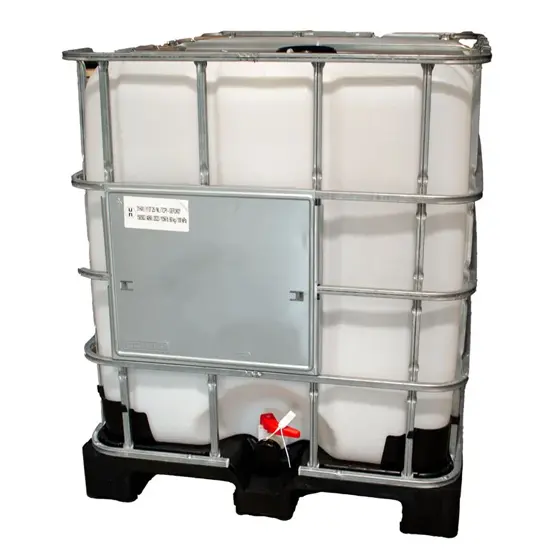
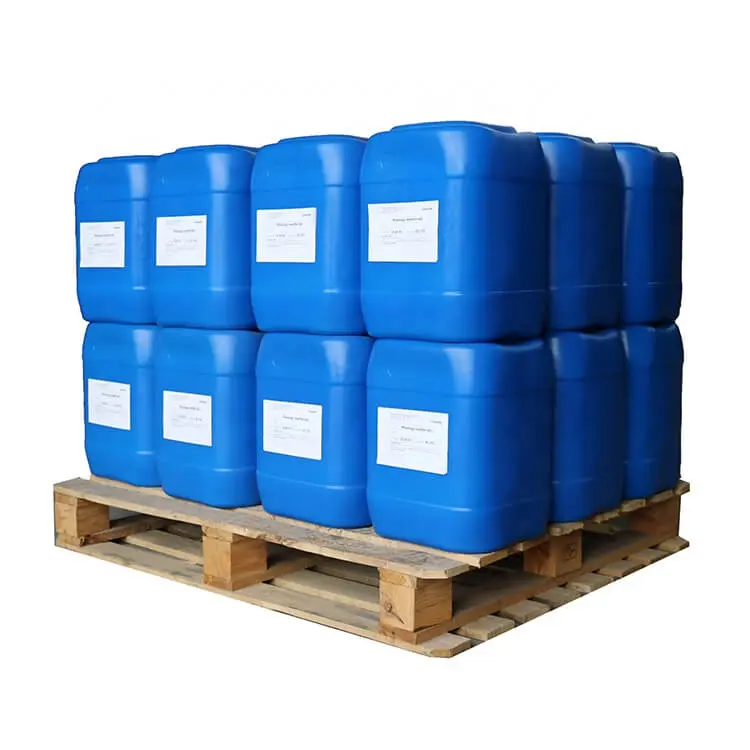
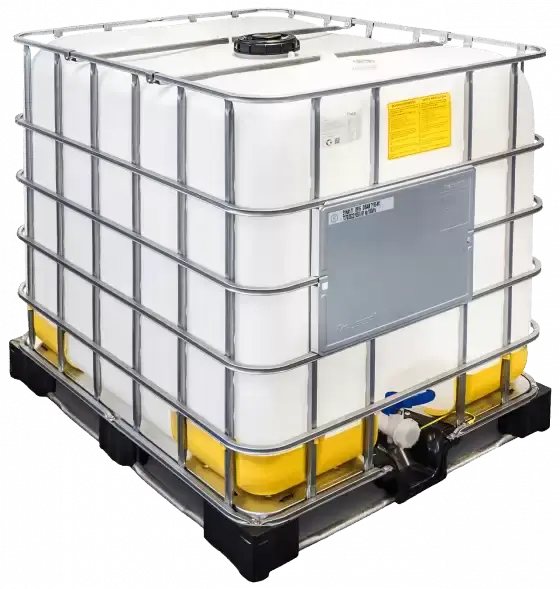
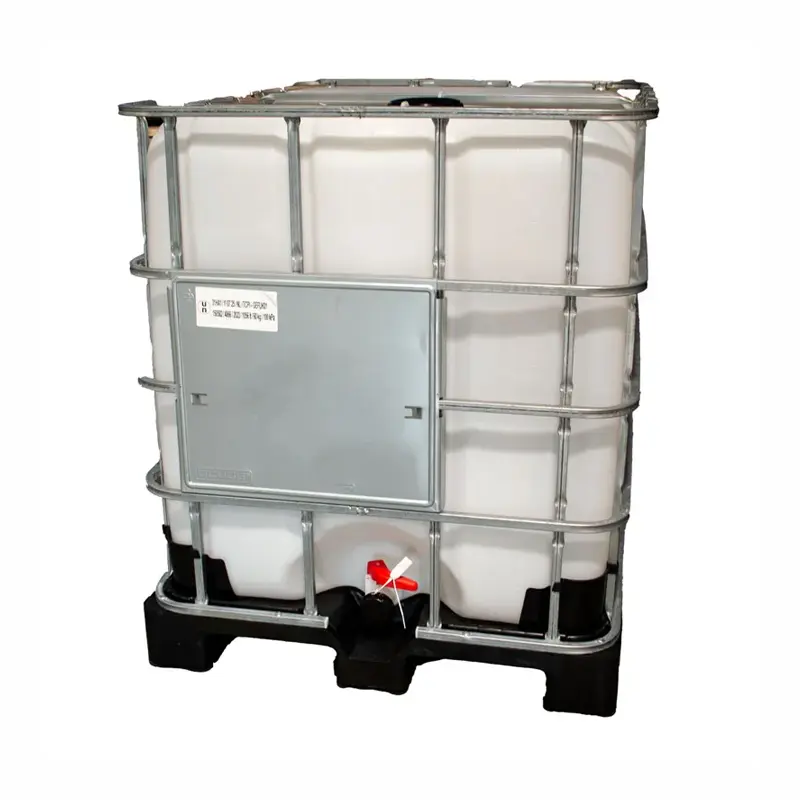
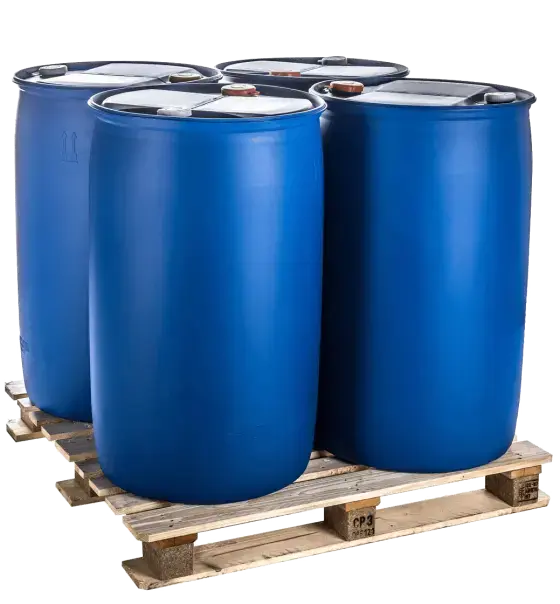
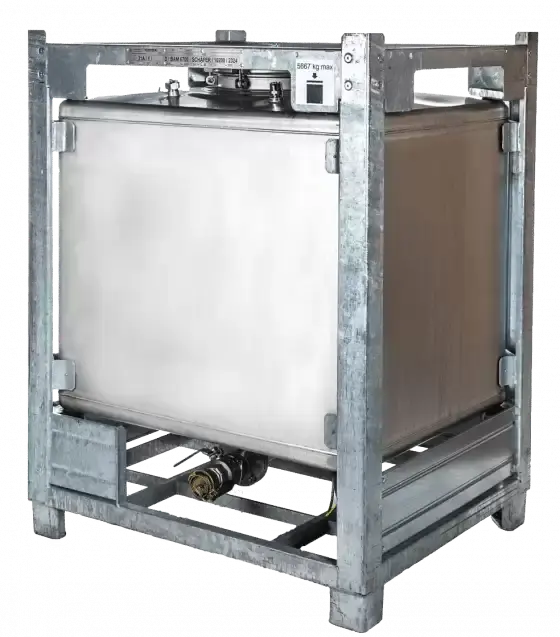
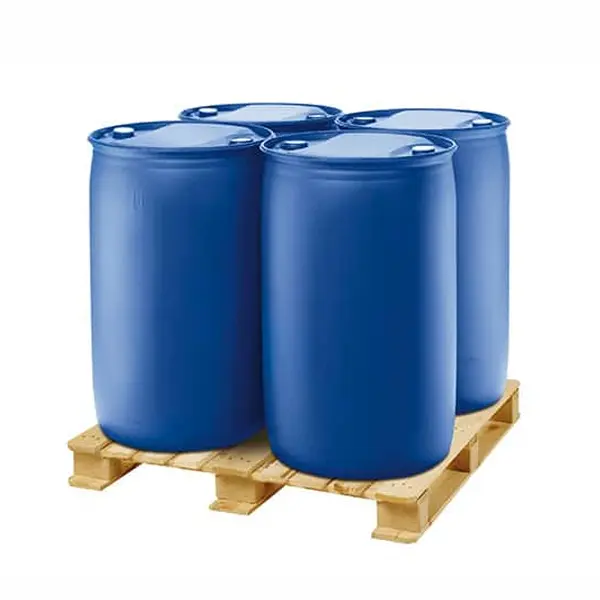
Liquid Sorbitol is commonly supplied as an aqueous solution, often with approximately 70% sorbitol content, depending on the product specification. It is frequently used in food processing, oral care, pharmaceuticals, and cosmetic formulations.
Crystalline Sorbitol
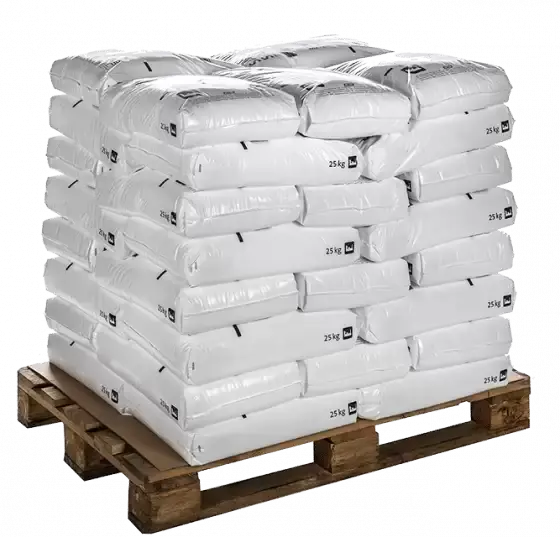
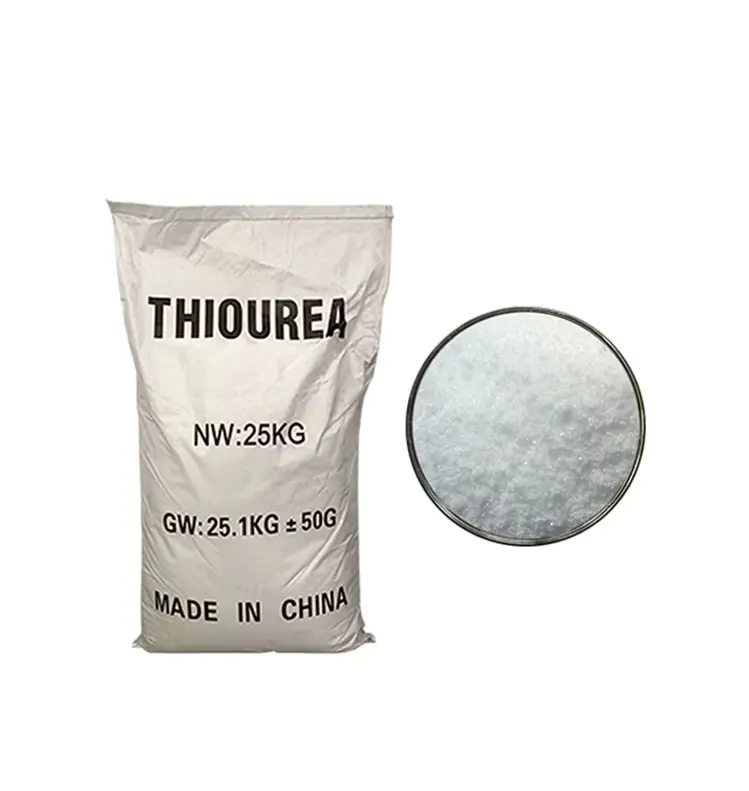
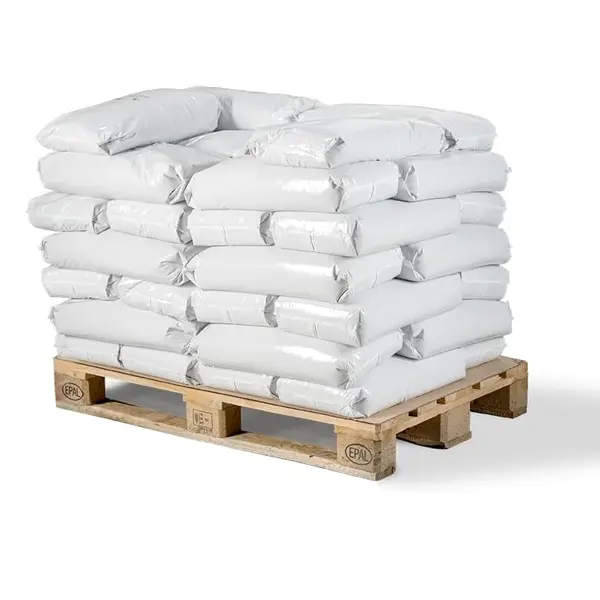
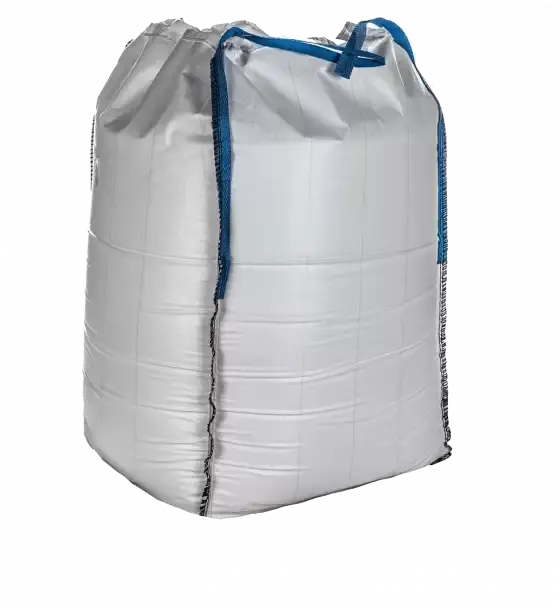
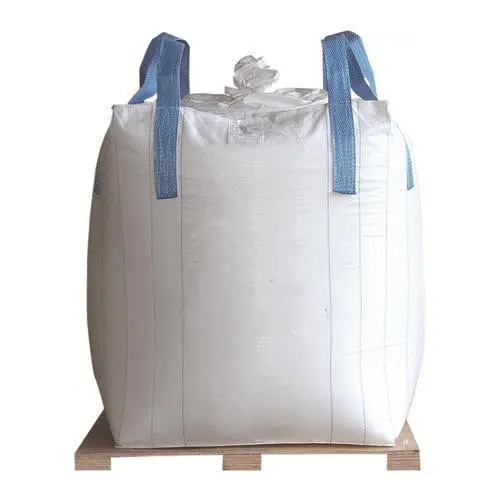
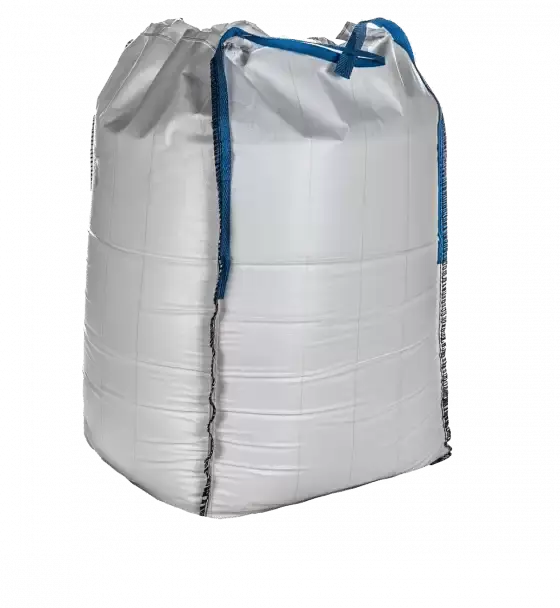
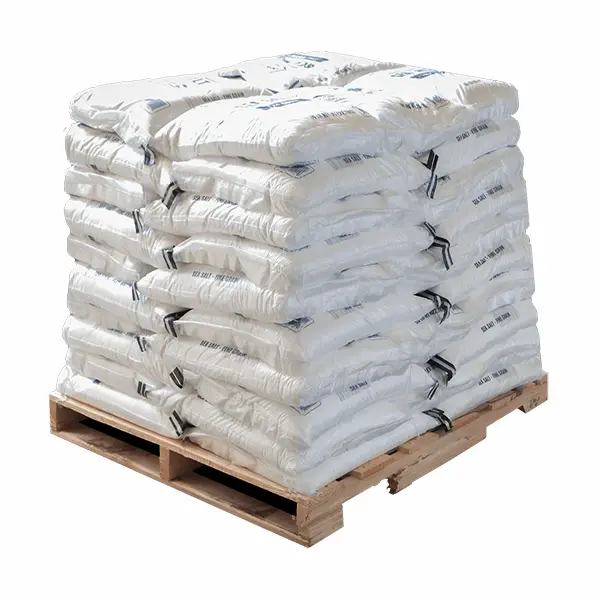
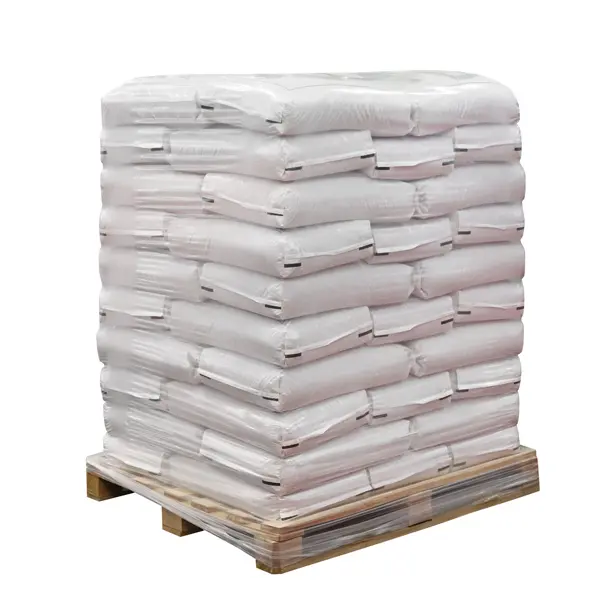
Crystalline Sorbitol is supplied in solid form and is suitable for selected dry food products, pharmaceutical preparations, and other applications requiring a powdered or crystalline ingredient.
Food and Pharmaceutical Grades
Food-grade and pharmaceutical-grade Sorbitol are manufactured to meet applicable quality and purity requirements. The appropriate grade should always be selected according to the intended use and relevant regulatory standards.
Quality and Product Specifications
Selecting high-quality Sorbitol is important for achieving consistent product performance. Manufacturers and buyers should review the technical data sheet and certificate of analysis before purchasing.
Important quality parameters may include:
-
Sorbitol content and purity
-
Appearance and color
-
Moisture content
-
pH
-
Reducing sugars
-
Related polyols and impurities
-
Microbiological specifications, where applicable
-
Compliance with relevant food or pharmaceutical standards
Specifications vary according to the product grade, manufacturing process, and supplier.
Safety, Storage and Handling
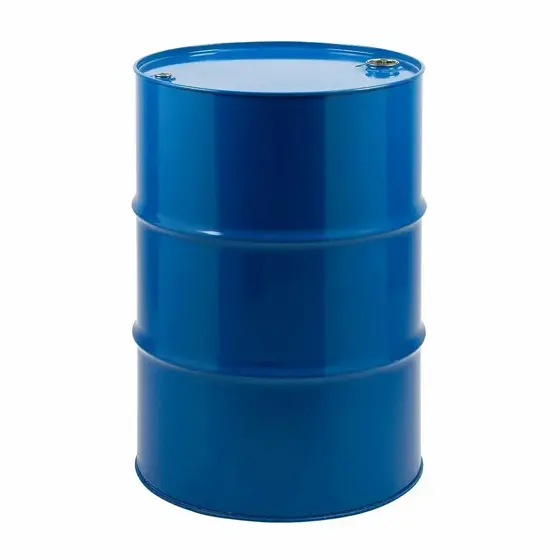
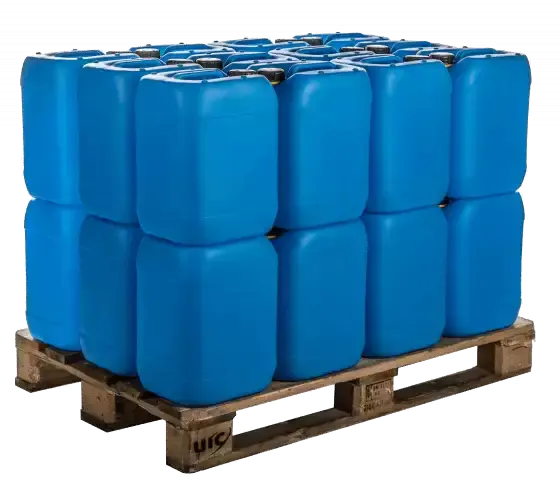
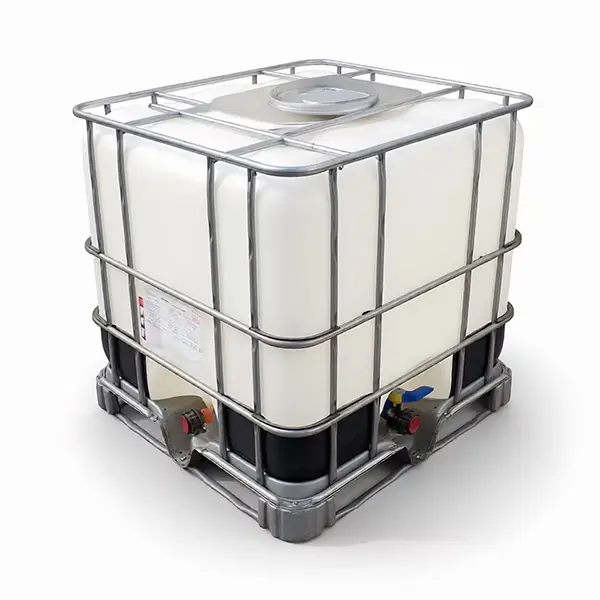
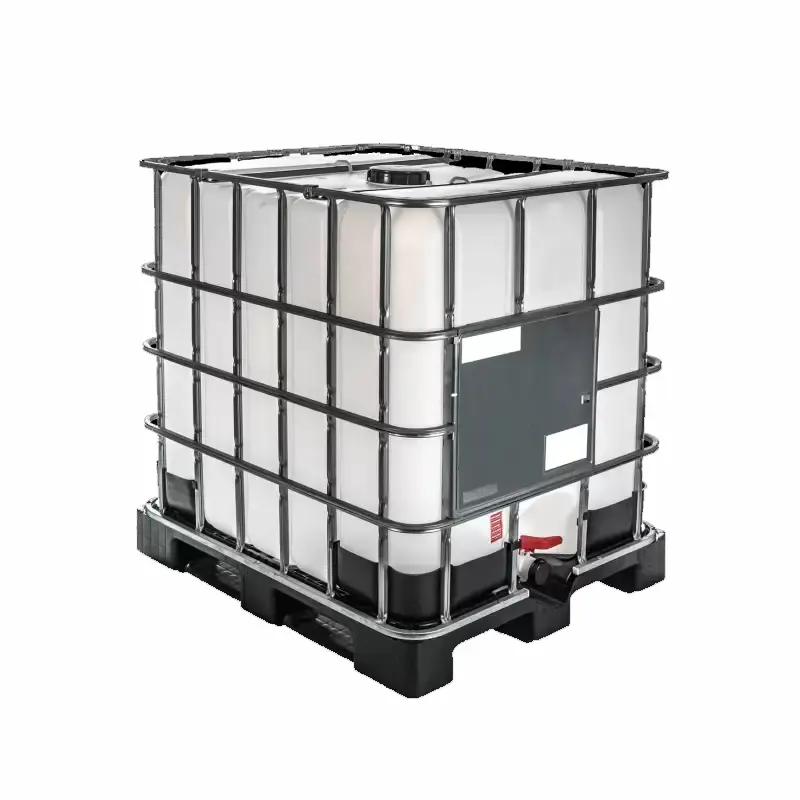
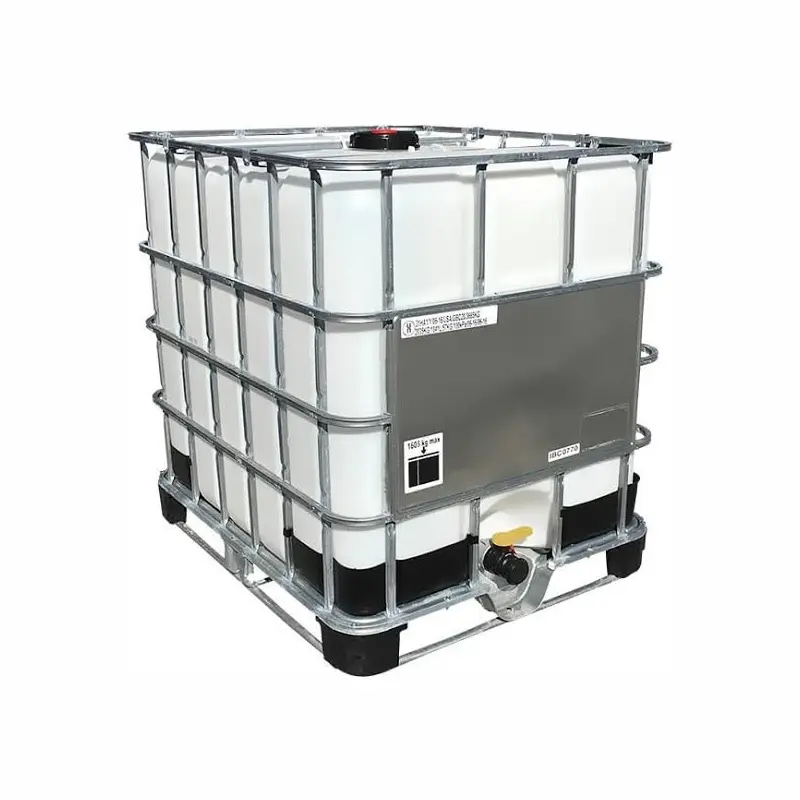
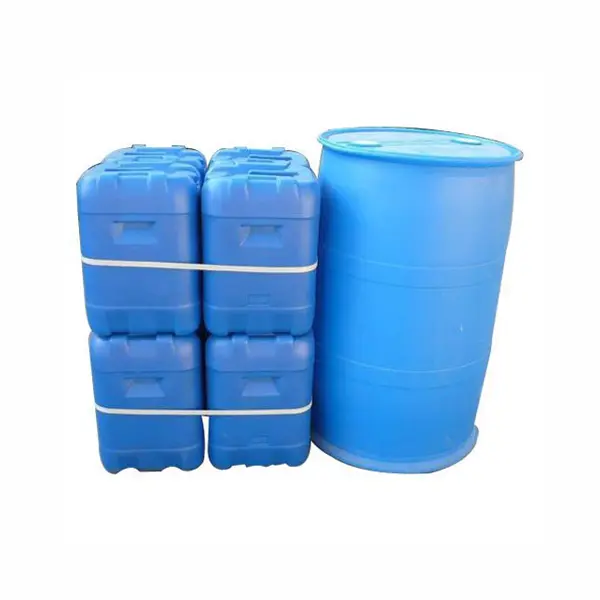
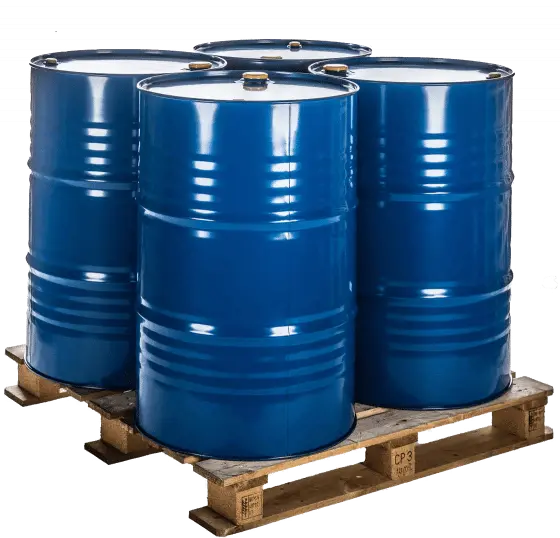
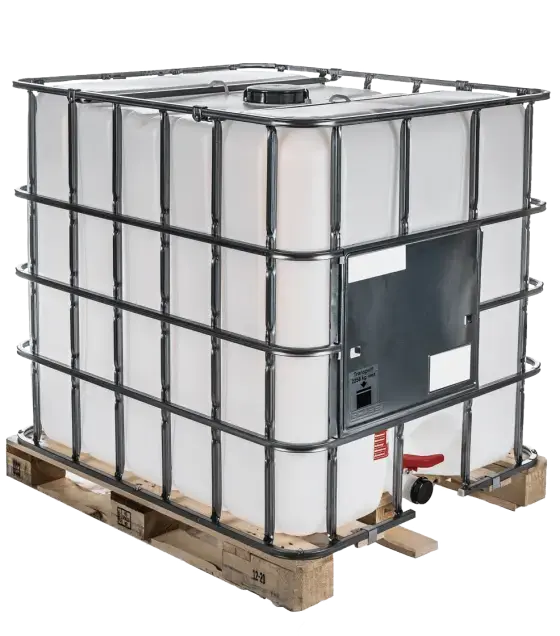
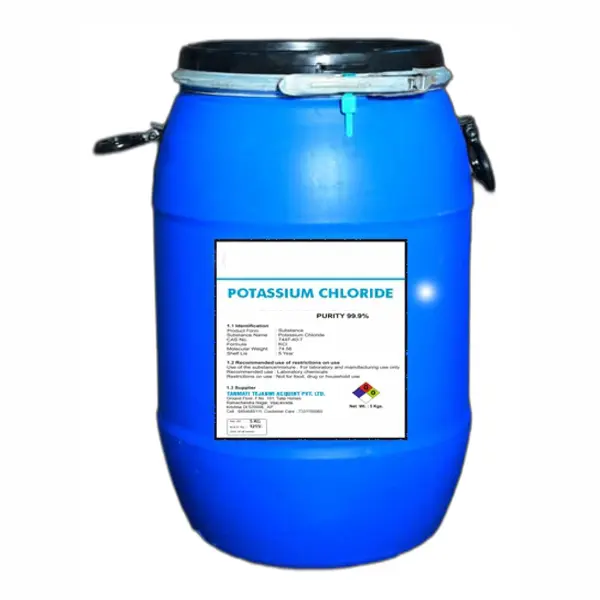
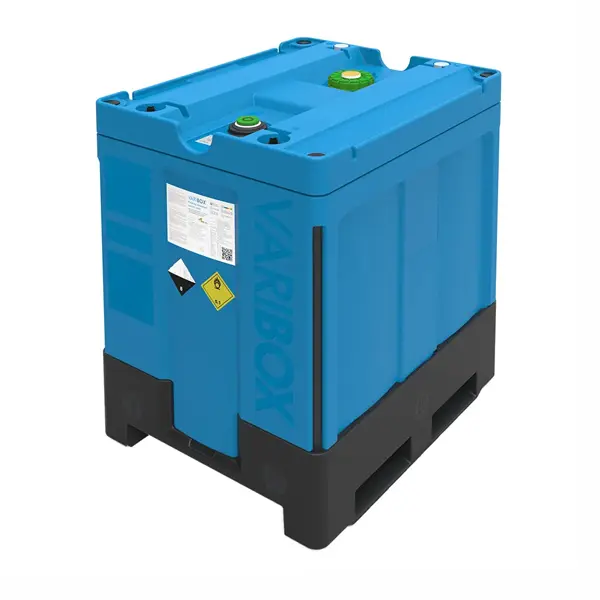
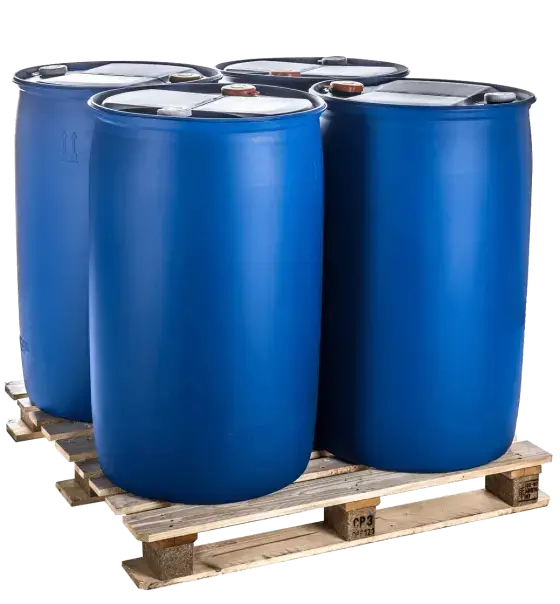
Sorbitol should be stored in suitable, tightly closed containers under the conditions recommended by the manufacturer. Protect the product from contamination, excessive heat, and unsuitable storage environments.
Food and pharmaceutical applications require appropriate hygiene practices and compliance with relevant quality standards.
Although Sorbitol is widely used in food products, excessive consumption may cause gastrointestinal discomfort and laxative effects. Product manufacturers should follow applicable labeling and usage requirements.
Why Choose Sorbitol?
Sorbitol is a multifunctional ingredient that provides valuable sweetening, moisture-retaining, and formulation-supporting properties across numerous industries.
Its applications in food manufacturing, pharmaceuticals, cosmetics, toothpaste, and chemical production make it an important raw material for businesses developing a wide range of consumer and industrial products.
By selecting the correct grade and following suitable manufacturing practices, businesses can incorporate Sorbitol into formulations requiring reliable functional performance.
Conclusion
Sorbitol is a widely used sugar alcohol valued for its humectant, sweetening, stabilizing, and moisture-retaining properties. From sugar-free confectionery and pharmaceutical syrups to toothpaste, skincare products, and specialty chemicals, Sorbitol plays an important role in modern manufacturing.
For consistent results, manufacturers should select the appropriate Sorbitol grade, verify product specifications, and follow relevant safety and quality requirements.