Nitric Acid – Industrial Acid for Chemical Manufacturing and Metal Processing
Introduction
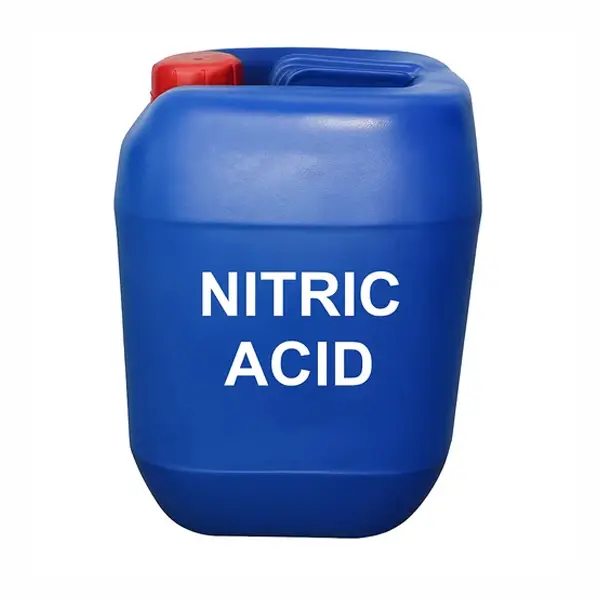
Nitric Acid is a strong inorganic acid widely used in chemical manufacturing, metal treatment, fertilizer production, and various industrial processing applications. It is a colorless to pale yellow liquid with the chemical formula HNO₃. Its strong acidic and oxidizing properties make it an important raw material for producing nitrates and other chemical compounds.
Available in different commercial concentrations, Nitric Acid is supplied according to application requirements and applicable industrial specifications. Concentration, purity, and packaging should be confirmed with the supplier before purchase.
Industrial Applications
Nitric Acid is used across several industrial sectors because of its acidic and oxidizing characteristics.
- Fertilizer Manufacturing: Used in the production of ammonium nitrate and other nitrate-based compounds for fertilizer applications.
- Chemical Manufacturing: Serves as a raw material in the production of various inorganic and organic chemicals.
- Metal Processing: Used in controlled metal pickling, surface treatment, and passivation processes for suitable metals and alloys.
- Laboratory Applications: Used as an analytical reagent in laboratories and quality-control facilities.
- Specialty Chemical Production: Supports the manufacture of nitrate salts and selected industrial intermediates.
- Industrial Cleaning and Treatment: Used in specialized processes where strong acidic or oxidizing action is required, subject to material compatibility and safety procedures.
Key Benefits
-
Strong acidic properties suitable for demanding industrial processes.
-
Effective oxidizing characteristics for selected chemical reactions.
-
Important raw material for nitrate production and chemical synthesis.
-
Available in different commercial grades and concentrations.
-
Suitable for established industrial applications with appropriate process controls.
-
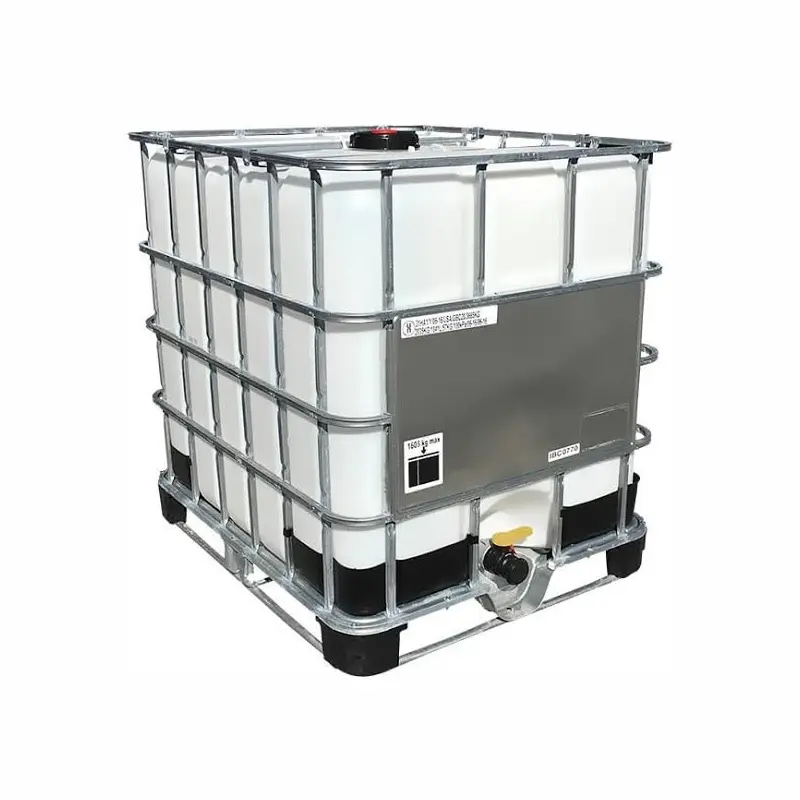
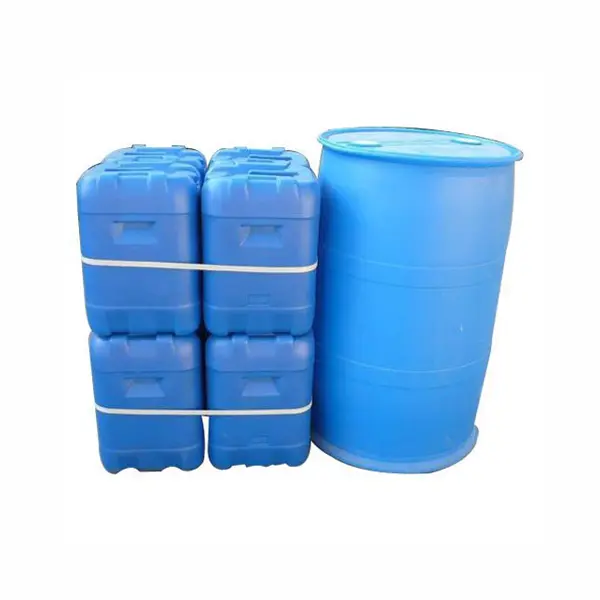
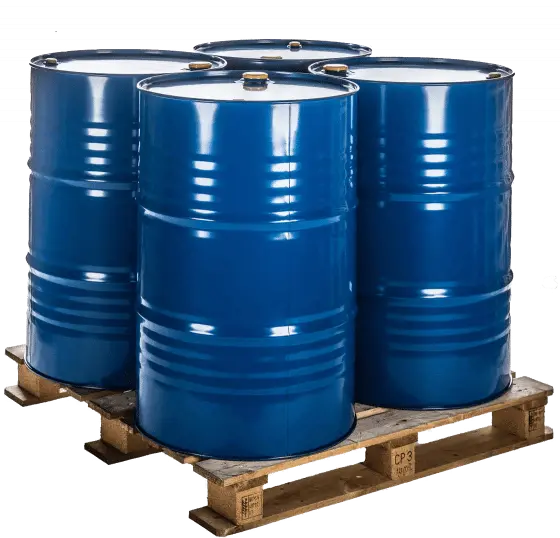
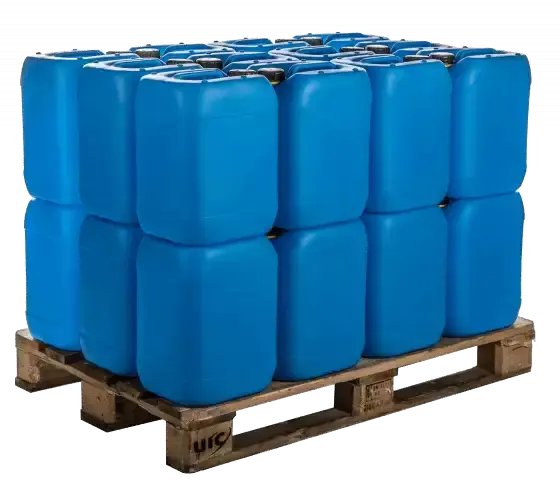
Can be sourced in packaging formats based on supplier availability and customer requirements.
Product Specifications
| Specification | Details |
|---|---|
| Product Name | Nitric Acid |
| Chemical Formula | HNO₃ |
| CAS Number | 7697-37-2 |
| Molecular Weight | 63.01 g/mol |
| Appearance | Colorless to pale yellow liquid |
| Odor | Sharp, pungent odor; vapors are hazardous |
| Solubility | Miscible with water |
| Chemical Nature | Strong inorganic acid and oxidizing agent |
| Common Applications | Fertilizers, chemical manufacturing, metal treatment, laboratory analysis |
| Concentration | Grade-dependent; confirm with supplier |
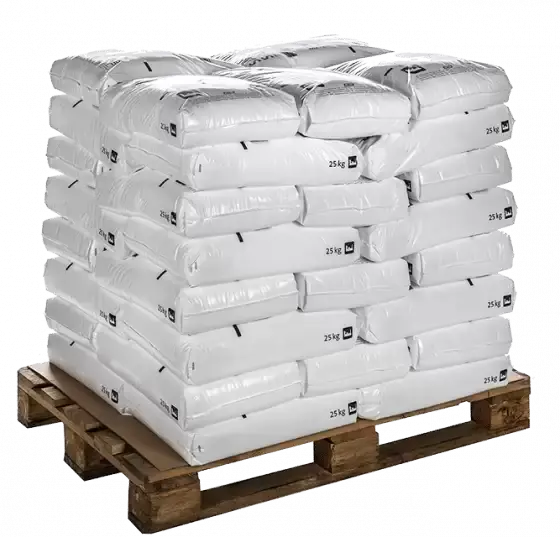
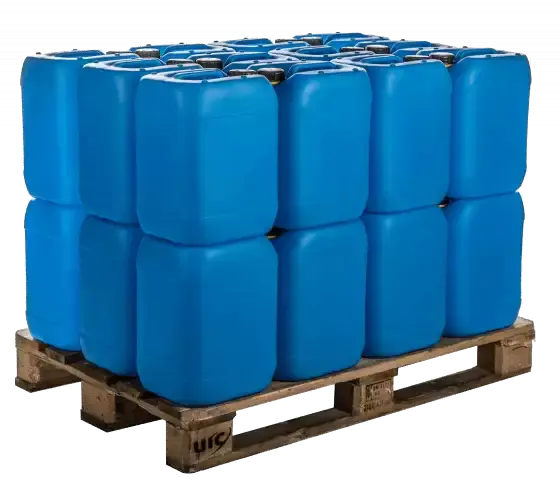
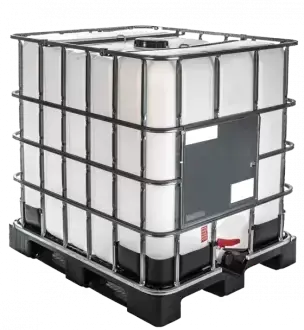
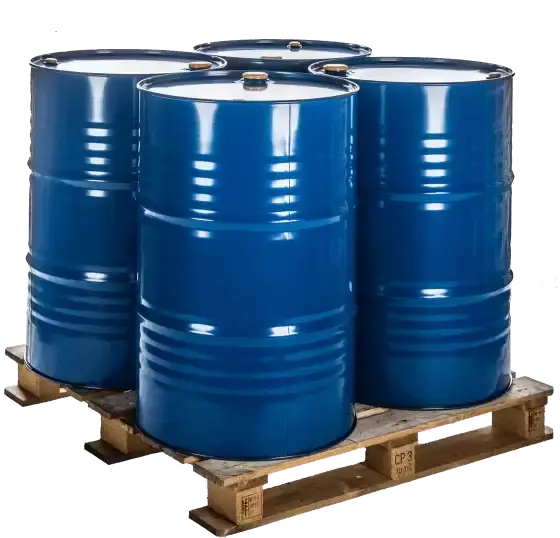
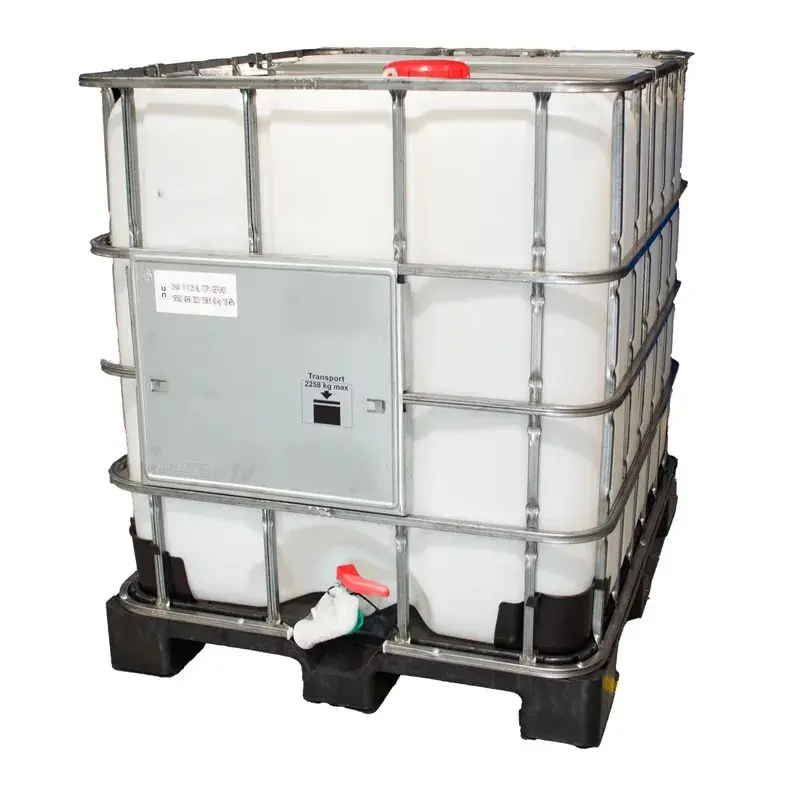
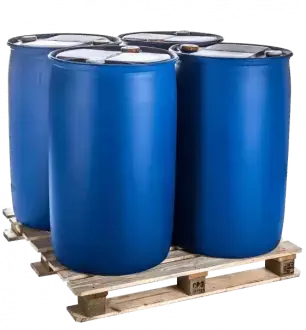
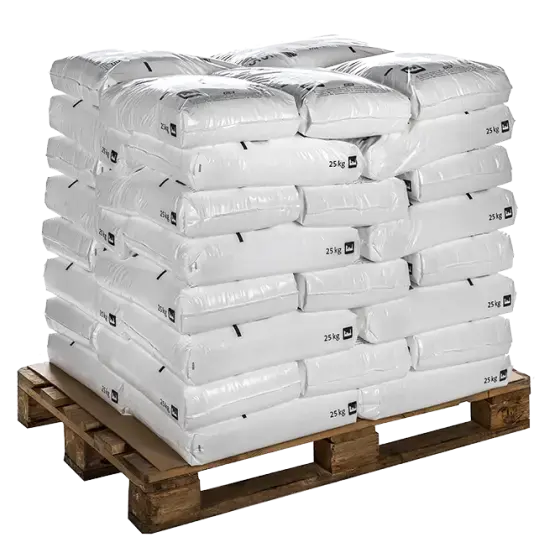
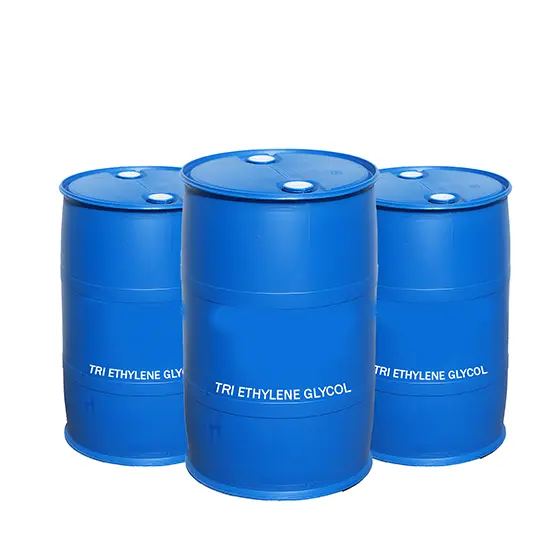
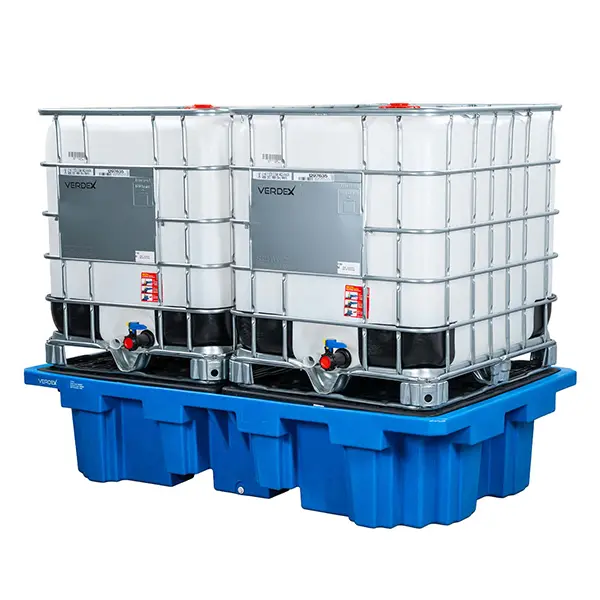
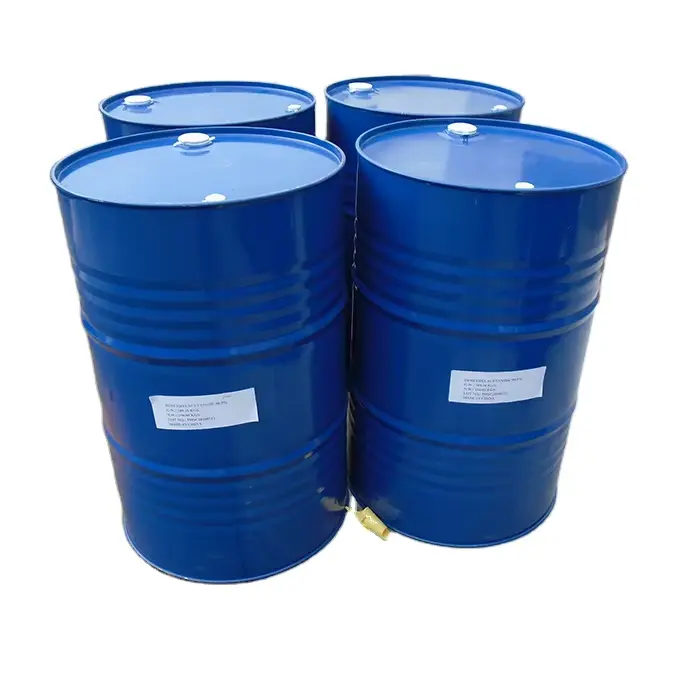
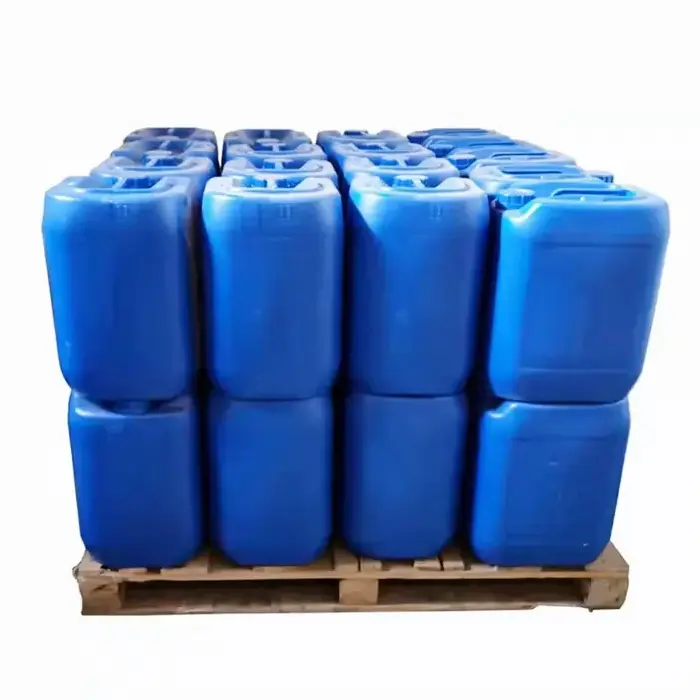
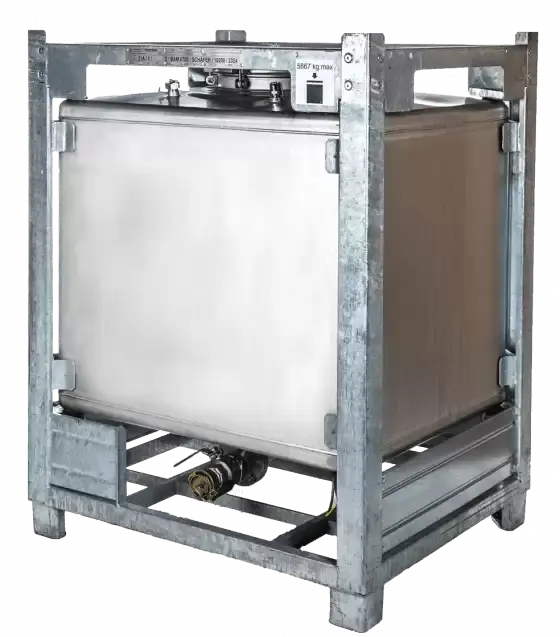
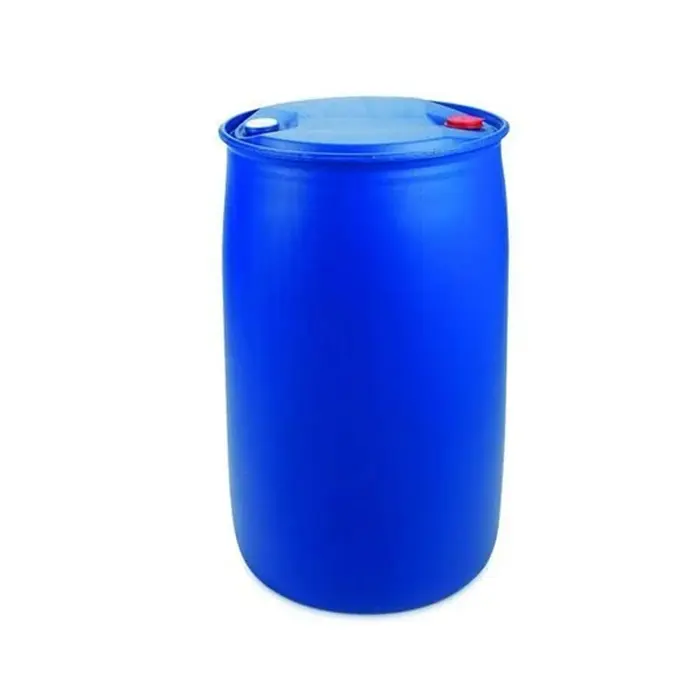
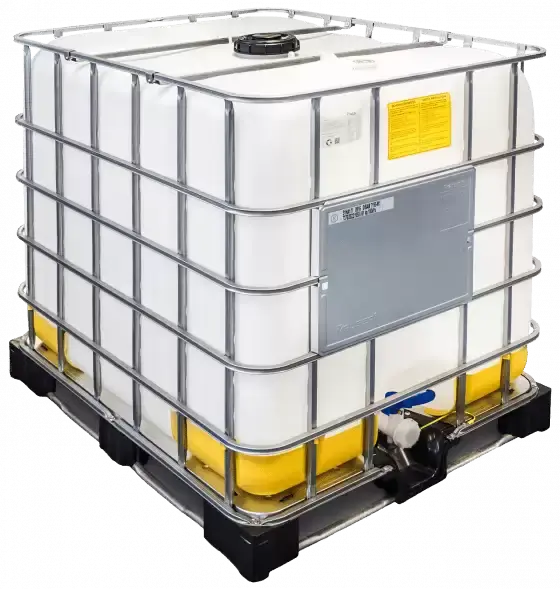
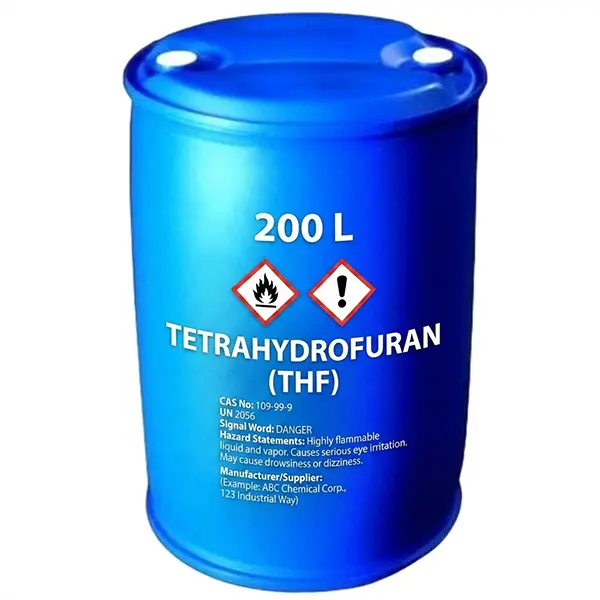
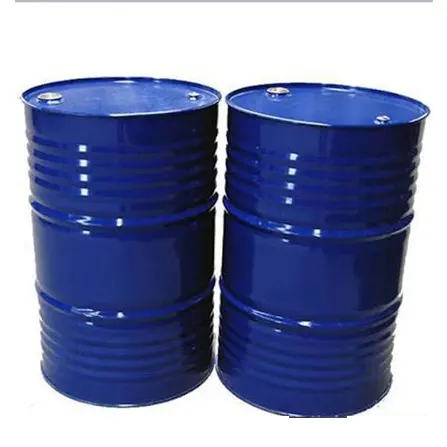
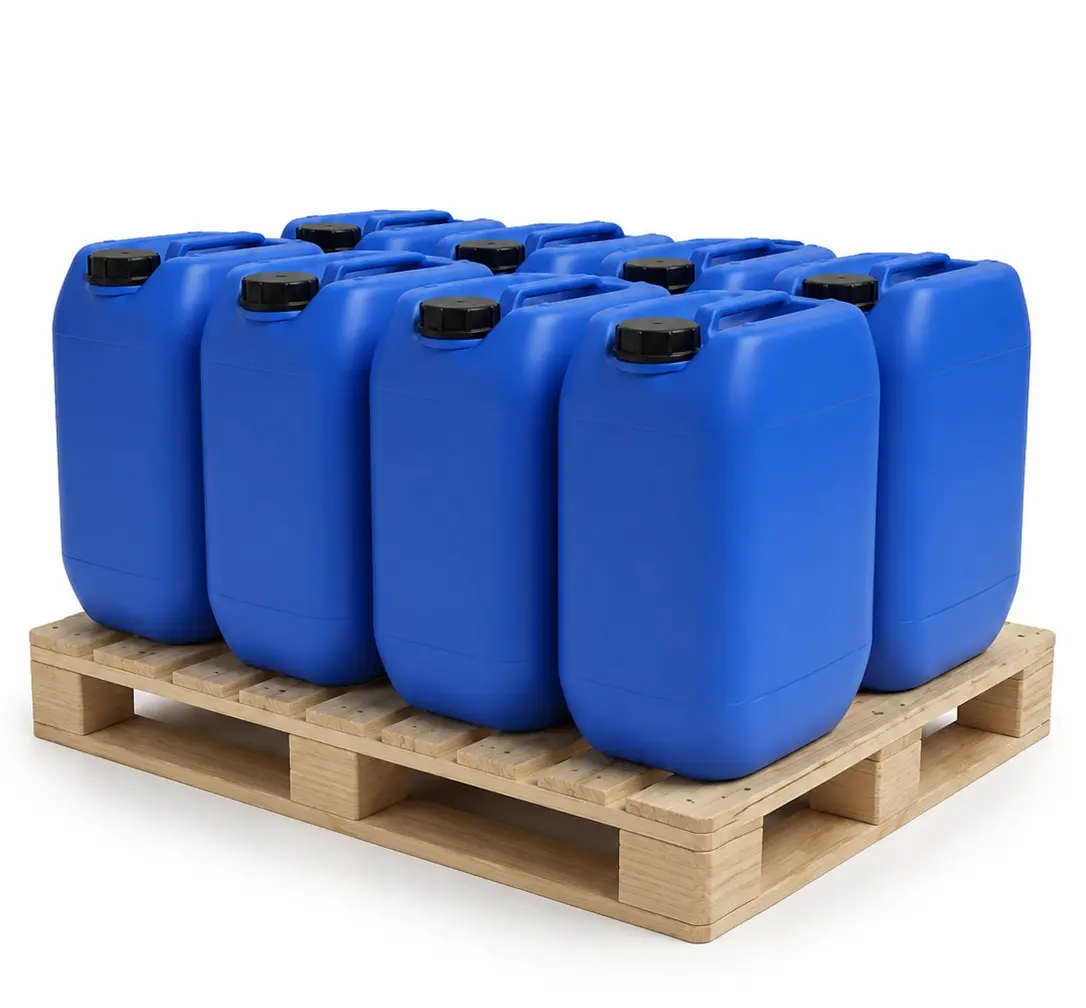
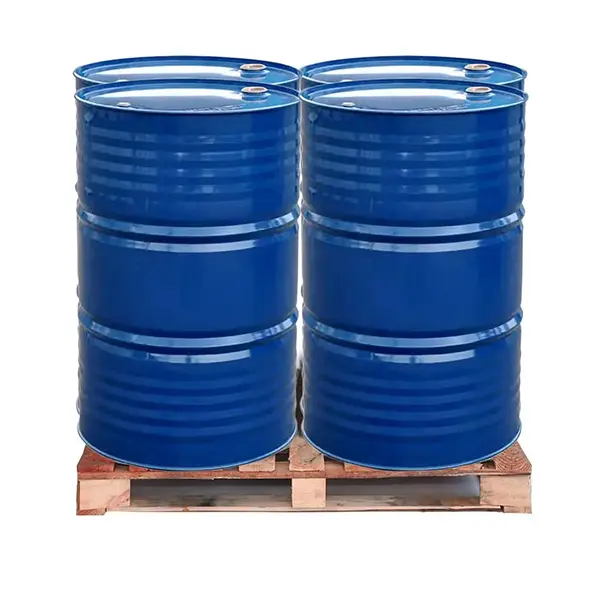
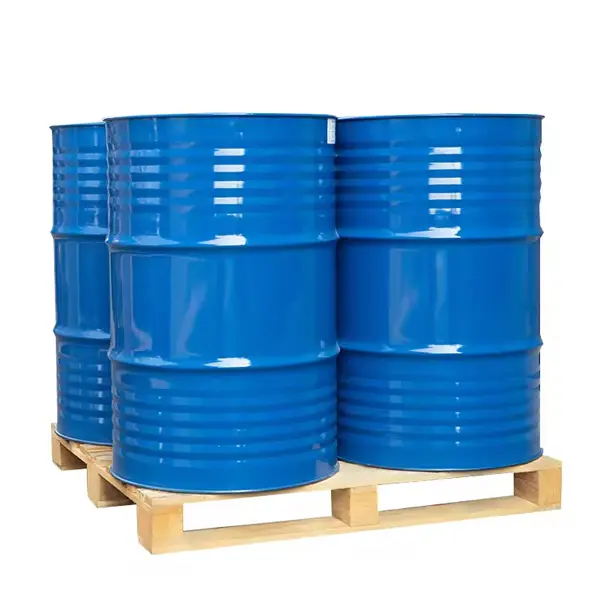
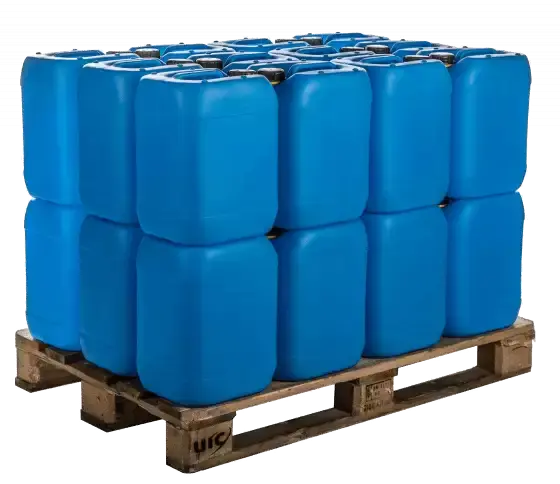
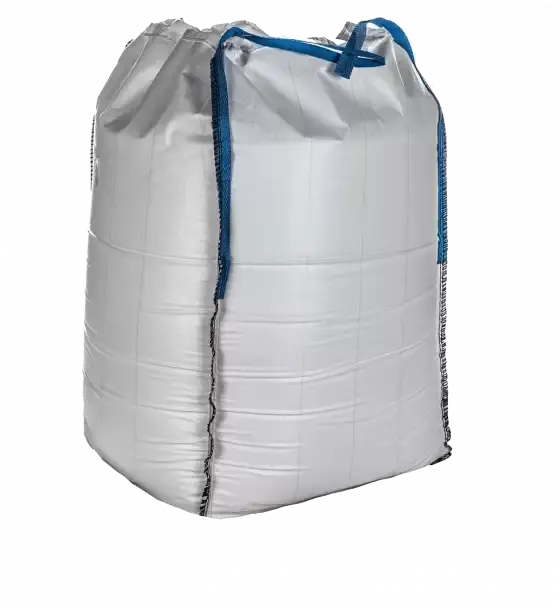
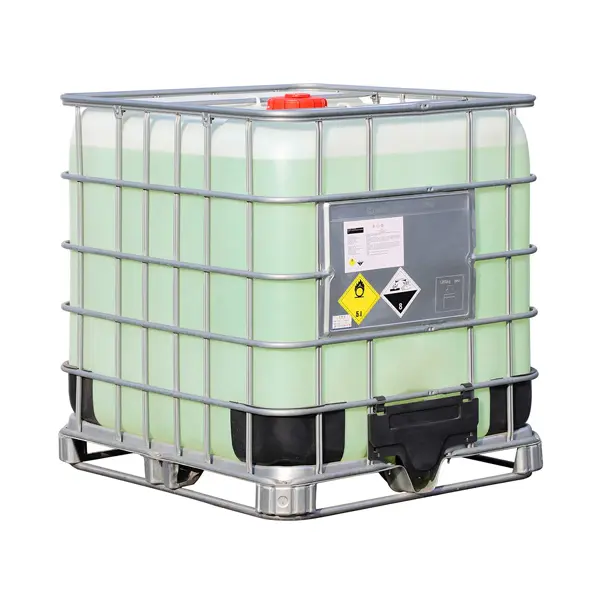
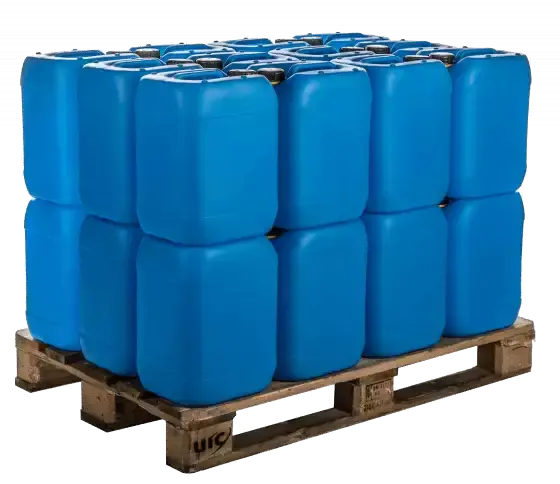
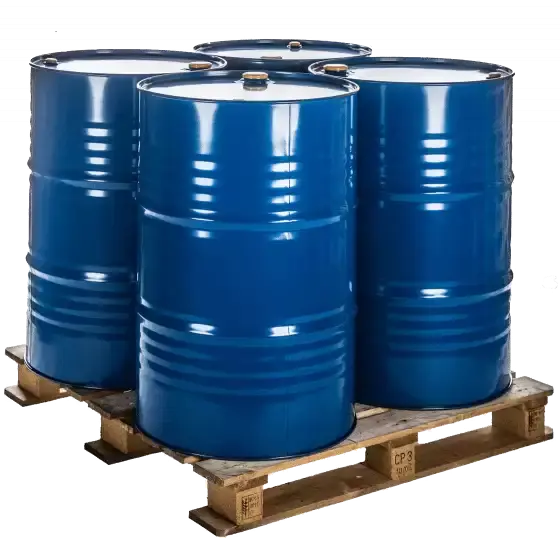
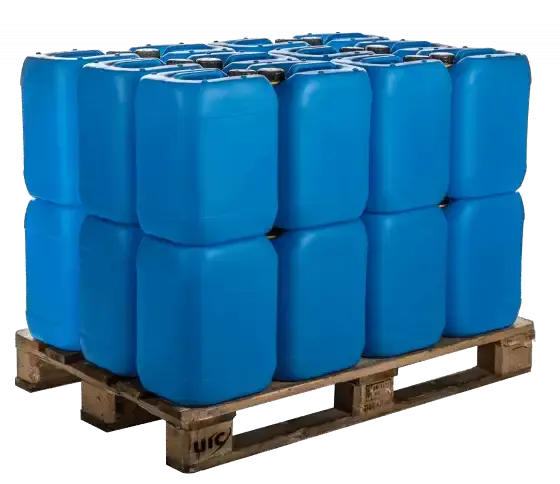
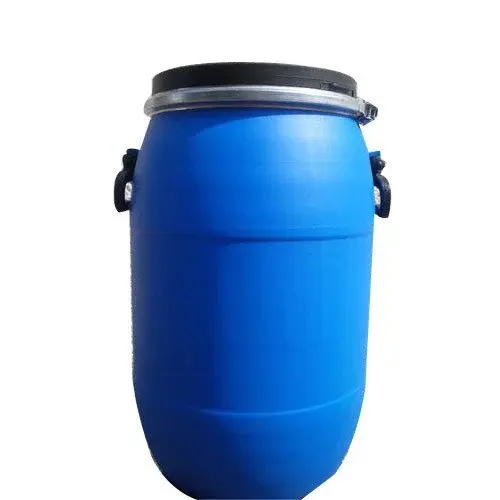
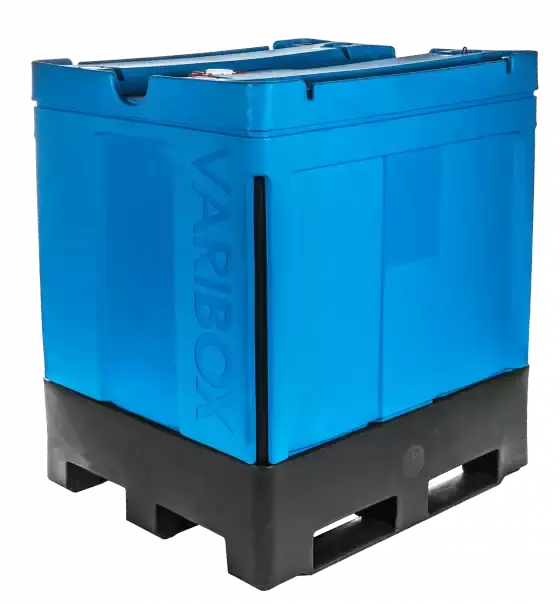
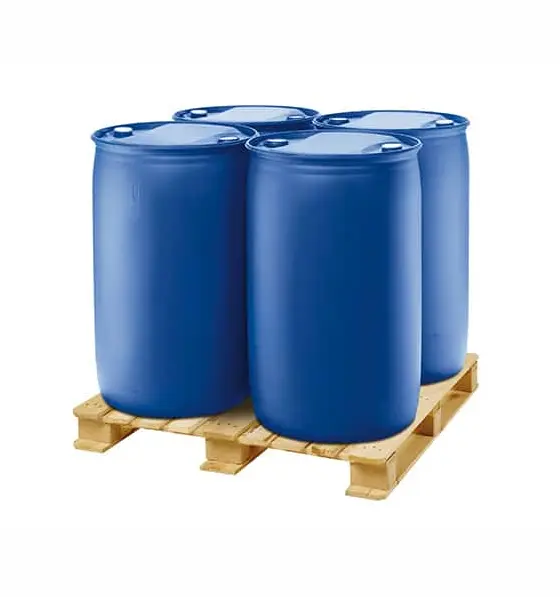
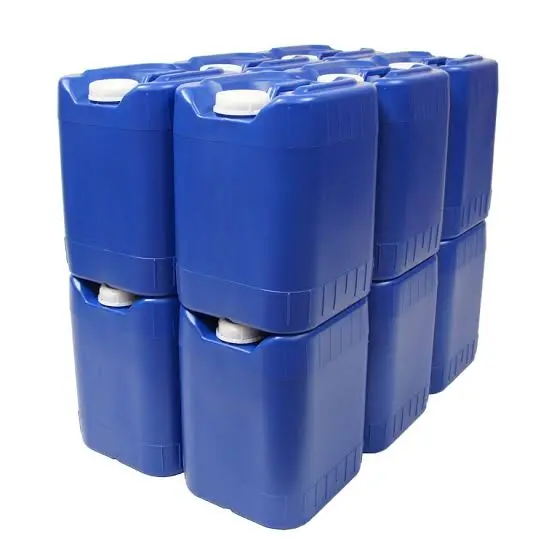
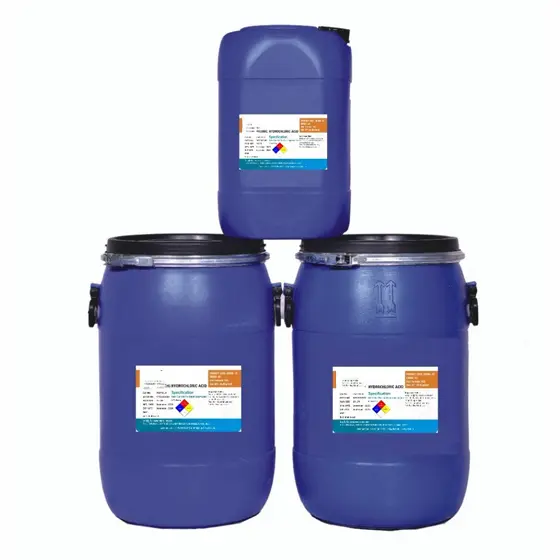
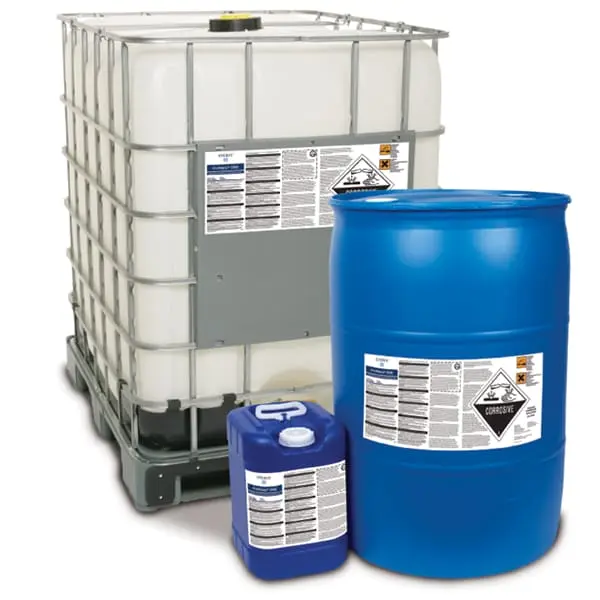
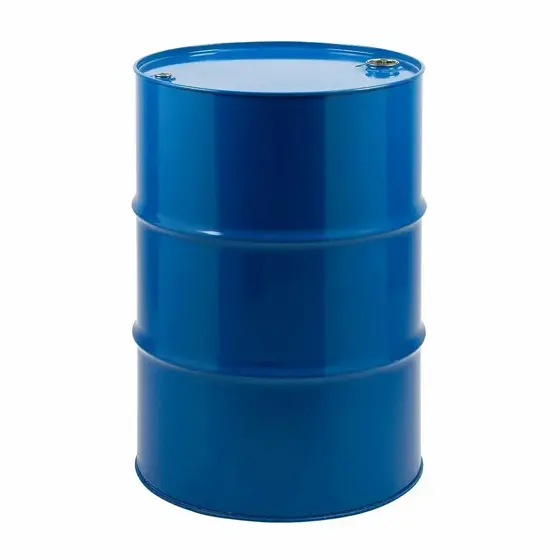
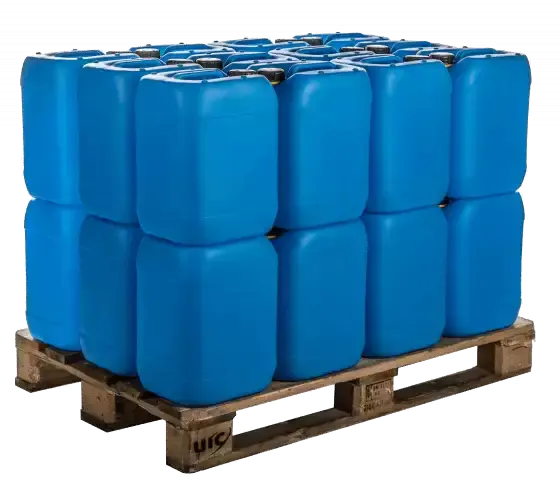
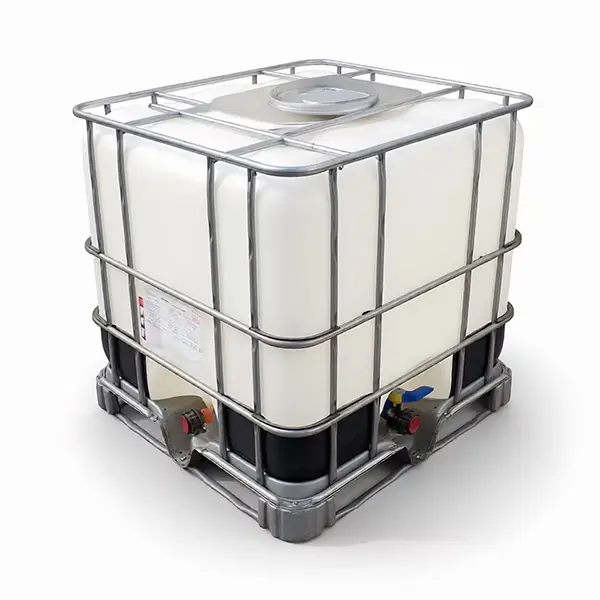
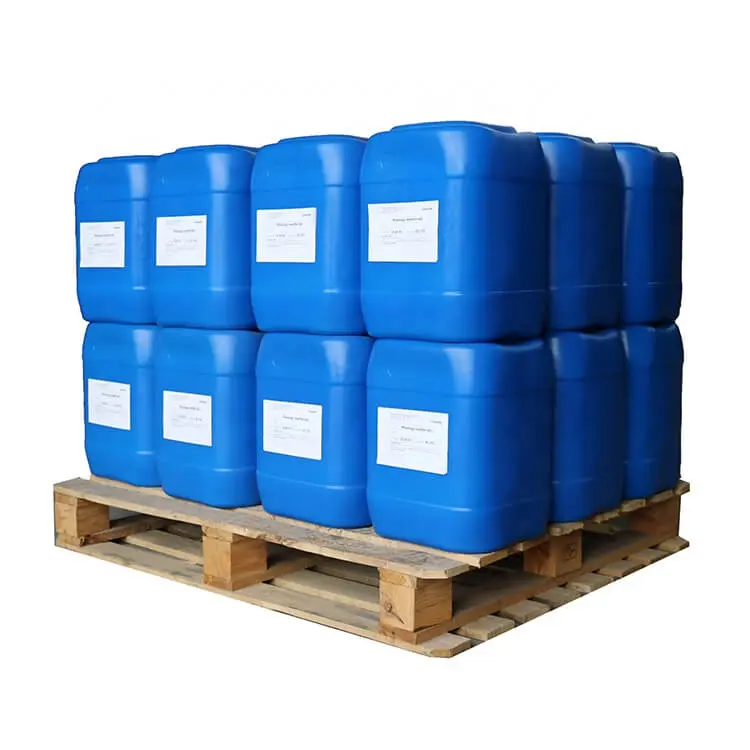
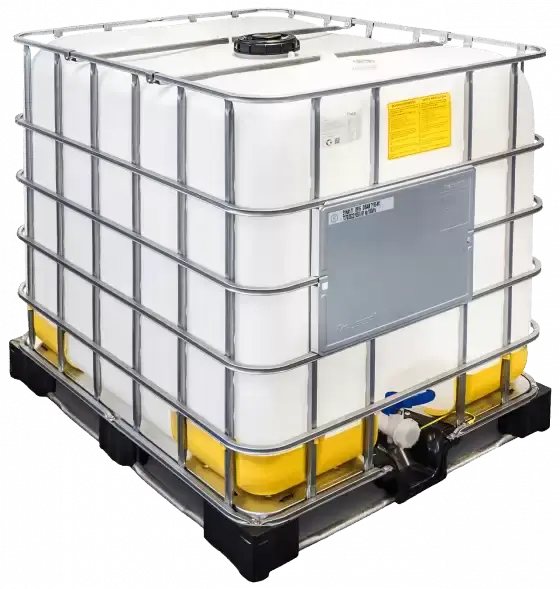
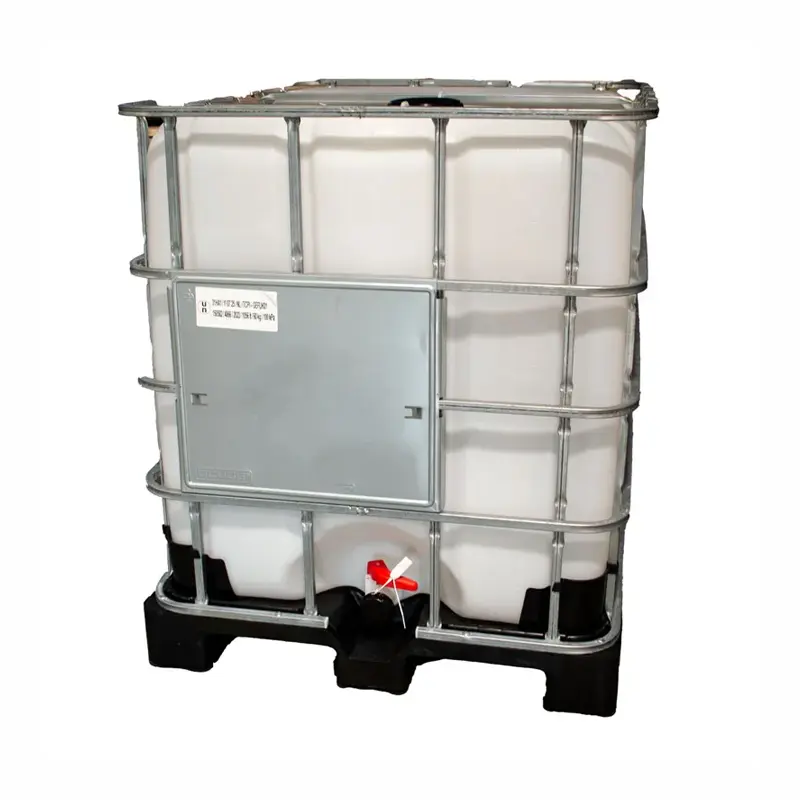
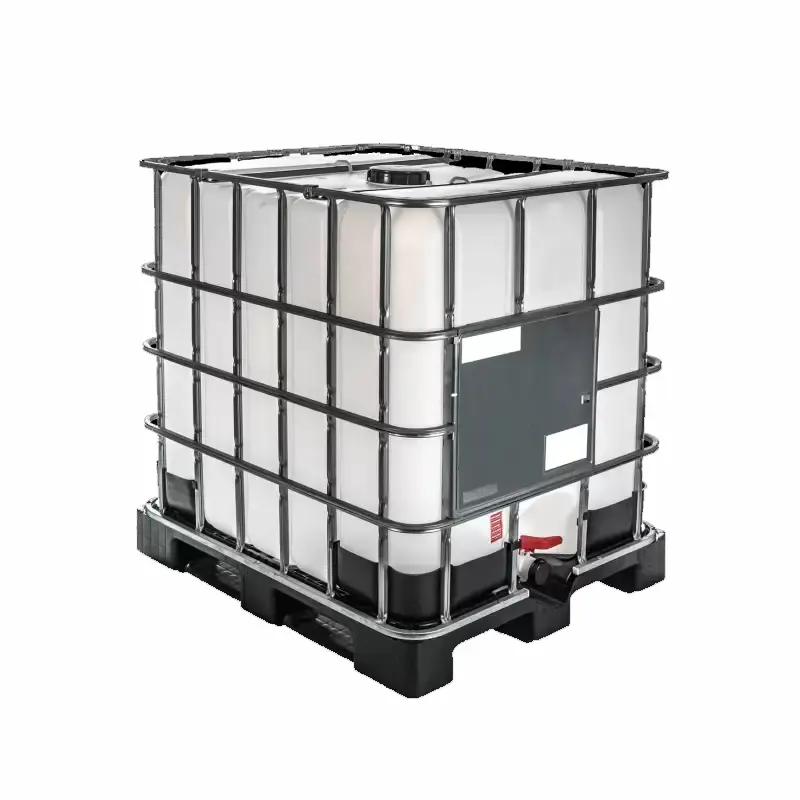
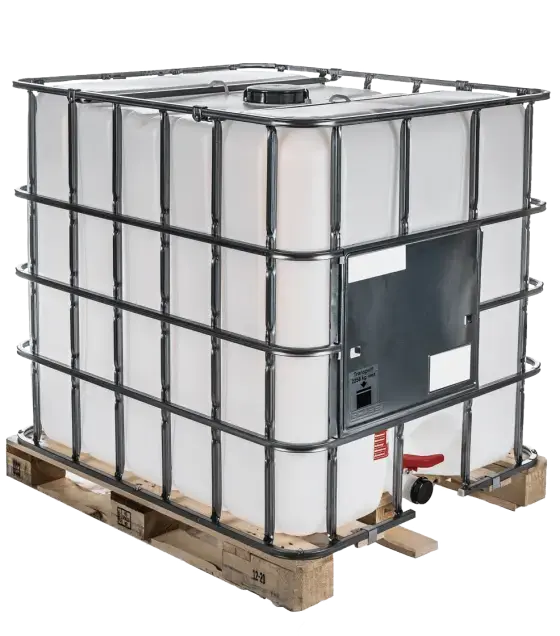
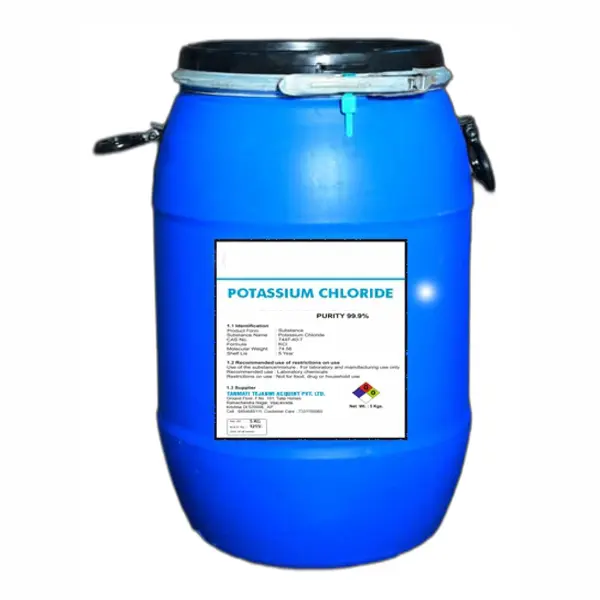
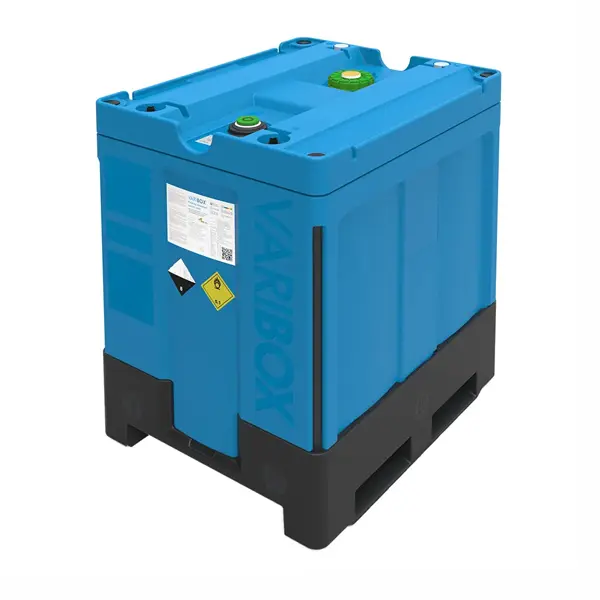
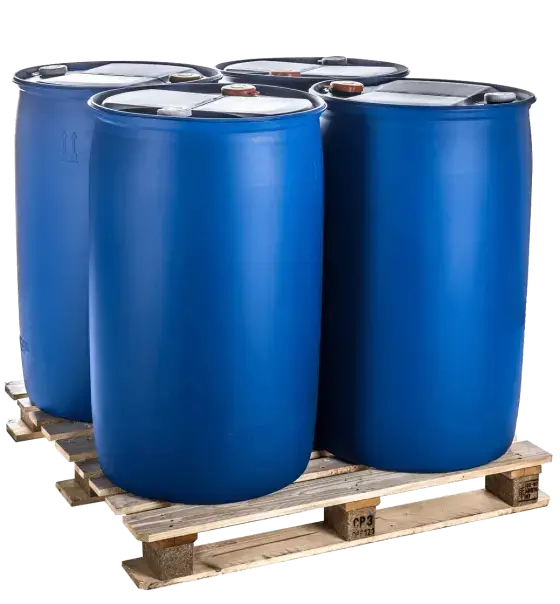
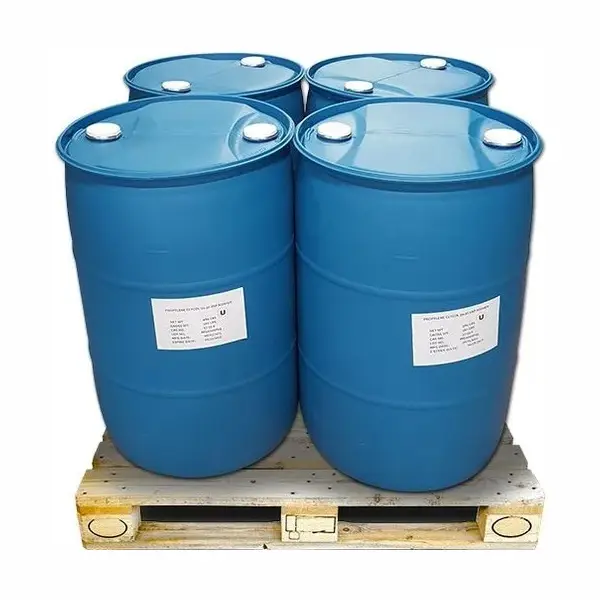
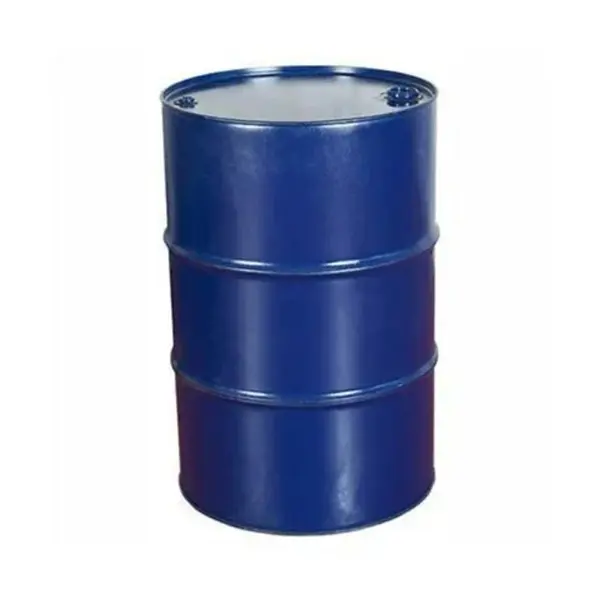
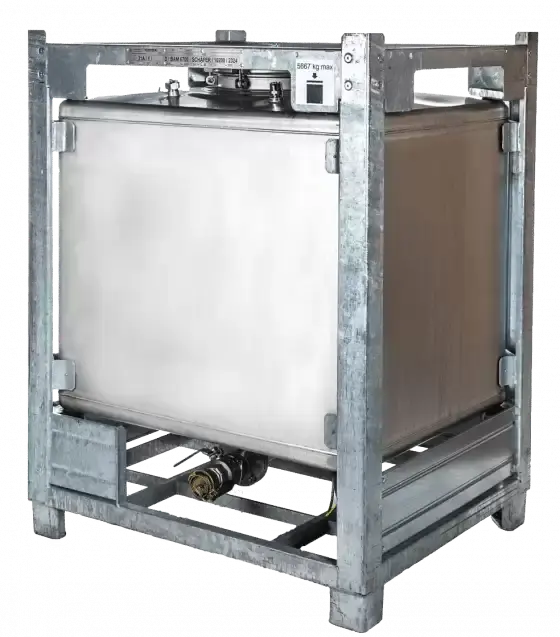
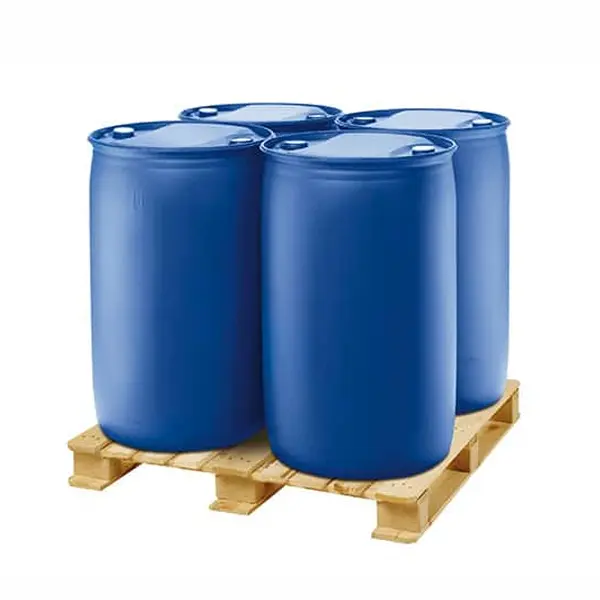
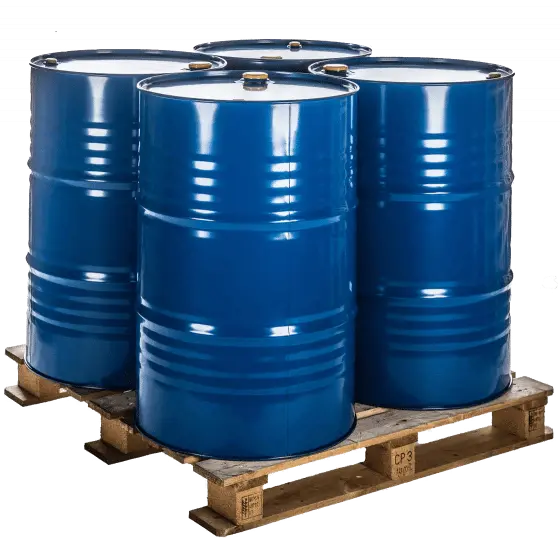
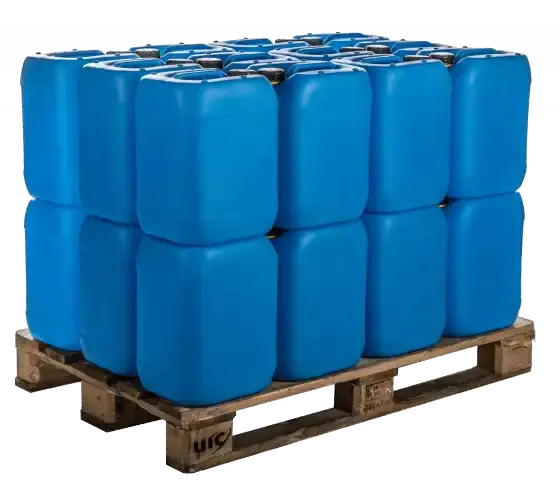
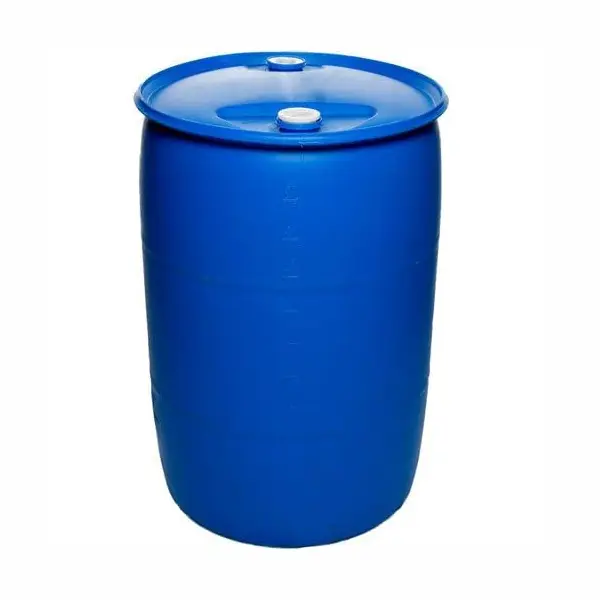
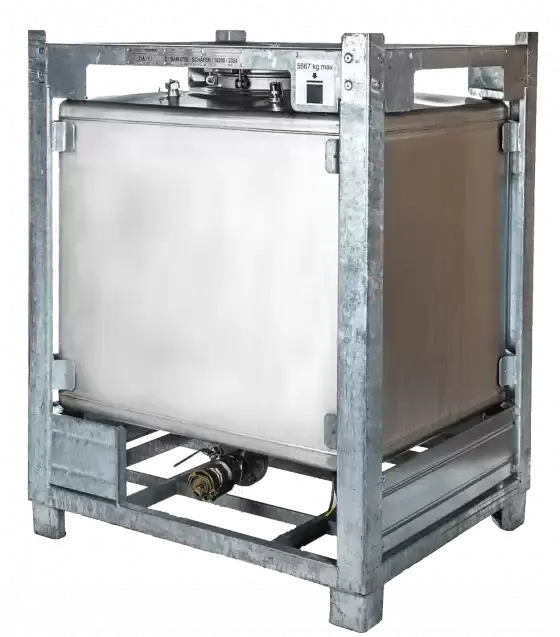
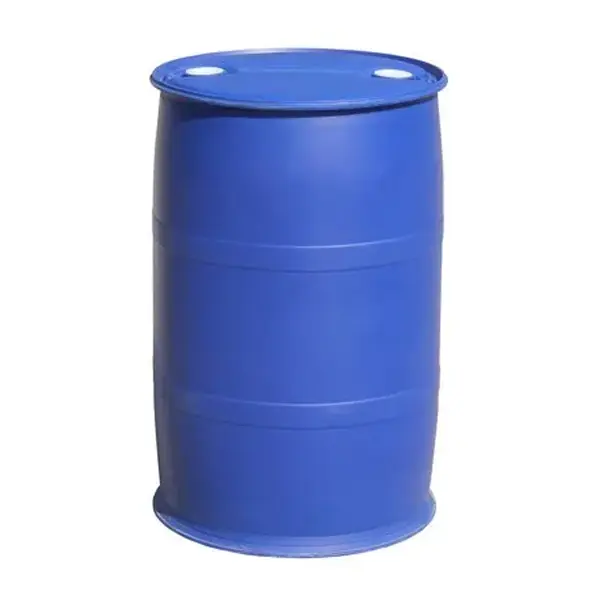
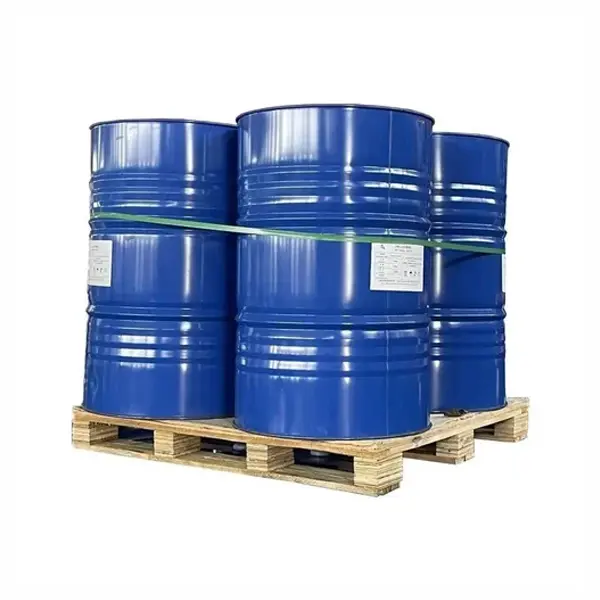
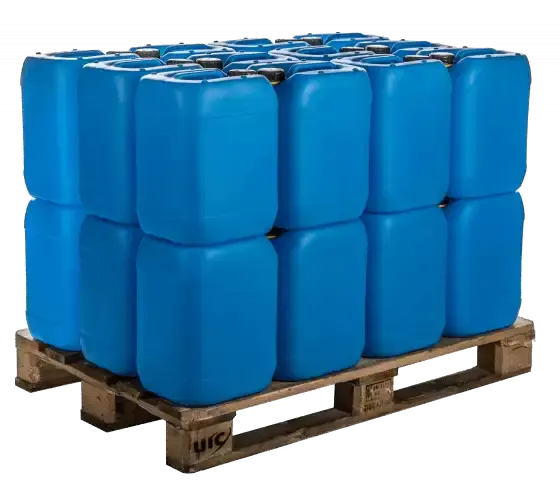
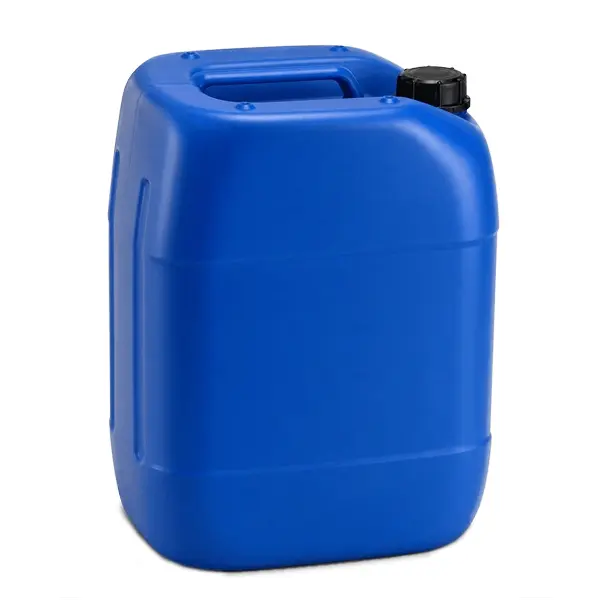
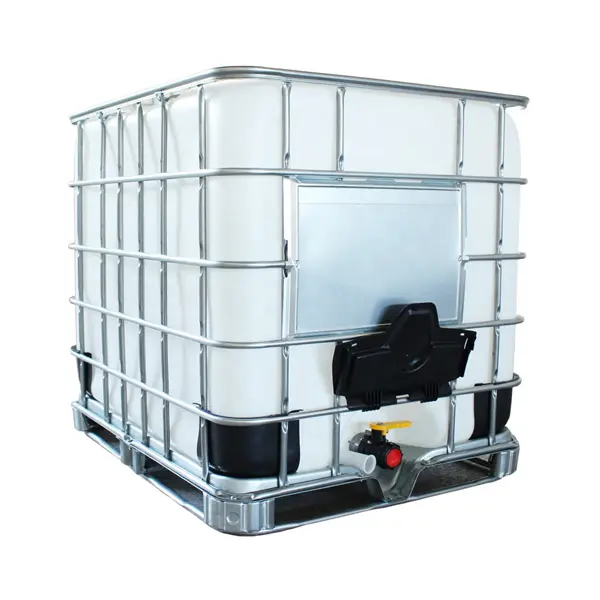
| Packaging | Compatible containers or approved bulk supply, subject to grade and regulations |
Note: Concentration, purity, density, and other technical parameters vary by grade. Consult the supplier's Technical Data Sheet (TDS), Certificate of Analysis (COA), and Safety Data Sheet (SDS) for exact specifications.
Storage and Handling
Nitric Acid is a corrosive and powerful oxidizing substance that can cause severe skin and eye burns and may release hazardous fumes. Handling must be restricted to trained personnel following the applicable SDS and workplace safety procedures.
Store it in a cool, well-ventilated, secure area using containers specifically approved for the supplied concentration. Keep it away from incompatible materials, including organic substances, combustible materials, reducing agents, and other chemicals identified as incompatible in the SDS. Use suitable chemical-resistant gloves, protective clothing, eye protection, and face protection as required by the risk assessment.
Always follow local regulations for transport, storage, spill response, and disposal. Never mix Nitric Acid with other chemicals unless the process has been professionally assessed and authorized.
Quality and Supply
Nitric Acid should be purchased from a reliable chemical supplier that can provide the appropriate grade and supporting documentation. Before ordering, confirm the required concentration, purity, packaging format, intended application, and delivery requirements.
A current SDS and, where applicable, a COA help verify product identity, handling precautions, and batch-specific quality parameters. Packaging and transportation must comply with the applicable requirements for corrosive and oxidizing chemicals.
Conclusion
Nitric Acid is an essential industrial chemical used in fertilizer production, chemical synthesis, metal processing, and laboratory applications. Selecting the correct concentration and grade, together with appropriate storage, handling, and regulatory compliance, helps support consistent performance in industrial operations.
Contact a qualified supplier to discuss availability, technical specifications, packaging options, and documentation for your application.