Magnesium Chloride – Versatile Inorganic Salt for Industrial and Chemical Applications
Introduction
Magnesium Chloride is an inorganic chemical compound widely used in chemical manufacturing, water treatment, dust control, deicing, construction materials, and various industrial processes. It is valued for its high water solubility, moisture-attracting properties, and ability to provide magnesium ions in suitable chemical formulations.
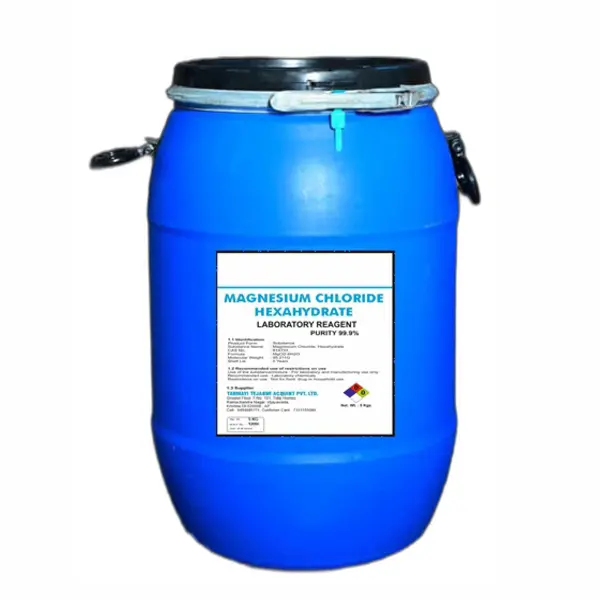
Magnesium Chloride is available in anhydrous and hydrated forms, including Magnesium Chloride Hexahydrate. Depending on the commercial grade, it may be supplied as white crystals, flakes, granules, powder, or aqueous solutions. Its chemical properties make it suitable for a wide range of industrial applications where magnesium chloride is required.
Industrial Applications
Magnesium Chloride is used across several industries due to its versatility and chemical characteristics.
- Chemical Manufacturing: Used as a raw material in the production of magnesium compounds and selected specialty chemicals.
- Water Treatment: Applied in specific water treatment processes requiring magnesium salts.
- Dust Control: Used on suitable unpaved roads and industrial surfaces to help retain moisture and reduce airborne dust.
- Deicing and Snow Removal: Used in deicing and anti-icing formulations to help manage ice formation on roads and other suitable surfaces.
- Construction Industry: Used in the production of magnesium oxychloride cement and specialized construction materials.
- Textile Processing: Incorporated into selected textile manufacturing and finishing operations.
- Agriculture: Used in appropriate formulations to provide magnesium where supplementation is required.
- Industrial Processing: Used in various manufacturing processes requiring a soluble magnesium chloride source.
- Laboratory Applications: Used as a chemical reagent in research, analytical testing, and chemical experiments.
Key Benefits
- High Water Solubility: Dissolves readily in water, supporting a variety of industrial formulations.
- Excellent Moisture Retention: Its hygroscopic properties make it useful for dust suppression and moisture-control applications.
- Versatile Industrial Applications: Suitable for chemical manufacturing, construction, deicing, and other specialized processes.
- Magnesium Source: Provides magnesium ions for chemical reactions and selected formulations.
- Multiple Product Forms: Available in anhydrous, hydrated, and solution forms depending on application requirements.
- Effective Deicing Performance: Suitable magnesium chloride formulations can lower the freezing point of water.
- Industrial Grade Availability: Different purity levels and specifications are available for various manufacturing needs.
Product Specifications
| Parameter | Details |
|---|---|
| Product Name | Magnesium Chloride |
| Chemical Formula | MgCl₂ (anhydrous form) |
| CAS Number | 7786-30-3 (anhydrous form) |
| Molecular Weight | 95.21 g/mol (anhydrous form) |
| Appearance | Typically white crystalline solid, flakes, or granules |
| Chemical Classification | Inorganic chloride salt |
| Water Solubility | Highly soluble in water |
| Hygroscopic Nature | Absorbs moisture from the atmosphere |
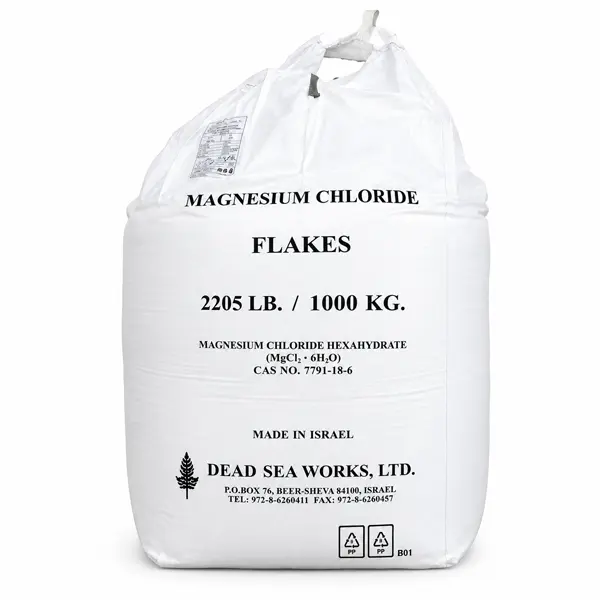
| Common Hydrated Form | Magnesium Chloride Hexahydrate (MgCl₂·6H₂O) |
| Hydrated Form CAS Number | 7791-18-6 |
| Primary Functions | Magnesium source, dust suppressant, deicing agent, chemical processing ingredient |
| Main Applications | Chemical manufacturing, water treatment, dust control, deicing, construction |
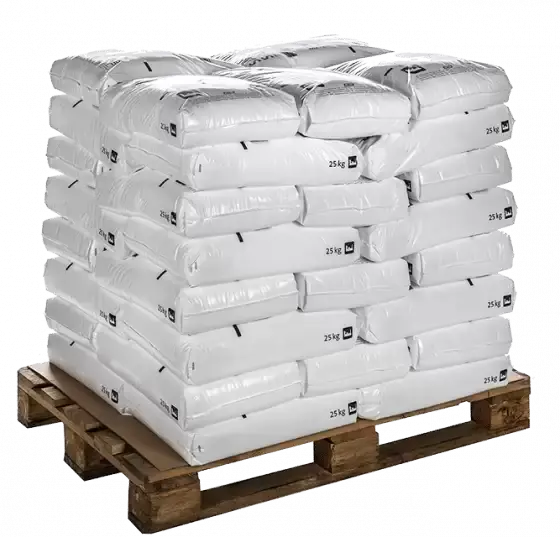
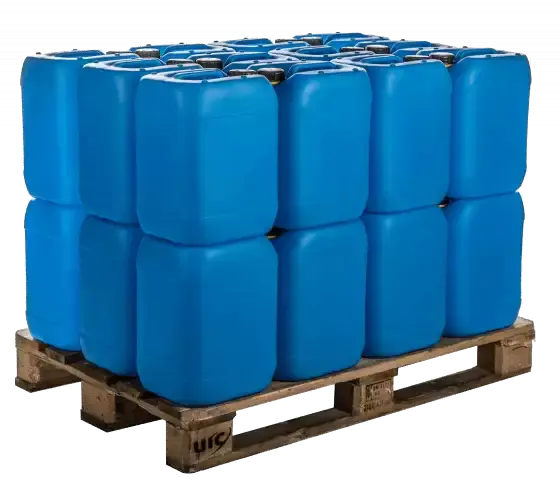
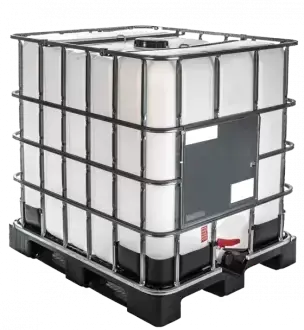
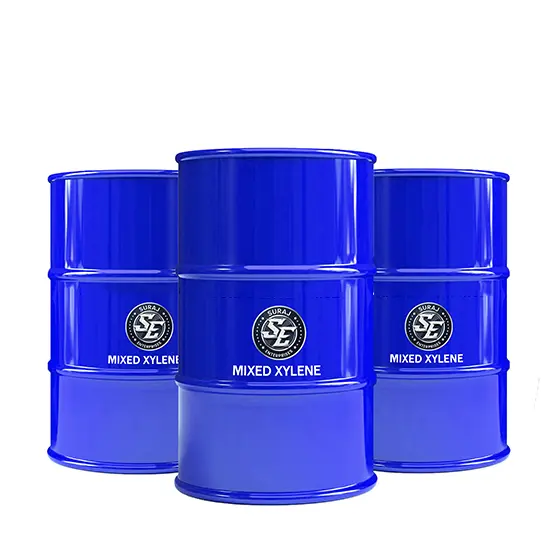
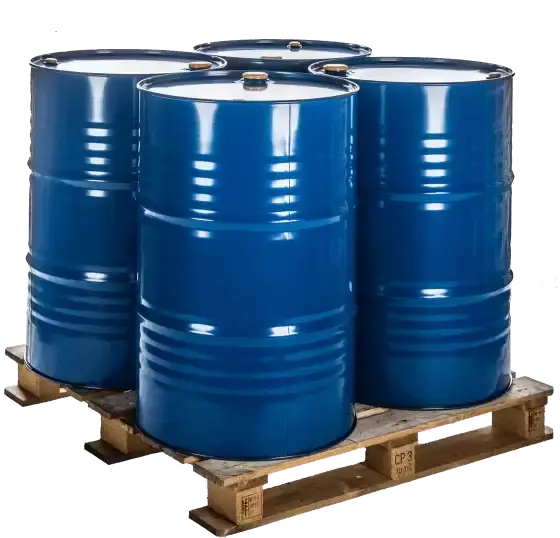
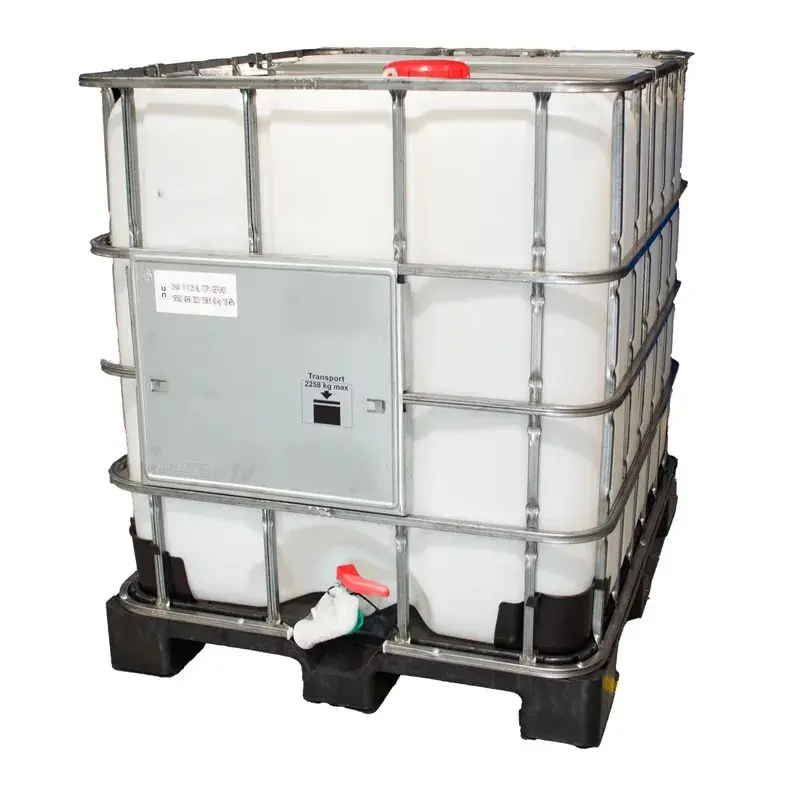
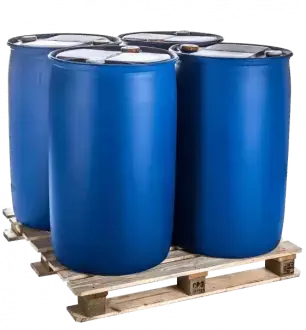
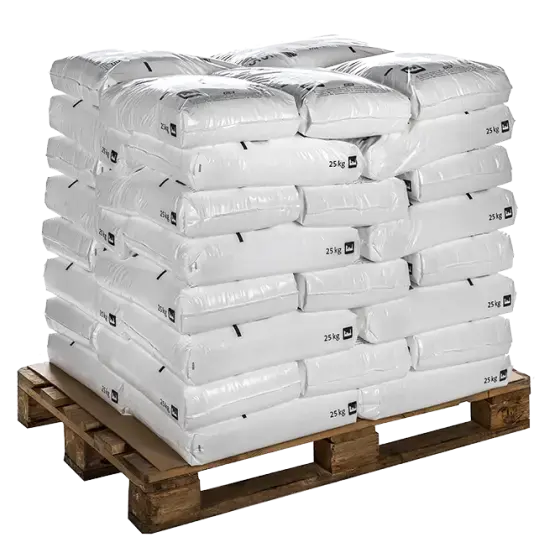
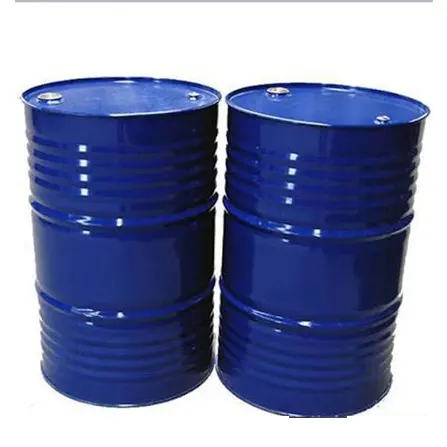
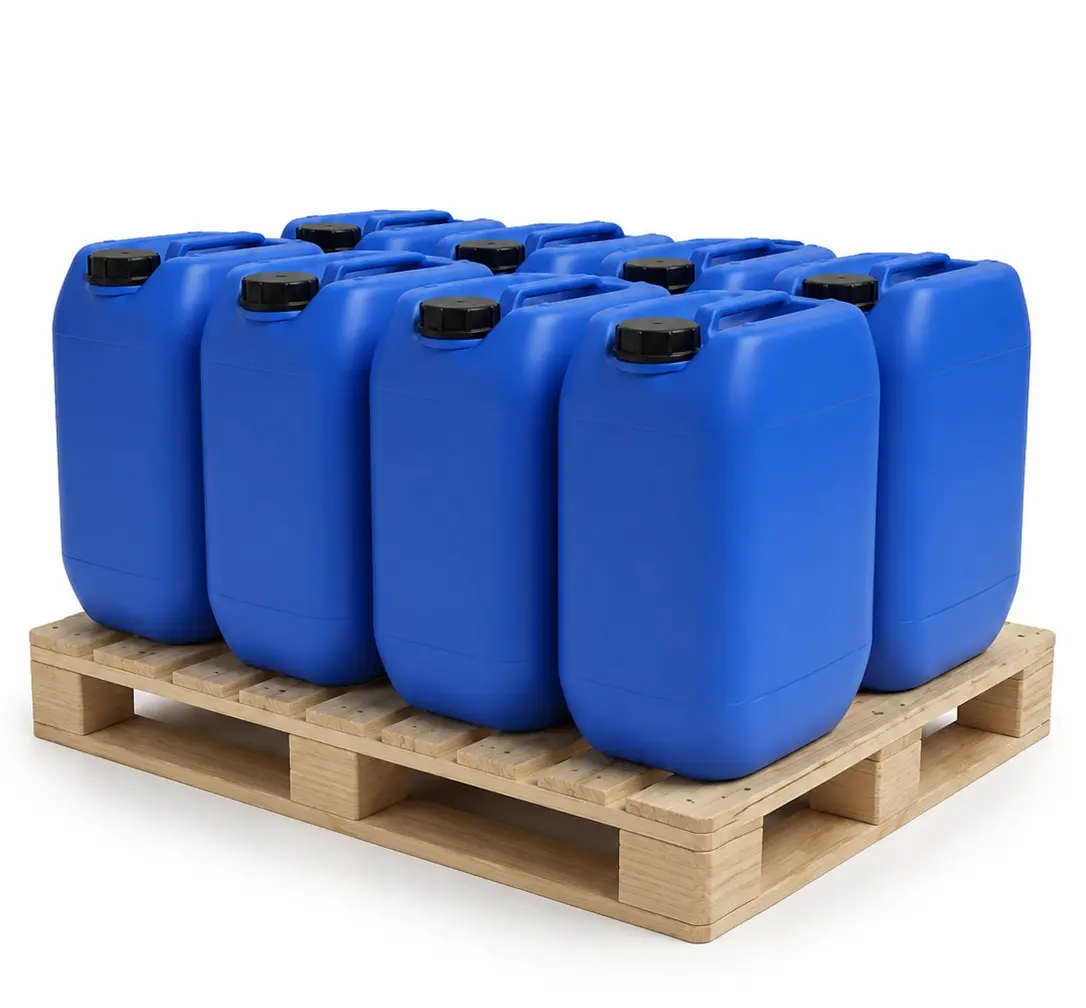
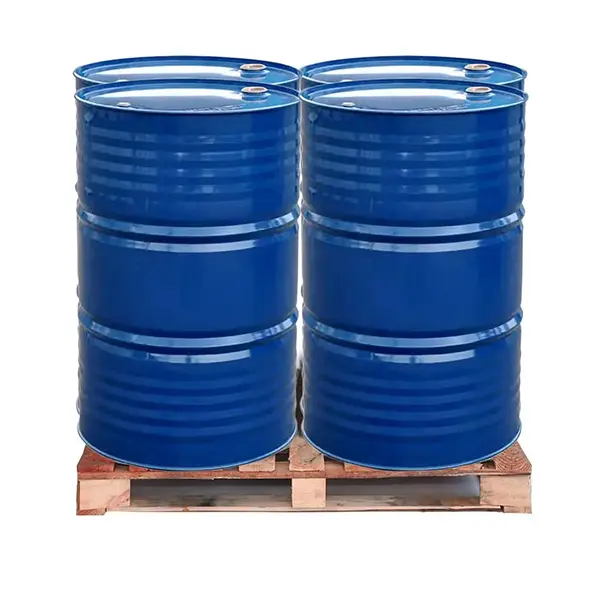
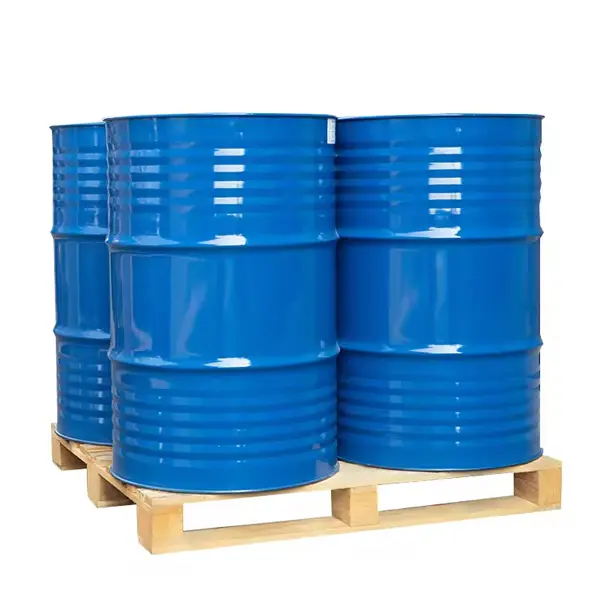
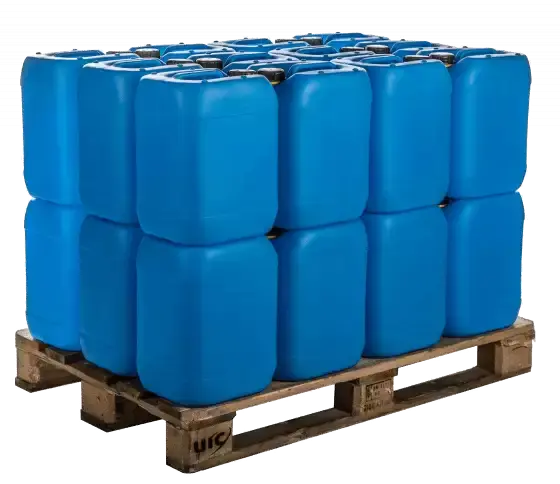
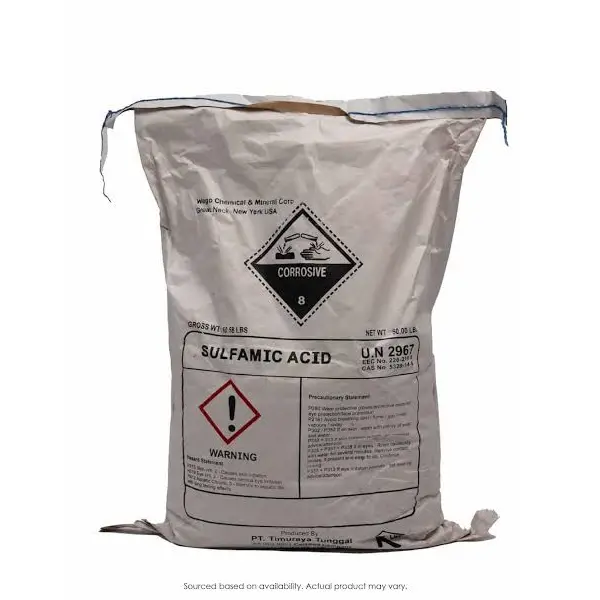
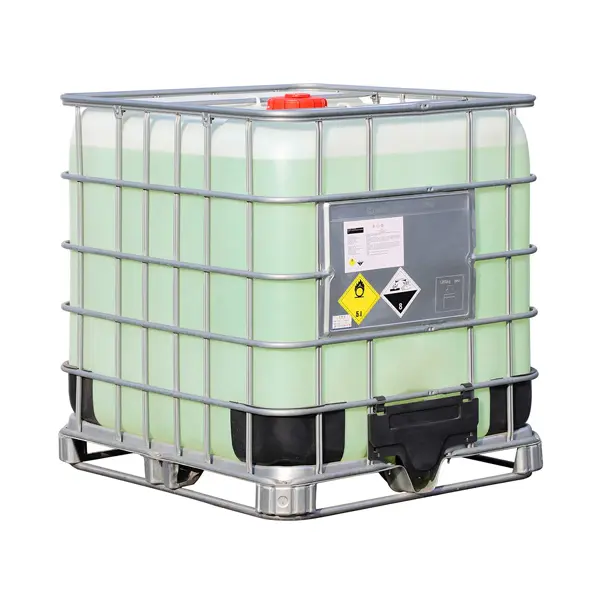
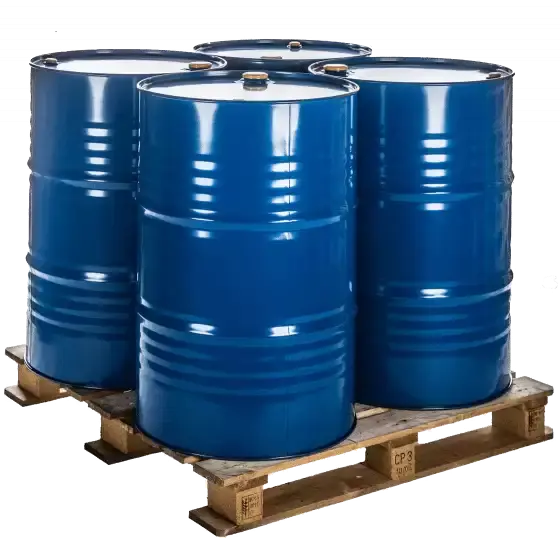
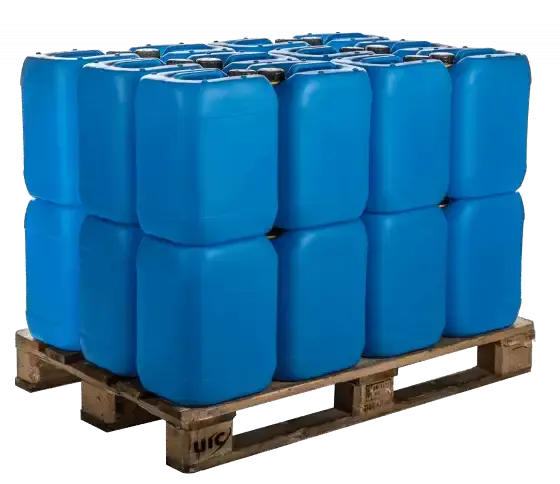
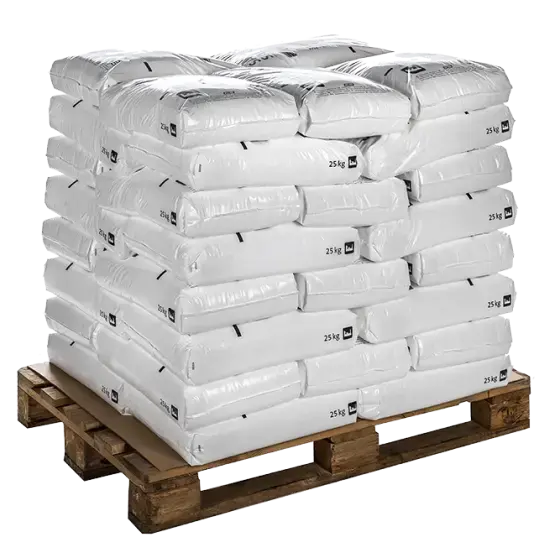
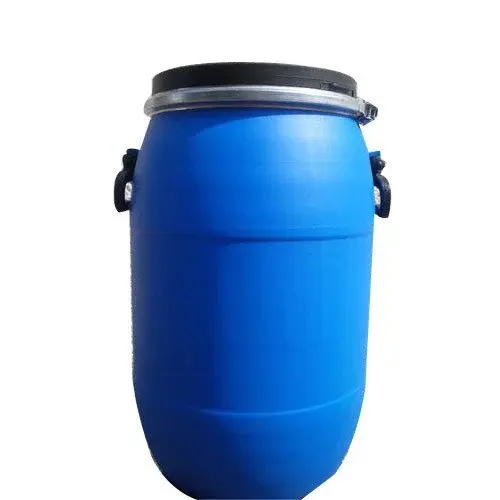
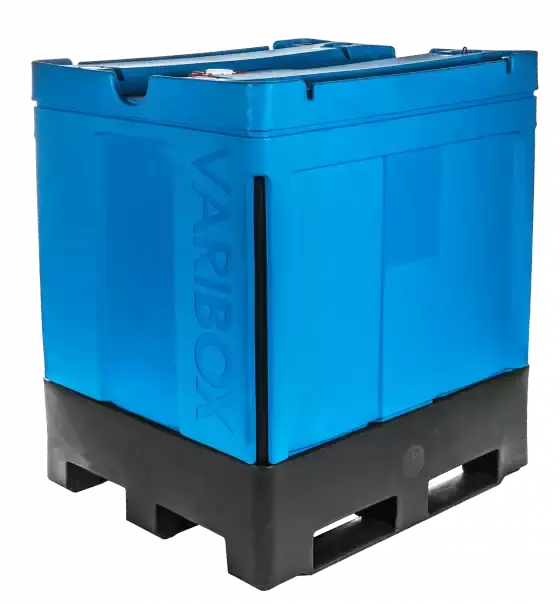
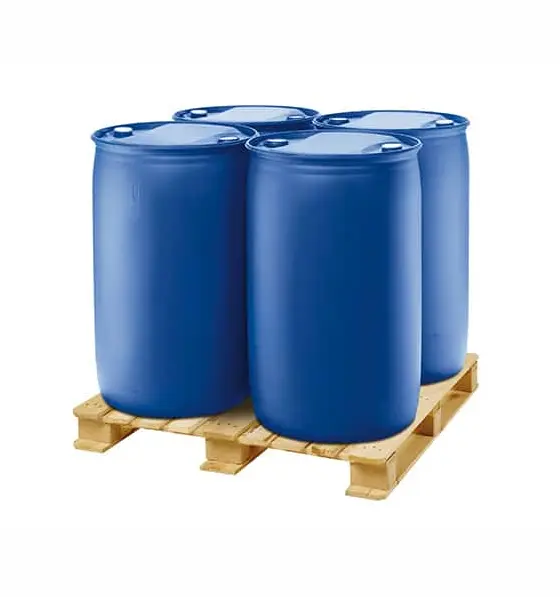
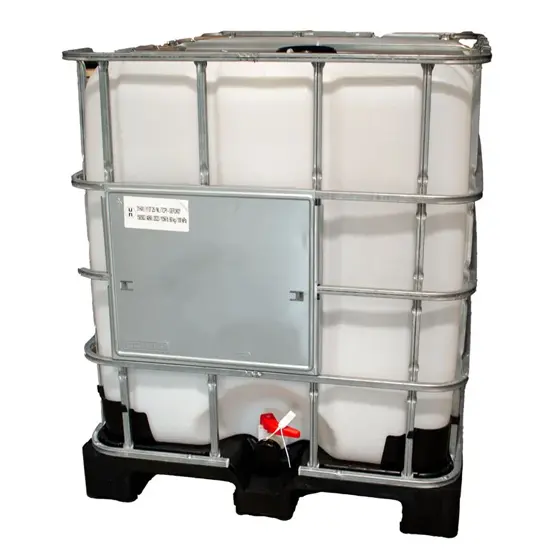
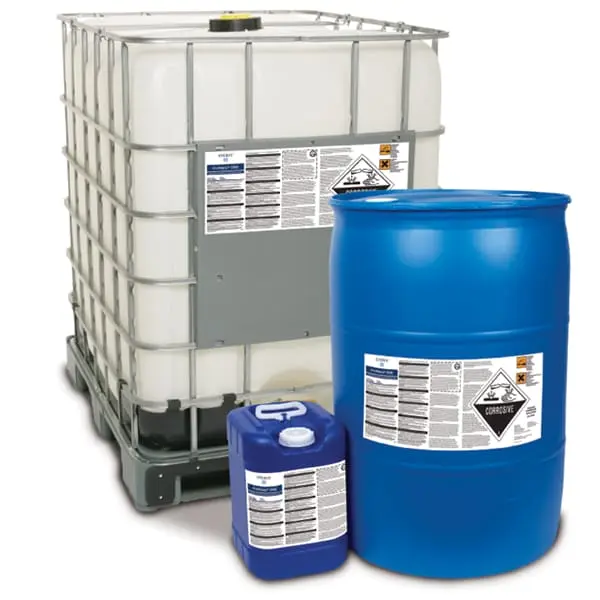
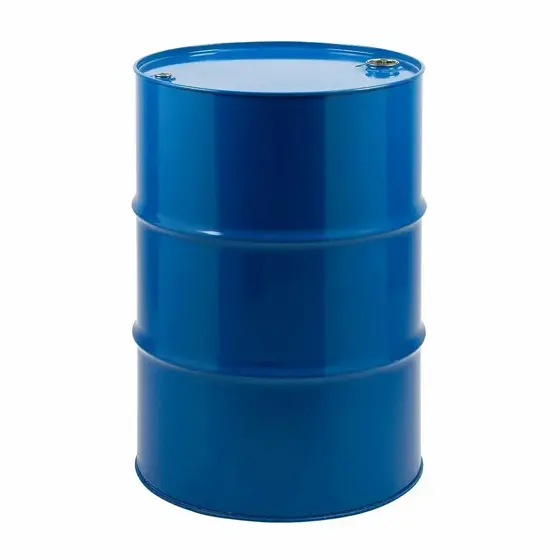
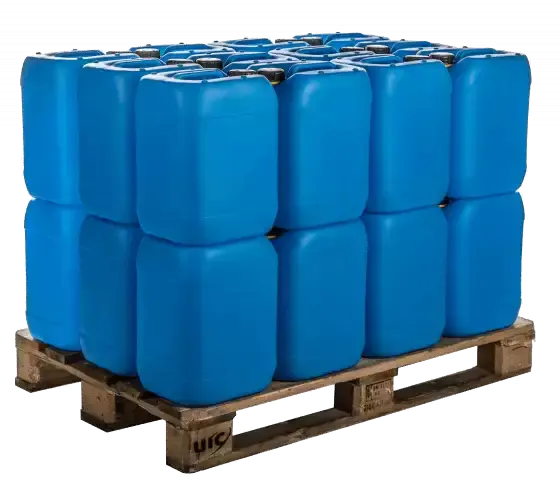
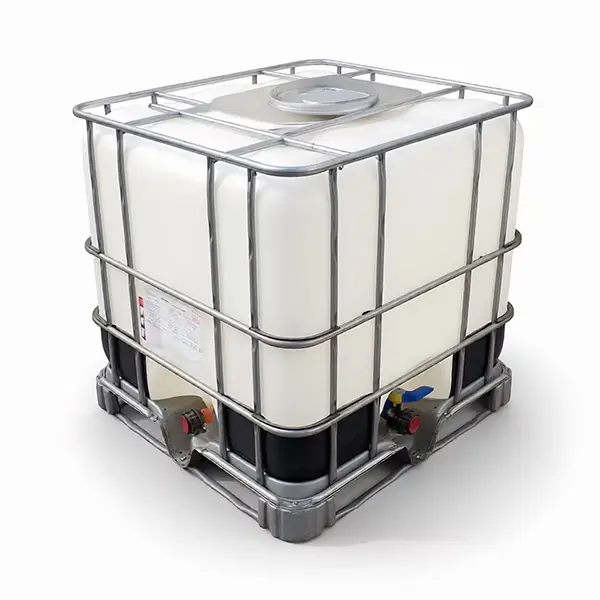
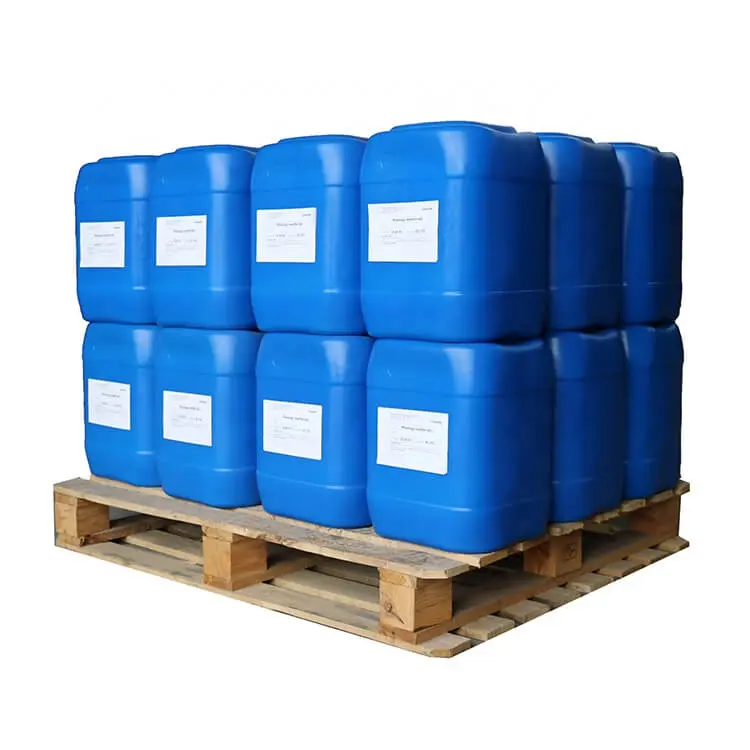
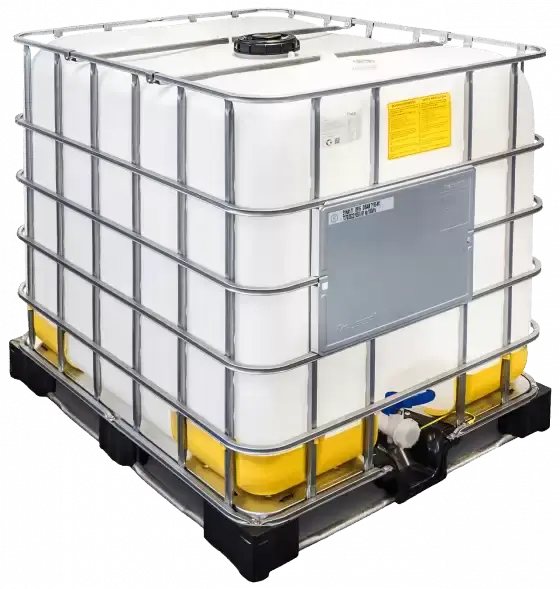
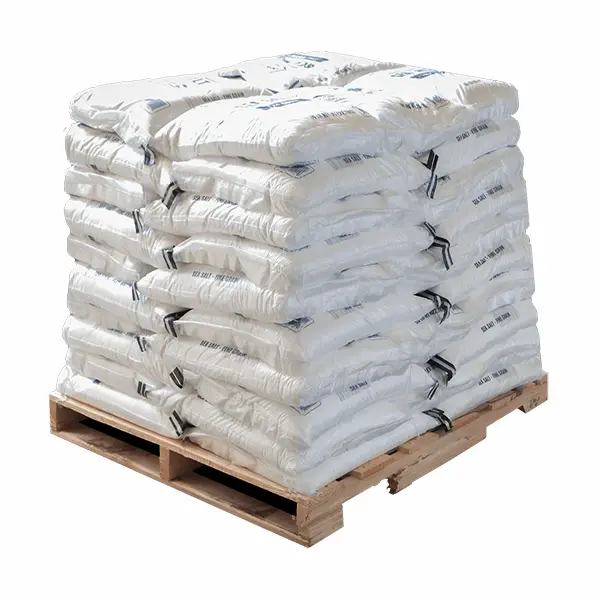
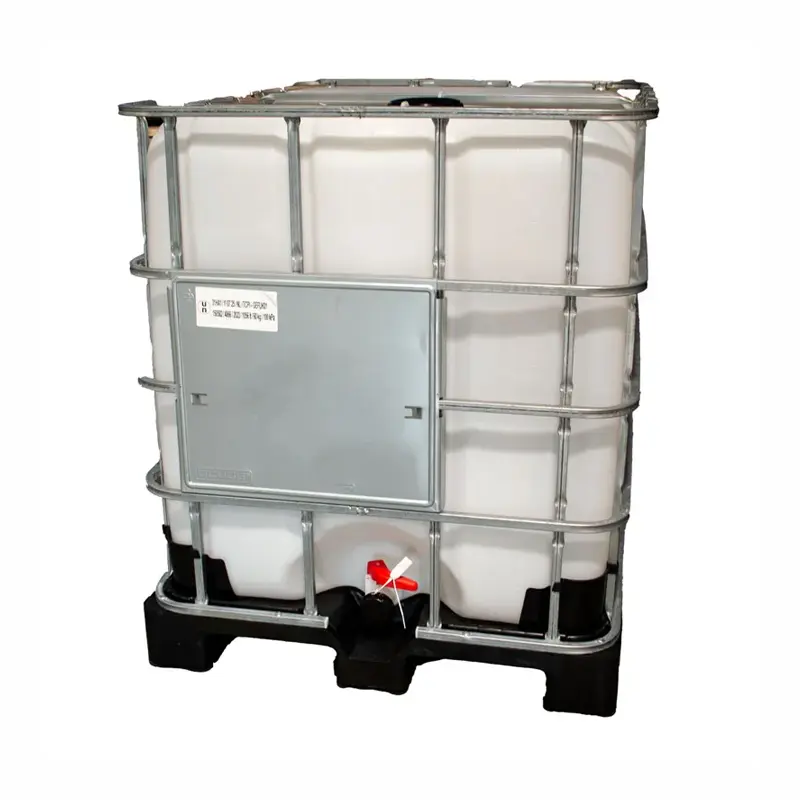
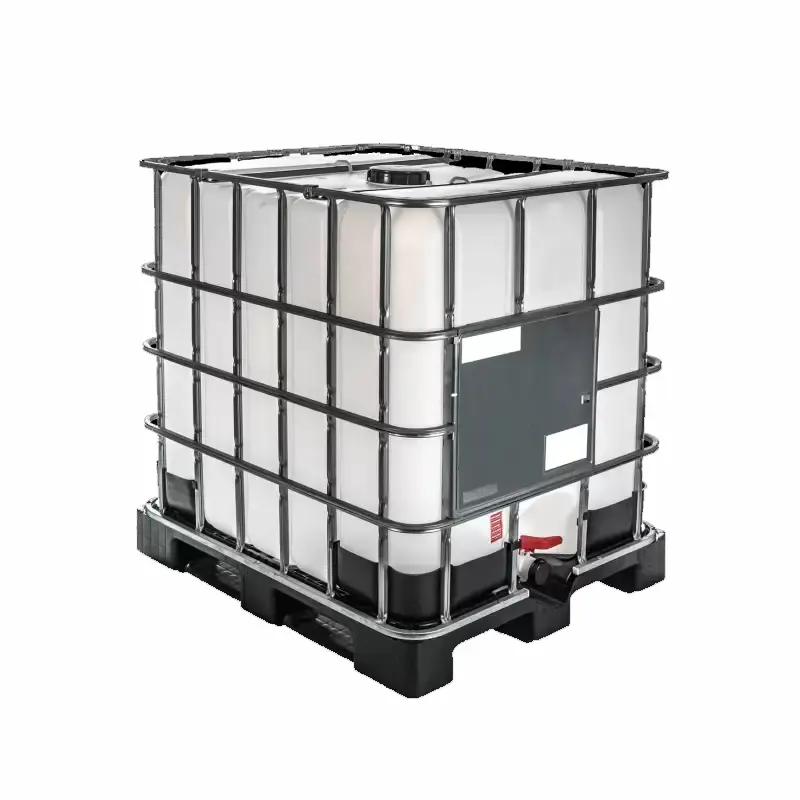
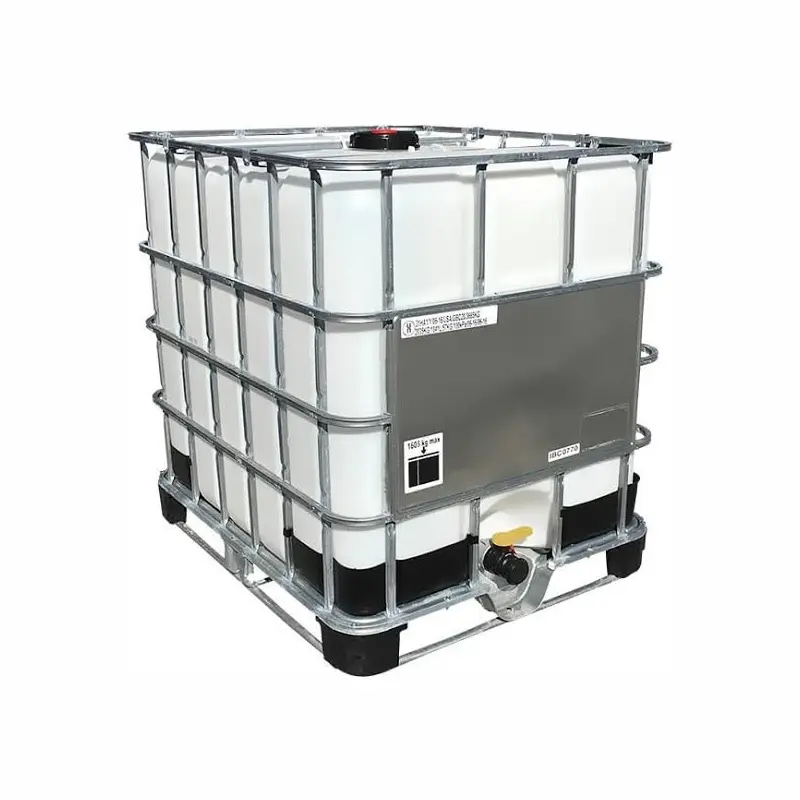
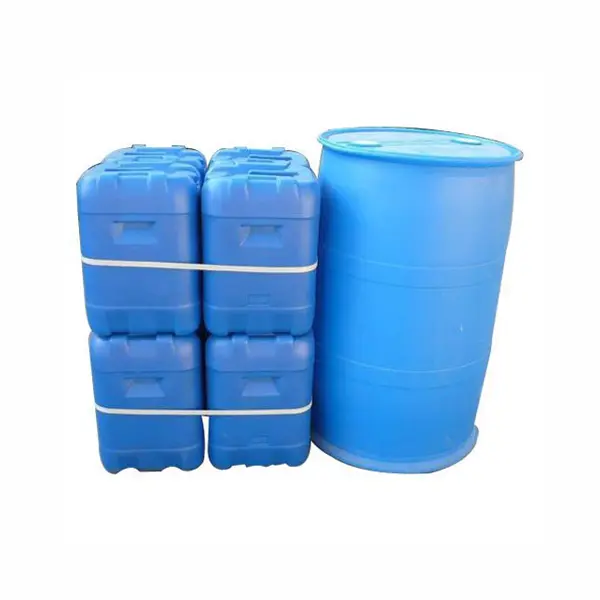
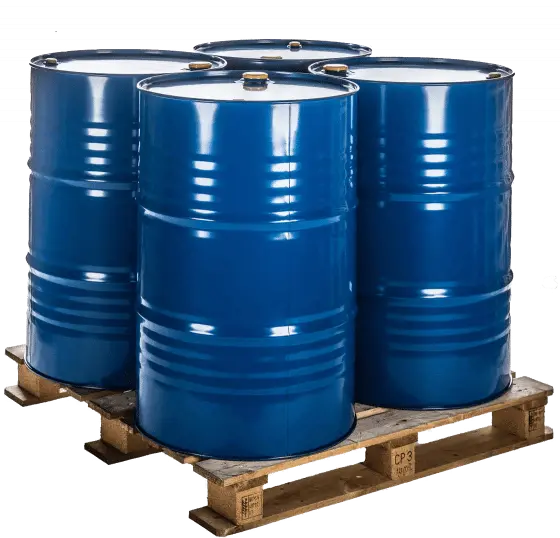
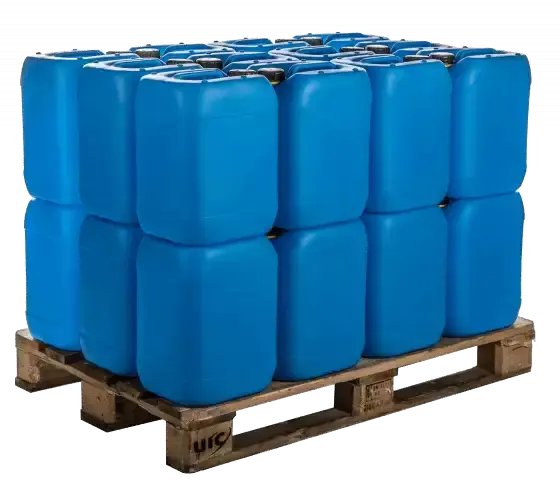
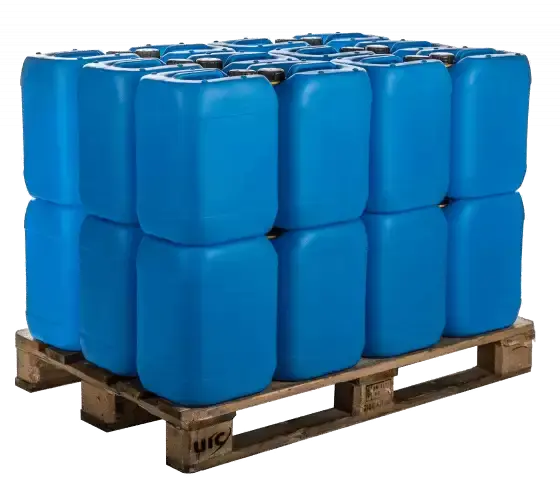
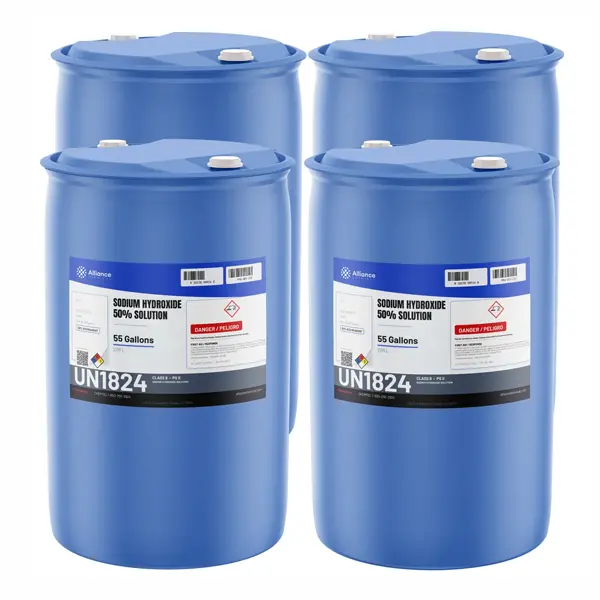
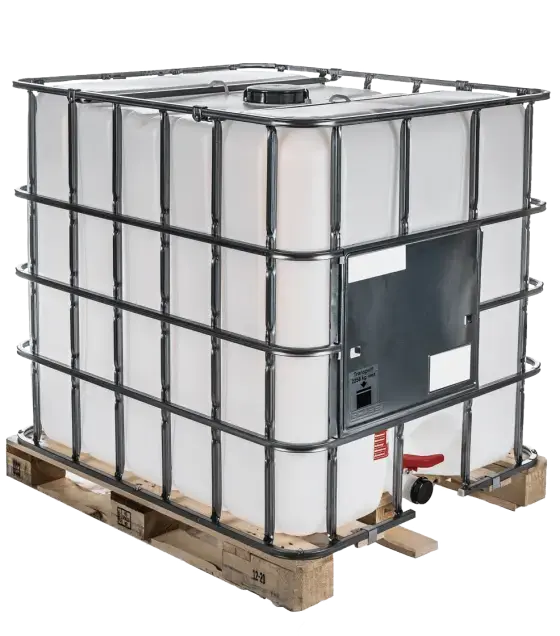
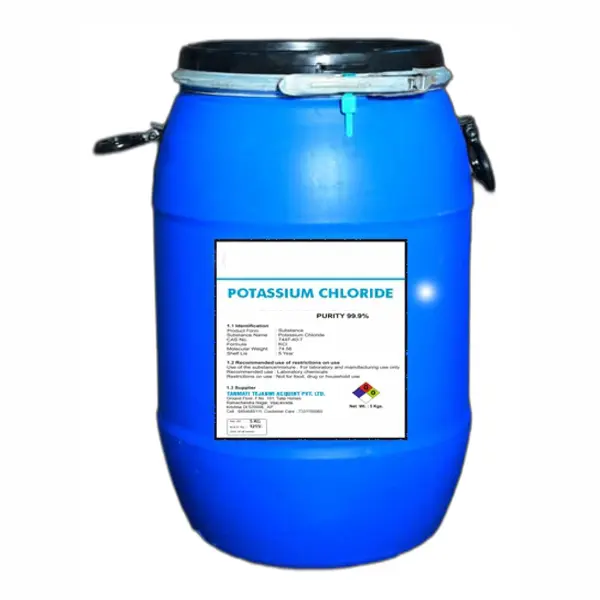
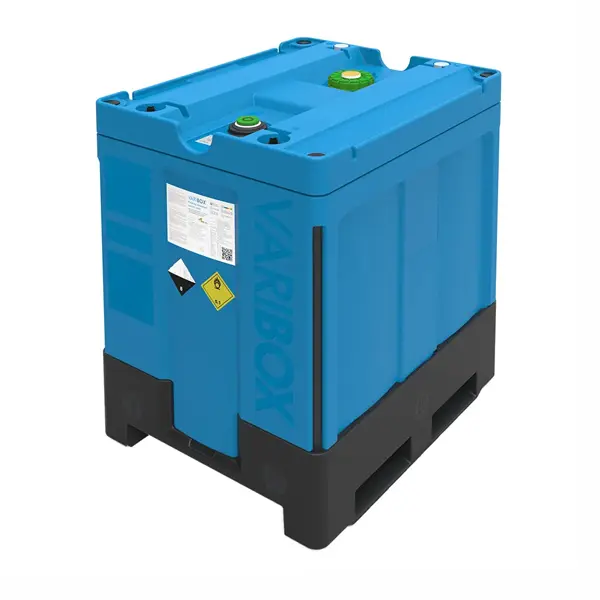
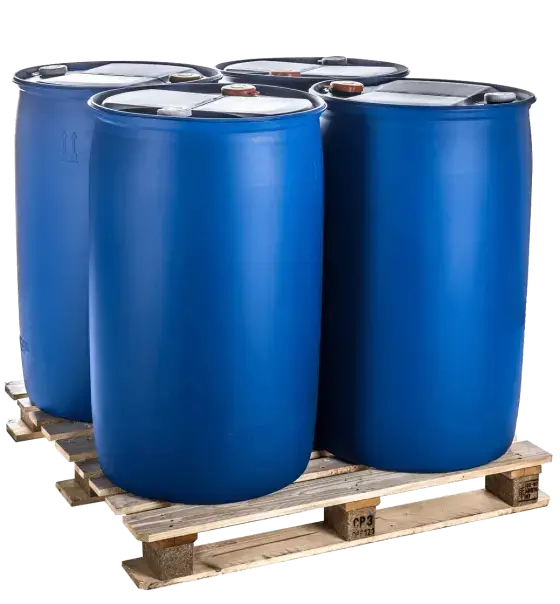
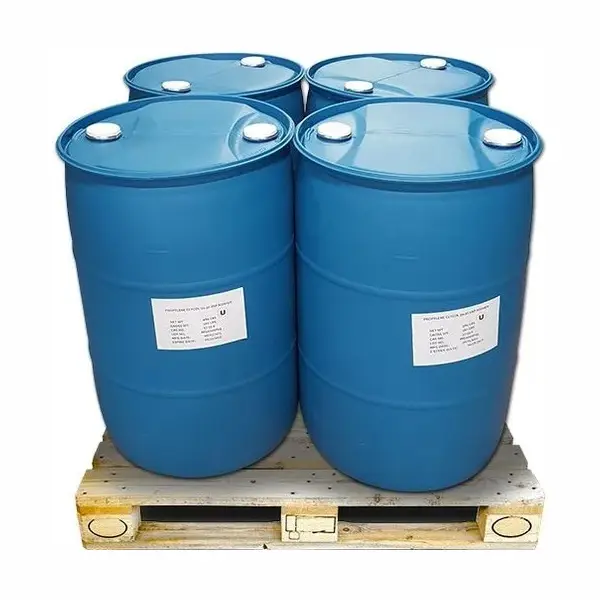
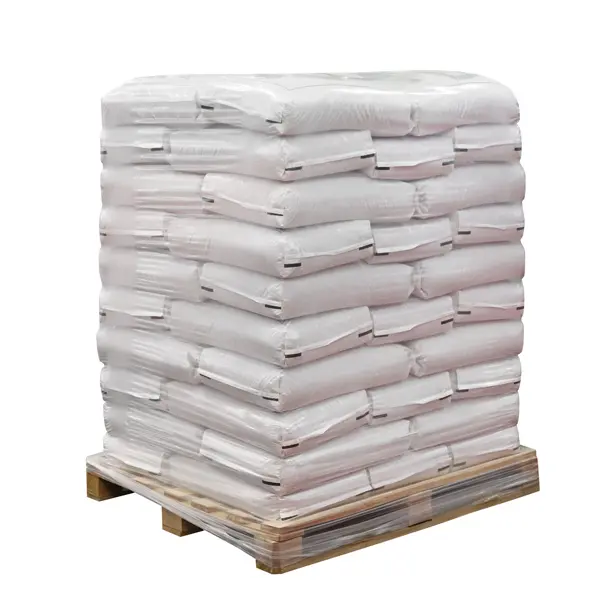
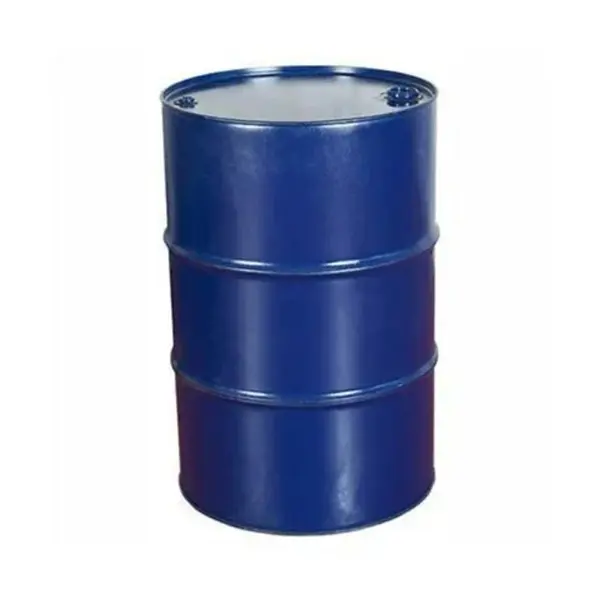
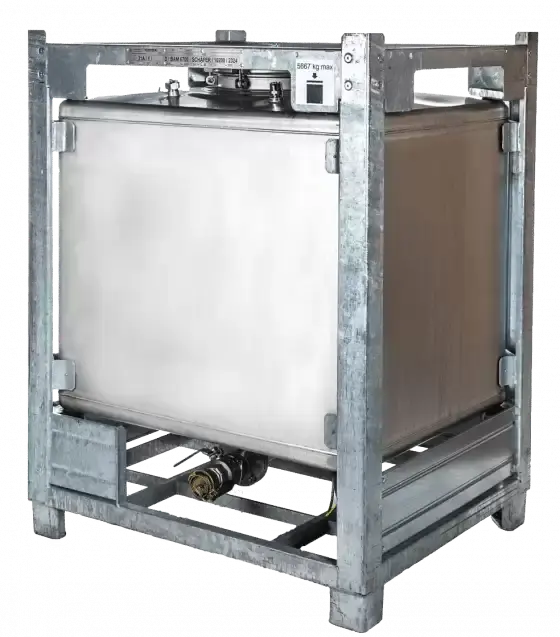
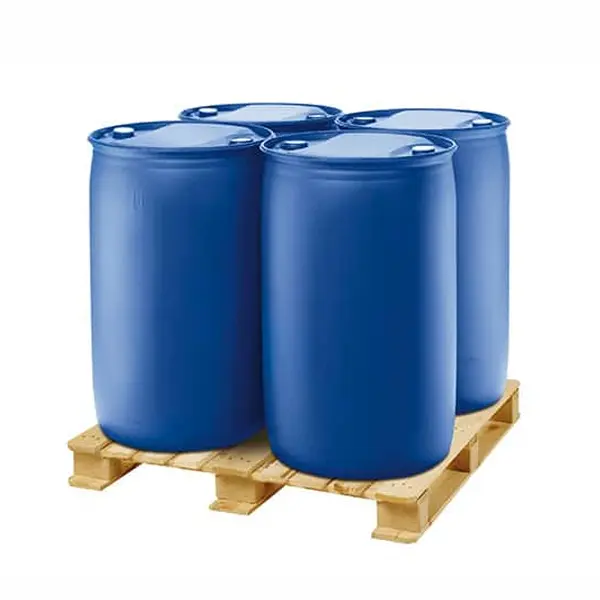
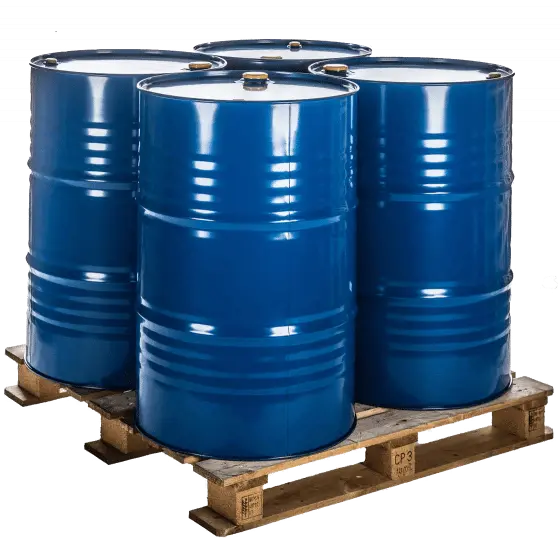
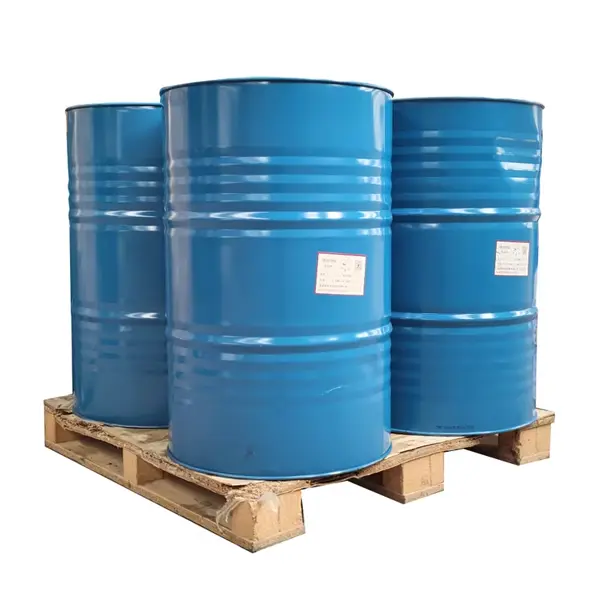
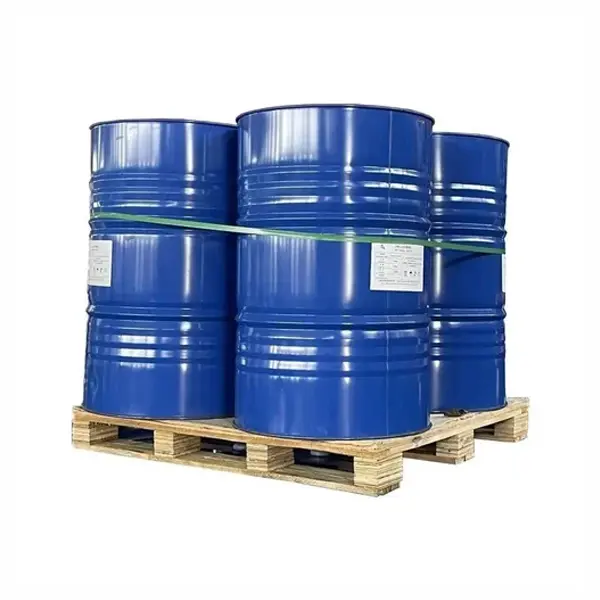
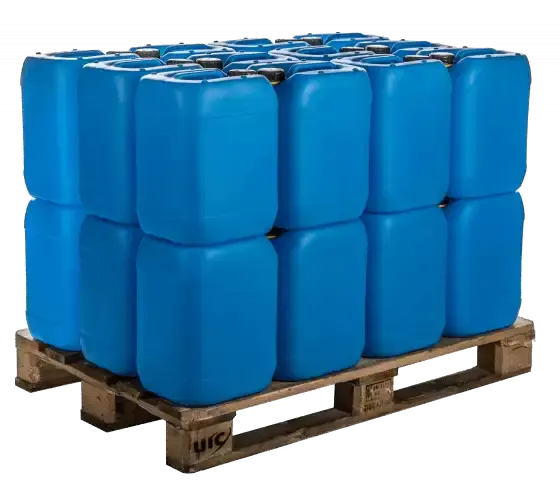
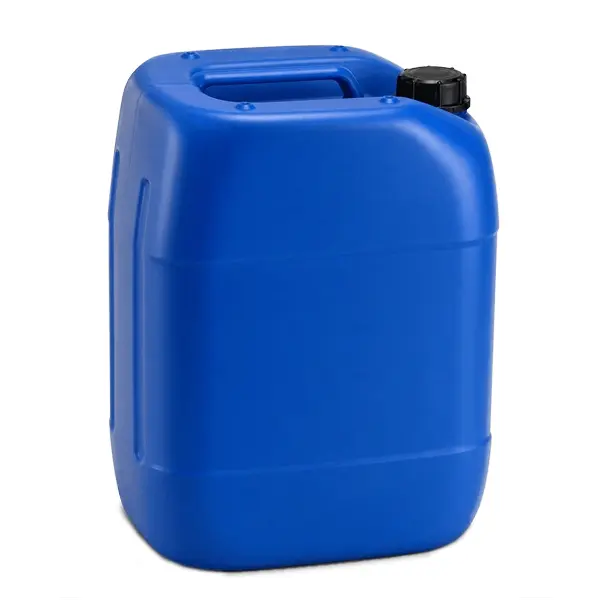
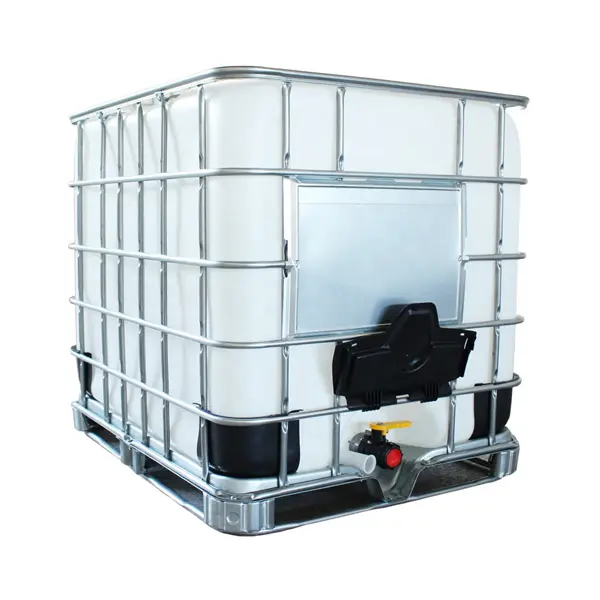
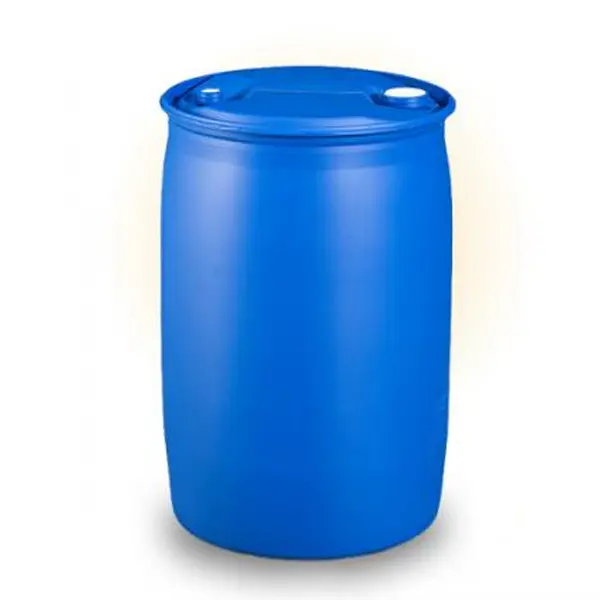
| Packaging | Bags, drums, or bulk packaging depending on supplier and grade |
| Grade and Purity | According to supplier specifications and Certificate of Analysis (COA) |
Note: The molecular weight and CAS number listed for anhydrous Magnesium Chloride differ from those of its hydrated forms. Product specifications should always be verified against the supplied grade.
Storage and Handling
Proper storage and handling are important because Magnesium Chloride is hygroscopic and may absorb moisture from the surrounding environment.
- Store in a cool, dry, and well-ventilated location.
- Keep containers tightly closed to prevent moisture absorption and contamination.
- Use suitable protective gloves, safety glasses, and protective clothing during industrial handling.
- Avoid inhaling dust and minimize direct contact with the eyes and skin.
- Keep the product away from incompatible substances identified in the Safety Data Sheet (SDS).
- Use corrosion-resistant storage and handling equipment where necessary because chloride-containing solutions may corrode certain metals.
- Clean up spills promptly to reduce slipping hazards and prevent damage to nearby materials.
- Follow applicable chemical safety, transportation, and disposal regulations.
Always consult the manufacturer's SDS before handling or using Magnesium Chloride in industrial operations.
Quality and Supply
Magnesium Chloride is available in different grades and physical forms to meet the requirements of industrial and commercial applications. Product quality is commonly evaluated according to magnesium chloride content, purity, moisture level, particle size, and the presence of specified impurities.
Industrial users should select the appropriate grade based on their application and processing conditions. A Technical Data Sheet (TDS) and batch-specific Certificate of Analysis (COA) can help verify product characteristics and compliance with purchasing specifications.
Packaging and supply options vary by manufacturer and distributor. Available formats may include bags, drums, and bulk deliveries for suitable commercial grades.
Conclusion
Magnesium Chloride is an important inorganic salt used in chemical manufacturing, water treatment, dust suppression, deicing, construction, and other industrial applications. Its high water solubility, hygroscopic characteristics, and magnesium content make it a useful ingredient in many chemical and industrial formulations.
Selecting the correct hydration state, purity, and product grade is essential for achieving the required performance. Proper storage, safe handling, and supplier specification verification help maintain product quality and support reliable industrial use.