Monoammonium Phosphate (MAP) – Water-Soluble Phosphate Fertilizer for Agricultural and Industrial Applications
Introduction
Monoammonium Phosphate (MAP) is an inorganic salt composed of ammonium and phosphate ions, with the chemical formula NH₄H₂PO₄. It is commonly supplied as a white crystalline powder, granules, or prills, depending on the commercial grade. MAP is widely used as a phosphorus- and nitrogen-containing fertilizer to support plant growth and crop development.
Due to its nutrient composition and suitability for fertilizer formulations, Monoammonium Phosphate is used in conventional agriculture, specialty fertilizers, and selected industrial applications. Its solubility, nutrient content, and physical properties vary according to the grade and manufacturing process.
Industrial Applications
- Agricultural Fertilizers: Provides nitrogen and phosphorus, essential nutrients for crop growth and root development.
- Fertigation: Water-soluble grades can be used in suitable irrigation and nutrient-delivery systems.
- Fertilizer Blending: Used in the manufacture of compound fertilizers and nutrient blends.
- Hydroponics: Suitable grades may be incorporated into nutrient solutions when compatible with the formulation and water quality.
- Industrial Applications: Selected grades are used in certain chemical formulations and process applications requiring ammonium phosphate.
- Fire-Protection Products: Certain MAP grades are used in dry chemical fire-extinguishing powders and fire-retardant formulations.
Key Benefits
- Supplies nitrogen and phosphorus in a single fertilizer ingredient.
- Supports root development and overall plant growth when applied according to crop requirements.
- Available in different grades for granular fertilizers and specialized nutrient formulations.
- Water-soluble grades support controlled nutrient delivery in compatible agricultural systems.
- Can be blended with other fertilizer materials when chemical compatibility is established.
- Offers versatility across agricultural and selected industrial applications.
Product Specifications
| Specification | Details |
|---|---|
| Product Name | Monoammonium Phosphate |
| Abbreviation | MAP |
| Alternative Name | Ammonium Dihydrogen Phosphate |
| Chemical Formula | NH₄H₂PO₄ |
| CAS Number | 7722-76-1 |
| Molecular Weight | 115.03 g/mol |
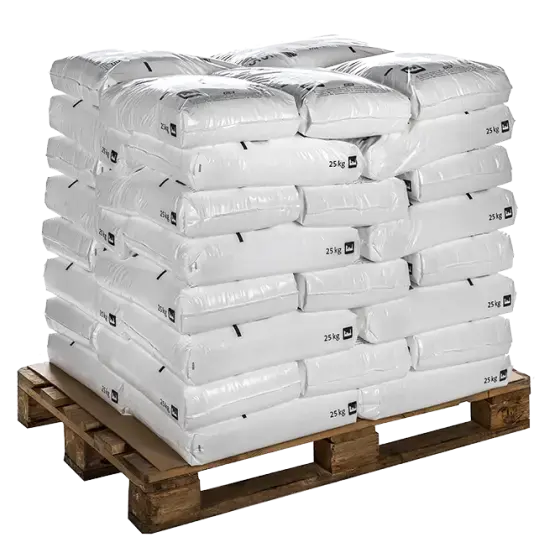
| Appearance | White crystalline powder, granules, or prills |
| Solubility | Soluble in water |
| Chemical Classification | Inorganic ammonium phosphate salt |
| Typical Fertilizer Grade | 11-52-0, depending on commercial specification |
| Primary Function | Source of nitrogen and phosphorus |
| Main Applications | Fertilizers, fertilizer blending, fertigation, selected industrial formulations |
| Purity | Grade-dependent |
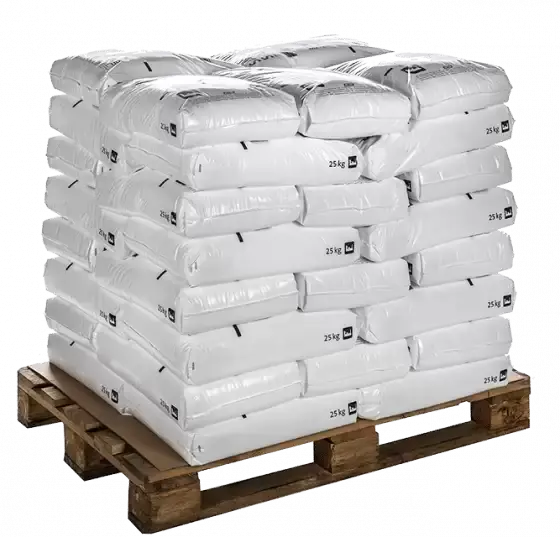
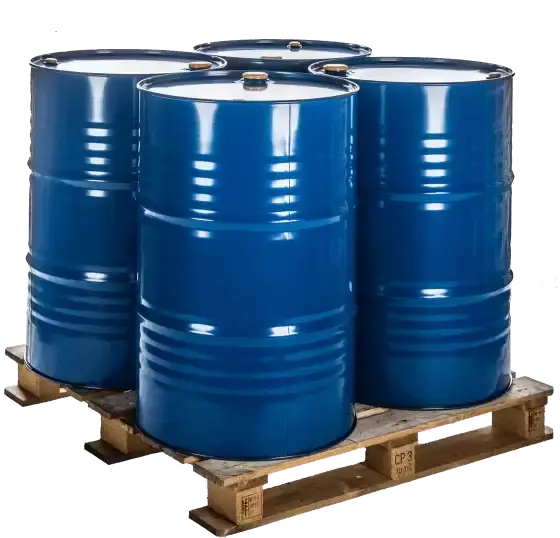
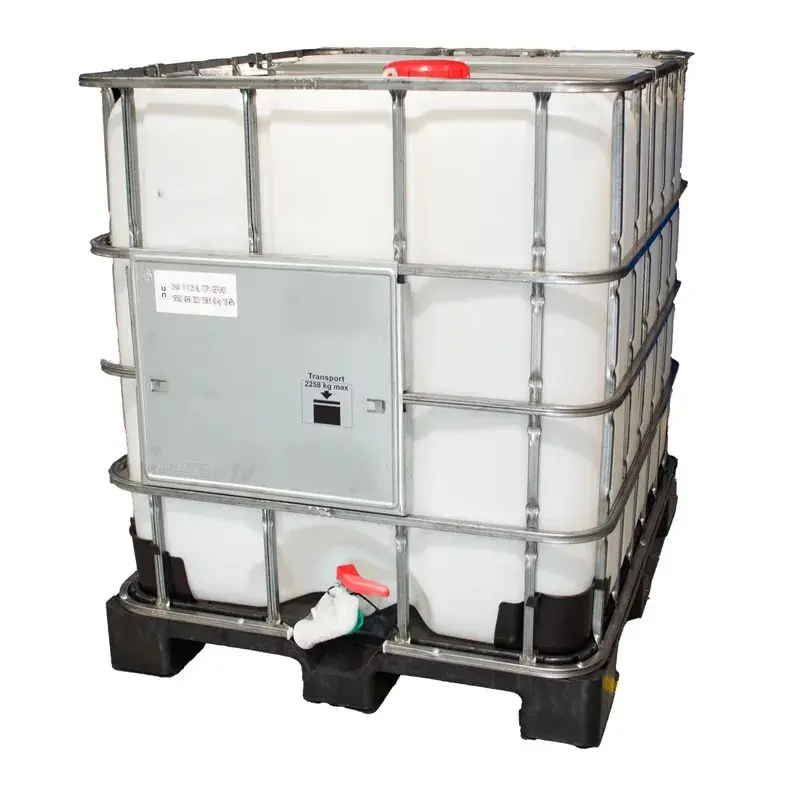
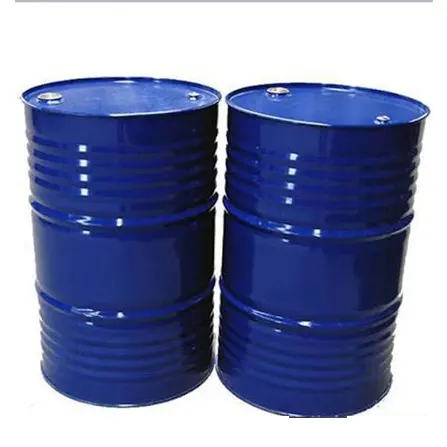
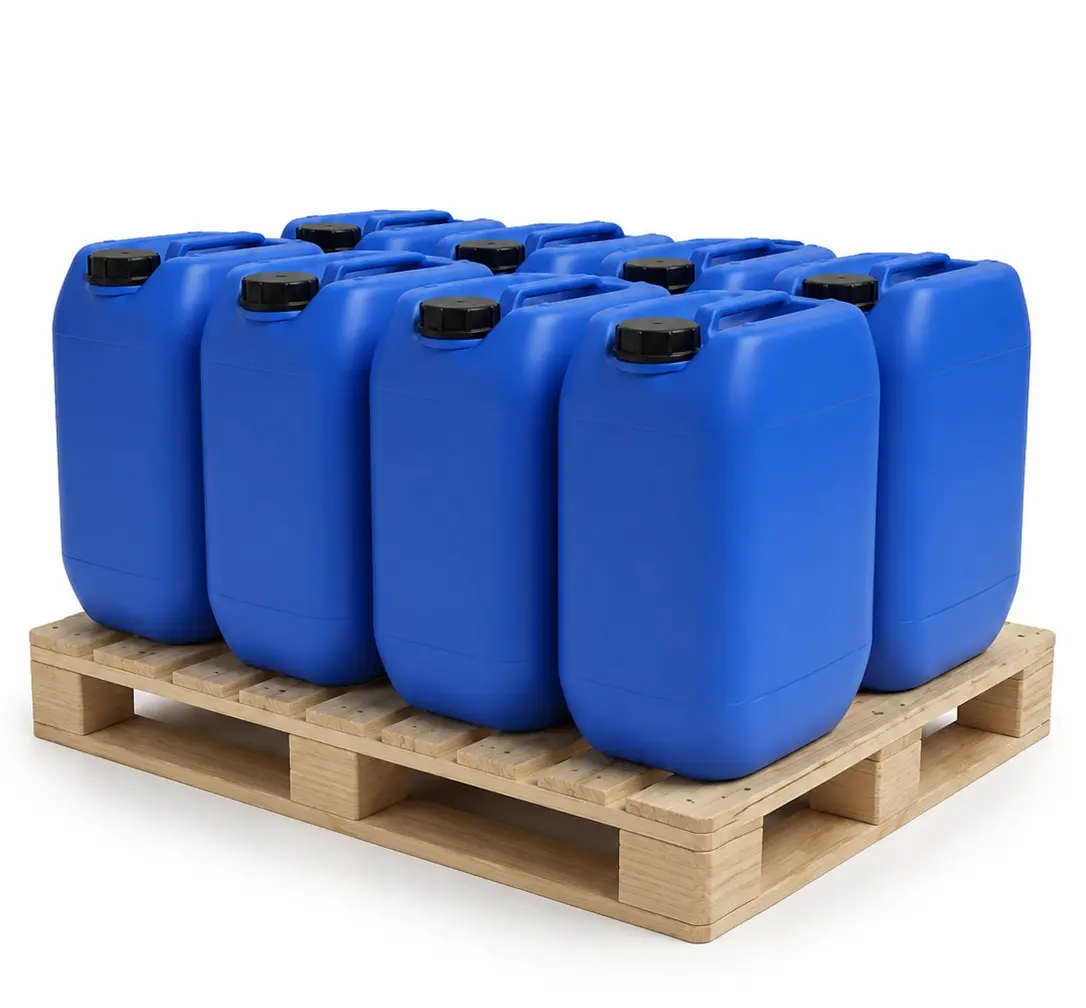
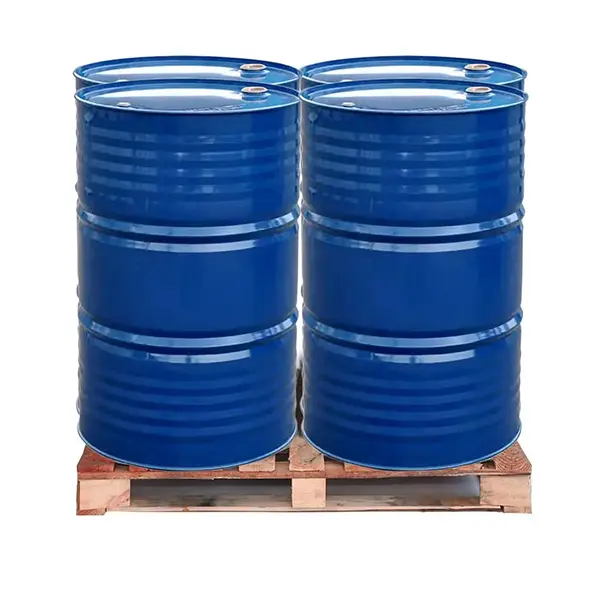
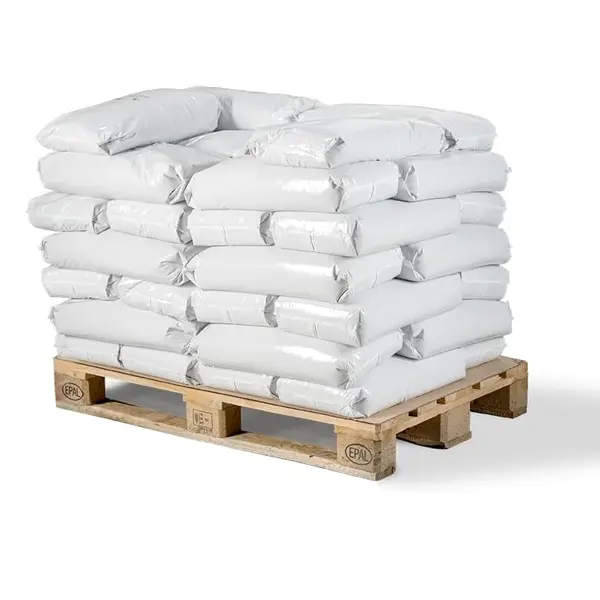
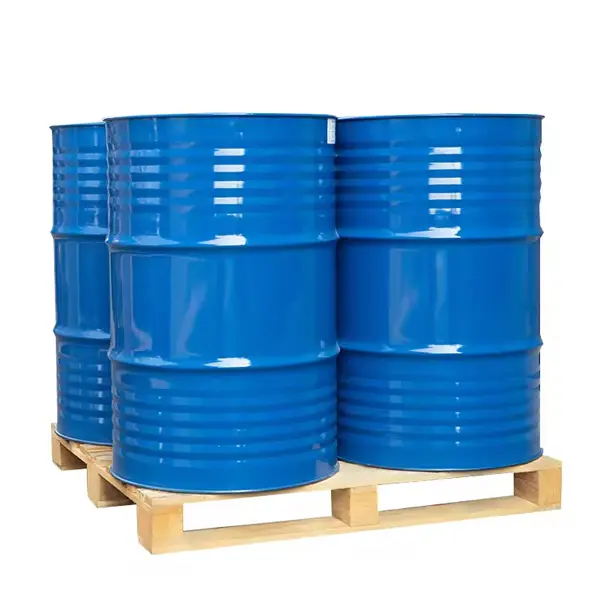
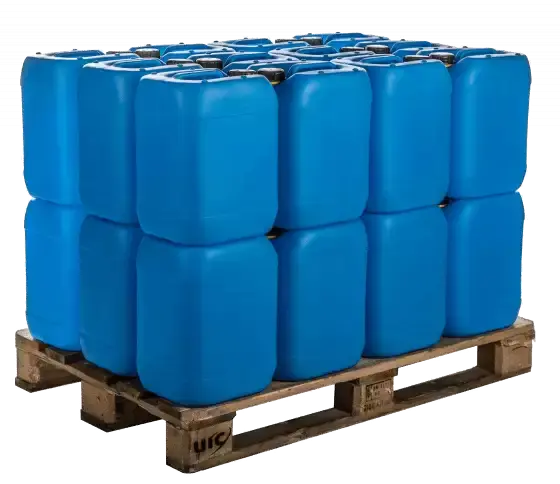
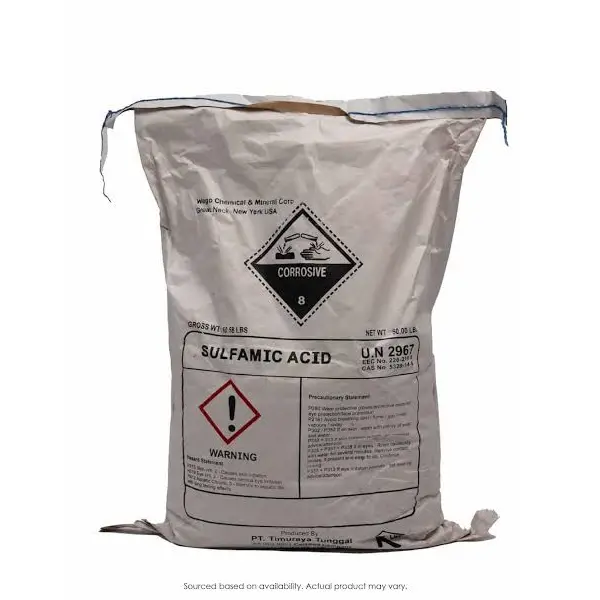
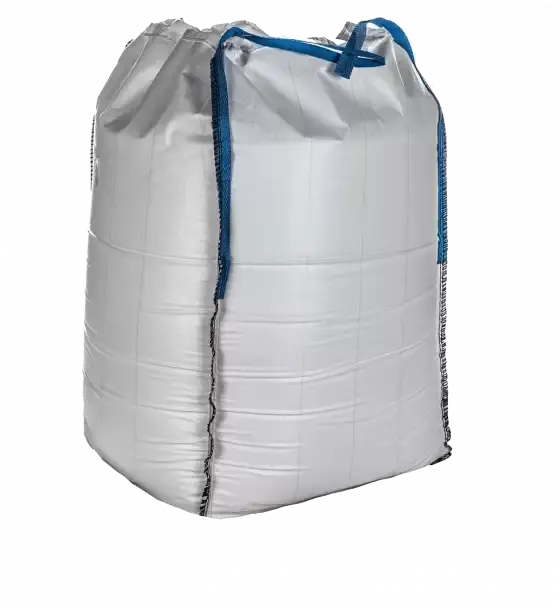
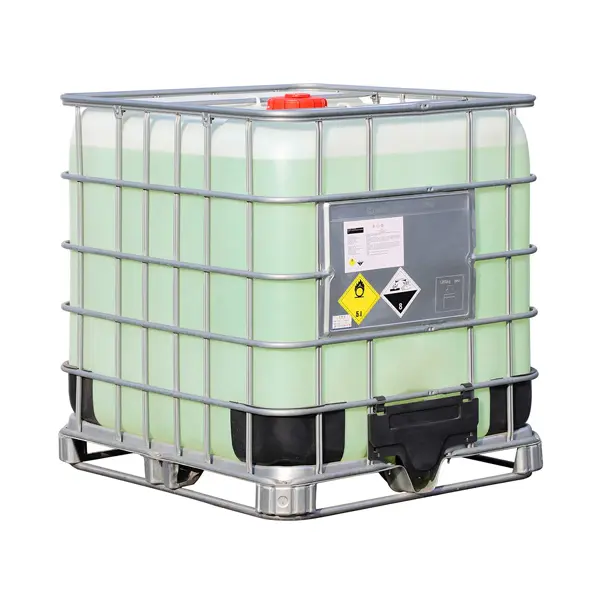
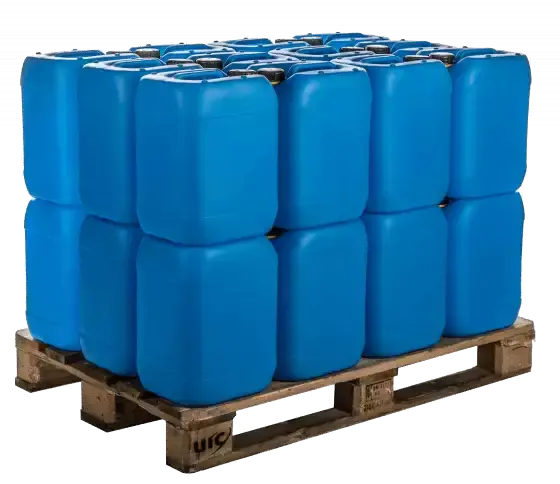
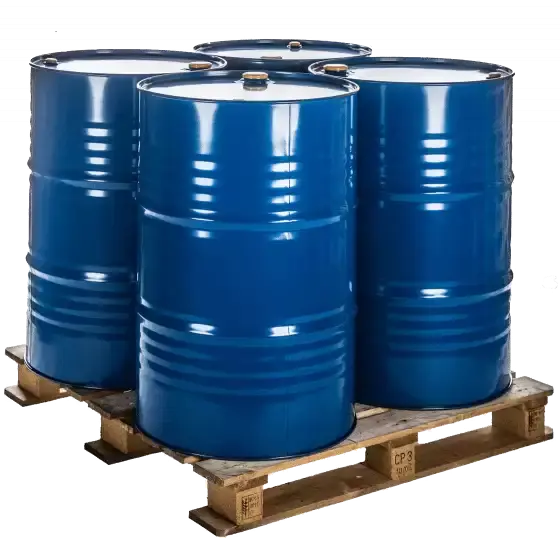
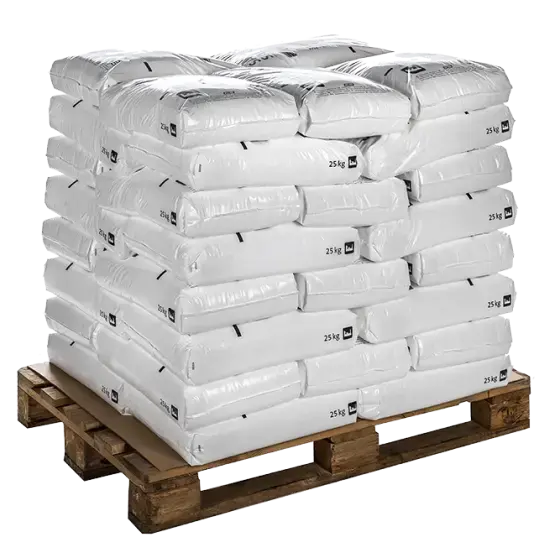
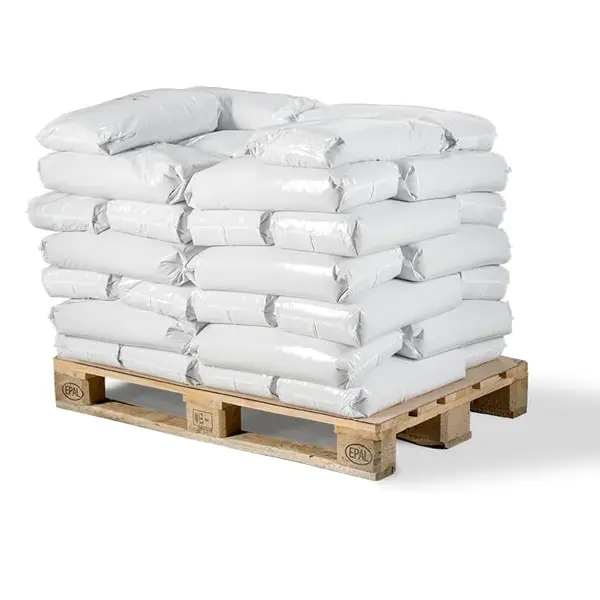
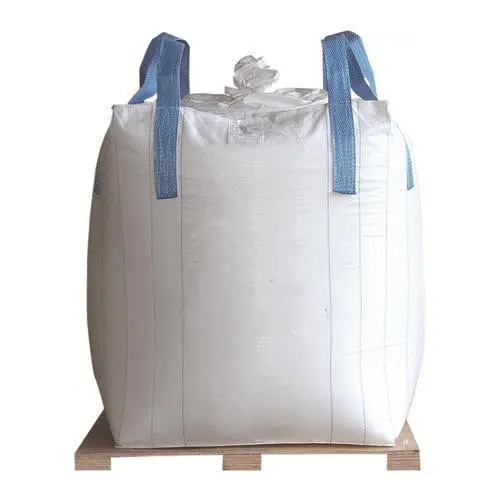
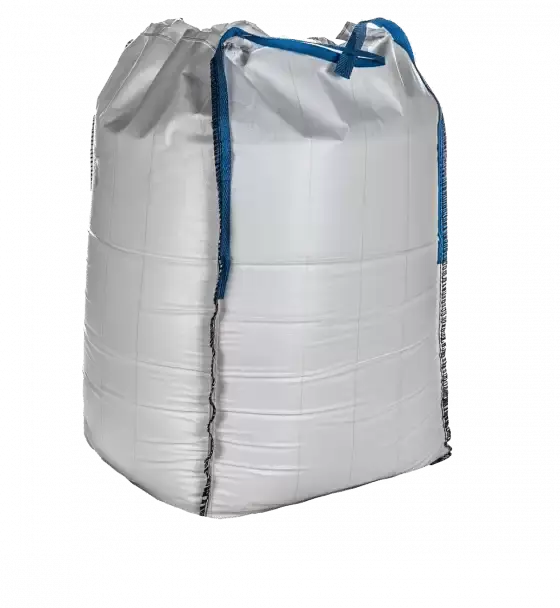
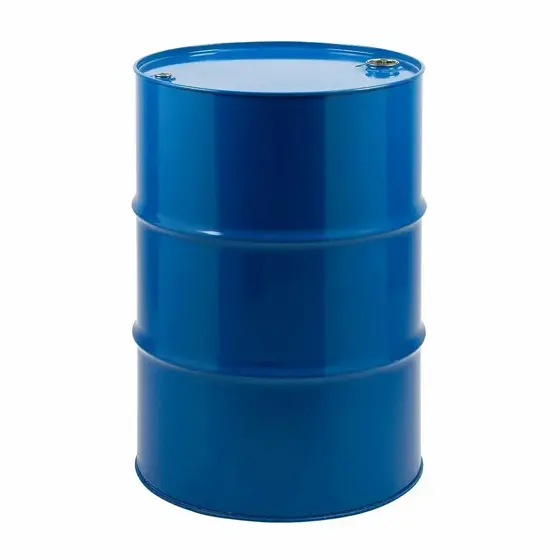
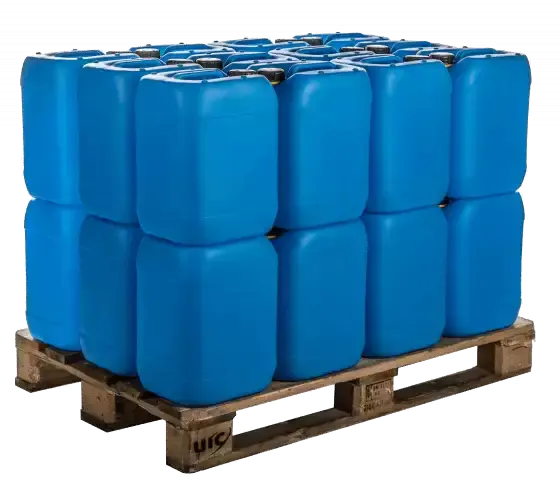
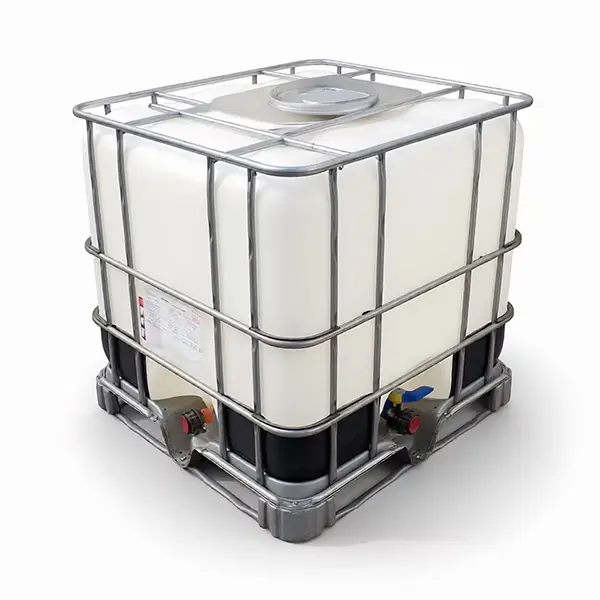
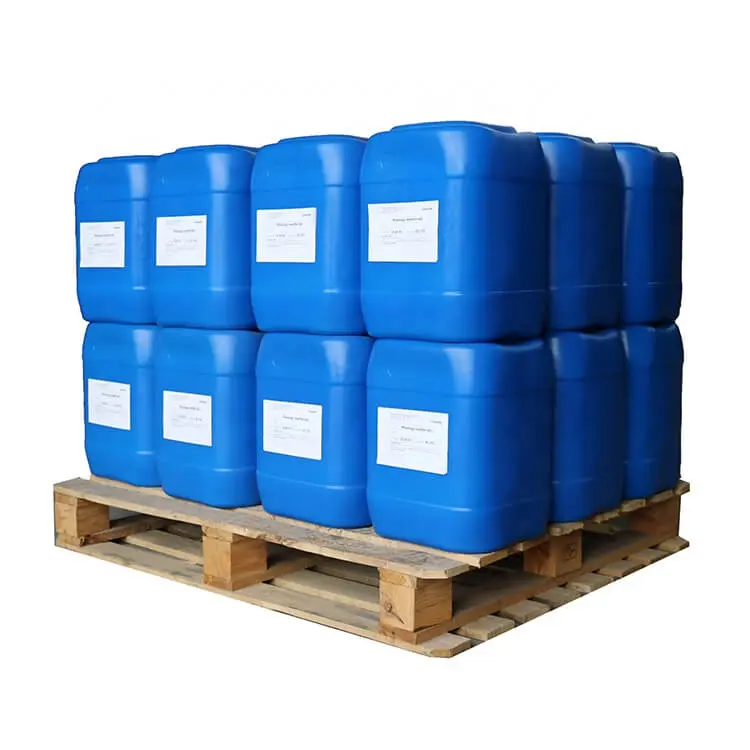
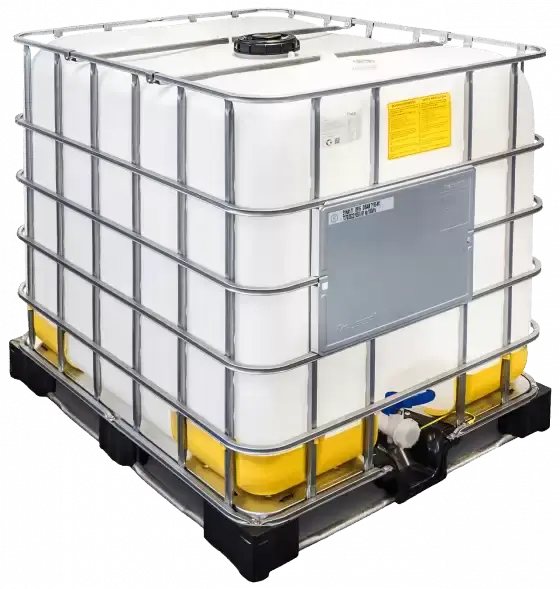
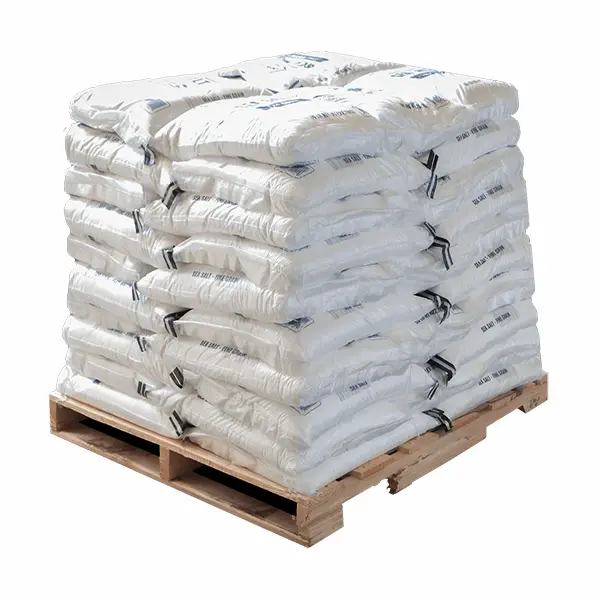
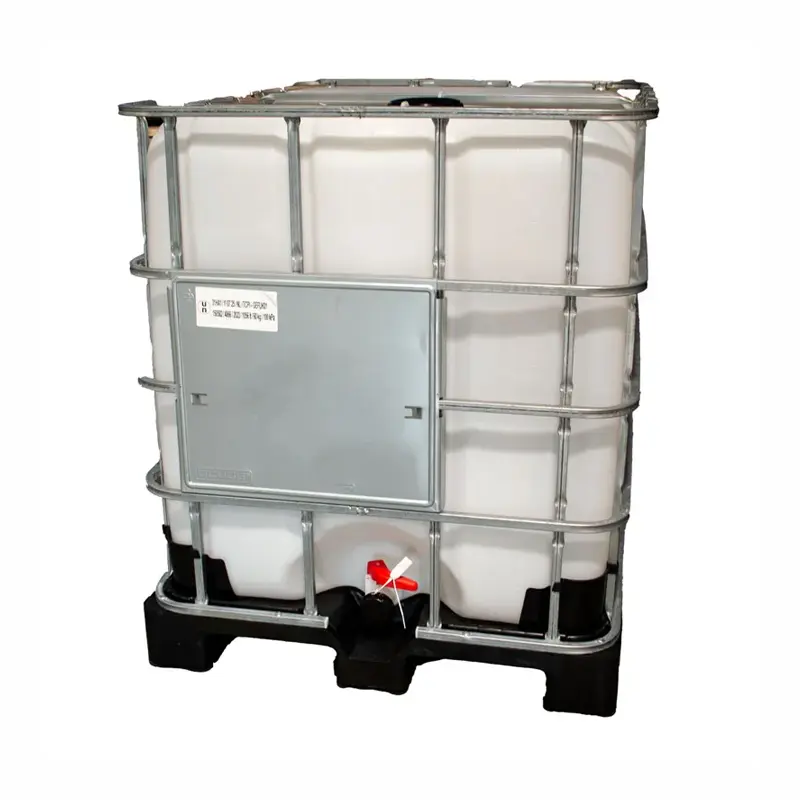
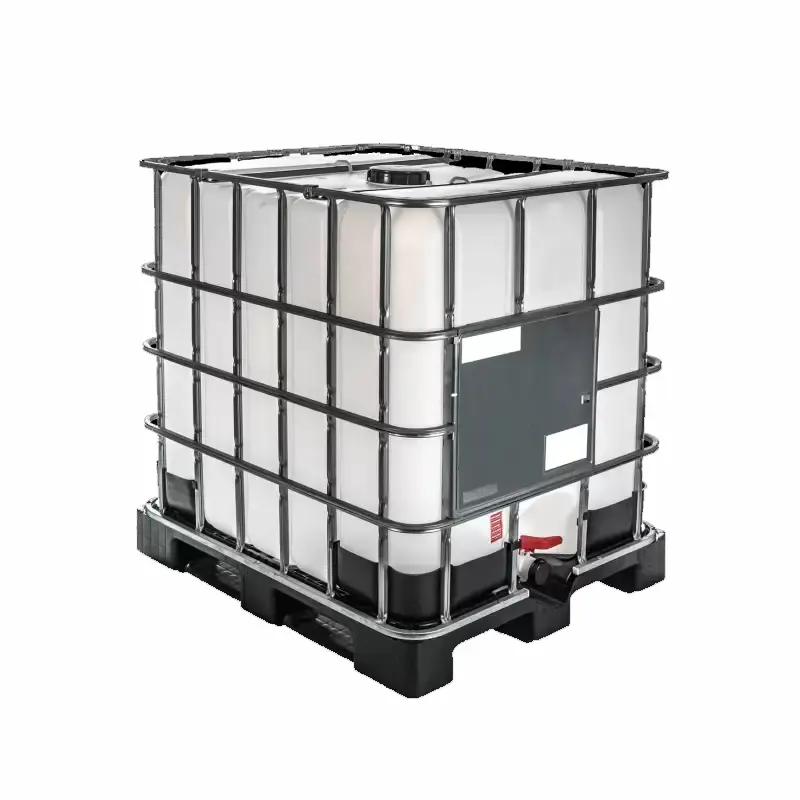
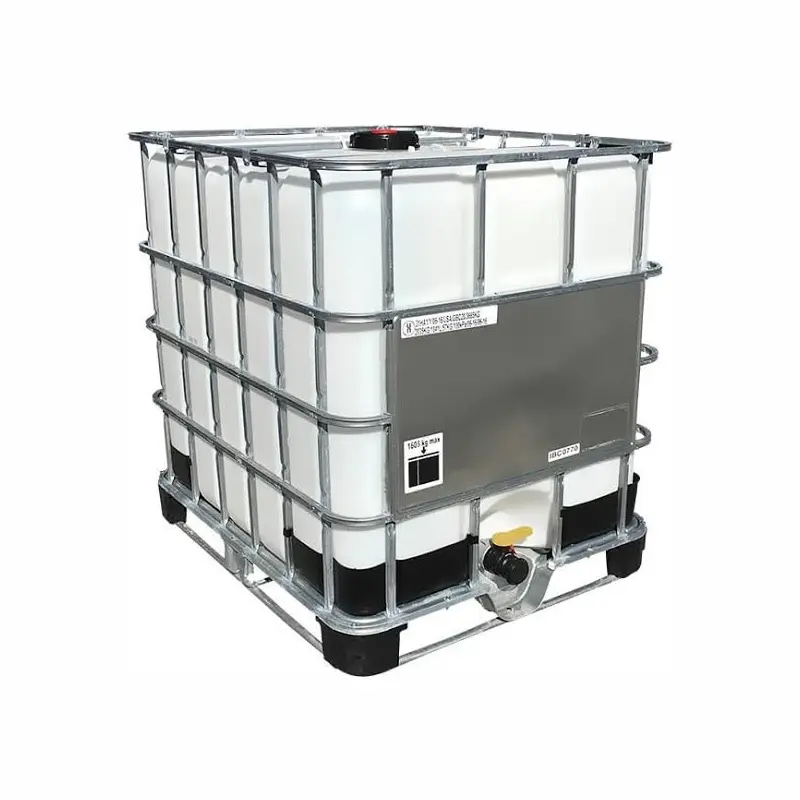
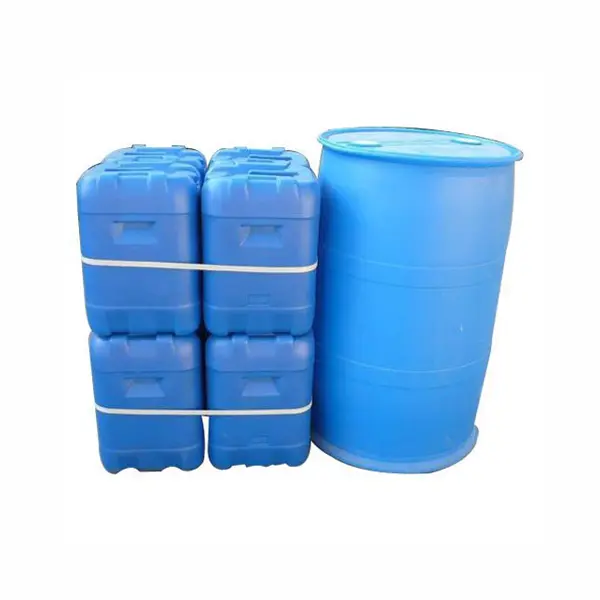
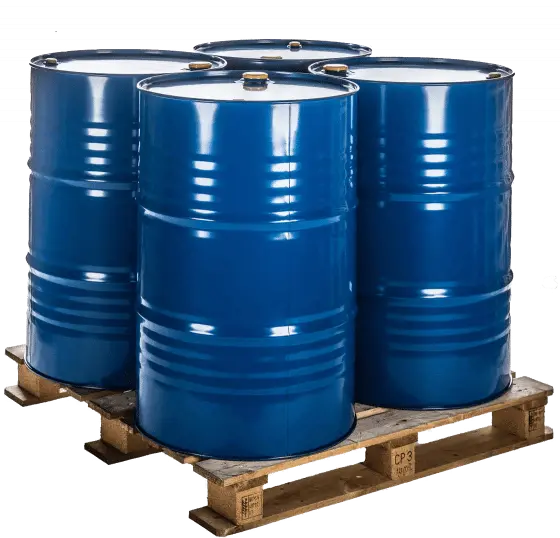
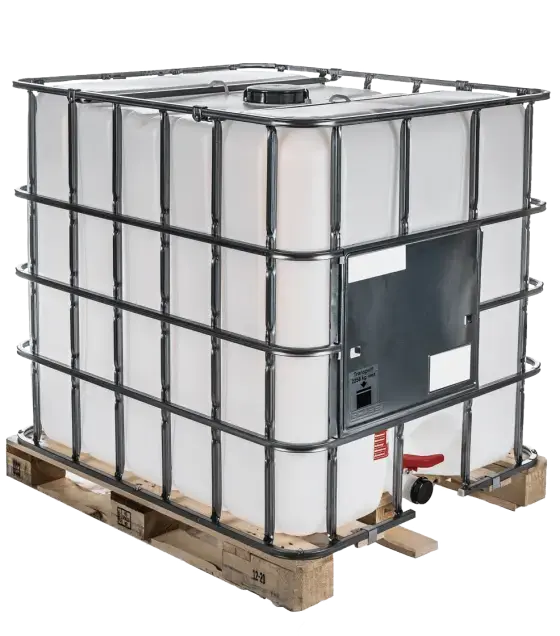
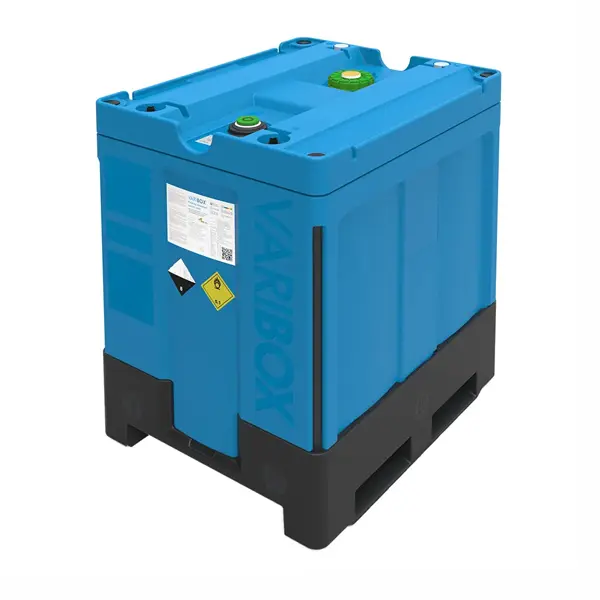
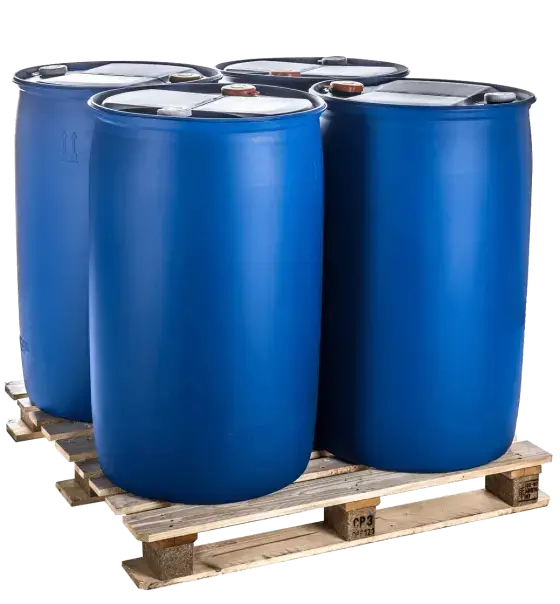
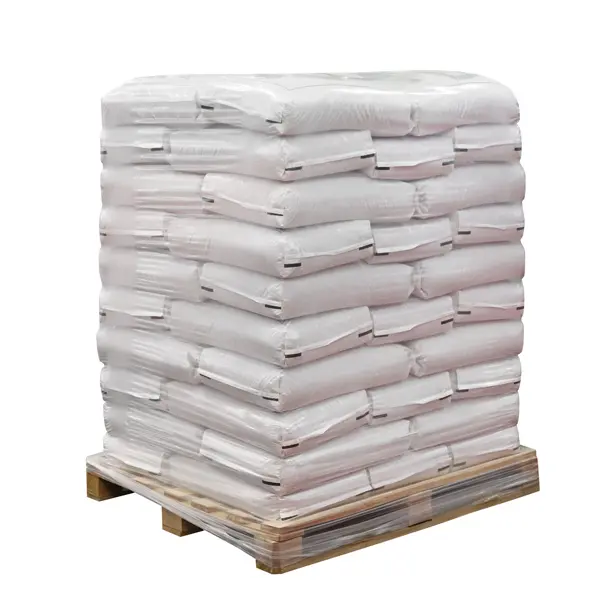
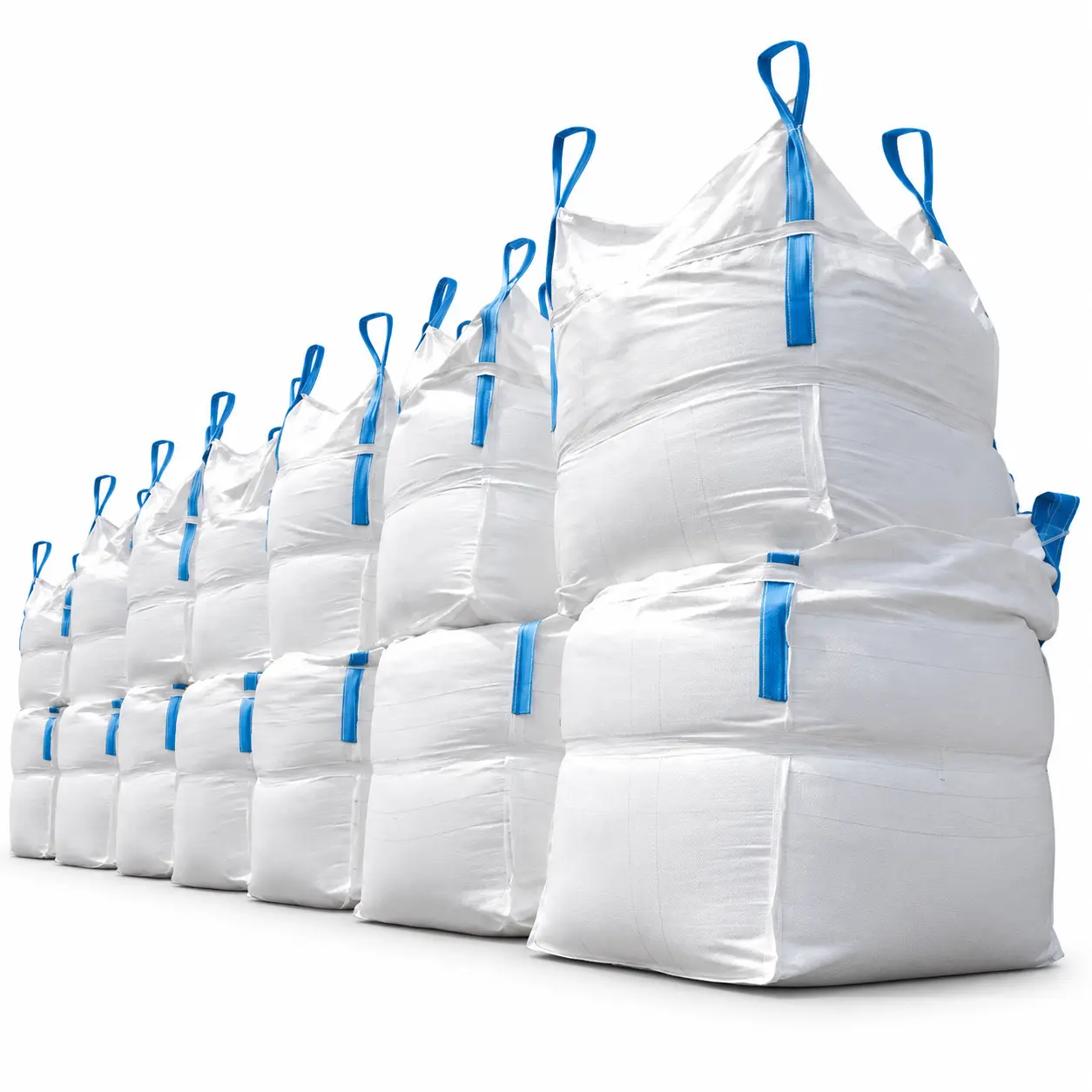
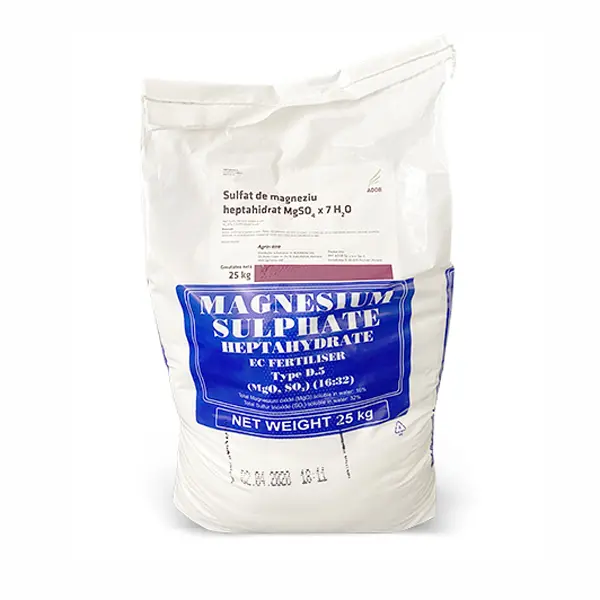
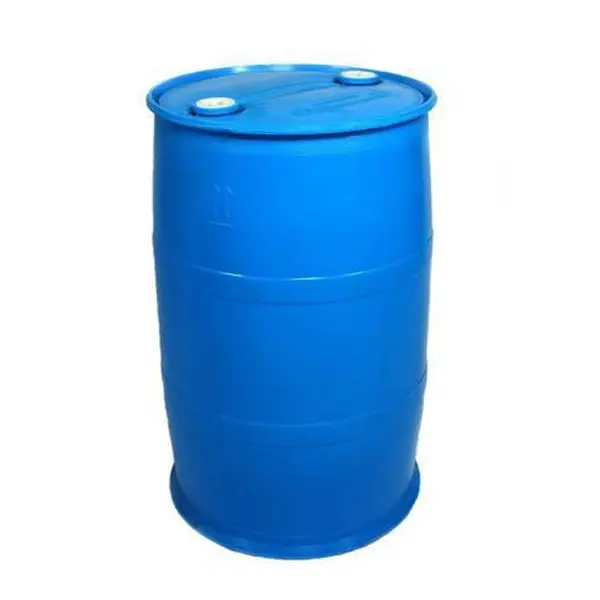
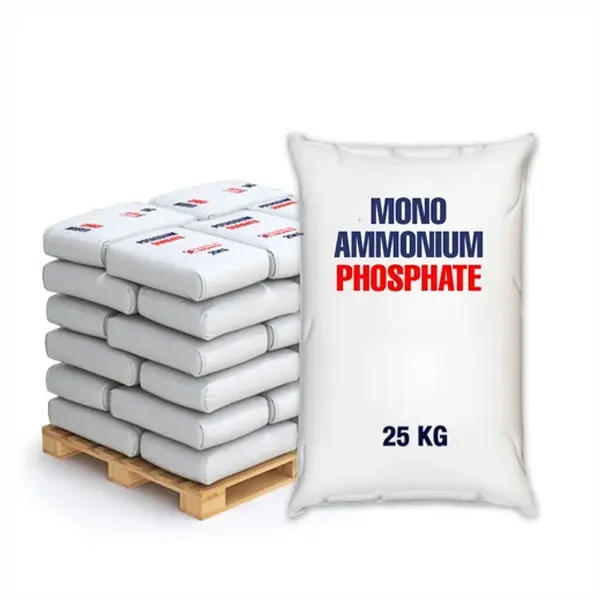
| Packaging | Moisture-resistant bags or other suitable sealed packaging |
Note: The 11-52-0 designation is a common fertilizer grade, not a universal specification. Actual nitrogen and available phosphate content, moisture, particle size, and solubility depend on the product. Confirm the specifications through the supplier's Technical Data Sheet (TDS) and Certificate of Analysis (COA).
Storage and Handling
Monoammonium Phosphate is generally stable under normal storage conditions but should be protected from moisture to prevent caking and deterioration in handling properties.
Store in tightly closed, clearly labeled packaging in a cool, dry, well-ventilated area. Protect the product from humidity, water ingress, and contamination. Avoid generating or inhaling dust during handling, and use suitable gloves, protective clothing, and eye protection according to the workplace risk assessment.
For fertilizer use, follow the supplier's instructions for application rates, dissolution, and compatibility with other nutrients. In concentrated fertilizer solutions, check compatibility before mixing with other products, particularly calcium-containing materials, to reduce the risk of precipitation. Follow the product SDS and applicable local requirements for storage and disposal.
Quality and Supply
Monoammonium Phosphate should be sourced from a reliable supplier that provides grade-specific technical documentation. Before ordering, confirm the intended application, nutrient analysis, purity, particle size, moisture limits, packaging format, and delivery requirements. For agricultural use, verify that the product meets the required fertilizer standards and is suitable for the intended crop and application system. Industrial and specialized formulations may require different purity or physical specifications. Review the COA for batch-specific quality data and the SDS for handling guidance.
Conclusion
Monoammonium Phosphate is an important nitrogen- and phosphorus-containing salt used in agricultural fertilizers, nutrient blends, and selected industrial formulations. Its nutrient composition and availability in different commercial grades make it suitable for a range of agricultural and technical requirements. Choosing the correct grade and following appropriate storage, handling, and application practices helps maintain product quality and support reliable performance. Contact a qualified supplier to discuss availability, nutrient specifications, packaging options, and technical documentation for your application.